
CELL STRUCTURE Jan Homolak 2 nd year School


- Slides: 25
CELL STRUCTURE Jan Homolak, 2 nd year School of Medicine, Zagreb 4/28/2014 Mentor: A. Žmegač Horvat
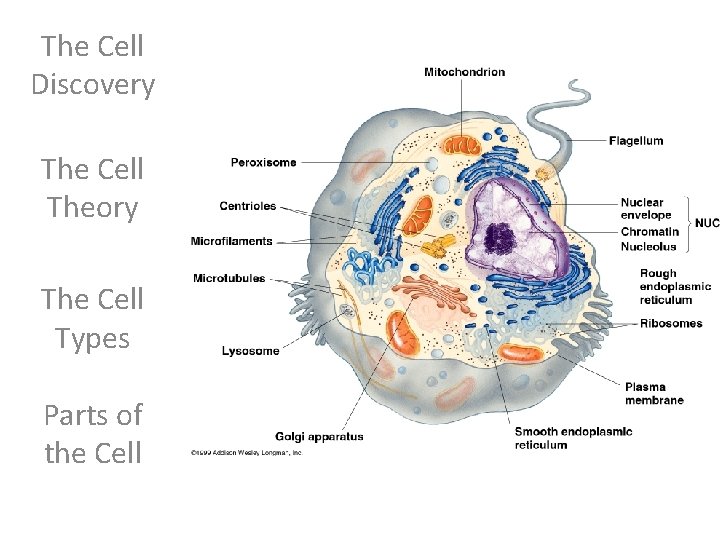
The Cell Discovery The Cell Theory The Cell Types Parts of the Cell
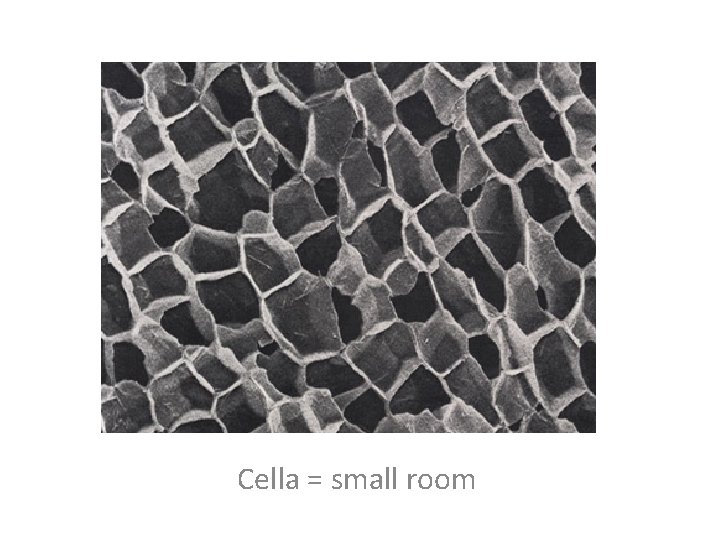
Cella = small room
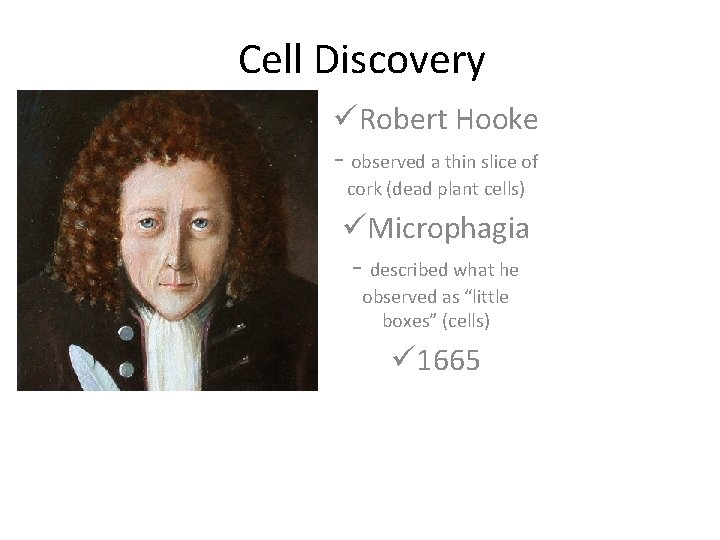
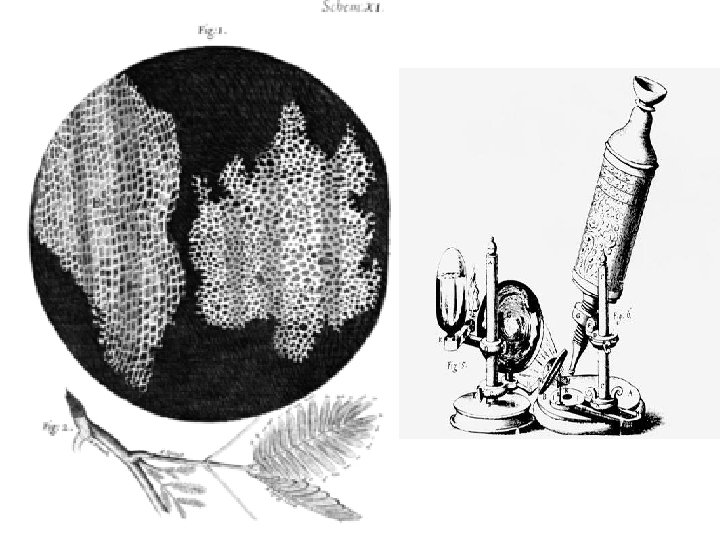
Cell Discovery üRobert Hooke - observed a thin slice of cork (dead plant cells) üMicrophagia - described what he observed as “little boxes” (cells) ü 1665
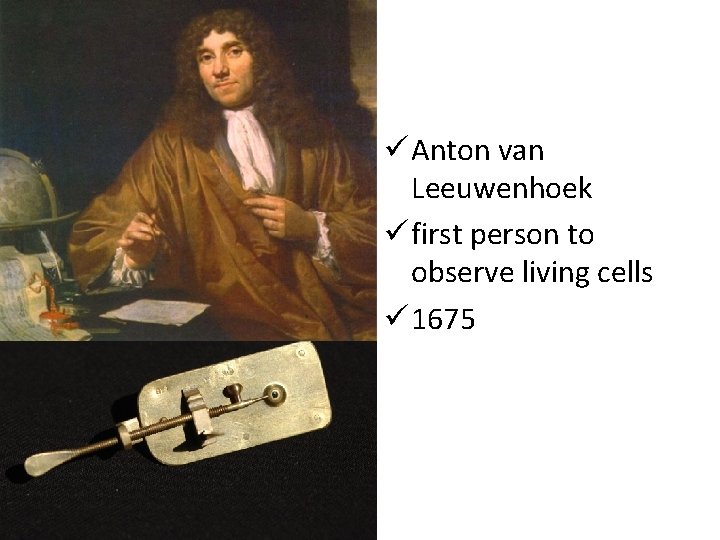
ü Anton van Leeuwenhoek ü first person to observe living cells ü 1675
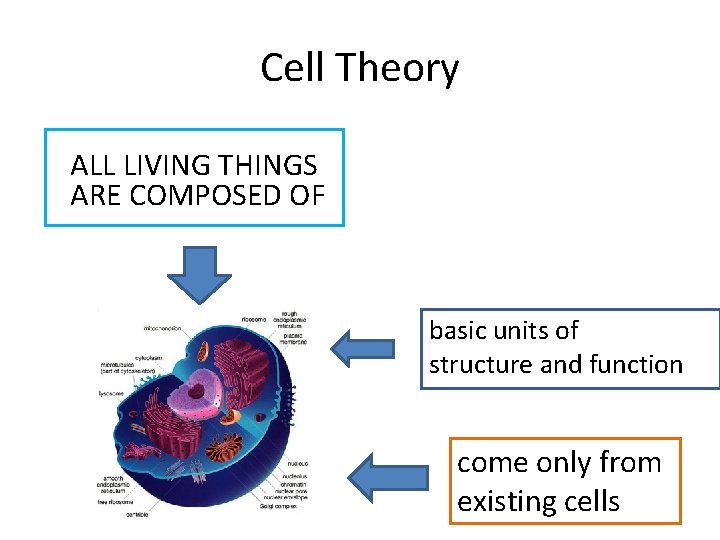
Cell Theory ALL LIVING THINGS ARE COMPOSED OF basic units of structure and function come only from existing cells
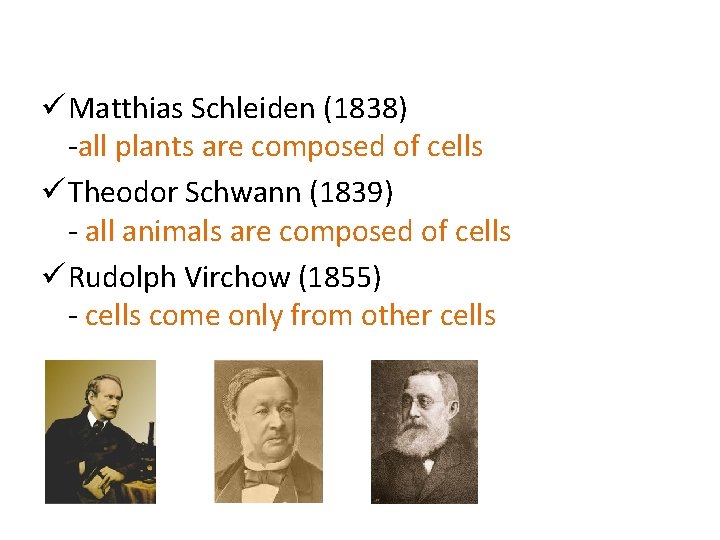
ü Matthias Schleiden (1838) -all plants are composed of cells ü Theodor Schwann (1839) - all animals are composed of cells ü Rudolph Virchow (1855) - cells come only from other cells
? ? ? • The largest cell in the human body? the female ovum • The smallest cell in the human body? male sperm (175, 000 sperm cells weigh as much as a single egg cell) • The largest cell on earth? an ostrich egg • The smallest cell? a tiny bacteria • which cell is the most abundant in the human body? There are more bacterial cells in the body than human cells.
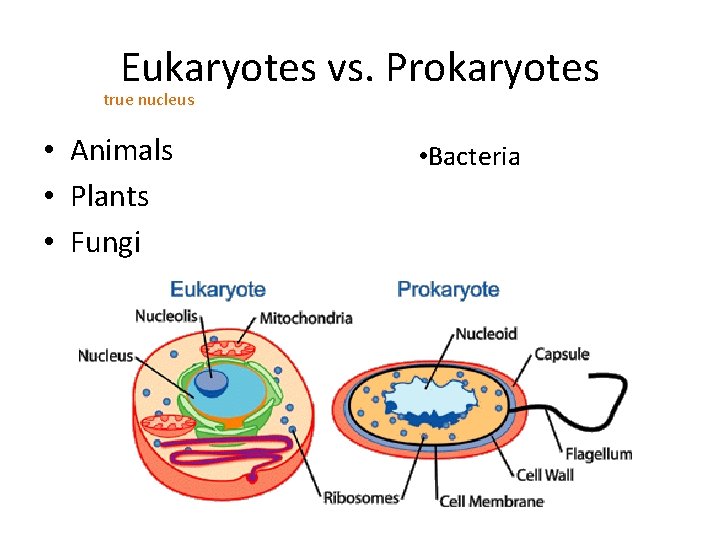
Eukaryotes vs. Prokaryotes true nucleus • Animals • Plants • Fungi • Bacteria
Parts of the Cell • • taking food transforming food into energy getting rid of wastes reproducing
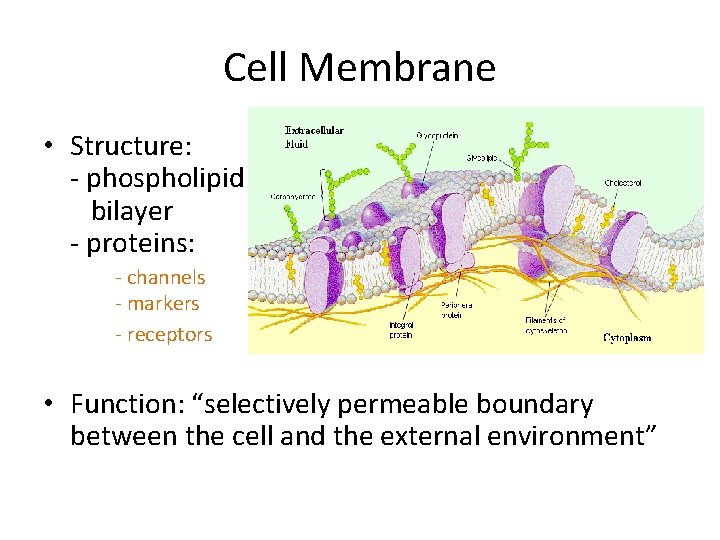
Cell Membrane • Structure: - phospholipid bilayer - proteins: - channels - markers - receptors • Function: “selectively permeable boundary between the cell and the external environment”
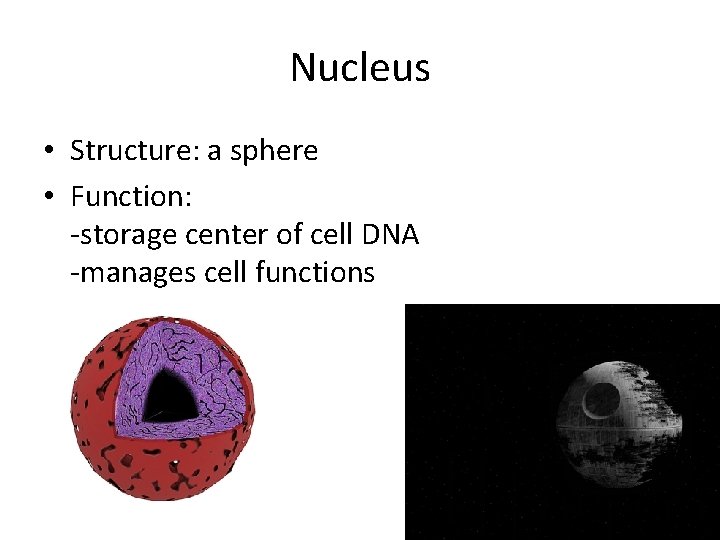
Nucleus • Structure: a sphere • Function: -storage center of cell DNA -manages cell functions
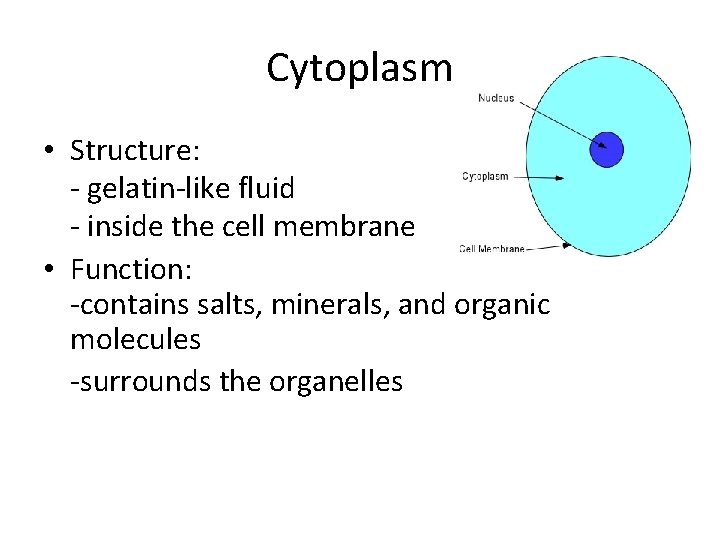
Cytoplasm • Structure: - gelatin-like fluid - inside the cell membrane • Function: -contains salts, minerals, and organic molecules -surrounds the organelles
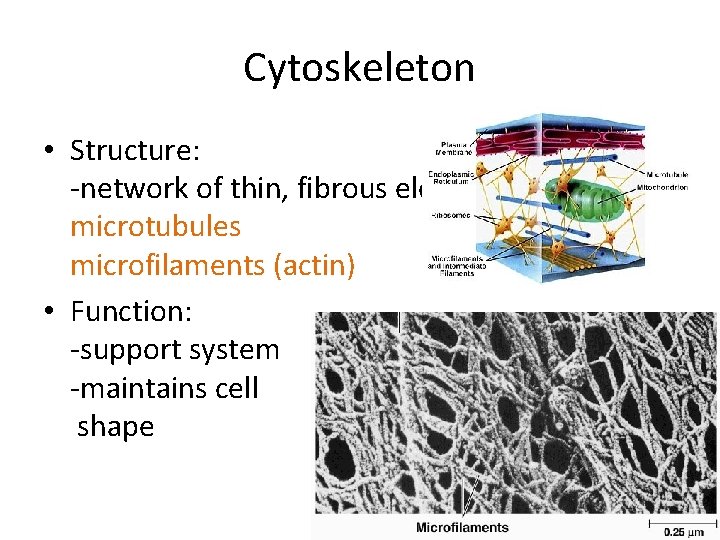
Cytoskeleton • Structure: -network of thin, fibrous elements microtubules microfilaments (actin) • Function: -support system -maintains cell shape
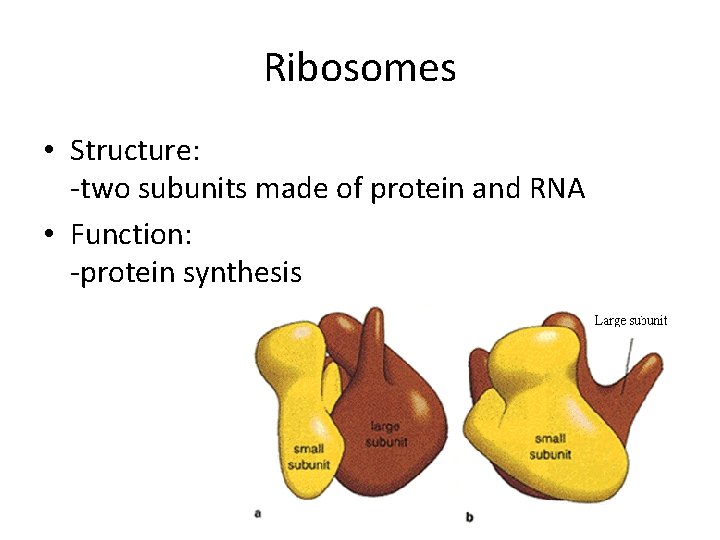
Ribosomes • Structure: -two subunits made of protein and RNA • Function: -protein synthesis
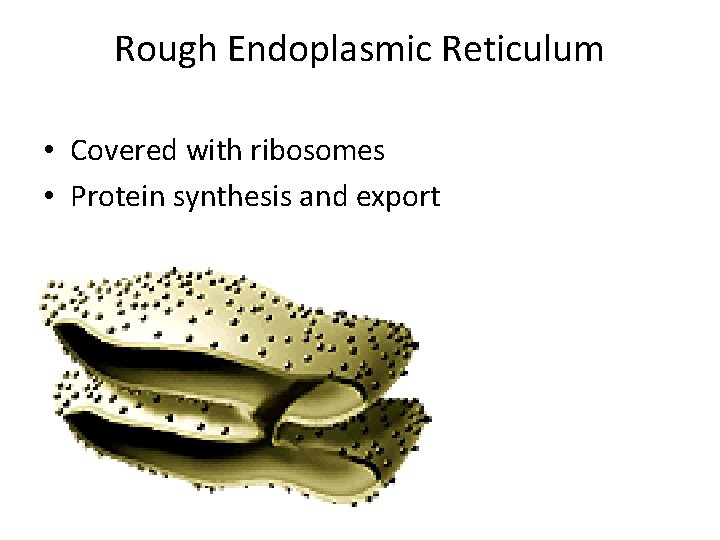
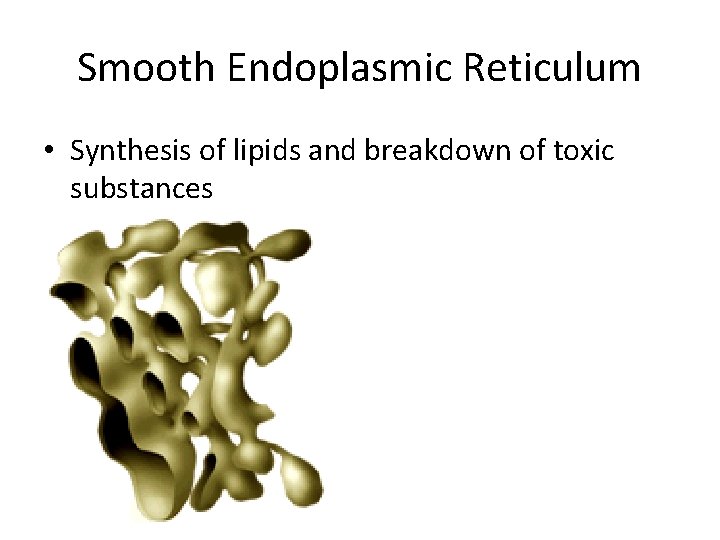
Endoplasmic Reticulum • Structure: -a system of membranous tubules and sacs • Function: -”intercellular highway” ürough endoplasmic reticulum üsmooth endoplasmic reticulum
Rough Endoplasmic Reticulum • Covered with ribosomes • Protein synthesis and export
Smooth Endoplasmic Reticulum • Synthesis of lipids and breakdown of toxic substances
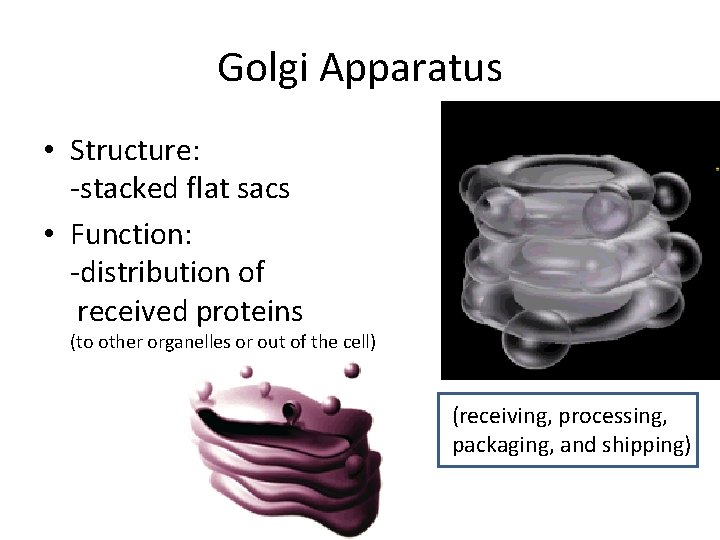
Golgi Apparatus • Structure: -stacked flat sacs • Function: -distribution of received proteins (to other organelles or out of the cell) (receiving, processing, packaging, and shipping)
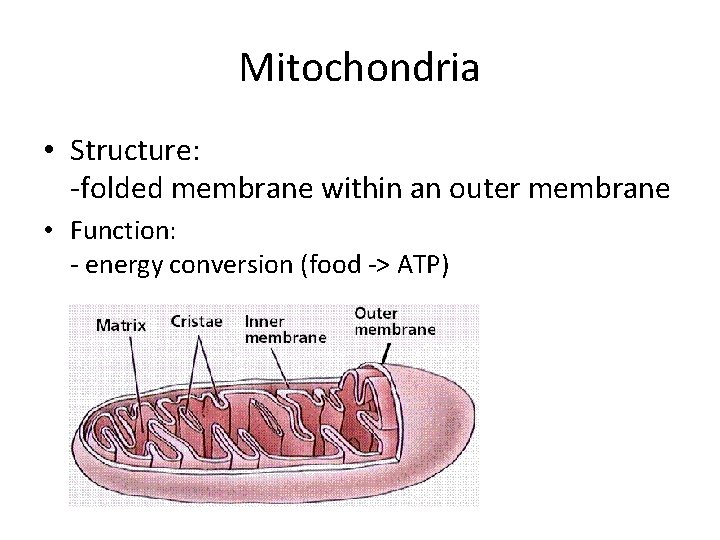
Mitochondria • Structure: -folded membrane within an outer membrane • Function: - energy conversion (food -> ATP)
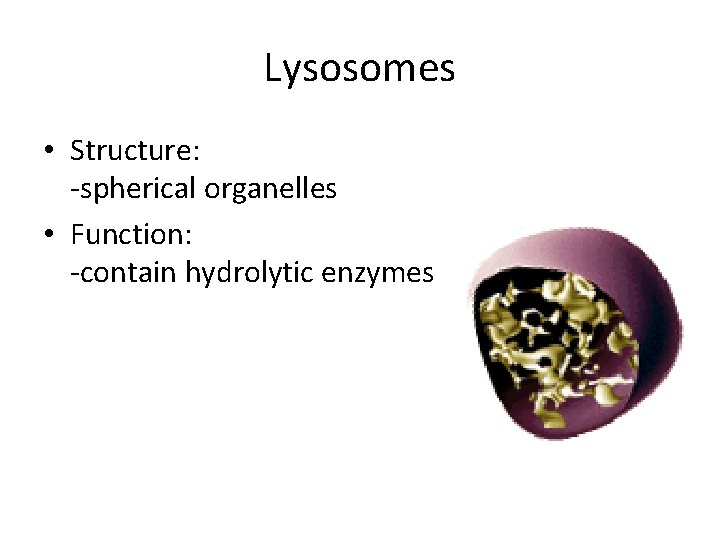
Lysosomes • Structure: -spherical organelles • Function: -contain hydrolytic enzymes
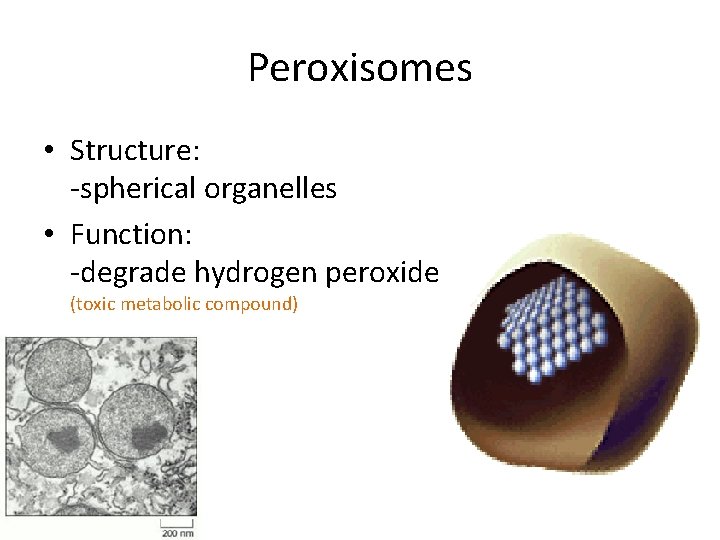
Peroxisomes • Structure: -spherical organelles • Function: -degrade hydrogen peroxide (toxic metabolic compound)
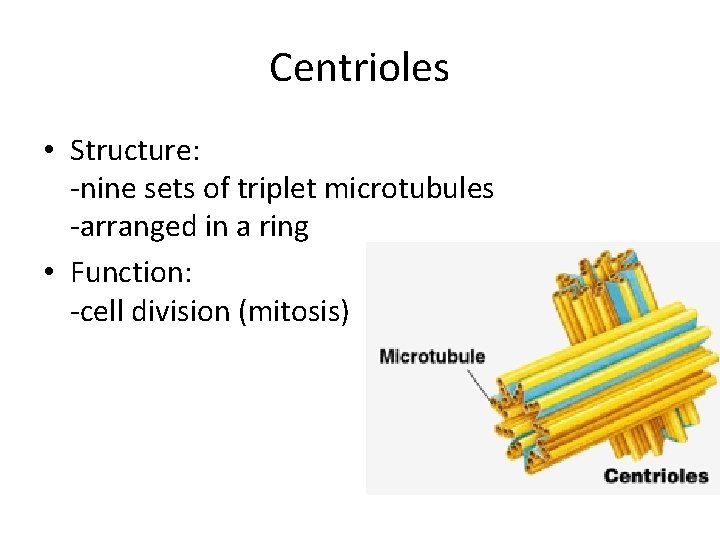
Centrioles • Structure: -nine sets of triplet microtubules -arranged in a ring • Function: -cell division (mitosis)