
Cell Structure Function Robert Hooke 1600 s named

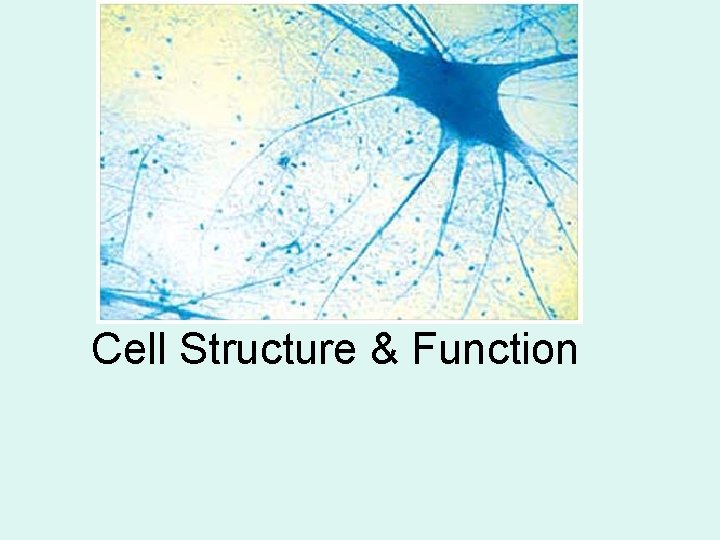
Cell Structure & Function
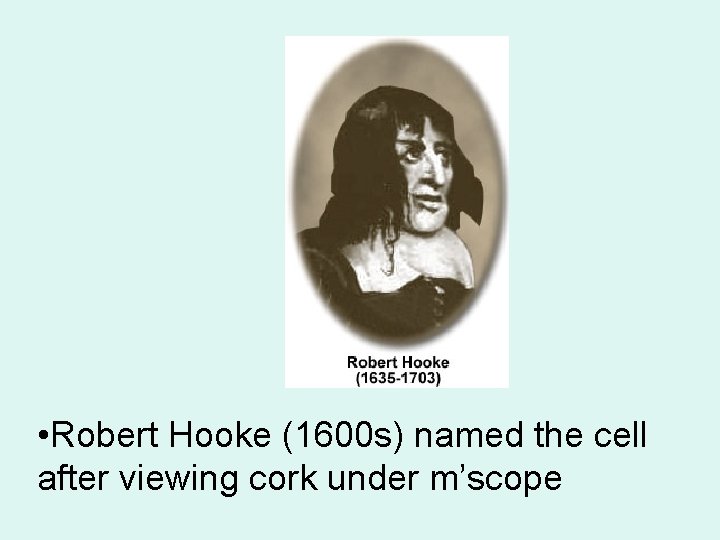
• Robert Hooke (1600 s) named the cell after viewing cork under m’scope
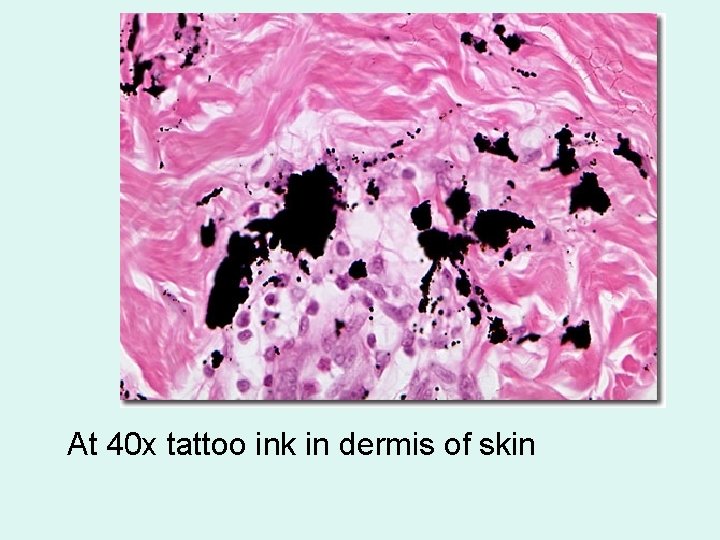
At 40 x tattoo ink in dermis of skin
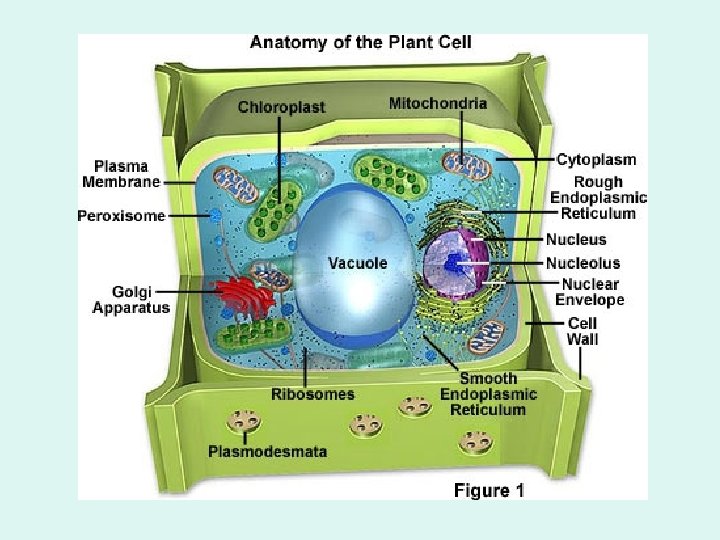
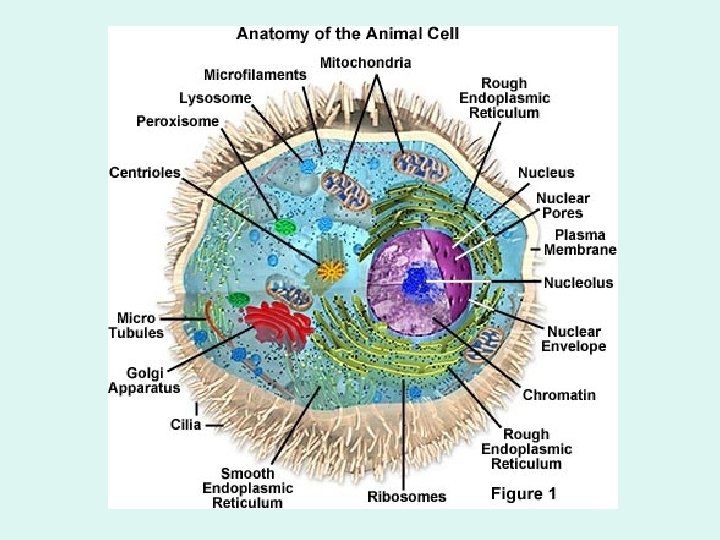
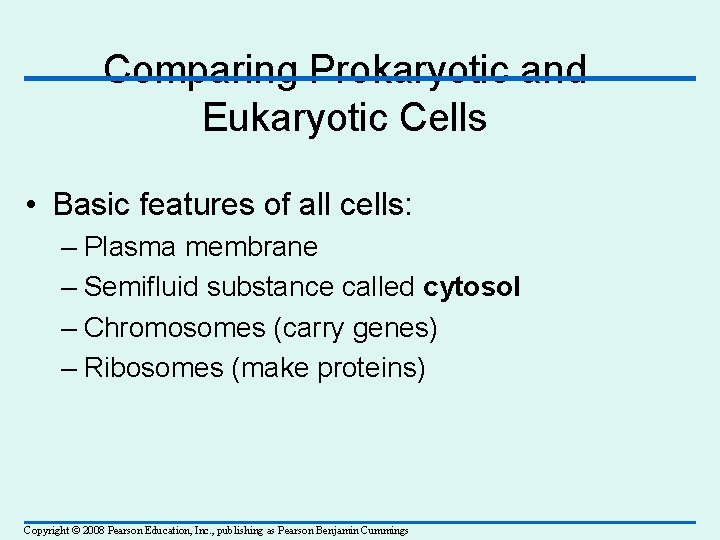
Comparing Prokaryotic and Eukaryotic Cells • Basic features of all cells: – Plasma membrane – Semifluid substance called cytosol – Chromosomes (carry genes) – Ribosomes (make proteins) Copyright © 2008 Pearson Education, Inc. , publishing as Pearson Benjamin Cummings
2 Types of Cells • Prokaryotes: earliest cells; Have NO NUCLEUS • Eukaryotes: modern cells/most cells( all but bacteria) HAVE A NUCLEUS
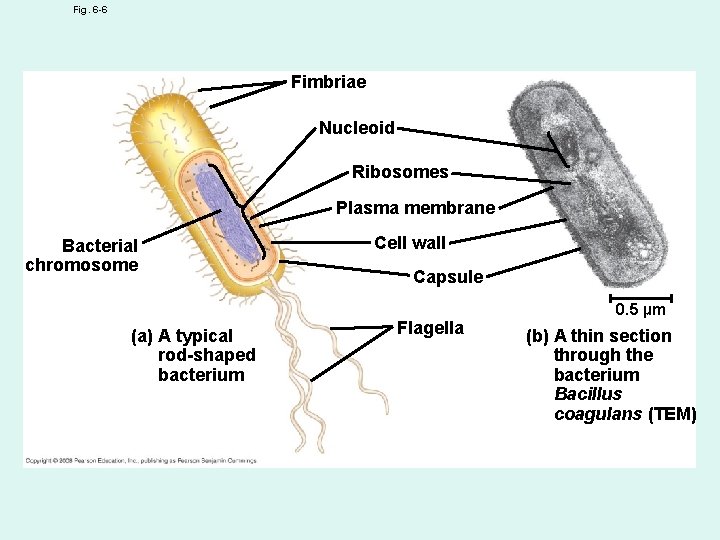
Fig. 6 -6 Fimbriae Nucleoid Ribosomes Plasma membrane Bacterial chromosome (a) A typical rod-shaped bacterium Cell wall Capsule Flagella 0. 5 µm (b) A thin section through the bacterium Bacillus coagulans (TEM)
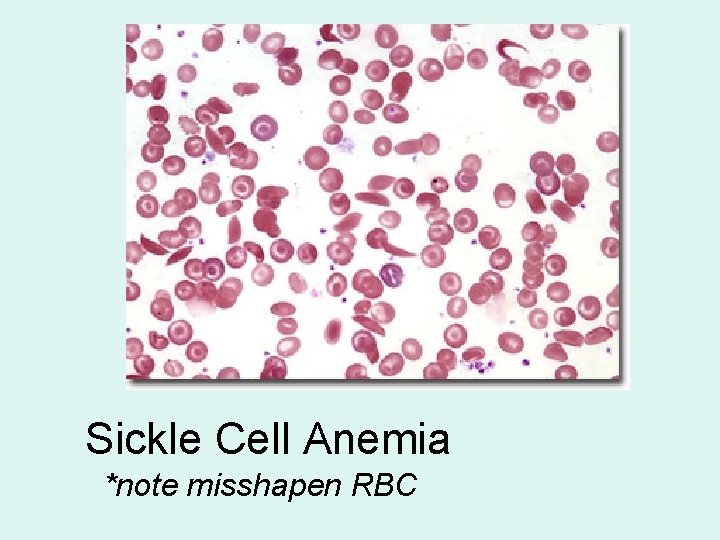
Sickle Cell Anemia *note misshapen RBC
Cell Theory 1. All living things are made of cells. 2. Cells are the basic unit of life 3. New cells come from existing cells -Schleiden, Schwann, Virchow
Functions of Organelles
Cytoplasm (Cytosol) • Thick, clear gel-like substance found throughout cell • Supports the organelles
Nucleus • “control center” of cell • Contains the chromosomes (genetic info. = DNA*) • Has all instructions to make new proteins • *DNA from both parents found here
Nucleolus • Center of nucleus • Site of ribosome synthesis (ribosomes are made here)
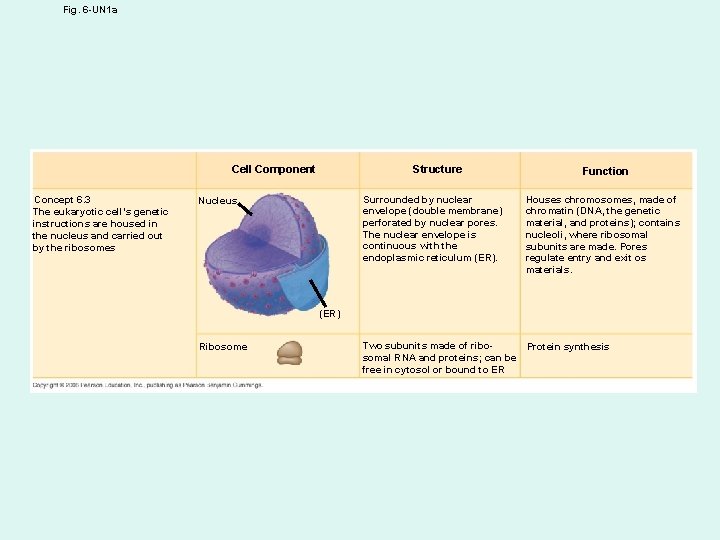
Fig. 6 -UN 1 a Structure Cell Component Concept 6. 3 The eukaryotic cell’s genetic instructions are housed in the nucleus and carried out by the ribosomes Nucleus Function Surrounded by nuclear envelope (double membrane) perforated by nuclear pores. The nuclear envelope is continuous with the endoplasmic reticulum (ER). Houses chromosomes, made of chromatin (DNA, the genetic material, and proteins); contains nucleoli, where ribosomal subunits are made. Pores regulate entry and exit os materials. Two subunits made of ribosomal RNA and proteins; can be free in cytosol or bound to ER Protein synthesis (ER) Ribosome
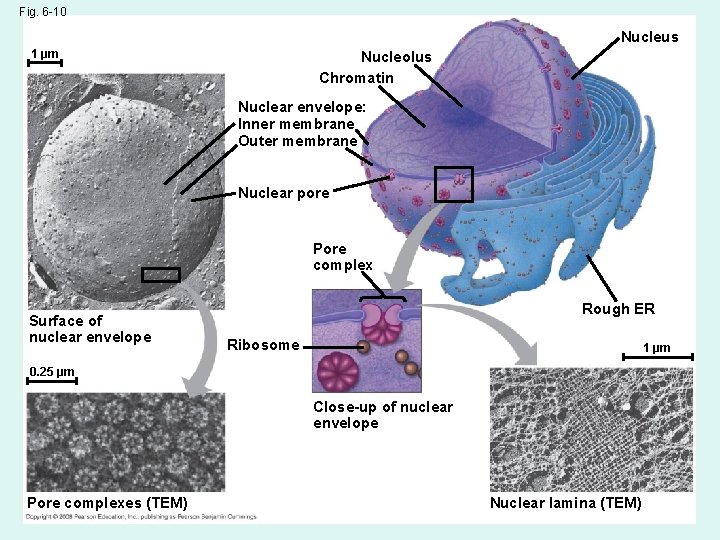
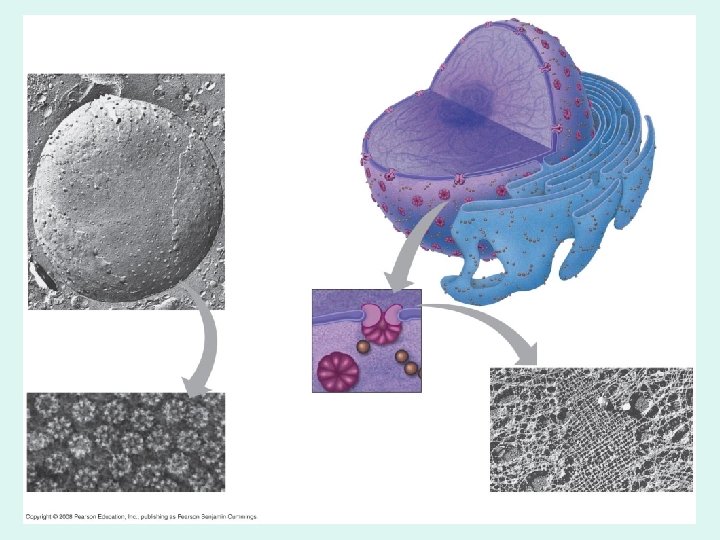
Fig. 6 -10 Nucleus 1 µm Nucleolus Chromatin Nuclear envelope: Inner membrane Outer membrane Nuclear pore Pore complex Surface of nuclear envelope Rough ER Ribosome 1 µm 0. 25 µm Close-up of nuclear envelope Pore complexes (TEM) Nuclear lamina (TEM)
Chromosomes • Contain genetic information/DNA • Chromatin combines to form • Humans have 46 chromosomes or 23 pairs
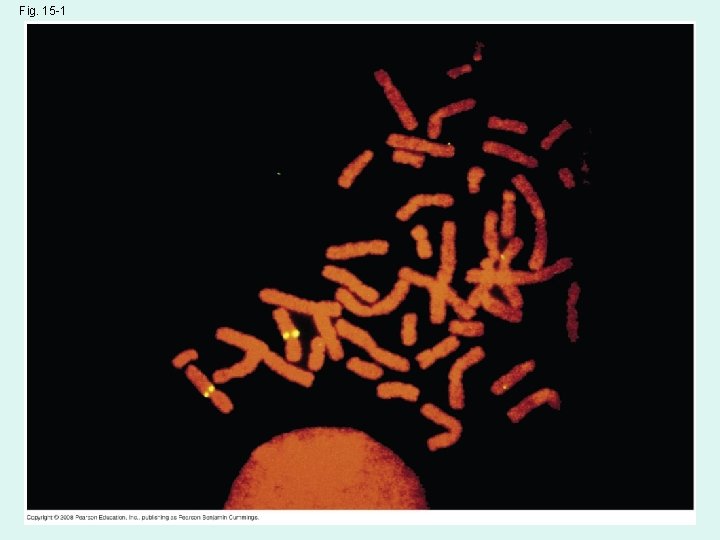
Fig. 15 -1
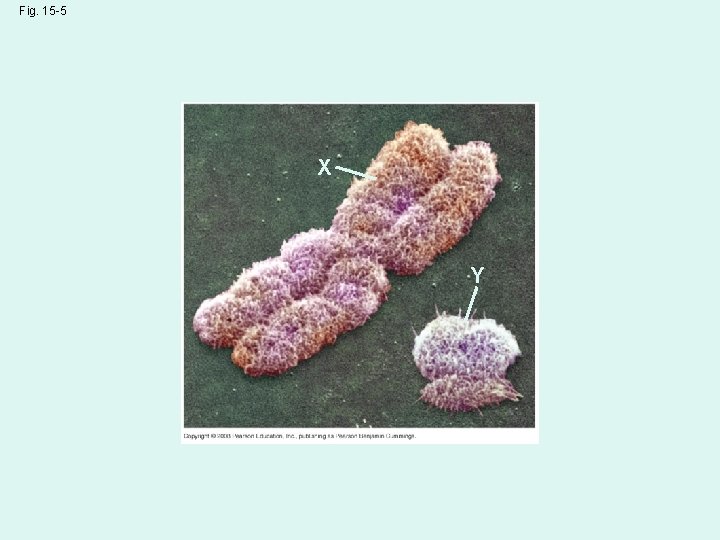
Fig. 15 -5 X Y
Endoplasmic Reticulum • Extensive system of tubules and membranes – 2 Types: 1. Smooth ER 2. Rough ER
Smooth ER • Synthesis of lipids (cholestrol) • Breaks down/metabolizes carbohydrates • Packages enzymes for secretion • De-toxification of alcohol in liver ER
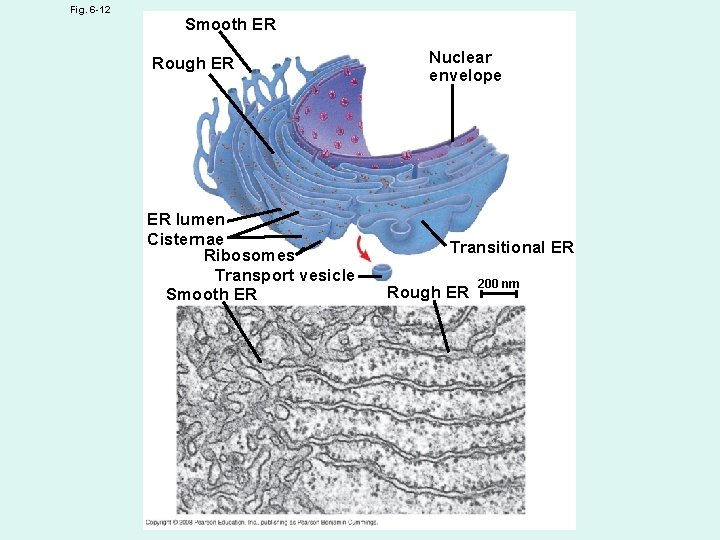
Fig. 6 -12 Smooth ER Rough ER ER lumen Cisternae Ribosomes Transport vesicle Smooth ER Nuclear envelope Transitional ER Rough ER 200 nm
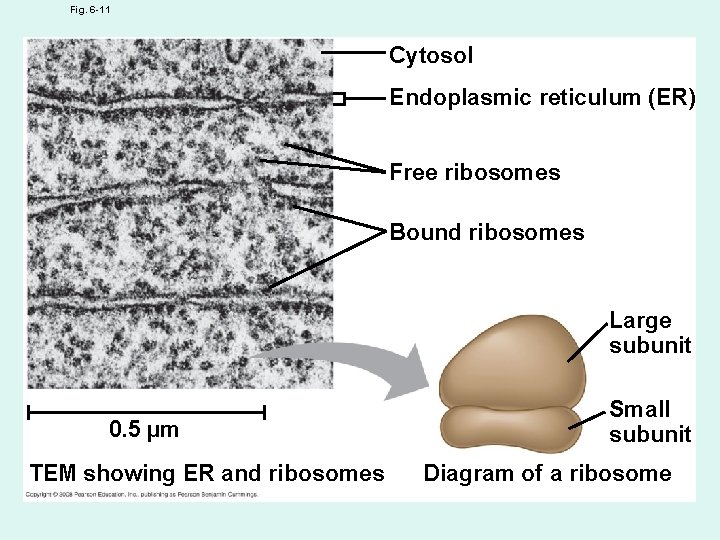
Fig. 6 -11 Cytosol Endoplasmic reticulum (ER) Free ribosomes Bound ribosomes Large subunit 0. 5 µm TEM showing ER and ribosomes Small subunit Diagram of a ribosome
Rough ER • Has ribosomes attached • One of the sites of protein assembly
Ribosomes • Site of protein synthesis • Made of RNA + protein • Means: proteins are made here • Free Ribosomes: NOT attached to ER • Bound Ribosomes: attached to ER
Cell Membrane (plasma membrane) • Support • Protection • Regulates which substances enter & exit = Selectively permeable
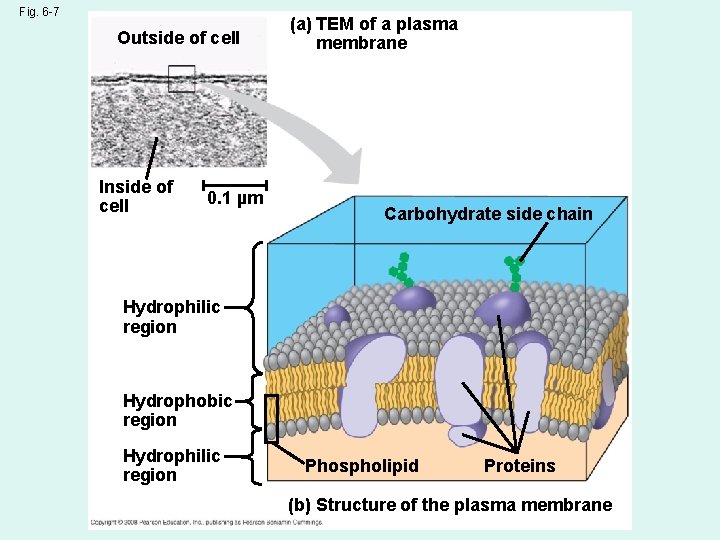
Fig. 6 -7 Outside of cell Inside of cell 0. 1 µm (a) TEM of a plasma membrane Carbohydrate side chain Hydrophilic region Hydrophobic region Hydrophilic region Phospholipid Proteins (b) Structure of the plasma membrane
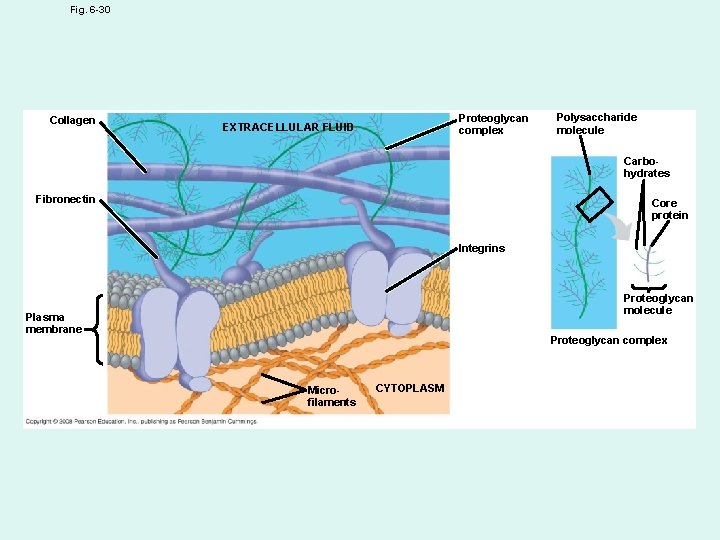
Fig. 6 -30 Collagen Proteoglycan complex EXTRACELLULAR FLUID Polysaccharide molecule Carbohydrates Fibronectin Core protein Integrins Proteoglycan molecule Plasma membrane Proteoglycan complex Microfilaments CYTOPLASM
What might ENTER a cell? • Oxygen • Dissolved nutrients • Potassium and other ions • water
Vacuoles • Storage of –Water –Dissolved nutrients –Even Waste **animals have few, very small
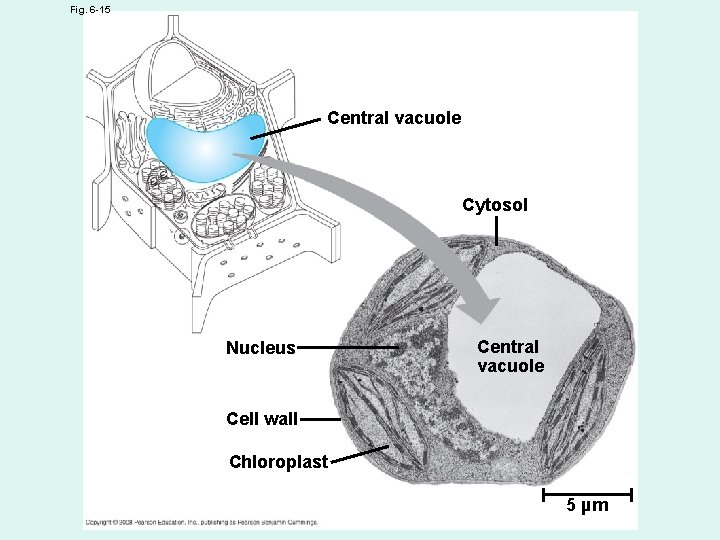
Fig. 6 -15 Central vacuole Cytosol Nucleus Central vacuole Cell wall Chloroplast 5 µm
Central Vacuole • Plants have a large central vacuole. • Takes up most of plant cell –Supports –Turgor Pressure –“Wilting” process: how?
Nuclear Membrane • Protects nucleus (why necessary? ) • Has Nuclear Pores: holes to allow substances to enter/exit
Lysosomes • Animal Cells • Bags of hydrolytic enzymes • Digests old cell organelles
Cytoskeleton • System of protein fibers • (Microtubules, microfilaments) 1. Gives cell shape 2. Supports cell 3. Helps move organelles
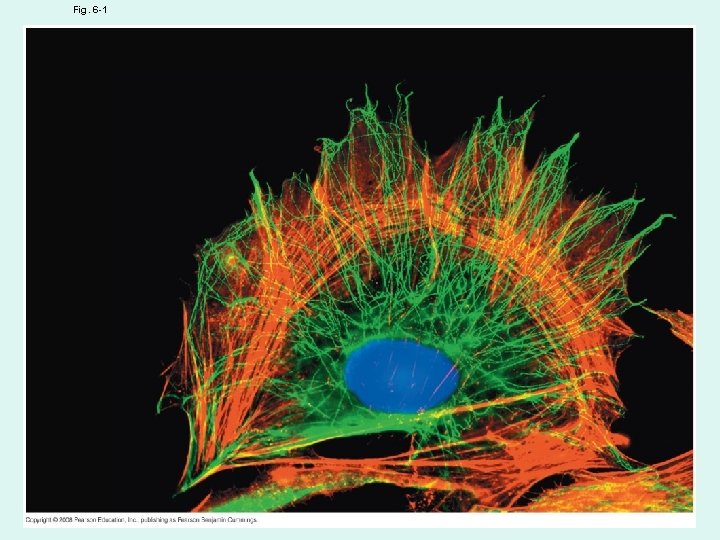
Fig. 6 -1
Golgi Apparatus Golgi Body • Proteins are modified and packaged here for secretion • “warehouse/UPS” of cell • Lysosomes are made here
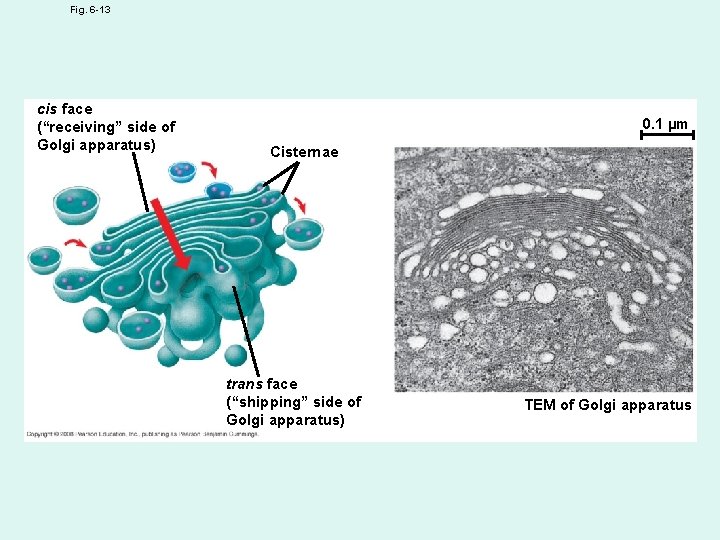
Fig. 6 -13 cis face (“receiving” side of Golgi apparatus) 0. 1 µm Cisternae trans face (“shipping” side of Golgi apparatus) TEM of Golgi apparatus
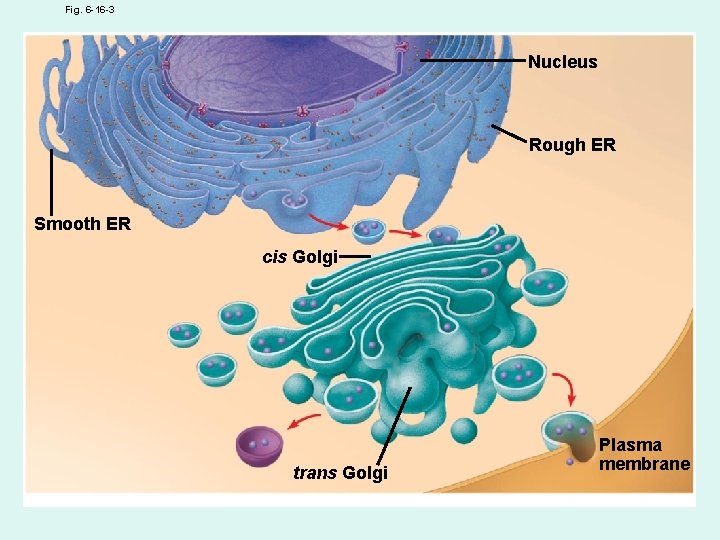
Fig. 6 -16 -3 Nucleus Rough ER Smooth ER cis Golgi trans Golgi Plasma membrane
Mitochondria • “powerhouse of cell”= energy is produced • Site of cellular (aerobic) respiration (ATP is made) • Was once an independent, free-living organism
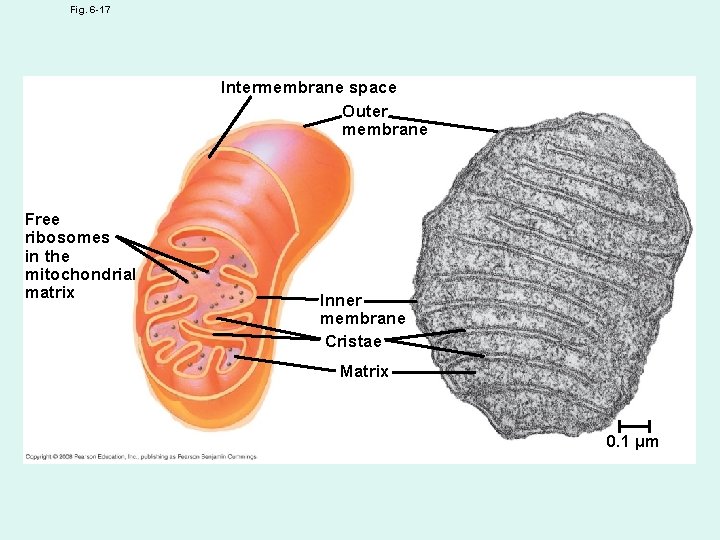
Fig. 6 -17 Intermembrane space Outer membrane Free ribosomes in the mitochondrial matrix Inner membrane Cristae Matrix 0. 1 µm
• More active cells have more mitochondria- WHY? Ex: muscle cells have more • Has a membrane surrounding And DNA of its own! mt. DNA- inherited from mother/materlineal Used in forensics (sometimes)
Endosymbiont Theory: Idea that…. . 1. Chloroplasts & mitochondria were once free-living 2. Moved into eukaryotic cell 3. Became an organelle of cell
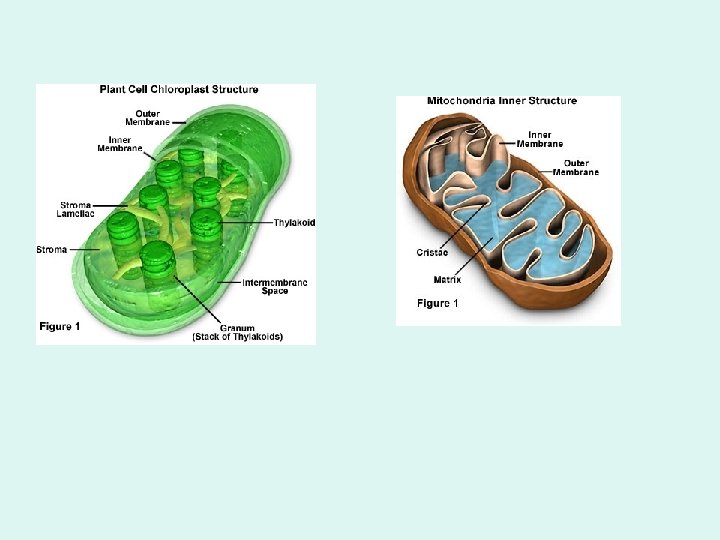
Why do we think this? Both chloroplasts & mitochondria have: a) Outer membrane b) Energy source/function c) Both have bits of genetic material
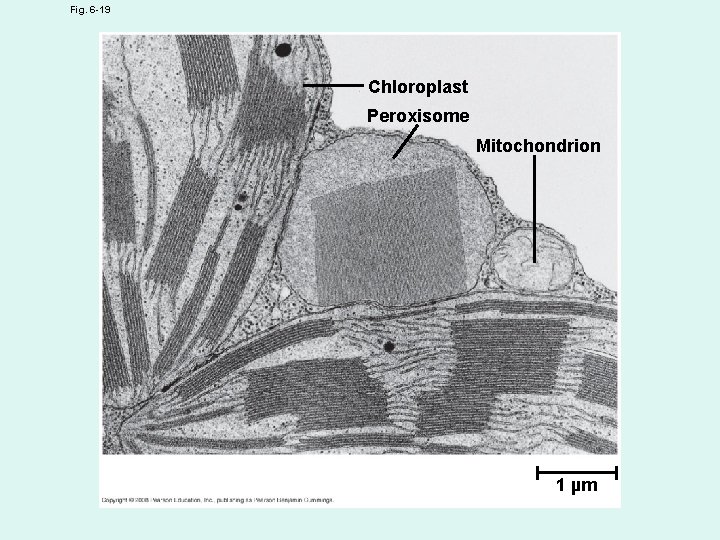
Fig. 6 -19 Chloroplast Peroxisome Mitochondrion 1 µm
Chloroplast • Plant Cells • Located in middle of leaf tissue • Site of photosynthesis • green- chlorophyll • Was once free-living, independent • *has maternal DNA (interesting!)
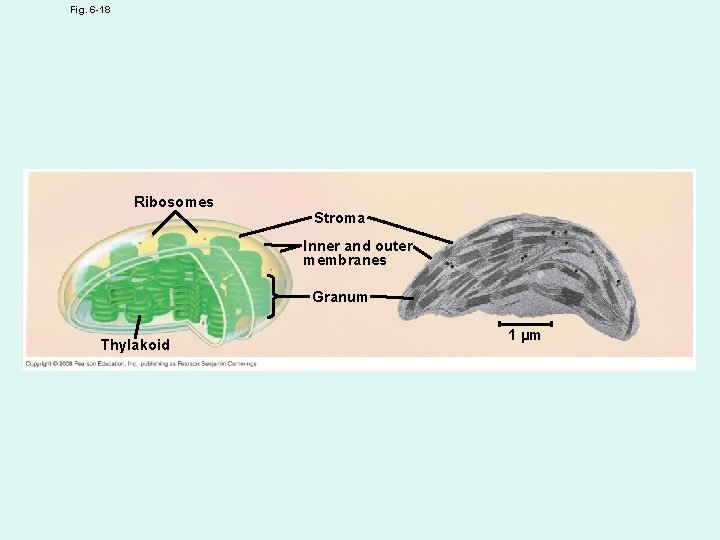
Fig. 6 -18 Ribosomes Stroma Inner and outer membranes Granum Thylakoid 1 µm
Cell Wall • Plants only • Support • Protection • Made of cellulose: strong carbohydrate

Fig. 6 -28 Secondary cell wall Primary cell wall Middle lamella 1 µm Central vacuole Cytosol Plasma membrane Plant cell walls Plasmodesmata
Centrioles • Animal cells • Helps move chromosomes apart during mitosis
Cilia and Flagella • Protein fibers • Cilia- short fibers; all over • Flagella- long fibers; 1 or 2 • purpose: locomotion (movement) • Ex: paramecium, spermatozoa
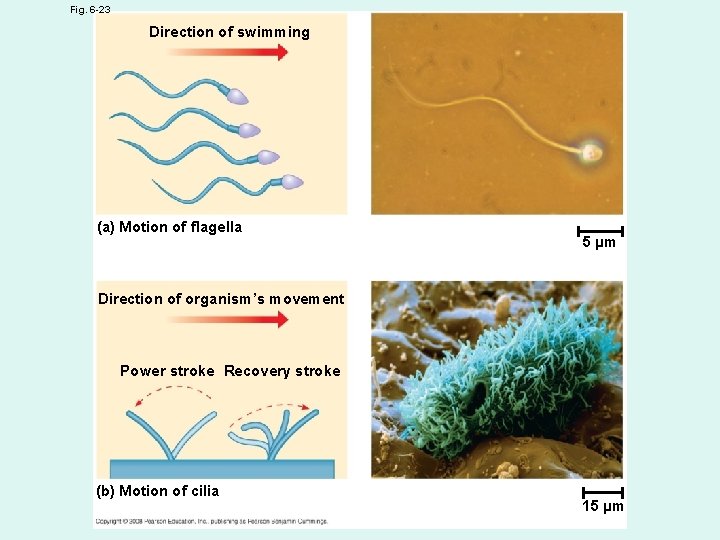
Fig. 6 -23 Direction of swimming (a) Motion of flagella 5 µm Direction of organism’s movement Power stroke Recovery stroke (b) Motion of cilia 15 µm
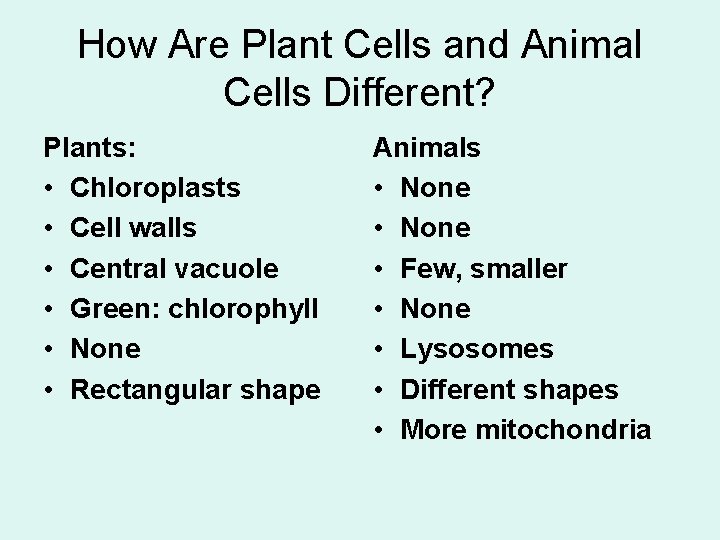
How Are Plant Cells and Animal Cells Different? Plants: • Chloroplasts • Cell walls • Central vacuole • Green: chlorophyll • None • Rectangular shape Animals • None • Few, smaller • None • Lysosomes • Different shapes • More mitochondria
- Slides: 57