
Cell Structure Function http koning ecsu ctstateu educell
- Slides: 35
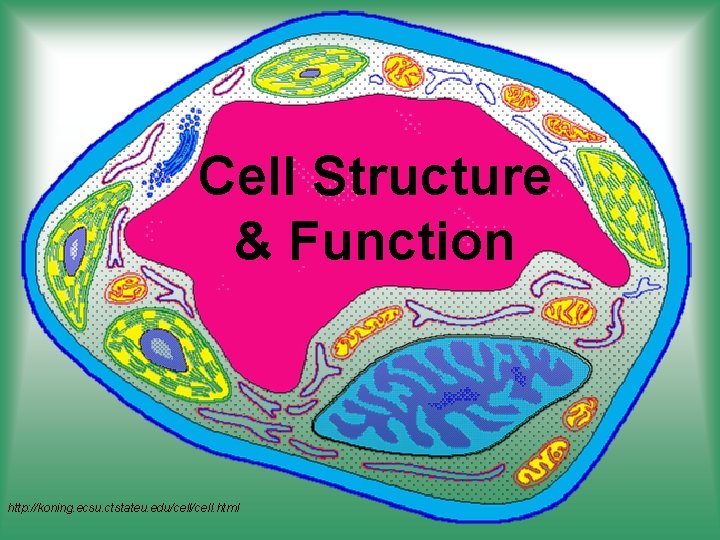
Cell Structure & Function http: //koning. ecsu. ctstateu. edu/cell. html
Definition of Cell A cell is the smallest unit that is capable of performing life functions.
Cell Theory: Importance of Cells 1) All living things are made up of cells 2) Cells are the smallest units in all living things 3) All cells come from existing cells through cell division
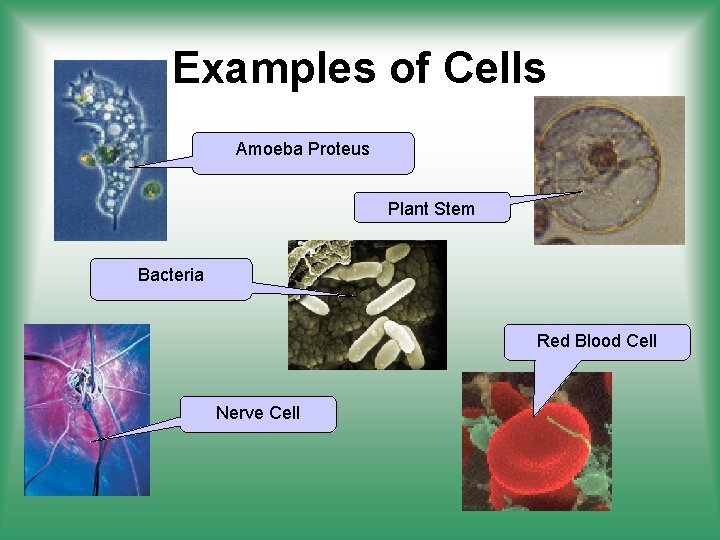
Examples of Cells Amoeba Proteus Plant Stem Bacteria Red Blood Cell Nerve Cell
Two Types of Cells • Prokaryotic • Eukaryotic
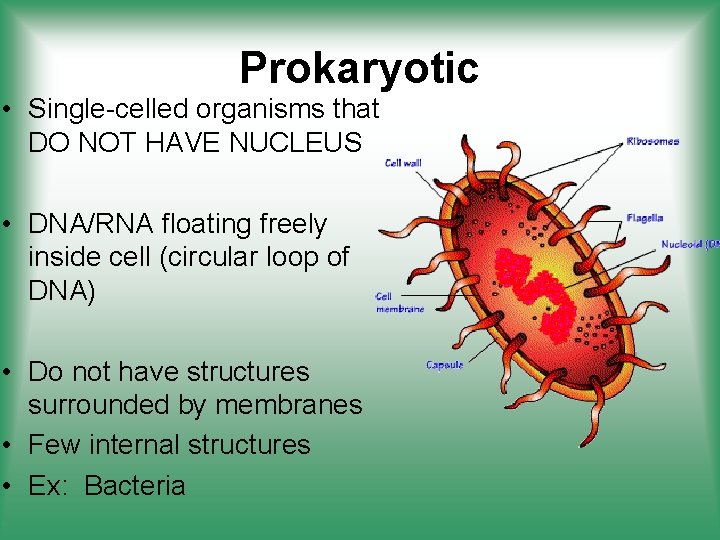
Prokaryotic • Single-celled organisms that DO NOT HAVE NUCLEUS • DNA/RNA floating freely inside cell (circular loop of DNA) • Do not have structures surrounded by membranes • Few internal structures • Ex: Bacteria
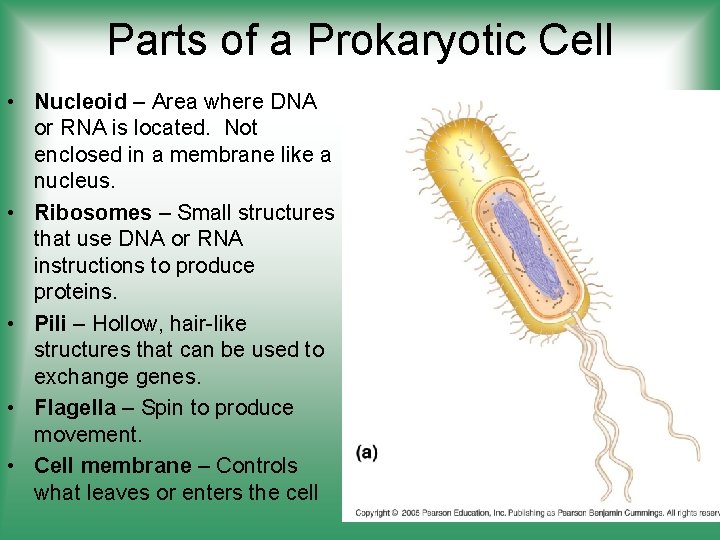
Parts of a Prokaryotic Cell • Nucleoid – Area where DNA or RNA is located. Not enclosed in a membrane like a nucleus. • Ribosomes – Small structures that use DNA or RNA instructions to produce proteins. • Pili – Hollow, hair-like structures that can be used to exchange genes. • Flagella – Spin to produce movement. • Cell membrane – Controls what leaves or enters the cell
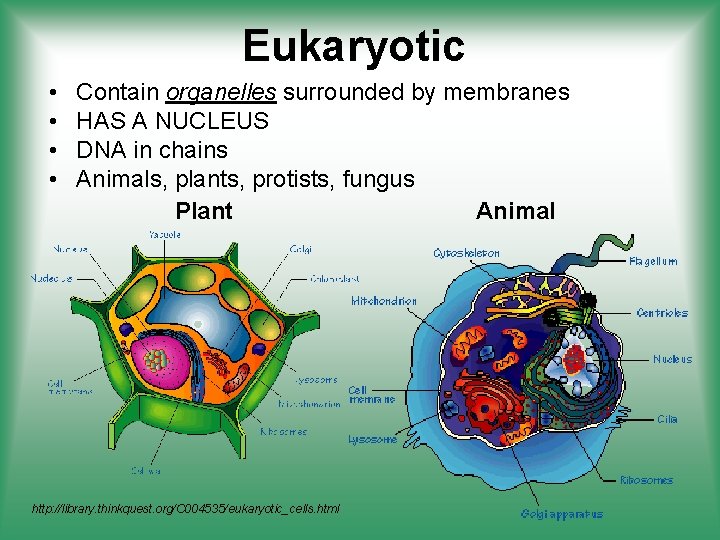
Eukaryotic • • Contain organelles surrounded by membranes HAS A NUCLEUS DNA in chains Animals, plants, protists, fungus Plant Animal http: //library. thinkquest. org/C 004535/eukaryotic_cells. html
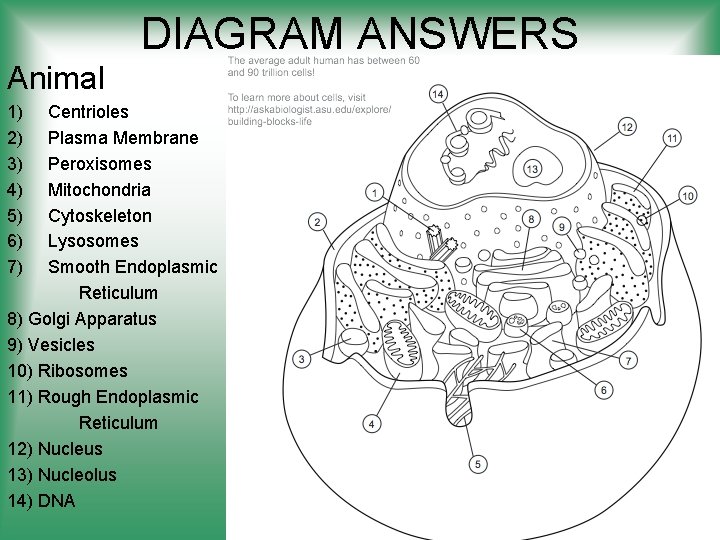
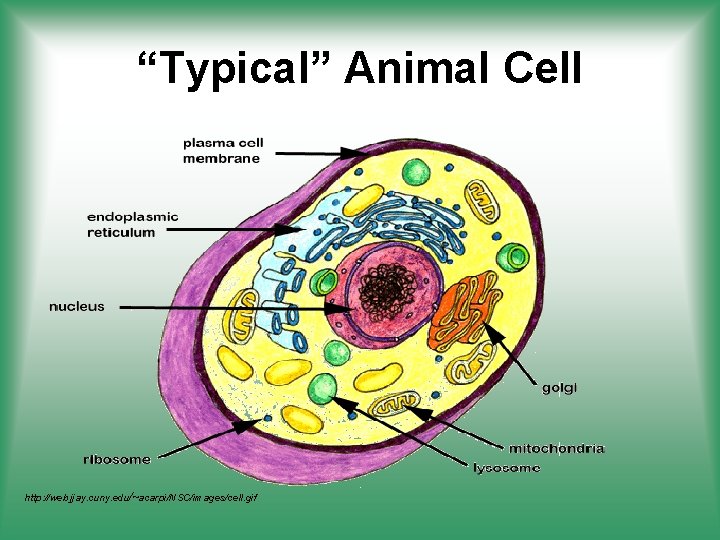
DIAGRAM ANSWERS Animal 1) 2) 3) 4) 5) 6) 7) Centrioles Plasma Membrane Peroxisomes Mitochondria Cytoskeleton Lysosomes Smooth Endoplasmic Reticulum 8) Golgi Apparatus 9) Vesicles 10) Ribosomes 11) Rough Endoplasmic Reticulum 12) Nucleus 13) Nucleolus 14) DNA
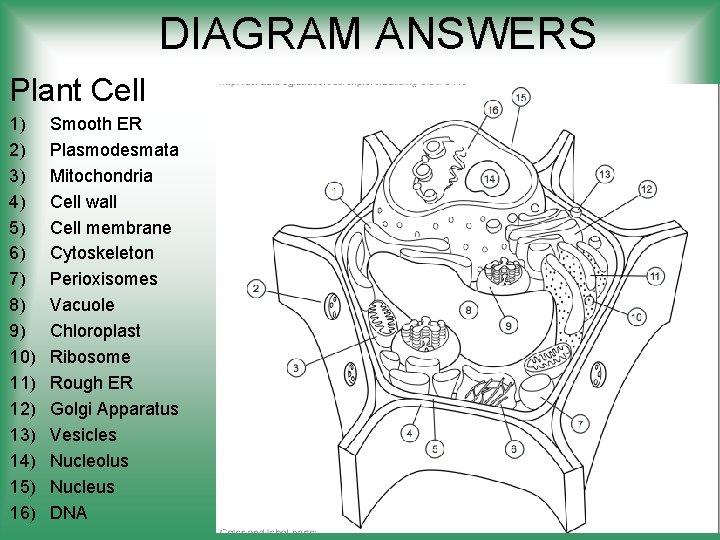
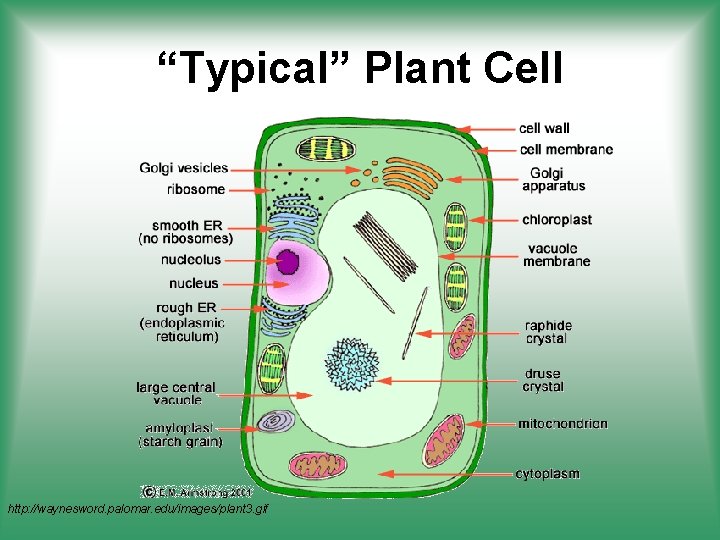
DIAGRAM ANSWERS Plant Cell 1) 2) 3) 4) 5) 6) 7) 8) 9) 10) 11) 12) 13) 14) 15) 16) Smooth ER Plasmodesmata Mitochondria Cell wall Cell membrane Cytoskeleton Perioxisomes Vacuole Chloroplast Ribosome Rough ER Golgi Apparatus Vesicles Nucleolus Nucleus DNA
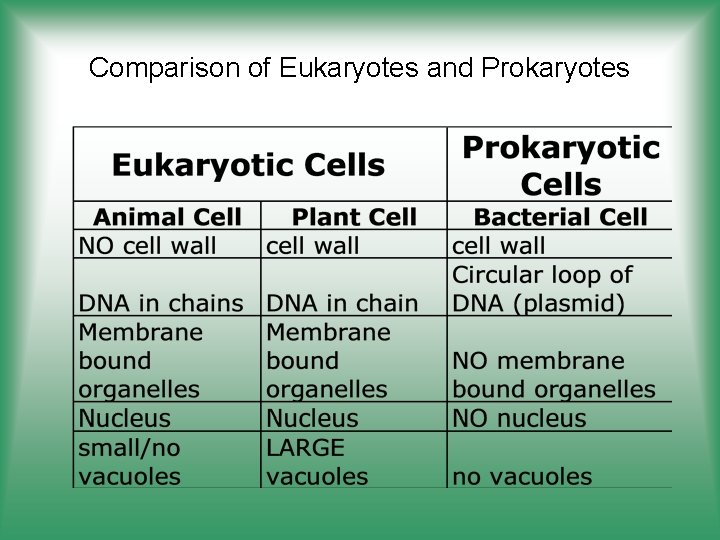
Comparison of Eukaryotes and Prokaryotes
Cell Parts Organelles
Surrounding the Cell
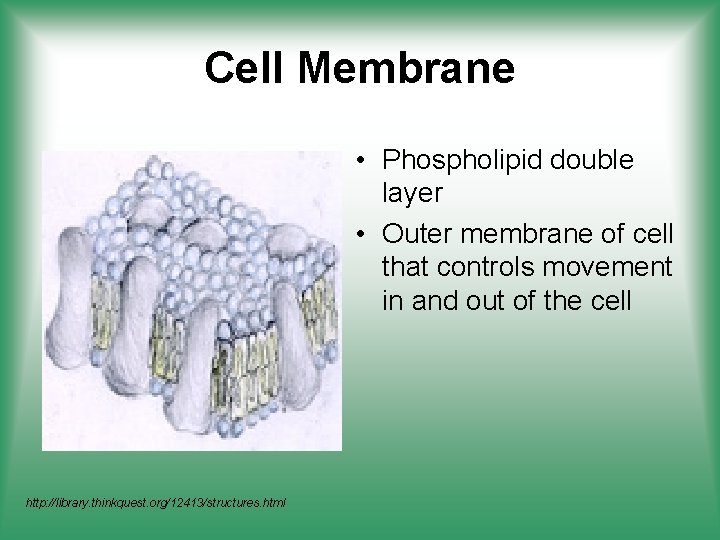
Cell Membrane • Phospholipid double layer • Outer membrane of cell that controls movement in and out of the cell http: //library. thinkquest. org/12413/structures. html
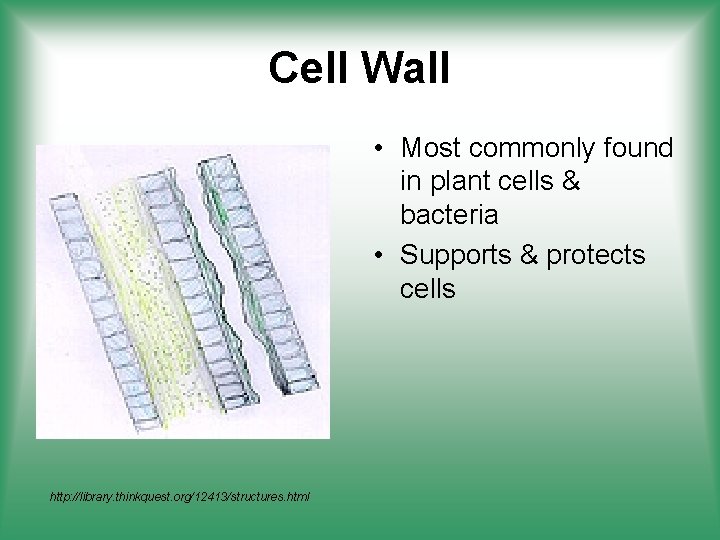
Cell Wall • Most commonly found in plant cells & bacteria • Supports & protects cells http: //library. thinkquest. org/12413/structures. html
“Typical” Animal Cell http: //web. jjay. cuny. edu/~acarpi/NSC/images/cell. gif
“Typical” Plant Cell http: //waynesword. palomar. edu/images/plant 3. gif
Inside the Cell
Nucleus • Contains genetic material - DNA • Directs cell activities • Separated from cytoplasm by nuclear membrane
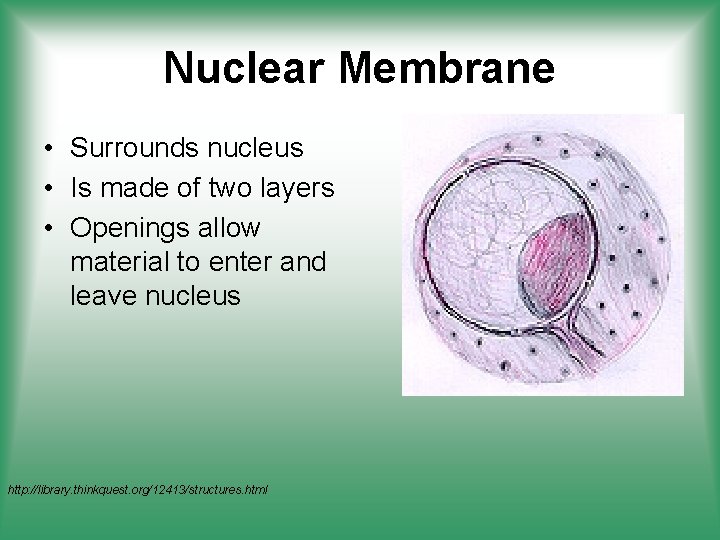
Nuclear Membrane • Surrounds nucleus • Is made of two layers • Openings allow material to enter and leave nucleus http: //library. thinkquest. org/12413/structures. html
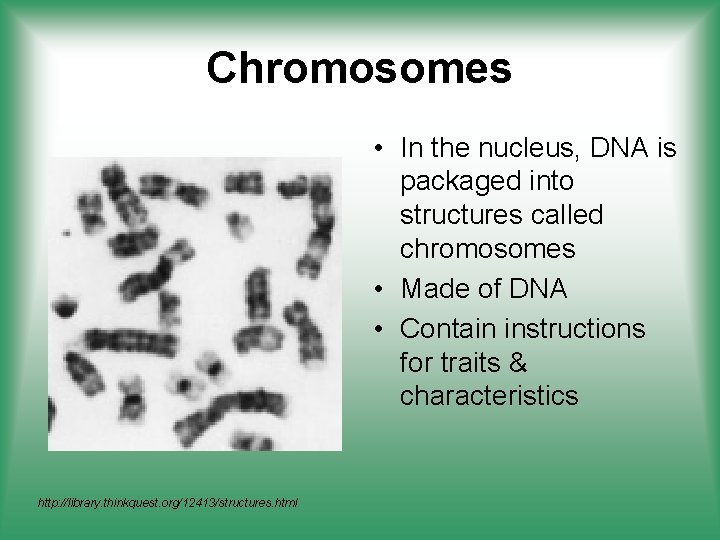
Chromosomes • In the nucleus, DNA is packaged into structures called chromosomes • Made of DNA • Contain instructions for traits & characteristics http: //library. thinkquest. org/12413/structures. html
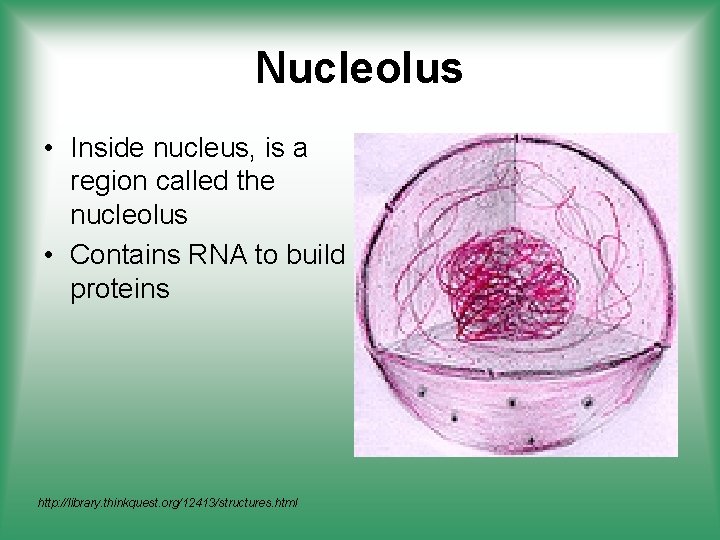
Nucleolus • Inside nucleus, is a region called the nucleolus • Contains RNA to build proteins http: //library. thinkquest. org/12413/structures. html
Organelles that build proteins • Ribosomes • Endoplasmic Reticulum • Golgi Apparatus
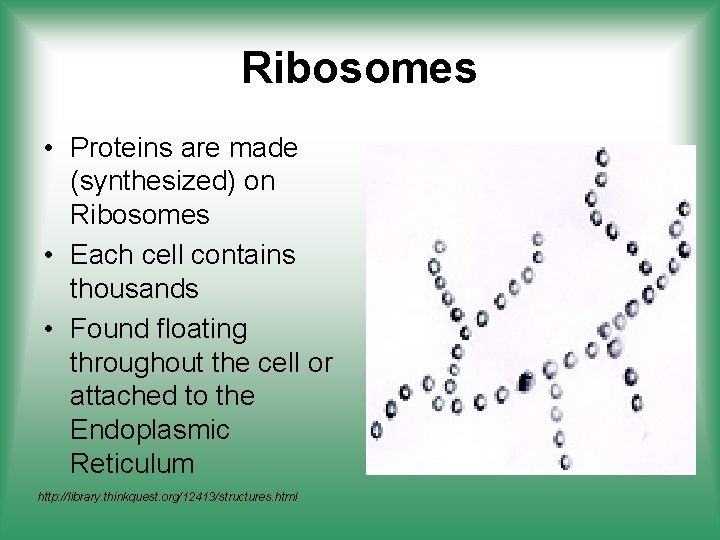
Ribosomes • Proteins are made (synthesized) on Ribosomes • Each cell contains thousands • Found floating throughout the cell or attached to the Endoplasmic Reticulum http: //library. thinkquest. org/12413/structures. html
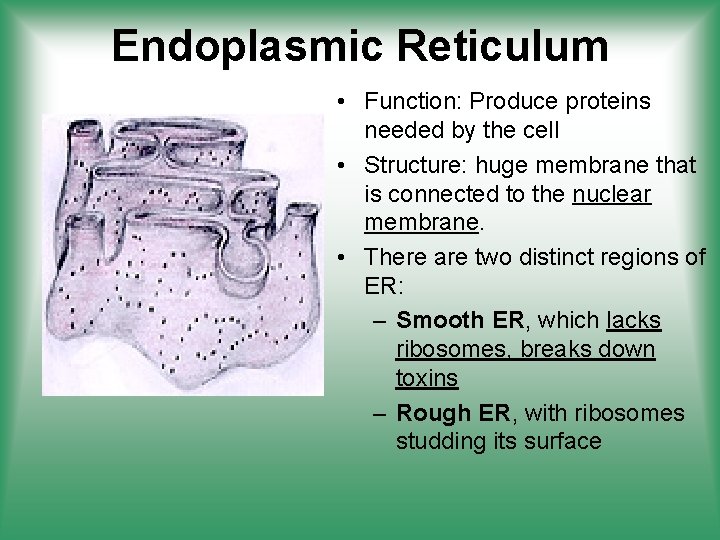
Endoplasmic Reticulum • Function: Produce proteins needed by the cell • Structure: huge membrane that is connected to the nuclear membrane. • There are two distinct regions of ER: – Smooth ER, which lacks ribosomes, breaks down toxins – Rough ER, with ribosomes studding its surface
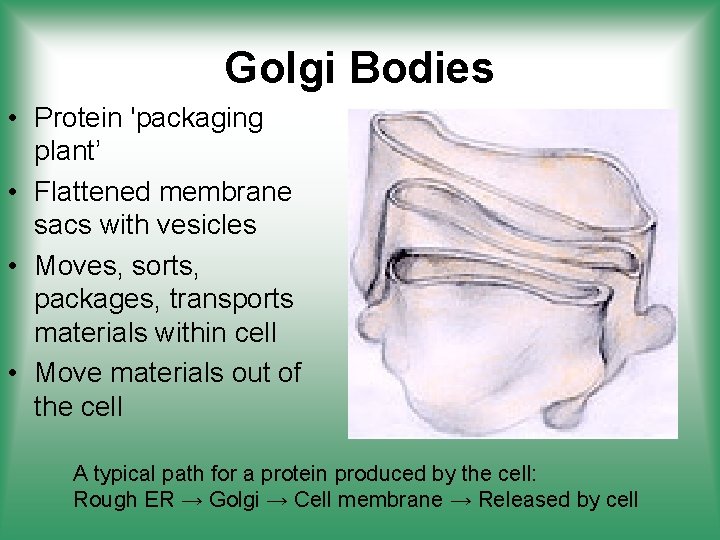
Golgi Bodies • Protein 'packaging plant’ • Flattened membrane sacs with vesicles • Moves, sorts, packages, transports materials within cell • Move materials out of the cell A typical path for a protein produced by the cell: Rough ER → Golgi → Cell membrane → Released by cell
Organelles that Store, Clean up, and Support • Lysosomes • Vacuoles
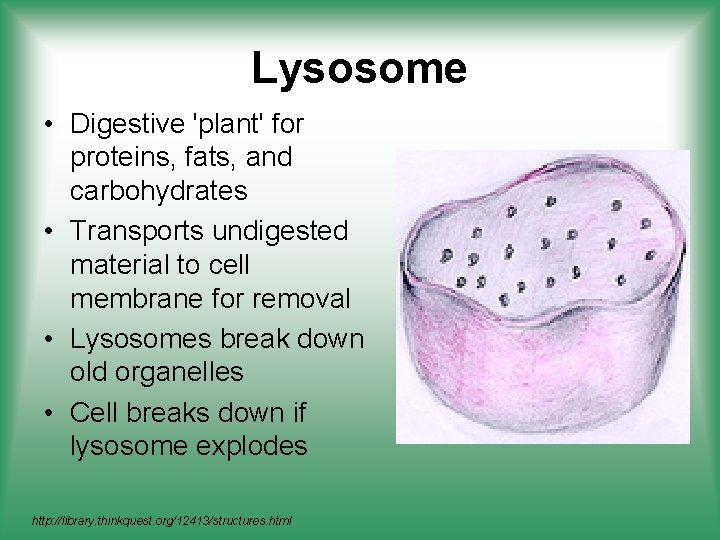
Lysosome • Digestive 'plant' for proteins, fats, and carbohydrates • Transports undigested material to cell membrane for removal • Lysosomes break down old organelles • Cell breaks down if lysosome explodes http: //library. thinkquest. org/12413/structures. html
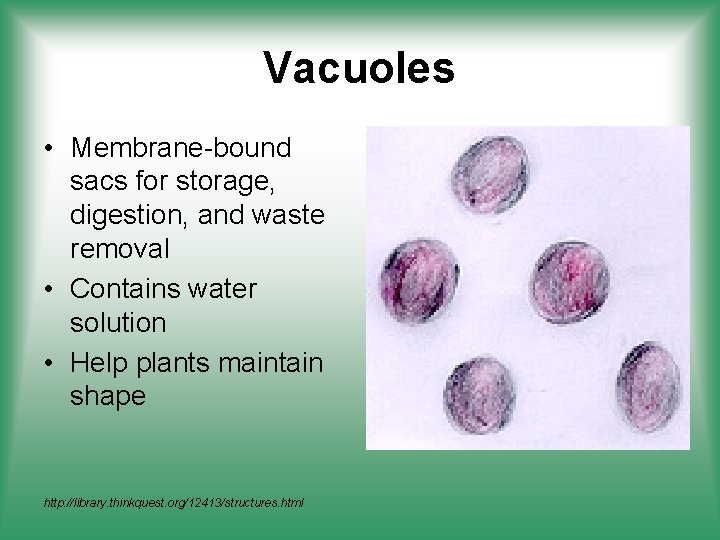
Vacuoles • Membrane-bound sacs for storage, digestion, and waste removal • Contains water solution • Help plants maintain shape http: //library. thinkquest. org/12413/structures. html
Organelles that Capture and Release Energy Mitochondria • All life requires energy • Organisms either can get their energy Chloroplasts from sunlight via photosynthesis, or by eating other organisms via cell respiration • Photosynthesis occurs in chloroplasts. • Cell respiration occurs in mitochondria.
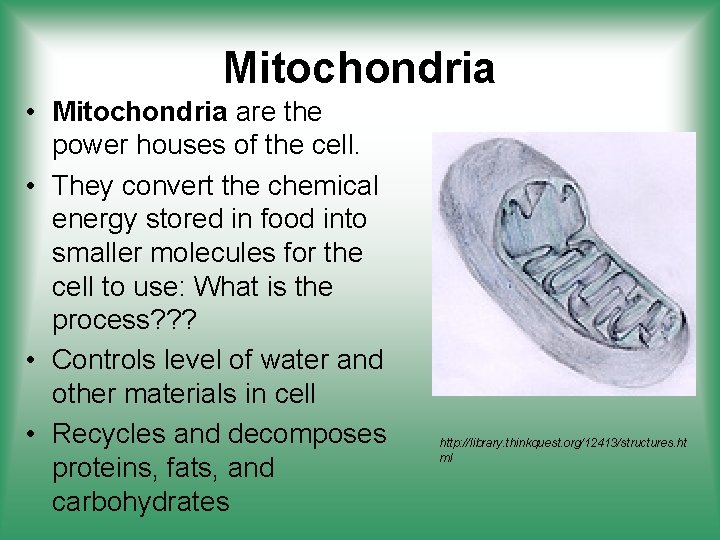
Mitochondria • Mitochondria are the power houses of the cell. • They convert the chemical energy stored in food into smaller molecules for the cell to use: What is the process? ? ? • Controls level of water and other materials in cell • Recycles and decomposes proteins, fats, and carbohydrates http: //library. thinkquest. org/12413/structures. ht ml
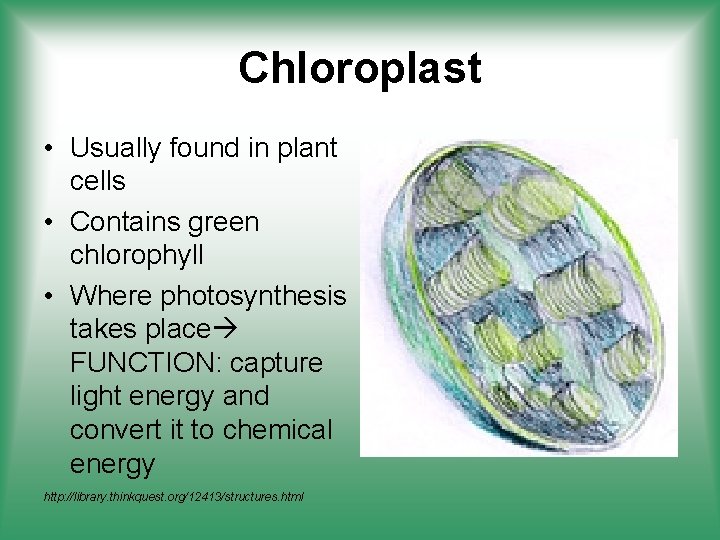
Chloroplast • Usually found in plant cells • Contains green chlorophyll • Where photosynthesis takes place FUNCTION: capture light energy and convert it to chemical energy http: //library. thinkquest. org/12413/structures. html
Cytoplasm • Gel-like mixture • Surrounded by cell membrane • Contains hereditary material
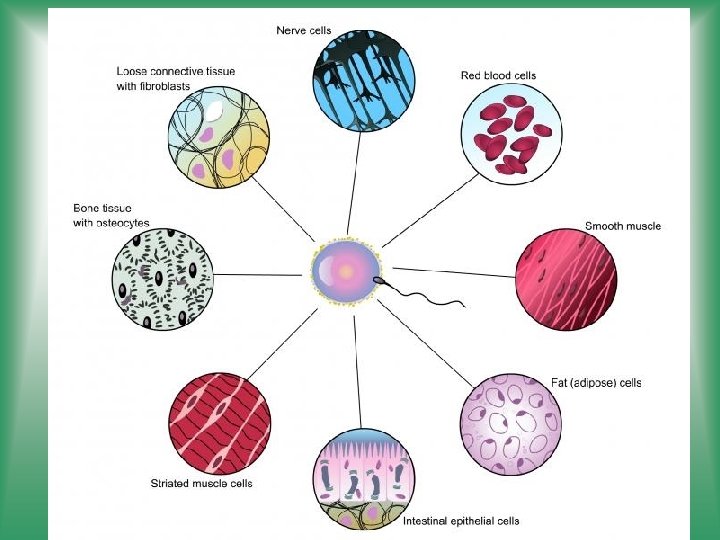
Cell Specialization Not all cells are similar looking. Cells may have different sizes, structure, and function. Many cells have a specialized structure that enables them to better carry out their specific function.