
CELL STRUCTURE FUNCTION CHAPTER 4 CELLS ALL LIVING
- Slides: 24
CELL STRUCTURE & FUNCTION CHAPTER 4
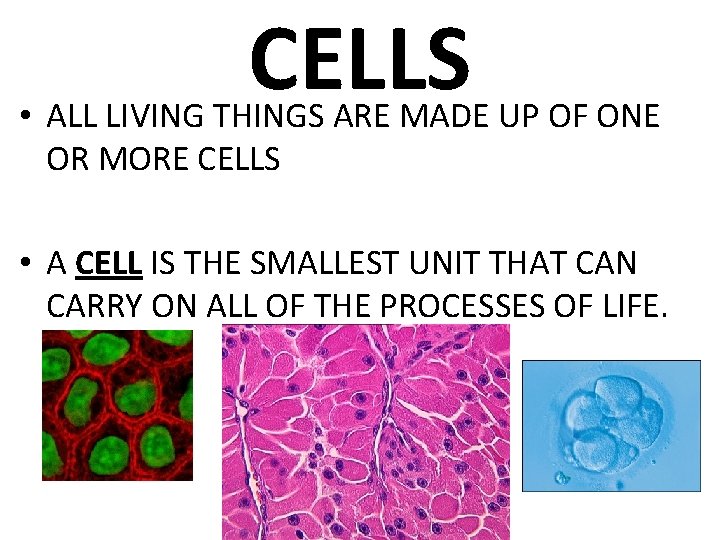
CELLS • ALL LIVING THINGS ARE MADE UP OF ONE OR MORE CELLS • A CELL IS THE SMALLEST UNIT THAT CAN CARRY ON ALL OF THE PROCESSES OF LIFE.
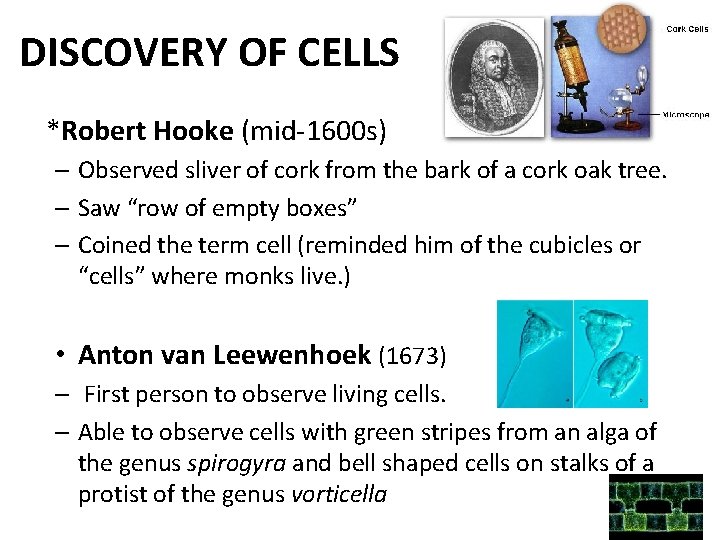
DISCOVERY OF CELLS *Robert Hooke (mid-1600 s) – Observed sliver of cork from the bark of a cork oak tree. – Saw “row of empty boxes” – Coined the term cell (reminded him of the cubicles or “cells” where monks live. ) • Anton van Leewenhoek (1673) – First person to observe living cells. – Able to observe cells with green stripes from an alga of the genus spirogyra and bell shaped cells on stalks of a protist of the genus vorticella
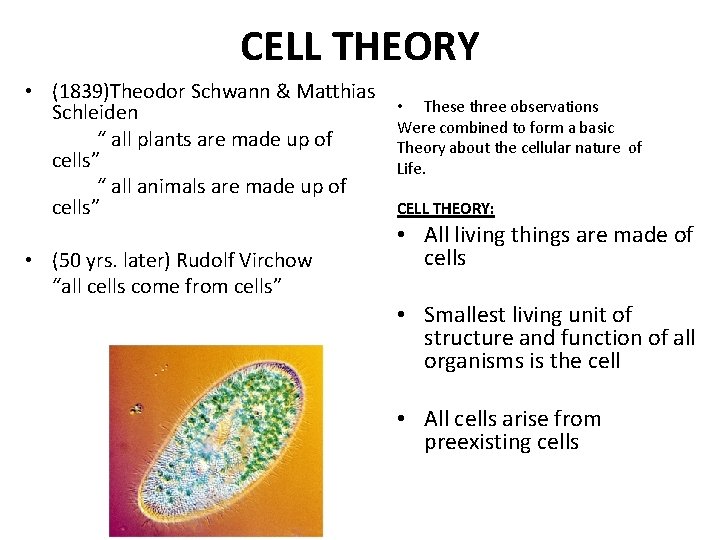
CELL THEORY • (1839)Theodor Schwann & Matthias Schleiden “ all plants are made up of cells” “ all animals are made up of cells” • (50 yrs. later) Rudolf Virchow “all cells come from cells” • These three observations Were combined to form a basic Theory about the cellular nature of Life. CELL THEORY: • All living things are made of cells • Smallest living unit of structure and function of all organisms is the cell • All cells arise from preexisting cells
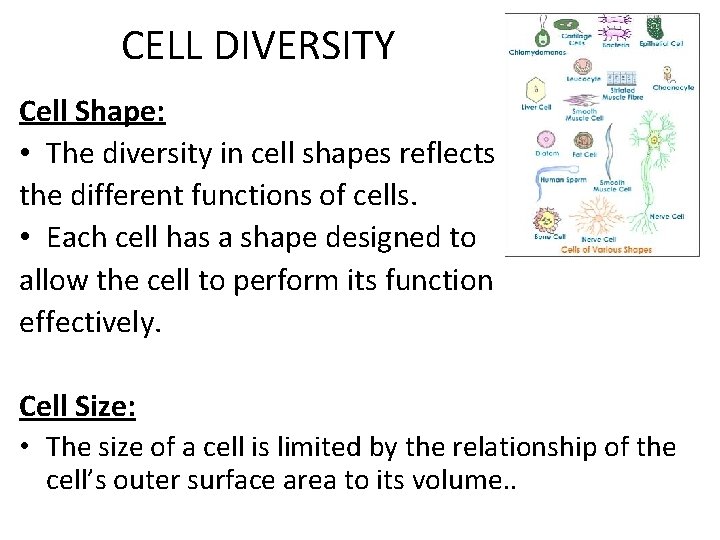
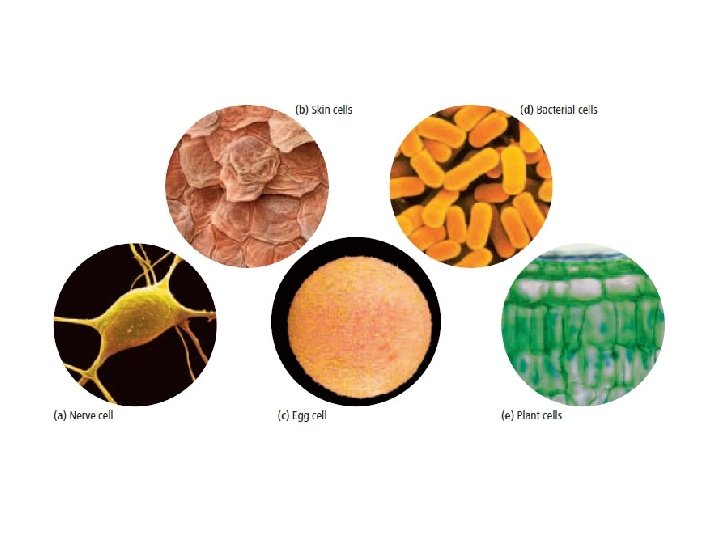
CELL DIVERSITY Cell Shape: • The diversity in cell shapes reflects the different functions of cells. • Each cell has a shape designed to allow the cell to perform its function effectively. Cell Size: • The size of a cell is limited by the relationship of the cell’s outer surface area to its volume. .
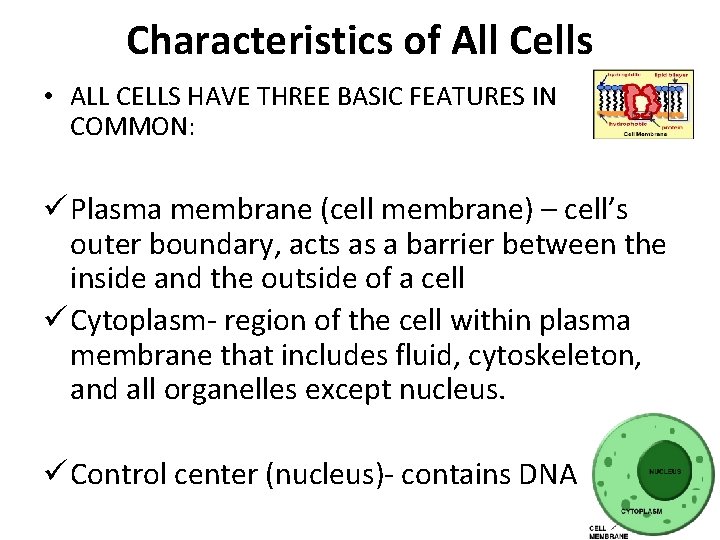
Characteristics of All Cells • ALL CELLS HAVE THREE BASIC FEATURES IN COMMON: ü Plasma membrane (cell membrane) – cell’s outer boundary, acts as a barrier between the inside and the outside of a cell ü Cytoplasm- region of the cell within plasma membrane that includes fluid, cytoskeleton, and all organelles except nucleus. ü Control center (nucleus)- contains DNA
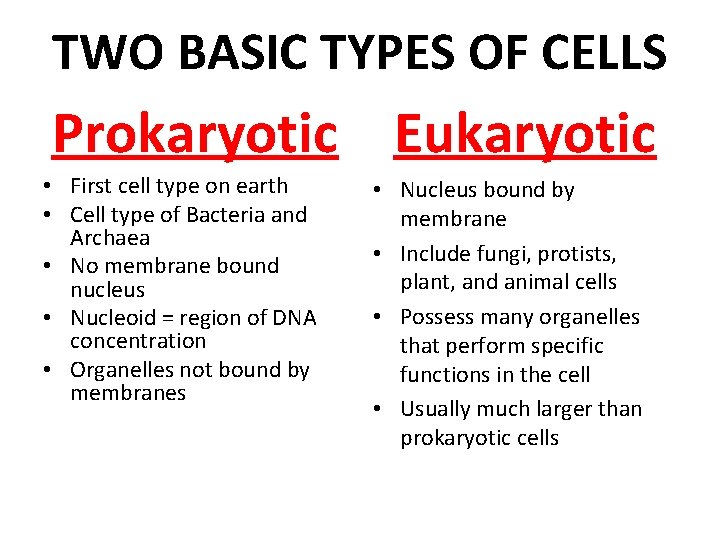
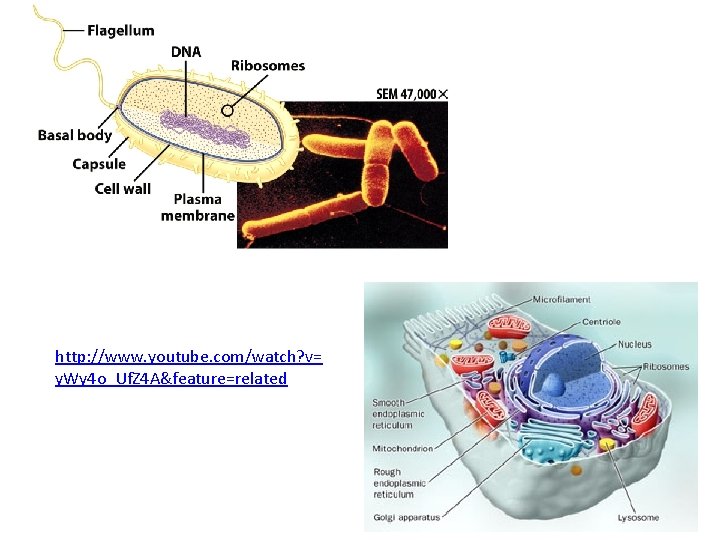
TWO BASIC TYPES OF CELLS Prokaryotic Eukaryotic • First cell type on earth • Cell type of Bacteria and Archaea • No membrane bound nucleus • Nucleoid = region of DNA concentration • Organelles not bound by membranes • Nucleus bound by membrane • Include fungi, protists, plant, and animal cells • Possess many organelles that perform specific functions in the cell • Usually much larger than prokaryotic cells
http: //www. youtube. com/watch? v= y. Wy 4 o_Uf. Z 4 A&feature=related
ORGANELLES & THEIR FUNCTION
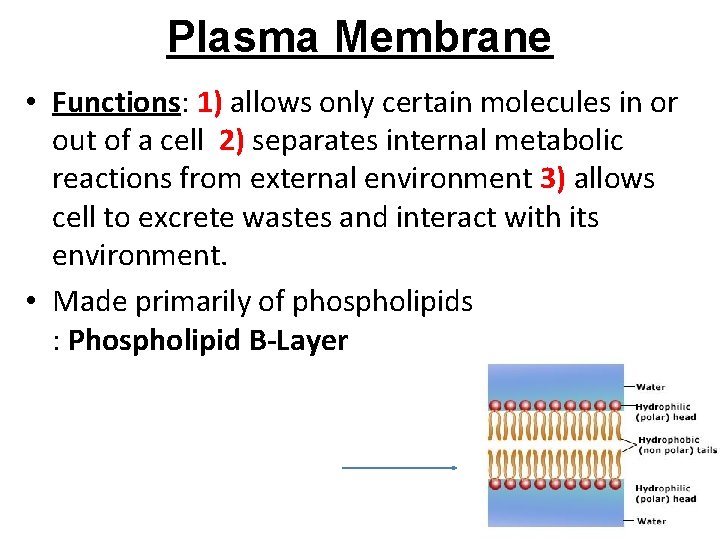
Plasma Membrane • Functions: 1) allows only certain molecules in or out of a cell 2) separates internal metabolic reactions from external environment 3) allows cell to excrete wastes and interact with its environment. • Made primarily of phospholipids : Phospholipid B-Layer
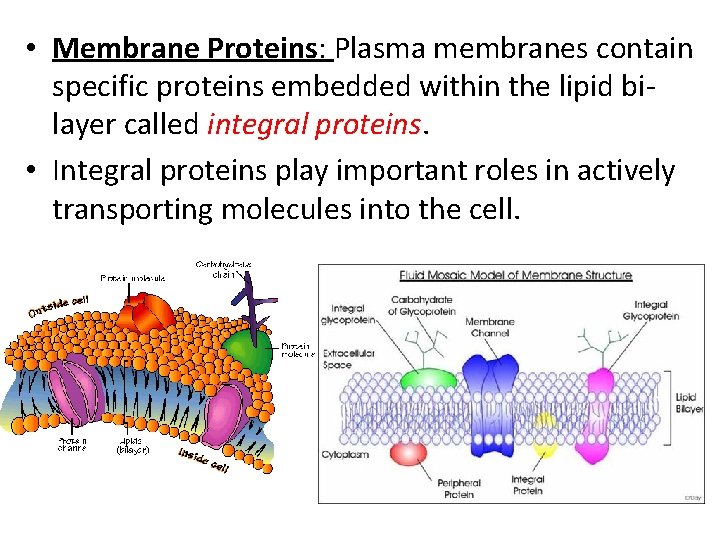
• Membrane Proteins: Plasma membranes contain specific proteins embedded within the lipid bilayer called integral proteins. • Integral proteins play important roles in actively transporting molecules into the cell.
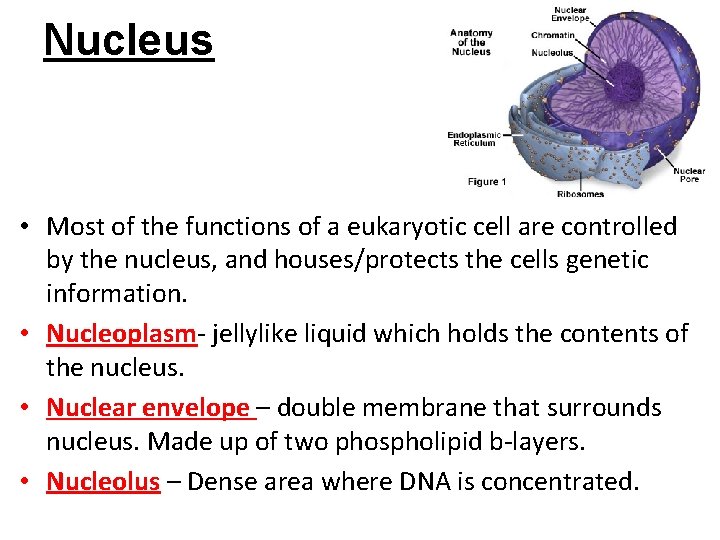
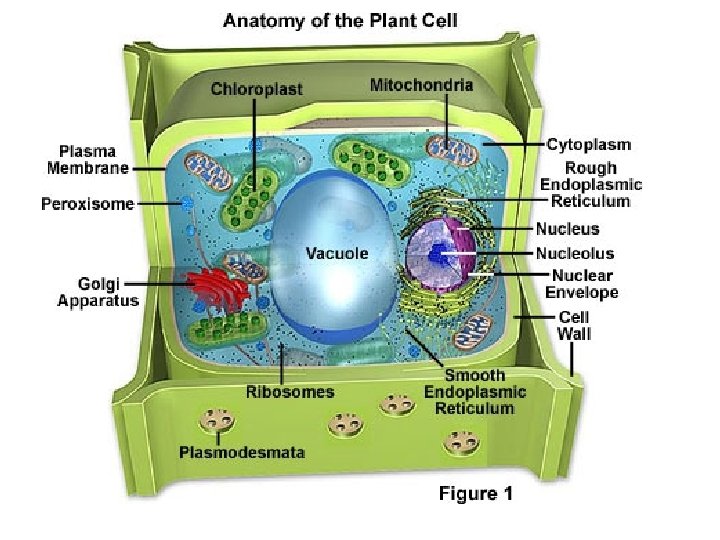
Nucleus • Most of the functions of a eukaryotic cell are controlled by the nucleus, and houses/protects the cells genetic information. • Nucleoplasm- jellylike liquid which holds the contents of the nucleus. • Nuclear envelope – double membrane that surrounds nucleus. Made up of two phospholipid b-layers. • Nucleolus – Dense area where DNA is concentrated.
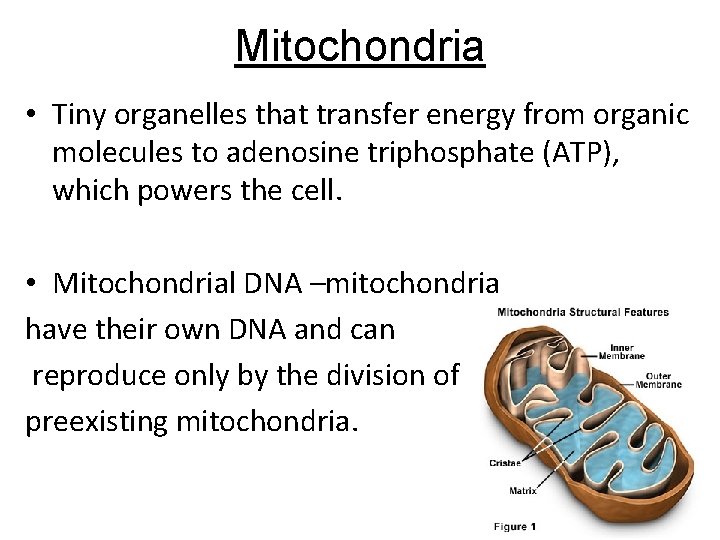
Mitochondria • Tiny organelles that transfer energy from organic molecules to adenosine triphosphate (ATP), which powers the cell. • Mitochondrial DNA –mitochondria have their own DNA and can reproduce only by the division of preexisting mitochondria.
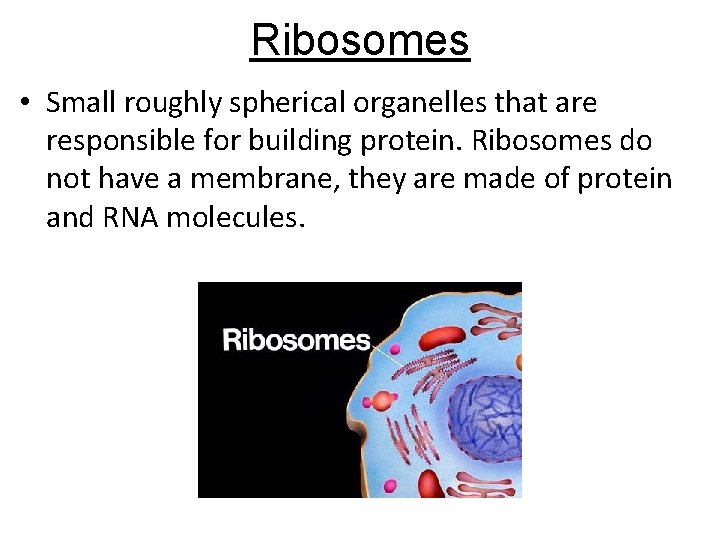
Ribosomes • Small roughly spherical organelles that are responsible for building protein. Ribosomes do not have a membrane, they are made of protein and RNA molecules.
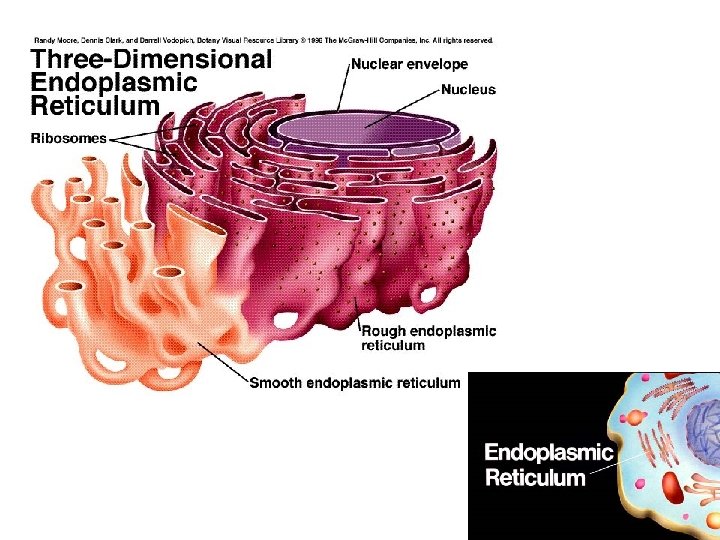
Endoplasmic Reticulum • System of membranous tubes and sacs, called cisternae. • Functions: intracellular highway, a path along which molecules move from one part of the cell to another. • Two types of ER: - Rough endoplasmic reticulum – system of interconnected flattened sacs covered with ribosomes, which produces proteins. - Smooth endoplasmic reticulum- lacks ribosomes which has a smooth appearance and builds lipids.
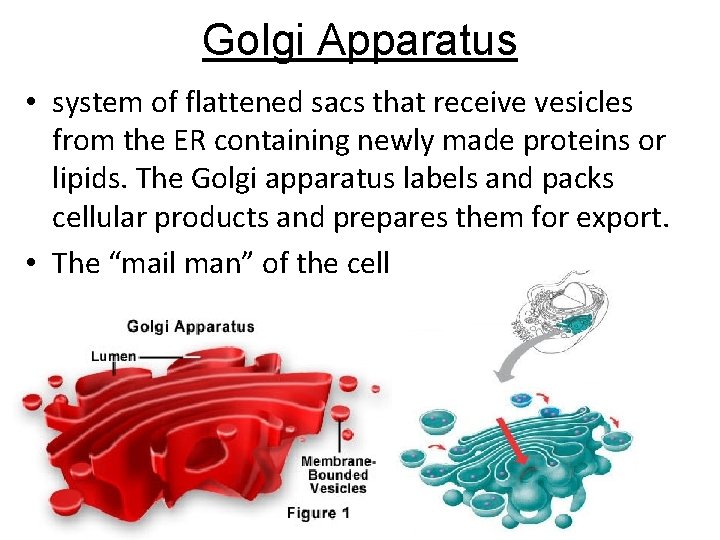
Golgi Apparatus • system of flattened sacs that receive vesicles from the ER containing newly made proteins or lipids. The Golgi apparatus labels and packs cellular products and prepares them for export. • The “mail man” of the cell
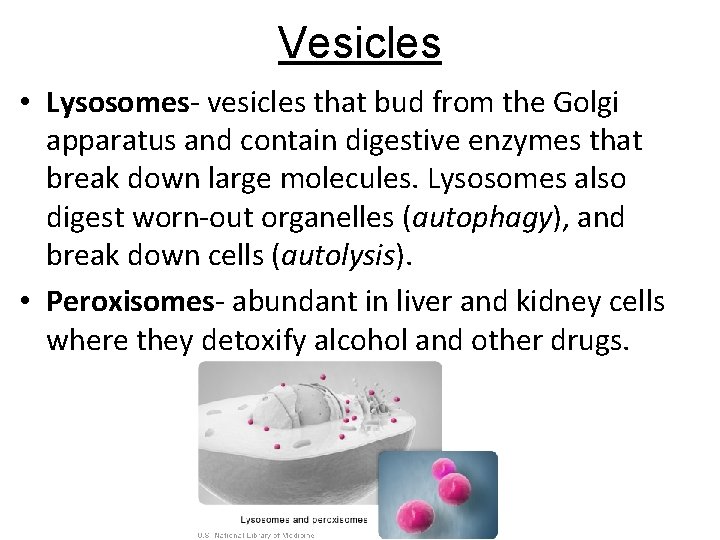
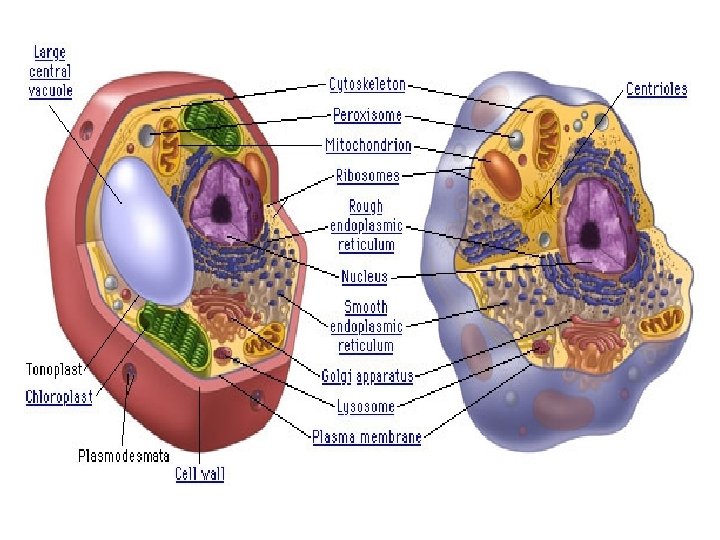
Vesicles • Lysosomes- vesicles that bud from the Golgi apparatus and contain digestive enzymes that break down large molecules. Lysosomes also digest worn-out organelles (autophagy), and break down cells (autolysis). • Peroxisomes- abundant in liver and kidney cells where they detoxify alcohol and other drugs.
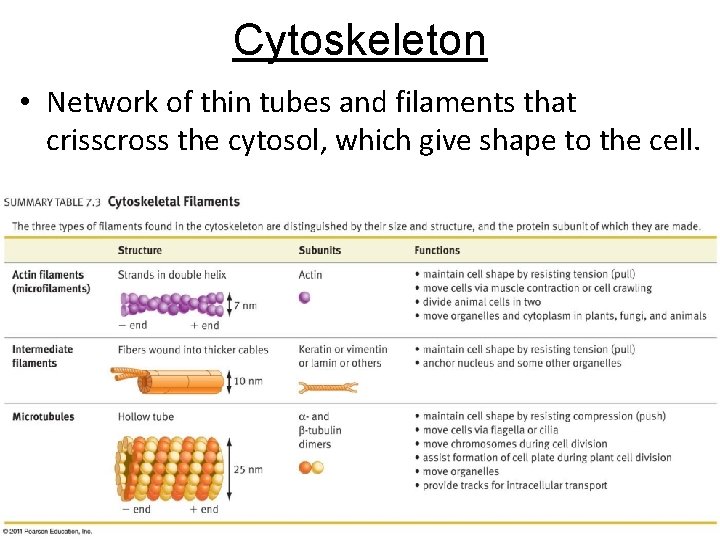
Cytoskeleton • Network of thin tubes and filaments that crisscross the cytosol, which give shape to the cell.
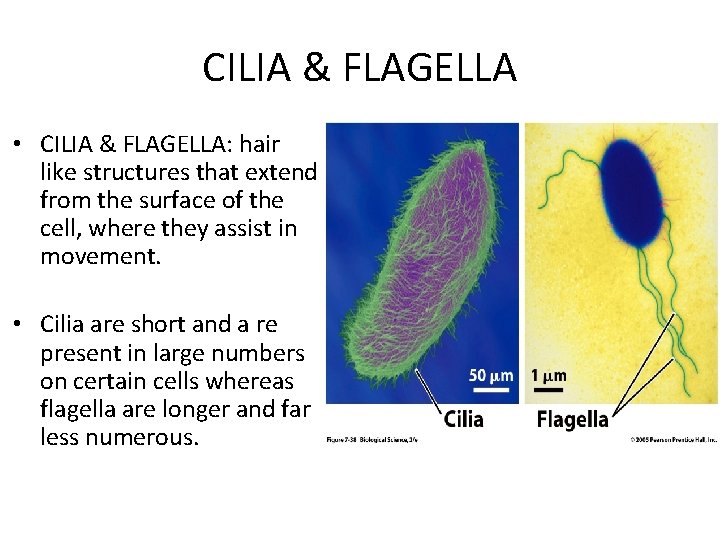
CILIA & FLAGELLA • CILIA & FLAGELLA: hair like structures that extend from the surface of the cell, where they assist in movement. • Cilia are short and a re present in large numbers on certain cells whereas flagella are longer and far less numerous.
PLANT CELLS • Cell wall – rigid layer that lies outside the cell’s plasma membrane, which contain a carbohydrate called cellulose. • Central vacuole – A large, fluid-filled organelle that stores water, enzymes, metabolic wastes, and other materials. • Chloroplasts – use light energy to make carbohydrates from carbon dioxide and water. Contains chlorophyll ( molecules that absorbs light and captures light energy for the cell)