
Cell Structure and Function u Objective To learn
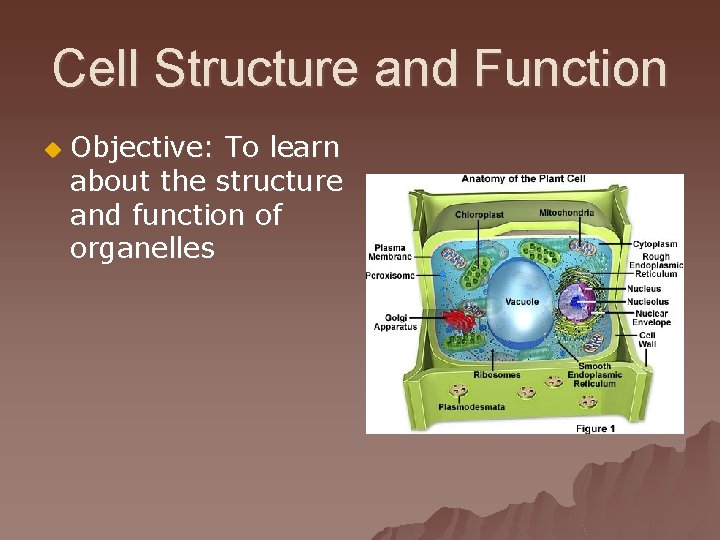
Cell Structure and Function u Objective: To learn about the structure and function of organelles
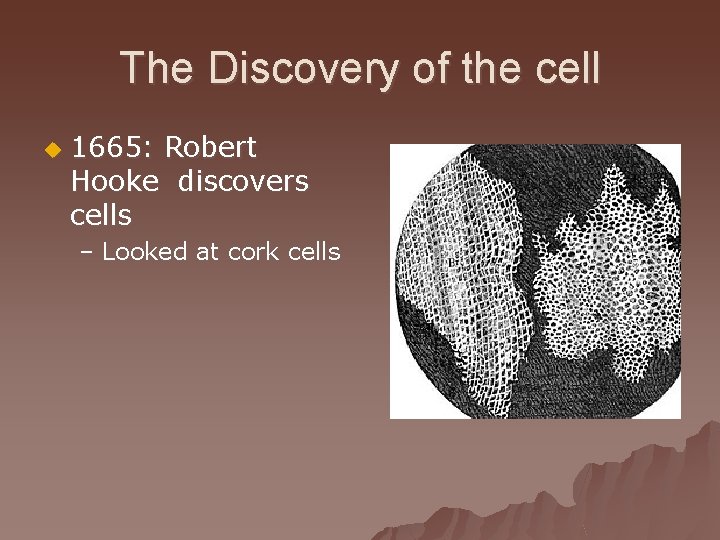
The Discovery of the cell u 1665: Robert Hooke discovers cells – Looked at cork cells
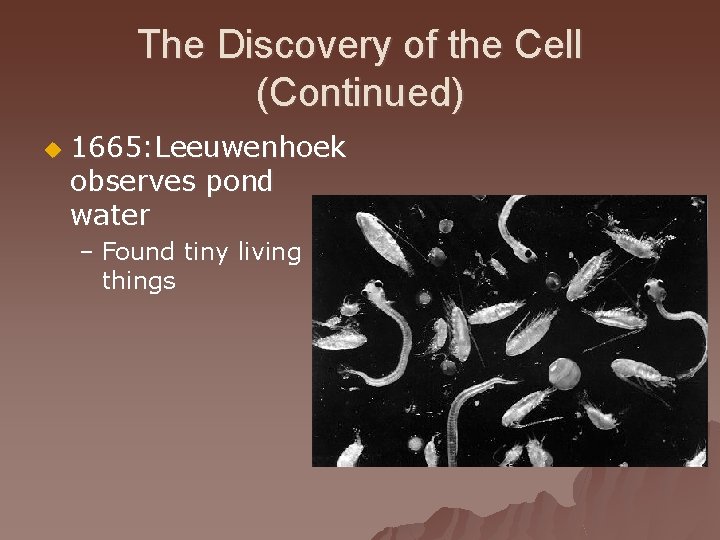
The Discovery of the Cell (Continued) u 1665: Leeuwenhoek observes pond water – Found tiny living things
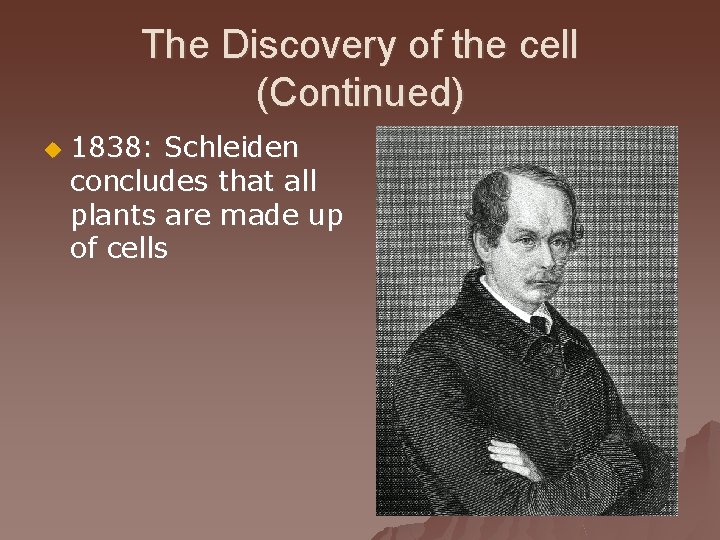
The Discovery of the cell (Continued) u 1838: Schleiden concludes that all plants are made up of cells
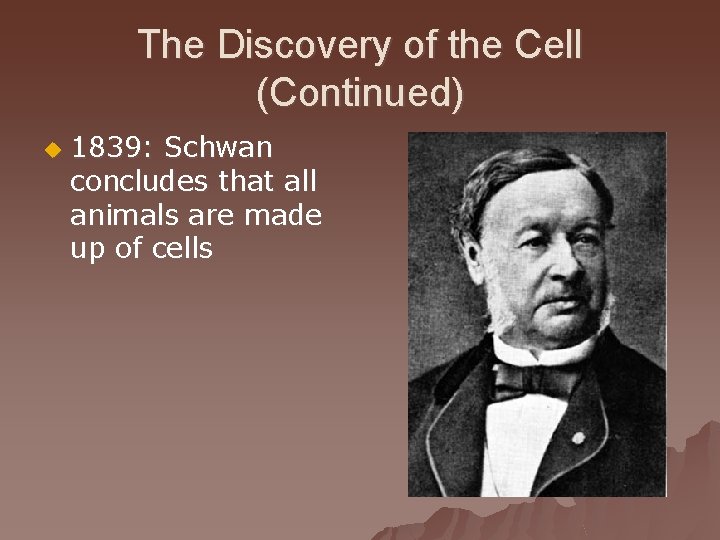
The Discovery of the Cell (Continued) u 1839: Schwan concludes that all animals are made up of cells

The Discovery of the Cell (Continued) u 1855: Virchow proposes “cells come from cells”
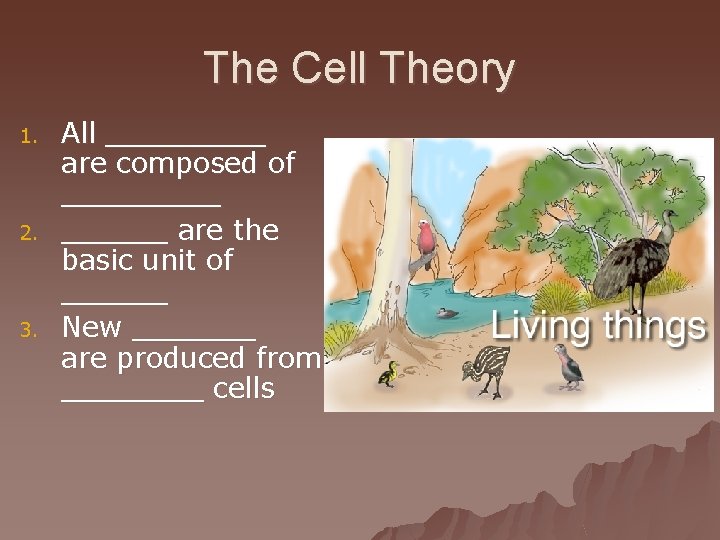
The Cell Theory 1. 2. 3. All _____ are composed of ______ are the basic unit of ______ New _______ are produced from ____ cells
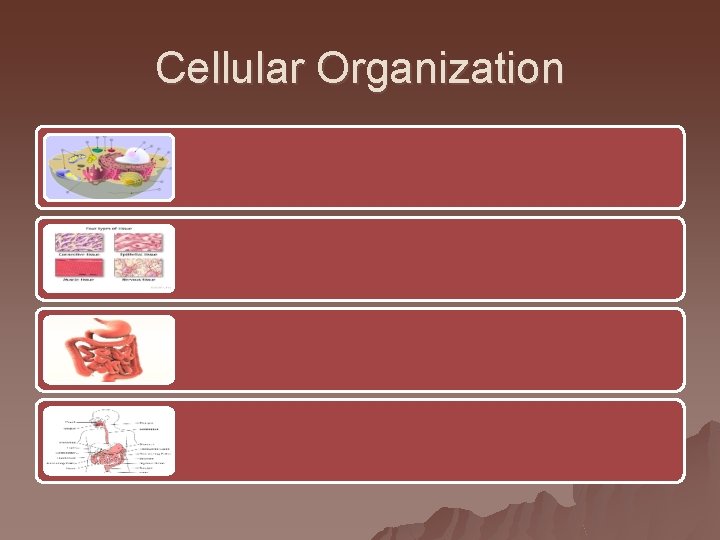
Cellular Organization
Prokaryotic Cells vs Eukaryotic Cells What is the difference between each type of cell? u Provide an example of each type of cell u
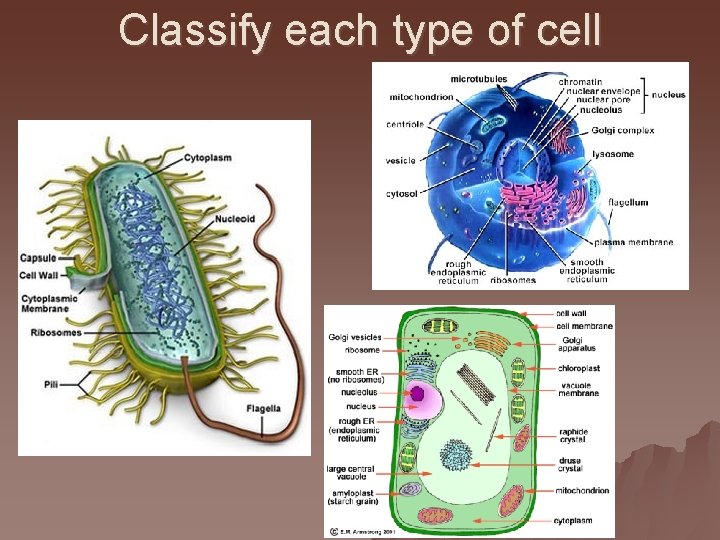
Classify each type of cell
The Martian and the car u These life forms rolling along roads in great numbers. They were giving off thick clouds of poisonous waste as they moved. Many of the cars moved in the same direction. They appeared to have a great deal of energy, some of them moved very quickly. When one of these life forms stopped or slowed down, the others behind it responded. They slowed down and gave off a reddish light from the back, and sometimes they would make honking noises. They would stop to feed on a liquid substance. "
Characteristics of Living Things u What are the characteristics of living things?
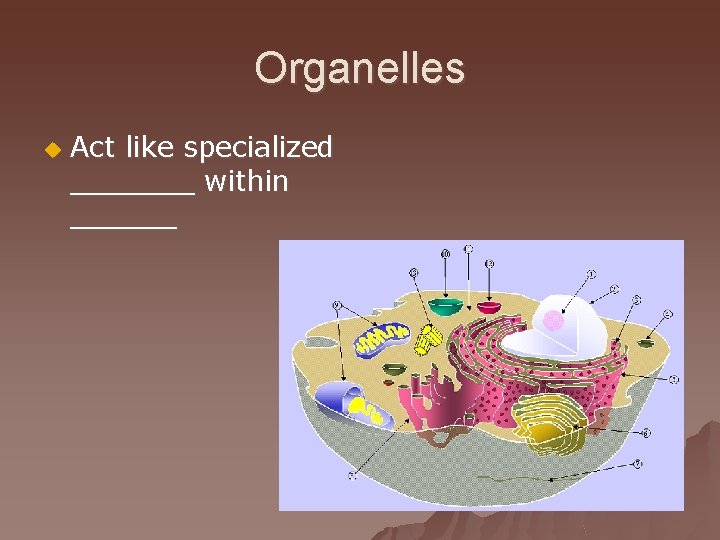
Organelles u Act like specialized _______ within ______
Summary Questions 1. 2. 3. Are viruses classified as living things? Why or why not? Are plant cells classified as eukaryotic or prokaryotic? Are animal cells classified as eukaryotic or prokaryotic?
Organelles Nucleus 2. Nuclear envelope 3. Nucleolus 4. Chromatin 5. Centriole 6. Ribosome 7. Rough ER 8. Smooth ER 9. Golgi Apparatus 10. Vesicle 1. Lysosome 12. Peroxisome 13. Vacuoles 14. Mitochondria 15. Cell Wall 16. Chloroplast 17. Cytoskeleton 18. Cell Membrane 19. Cytoplasm 20. Cilia and Flagella 11.

Organelle Mind Map u http: //www. cellsalive. com/swf/cell_ model. swf – Click on either the plant cell or animal cell to complete your mind map u www. interactivesites. weebly. com – Click on science then cells. Use the links on the page to complete your mind map
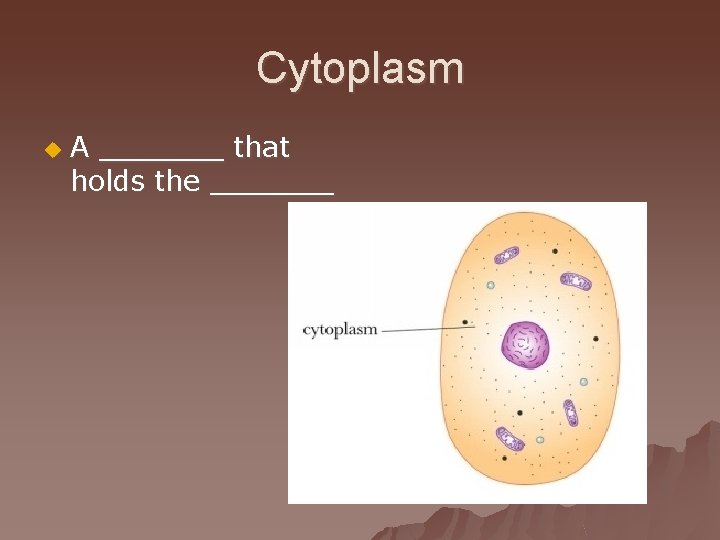
Cytoplasm u A _______ that holds the _______
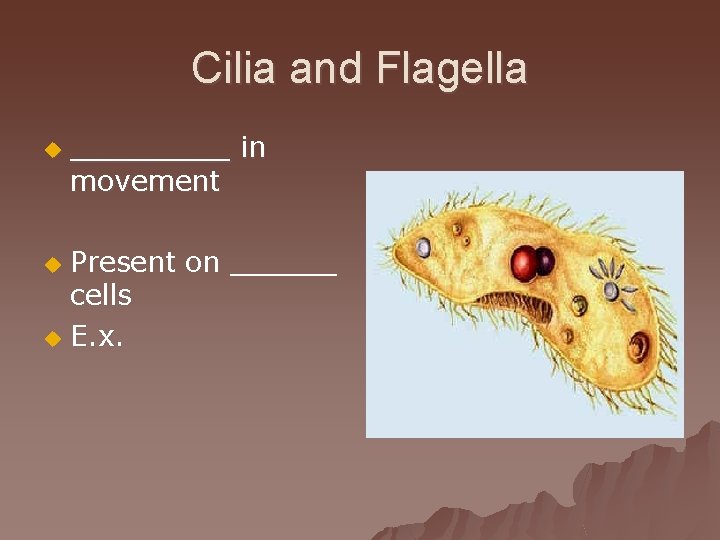
Cilia and Flagella u _____ in movement Present on ______ cells u E. x. u
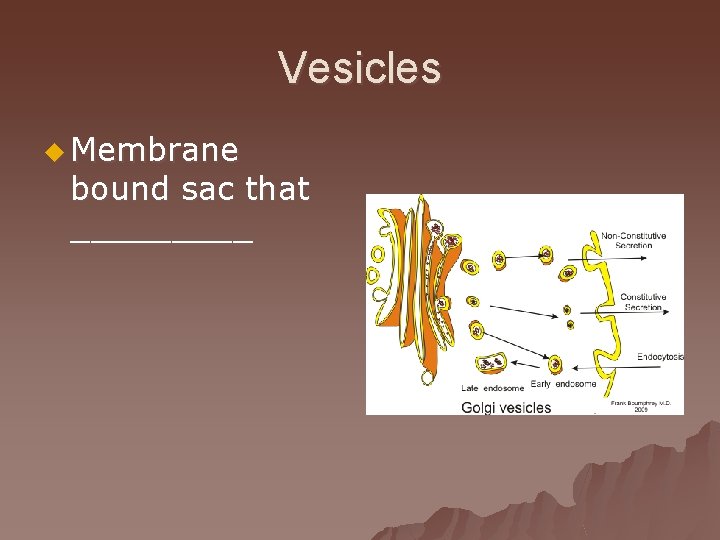
Vesicles u Membrane bound sac that _____
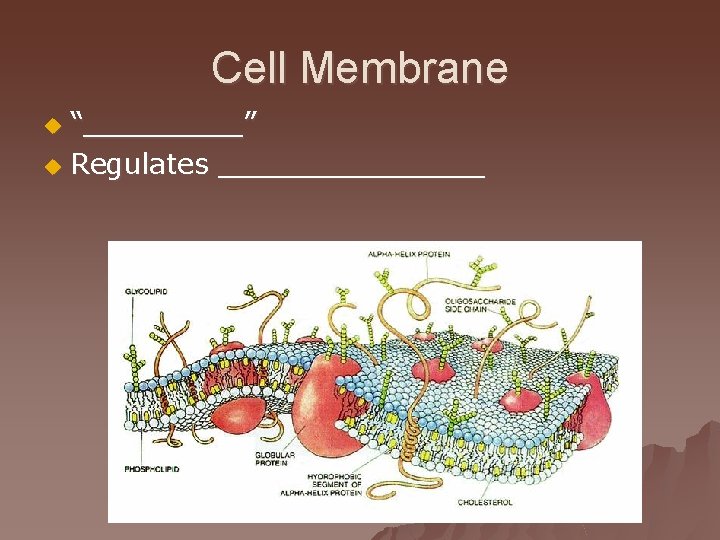
Cell Membrane “_____” u Regulates ________ u
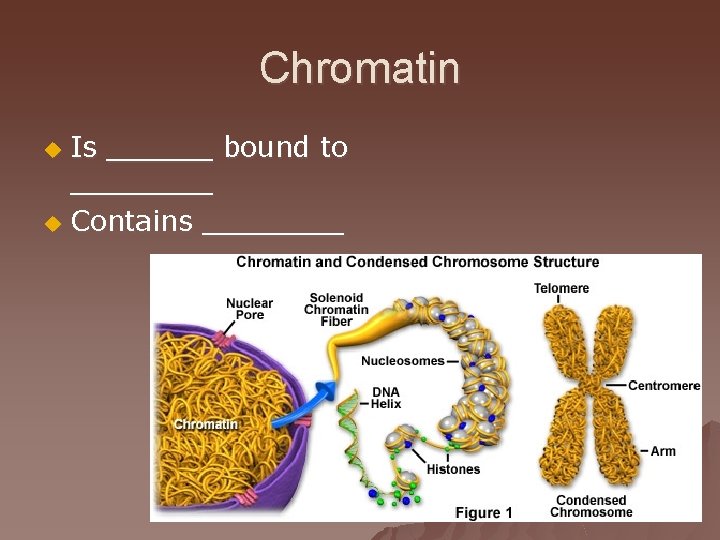
Chromatin Is ______ bound to ____ u Contains ____ u
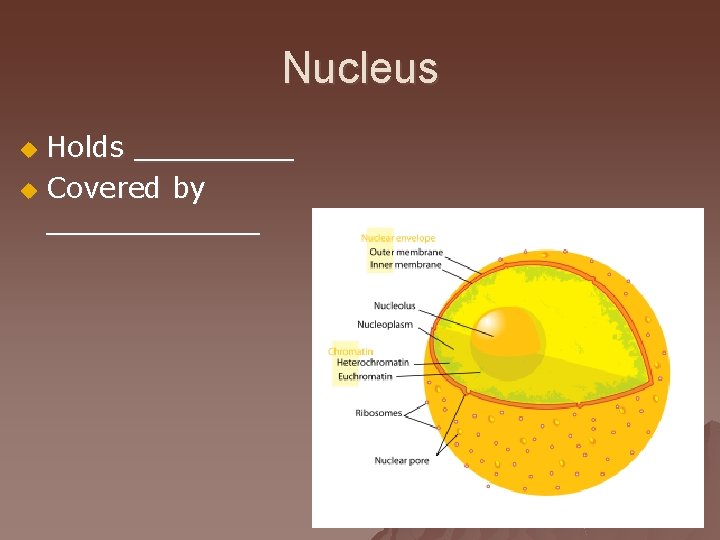
Nucleus Holds _____ u Covered by ______ u
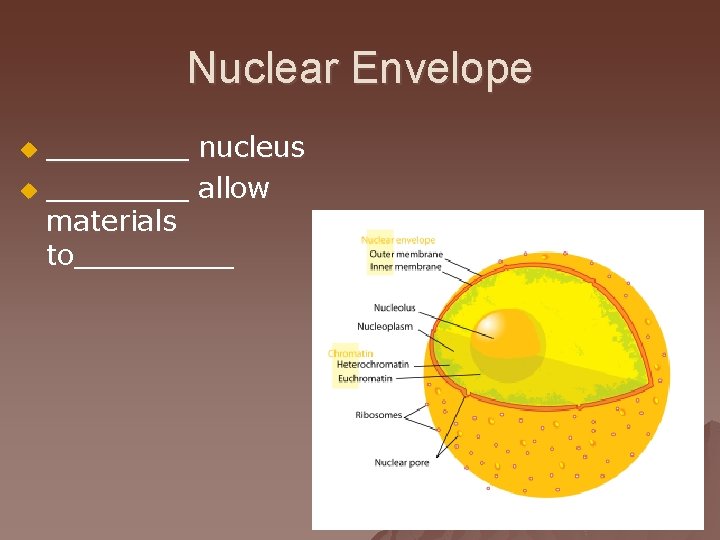
Nuclear Envelope ____ nucleus u ____ allow materials to_____ u
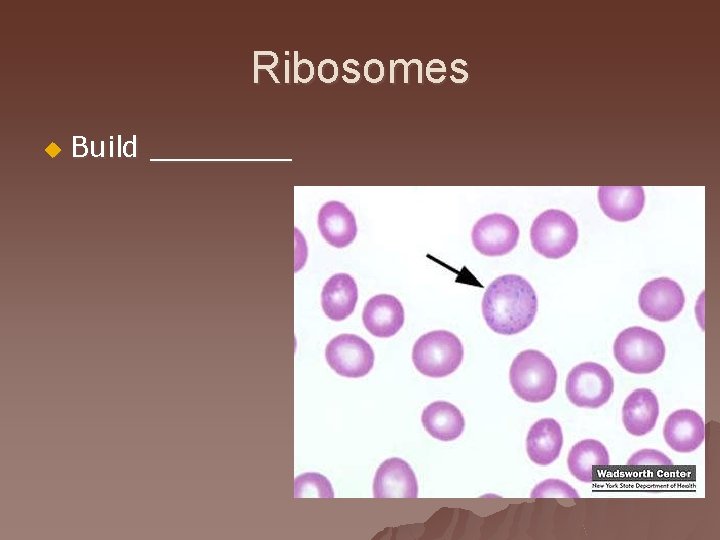
Ribosomes u Build ____
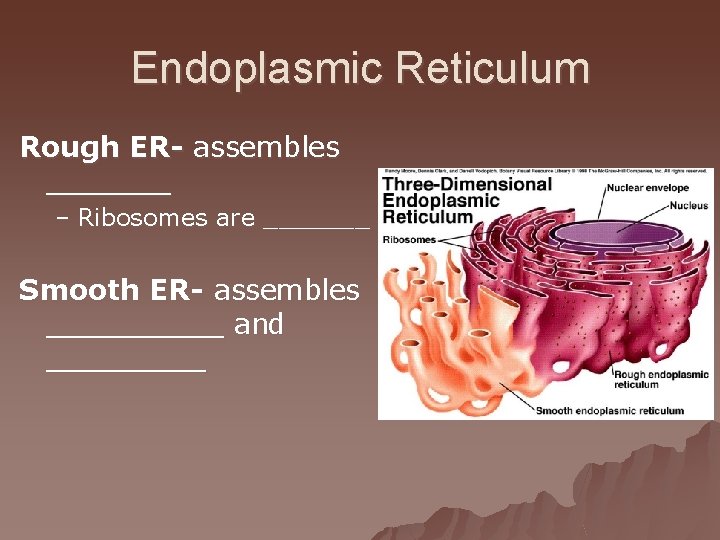
Endoplasmic Reticulum Rough ER- assembles _______ – Ribosomes are _______ Smooth ER- assembles _____ and _____
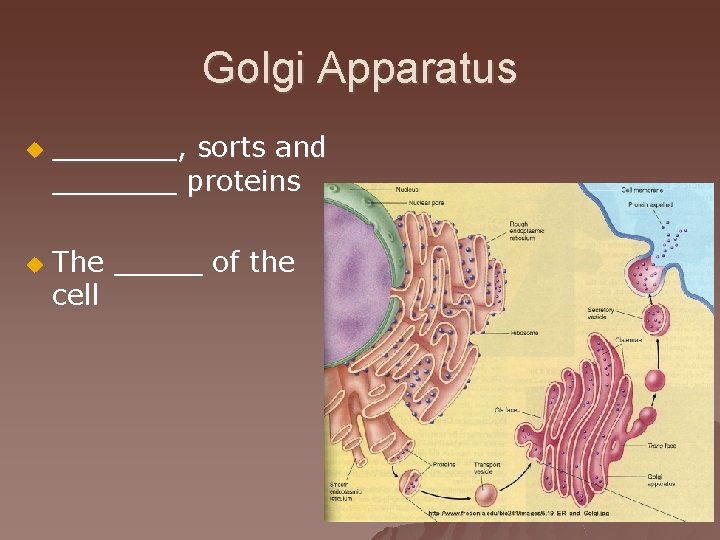
Golgi Apparatus u u _______, sorts and _______ proteins The _____ of the cell
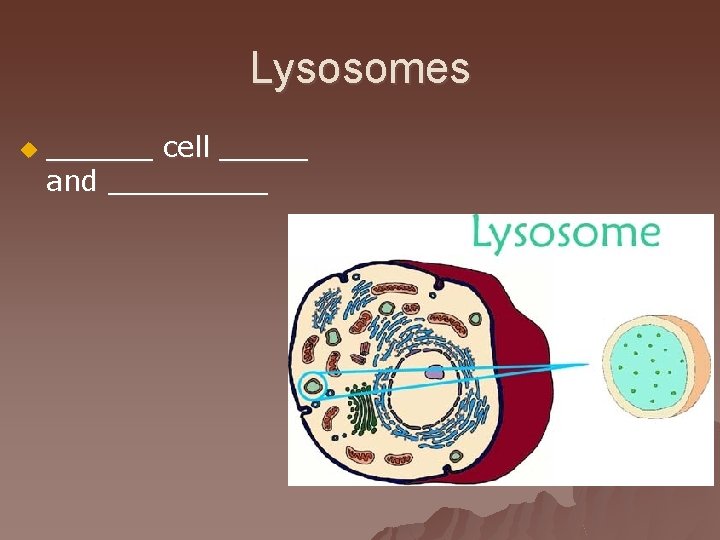
Lysosomes u ______ cell _____ and _____
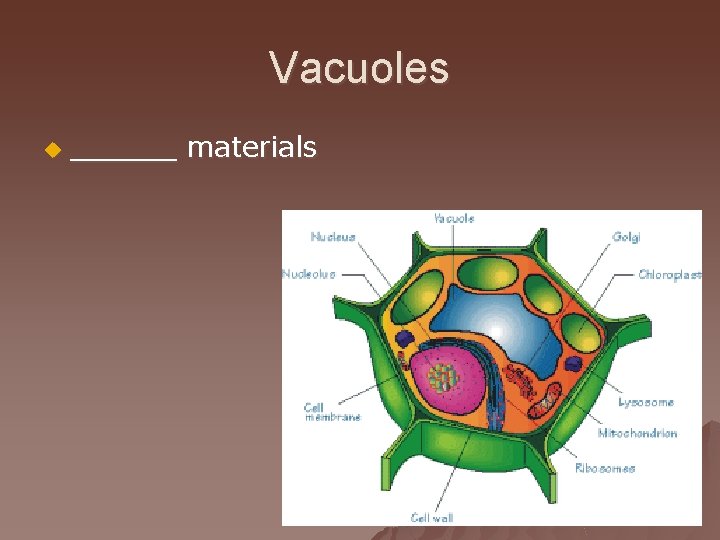
Vacuoles u ______ materials
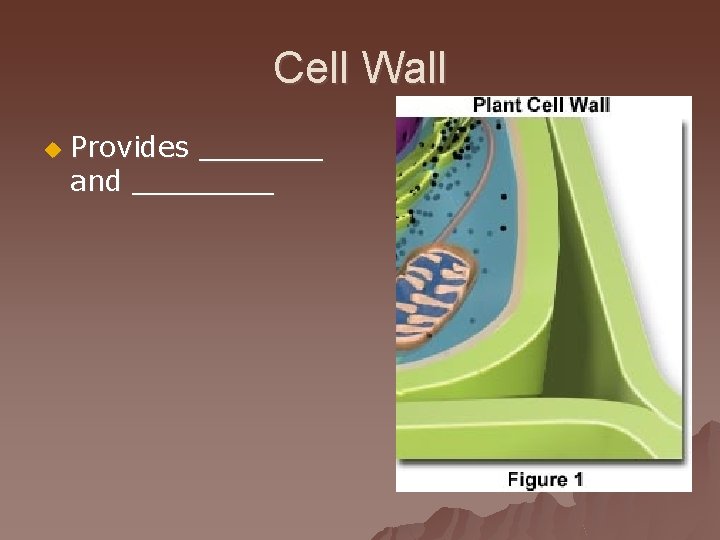
Cell Wall u Provides _______ and ____
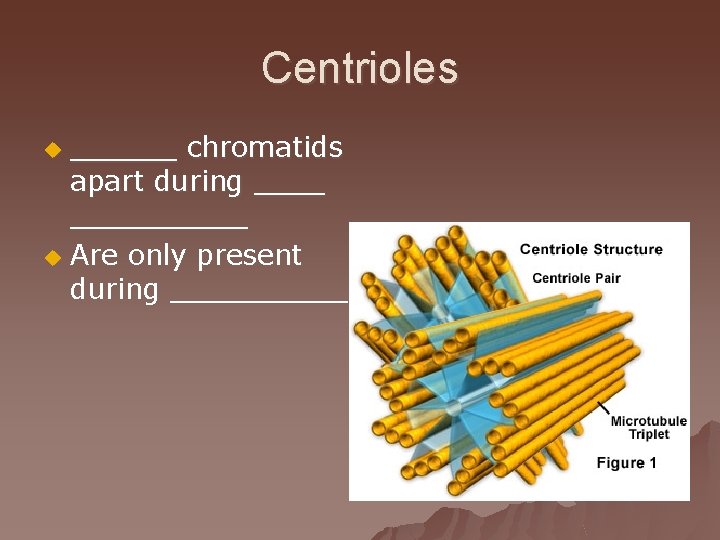
Centrioles ______ chromatids apart during __________ u Are only present during _____ u
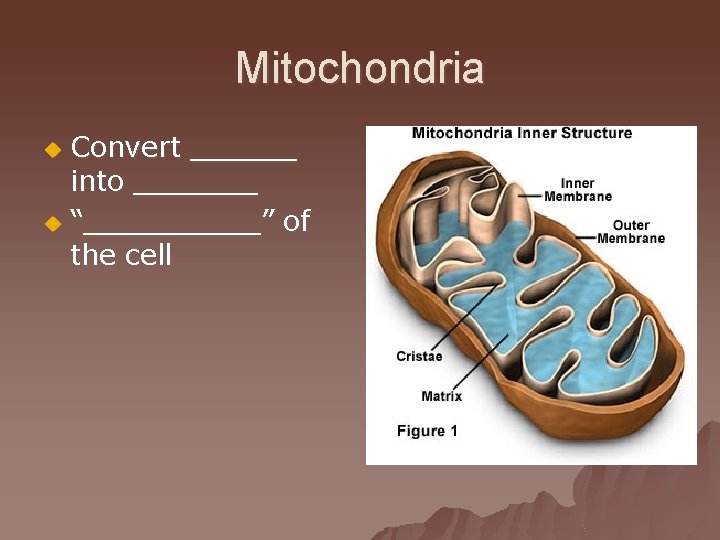
Mitochondria Convert ______ into _______ u “_____” of the cell u
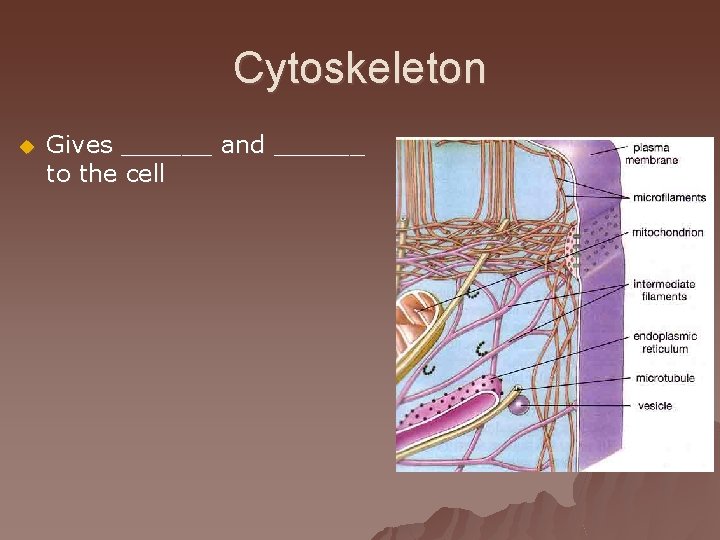
Cytoskeleton u Gives ______ and ______ to the cell
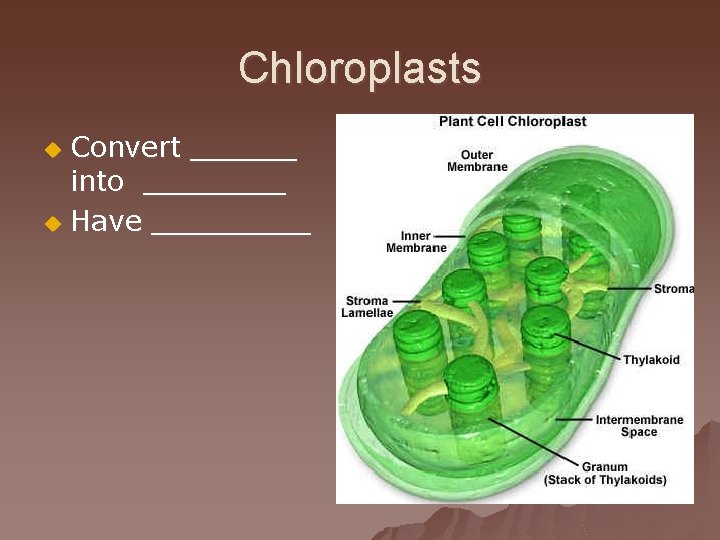
Chloroplasts Convert ______ into ____ u Have _____ u
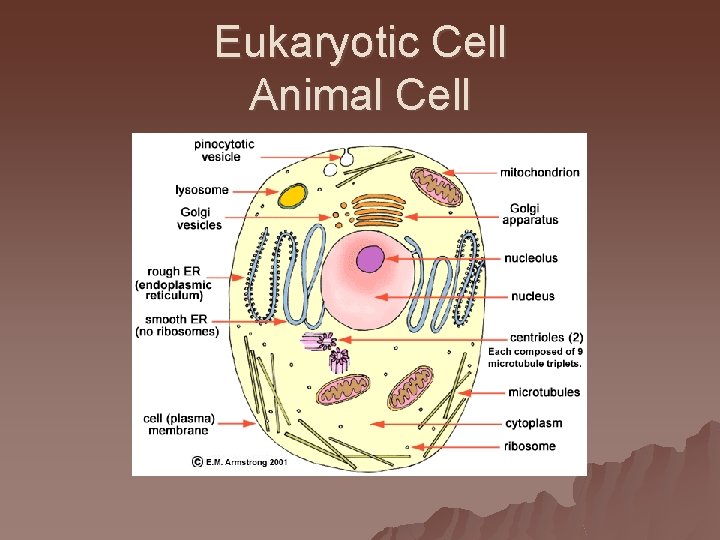
Eukaryotic Cell Animal Cell
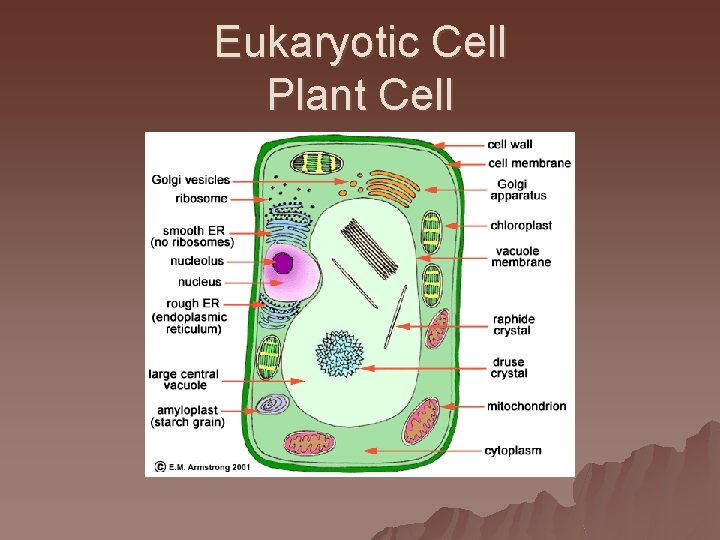
Eukaryotic Cell Plant Cell
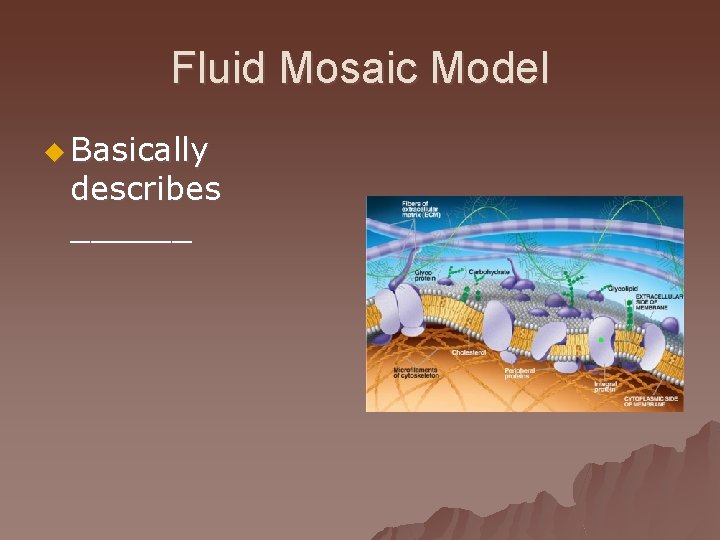
Fluid Mosaic Model u Basically describes ______
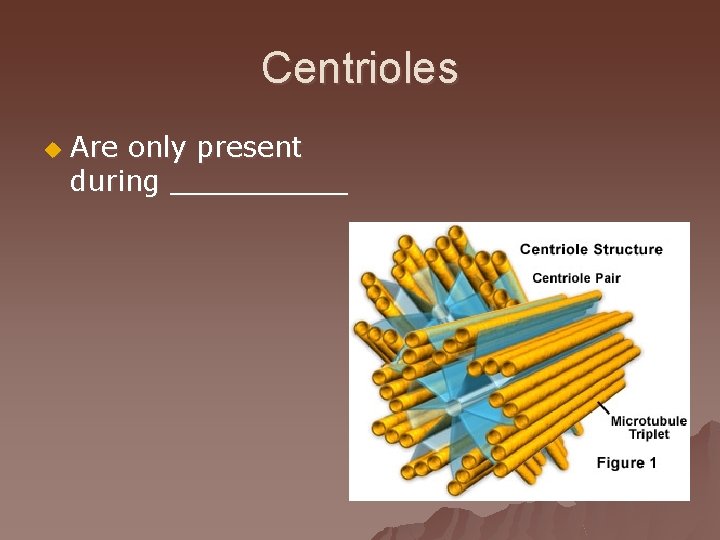
Centrioles u Are only present during _____
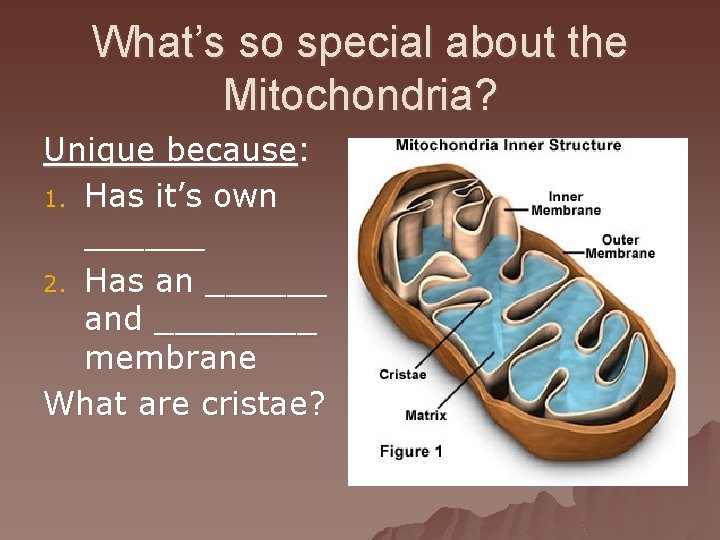
What’s so special about the Mitochondria? Unique because: 1. Has it’s own ______ 2. Has an ______ and ____ membrane What are cristae?
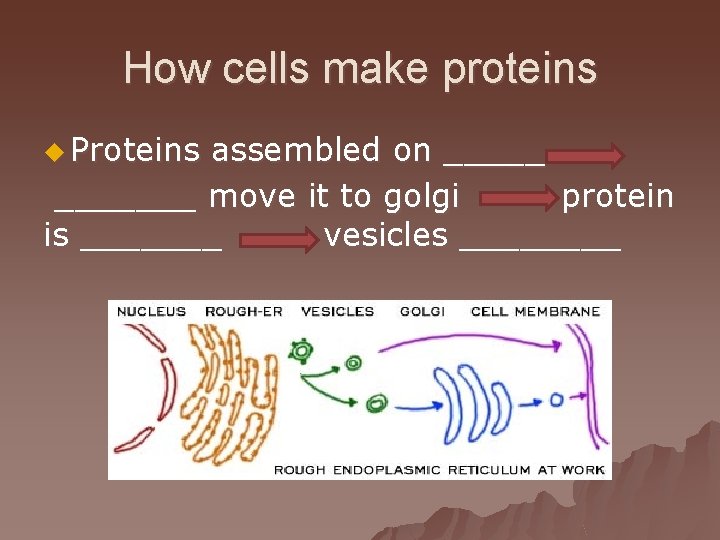
How cells make proteins u Proteins assembled on _______ move it to golgi protein is _______ vesicles ____
Summary Questions 1. What is the difference between prokaryotic and eukaryotic cells? 2. What makes mitochondria unique? 3. Do all contain all organelles we discussed in class? Why or why not?
- Slides: 40