
CELL STRUCTURE AND FUNCTION Life Science Chapter 2
- Slides: 62
CELL STRUCTURE AND FUNCTION Life Science Chapter 2
Chemistry of Life • All matter is made up of atoms • Matter is anything that has mass and takes up space • • Gas, liquid, solids Atoms have a nucleus Center of atom • Contains protons (+) and neutrons (0) • • Around the nucleus are electrons (-) • The number of protons in the atom determines what element it is • The number of electrons determines its chemical properties
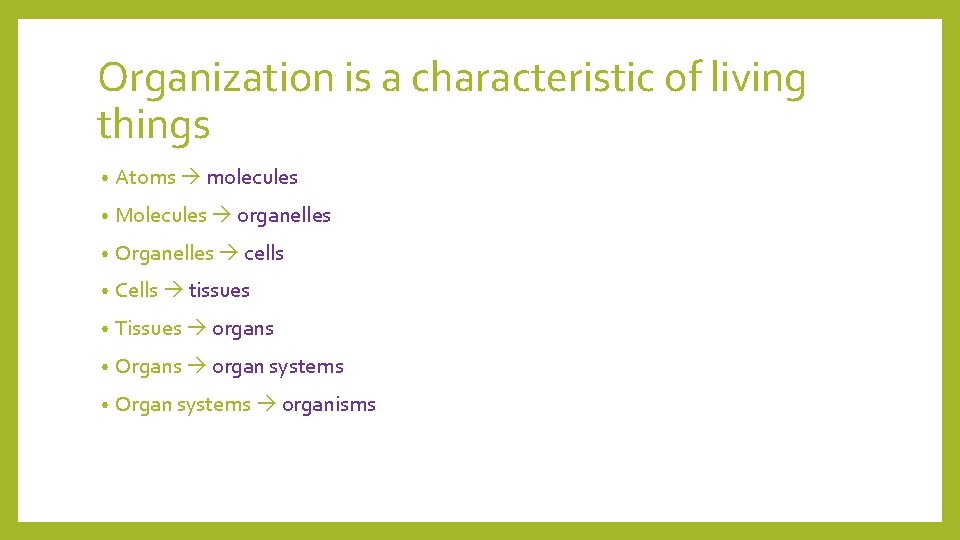
Organization is a characteristic of living things • Atoms molecules • Molecules organelles • Organelles cells • Cells tissues • Tissues organs • Organs organ systems • Organ systems organisms
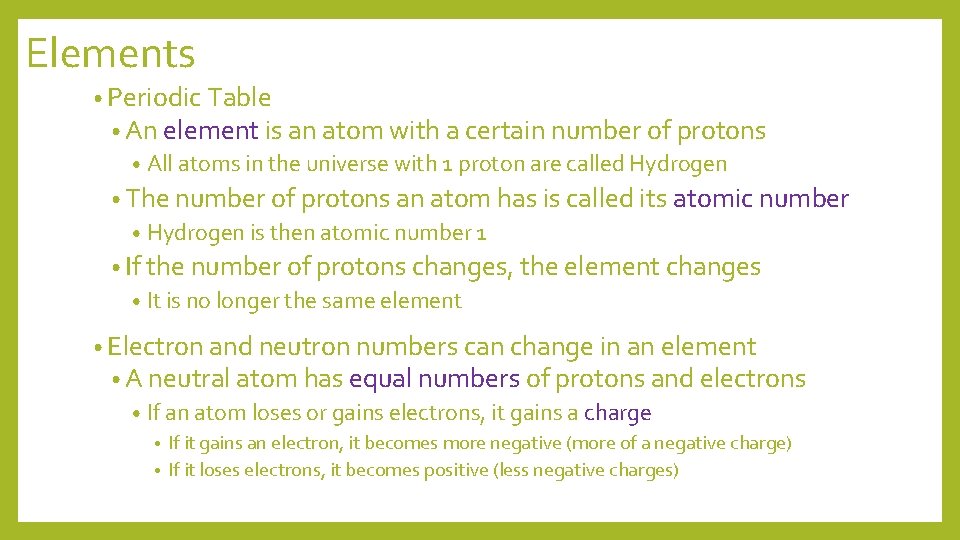
Elements • Periodic Table • An element is an atom with a certain number of protons • All atoms in the universe with 1 proton are called Hydrogen • The number of protons an atom has is called its atomic number • Hydrogen is then atomic number 1 • If the number of protons changes, the element changes • It is no longer the same element • Electron and neutron numbers can change in an element • A neutral atom has equal numbers of protons and electrons • If an atom loses or gains electrons, it gains a charge If it gains an electron, it becomes more negative (more of a negative charge) • If it loses electrons, it becomes positive (less negative charges) •
Example • Sodium (Na) is atomic number 11 because it has 11 protons • When neutrally charged, it will have 11 electrons • However, Sodium really wants to lose an electron • When it loses that electron, it will have 11 protons and 10 electrons • It will be positively charged • • Charged atoms are called ions Chlorine (Cl) is atomic number 17 because it has 17 protons Has 17 electrons when neutral • However, it really wants one more electron (again, not discussed here) • When it gains an electron, it will have 17 protons and 18 electrons • • • It is negatively charged Like magnets, charged atoms attract • Sodium and chlorine attract and form sodium chloride (Na. Cl) • Also called table salt
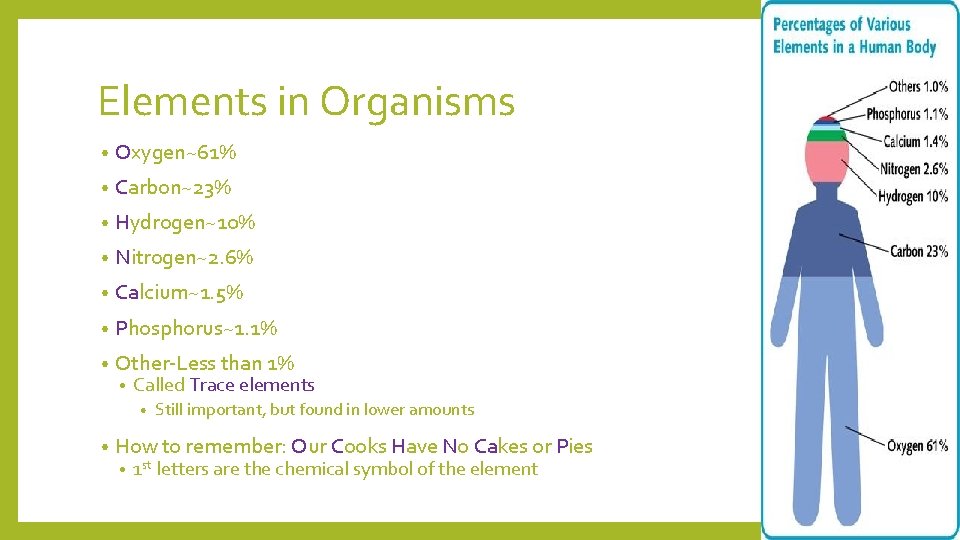
Elements in Organisms • Oxygen~61% • Carbon~23% • Hydrogen~10% • Nitrogen~2. 6% • Calcium~1. 5% • Phosphorus~1. 1% • Other-Less than 1% • Called Trace elements • • Still important, but found in lower amounts How to remember: Our Cooks Have No Cakes or Pies • 1 st letters are the chemical symbol of the element
Atoms to molecules • Salt is an example of a molecule • • Molecules are made up of atoms bonded together Water is the most important molecule to organisms Water is required for many of the chemical reactions that take place in organisms • Cells are mostly water. • • Large molecules are called macromolecules • 4 important ones for life Lipids • Proteins • Carbohydrates • Nucleic Acids •
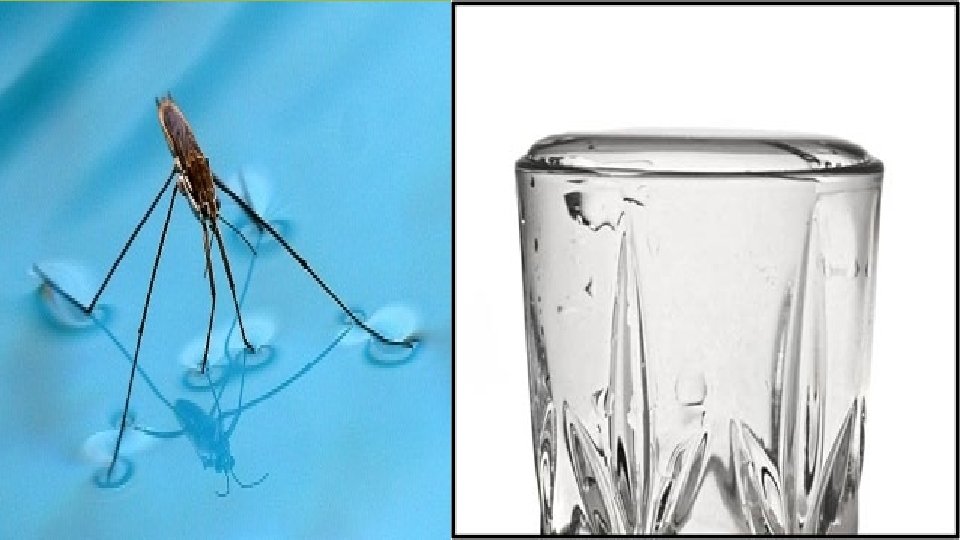
Properties of Water • Water is a polar molecule • It has areas of positive charge (the hydrogen atoms) and areas of negative charge (the oxygen atom) • This charge attracts ions • Sodium and chloride break apart easily in water • • Salt water As do sugar molecules • Water molecules also like to bond to other water molecules (called cohesion) • Causes surface tension
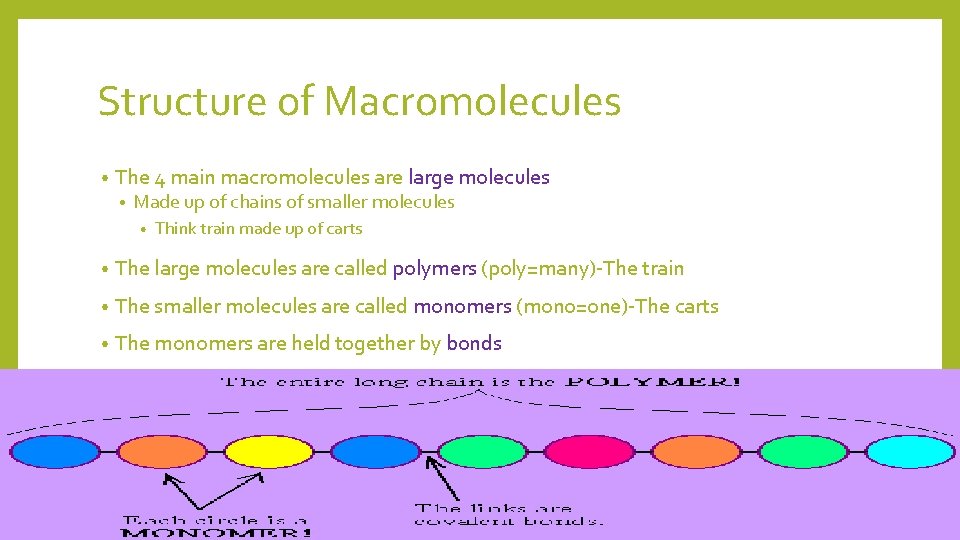
Structure of Macromolecules • The 4 main macromolecules are large molecules • Made up of chains of smaller molecules • Think train made up of carts • The large molecules are called polymers (poly=many)-The train • The smaller molecules are called monomers (mono=one)-The carts • The monomers are held together by bonds
Lipids • Fats, oils, steroids • Monomers are glycerol and fatty acids • Do not dissolve in water • Make up the cell membrane • Energy storage
Proteins • Important for many cell processes • Also help build cell structures • Monomers are amino acids • Proteins have a unique 3 -D structure that determines their role • Enzymes are important proteins that assist with chemical reactions
Carbohydrates • Provide energy • Sugars, starches • Monomers are monosaccharides
Nucleic Acids • The most important macromolecules • Monomers are nucleotides • DNA, RNA, and ATP are all nucleic acids DNA is the material passed from parents to children and contains the instructions for the organism’s features • RNA is used to manufacture proteins • ATP provides the cell with energy to do nearly everything • • Much, much more to come on these 3 molecules, so learn them now!
The Cell Theory • Recall: Theory in science=explanation • Explains what cells are, what they do, and where they come from • 4 scientists contributed: Robert Hooke, Matthias Schleiden, Theodor Schwann, and Rudolf Virchow (Guaranteed Matching question on Test)
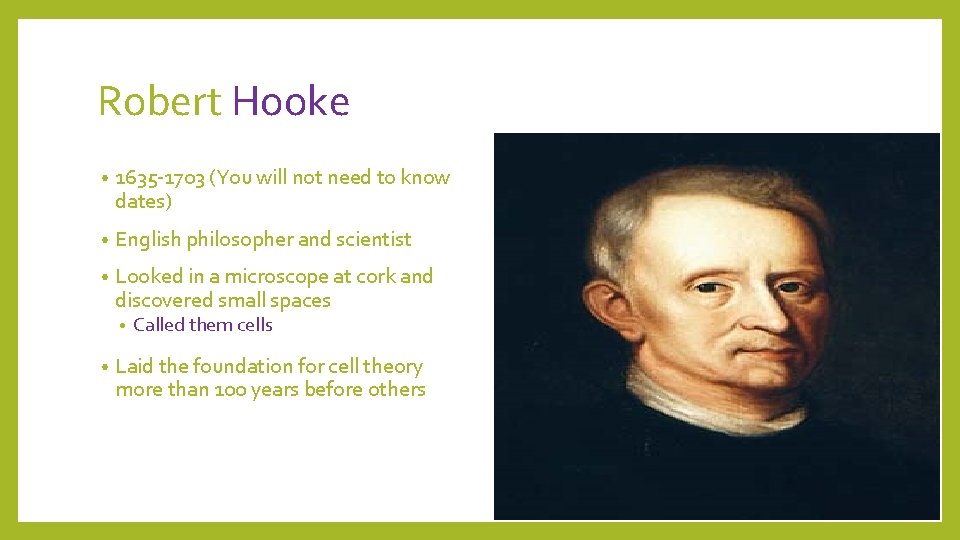
Robert Hooke • 1635 -1703 (You will not need to know dates) • English philosopher and scientist • Looked in a microscope at cork and discovered small spaces • • Called them cells Laid the foundation for cell theory more than 100 years before others
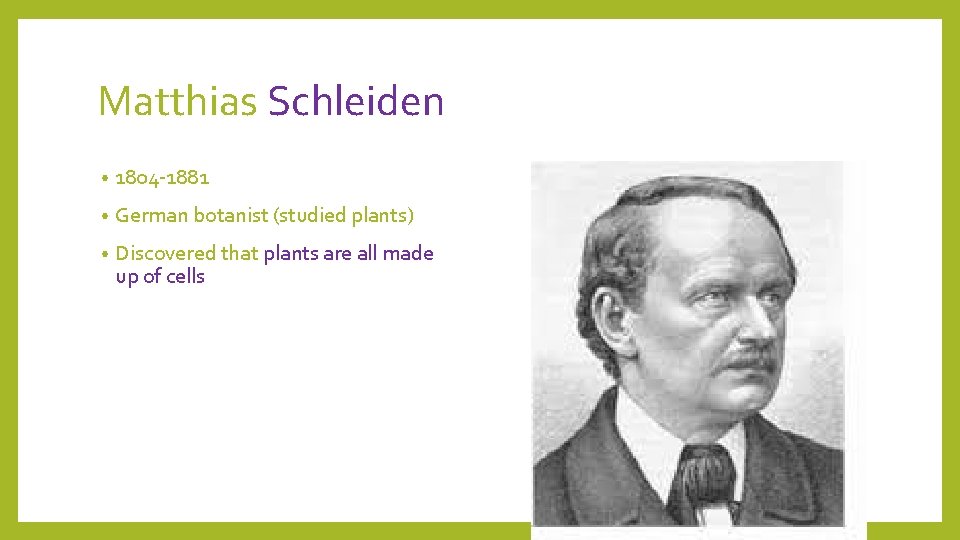
Matthias Schleiden • 1804 -1881 • German botanist (studied plants) • Discovered that plants are all made up of cells
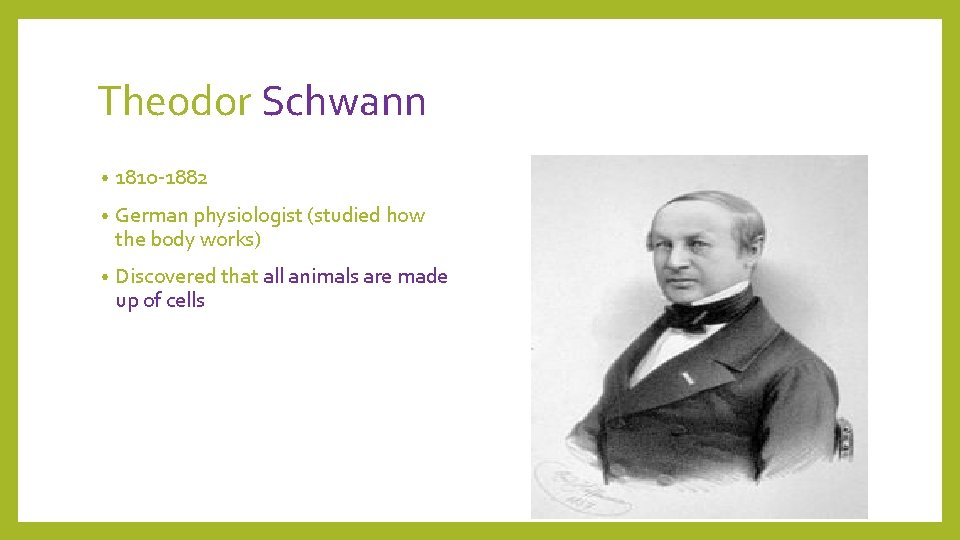
Theodor Schwann • 1810 -1882 • German physiologist (studied how the body works) • Discovered that all animals are made up of cells
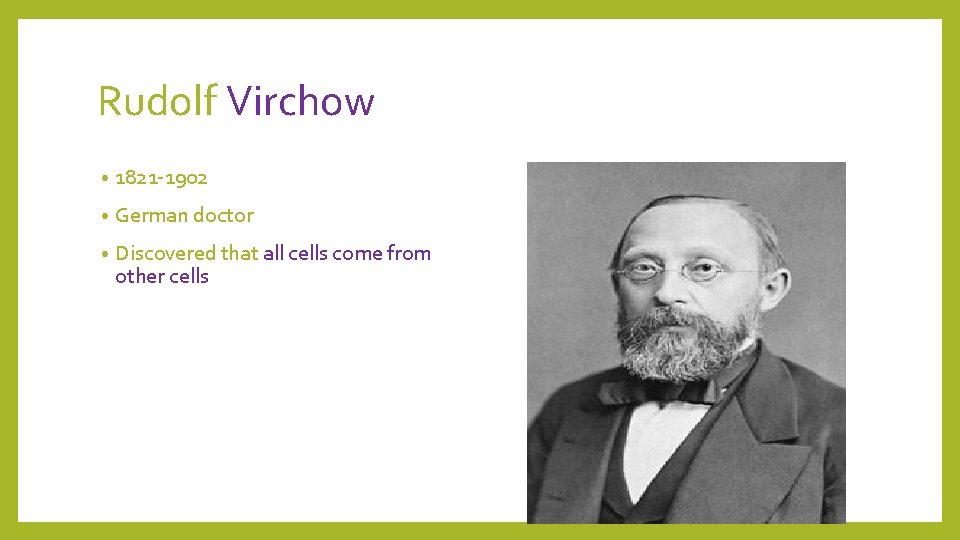
Rudolf Virchow • 1821 -1902 • German doctor • Discovered that all cells come from other cells
Recap • Hooke-Named cells • Schleiden-Plants are made of cells • Schwann-Animals are made up of cells • Virchow-Cells come from cells
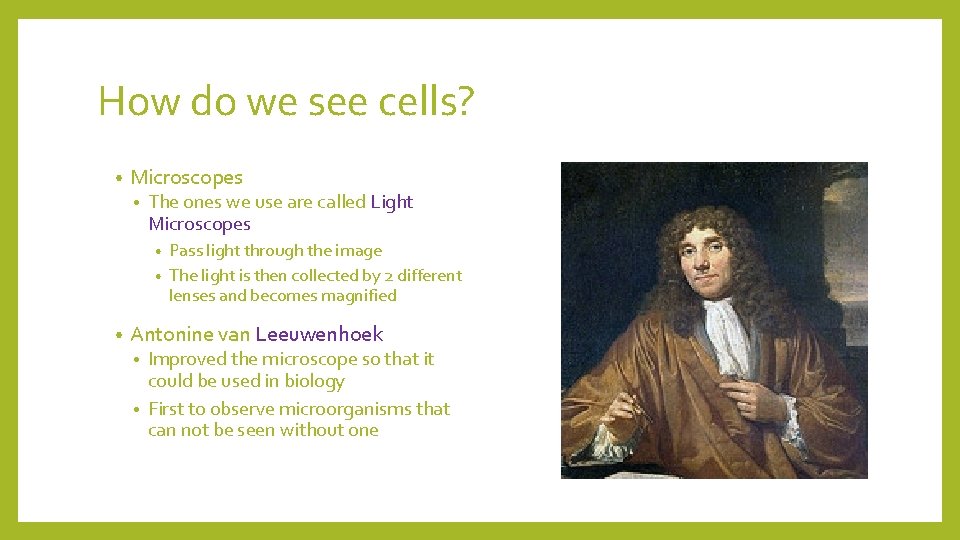
How do we see cells? • Microscopes • The ones we use are called Light Microscopes Pass light through the image • The light is then collected by 2 different lenses and becomes magnified • • Antonine van Leeuwenhoek Improved the microscope so that it could be used in biology • First to observe microorganisms that can not be seen without one •
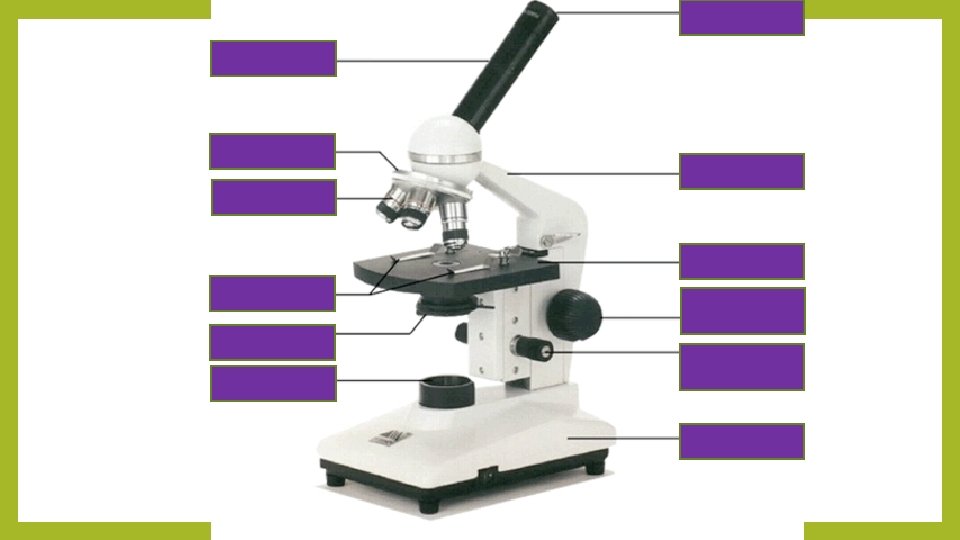
1. Ocular Lens (Eyepiece) • This is what you look through to see the image. • It contains a lens (usually 10 x magnification)
2. Arm • Structural piece • Holds the parts of the microscope in the proper places. • THE ARM IS NOT A HANDLE • Never carry the microscope by the arm alone. • One hand around the arm, the other hand underneath the base to support it. • Microscopes are very expensive. Use the utmost care when transporting it.
3. Stage • This is the flat portion where you put the slide. • A hole in the stage allows light to pass through the slide
4. Course Focus • Moves the stage up and down. • Doing so brings the object into focus. • Move it until the image becomes visible. It will still be a bit blurry. • Note about the Course Focus: Using the course focus to try to get a better image could result in the stage moving the slide up into the objective. This could crack the slide and/or objective lens, and could be a VERY expensive mistake.
5. Fine Focus • Makes tiny adjustments to the stage. • Once you have found the image, use the fine focus to make it clear.
6. Base • Bottom of the microscope. • Structural and support. • Remember, one hand underneath the base and the other holding the arm.
7. Light Source • A light bulb • Sends light through the slide.
8. Diaphragm • Allows you to adjust the amount of light that comes through.
9. Slide Clips • Little metal pieces that hold the slide in place. • Make sure that the slide is under the clips. • You do not want the slide moving after you have just found the image
10. Objectives • Each is a different lens that magnifies the image. • Most microscopes have several of these ranging from 4 x to 200 x • Begin on the lowest objective to find the image, then increase to zoom it in.
11. Rotating Nosepiece • Holds the objectives • Twist to change magnification.
12. Body Tube • Holds eyepiece
Magnification • Magnification is the product of the magnifications of the eyepiece and the objective lenses • Eyepiece x Objective= Total Magnification • Example: Eyepiece 10 x and objective 20 x • 20 x 10=200 x magnification
Cell Types • 2 major categories of cells • Prokaryotic Cells • Bacteria and Archaea • No organelles, including nucleus • Eukaryotic Cells • Protists, Plants, Fungi, and Animals • Contains organelles, including nucleus • Much more complicated • Organelles (small organs) • Like organs to our body • Each does a job for the cell • All work together
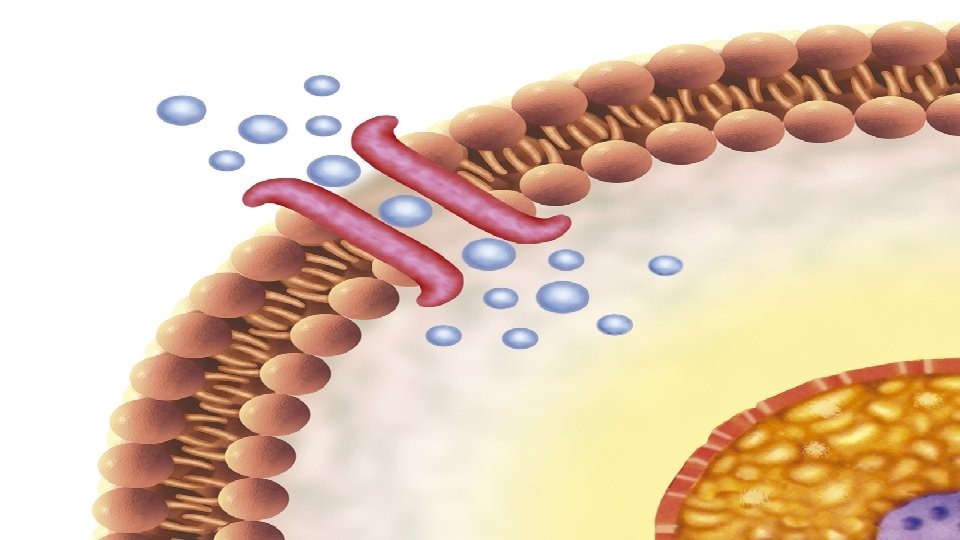
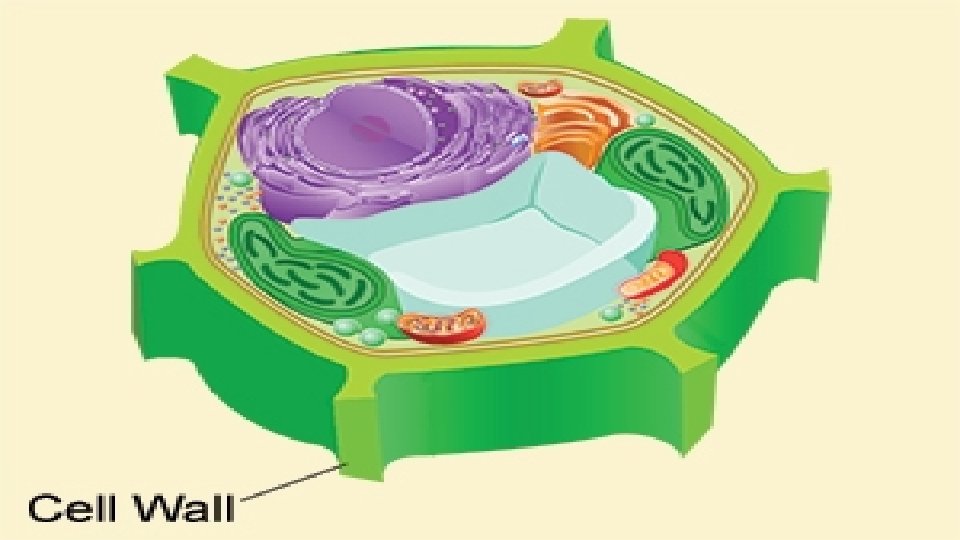
Protection and Support • All cells have a cell membrane • Flexible boundary between cell and its environment • Made up of proteins and lipids • Protects the cell, gives it shape, and allows materials to enter and exit the cell • Plant cells, and some fungi, protists, and bacteria, also have a cell wall • Outside of the cell membrane • Very rigid • More protection
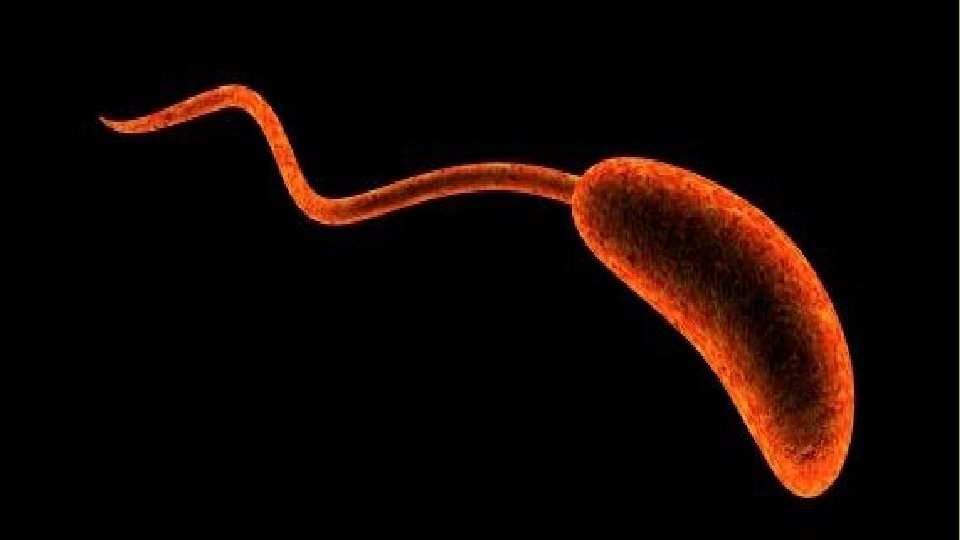
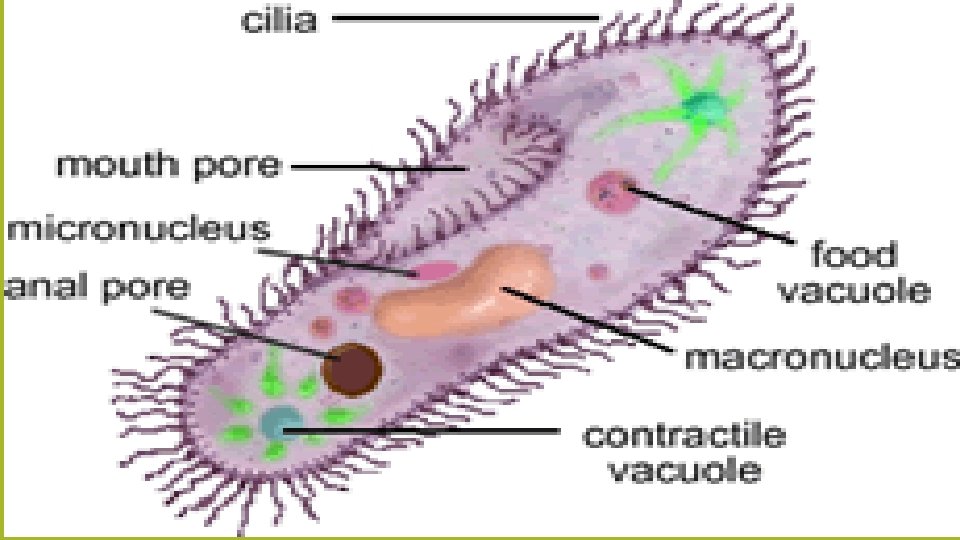
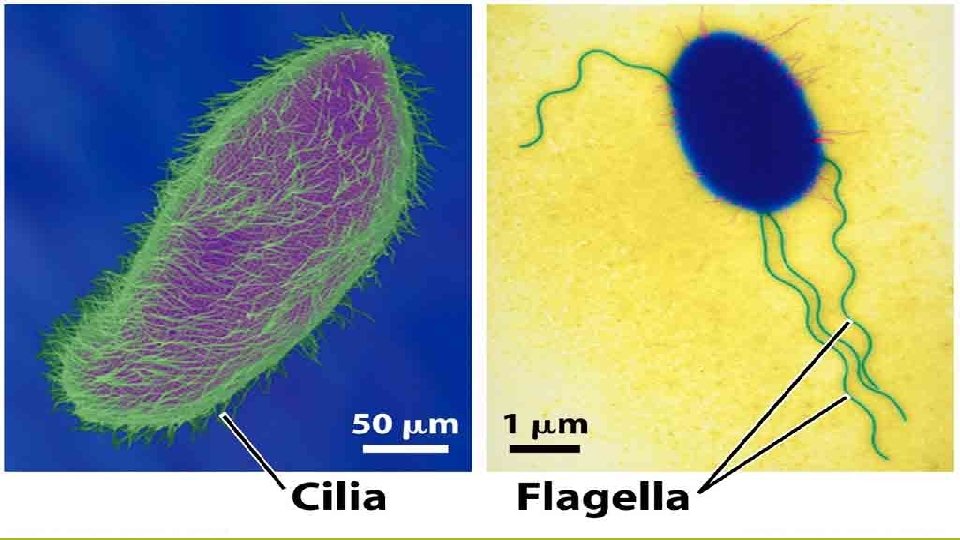
Cell Appendages • Some cells have things attached to them that do a job • Flagella are whip-like structures that work as a motor for the cell • Spins and allows the cell to move • Not common in humans except on sperm, very common in unicellular organisms • Usually 1 or 2 • Cilia are numerous, hair-like structures • Work like a row team and move cell • Also work to remove foreign materials • Found in respiratory tract. Removes dust, pollen, and other materials before they reach the lungs • Hundreds on cells that contain them
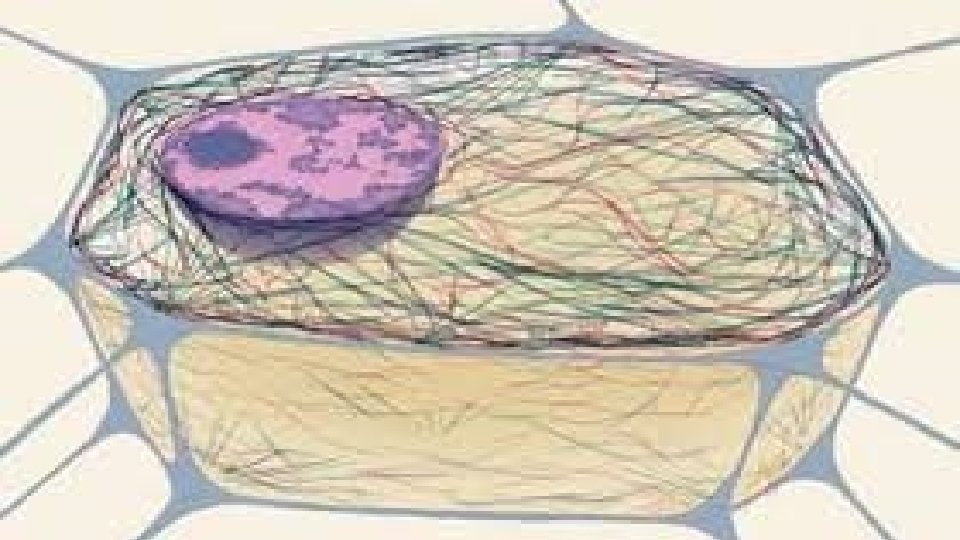
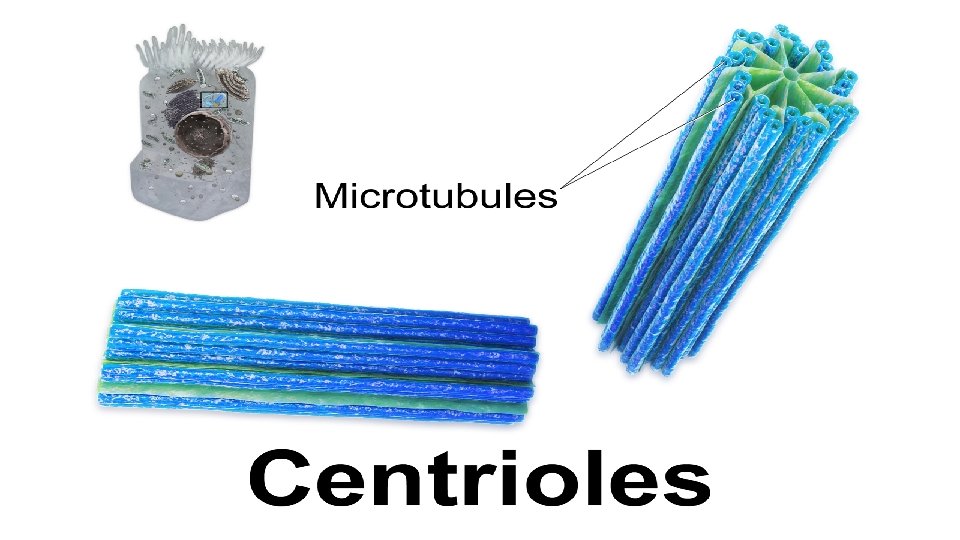
Cellular Structure • Cells are filled with a jelly-like substance called cytoplasm • Function: Contains materials for the cell and holds organelles in place • Found in: All cells • Throughout the cytoplasm are proteins that act as “bones” • Called the cytoskeleton • Does similar job to our skeleton • Function: Protection, support, allows some cells to move • Found in all eukaryotic cells • Centrioles • Function: help cells divide • Found in animal cells (very few plants, fungi, protists have them) • Made of the same material as cytoskeleton
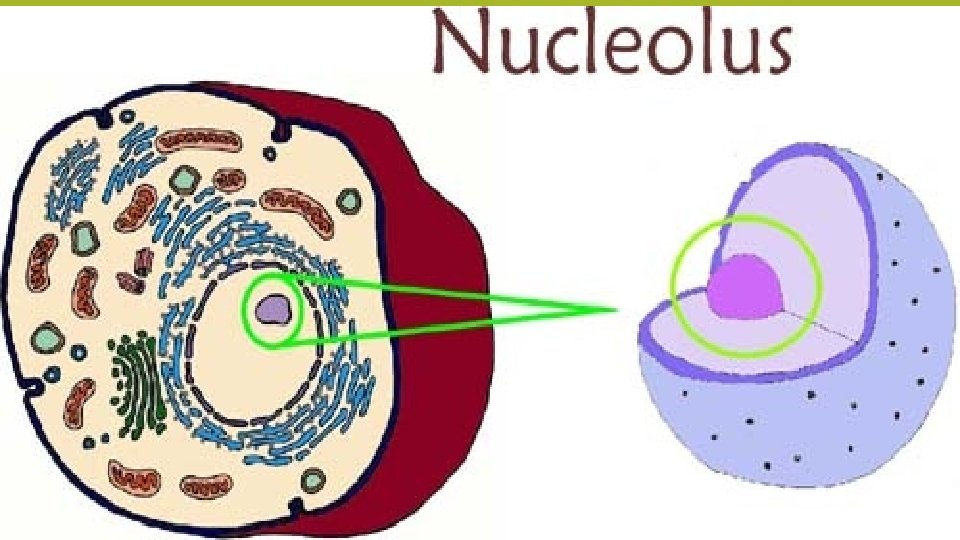
The Nucleus • Function: The control center for the cell • Function: Contains DNA • The DNA is in the form of chromosomes (more to come later) • Found in all eukaryotes • Also contains another organelle called the nucleolus • Function: forms ribosomes • Found in all eukaryotes
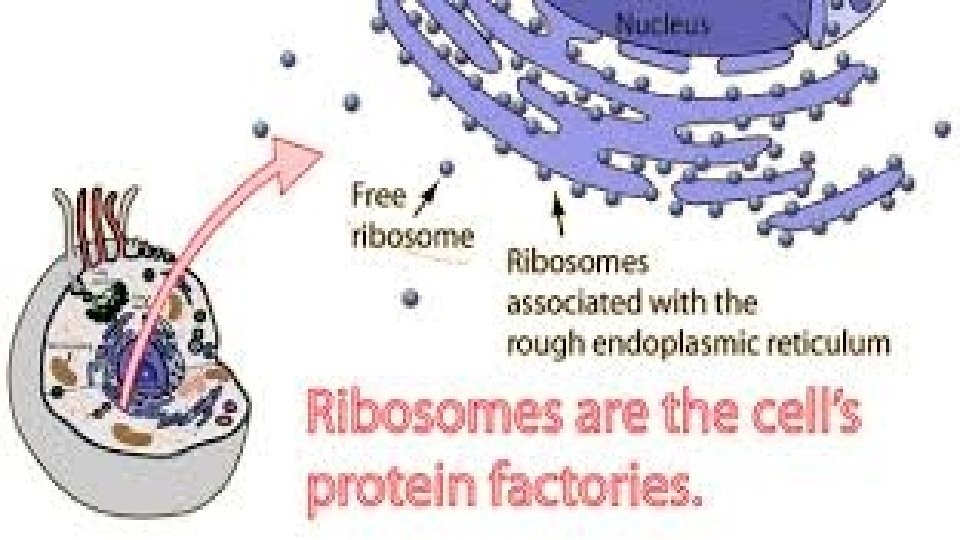
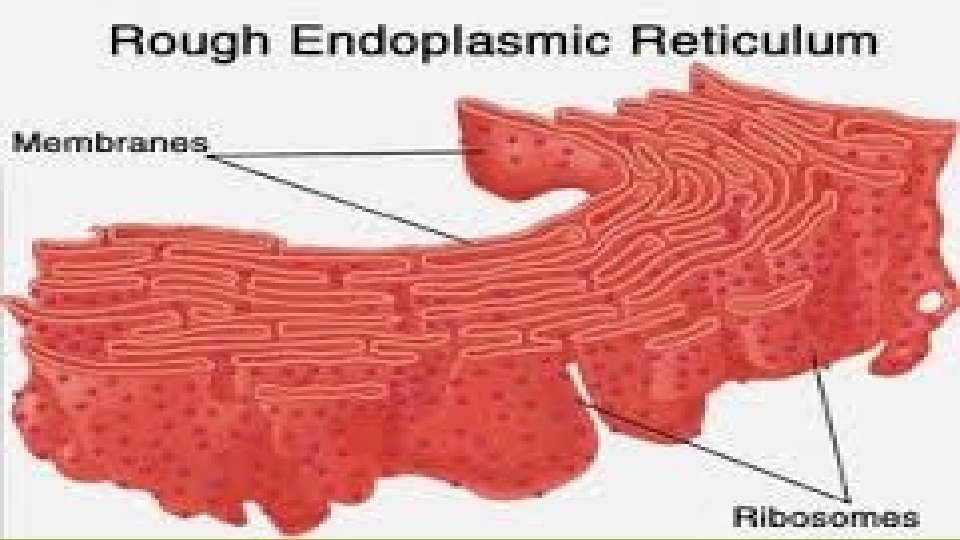
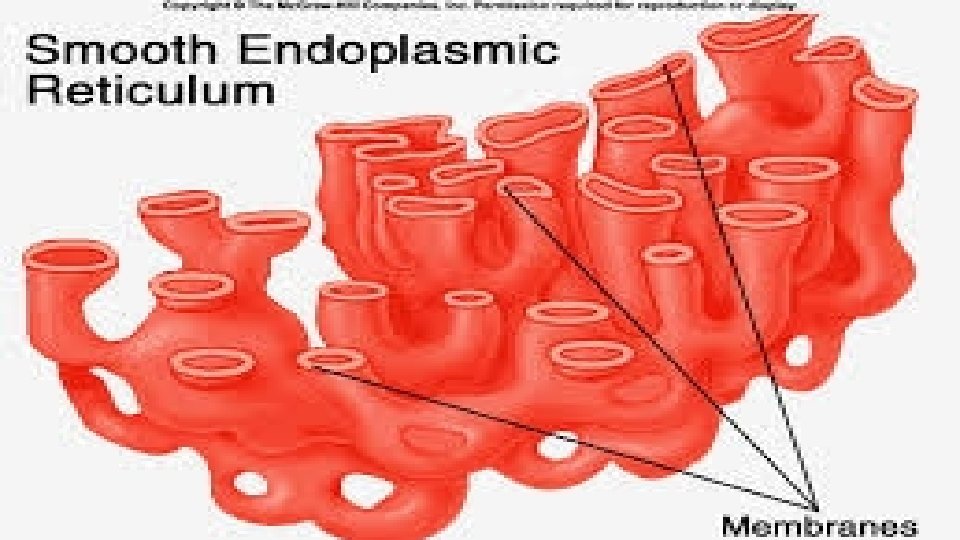
Manufacturing Organelles • Ribosomes • Function: Make proteins • Can be free-floating in the cytoplasm or attached to the rough endoplasmic reticulum (RER) • Made in the nucleolus • Found in all cells, prokaryotic and eukaryotic • Rough Endoplasmic Reticulum (RER) • Studded with ribosomes • Function: Site of chemical reactions • Found in all eukaryotic cells • Smooth Endoplasmic Reticulum (SER) • Function: Makes lipids and helps remove toxins from the cell • Found in all eukaryotes
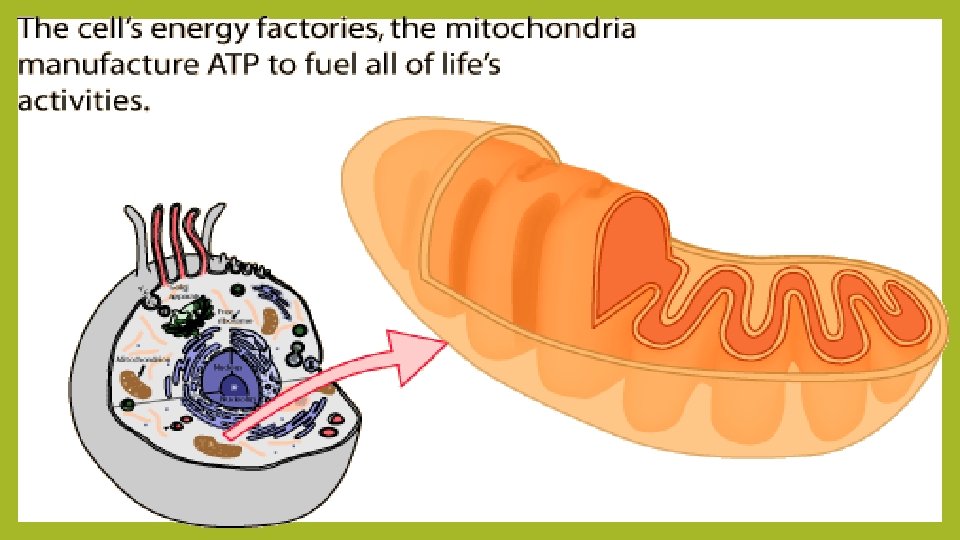
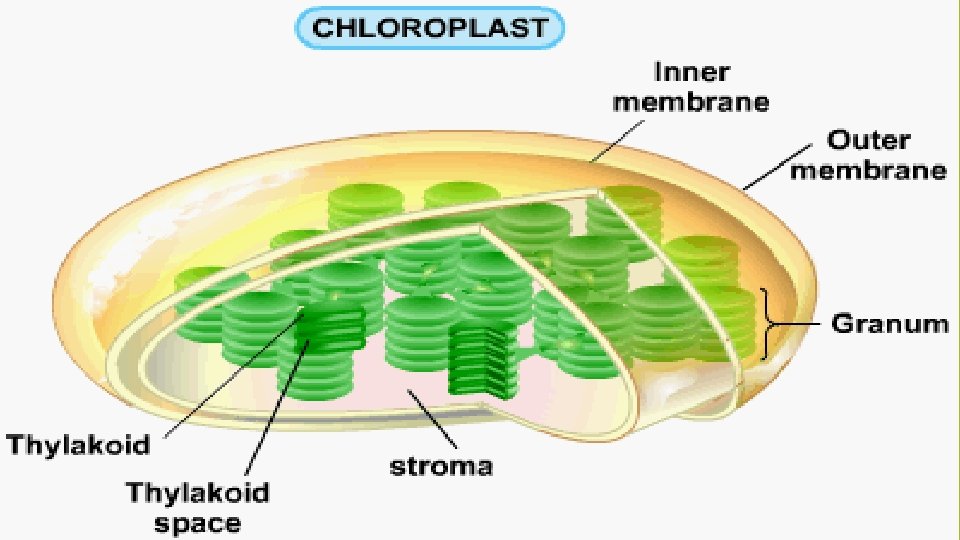
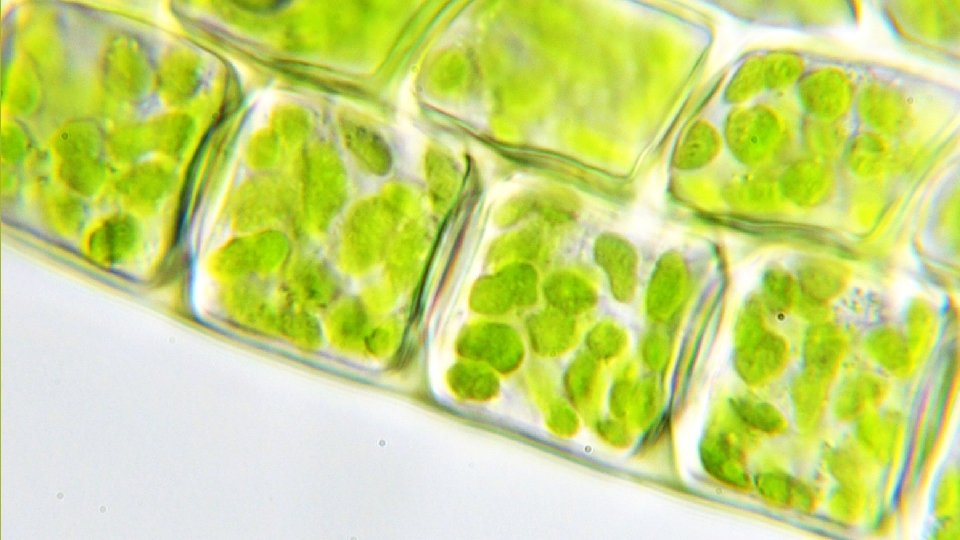
Energy Organelles • Mitochondria • The powerhouse of the cell • Function: Converts sugars to chemical energy, manufactures ATP for use in other processes • Found in all eukaryotic cells • Chloroplasts • Function: Convert sunlight to sugars • These sugars are used in mitochondria to make ATP • Found in Plants and some protists (also some bacteria), never in animals • GREEN
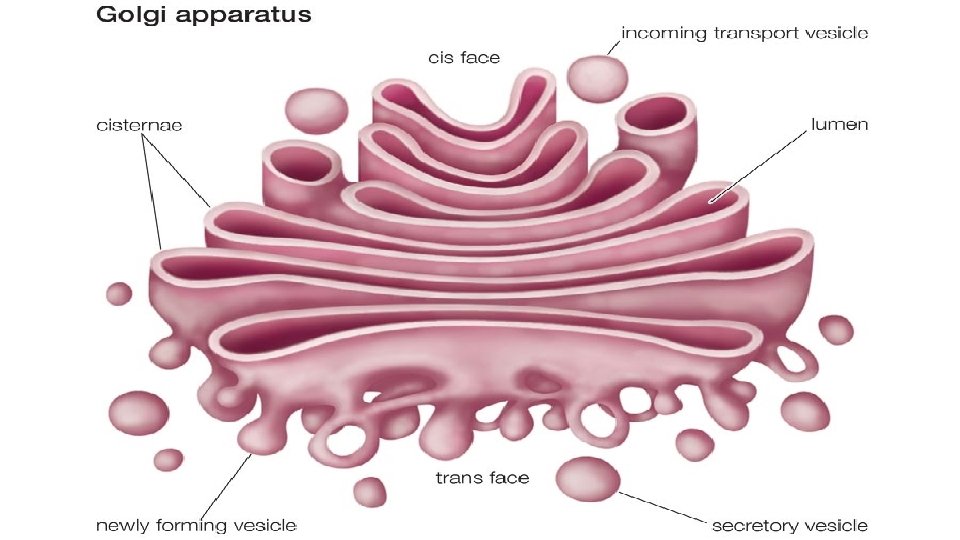
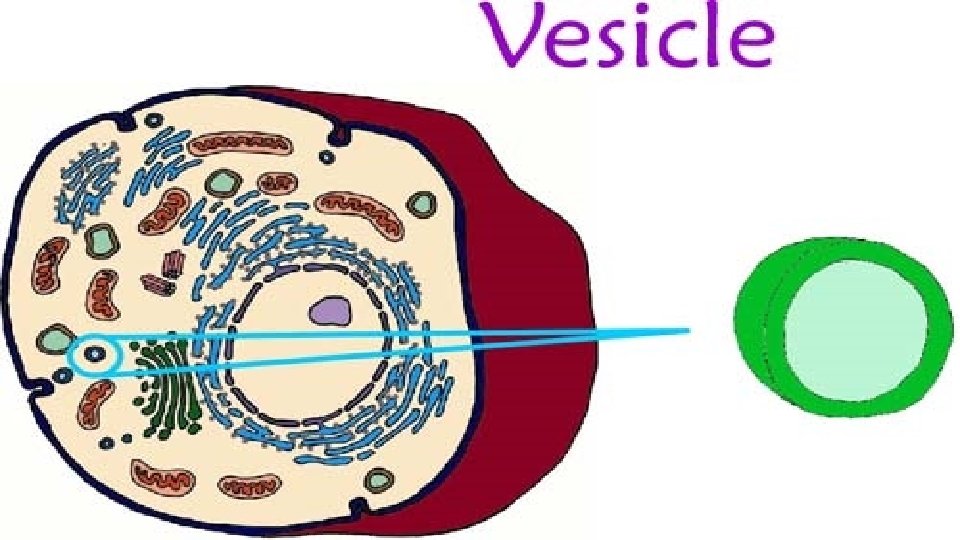
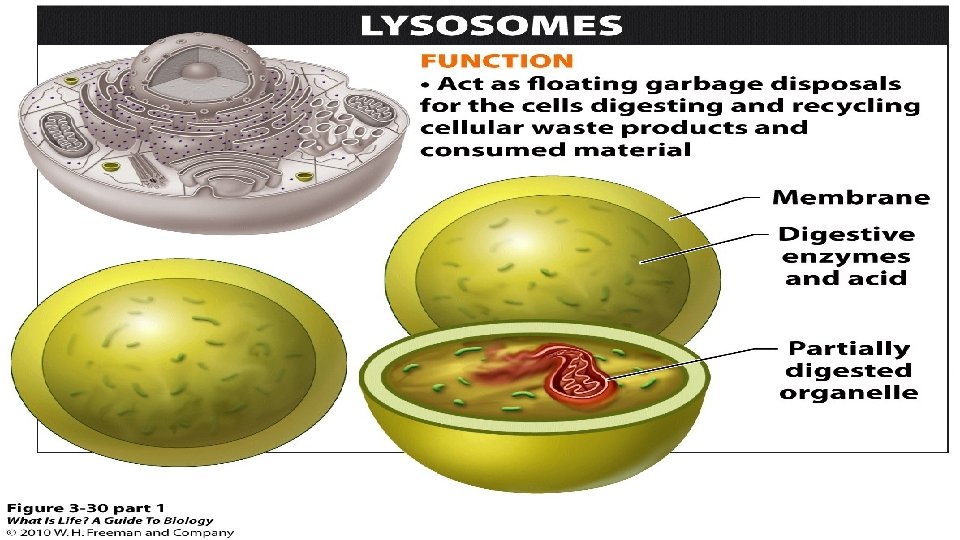
Processing, Transportation, Cleaning • Golgi apparatus • Post office of cell • Function: Packages and ships proteins • Found in all eukaryotes • Vesicles • The mail trucks • Function: Transport of proteins and other materials • Found in all cells • Lysosomes • The cell’s cleaners • Function: capture and destroy particles in the cell, clean up wastes and broken down cell parts • Found in all eukaryotes
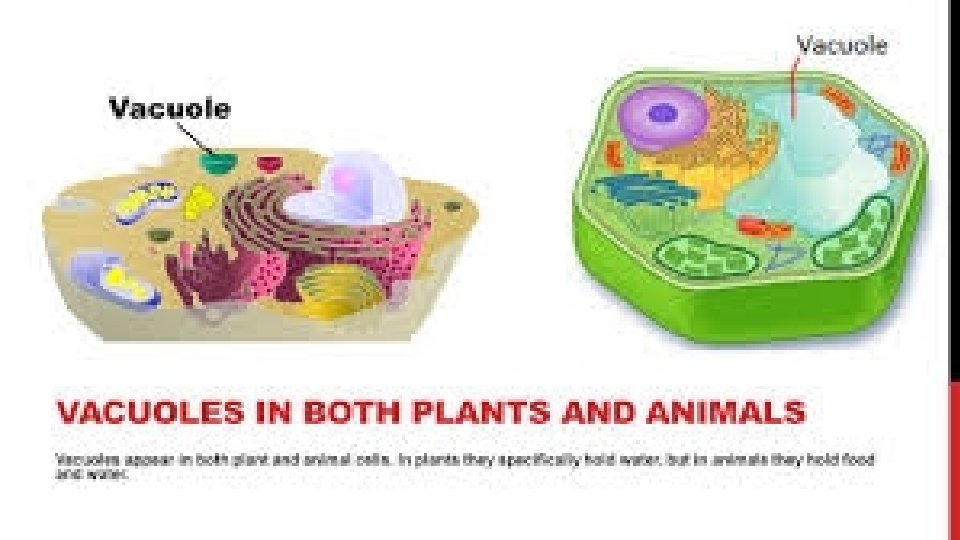
Storage and Cell division • Vacuoles • Function: Store materials such as water, food, wastes • Found in all cells • Plants usually have one large one • Called central vacuole • Animals have many small ones