
Cell Structure and Function Cell Structure and Function



- Slides: 22
Cell Structure and Function
Cell Structure and Function w The discovery and the basic theory of cells. w Cell size and number. w The two major kinds of cells. w Plant cells and animal cells. w Cell me mbrane (plasma membrane). w Cytoplasm. w Nucleus. w Ribosomes.
w Endoplasmic reticulum (rough ER and smooth ER). w Golgi complex (body). w Lysosomes. w Peroxisomes. w Mitochondria. w Chloroplasts. w Cytoskeleton. w Vacuoles.
The Discovery and Basic Theory of Cells
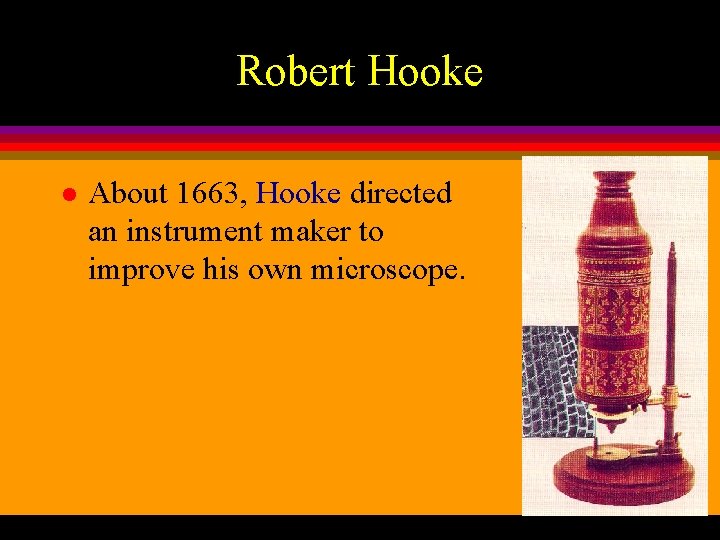
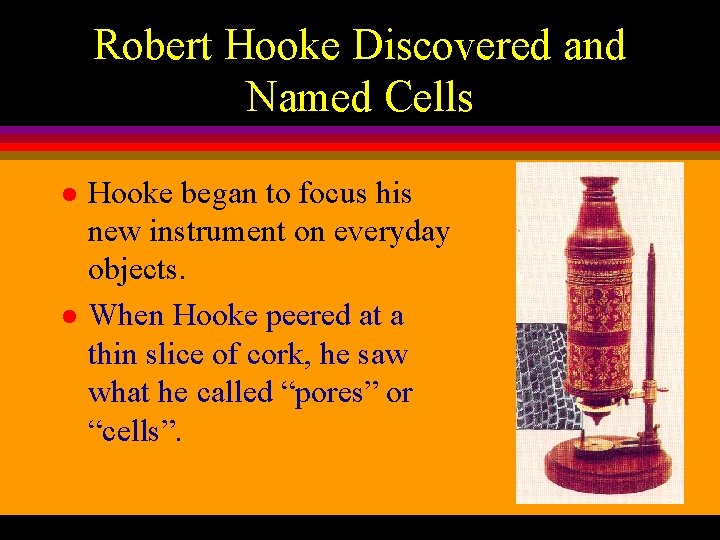
Robert Hooke l About 1663, Hooke directed an instrument maker to improve his own microscope.
Robert Hooke Discovered and Named Cells l l Hooke began to focus his new instrument on everyday objects. When Hooke peered at a thin slice of cork, he saw what he called “pores” or “cells”.
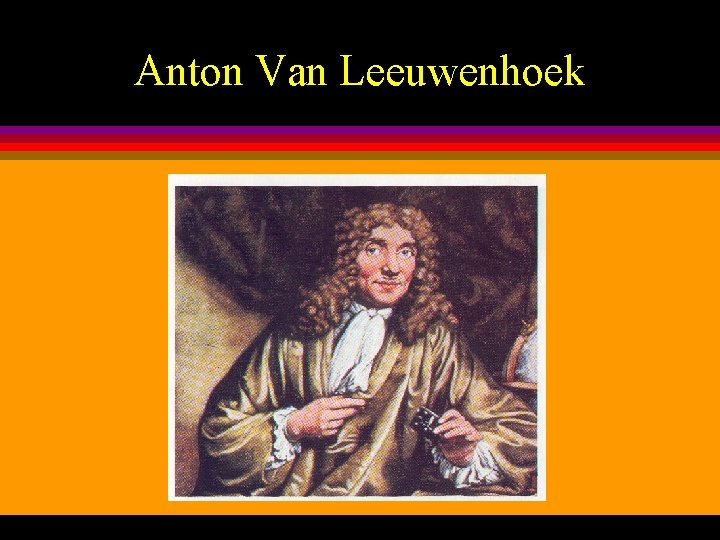
Anton Van Leeuwenhoek
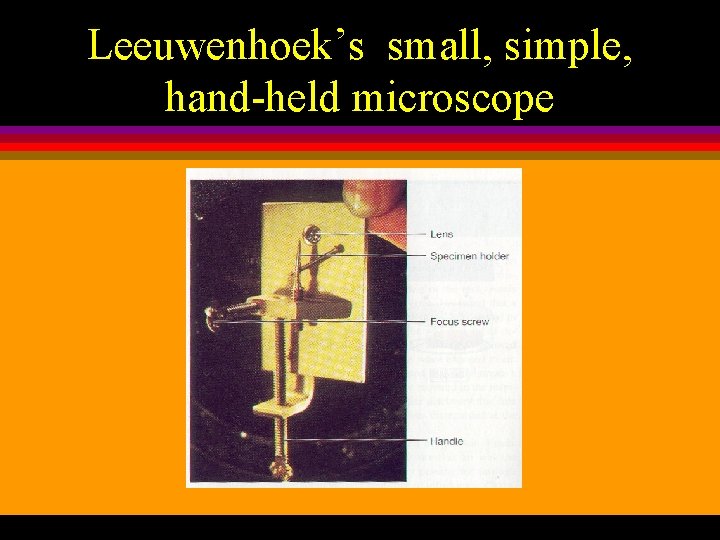
Leeuwenhoek’s small, simple, hand-held microscope
l l Leeuwenhoek had far greater success at seeing living cells such as Euglena. He discovered bacteria and called them “animalcules”.
Matthias Schleiden l l In 1838, Schleiden drew an important conclusion based on years studying plant tissues. All plants, he said, are made up of cells.
Theodor Schwann l l In 1839, Schwann drew an important conclusion based on years studying animal tissues. All animals, he said, are made up of cells.
Schleiden and Schwann l l 1 n 1839, both together published the even broader conclusion that: All living things are composed of cells.
Rudolph Virchow l 20 years later, Virchow stated that living cells arise only from preexisting cells.
The Modern Cell Theory l l l 1. All living things are made up of one or more cells. 2. Cells are the basic living units within organism, and the chemical reactions of life take place within cells. 3. All cells arise from preexisting cells.
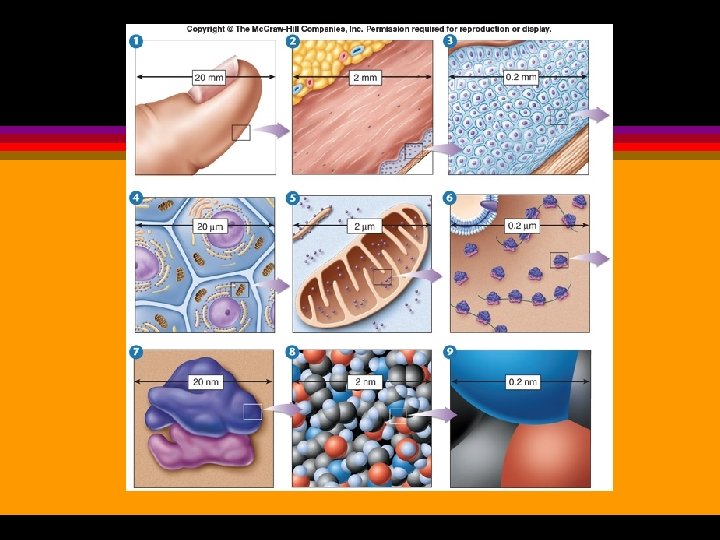
Cell Size l l Not all cells have the same size. We use the micrometer to measure the sizes of cells. There are 1, 000 millimeters in 1 meter. There are 1, 000 micrometers in 1 meter.
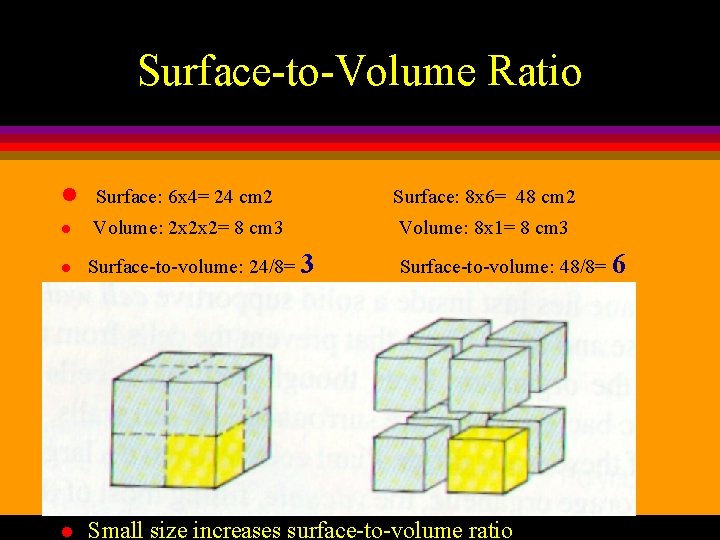
Surface-to-Volume Ratio l l The life of a cell depends on exchanges of materials with the environment. Movement of of all these materials takes place through the cell’s surface. The larger a cell’s volume, the greater the amount of material to be exchanged. Since this exchange depends on the cell’s surface area, the surface-to-volume ratio imposes limits on cell size.
Surface-to-Volume Ratio l Surface: 6 x 4= 24 cm 2 Surface: 8 x 6= 48 cm 2 Volume: 2 x 2 x 2= 8 cm 3 Volume: 8 x 1= 8 cm 3 l Surface-to-volume: 24/8= 3 Surface-to-volume: 48/8= 6 l Small size increases surface-to-volume ratio l
Question 1 l l l Four of the five answers listed below are portions of a well-known theory. Select the exception: A. cells are the structural and functional components of living things. B. cells arise from preexisting cells. C. all organisms are made up of cells. D. all cells have a nucleus.
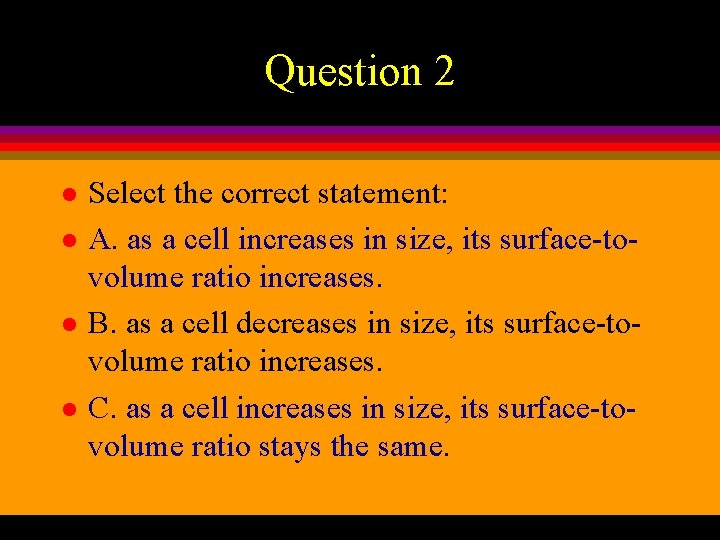
Question 2 l l Select the correct statement: A. as a cell increases in size, its surface-tovolume ratio increases. B. as a cell decreases in size, its surface-tovolume ratio increases. C. as a cell increases in size, its surface-tovolume ratio stays the same.
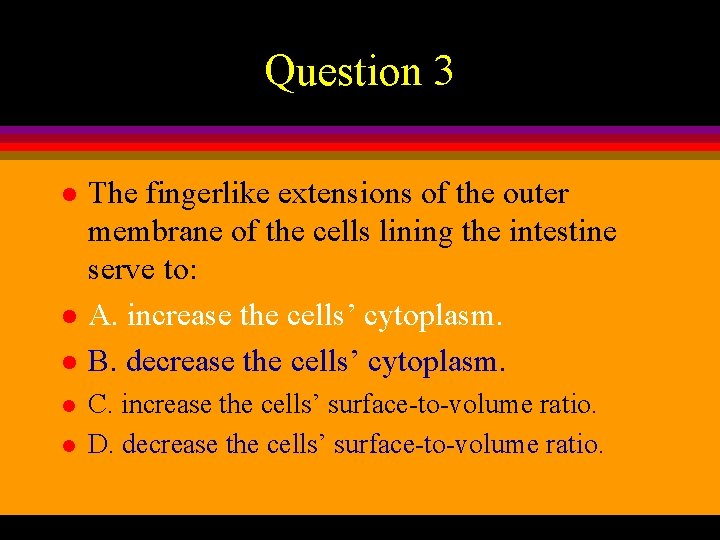
Question 3 l l l The fingerlike extensions of the outer membrane of the cells lining the intestine serve to: A. increase the cells’ cytoplasm. B. decrease the cells’ cytoplasm. C. increase the cells’ surface-to-volume ratio. D. decrease the cells’ surface-to-volume ratio.
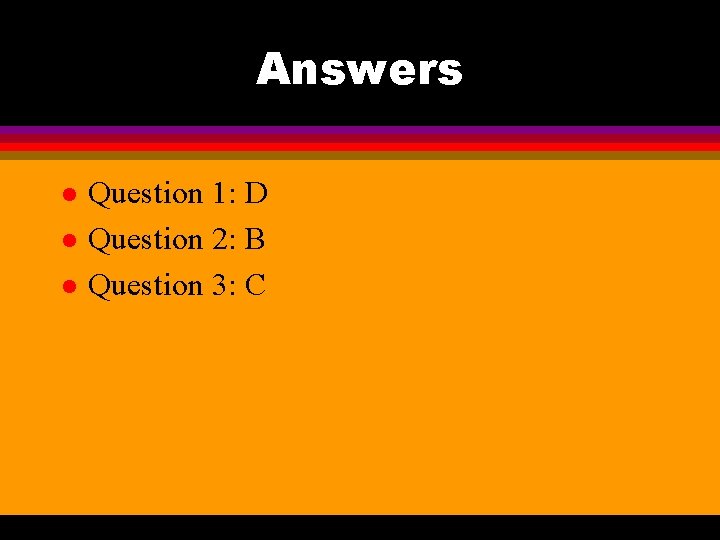
Answers l l l Question 1: D Question 2: B Question 3: C