
Cell Structure and Function Building Blocks of Life
Cell Structure and Function Building Blocks of Life
What is a Cell? u. A cell is: – the basic unit of structure and function of organisms – hard to see with the naked eye – composed of structures called organelles (tiny organs)
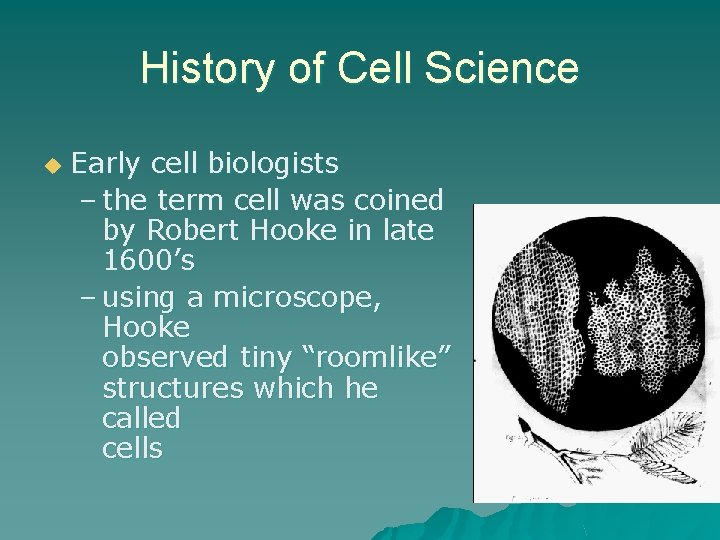
History of Cell Science u Early cell biologists – the term cell was coined by Robert Hooke in late 1600’s – using a microscope, Hooke observed tiny “roomlike” structures which he called cells
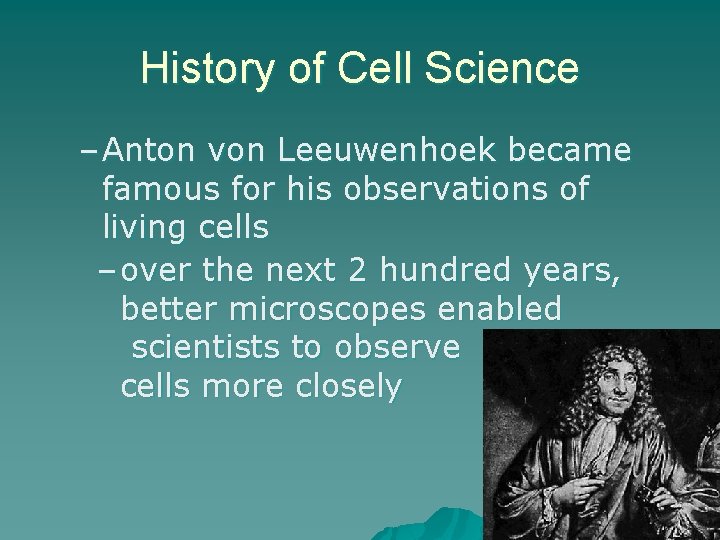
History of Cell Science – Anton von Leeuwenhoek became famous for his observations of living cells – over the next 2 hundred years, better microscopes enabled scientists to observe cells more closely
Cell Theory u Cell Theory – all living things are composed of cells – cells are the basic unit of structure and function in living things – living cells come only from other living cells
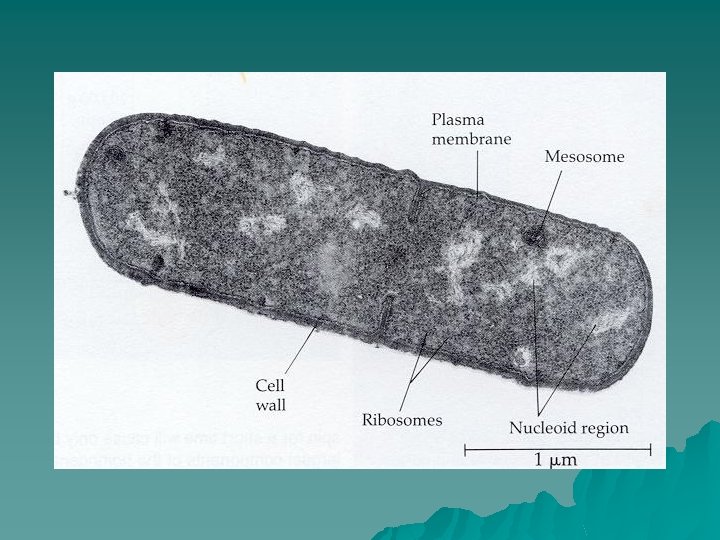
Eukaryotes Vs. Prokaryotes u Eukaryotes: have a nucleus which houses the DNA. u Prokaryotes: no nucleus - DNA free in cytoplasm. – Bacteria cells. – Lack other membrane-bound organelles.
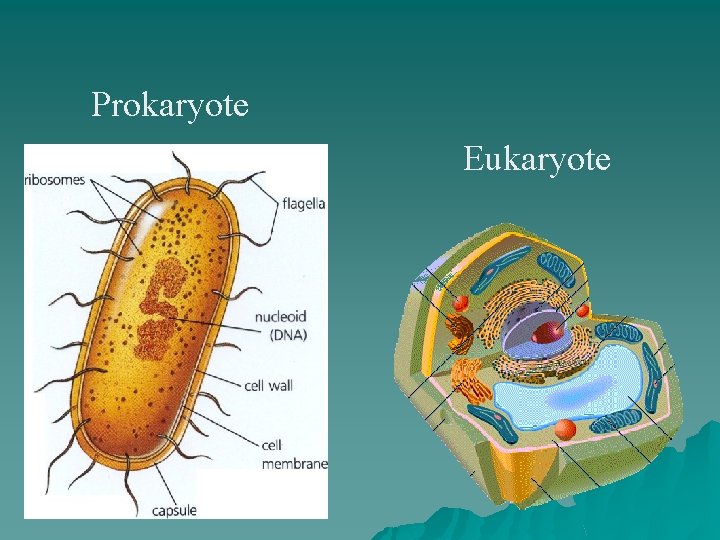
Prokaryote Eukaryote
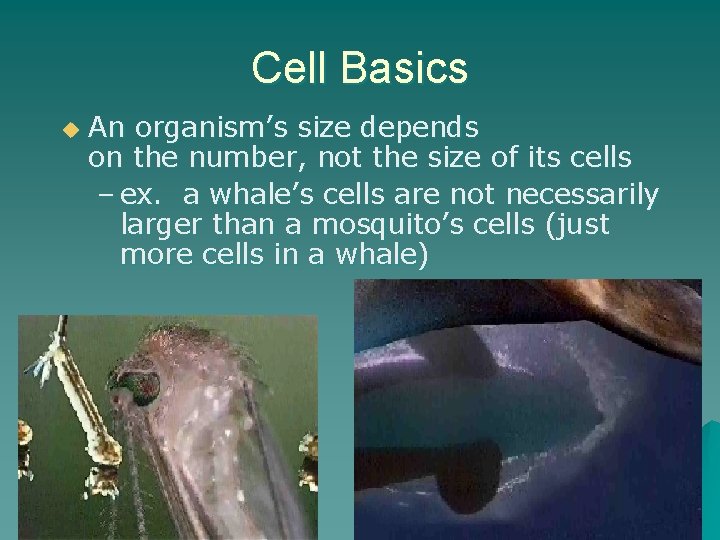
Cell Basics u An organism’s size depends on the number, not the size of its cells – ex. a whale’s cells are not necessarily larger than a mosquito’s cells (just more cells in a whale)
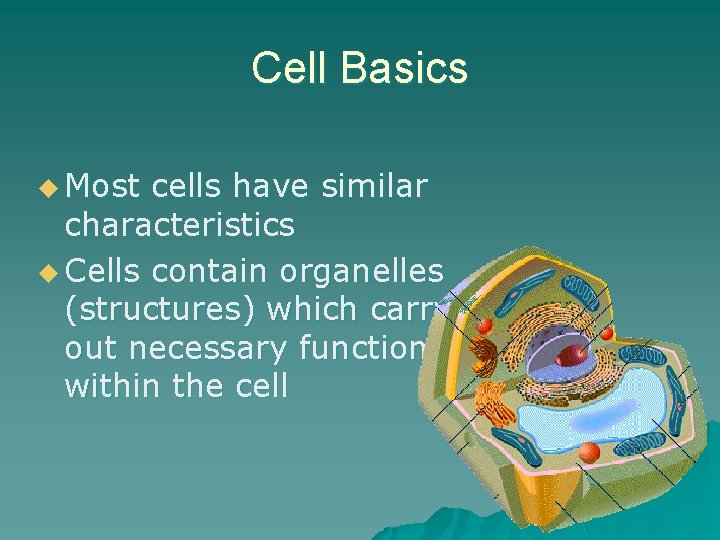
Cell Basics u Most cells have similar characteristics u Cells contain organelles (structures) which carry out necessary functions within the cell
Cell Functions u Require energy from food - nutrition u Cellular respiration: converting food energy into usable energy for a cell u Absorption: cells take in water, minerals and other materials essential to life u Excretion: elimination of waste products u Biosynthesis: making complex chemicals from simple ones
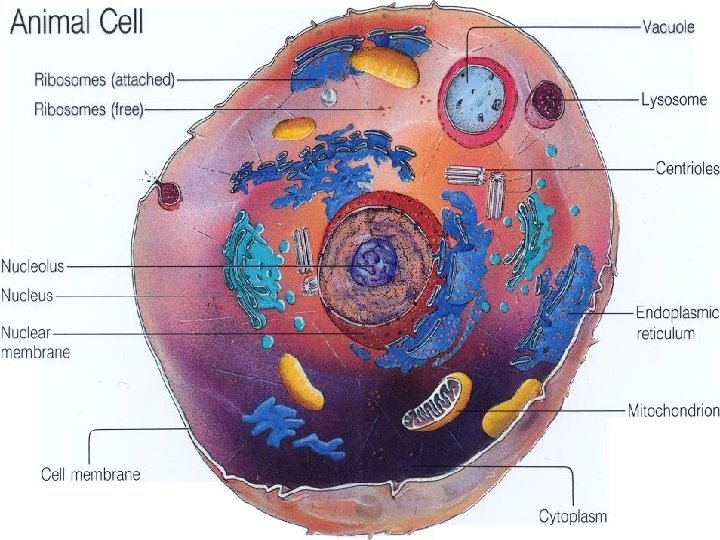
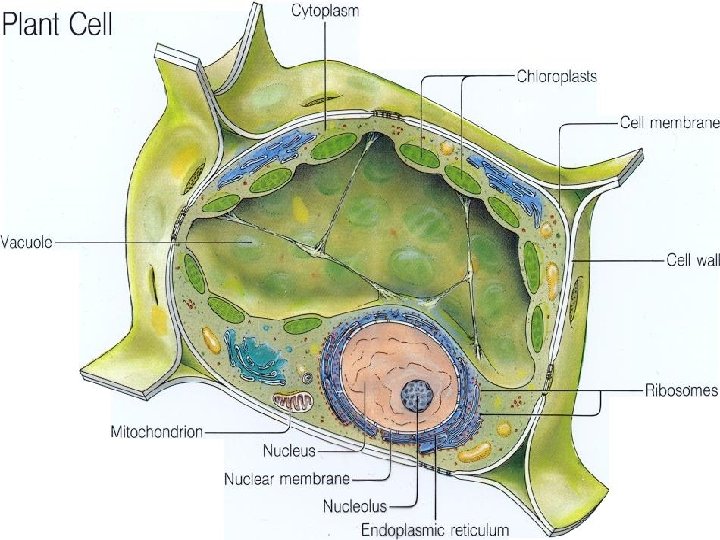
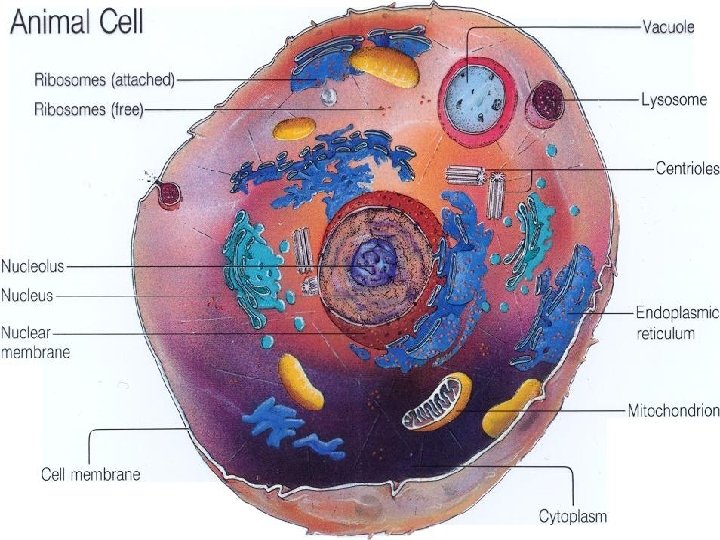
Parts of a Cell Membranes Nucleus Cytoplasm and Organelles
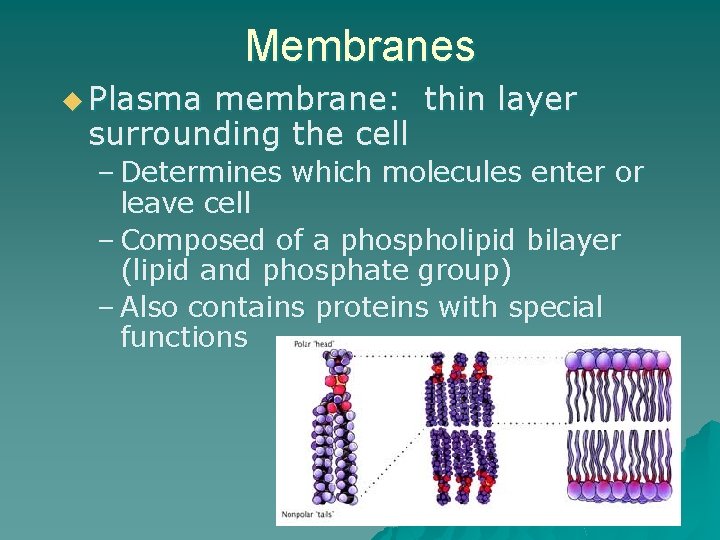
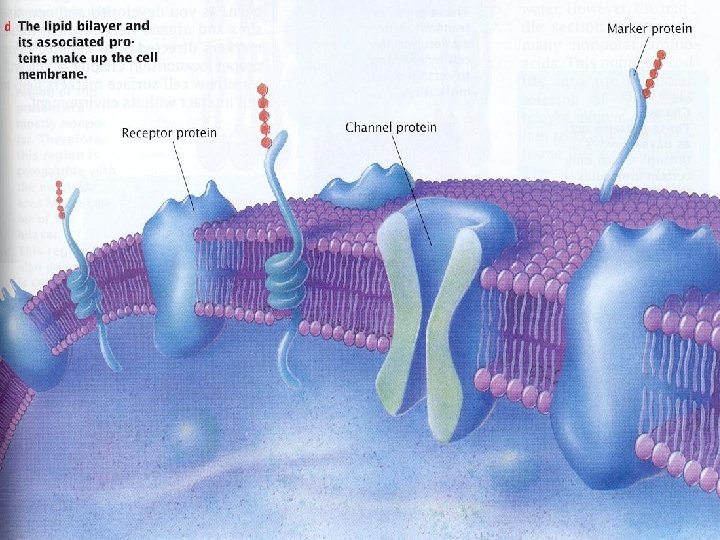
Membranes u Plasma membrane: thin layer surrounding the cell – Determines which molecules enter or leave cell – Composed of a phospholipid bilayer (lipid and phosphate group) – Also contains proteins with special functions
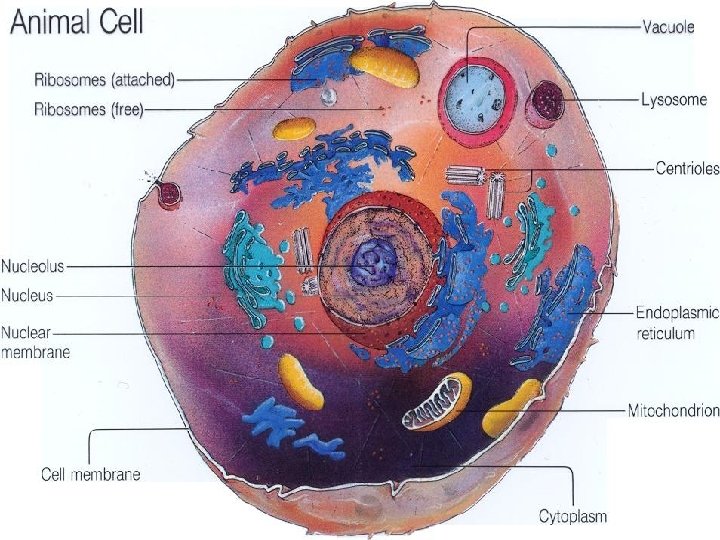
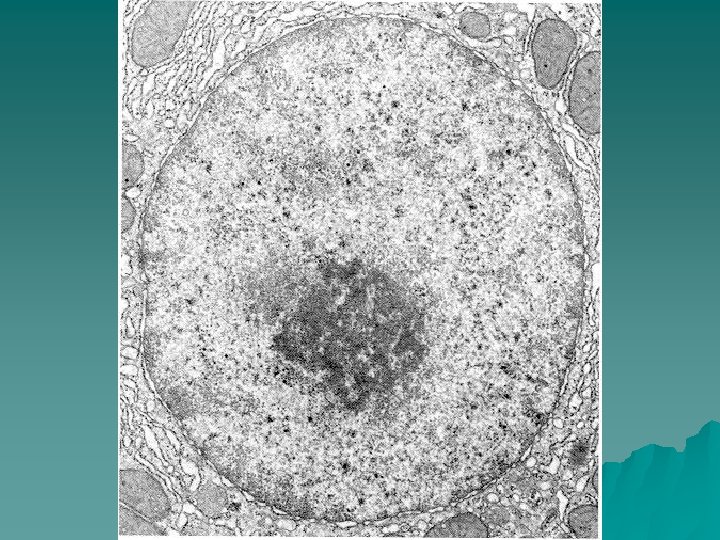
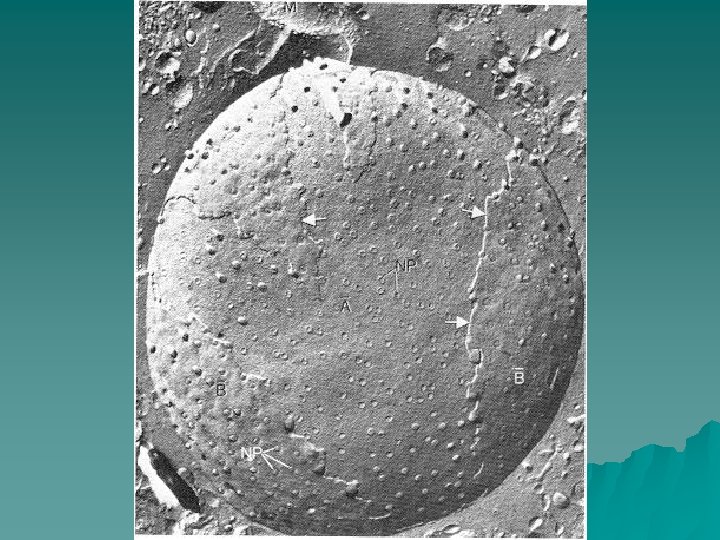
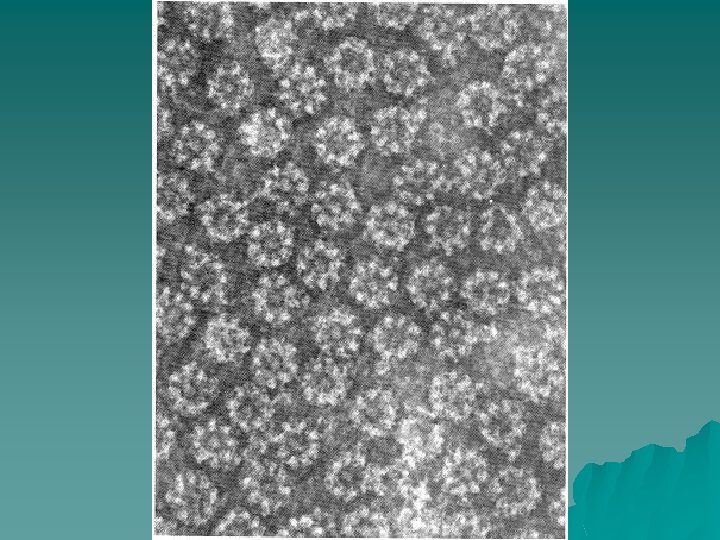
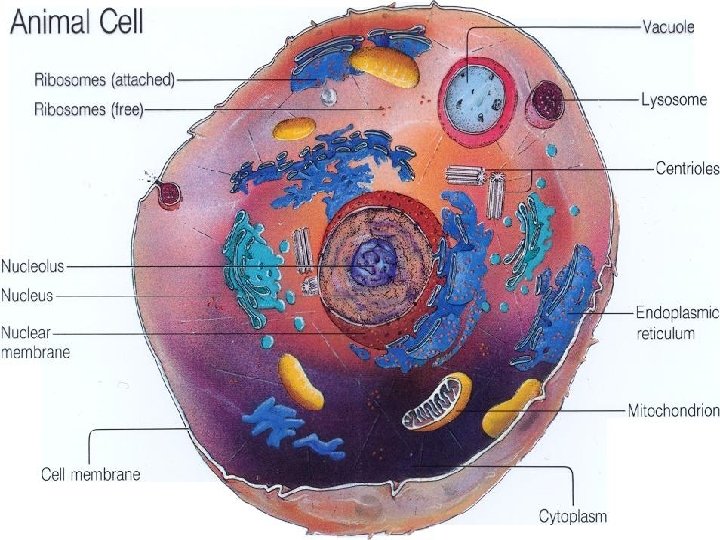
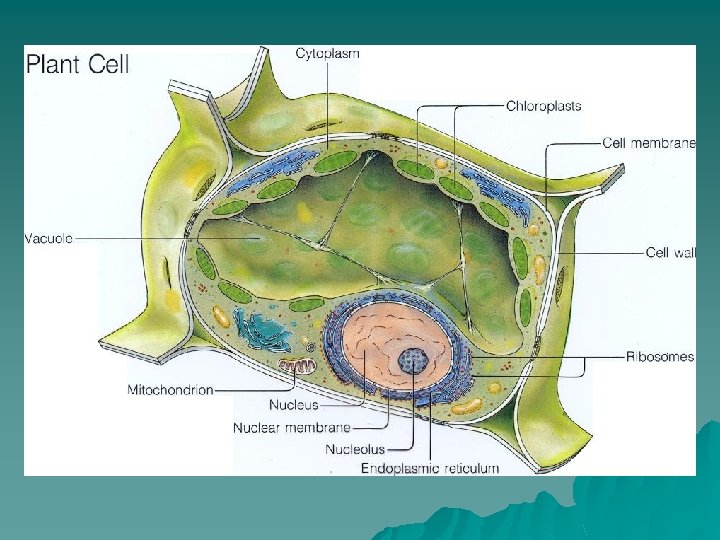
The Nucleus u Nucleus: directs the production of proteins in the cell u Nuclear membrane: a two layer membrane with pores that surrounds the nucleus and determines what enters and exits u Chromatin: DNA and proteins. Hereditary information of the cell u Nucleolus: dark staining area involved in ribosome production
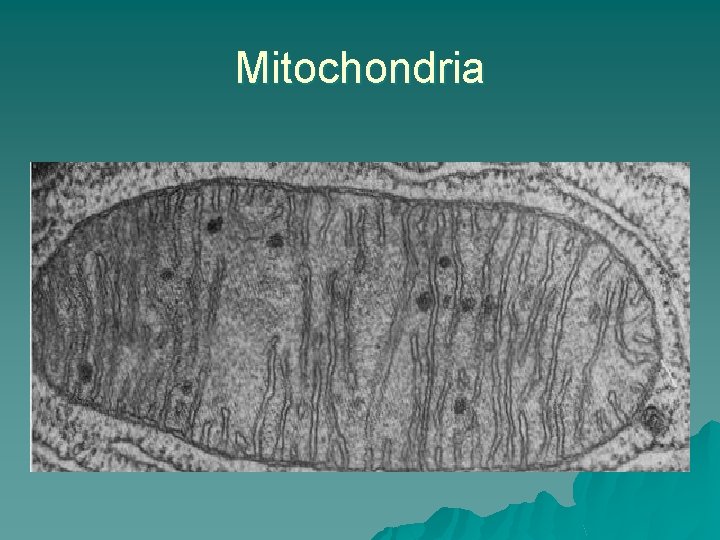
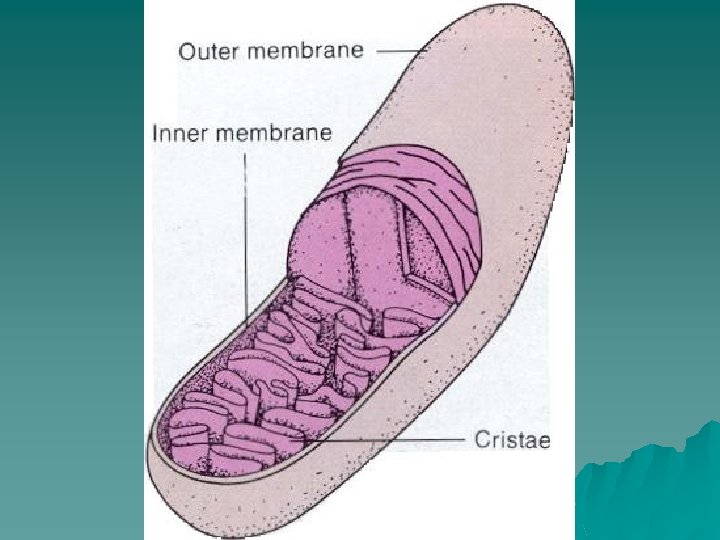
Mitochondria u The powerhouse of the cell respiration u Two membranes: outer and inner u Inner membrane contains folds
Mitochondria
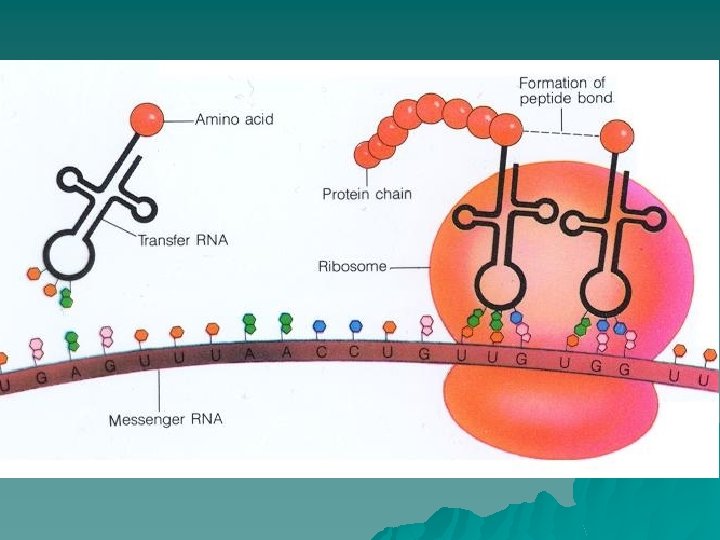
Ribosomes u Made of nucleic acid and protein u Involved in the synthesis of protein u Small round organelles
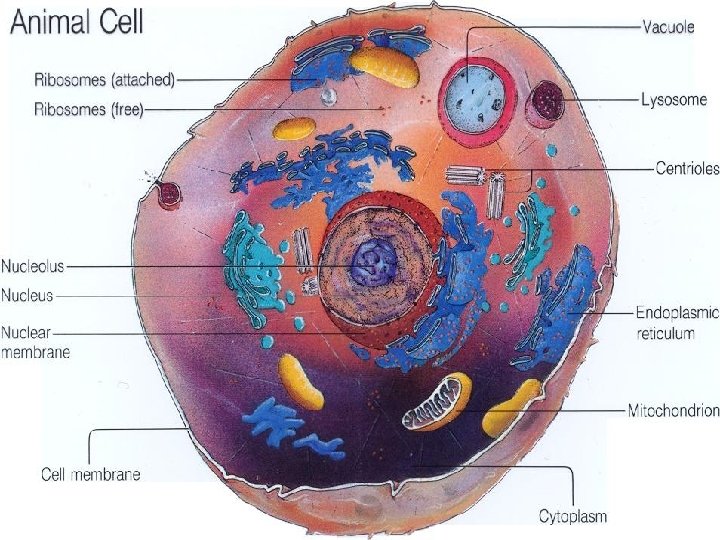
Endoplasmic Reticulum u Folds of membrane involved in packaging and delivery of proteins u Smooth ER: no ribosomes attached u Rough ER: ribosomes attached, usually making proteins which will be secreted from cell
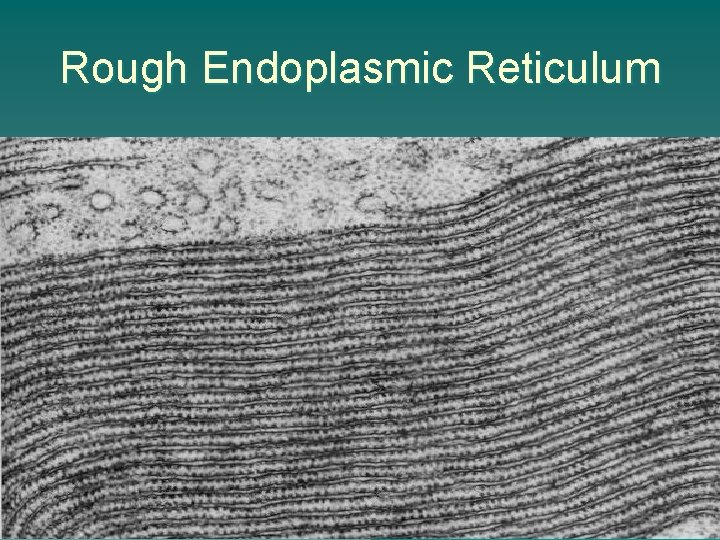
Rough Endoplasmic Reticulum
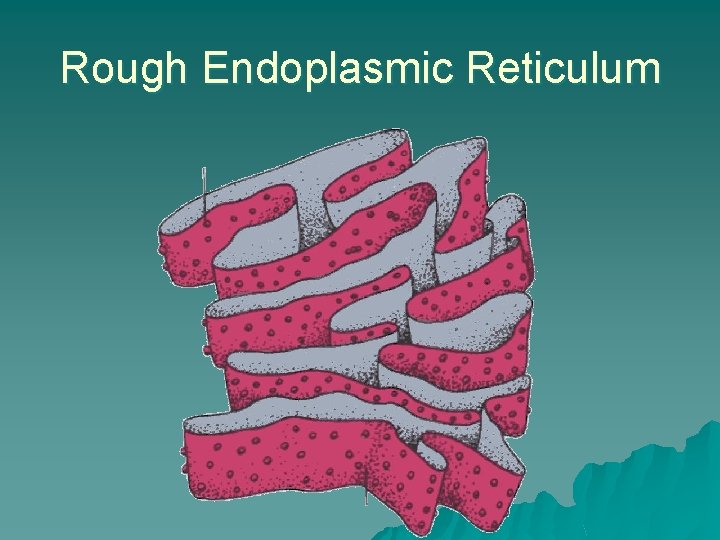
Rough Endoplasmic Reticulum
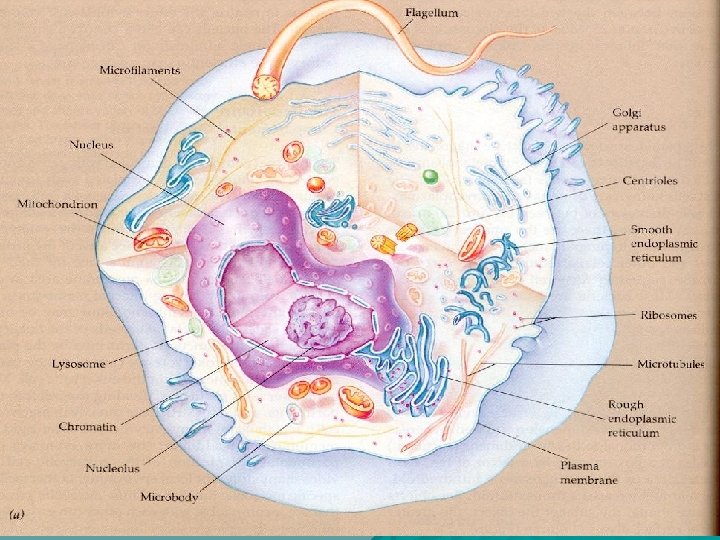
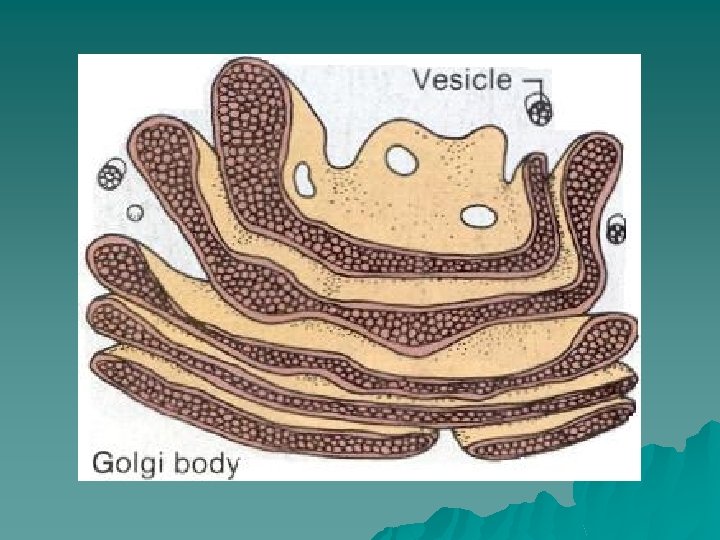
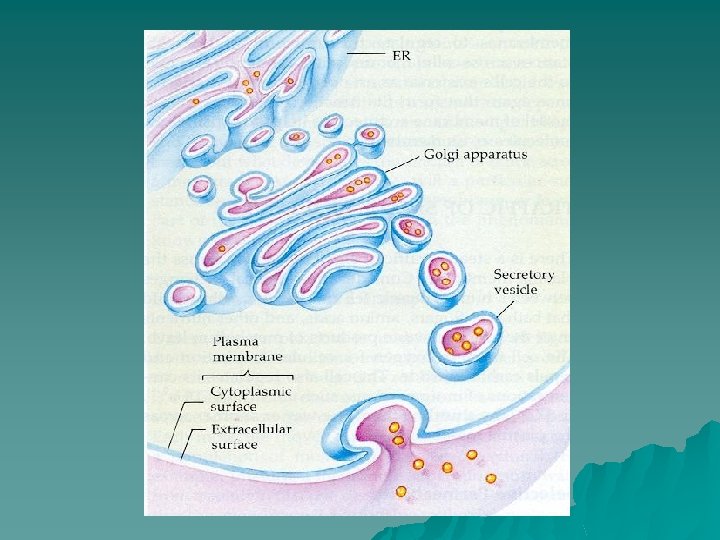
Golgi Bodies u Flat membrane-bound sacs u Associated with endoplasmic reticulum u Prepare proteins for secretion by forming vesicles around proteins which deliver to plasma membrane
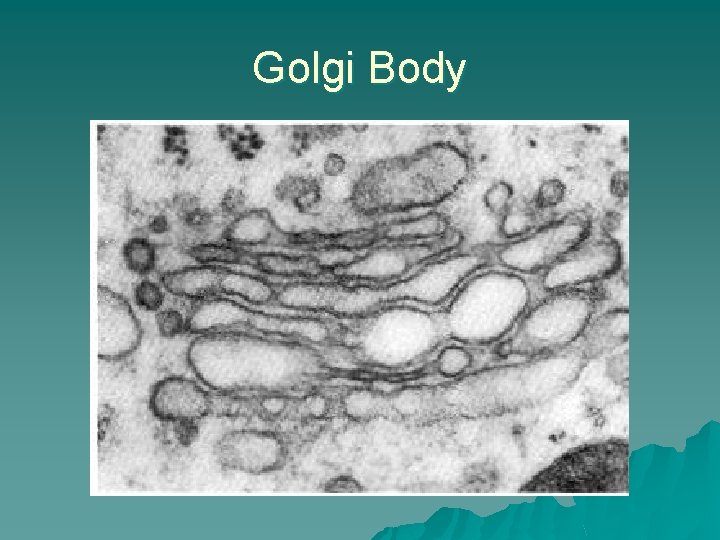
Golgi Body
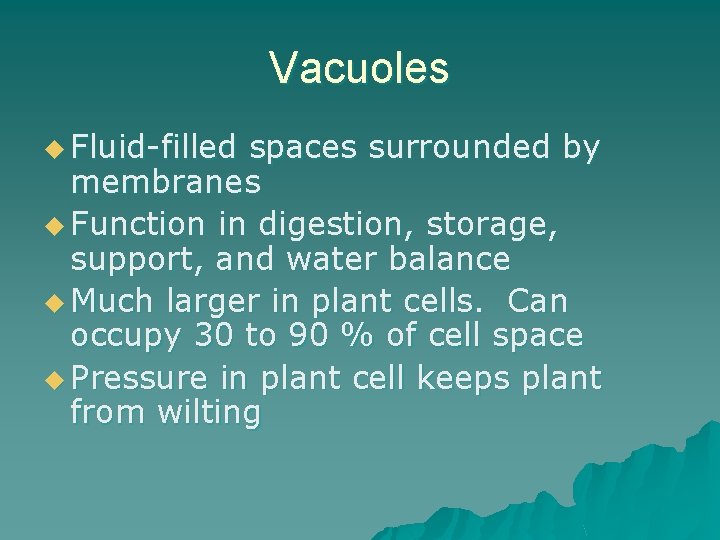
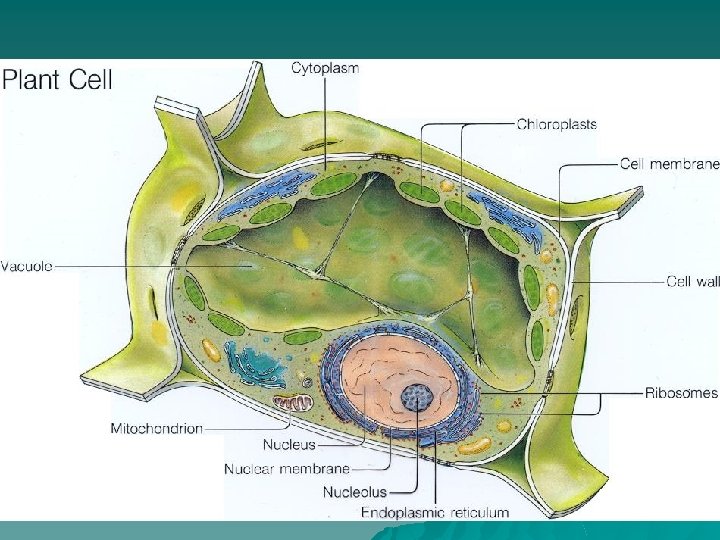
Vacuoles u Fluid-filled spaces surrounded by membranes u Function in digestion, storage, support, and water balance u Much larger in plant cells. Can occupy 30 to 90 % of cell space u Pressure in plant cell keeps plant from wilting
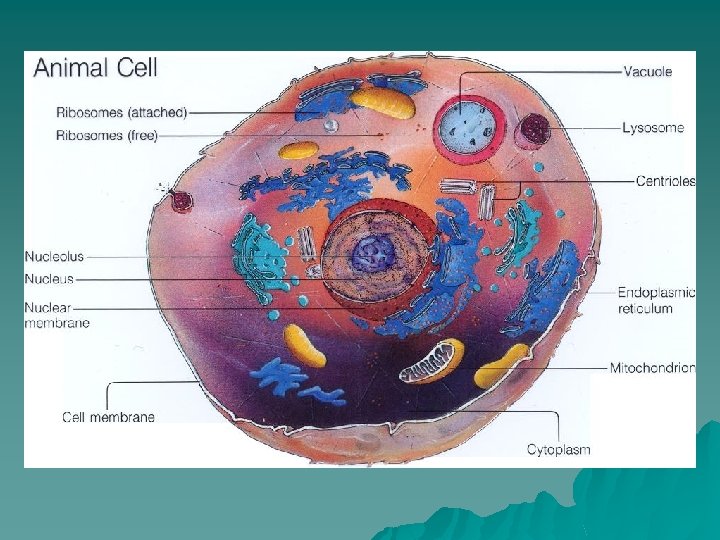
Lysosomes u Membrane bound u Contain enzymes which digest cells proteins u Recycles amino acids for cell to make new proteins
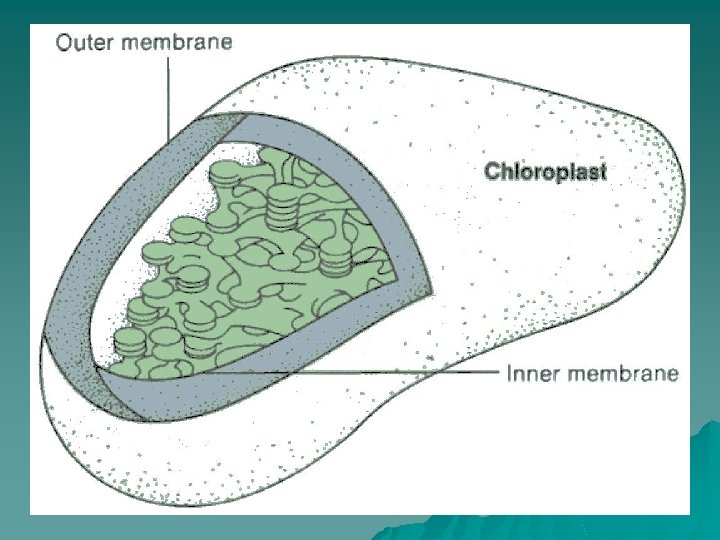
Plastids Only in plant cells and some unicellular autotrophs. u Membrane-bound organelles which store food and carry out specialized functions. u Chloroplasts specialize in photosynthesis. u Chromoplasts contain pigments which give plants color - flowers, fruit. u Leucoplasts make and store starch. Colorless. u
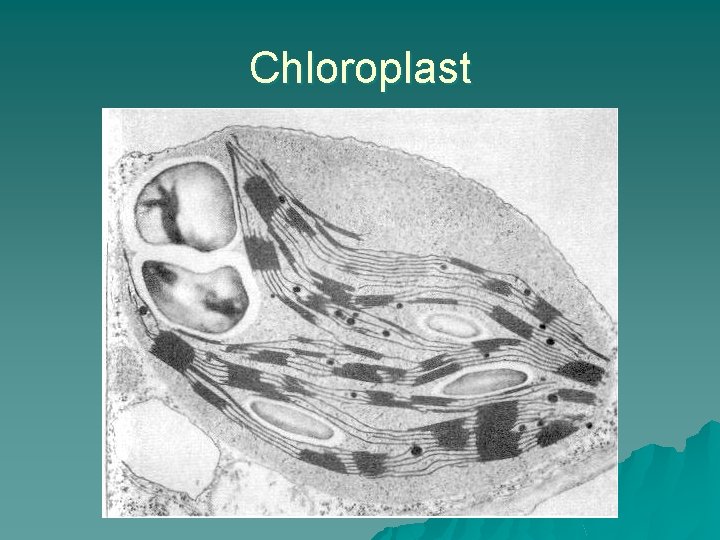
Chloroplast
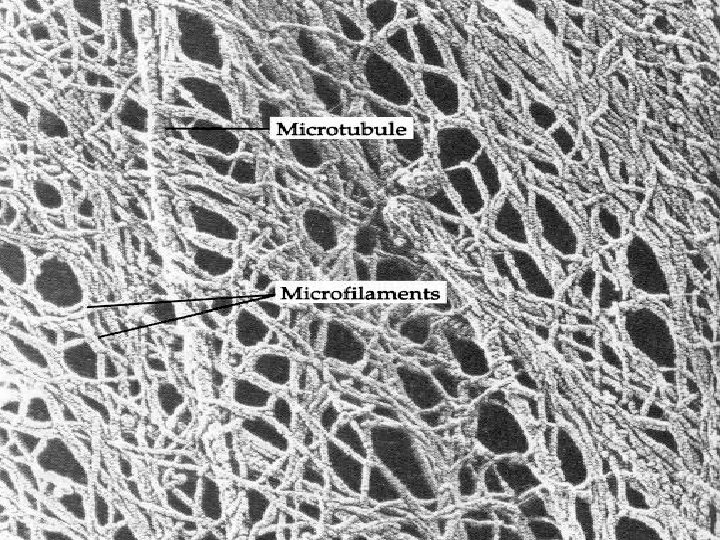
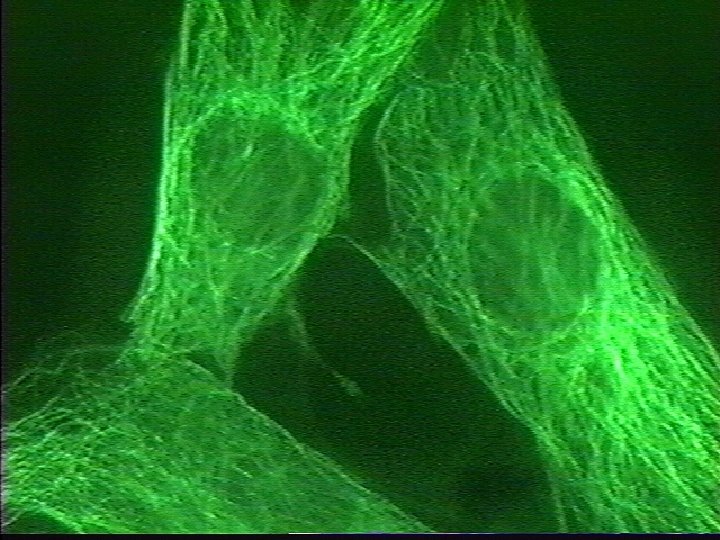
Cytoskeleton u Internal support system made of microtubules and other proteins u Maintain shape of cell u Roadway for molecules
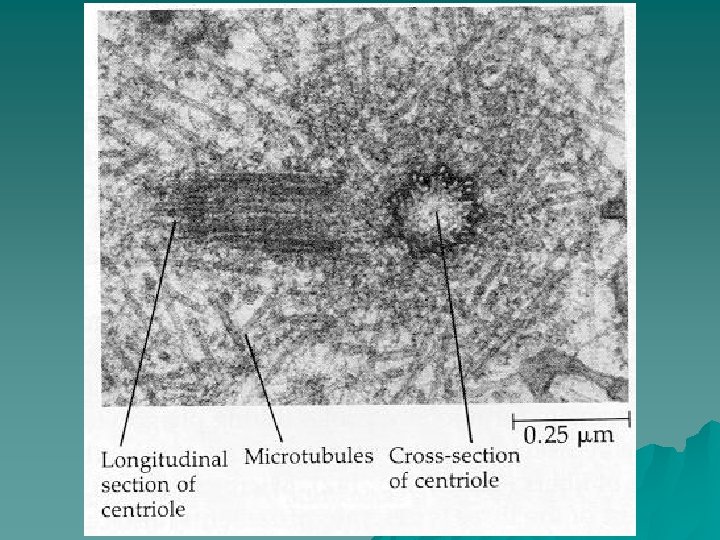
Centrioles u Cylindrical organelles with bundles of microtubules u Near nucleus u Play role in cell division in animal cells
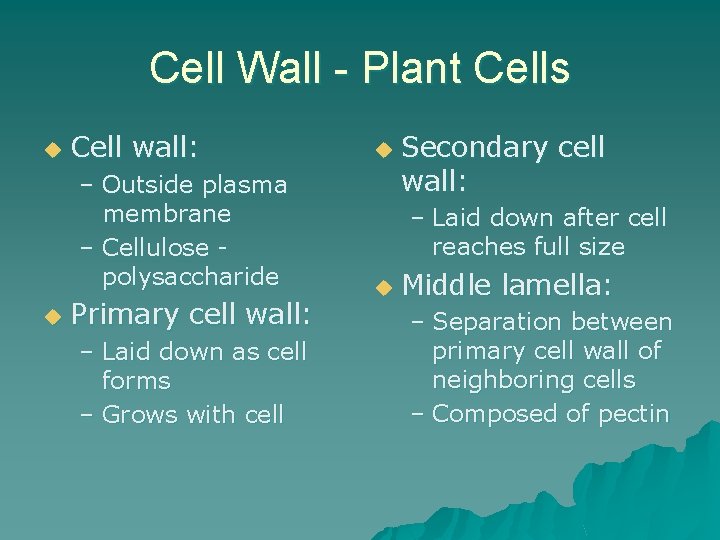
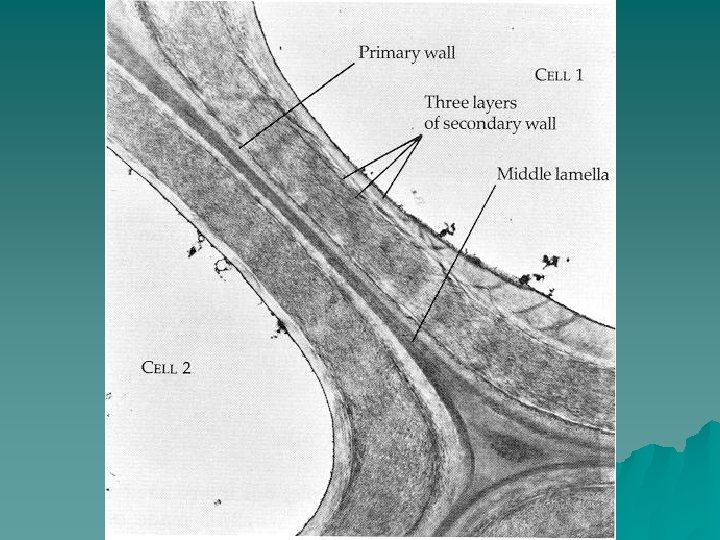
Cell Wall - Plant Cells u Cell wall: – Outside plasma membrane – Cellulose polysaccharide u Primary cell wall: – Laid down as cell forms – Grows with cell u Secondary cell wall: – Laid down after cell reaches full size u Middle lamella: – Separation between primary cell wall of neighboring cells – Composed of pectin

Arrangement of Living Things u Cells. u Tissue: similar cell types working together. u Organ: different tissue types working together. – Stomach = muscle, blood, and skin tissues. u Organ system: different organs working together. – Nervous system = brain, spinal cord and nerves.
- Slides: 53