
Cell Specialization 1 1 What does it mean

- Slides: 20
Cell Specialization (1. 1) What does it mean to be specialized?
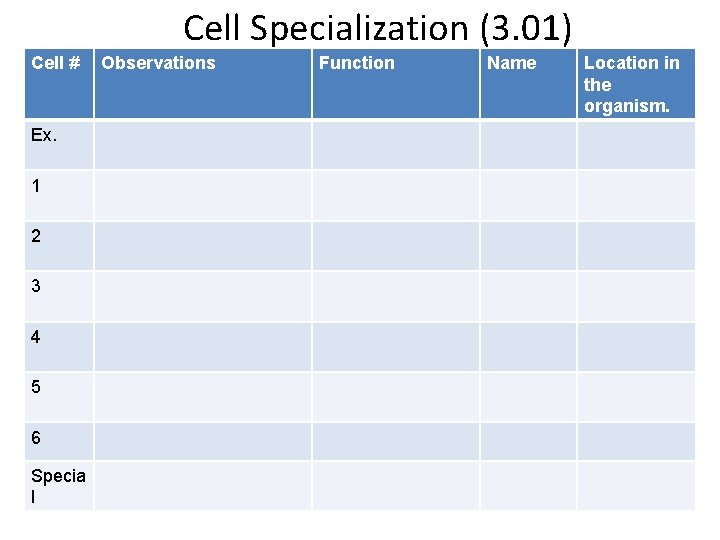
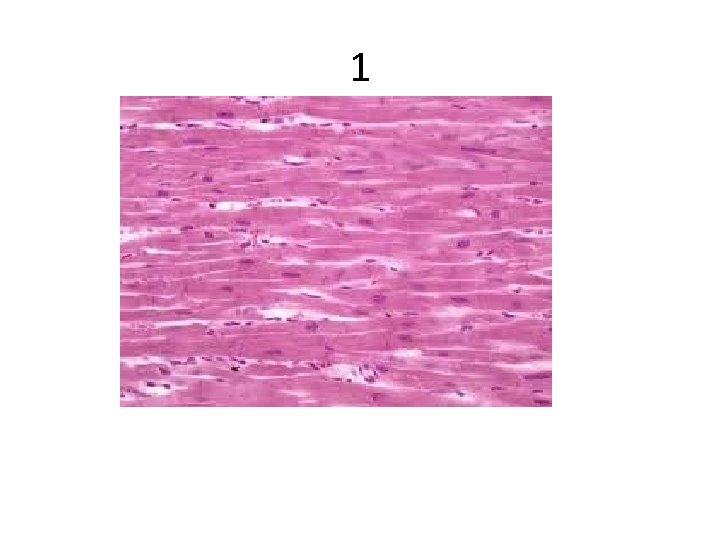
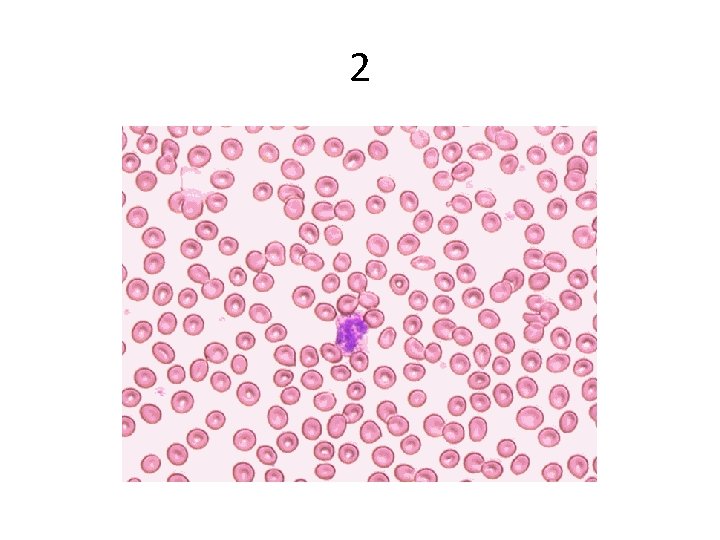
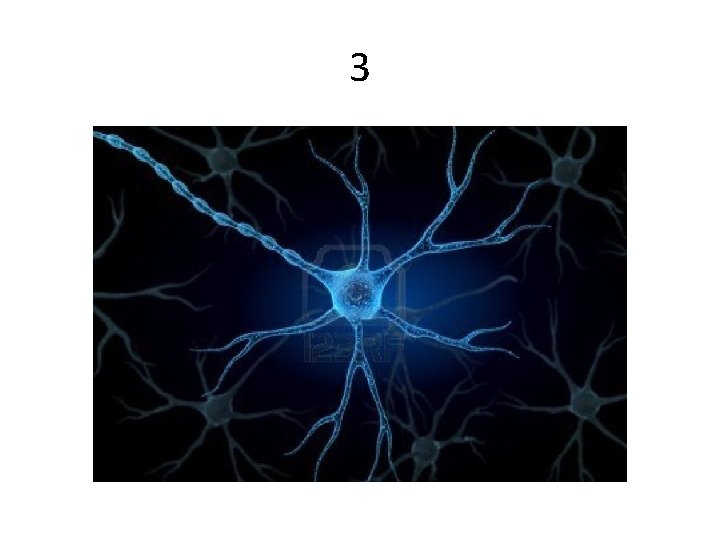
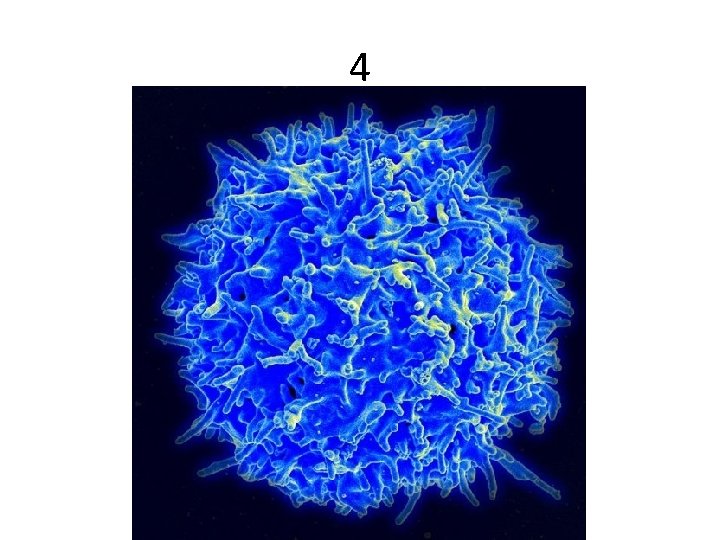
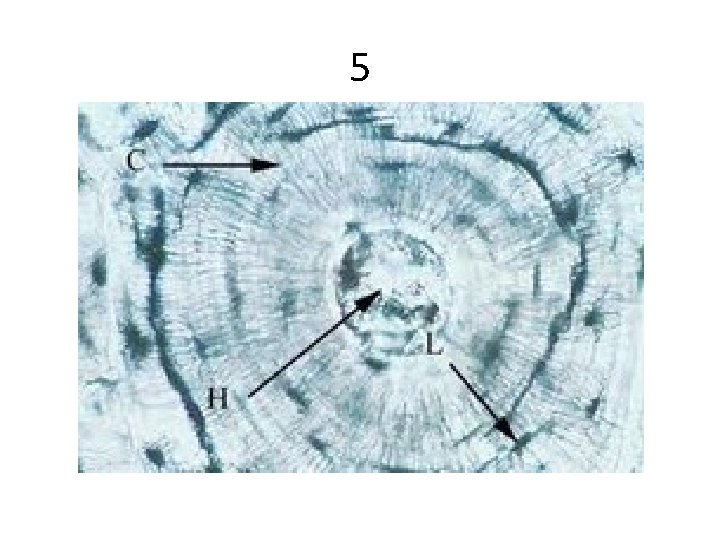
Cell Specialization (3. 01) Cell # Ex. 1 2 3 4 5 6 Specia l Observations Function Name Location in the organism.
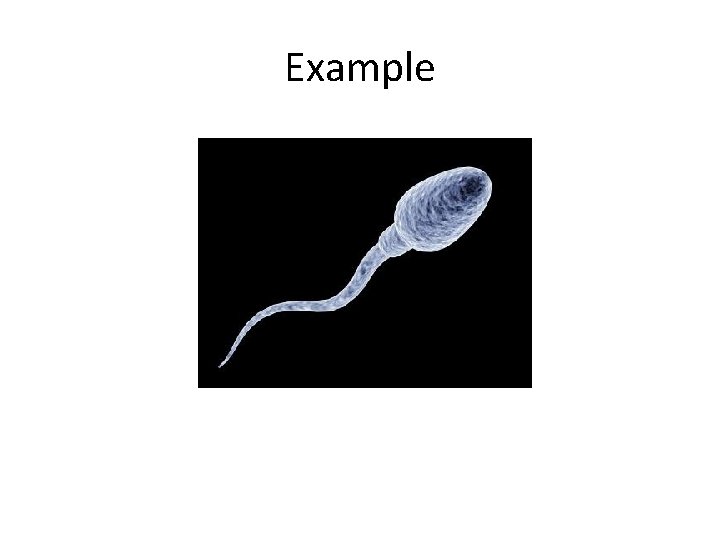
When you see each cell type, DO NOT name it (even if you know) Write observations about the STRUCTURE. Start with the example:
Example
1
2
3
4
5
6 • http: //www. youtube. com/watch? v=pah. Ut 0 RC KYc
Functions. Start with the EXAMPLE. Does the structure match the function?
Match the following functions with each cell type based on their structure. Write the underlined portion. • Carry impulses from the brain all over the body. • Support and movement. Rigid. Strong due to layers. Offer protection for more delicate organs. • Carry oxygen to organs through blood vessels. • Used for movement. Created to flex and stretch over surfaces and to move bone. Contain LOTS of mitochondria for energy. • Store excess water and pump it out to prevent single celled organisms from exploding. • Move through blood vessels to seek out infection and invaders. They recognize them and destroy them.
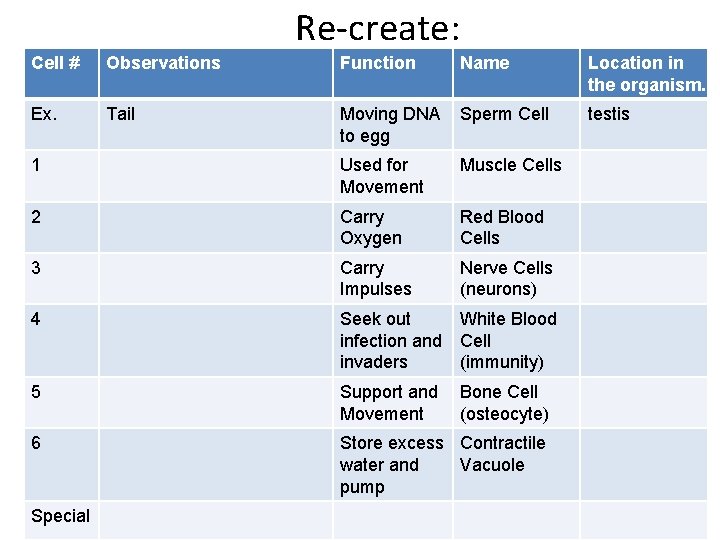
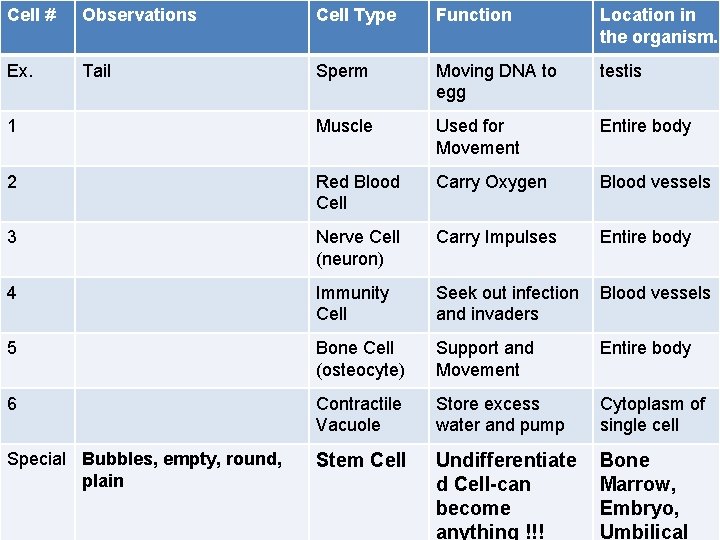
Re-create: Cell # Observations Function Name Location in the organism. Ex. Tail Moving DNA to egg Sperm Cell testis 1 Used for Movement Muscle Cells 2 Carry Oxygen Red Blood Cells 3 Carry Impulses Nerve Cells (neurons) 4 Seek out infection and invaders White Blood Cell (immunity) 5 Support and Movement Bone Cell (osteocyte) 6 Store excess Contractile water and Vacuole pump Special
Thinkables: Complete sentences. 1. Obviously the way a cell looks is different depending on the function. Do you think a cell will have differences in organelles depending on the function of that cell? Explain your answer. What organelle(s) would muscle cells need a lot of? 2. True/False: The nucleus of a cell contains different types of DNA depending on the structure and function of the cell for that organism. Explain your answer. 3. All cells have a phospholipid bilayer as a cell membrane. Thinking about the variety of shapes and sizes of cells what can you conclude about the cell membrane?
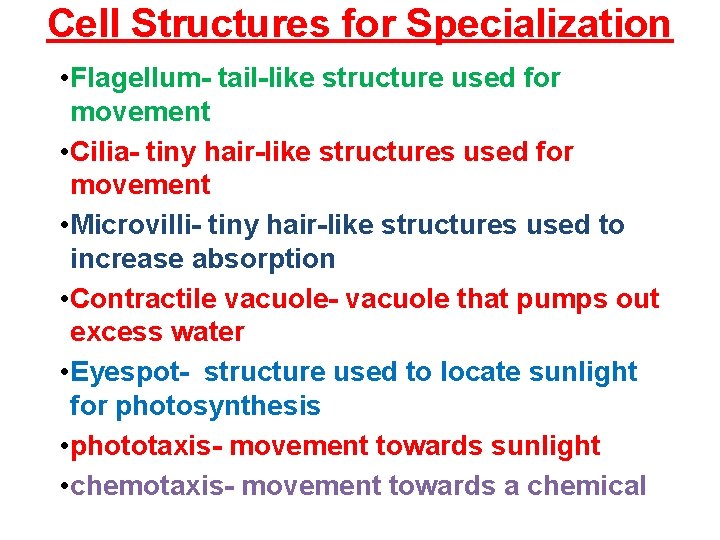
Cell Structures for Specialization • Flagellum- tail-like structure used for movement • Cilia- tiny hair-like structures used for movement • Microvilli- tiny hair-like structures used to increase absorption • Contractile vacuole- vacuole that pumps out excess water • Eyespot- structure used to locate sunlight for photosynthesis • phototaxis- movement towards sunlight • chemotaxis- movement towards a chemical
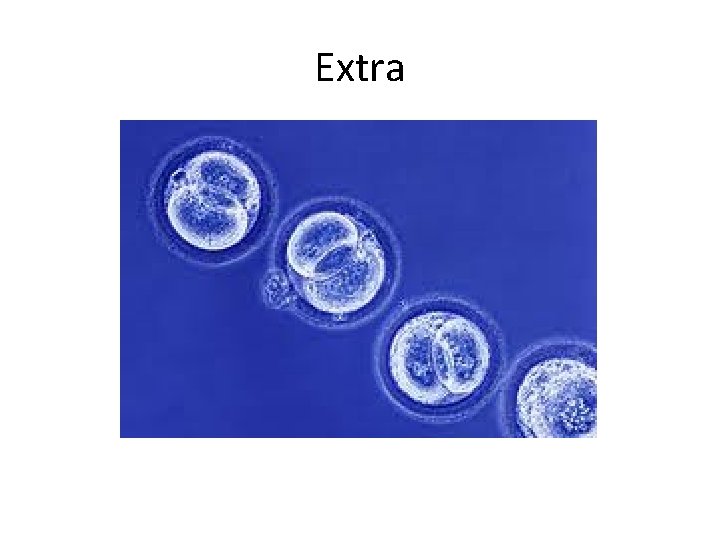
Extra
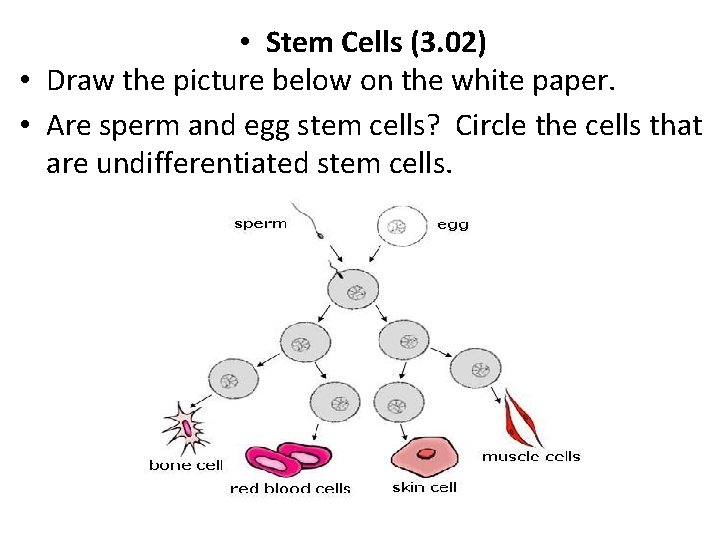
Cell # Observations Ex. Tail Re-create: Cell Type Function Location in the organism. Sperm Moving DNA to egg testis 1 Muscle Used for Movement Entire body 2 Red Blood Cell Carry Oxygen Blood vessels 3 Nerve Cell (neuron) Carry Impulses Entire body 4 Immunity Cell Seek out infection and invaders Blood vessels 5 Bone Cell (osteocyte) Support and Movement Entire body 6 Contractile Vacuole Store excess water and pump Cytoplasm of single cell Special Bubbles, empty, round, plain Stem Cell Undifferentiate d Cell-can become anything !!! Bone Marrow, Embryo, Umbilical
• Stem Cells (3. 02) • Draw the picture below on the white paper. • Are sperm and egg stem cells? Circle the cells that are undifferentiated stem cells. Stem Cells
Conclusion Continued… • Watch: What are stem cells? – https: //www. youtube. com/watch? v=ev. H 0 I 7 Coc 54 • Write a statement that describes stems cells. How are they different from other cells. • How can we use them to benefit humans?
Take a Stem Cell Article and complete the questions We will answer the questions and watch a short video.