
Cell Size Size Perspective Viewing Requirements Why not
- Slides: 14
Cell Size
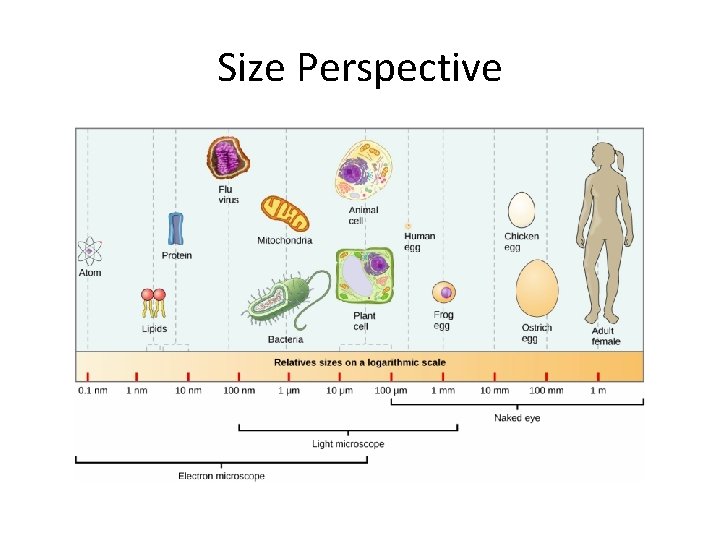
Size Perspective
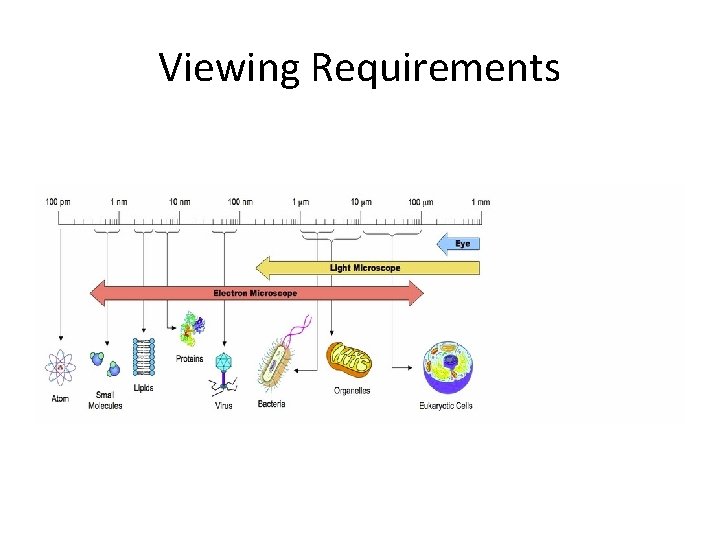
Viewing Requirements
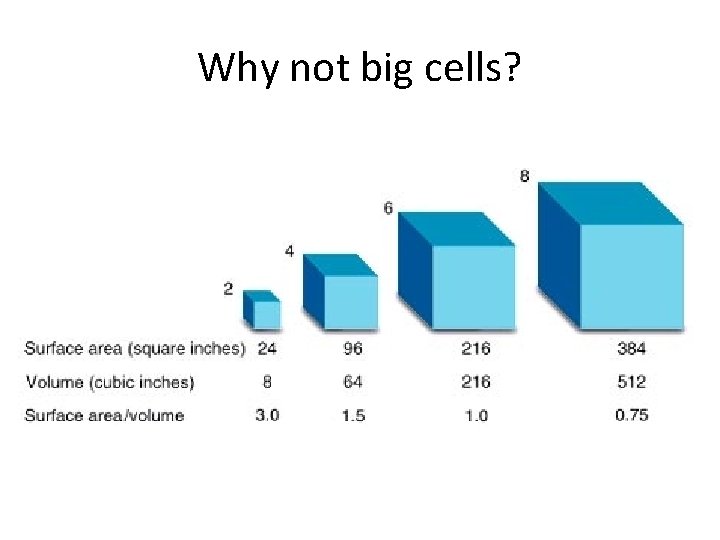
Why not big cells? • What is difference between surface area and volume? • What happens to the surface area and volume as a cell get larger • Why is surface area important to the cell?
Why not big cells?
Videos • https: //www. youtube. com/watch? v=wu. XSEO KNx. N 8 • https: //www. youtube. com/watch? v=xu. G 4 ZZ 1 Gbz. I
Cell Cycle
Let’s draw a cell!
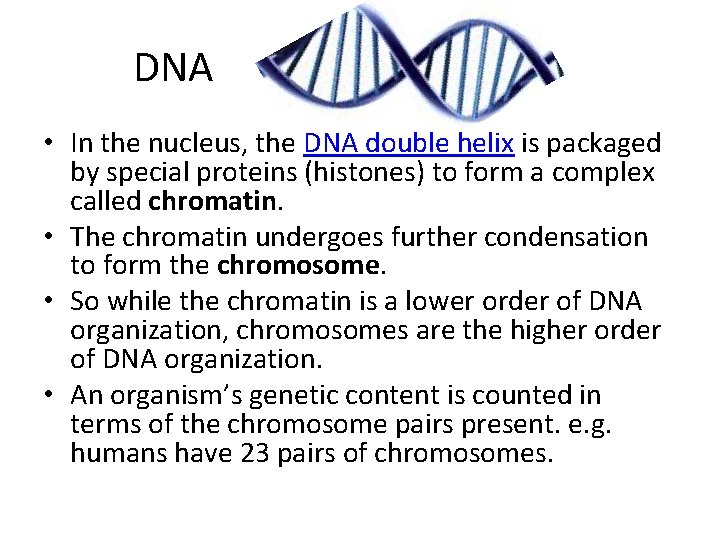
DNA • In the nucleus, the DNA double helix is packaged by special proteins (histones) to form a complex called chromatin. • The chromatin undergoes further condensation to form the chromosome. • So while the chromatin is a lower order of DNA organization, chromosomes are the higher order of DNA organization. • An organism’s genetic content is counted in terms of the chromosome pairs present. e. g. humans have 23 pairs of chromosomes.
Cytoskeleton • A cytoskeleton provides structure to the eukaryotic cells and connects to every part of the cell membrane and every organelle. • Microfilaments and microtubules are key components of the cytoskeleton • Microtubules and microfilaments together allow the cell to hold its shape, and move itself and its organelles.
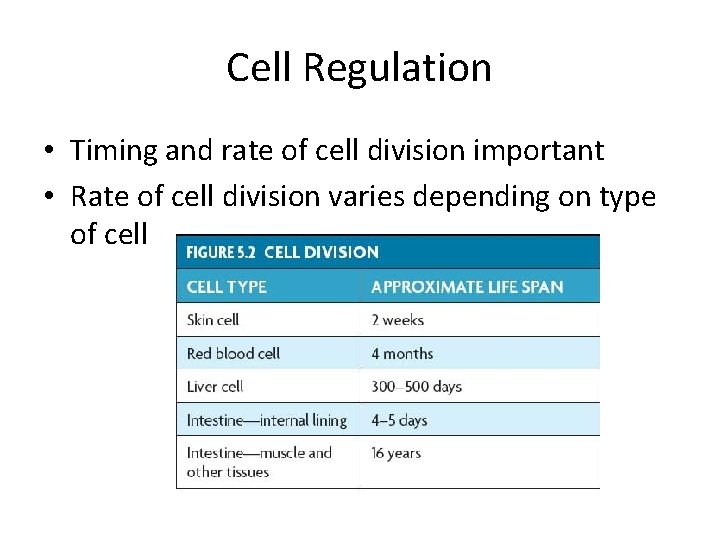
Cell Regulation • Timing and rate of cell division important • Rate of cell division varies depending on type of cell
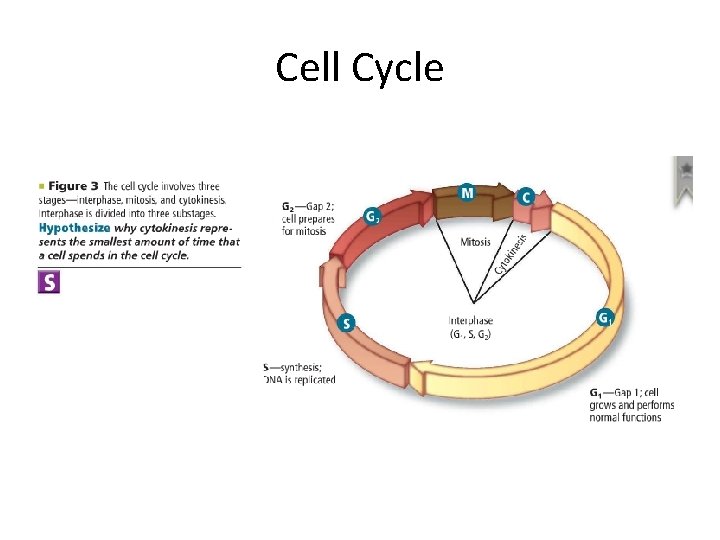
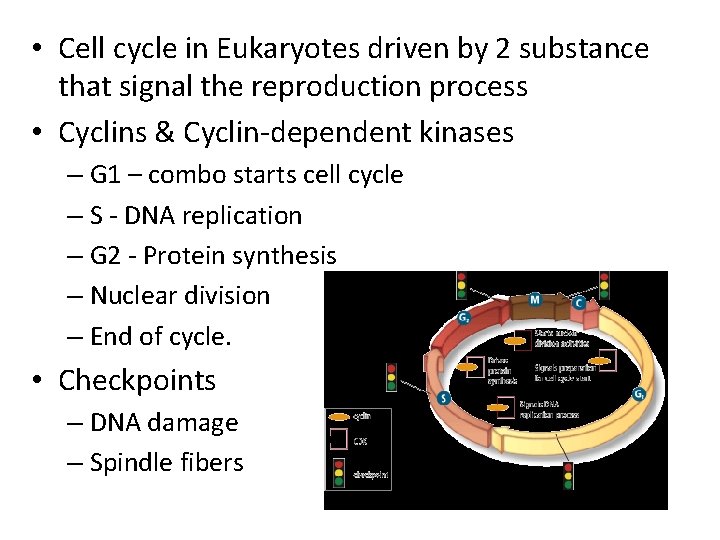
• Cell cycle in Eukaryotes driven by 2 substance that signal the reproduction process • Cyclins & Cyclin-dependent kinases – G 1 – combo starts cell cycle – S - DNA replication – G 2 - Protein synthesis – Nuclear division – End of cycle. • Checkpoints – DNA damage – Spindle fibers
Cell Regulation • http: //www. nobelprize. org/educational/medi cine/2001/cellcycle. html
Cell differentiation • https: //www. youtube. com/watch? v=cya. VEot. Ys. Y 0 Human development • https: //www. youtube. com/watch? v=Ug. T 5 r. UQ 9 E m. Q Blastula • https: //www. youtube. com/watch? v=l. XN_s. Dnd 1 n g