
Cell Signaling Principles Dr Fridoon Jawad Ahmad HEC
![Cell type Organ/system Activators ligands --> Gq-GPCRs Effects digestive system • prostaglandin F 2α[4]](https://slidetodoc.com/presentation_image_h/23d3755c365e6a4407f244a5d32754b5/image-29.jpg "Cell type Organ/system Activators ligands --> Gq-GPCRs Effects digestive system • prostaglandin F 2α[4]")
- Slides: 37
Cell Signaling “Principles” Dr. Fridoon Jawad Ahmad HEC Foreign Professor King Edward Medical University Visiting Professor LUMS-SSE
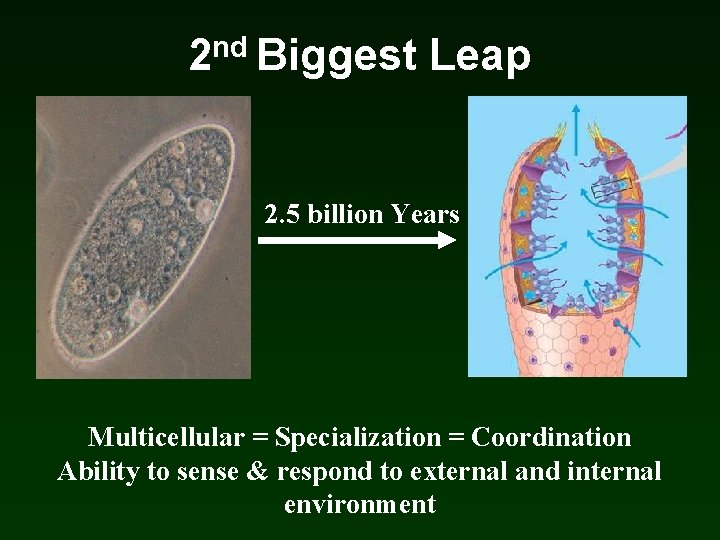
2 nd Biggest Leap 2. 5 billion Years Multicellular = Specialization = Coordination Ability to sense & respond to external and internal environment
Why Signaling System In order to survive even simplest organisms need to sense and respond to their environment. It is critical that the cells of multicellular organisms communicate to coordinate their efforts (Running). Cells in a multicellular organism are specialized and rely on each other for the support (brain sugar). During development there have to be checks balances on differentiation (analogy society).
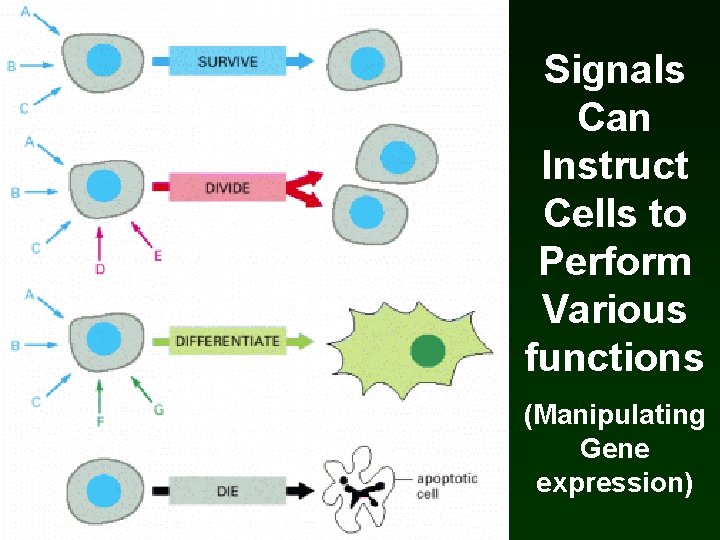
Signals Can Instruct Cells to Perform Various functions (Manipulating Gene expression)
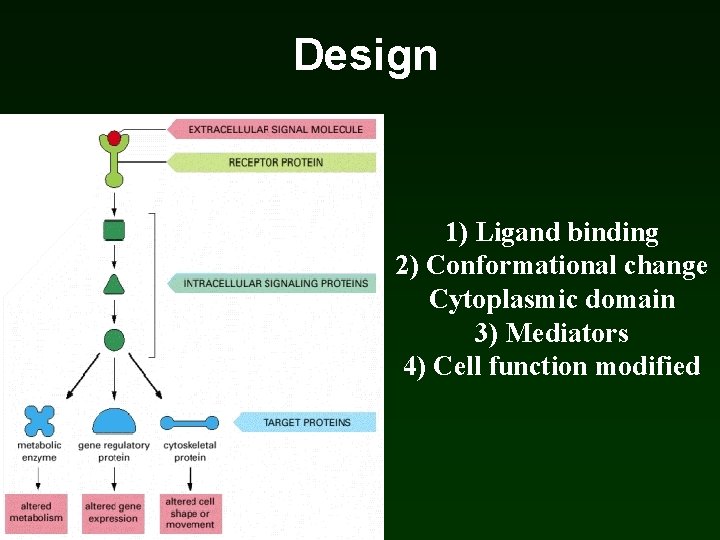
Design 1) Ligand binding 2) Conformational change Cytoplasmic domain 3) Mediators 4) Cell function modified
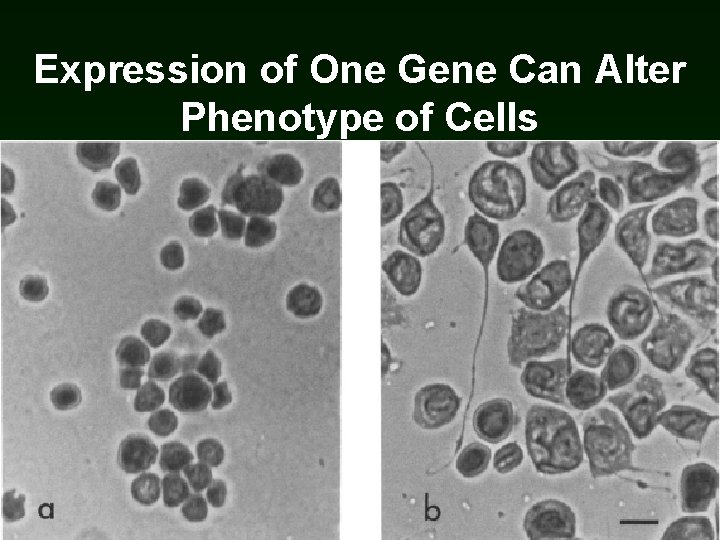
Expression of One Gene Can Alter Phenotype of Cells
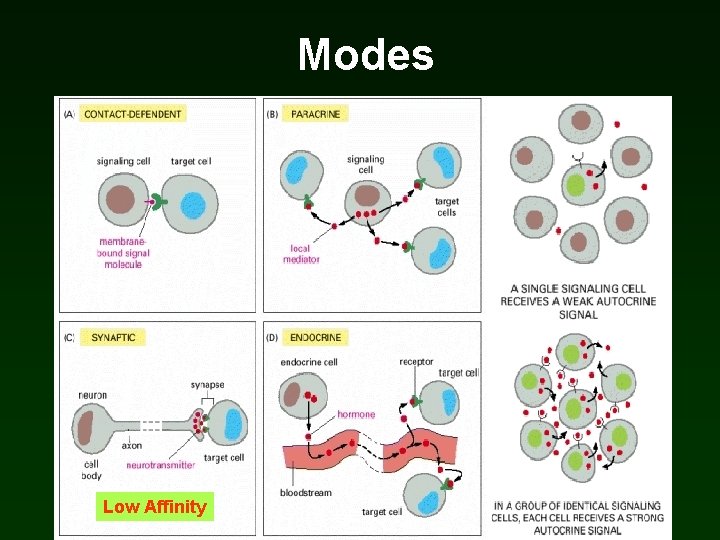
Modes Low Affinity
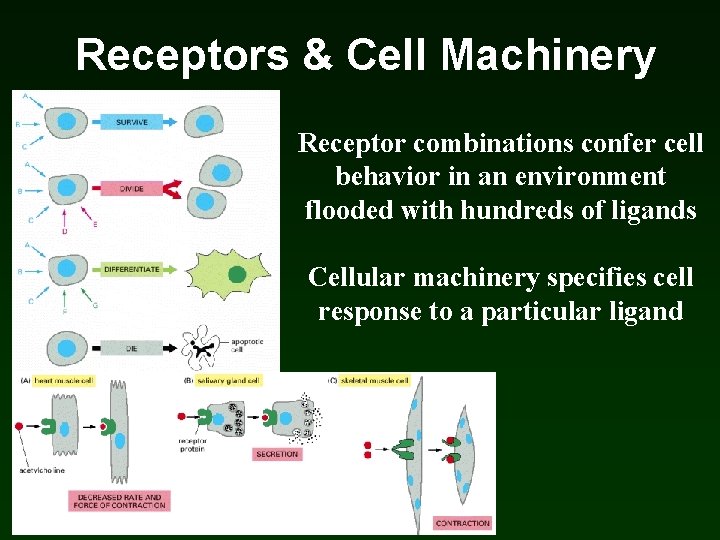
Receptors & Cell Machinery Receptor combinations confer cell behavior in an environment flooded with hundreds of ligands Cellular machinery specifies cell response to a particular ligand
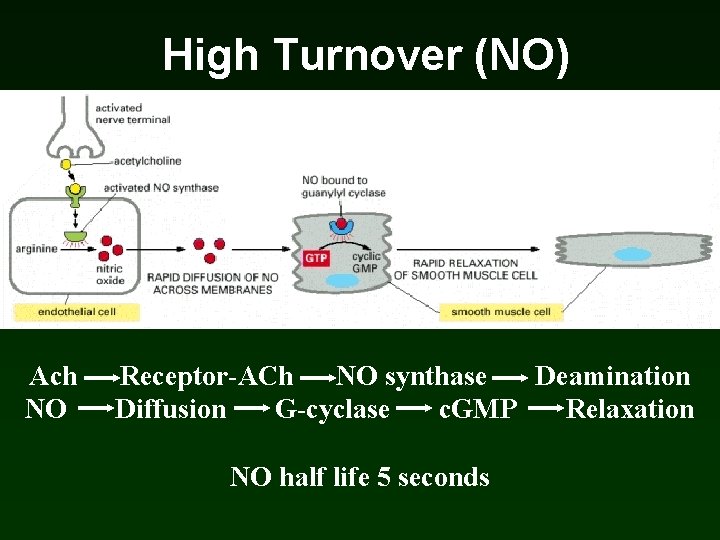
High Turnover (NO) Ach NO Receptor-ACh NO synthase Deamination Diffusion G-cyclase c. GMP Relaxation NO half life 5 seconds
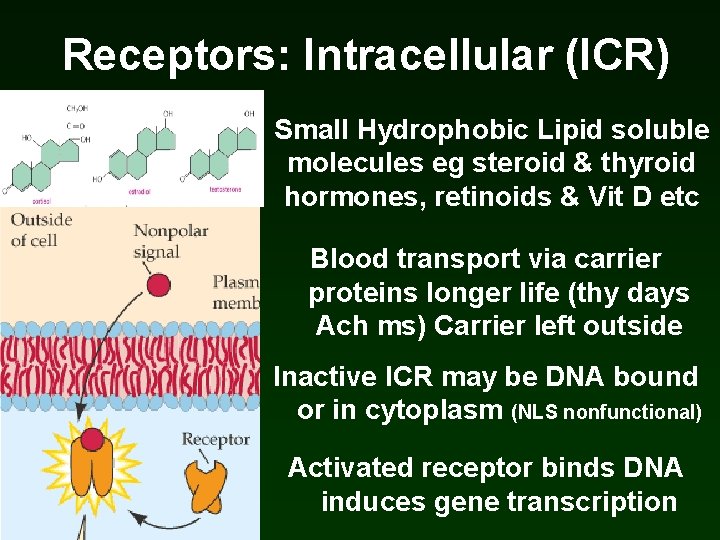
Receptors: Intracellular (ICR) Small Hydrophobic Lipid soluble molecules eg steroid & thyroid hormones, retinoids & Vit D etc Blood transport via carrier proteins longer life (thy days Ach ms) Carrier left outside Inactive ICR may be DNA bound or in cytoplasm (NLS nonfunctional) Activated receptor binds DNA induces gene transcription
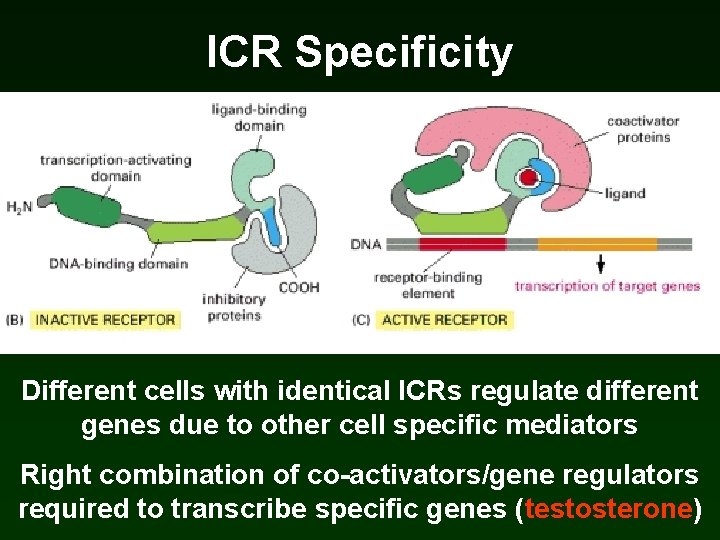
ICR Specificity Different cells with identical ICRs regulate different genes due to other cell specific mediators Right combination of co-activators/gene regulators required to transcribe specific genes (testosterone)
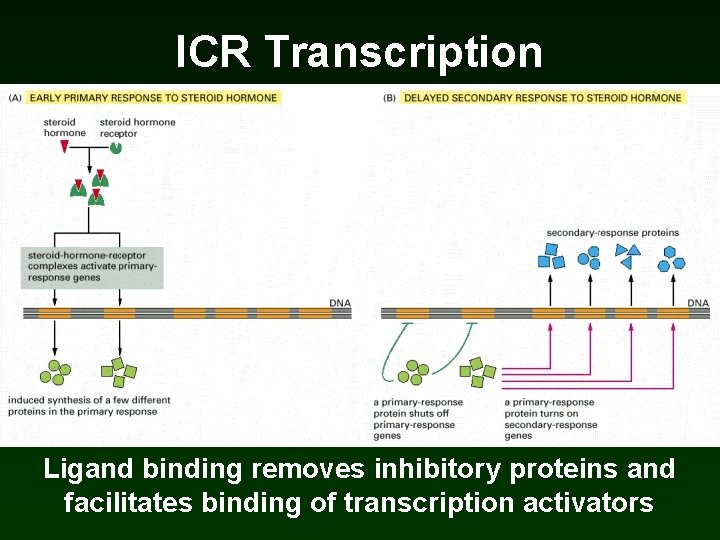
ICR Transcription Ligand binding removes inhibitory proteins and facilitates binding of transcription activators
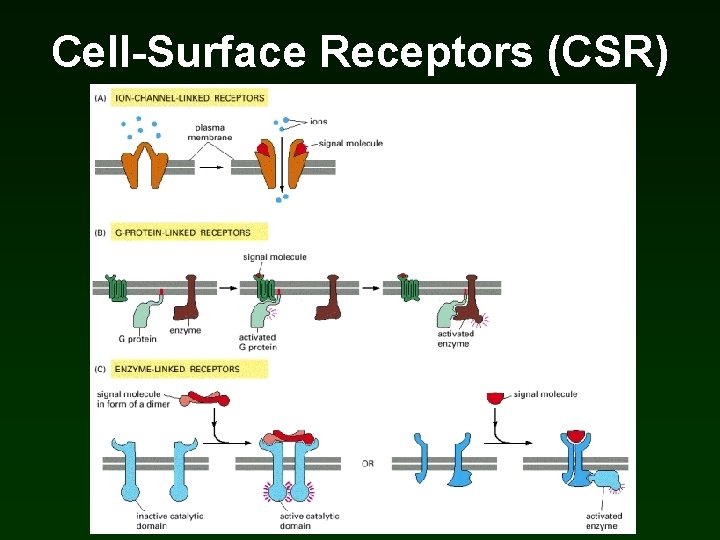
Cell-Surface Receptors (CSR)
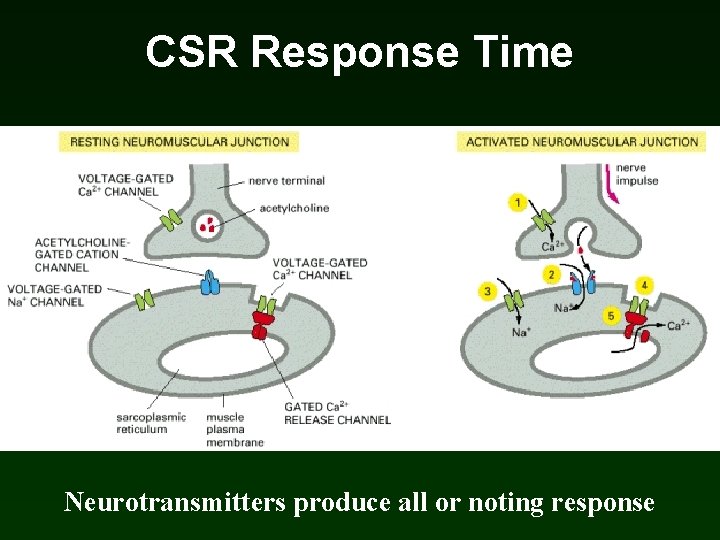
CSR Response Time Neurotransmitters produce all or noting response
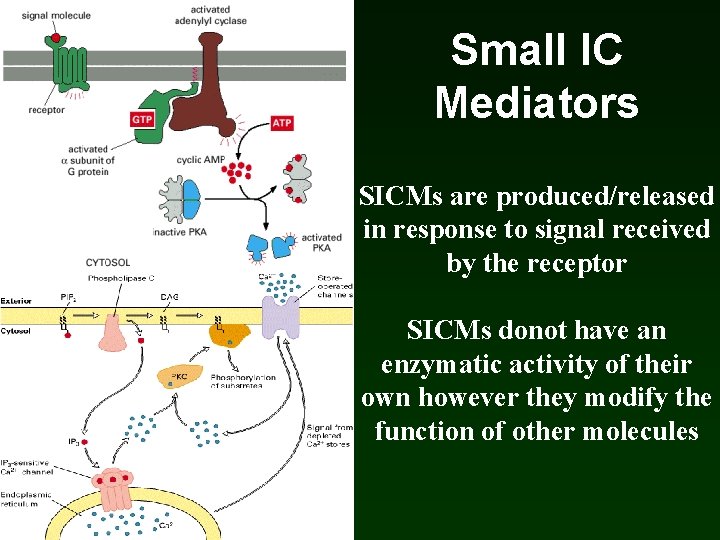
Small IC Mediators SICMs are produced/released in response to signal received by the receptor SICMs donot have an enzymatic activity of their own however they modify the function of other molecules
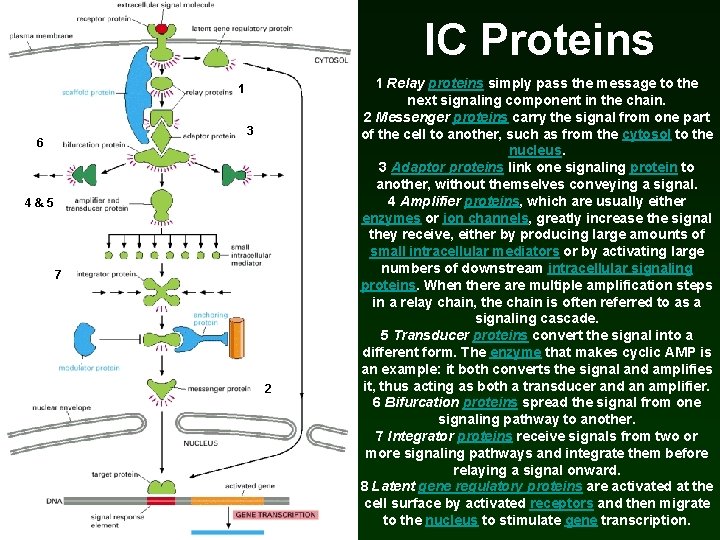
IC Proteins 1 3 6 4 & 5 7 2 1 Relay proteins simply pass the message to the next signaling component in the chain. 2 Messenger proteins carry the signal from one part of the cell to another, such as from the cytosol to the nucleus. 3 Adaptor proteins link one signaling protein to another, without themselves conveying a signal. 4 Amplifier proteins, which are usually either enzymes or ion channels, greatly increase the signal they receive, either by producing large amounts of small intracellular mediators or by activating large numbers of downstream intracellular signaling proteins. When there are multiple amplification steps in a relay chain, the chain is often referred to as a signaling cascade. 5 Transducer proteins convert the signal into a different form. The enzyme that makes cyclic AMP is an example: it both converts the signal and amplifies it, thus acting as both a transducer and an amplifier. 6 Bifurcation proteins spread the signal from one signaling pathway to another. 7 Integrator proteins receive signals from two or more signaling pathways and integrate them before relaying a signal onward. 8 Latent gene regulatory proteins are activated at the cell surface by activated receptors and then migrate to the nucleus to stimulate gene transcription.
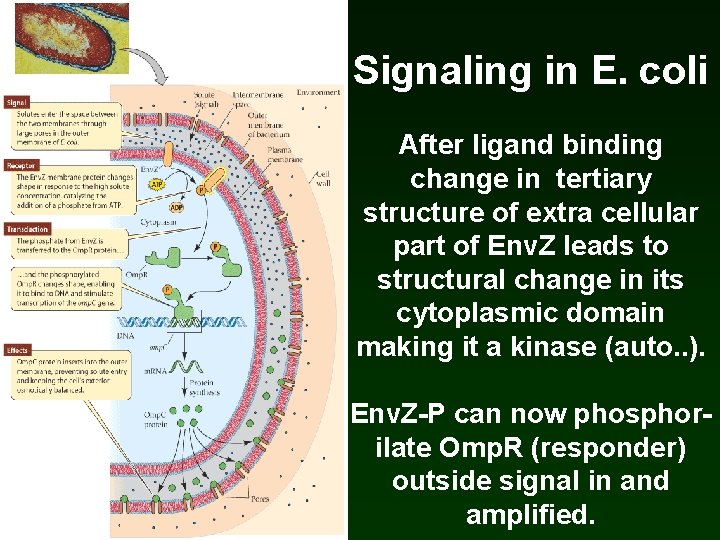
Signaling in E. coli After ligand binding change in tertiary structure of extra cellular part of Env. Z leads to structural change in its cytoplasmic domain making it a kinase (auto. . ). Env. Z-P can now phosphorilate Omp. R (responder) outside signal in and amplified.
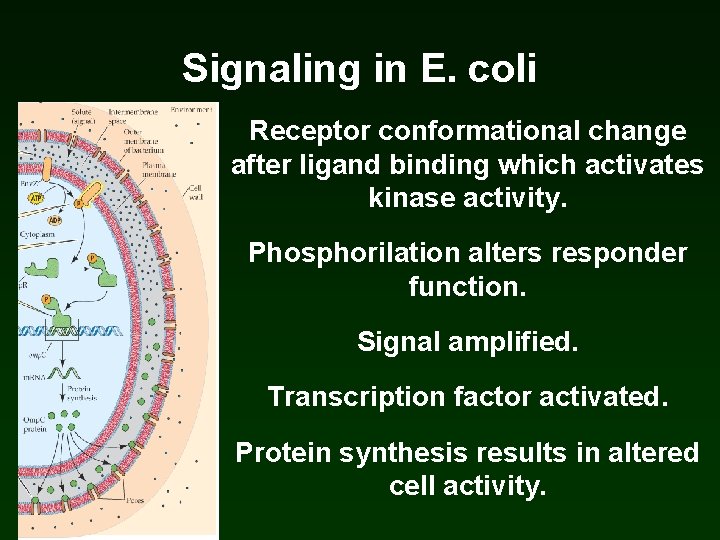
Signaling in E. coli Receptor conformational change after ligand binding which activates kinase activity. Phosphorilation alters responder function. Signal amplified. Transcription factor activated. Protein synthesis results in altered cell activity.
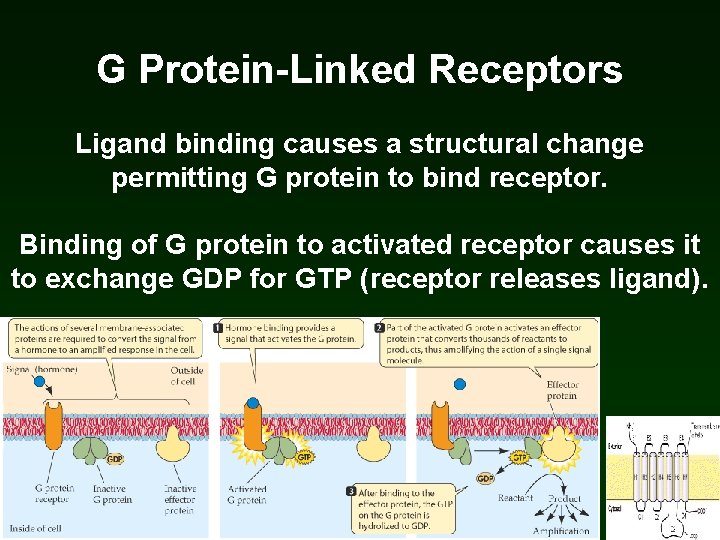
G Protein-Linked Receptors Ligand binding causes a structural change permitting G protein to bind receptor. Binding of G protein to activated receptor causes it to exchange GDP for GTP (receptor releases ligand).
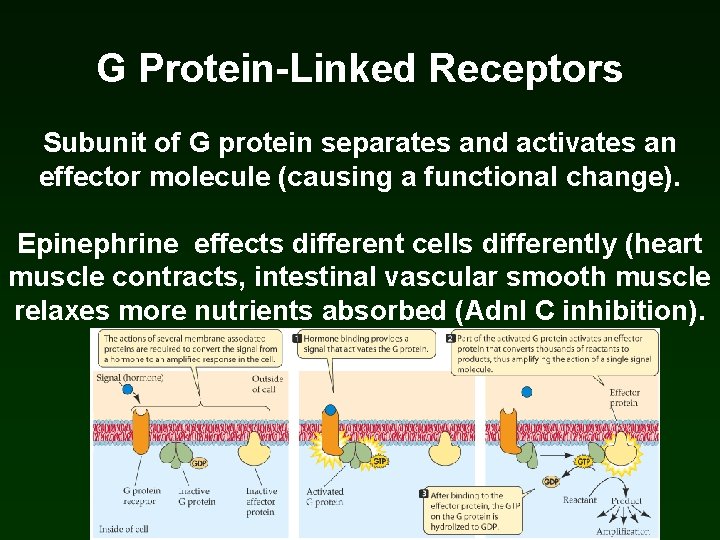
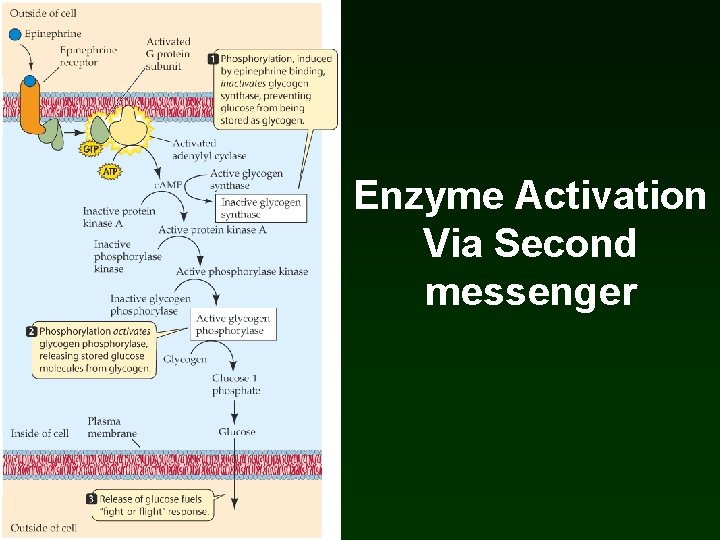
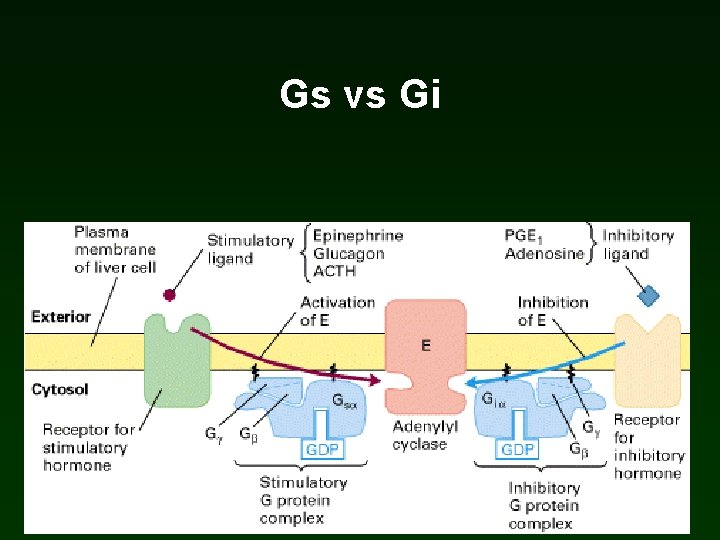
G Protein-Linked Receptors Subunit of G protein separates and activates an effector molecule (causing a functional change). Epinephrine effects different cells differently (heart muscle contracts, intestinal vascular smooth muscle relaxes more nutrients absorbed (Adnl C inhibition).
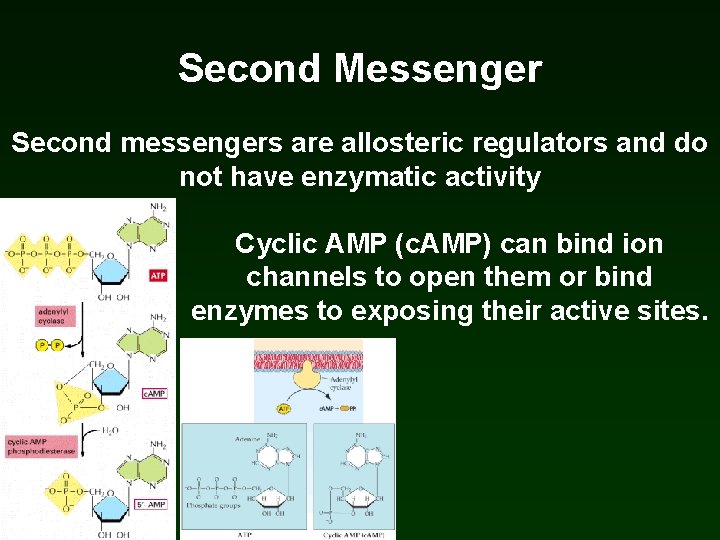
Second Messenger Second messengers are allosteric regulators and do not have enzymatic activity Cyclic AMP (c. AMP) can bind ion channels to open them or bind enzymes to exposing their active sites.
Enzyme Activation Via Second messenger
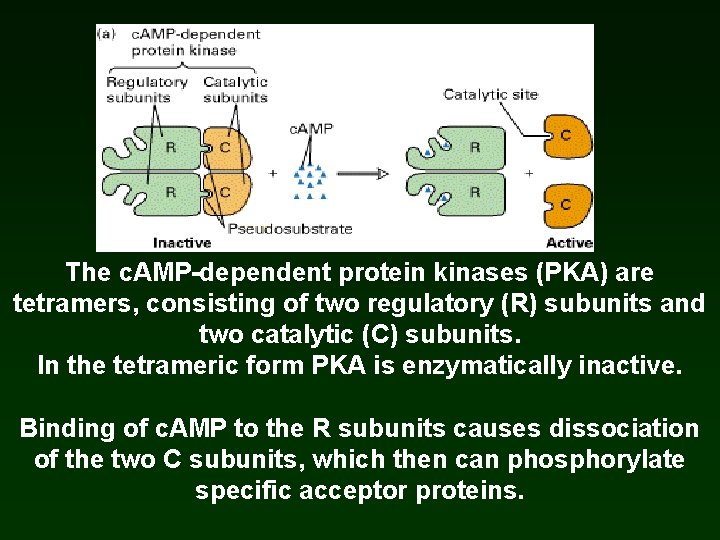
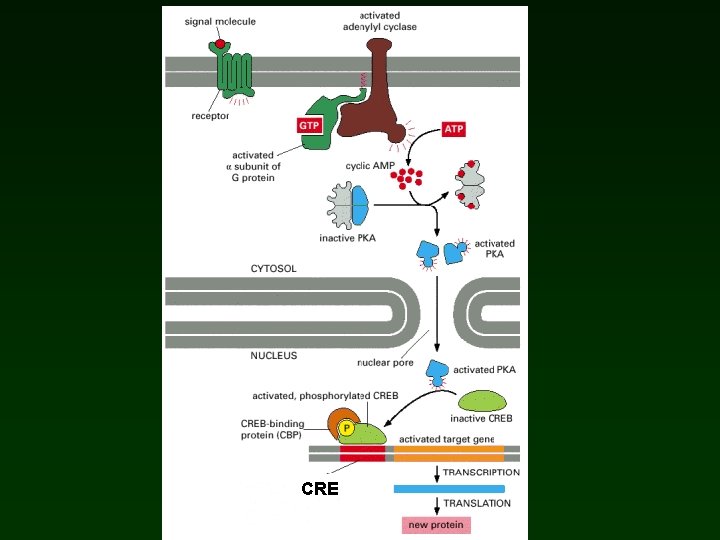
The c. AMP-dependent protein kinases (PKA) are tetramers, consisting of two regulatory (R) subunits and two catalytic (C) subunits. In the tetrameric form PKA is enzymatically inactive. Binding of c. AMP to the R subunits causes dissociation of the two C subunits, which then can phosphorylate specific acceptor proteins.
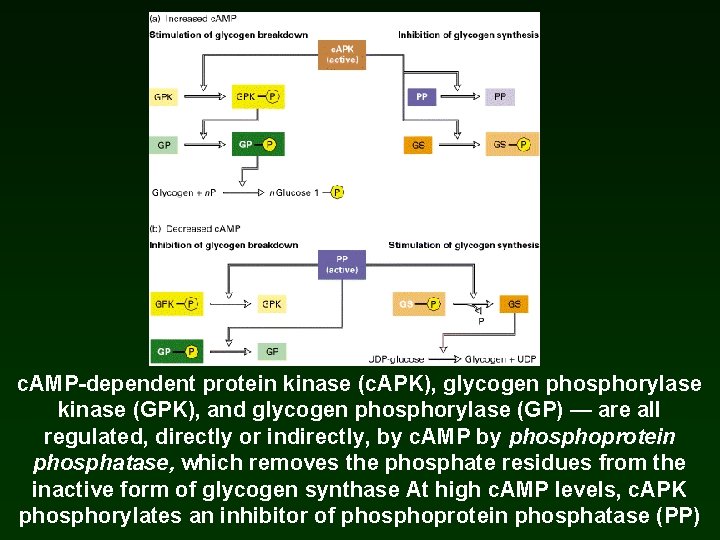
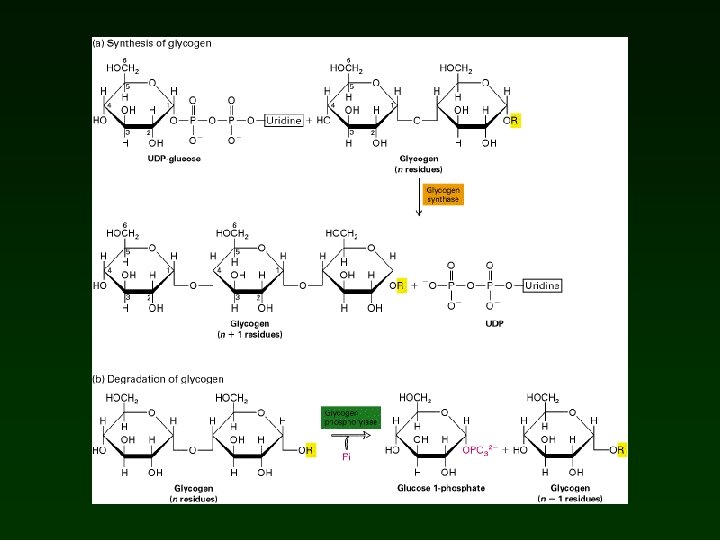
c. AMP-dependent protein kinase (c. APK), glycogen phosphorylase kinase (GPK), and glycogen phosphorylase (GP) — are all regulated, directly or indirectly, by c. AMP by phosphoprotein phosphatase, which removes the phosphate residues from the inactive form of glycogen synthase At high c. AMP levels, c. APK phosphorylates an inhibitor of phosphoprotein phosphatase (PP)
CRE
Gs vs Gi
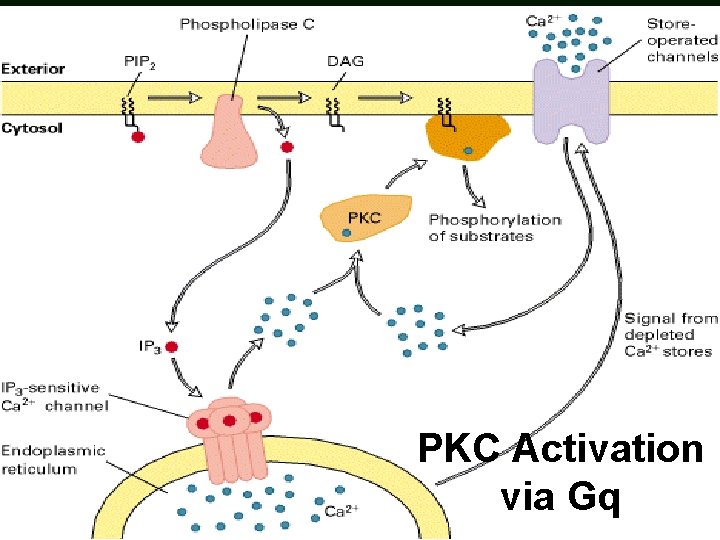
PKC Activation via Gq
Cell type Organ/system Activators ligands --> Gq-GPCRs Effects digestive system • prostaglandin F 2α[4] --> • thromboxanes [4] contraction Various • adrenergic agonists --> α 1 receptor contraction • smooth muscle cells in: iris constrictor muscle • ciliary muscle sensory system acetylcholine --> M 3 receptor contraction smooth muscle cell (vascular) circulatory system • 5 -HT --> 5 -HT 2 A receptor • adrenergic agonists --> α 1 receptor • vasoconstriction [7][8] smooth muscle cell (seminal tract[9]) reproductive system • adrenergic agonists --> α 1 receptor ejaculation smooth muscle cell (GI tract) digestive system • 5 -HT --> 5 -HT 2 A or 5 -HT 2 B receptor [7] • acetylcholine (ACh) --> M 3 receptor • contraction [10] smooth muscle cell (bronchi) respiratory system • 5 -HT --> 5 -HT 2 A receptor • adrenergic agonists --> α 1 receptor • acetylcholine --> M 3[11] and. M 1 receptor[12] bronchoconstriction [7] proximal convoluted tubule cell kidney • angiotensin II --> AT 1 receptor • adrenergic agonists --> α 1 receptor Na+ reabsorption [13] • stimulate basolateral Na-K ATPase --> Na+ reabsorption [13] neurons in autonomic ganglia nervous system acetylcholine --> M 1 receptor EPSP neurons in CNS nervous system • 5 -HT --> 5 -HT 2 A receptor • acetylcholine --> M 1 receptor • neuronal excitation (5 -HT) [7] • memory? (acetylcholine) [14] platelets circulatory system 5 -HT --> 5 -HT 2 A receptor [7] aggregation [7] ependymal cells (choroid plexus) ventricular system 5 -HT --> 5 -HT 2 C receptor[7] ↑cerebrospinal fluid secretion[7] heart muscle circulatory system • adrenergic agonists --> α 1 receptor positive ionotropic effect [5] serous cells (salivary gland) digestive system • acetylcholine --> M 1 and. M 3 receptors • adrenergic agonists --> α 1 receptor • ↑secretion[5] • increase salivary potassium levels. serous cells (lacrimal gland) digestive system • acetylcholine --> M 3 receptor • ↑secretion[8] adipocyte digestive system/endocrine system • adrenergic agonists --> α 1 receptor • glycogenolysis andgluconeogenesis [5] hepatocyte digestive system • adrenergic agonists --> α 1 receptor • glycogenolysis andgluconeogenesis [5] sweat gland cells integumentary system • adrenergic agonists --> α 1 receptor • ↑secretion[5] parietal cells digestive system acetylcholine --> M 1 receptors[12] ↑ gastric acid secretion smooth muscle cell (gastrointestinal tract sphincters) • smooth muscle cells in: iris dilator muscle (sensory system) • urethral sphincter (urinary system) • uterus (reproductive system) • arrector pili muscles(integumentary system) • ureter (urinary system) • urinary bladder (urinary system)[5][6] • stimulate NHE 3 --> H+ secretion &
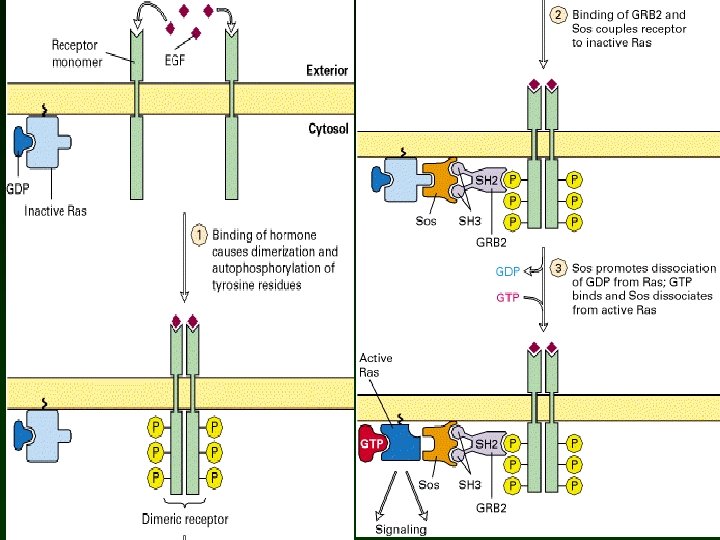
Receptor Tyrosine Kinases & Ras
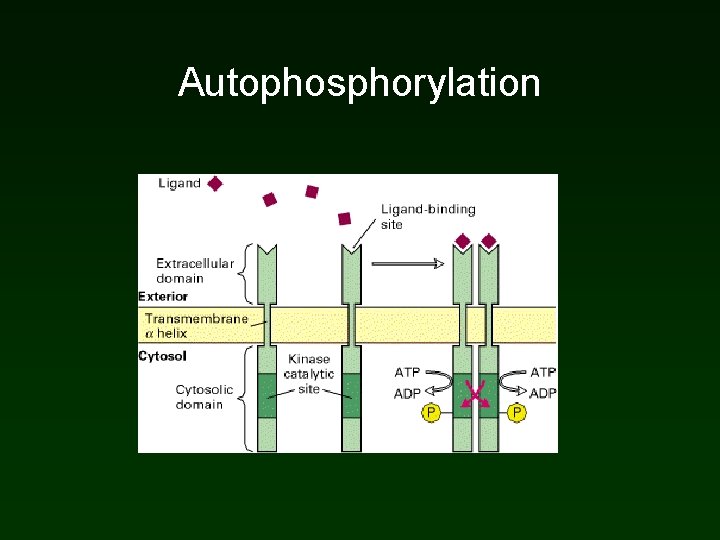
Autophosphorylation
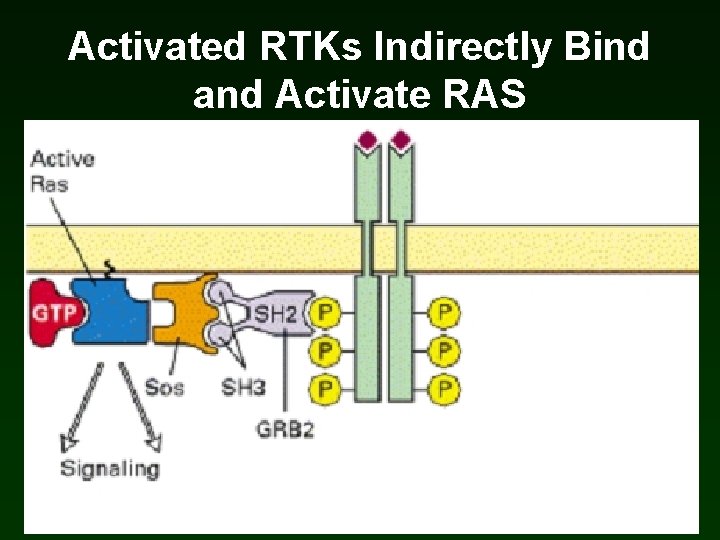
Activated RTKs Indirectly Bind and Activate RAS
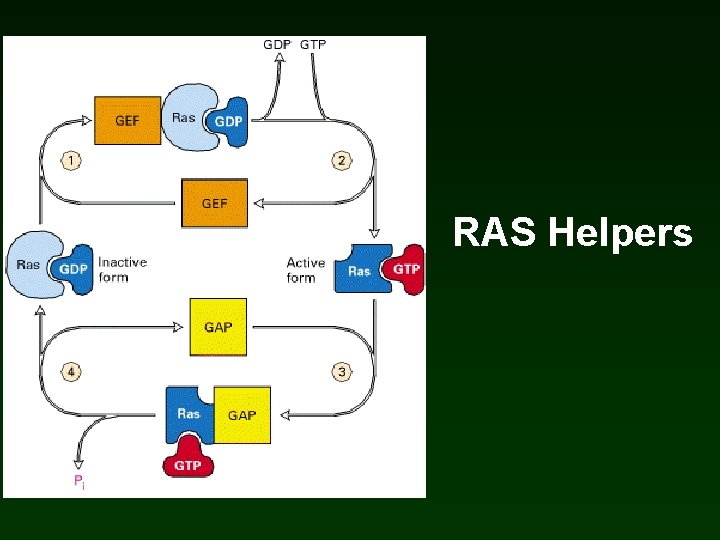
RAS Helpers
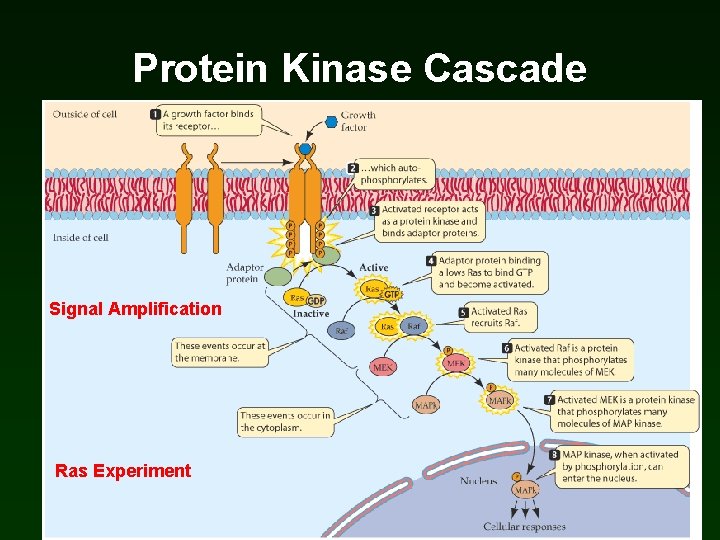
Protein Kinase Cascade Signal Amplification Ras Experiment
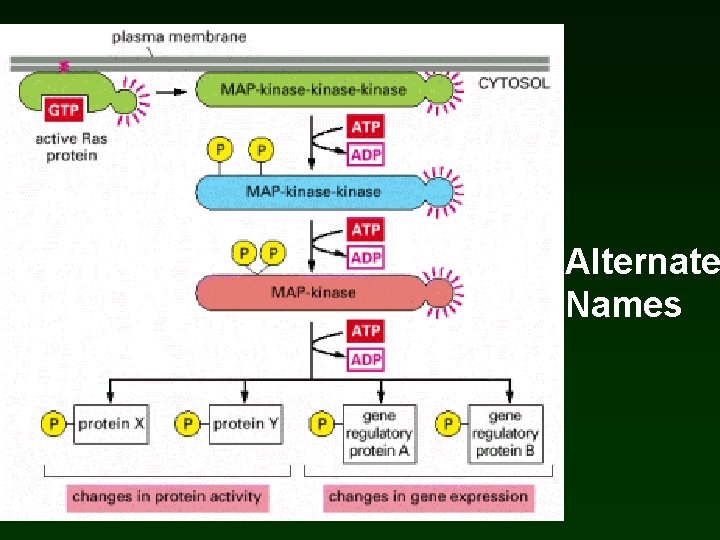
Alternate Names
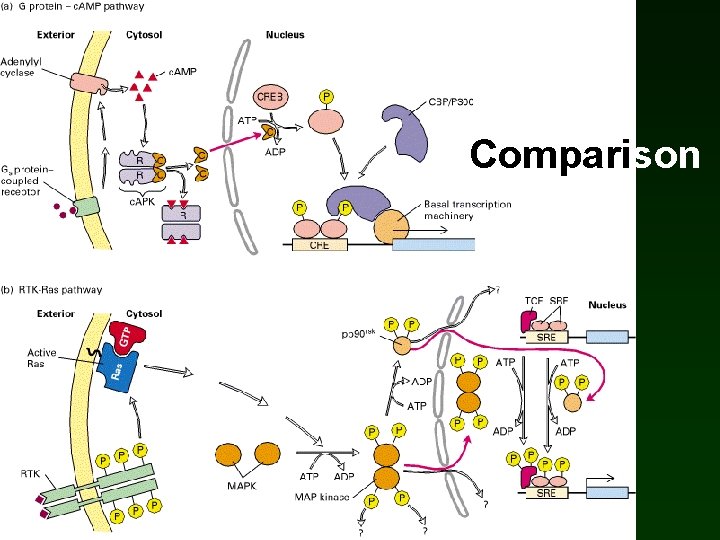
Comparison