
Cell Signaling and Regulation of Metabolism By Dr
Cell Signaling and Regulation of Metabolism By Dr. Amr S. Moustafa, MD, Ph. D Clinical Chemistry Unit Department of Pathology College of Medicine, King Saud University
Objectives Ø Different steps in signaling pathways Ø The second messenger systems Ø Function of signaling pathways for Ø Signal transmission Ø Amplification Ø The role signaling pathways in regulation and integration of metabolism
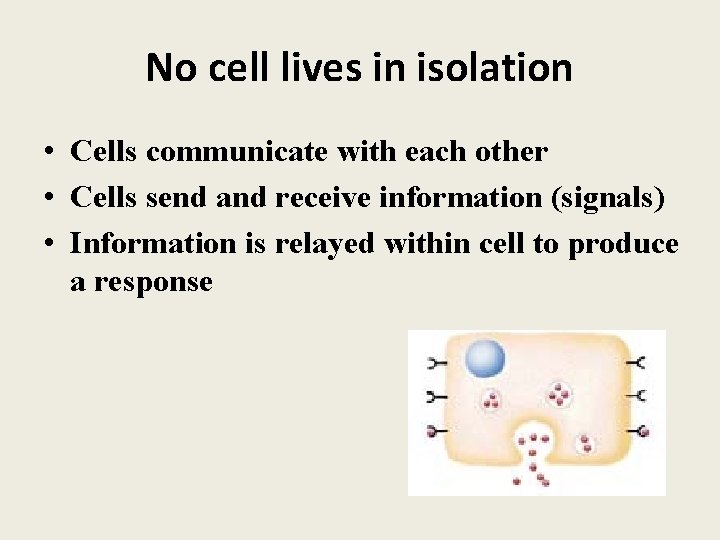
No cell lives in isolation • Cells communicate with each other • Cells send and receive information (signals) • Information is relayed within cell to produce a response
Signaling Process • Recognition of signal – Receptors • Transduction – Change of external signal into intracellular message with amplification and formation of second messenger • Effect – Modification of cell metabolism and function
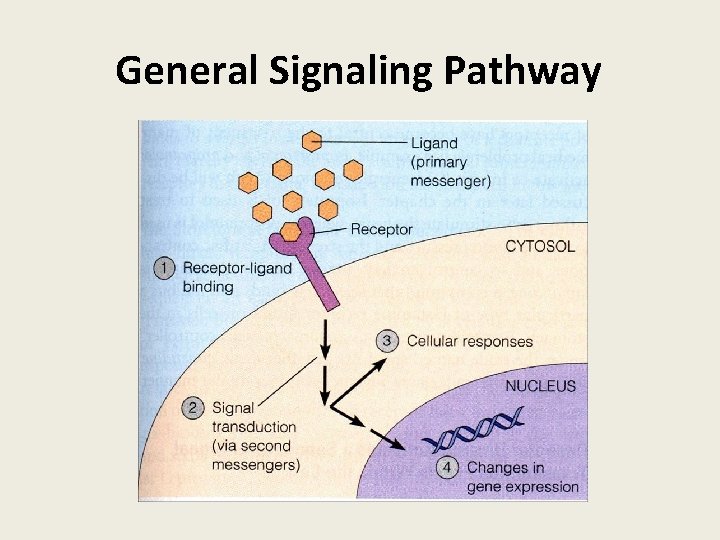
General Signaling Pathway
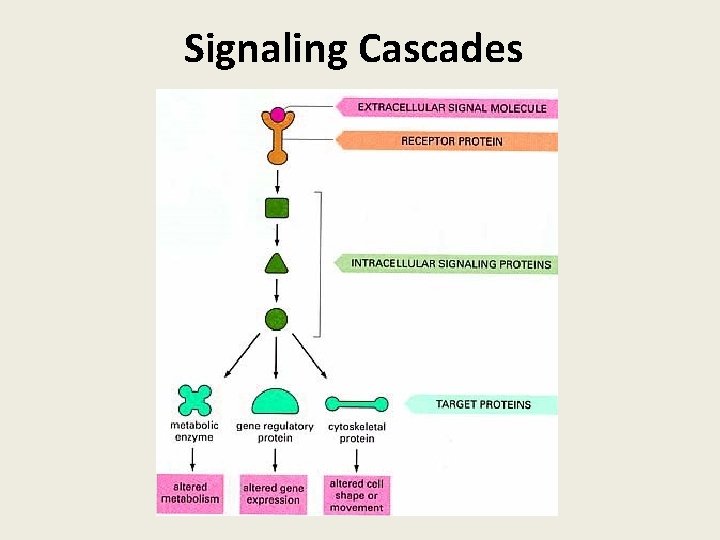
Signaling Cascades
Recognition • Performed by receptors • Ligand will produce response only in cells that have receptors for this particular ligand • Each cell has a specific set of receptors
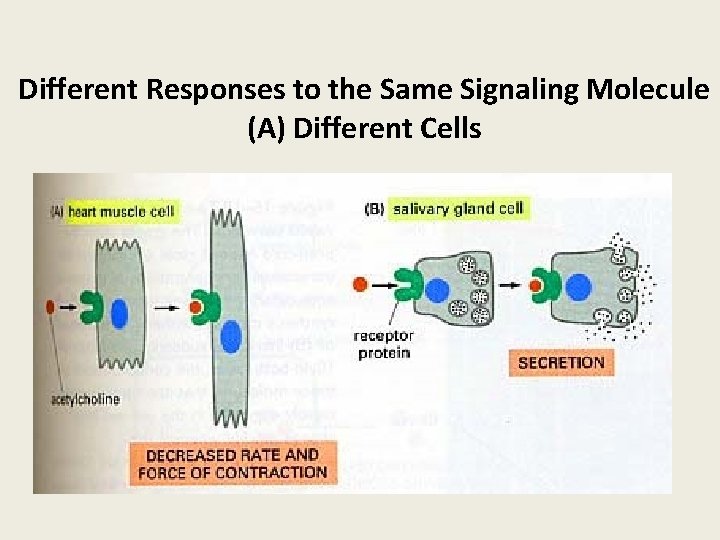
Different Responses to the Same Signaling Molecule (A) Different Cells
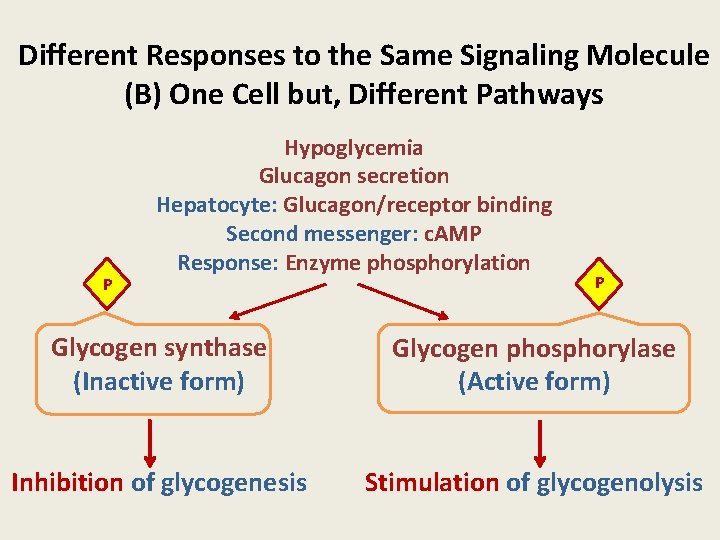
Different Responses to the Same Signaling Molecule (B) One Cell but, Different Pathways P Hypoglycemia Glucagon secretion Hepatocyte: Glucagon/receptor binding Second messenger: c. AMP Response: Enzyme phosphorylation P Glycogen synthase (Inactive form) Glycogen phosphorylase (Active form) Inhibition of glycogenesis Stimulation of glycogenolysis
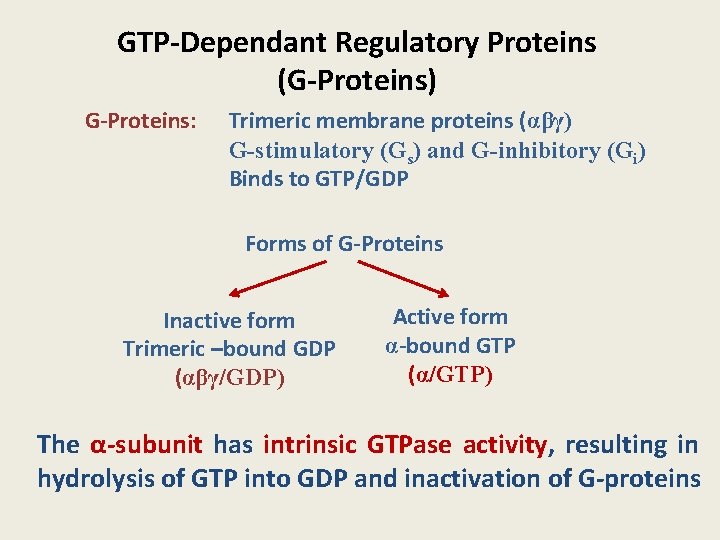
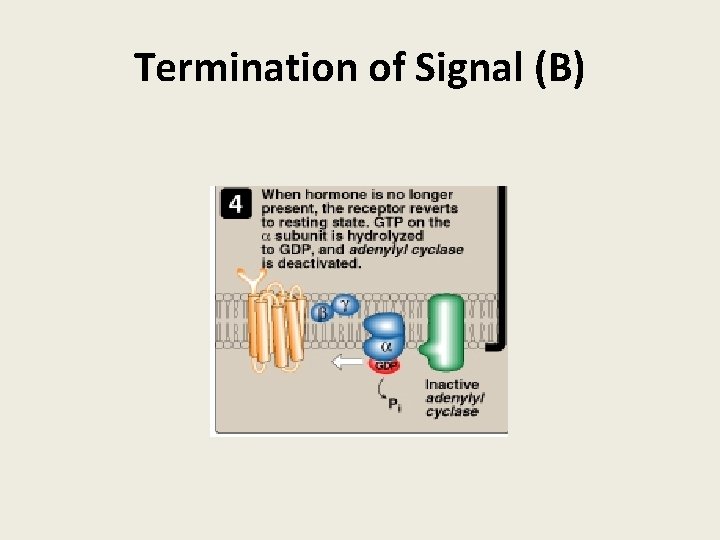
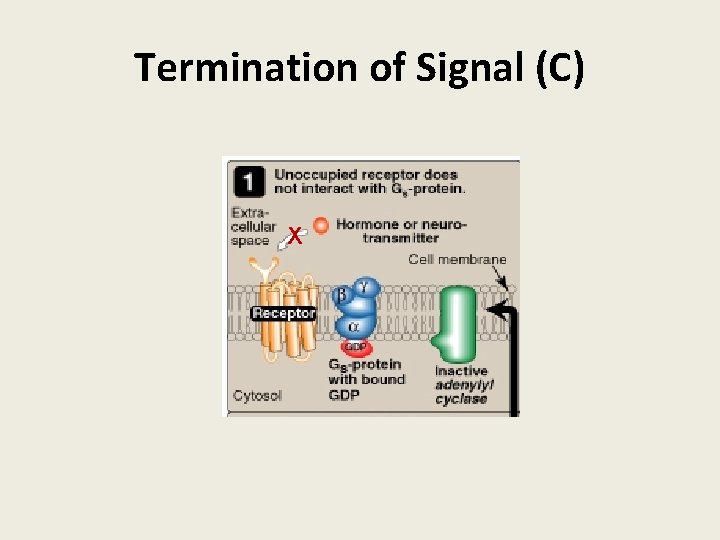
GTP-Dependant Regulatory Proteins (G-Proteins) G-Proteins: Trimeric membrane proteins (αβγ) G-stimulatory (Gs) and G-inhibitory (Gi) Binds to GTP/GDP Forms of G-Proteins Inactive form Trimeric –bound GDP (αβγ/GDP) Active form α-bound GTP (α/GTP) The α-subunit has intrinsic GTPase activity, resulting in hydrolysis of GTP into GDP and inactivation of G-proteins
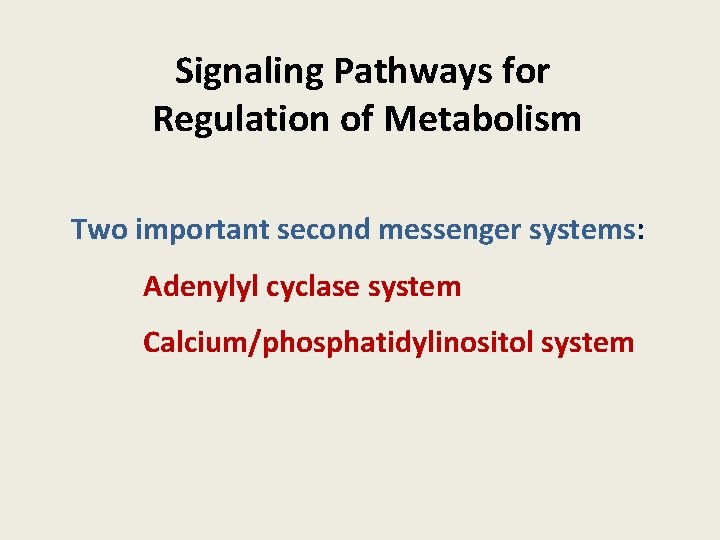
Signaling Pathways for Regulation of Metabolism Two important second messenger systems: Adenylyl cyclase system Calcium/phosphatidylinositol system
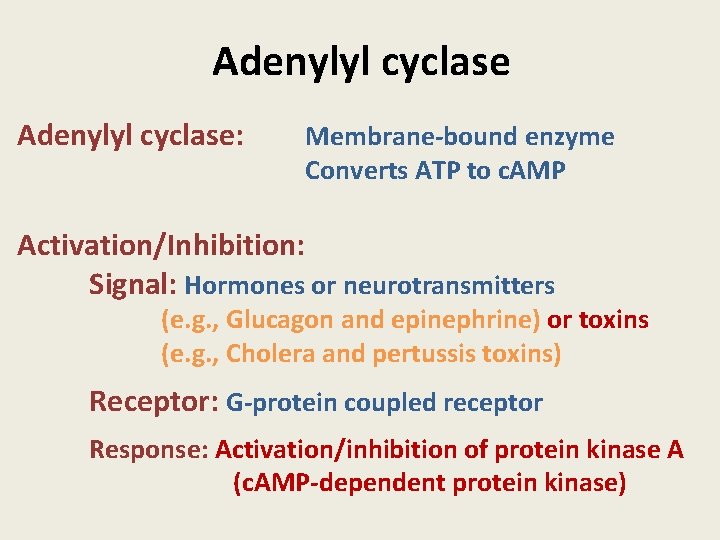
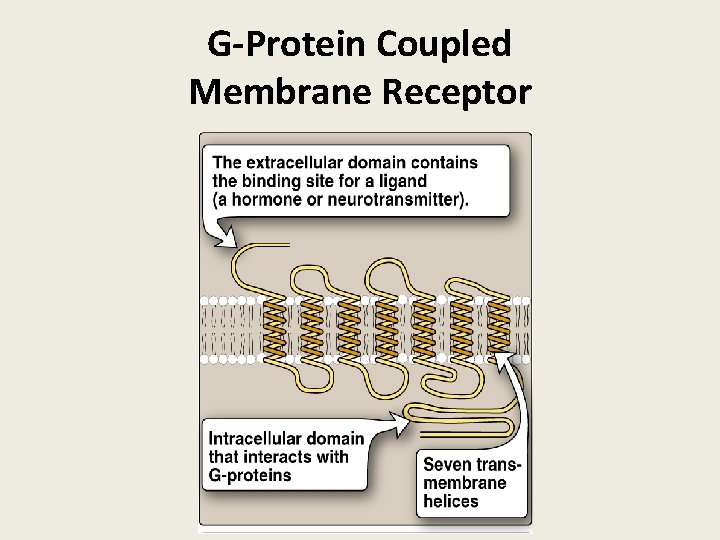
Adenylyl cyclase: Membrane-bound enzyme Converts ATP to c. AMP Activation/Inhibition: Signal: Hormones or neurotransmitters (e. g. , Glucagon and epinephrine) or toxins (e. g. , Cholera and pertussis toxins) Receptor: G-protein coupled receptor Response: Activation/inhibition of protein kinase A (c. AMP-dependent protein kinase)
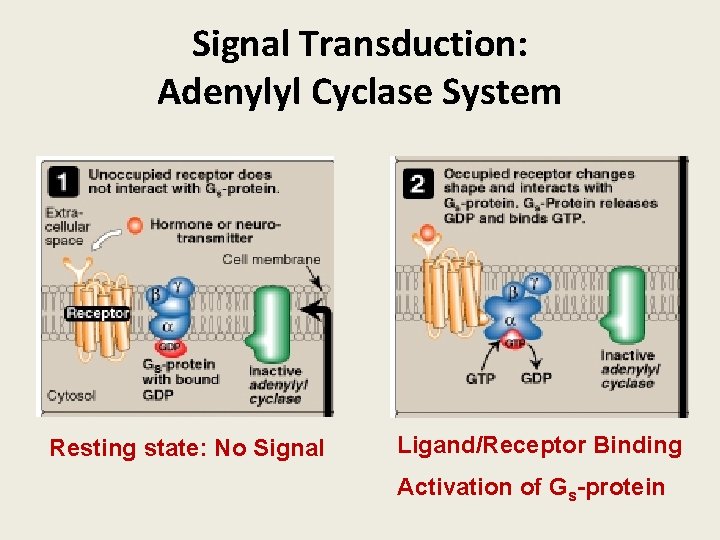
Signal Transduction: Adenylyl Cyclase System Resting state: No Signal Ligand/Receptor Binding Activation of Gs-protein
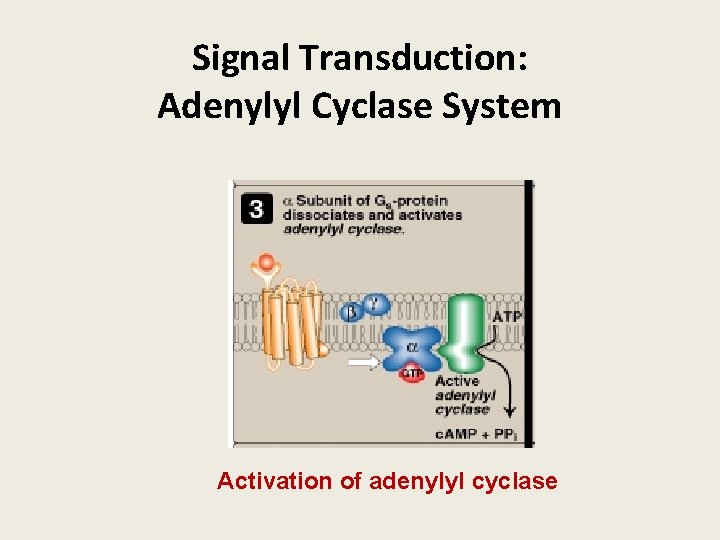
Signal Transduction: Adenylyl Cyclase System Activation of adenylyl cyclase
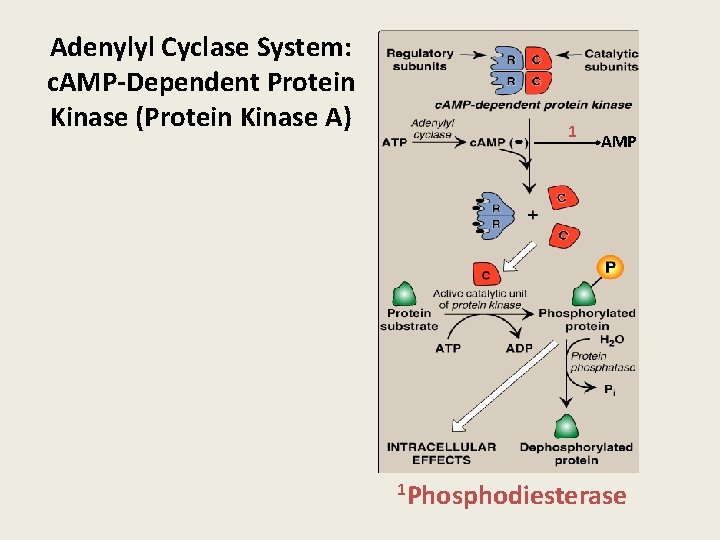
Adenylyl Cyclase System: c. AMP-Dependent Protein Kinase (Protein Kinase A) 1 AMP 1 Phosphodiesterase
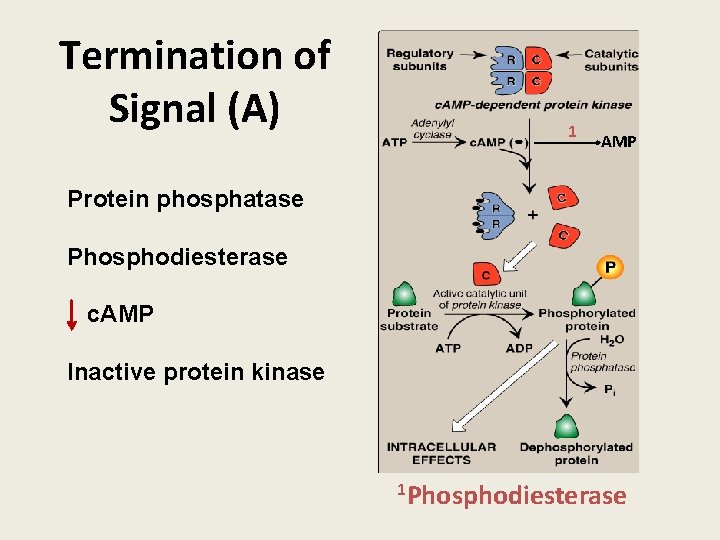
Termination of Signal (A) 1 AMP Protein phosphatase Phosphodiesterase c. AMP Inactive protein kinase 1 Phosphodiesterase
Termination of Signal (B)
Termination of Signal (C) Х
G-Protein Coupled Membrane Receptor
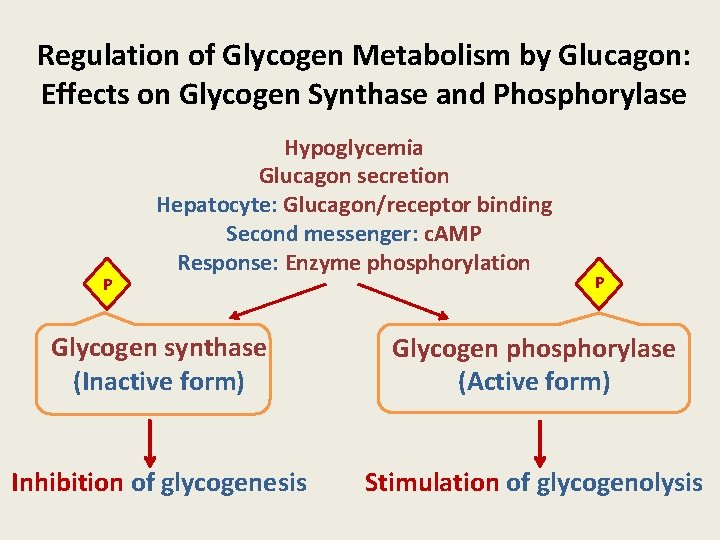
Regulation of Glycogen Metabolism by Glucagon: Effects on Glycogen Synthase and Phosphorylase P Hypoglycemia Glucagon secretion Hepatocyte: Glucagon/receptor binding Second messenger: c. AMP Response: Enzyme phosphorylation P Glycogen synthase (Inactive form) Glycogen phosphorylase (Active form) Inhibition of glycogenesis Stimulation of glycogenolysis
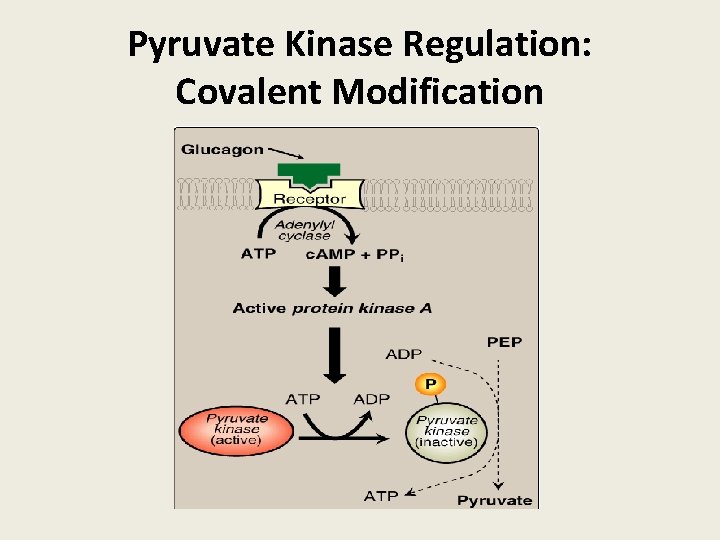
Pyruvate Kinase Regulation: Covalent Modification
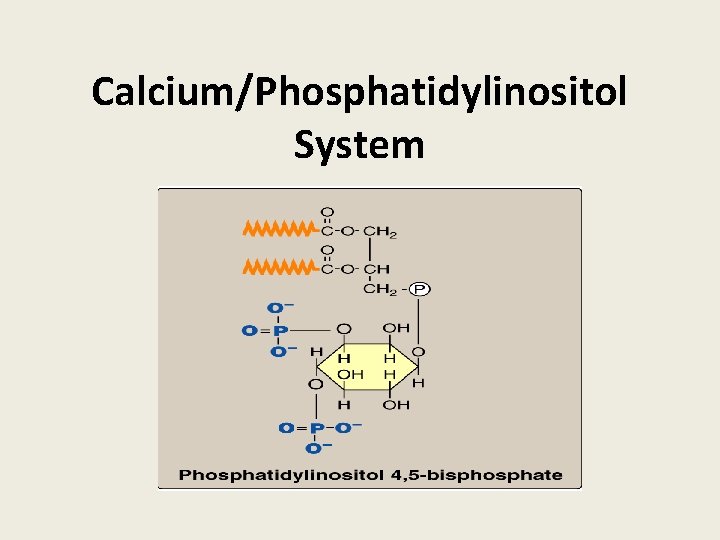
Calcium/Phosphatidylinositol System
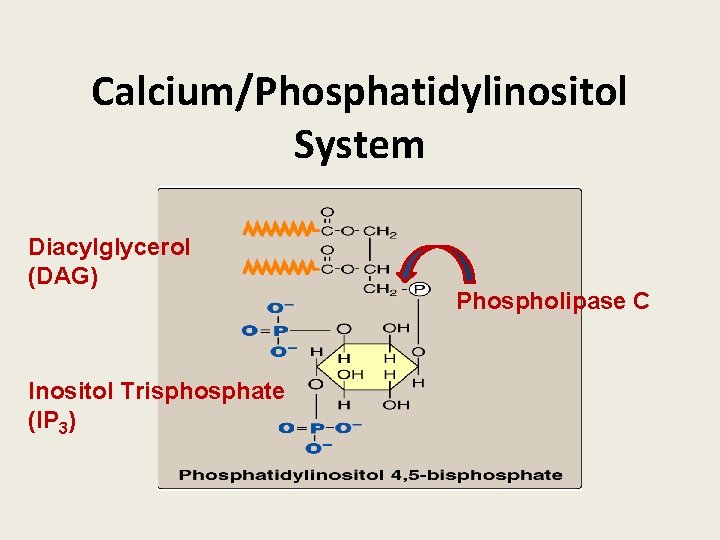
Calcium/Phosphatidylinositol System Diacylglycerol (DAG) Inositol Trisphosphate (IP 3) Phospholipase C
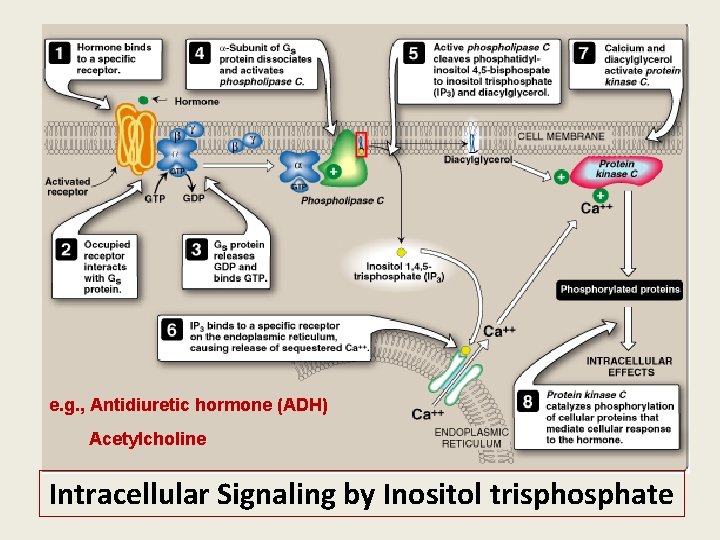
e. g. , Antidiuretic hormone (ADH) Acetylcholine Intracellular Signaling by Inositol trisphosphate
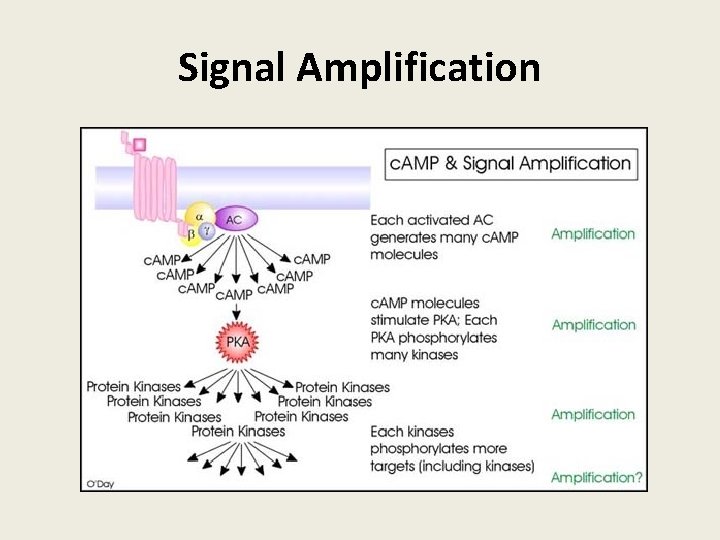
Signal Amplification
Take Home Message Cell signaling allows • Signal transmission and amplification • Regulation of metabolism • Intercellular communications & coordination of complex biologic functions
- Slides: 26