
Cell Organelles Nucleus Nucleussurrounded by a nuclear envelope
Cell Organelles

Nucleus • Nucleus—surrounded by a nuclear envelope (membrane) • Composed of DNA and Proteins, this complex of DNA and protein is called chromatin.

• Function: “Ultimate Control Center for Cell Activities” • Essentially the nucleus produces RNA and ribosomes, which will be used to produce proteins.
• Gene: segment of DNA that contains information for making a protein molecule. • Remember the mantra • “DNA to RNA to Protein” • Proteins are the workers/get it done molecules of the cell!
• Second Major Function of the Nucleus: Replication of Genetic Material • A complete copy of DNA, so that when the cell divides, the next cell has a full set of instructions. (full set of genes)
Nucleolus • Nucleolus – Dense, dark structure found inside the nucleus. Function of the nucleolus is to produce ribosomes.

Ribosomes • Ribosomes – Although produced in the nucleus, ribosomes leave the nucleus and move into the cytoplasm. • Ribosomes are found free-floating in the cytoplasm. OR • They are found attached the rough ER (endoplasmic reticulum) • Production of Proteins!!!
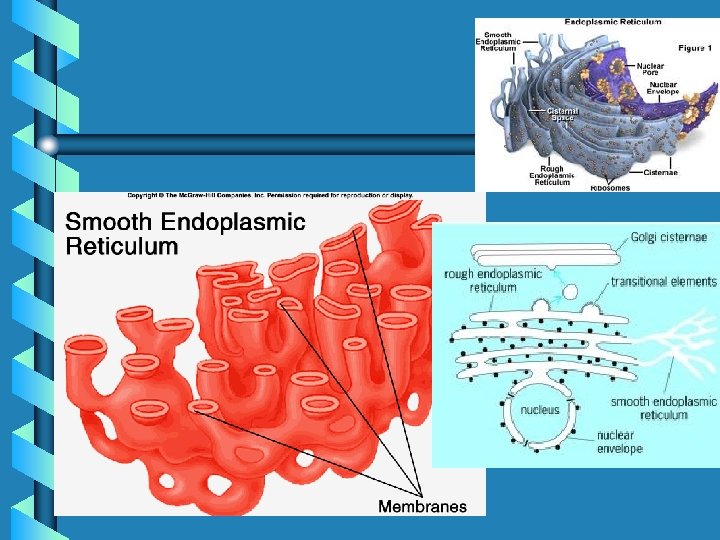
Rough Endoplasmic. Reticulum Rough ER • Rough ER – Has ribosomes attached to it. The wavy membrane of the ER often can take up as much as ½ the space in a eukaryotic cell. Proteins formed by ribosomes on the Rough ER enter into the ER and move to other membranes in the cell.
Rough ER Function • Transport and modification of proteins in the cell. In addition may be involved in transport of other substances.
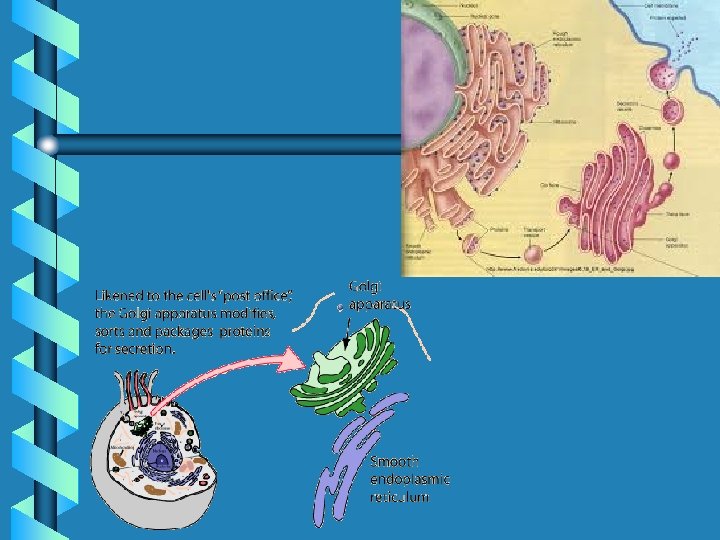
Golgi Appartus (Bodies) • Golgi Complex (Golgi Apparatus) – After proteins are synthesized in the Rough ER, they are sent to the Golgi complex, which will further modifed and packaged the proteins for shipment. • GA = Package and Distribution of proteins in vesicles.
An Example of Golgi Apparatus • The Golgi will release these proteins in vesicles: sort of like a sac, which will protect the protein(s). An example are lysosomes, which are produced by Rough ER /Golgi activity. These sacs (lysosomes), are often considered a type of cell organelle, and they contain enzymes, which digest and breakdown biological molecules.
Smooth ER • Smooth ER – Hey! It does not have ribosomes, thus the name smooth. Its function is to produce lipids (often steroids) for cell membranes, and also break down lipids. • Very important in carbohydrate metabolism and detoxification of chemicals (Liver cells have lots of Smooth ER – Structure –Function). • Transport materials too!!
Energy Organelles • All living things have a metabolism. • Cells are the basic unit of structure and function. • So here are the structures that provide cells the energy, important in metabolism!
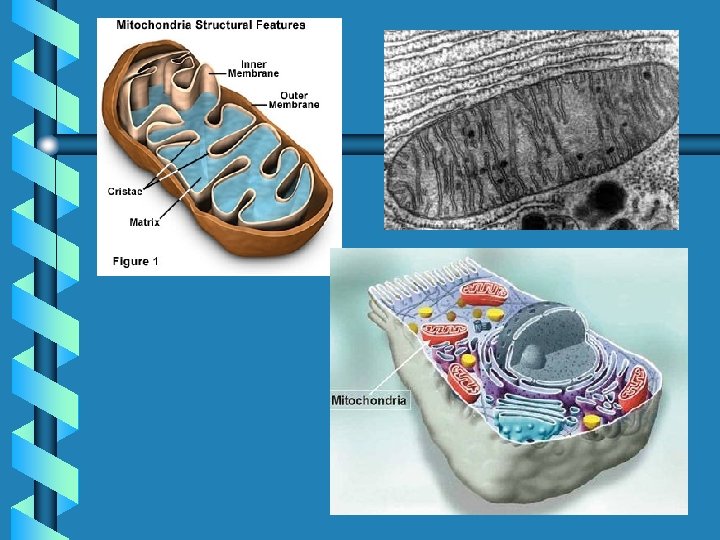
Mitochondria • Mitochondria – The cell organelle responsible for producing energy in the cell in the form of ATP. • Glucose with oxygen is broken down through a series of chemical reactions, which is used to produce ATP. • This process of converting glucose into usable cellular energy is called cell respiration. The majority of this occurs in the mitochondria.
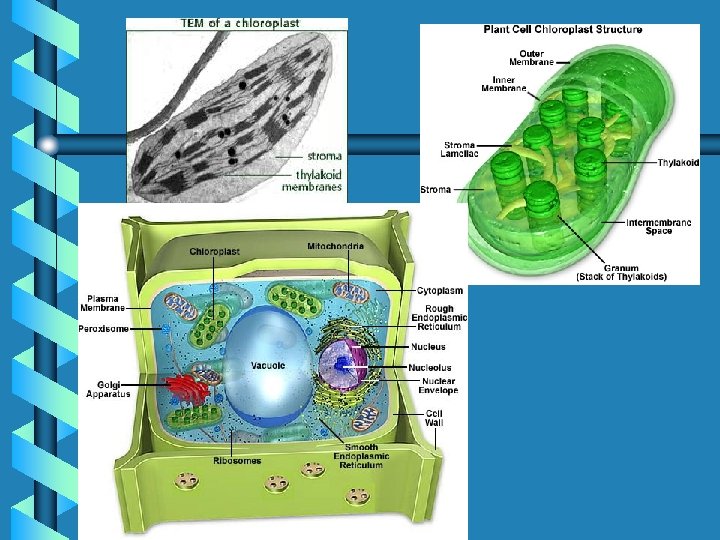
Chloroplasts • Conduct Photosynthesis. • Use light energy and carbon dioxide and water to produce glucose energy aka food. • Found in Plants and Algae.
Structural Organelles
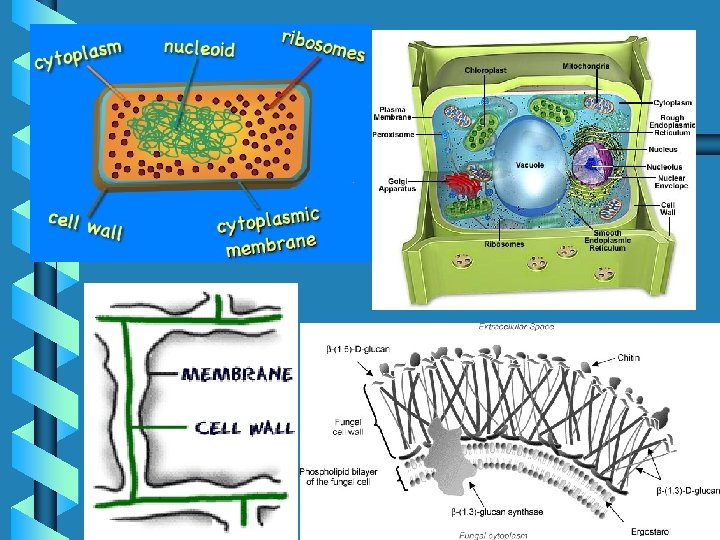
Cell Walls • Strong rigid structure that helps give support and protection to cells. • Made of cellulose in plants and some algae. • Made of chitin in fungi • Made of other chemicals in bacteria.
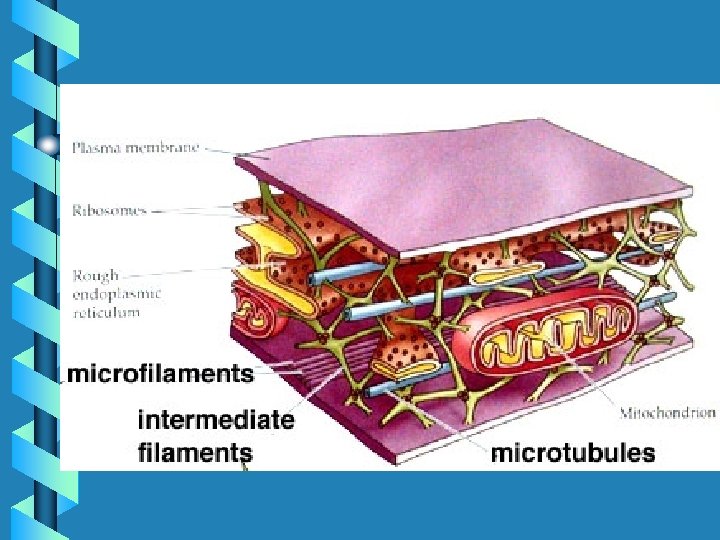
Cytoskeleton and Microtubules • An internal system of fibers and tubes that provide structure, support and help in movement of the cell.
- Slides: 26