
Cell Organelles HOW DOES A CELL DO ITS
- Slides: 13
Cell Organelles HOW DOES A CELL DO ITS JOB?
What jobs do cells do? Some examples: Making proteins, like keratin (hair follicles) Sending signals (nerve cells) Turning sunlight into glucose (leaf cells) Contracting for movement (muscle cells
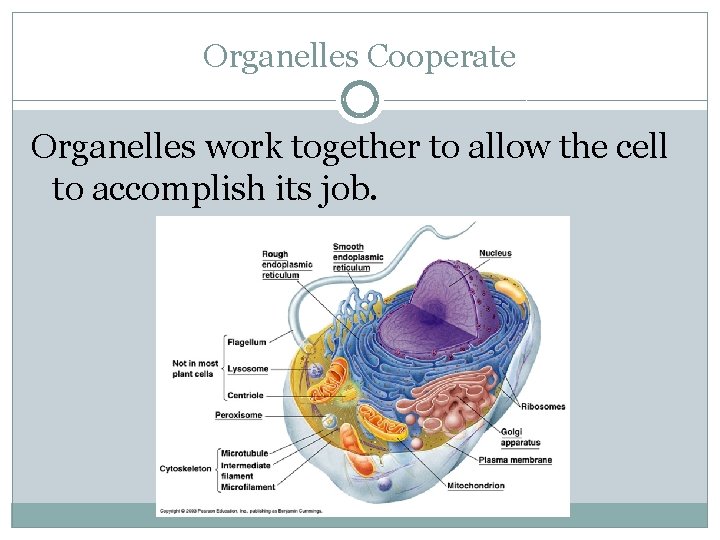
Organelles Cooperate Organelles work together to allow the cell to accomplish its job.
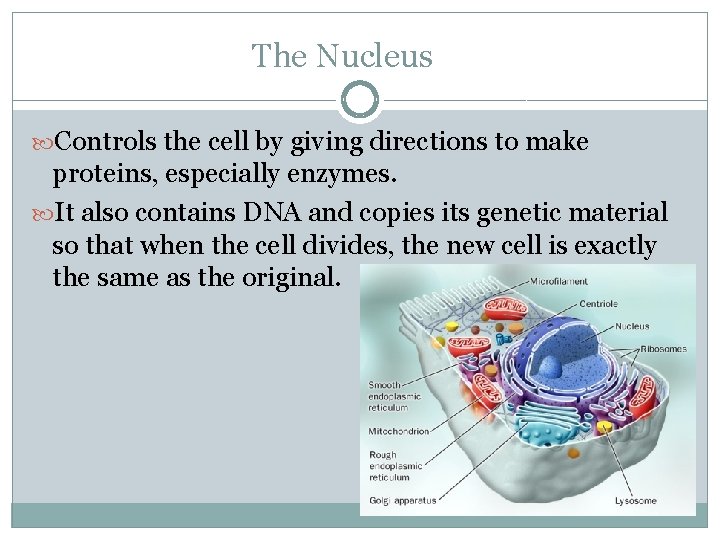
The Nucleus Controls the cell by giving directions to make proteins, especially enzymes. It also contains DNA and copies its genetic material so that when the cell divides, the new cell is exactly the same as the original.
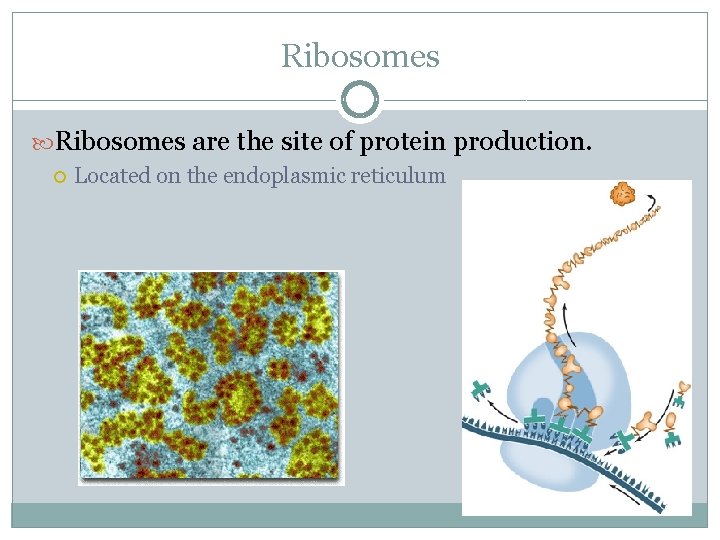
Ribosomes are the site of protein production. Located on the endoplasmic reticulum
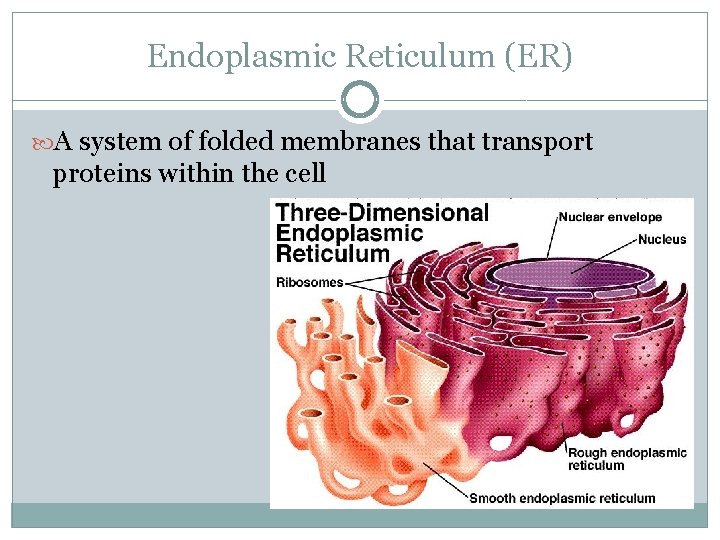
Endoplasmic Reticulum (ER) A system of folded membranes that transport proteins within the cell
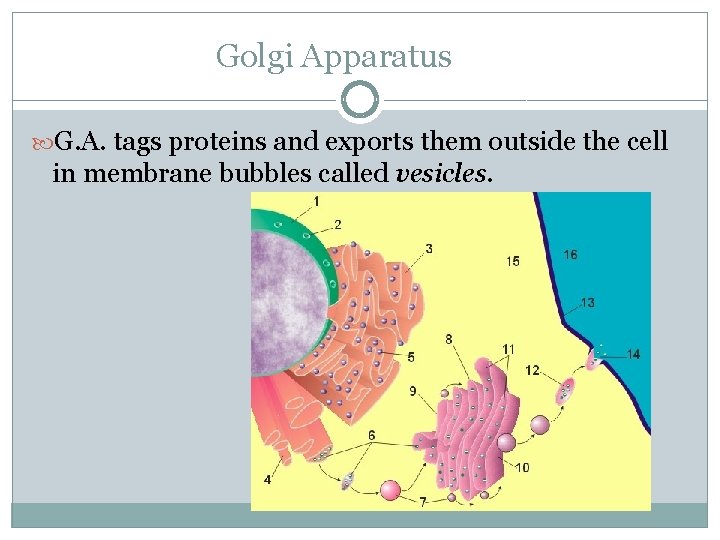
Golgi Apparatus G. A. tags proteins and exports them outside the cell in membrane bubbles called vesicles.
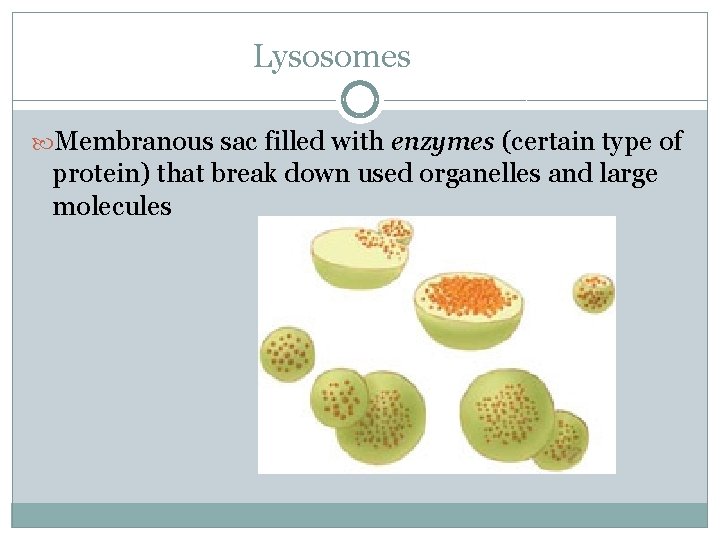
Lysosomes Membranous sac filled with enzymes (certain type of protein) that break down used organelles and large molecules
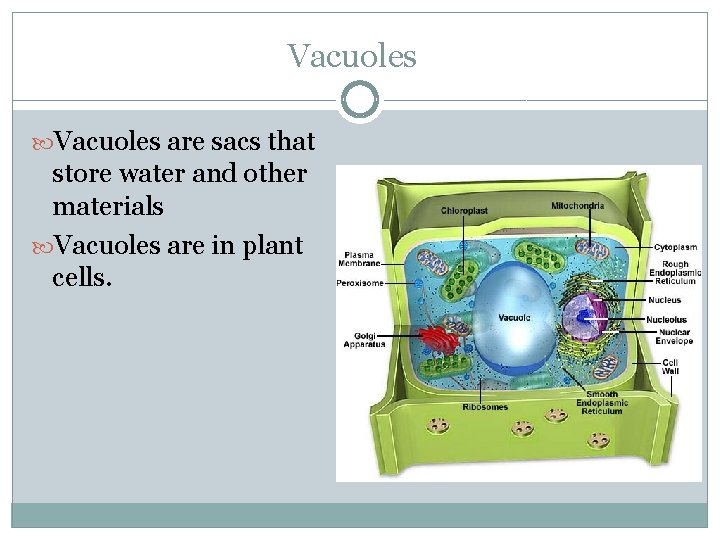
Vacuoles are sacs that store water and other materials Vacuoles are in plant cells.
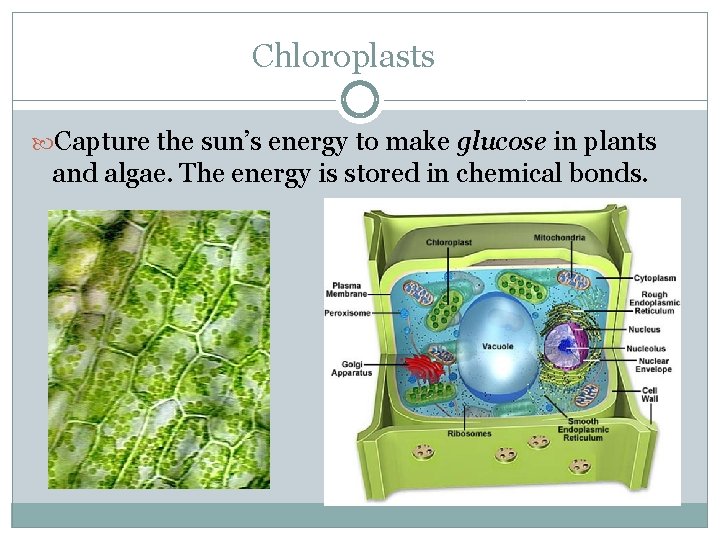
Chloroplasts Capture the sun’s energy to make glucose in plants and algae. The energy is stored in chemical bonds.
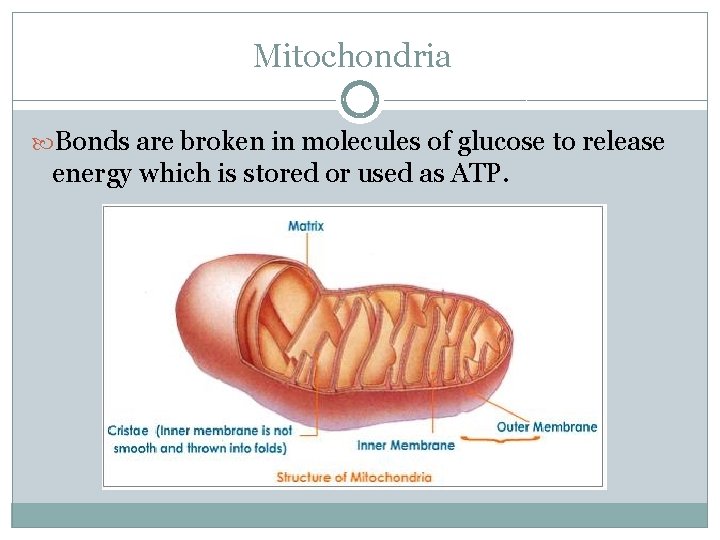
Mitochondria Bonds are broken in molecules of glucose to release energy which is stored or used as ATP.
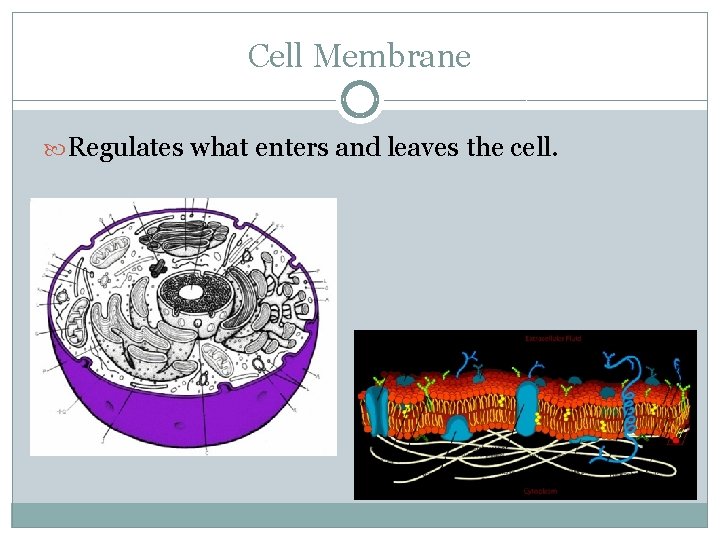
Cell Membrane Regulates what enters and leaves the cell.
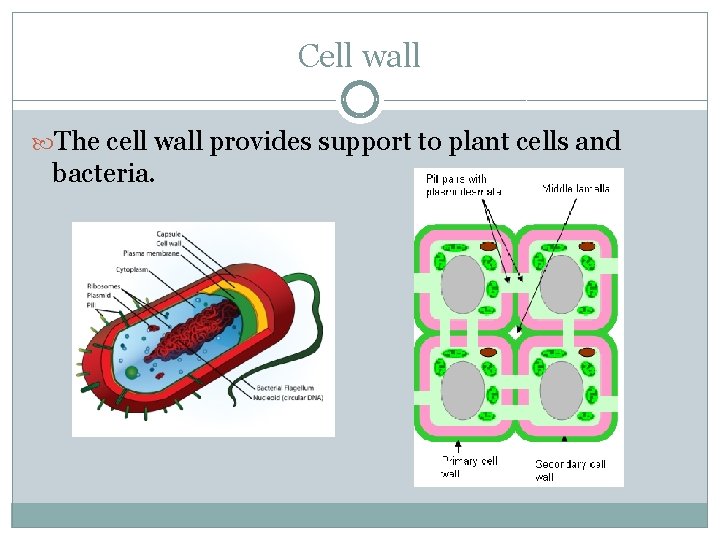
Cell wall The cell wall provides support to plant cells and bacteria.