
Cell organanization levels that cells of similar structures
- Slides: 34
Cell organanization levels… • that cells of similar structures are organised into tissues • that several tissues may make up an organ • that organs are organised into systems • to explain the significance of division of labour
Multicellular Organisms • Have many different cells • Different cells perform different functions • Examples – Plants – Humans
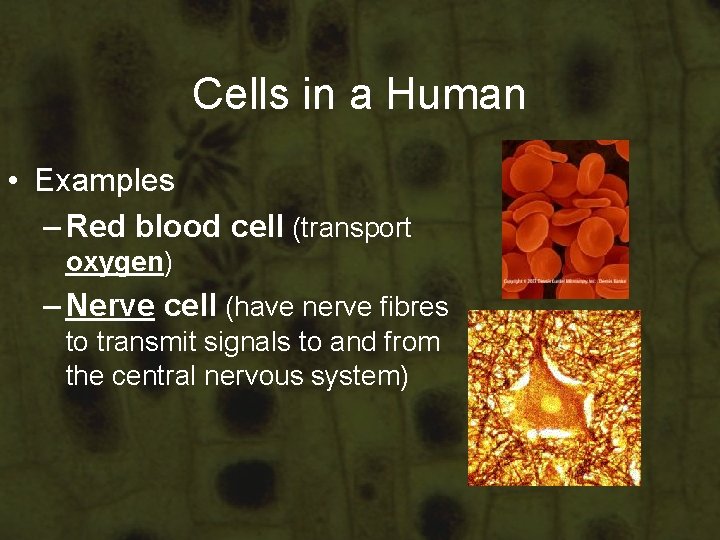
Cells in a Human • Examples – Red blood cell (transport oxygen) – Nerve cell (have nerve fibres to transmit signals to and from the central nervous system)
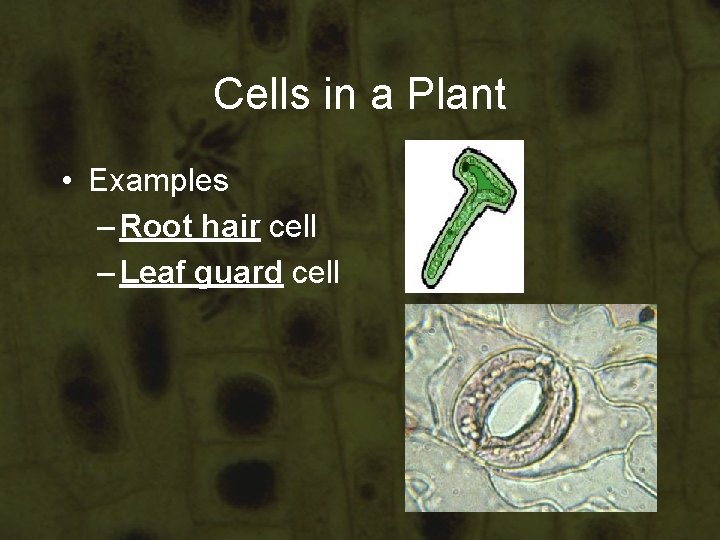
Cells in a Plant • Examples – Root hair cell – Leaf guard cell
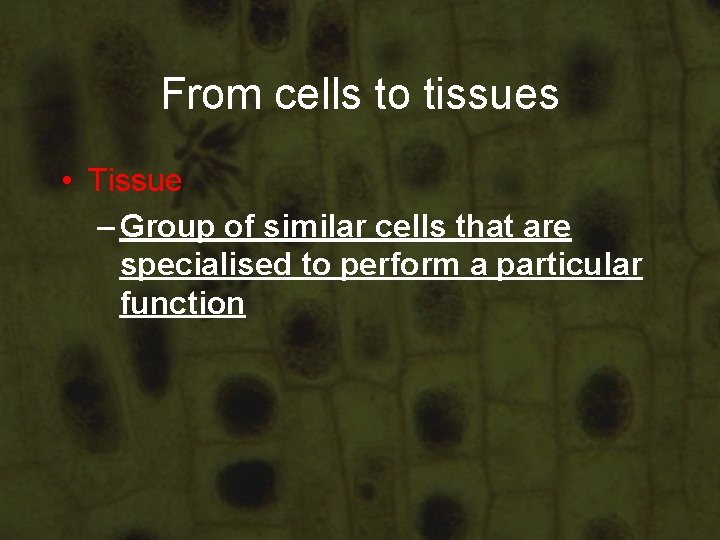
From cells to tissues • Tissue – Group of similar cells that are specialised to perform a particular function
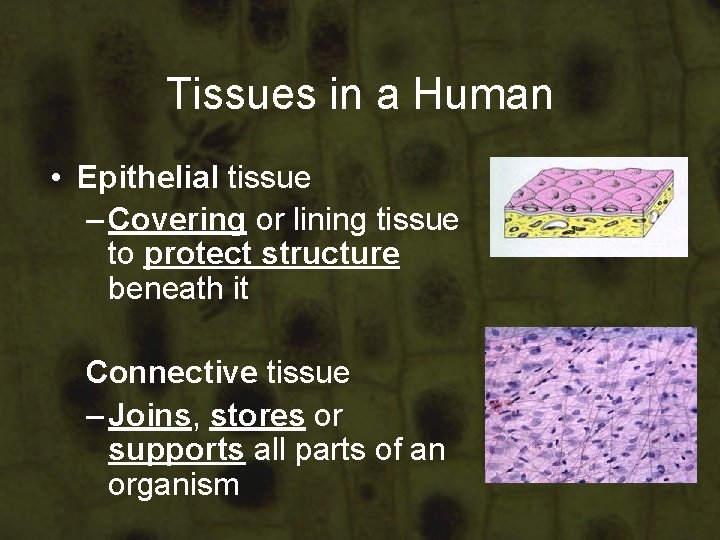
Tissues in a Human • Epithelial tissue – Covering or lining tissue to protect structure beneath it Connective tissue – Joins, stores or supports all parts of an organism
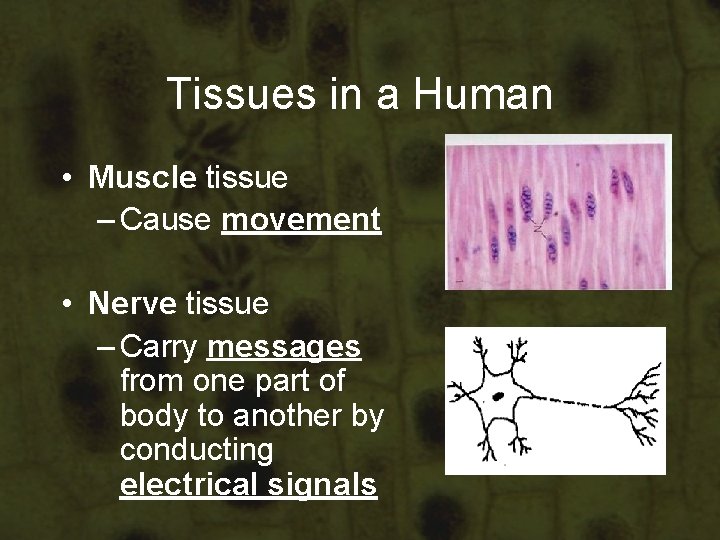
Tissues in a Human • Muscle tissue – Cause movement • Nerve tissue – Carry messages from one part of body to another by conducting electrical signals
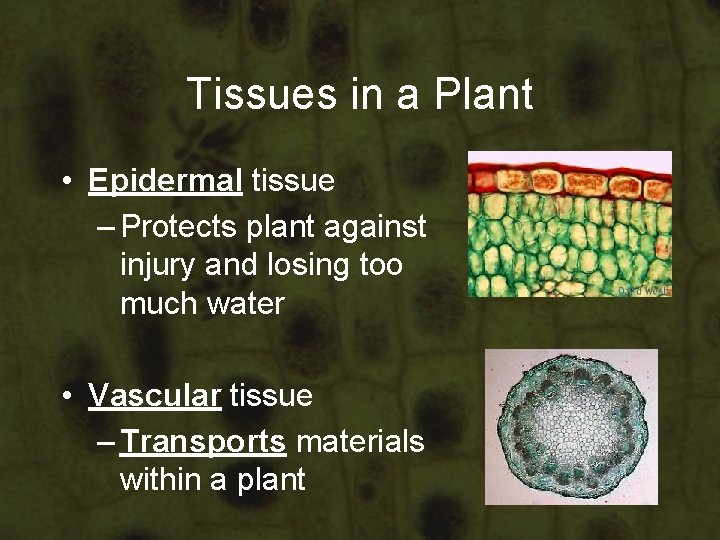
Tissues in a Plant • Epidermal tissue – Protects plant against injury and losing too much water • Vascular tissue – Transports materials within a plant
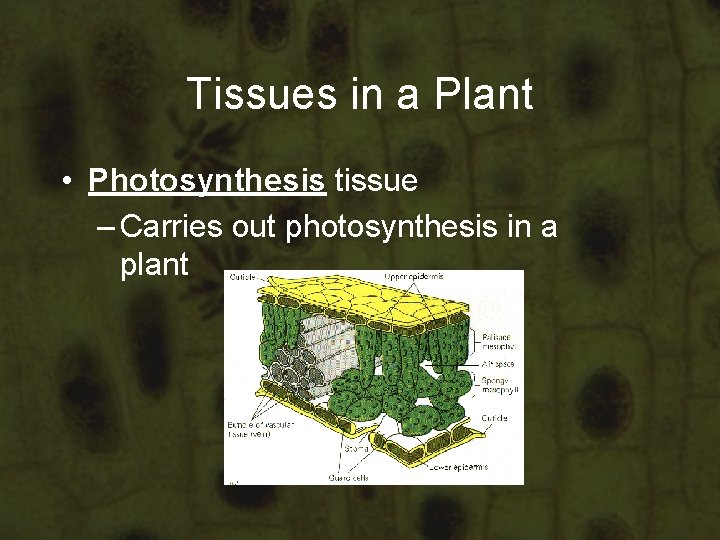
Tissues in a Plant • Photosynthesis tissue – Carries out photosynthesis in a plant
From Tissues to Organs • Organ – Group of specialised tissues that are gathered in a certain part of the body to perform a particular function together
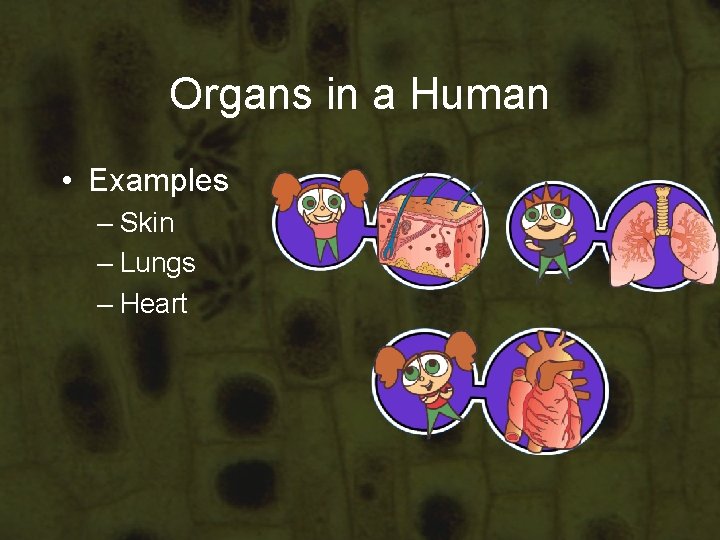
Organs in a Human • Examples – Skin – Lungs – Heart
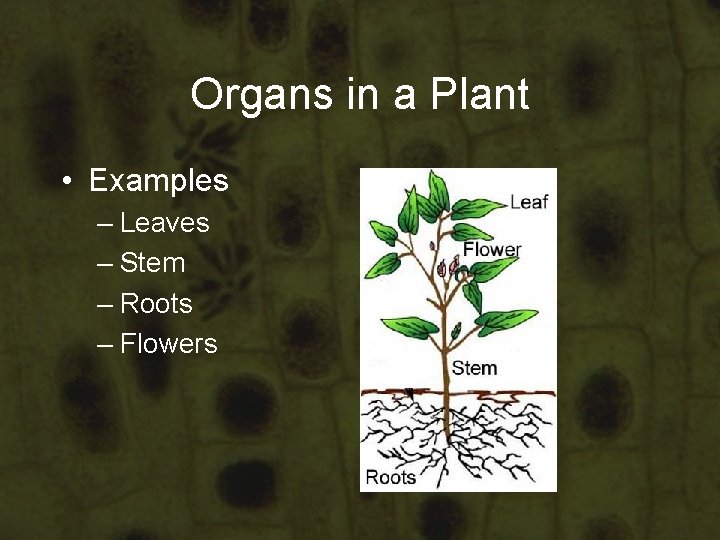
Organs in a Plant • Examples – Leaves – Stem – Roots – Flowers
From Organs to Systems • System – Different organs working together to perform a major function in an organism
Main Organ Systems in a Human • • • Respiratory system Digestive system Blood circulatory system Skeletal system Muscular system
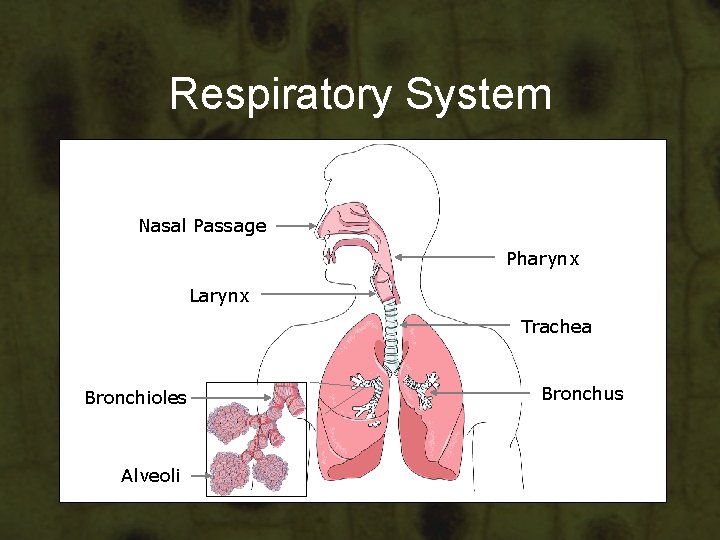
Respiratory System Nasal Passage Pharynx Larynx Trachea Bronchioles Alveoli Bronchus
Respiratory System • Respiration – Process in which cells release energy from the food we eat – Oxygen is required – Carbon dioxide is removed
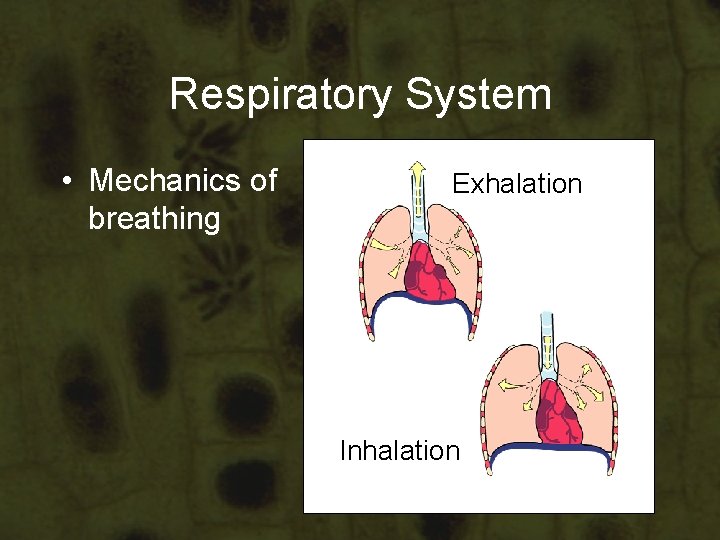
Respiratory System • Mechanics of breathing Exhalation Inhalation
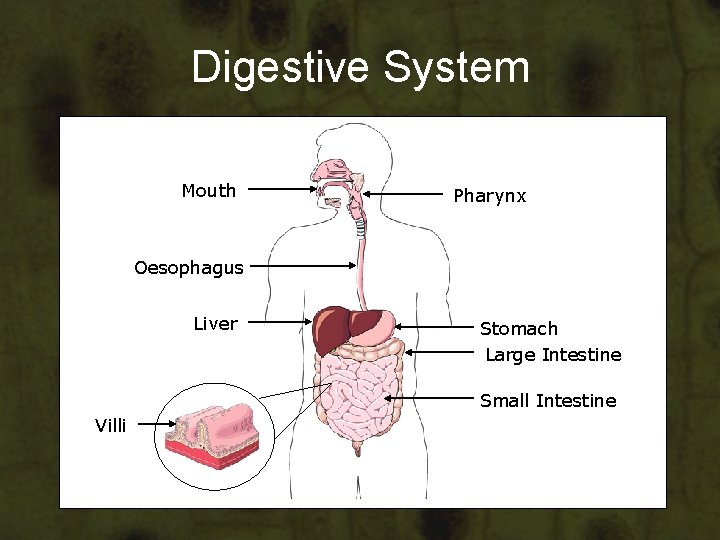
Digestive System Mouth Pharynx Oesophagus Liver Stomach Large Intestine Small Intestine Villi
Digestive System • Digestion – Process in which large, insoluble food substances are broken down into smaller, soluble food substances for absorption into blood
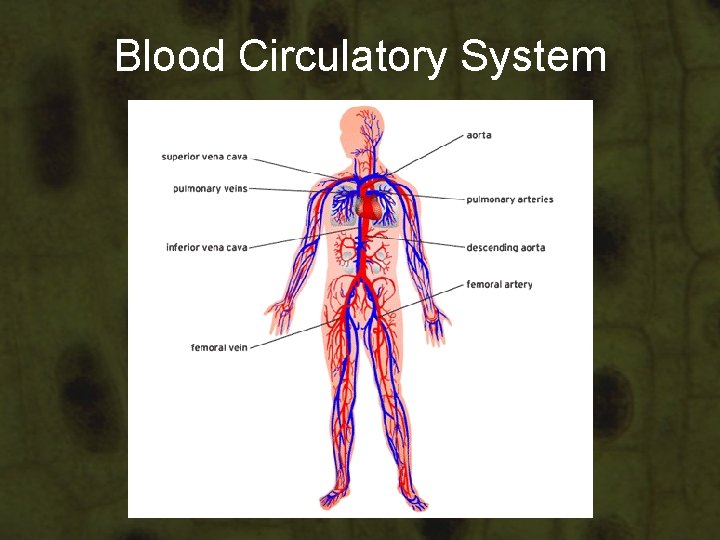
Blood Circulatory System
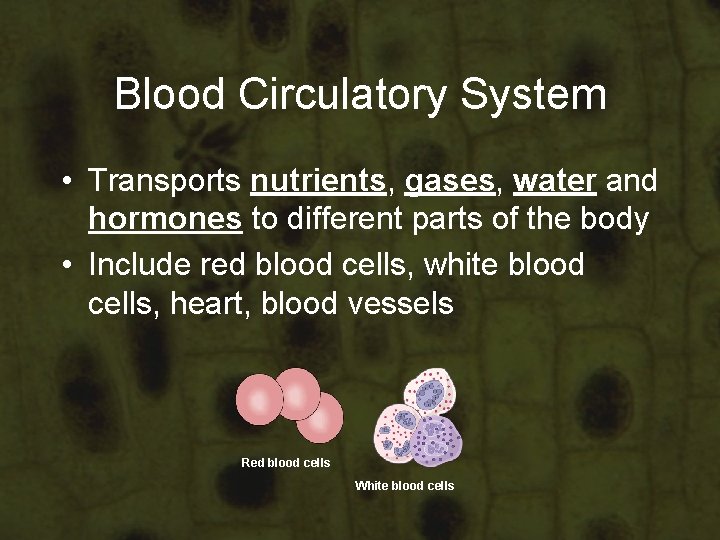
Blood Circulatory System • Transports nutrients, gases, water and hormones to different parts of the body • Include red blood cells, white blood cells, heart, blood vessels Red blood cells White blood cells
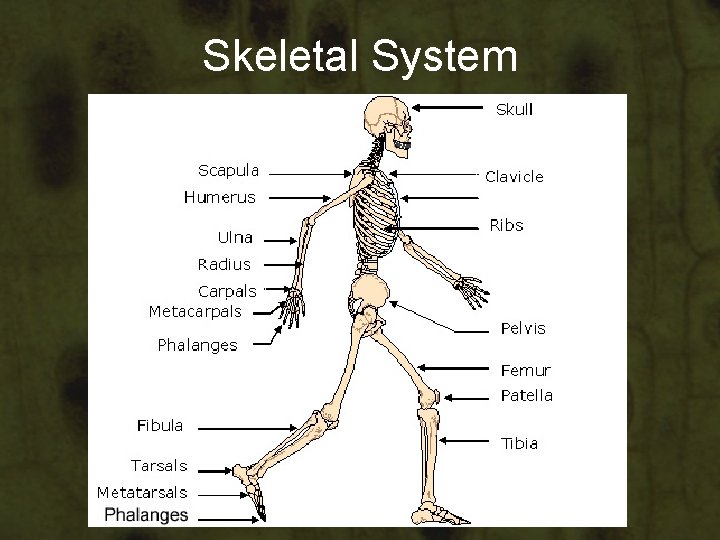
Skeletal System
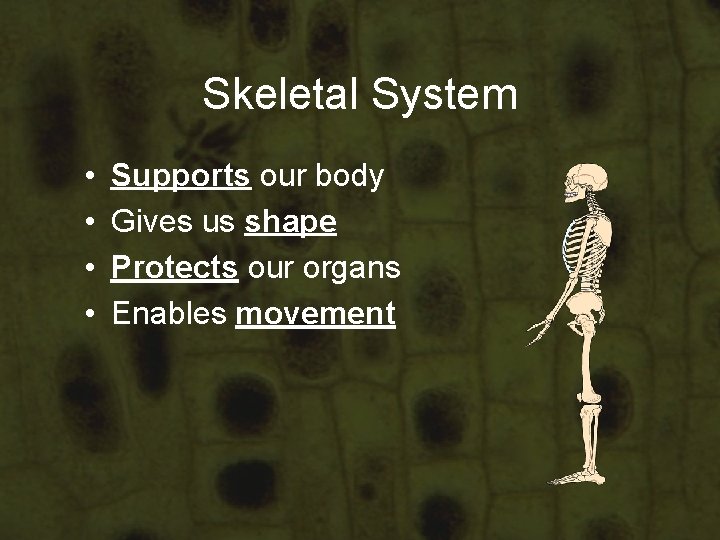
Skeletal System • • Supports our body Gives us shape Protects our organs Enables movement
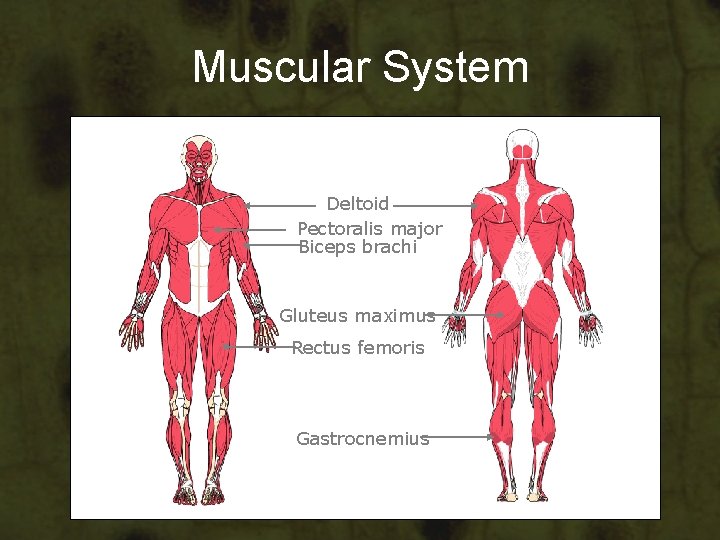
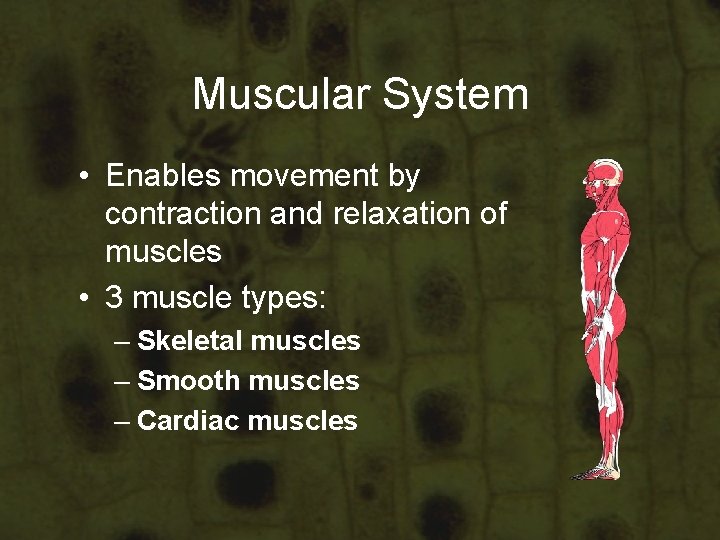
Muscular System Deltoid Pectoralis major Biceps brachi Gluteus maximus Rectus femoris Gastrocnemius
Muscular System • Enables movement by contraction and relaxation of muscles • 3 muscle types: – Skeletal muscles – Smooth muscles – Cardiac muscles
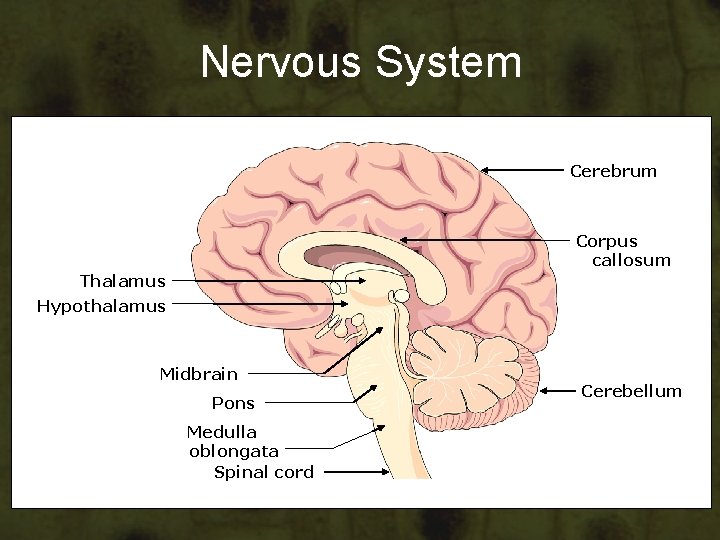
Other systems in Human • Reproductive System - Produces sex cells (sperm, ovum) - For reproduction • Nervous System - Consists of the brain, spinal cord and nerves found throughout our body - Controls and coordinates functions throughout our body - Enables us to respond to changes around us
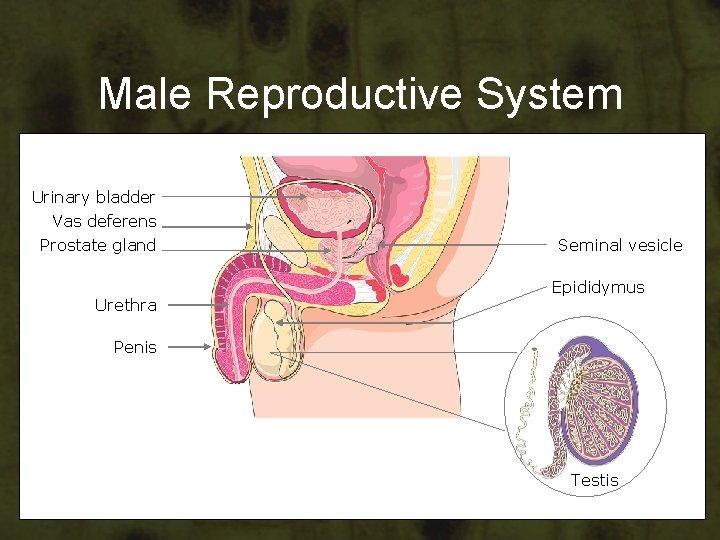
Male Reproductive System Urinary bladder Vas deferens Prostate gland Urethra Seminal vesicle Epididymus Penis Testis
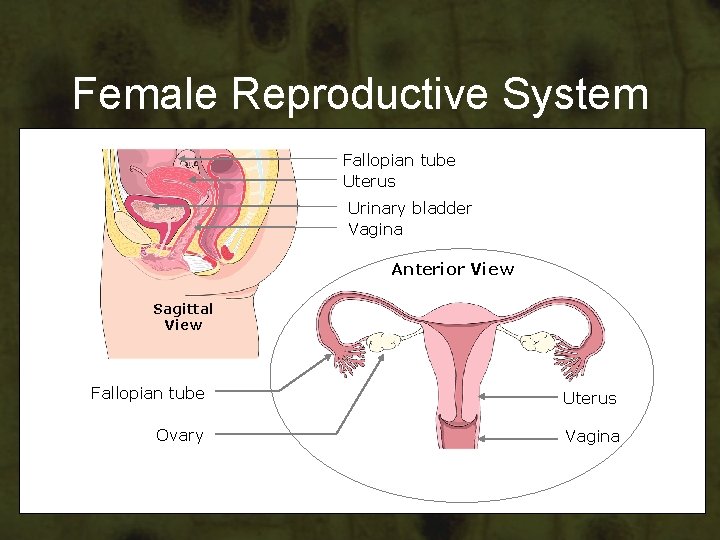
Female Reproductive System Fallopian tube Uterus Urinary bladder Vagina Anterior View Sagittal View Fallopian tube Uterus Ovary Vagina
Nervous System Cerebrum Corpus callosum Thalamus Hypothalamus Midbrain Pons Medulla oblongata Spinal cord Cerebellum
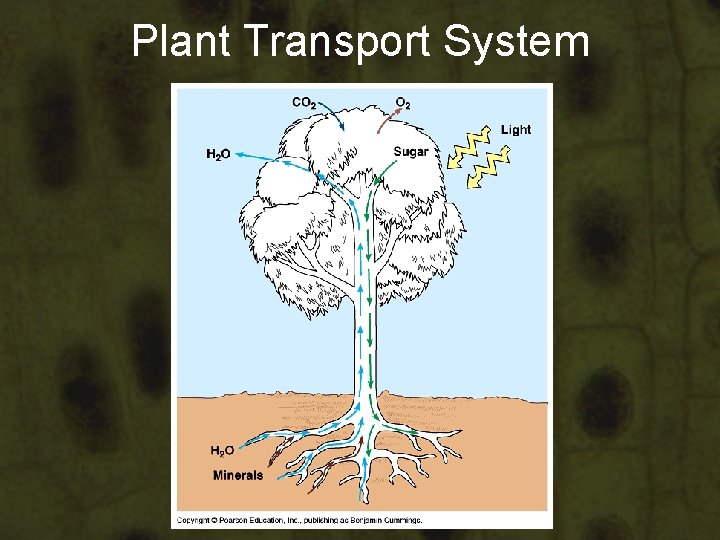
Plant Transport System
From Systems to Organisms • Organism – Made up of different systems working effectively in a coordinated manner
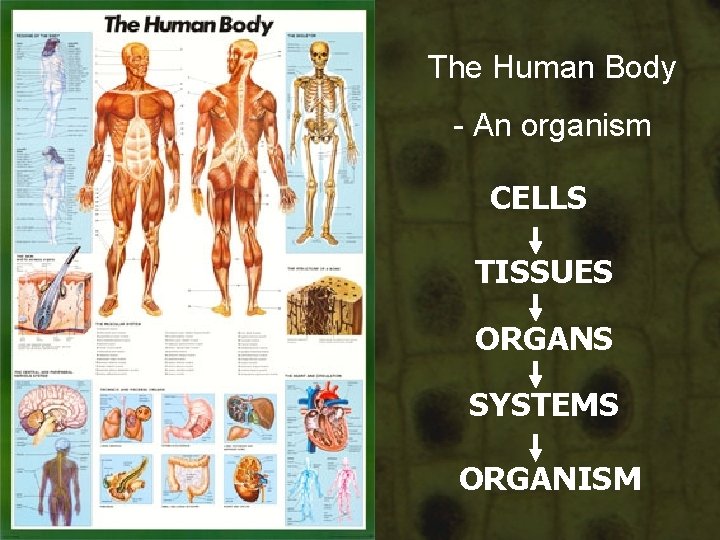
The Human Body - An organism CELLS TISSUES ORGANS SYSTEMS ORGANISM
Division of Labour • Each cell in a multicellular organism does not perform all the bodily functions. • Each type of cell specialises in performing one particular function. • Different functions in a multicellular organism can be performed at the same time by division of labour.
Division of Labour • Division of labour – Sharing different functions in an organism among its cells, tissues, organs and systems – Ensures smooth running and effective working of the different parts in an organisms as well as the organism as a whole