
Cell Membrane Transport What goes in What goes
Cell Membrane: Transport What goes in? What goes out?
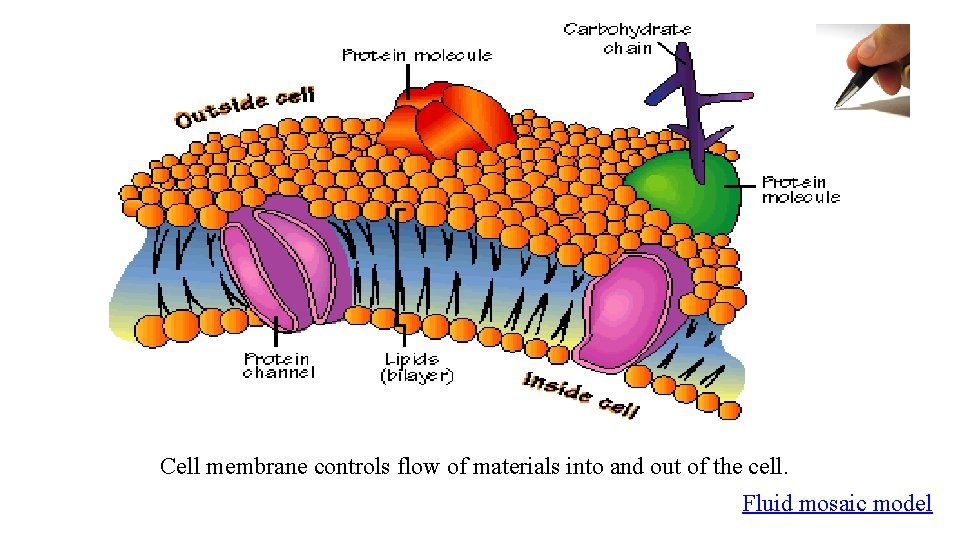
Cell membrane controls flow of materials into and out of the cell. Fluid mosaic model
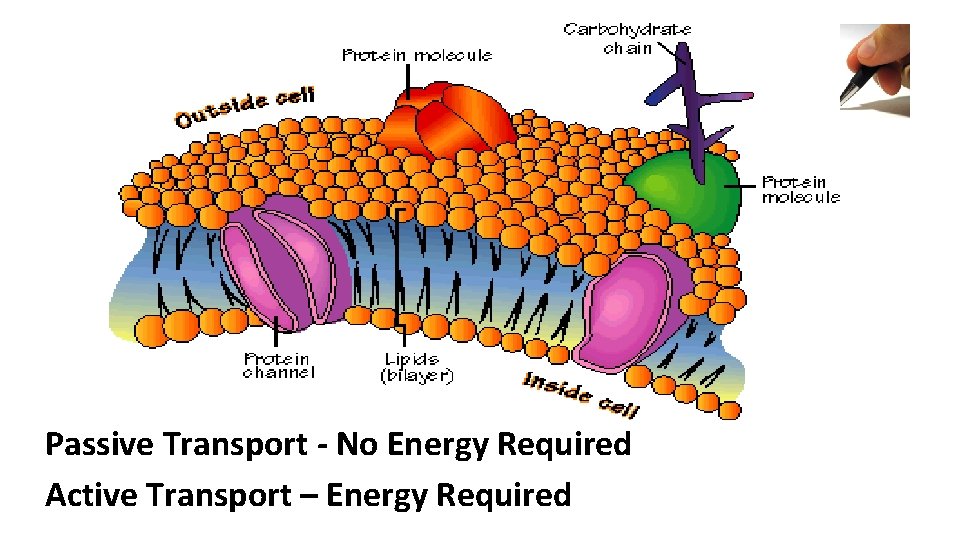
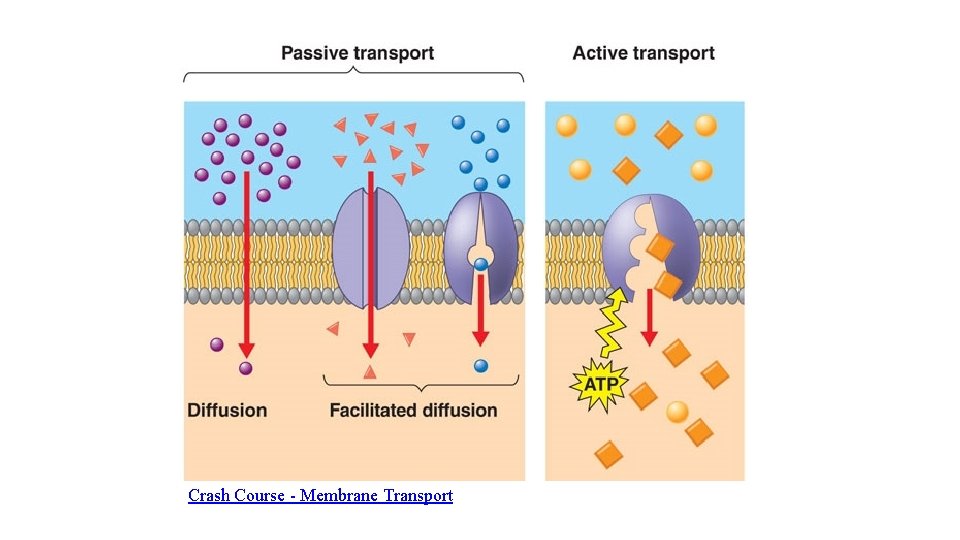
Passive Transport - No Energy Required Active Transport – Energy Required
PASSIVE TRANSPORT 1. Diffusion 2. Facilitated Diffusion 3. Osmosis
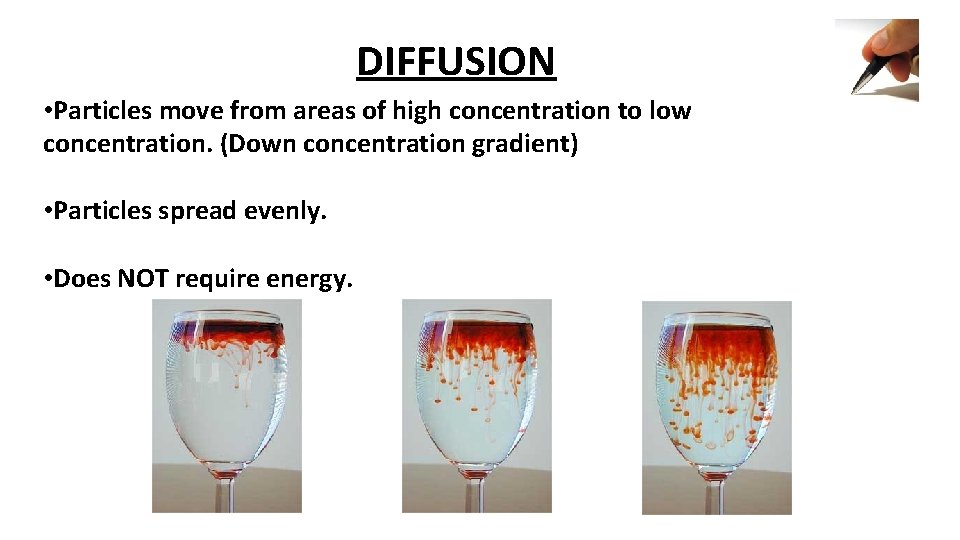
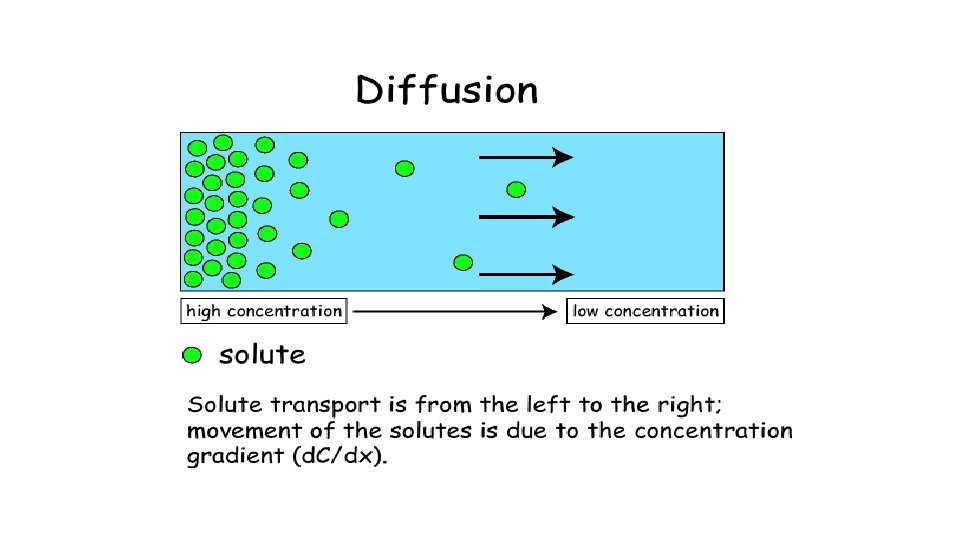
DIFFUSION • Particles move from areas of high concentration to low concentration. (Down concentration gradient) • Particles spread evenly. • Does NOT require energy.
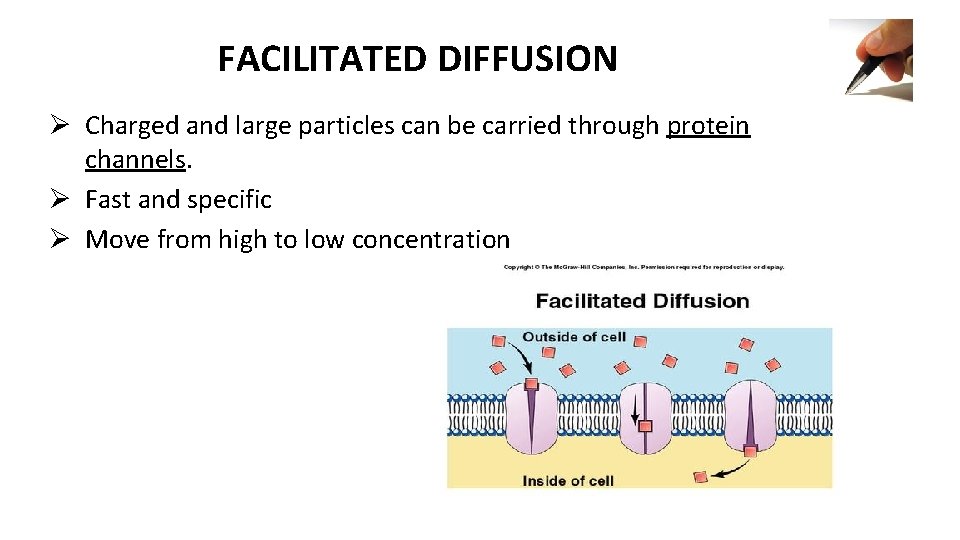
FACILITATED DIFFUSION Ø Charged and large particles can be carried through protein channels. Ø Fast and specific Ø Move from high to low concentration
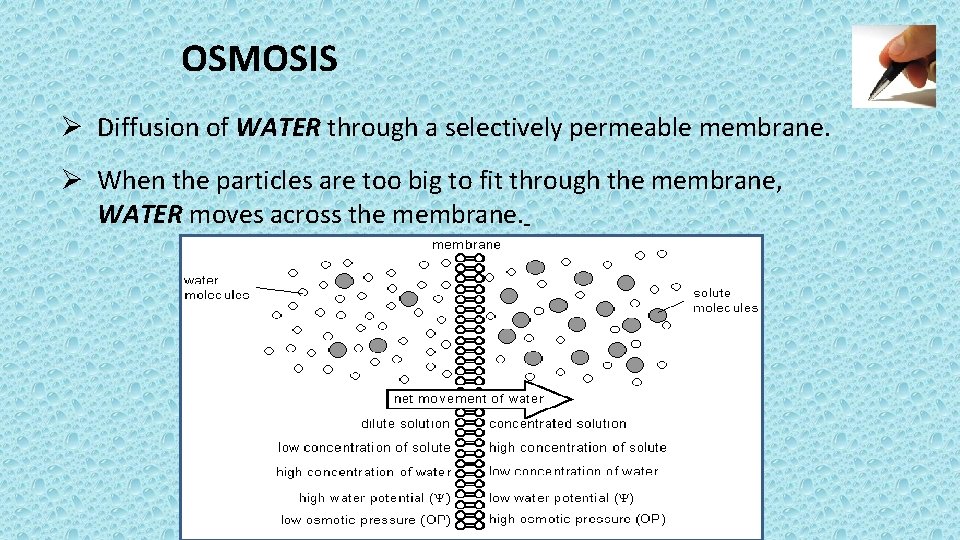
OSMOSIS Ø Diffusion of WATER through a selectively permeable membrane. Ø When the particles are too big to fit through the membrane, WATER moves across the membrane.
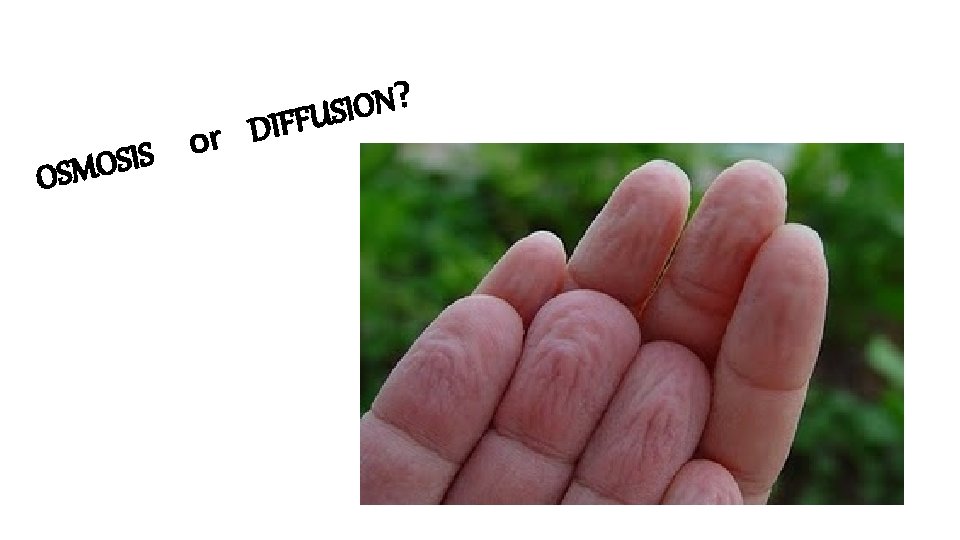
r o S I S O OSM ? N O I S DIFFU
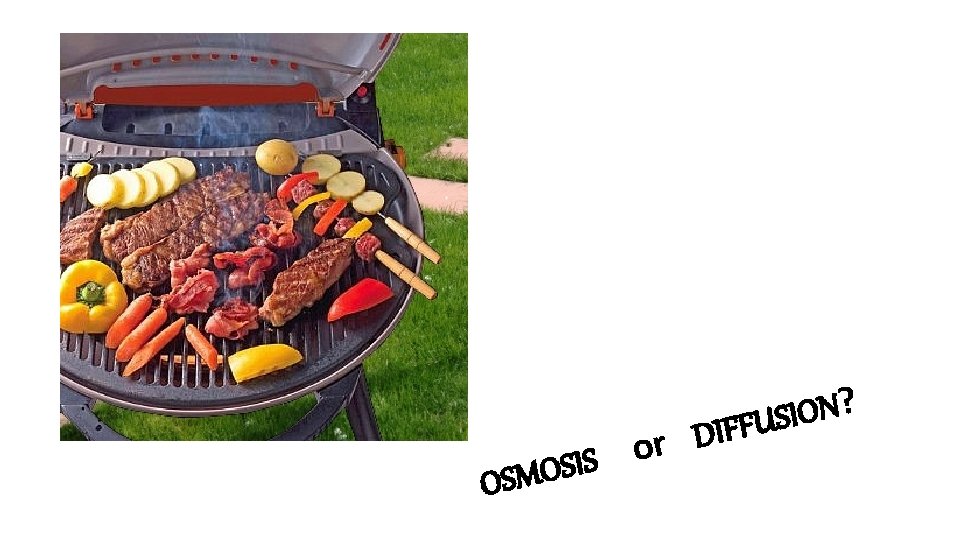
D r o S I S O M S O ? N O I IFFUS
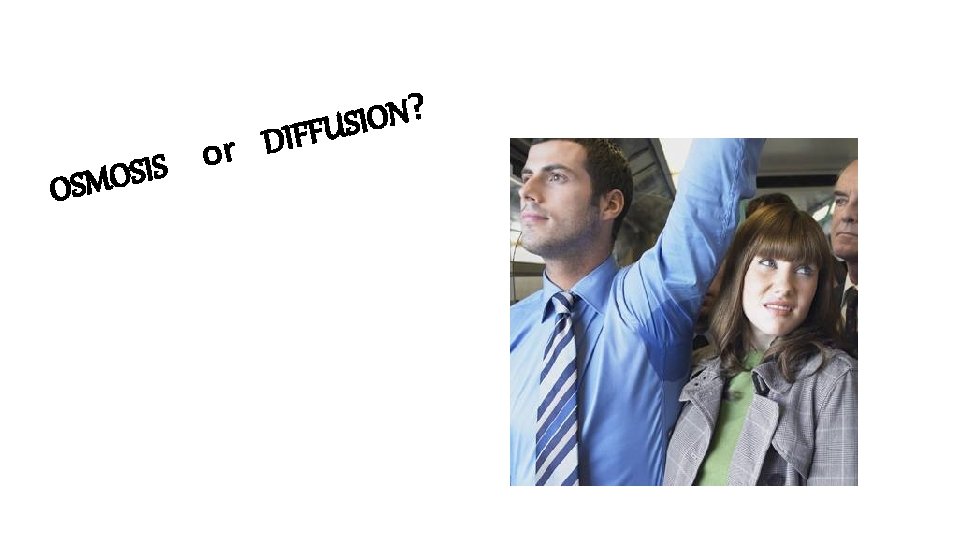
r o S I S O OSM ? N O I S DIFFU
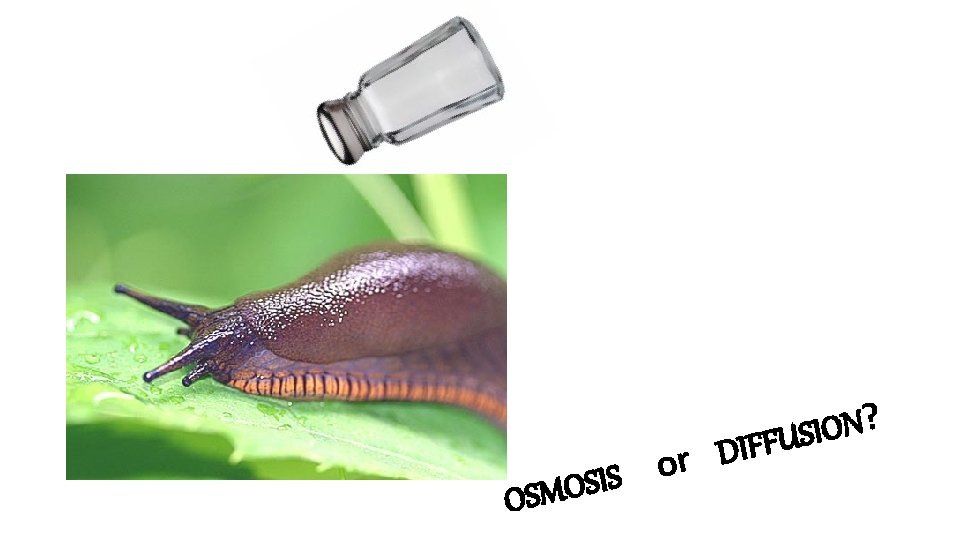
D r o S I S O OSM ? N O I IFFUS
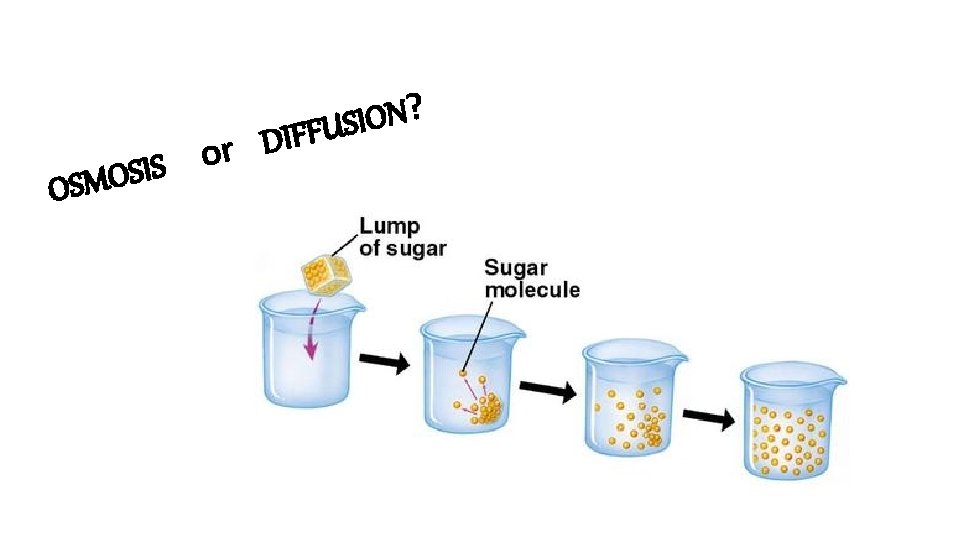
r o S I S O OSM ? N O I S DIFFU
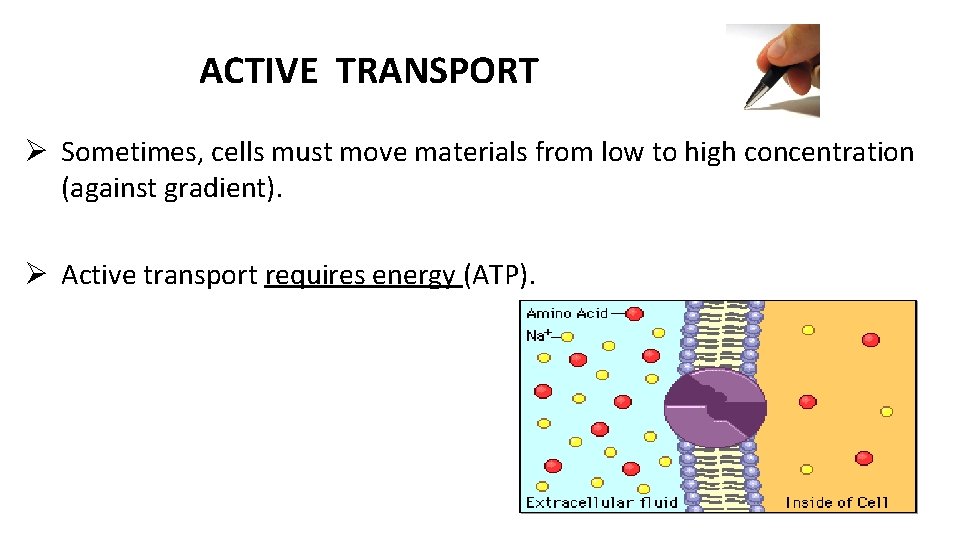
ACTIVE TRANSPORT Ø Sometimes, cells must move materials from low to high concentration (against gradient). Ø Active transport requires energy (ATP).
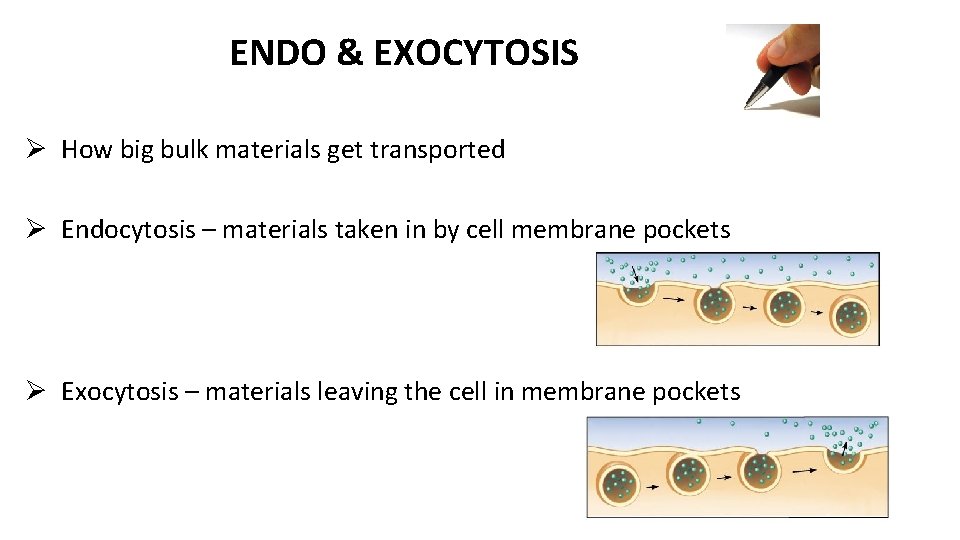
ENDO & EXOCYTOSIS Ø How big bulk materials get transported Ø Endocytosis – materials taken in by cell membrane pockets Ø Exocytosis – materials leaving the cell in membrane pockets
Crash Course - Membrane Transport
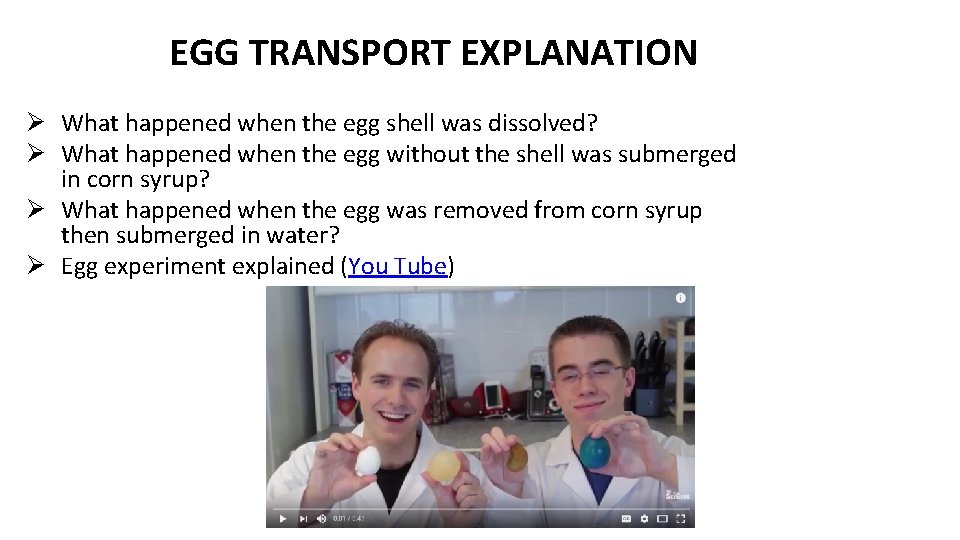
EGG TRANSPORT EXPLANATION Ø What happened when the egg shell was dissolved? Ø What happened when the egg without the shell was submerged in corn syrup? Ø What happened when the egg was removed from corn syrup then submerged in water? Ø Egg experiment explained (You Tube)
DIABETES MADE SIMPLE Ø How diabetes works (You Tube) Ø What type of transport would this be?
- Slides: 18