
Cell Membrane Structure Cell membranes consist of mostly
Cell Membrane
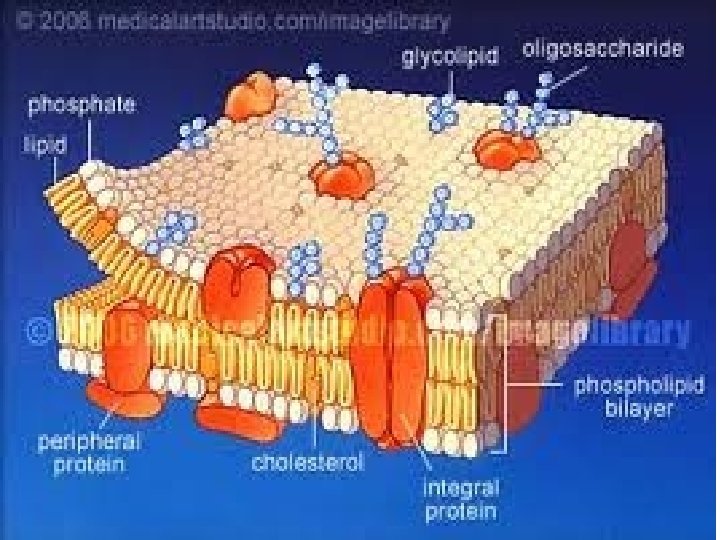
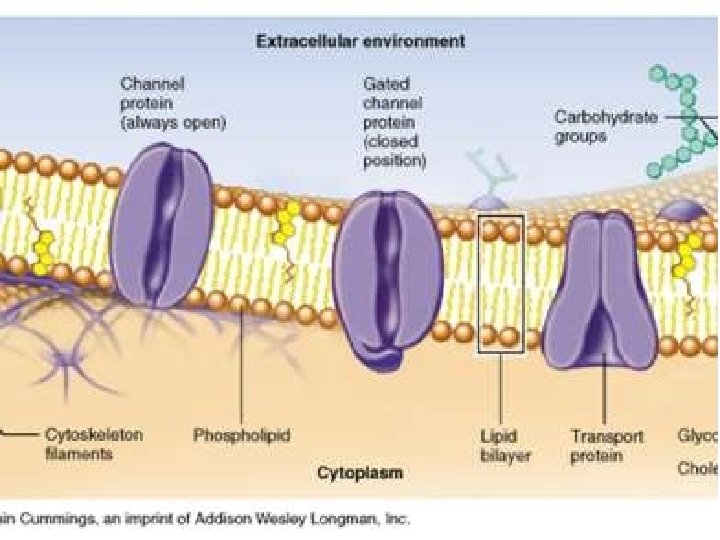
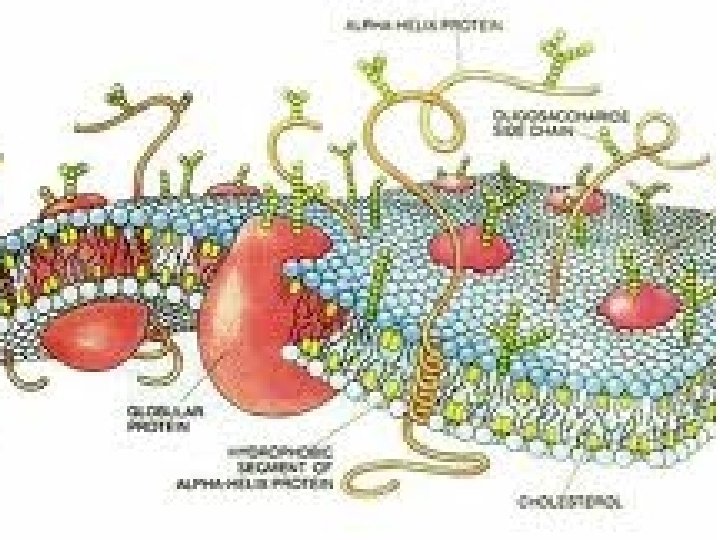
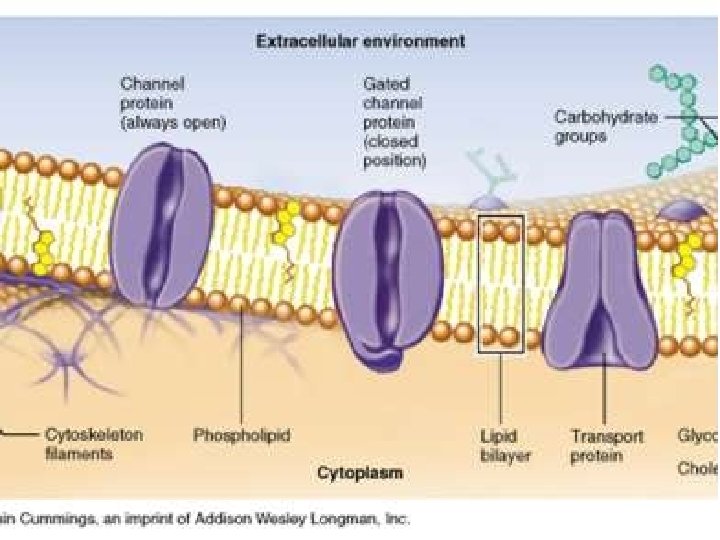
Structure • Cell membranes consist of mostly a phospholipid bilayer (fat). The membrane is fluid, meaning it can change shape and parts can move around the cell membrane. • The ends of the lipids are charged (Hydrophilic) and pointed toward the edge of the membrane (both in and out) • The central region is long fatty acid chains which are non-polar (Hydrophobic) • Cholesterol is used to support and fill gaps within the membrane
• Integrated into the lipid complex are integral proteins used for stability and transport (also called Carrier Proteins) • Two Types – Integrated proteins (transmembrane) go all the way through the membrane (connect the intercellular matrix to the extra-cellular matrix) – Peripheral membrane proteins attach to the outside on the membrane and only partially penetrate the membrane • Carbohydrates are used as receptor sites and recognition sites on the membrane
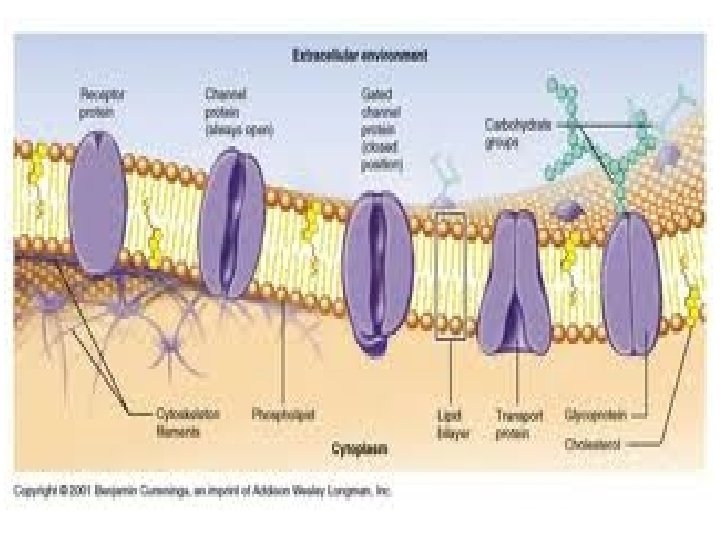
What can pass? • Polar molecules can pass through the polar heads of the phospholipids, but cannot pass the non-polar region. • Non-charged molecules can pass through the fatty acid, non-polar region. Molecules have to be small to pass the polar region. • The main route in or out of the cell is through carrier proteins which form channels (can be opened or closed)
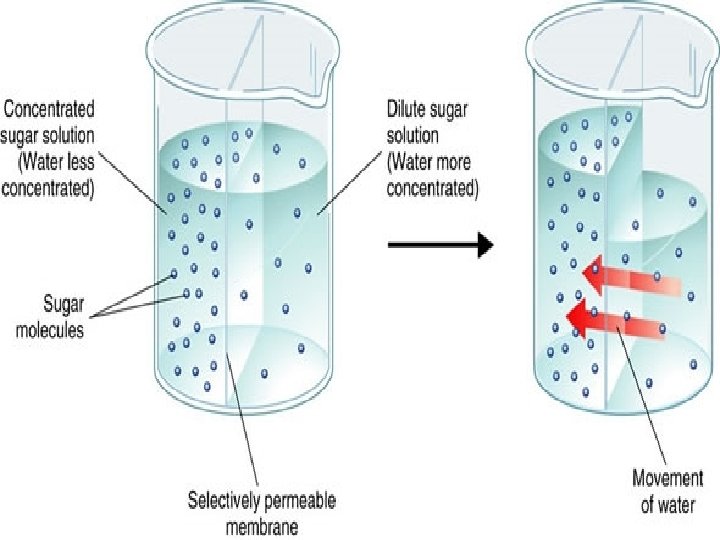
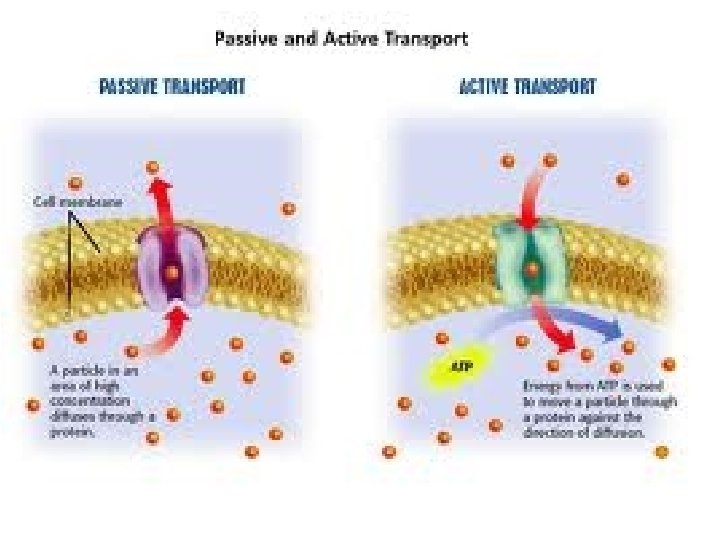
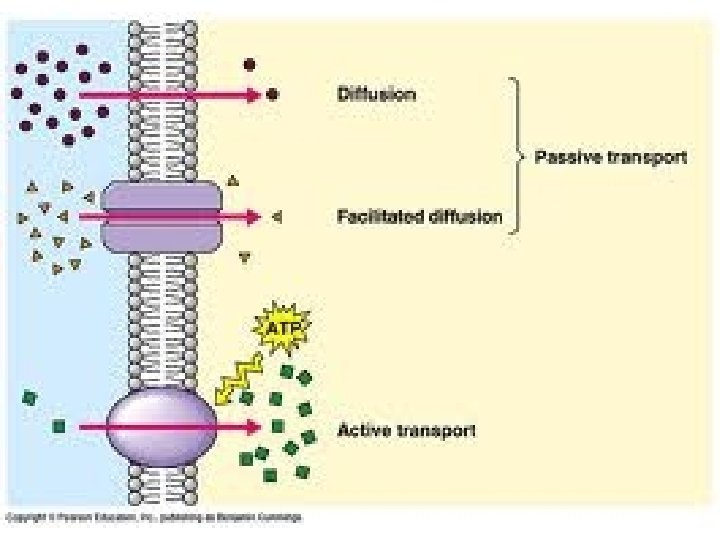
Passive transport • A cell can allow molecules to move freely (without using energy) through channels and pores by the osmotic gradient. • Molecules move from high concentration to low concentration (diffusion). The goal is to reach equilibrium. • This happens naturally, but can go both ways: molecules can move in, in the case of low interior concentration, or can move out of the cell when in high concentrations
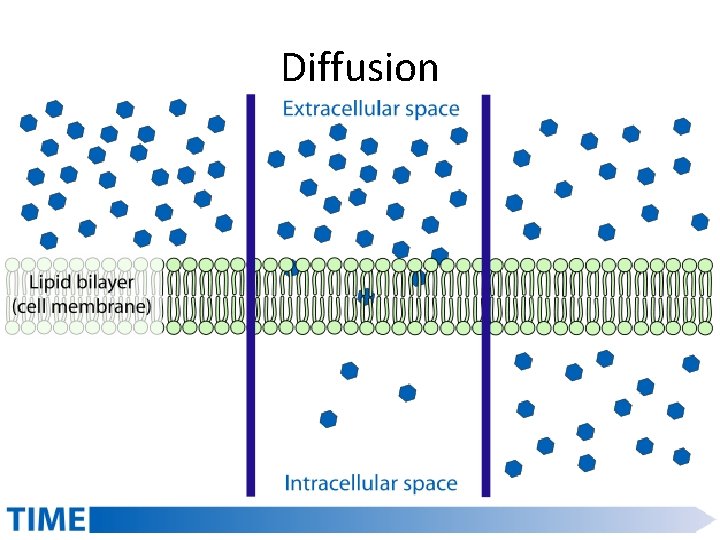
Diffusion

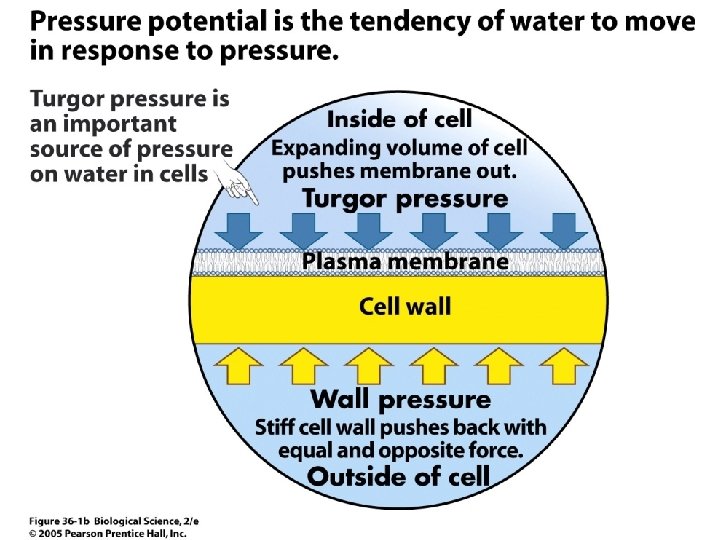
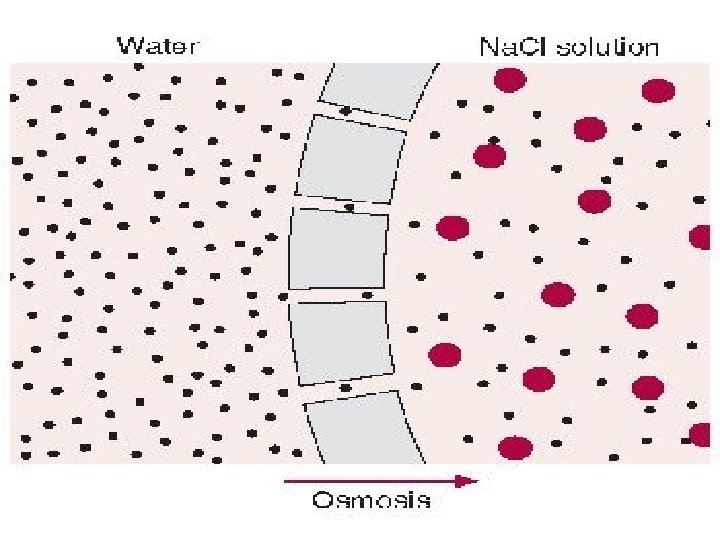
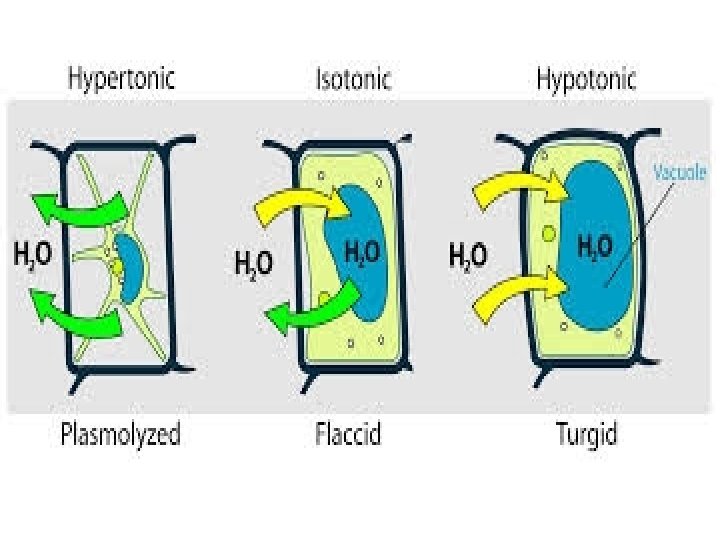
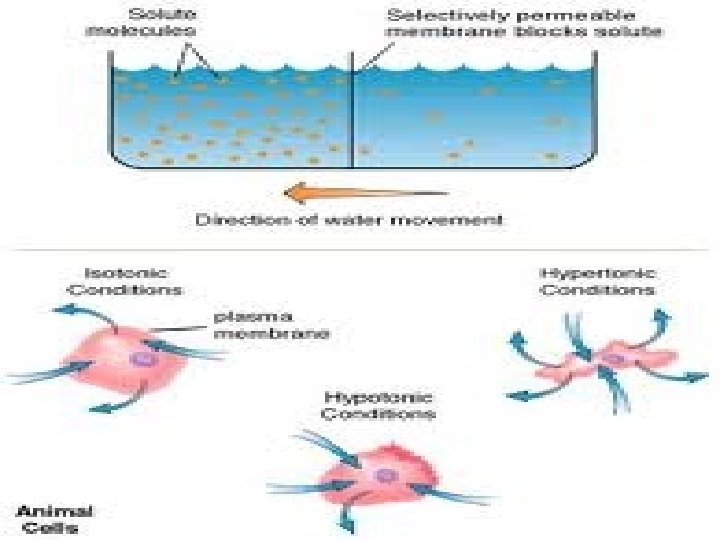
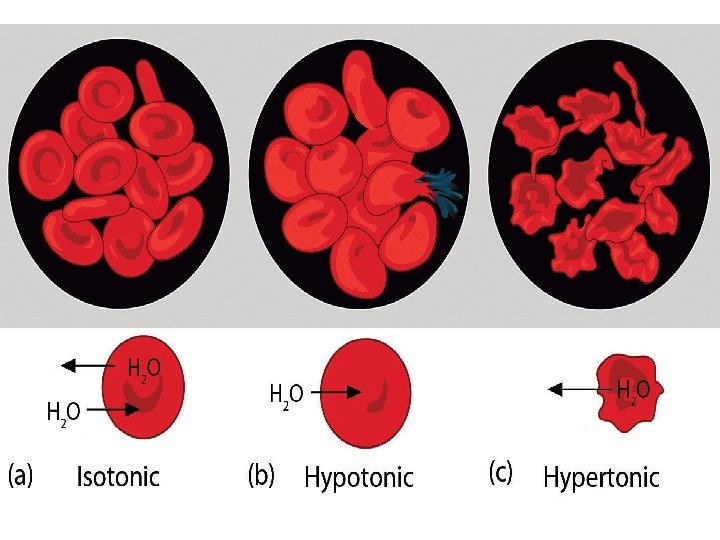
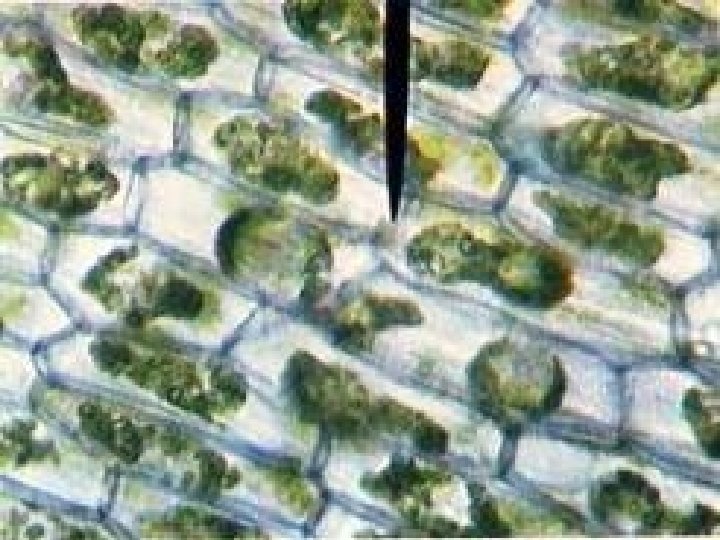
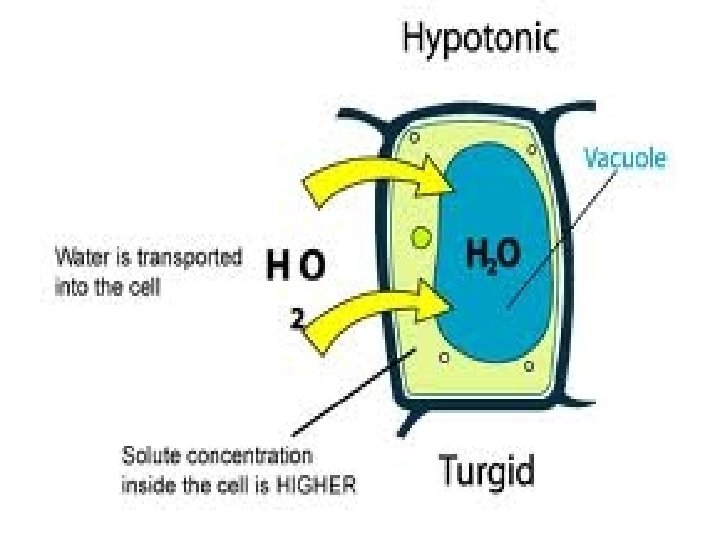
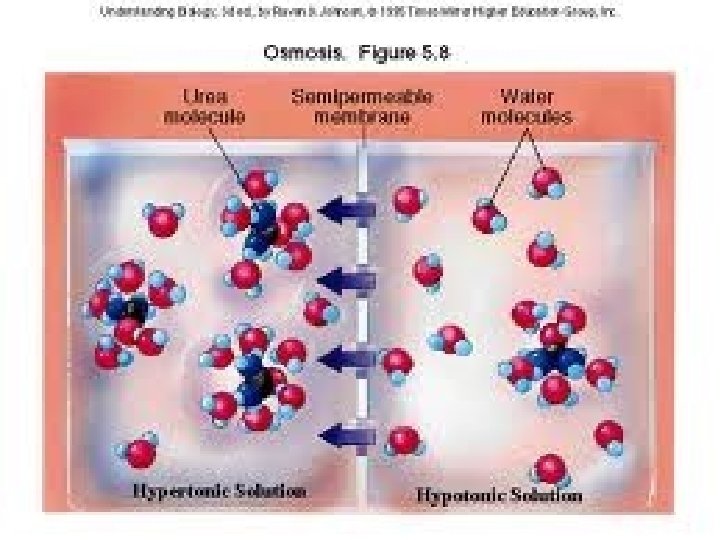
Osmotic Gradients • The diffusion of water across the membrane is known as Osmosis is dependent on the concentration of solutes • 3 types of gradients: – Hypotonic – solute concentration is higher inside of the cell so water flows into the cell (turgor pressure) – Isotonic – both inside and outside concentrations are equal, allowing an even flow in and out – Hypertonic – solute concentration is higher outside the cell causing water to flow out of the cell
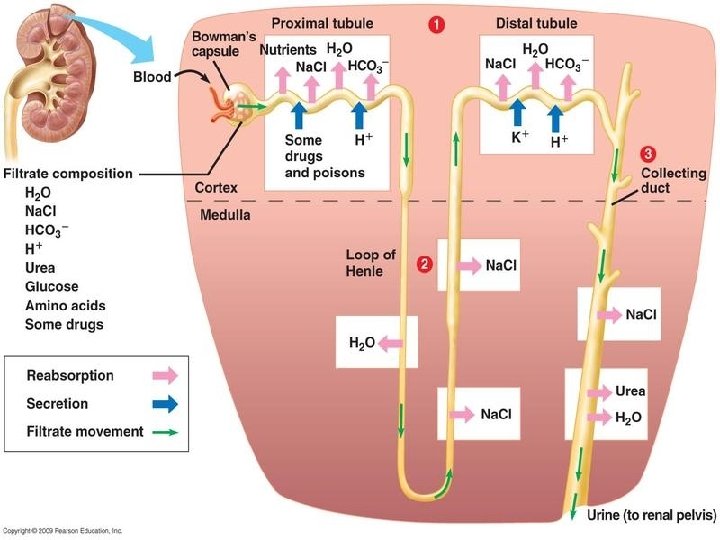
Kidney Function • Salt is filtered out of the ascending loop into the kidney cells. • This creates a concentration gradient between the fluid and kidney cells, causing water to flow out of the collecting duct and descending loop.
Reverse Osmosis • Using salt water and fresh water • A tank of fresh water is placed across a semipermeable membrane from a fresh water tank. What should happen? • To create reverse osmosis you simply need to push enough force to overcome the osmotic force
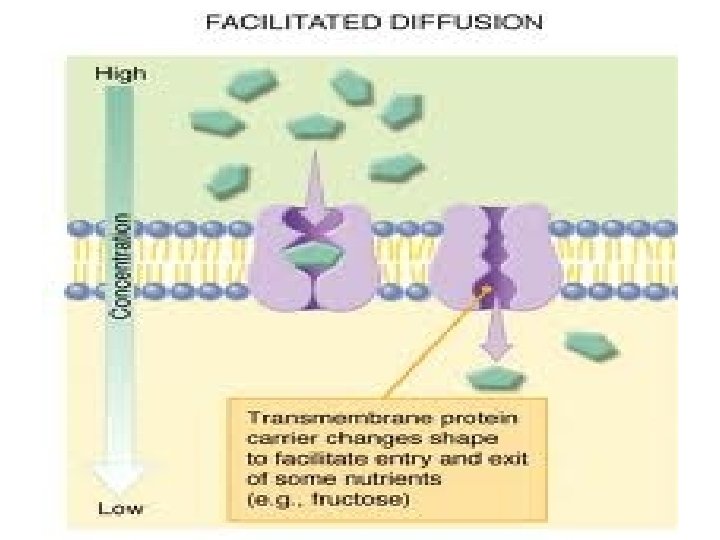
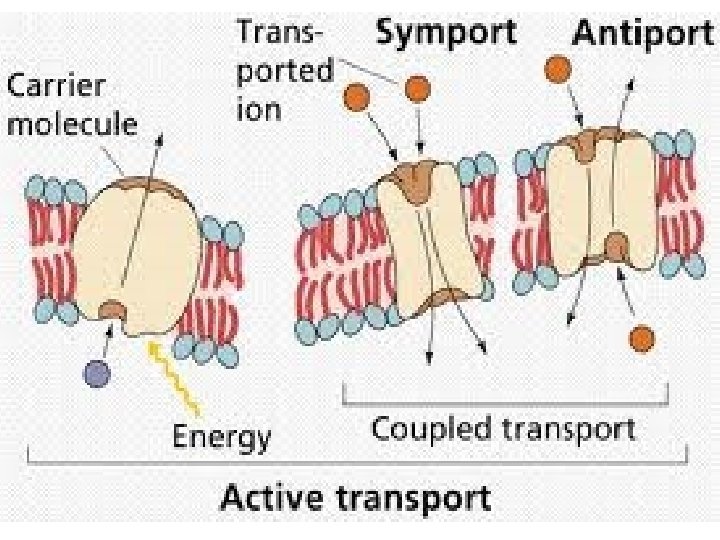
Facilitated Diffusion • Facilitated diffusion is the diffusion of molecules using a protein channel rather than going through the lipid bi-layer. • Molecules still flow from a level of high concentration to low concentration and do not require energy to move. • Combined transport: – Symport: movement of two particles in the same direction (requires both particles to activate) – Antiport: movement of two particles in opposite directions (requires both particles to activate)
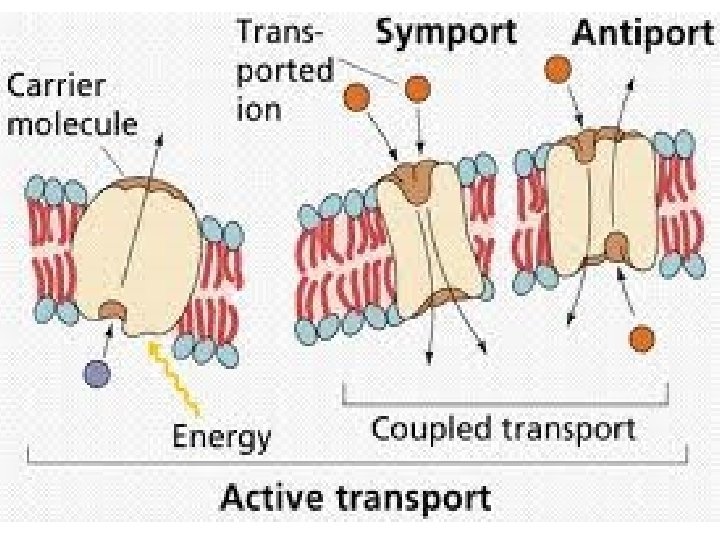
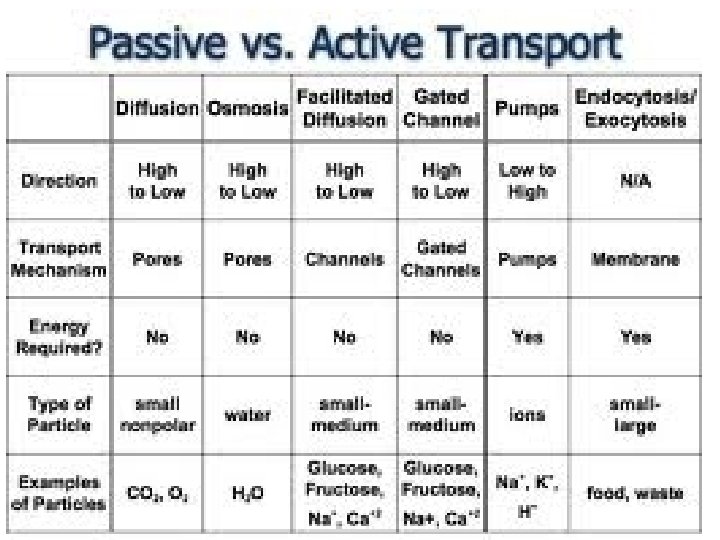
Active Transport • Active transport requires energy to move a particle across the cell membrane. • Can move particles against the concentration gradient (low to high concentration) • Can move large molecules such as carbohydrates, lipids and proteins
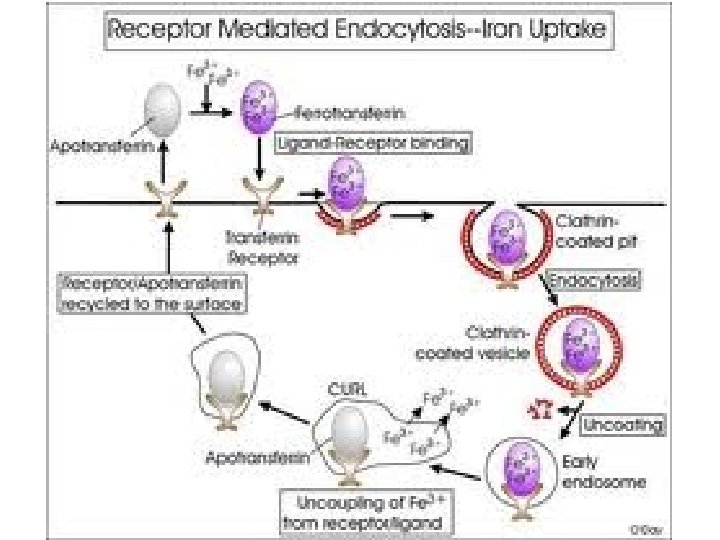
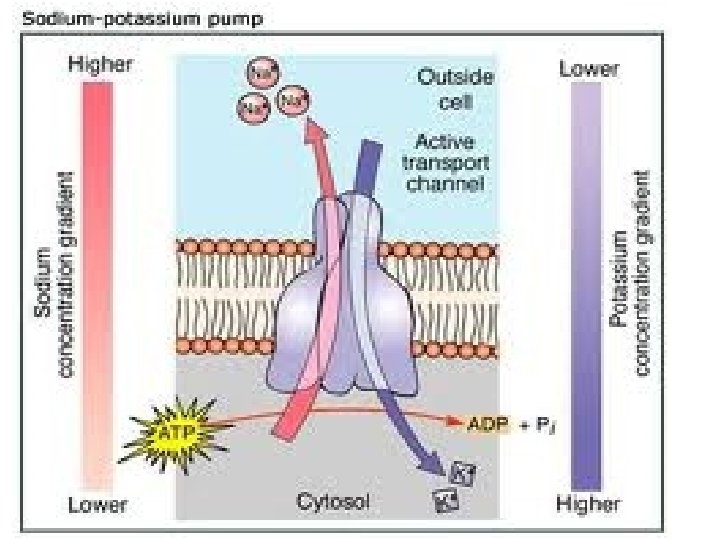
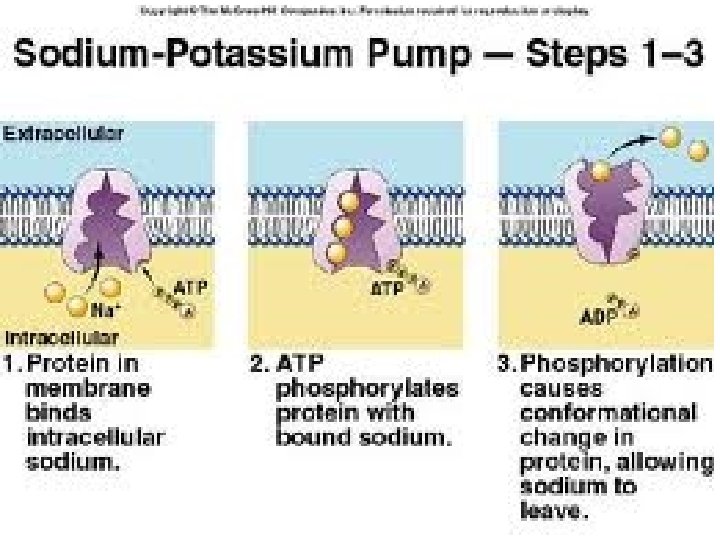
Movement across the Membrane • The particle attaches to the outer membrane at active sites (recognition sites) • 2 possibilities: – Using ATP causes the integral protein to change shape, allowing the particle to pass through a now open channel – Or the cell can activate the process of endocytosis (also called phagocytosis)
Pumps • Pumps are membrane proteins that require energy in order to push materials across the membrane. – Can move particles against the concentration gradient. – Can increase the rate at which particles move by simple diffusion.

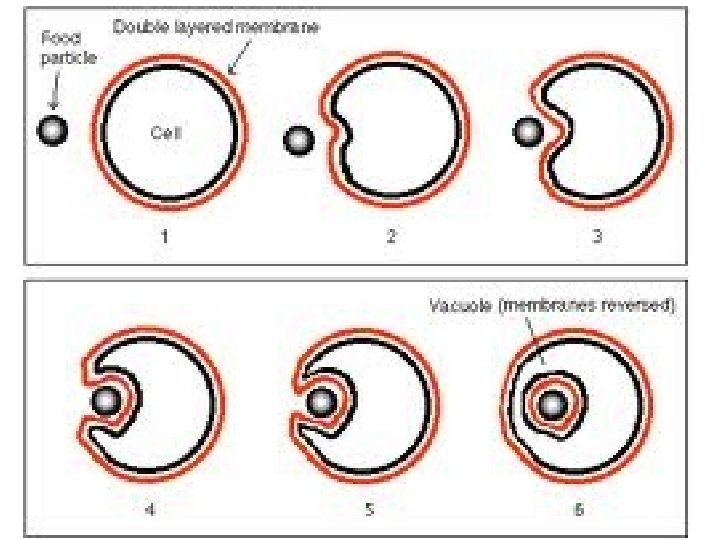
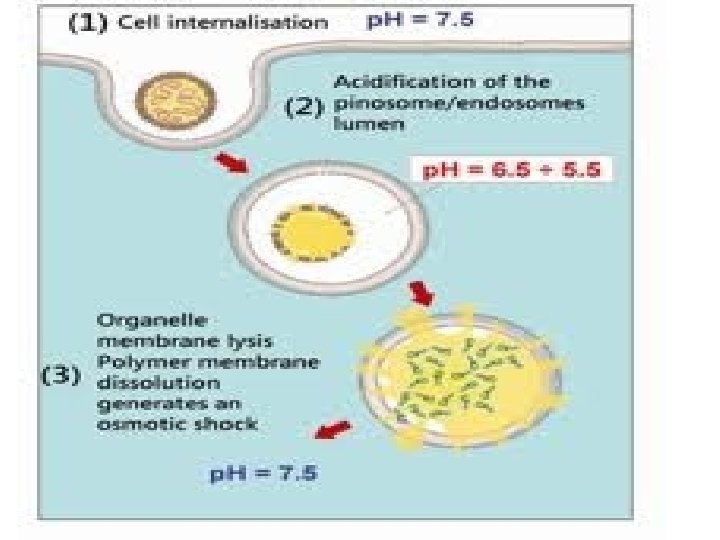
Endocytosis • Also called phagocytosis • When a molecule it attached at a recognition site, the cell membrane will pinch in slightly to form a groove around the molecule • The cell membrane then folds over top of the molecule to encase it in a membrane (like a scab covering a cut) • The interior portion of the membrane is removed, and the molecule is now in the cytoplasm (think PAC-MAN)
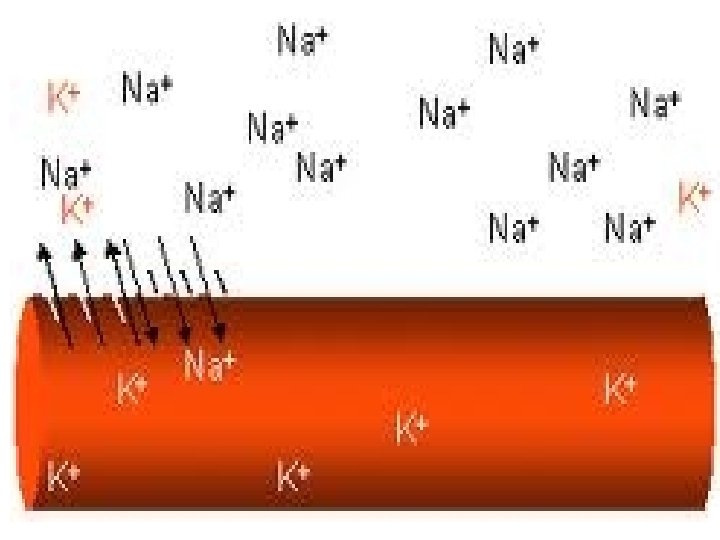
Example = Nerve Cells • How does a neuron fire? • In order to send a signal to your brain, your nerves must fire an electrical signal that is carried to the Central Nervous System. • A nerve cell uses what is called a Sodium. Potassium Pump (active antiport). • Sodium (Na+) is actively pumped out of the cell to create a concentration gradient (high outside and low inside) • Potassium (K+) is actively pumped the opposite direction, high concentrations inside, low outside
• When a nerve needs to fire a signal, the pumps stop which allows Na+ ions to flow into the cell and K+ ions to flow out. • The result of the ion flow is an electrical signal
Nerve Cell • In order to create a concentration gradient what mechanism needs to be working in a nerve cell? • Would it be a pump or endocytosis?
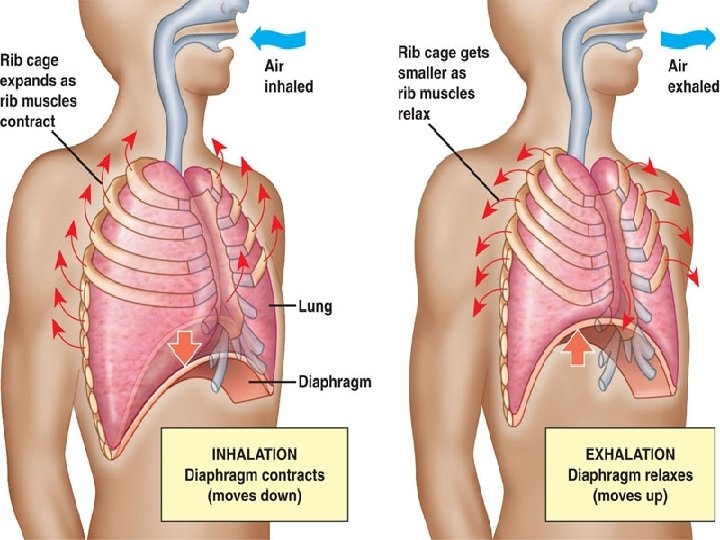
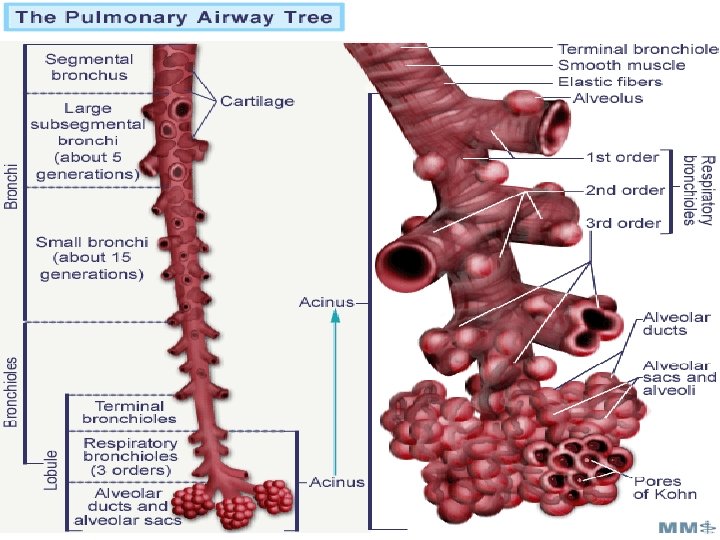
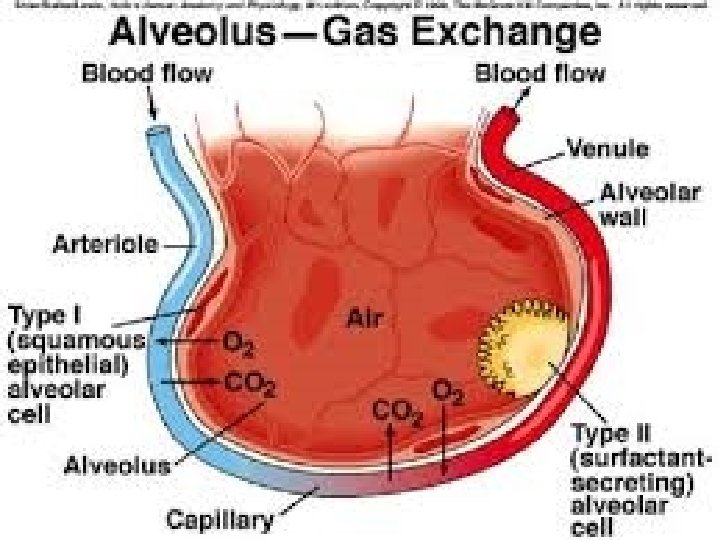
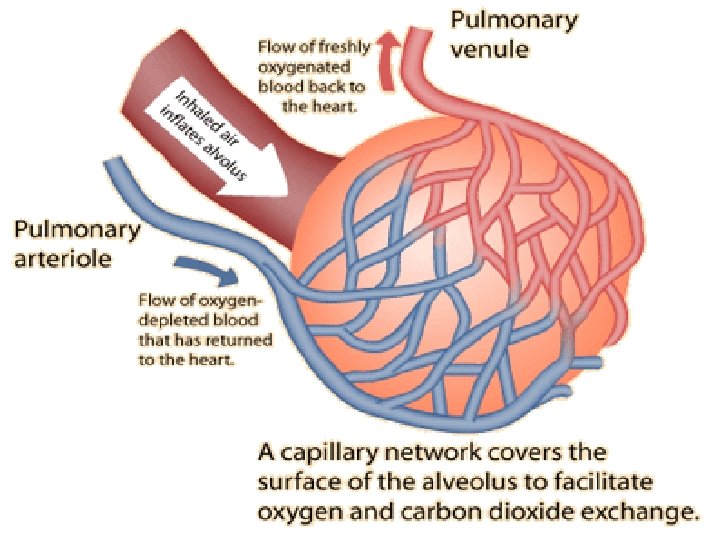
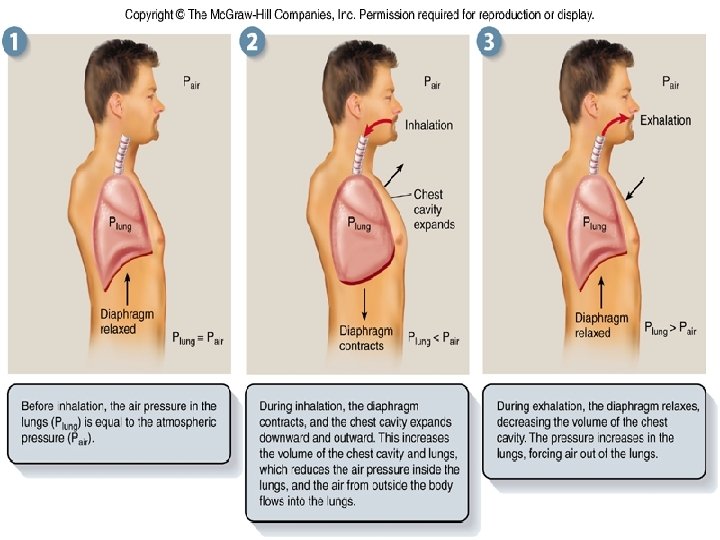
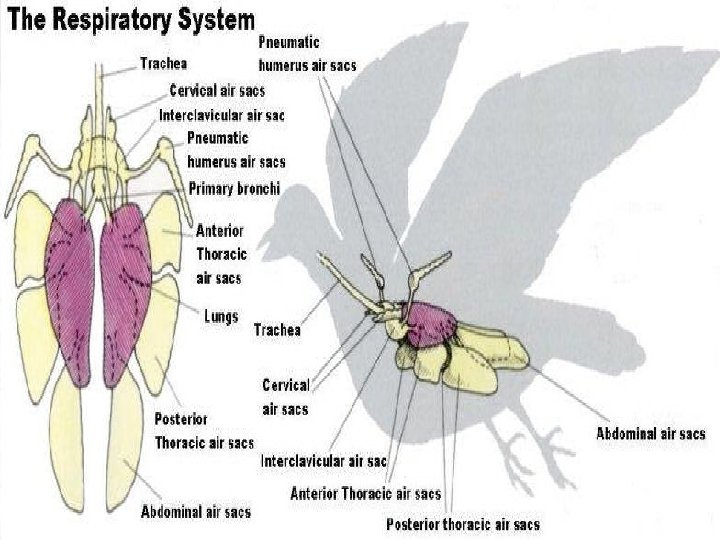
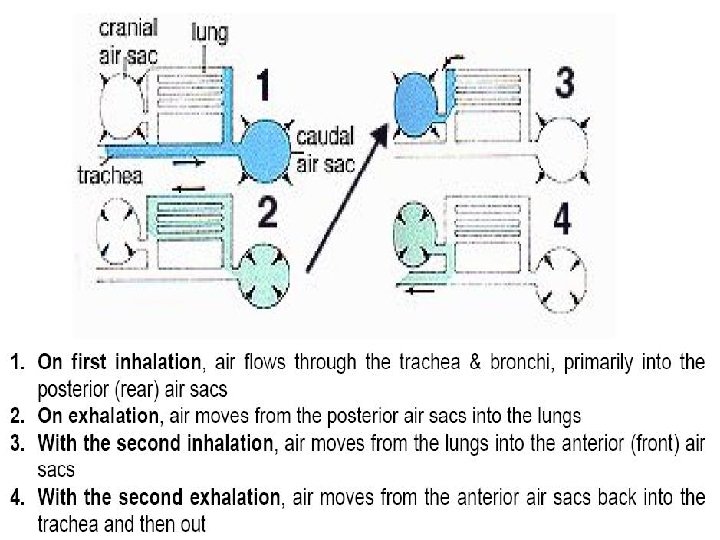
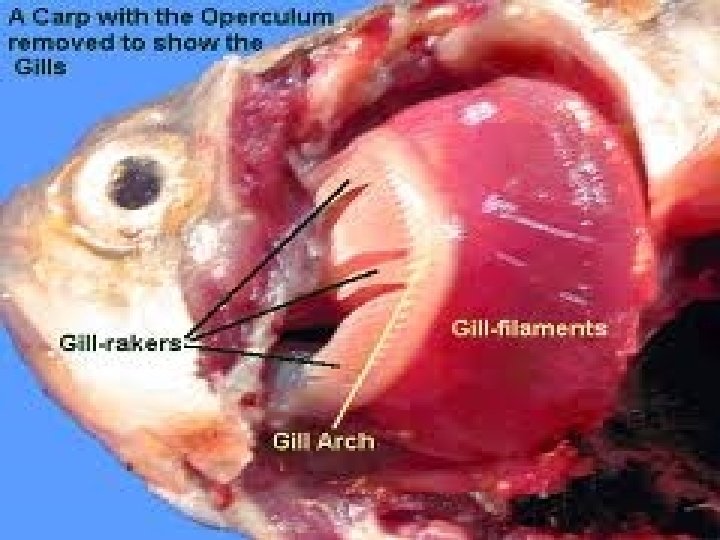
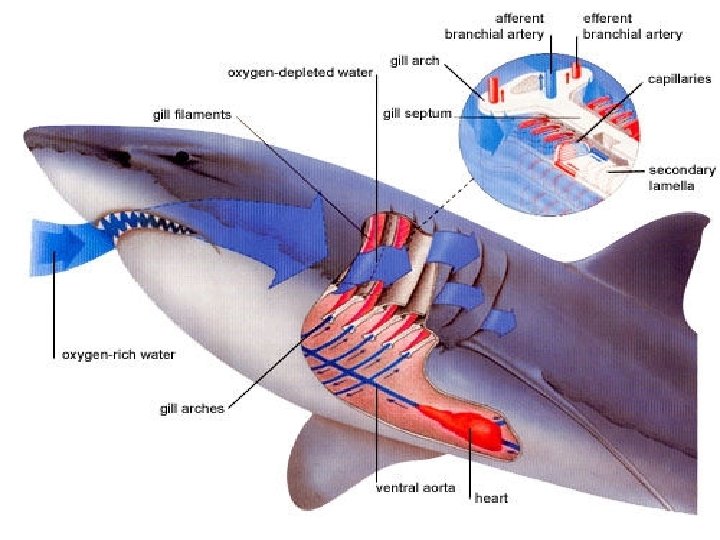
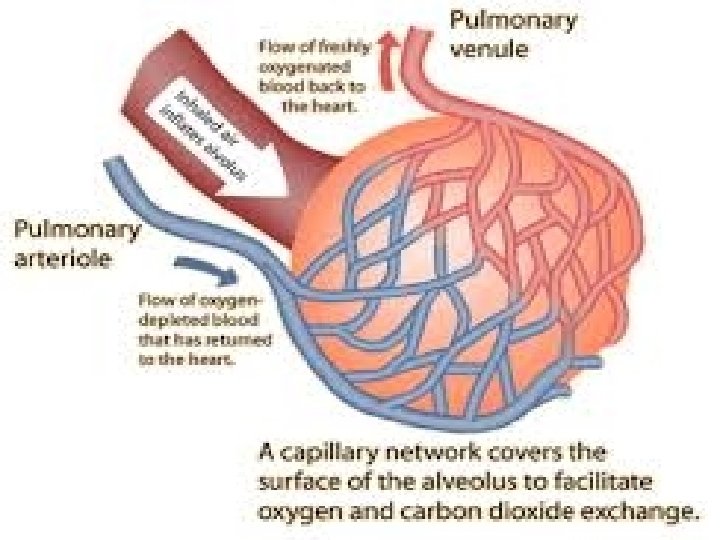
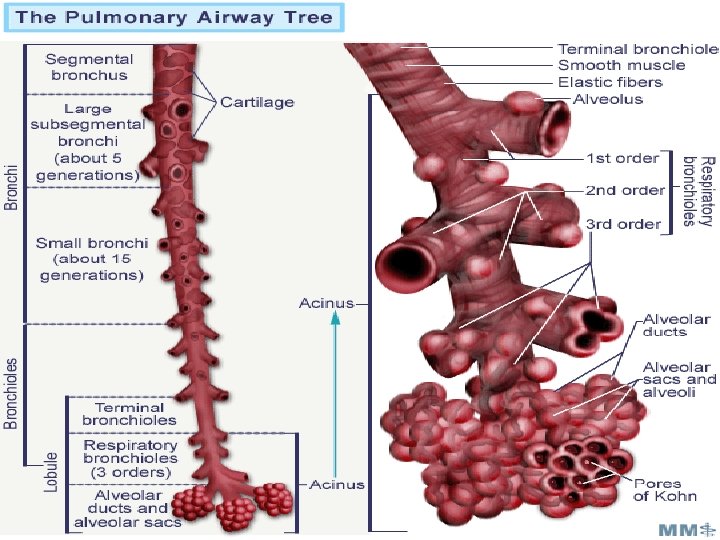
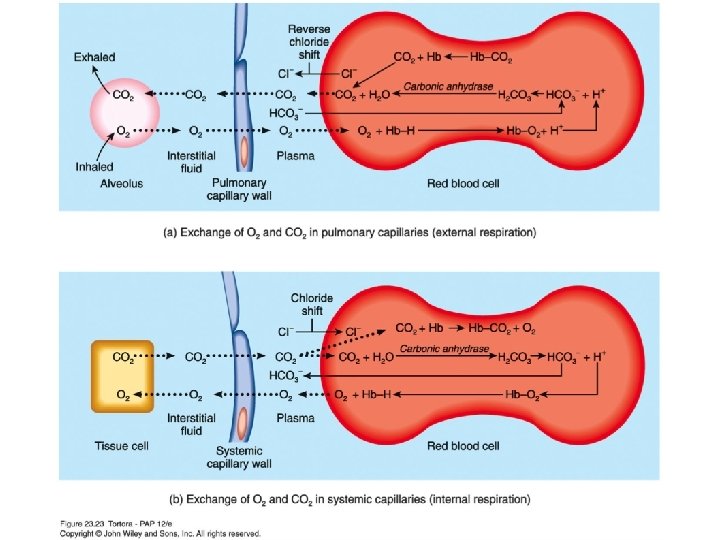
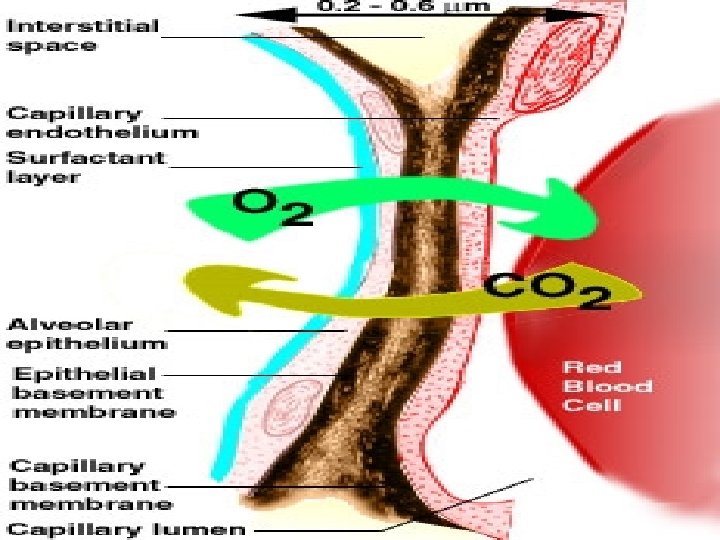
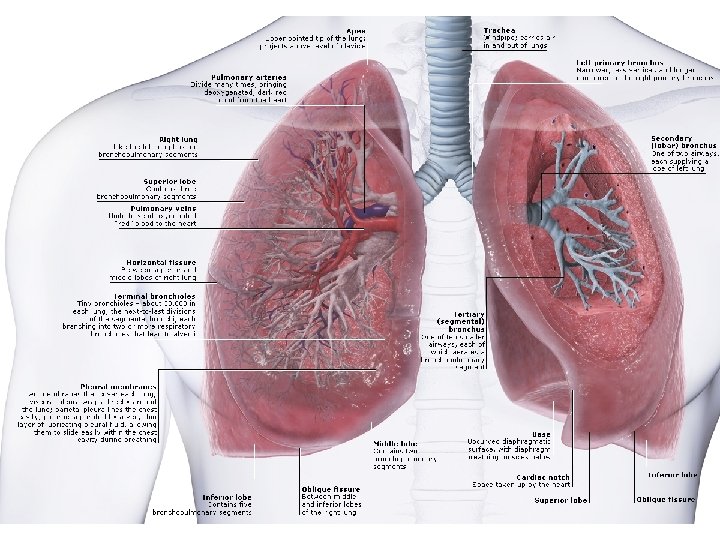
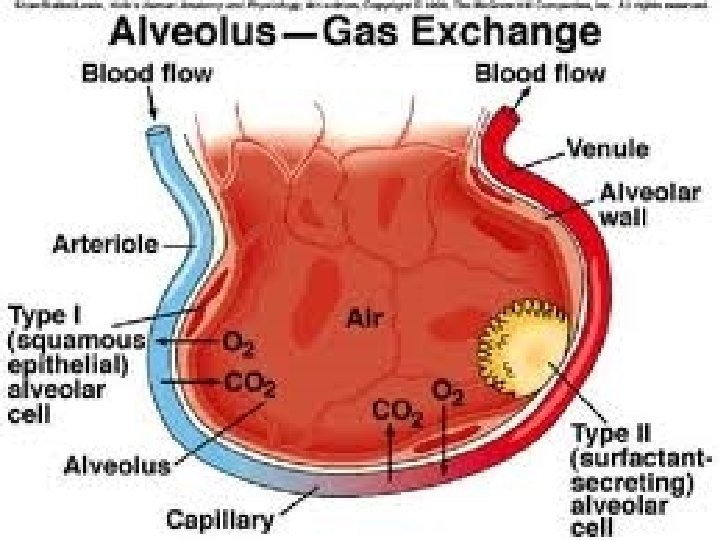
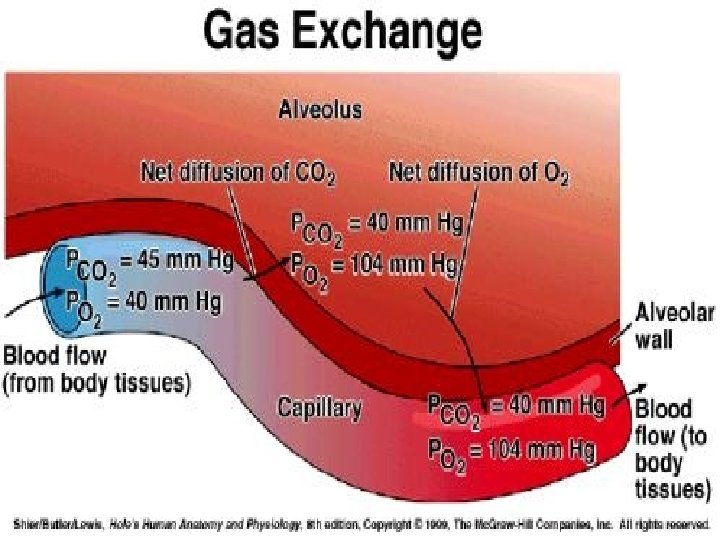
Breathing • What part of your lung facilitates the exchange of oxygen between the air and your blood? • Does air ever directly contact your blood? Why or why not? • What is the concentration gradient between the air and your blood? – Is your blood high or low in O 2? CO 2? – Is the air high or low in O 2? CO 2?

Exocytosis • Removal of particles from inside the cell • Two functions – Removes large wastes, diseases, etc – Can pass cellular products like proteins, carbohydrates (Plants) for usage in other areas or for storage

- Slides: 64