
Cell Membrane Plasma Membrane A Function Separates cell
Cell Membrane (Plasma Membrane) A. Function • Separates cell from outside environment • Controls what enters and exits the cell • Recognizes chemical signals
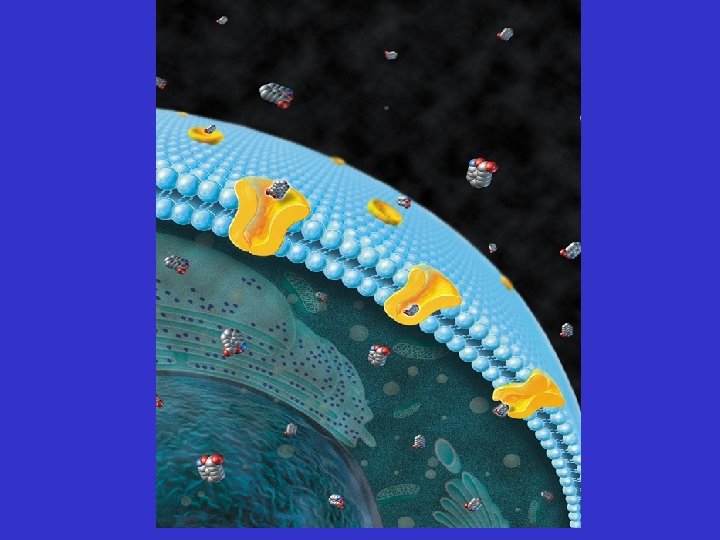
(Plasma Membrane) A. Function • • Homeostasis Selective Permeability: Membrane lets only certain materials to pass into and out of the cell

Selective Permeability Depends on: • Size • Physical and chemical characteristics • Concentrations or amounts of substances
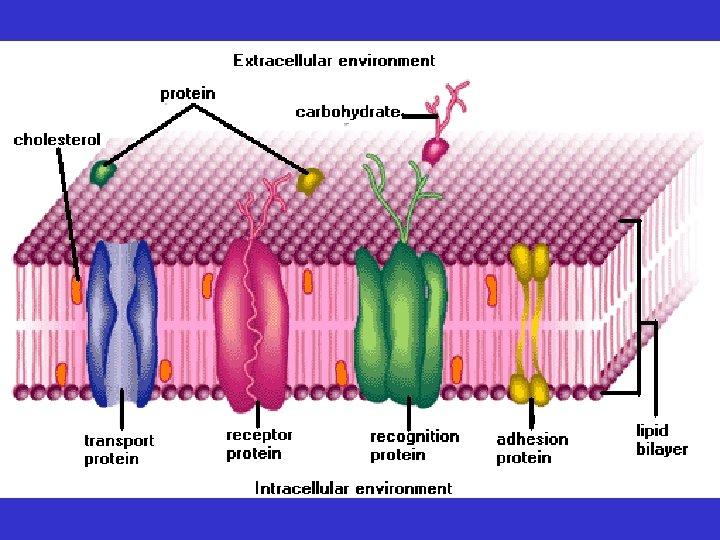
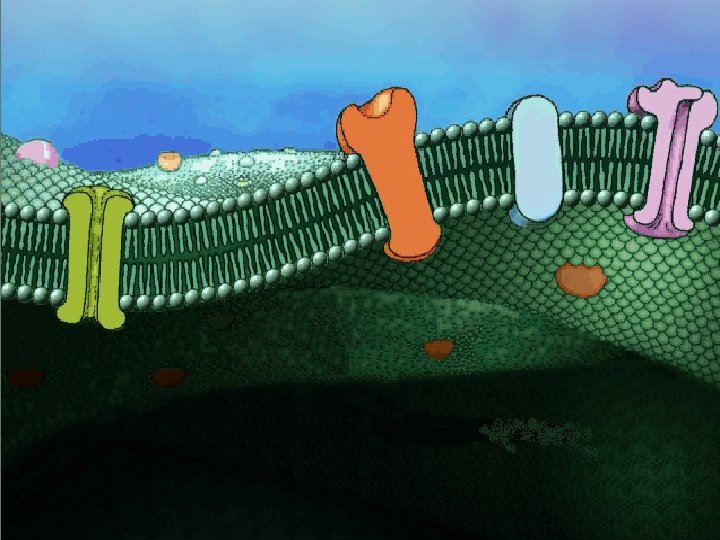
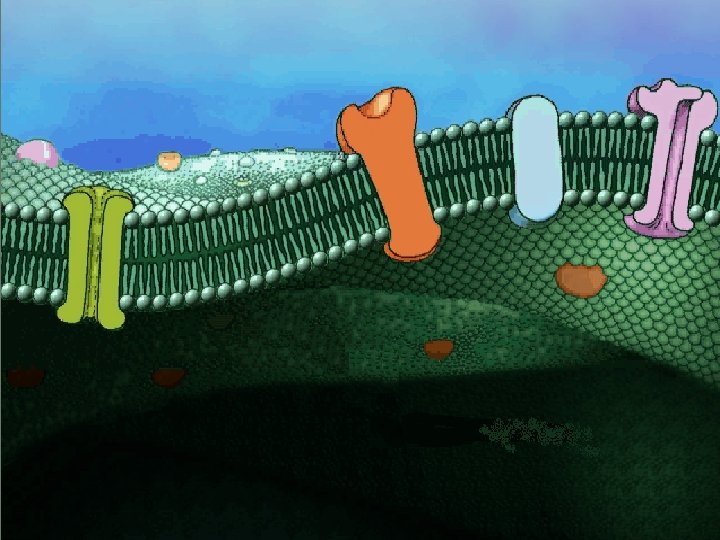
(Plasma Membrane) B. Structure A lipid bilayer with a variety of proteins
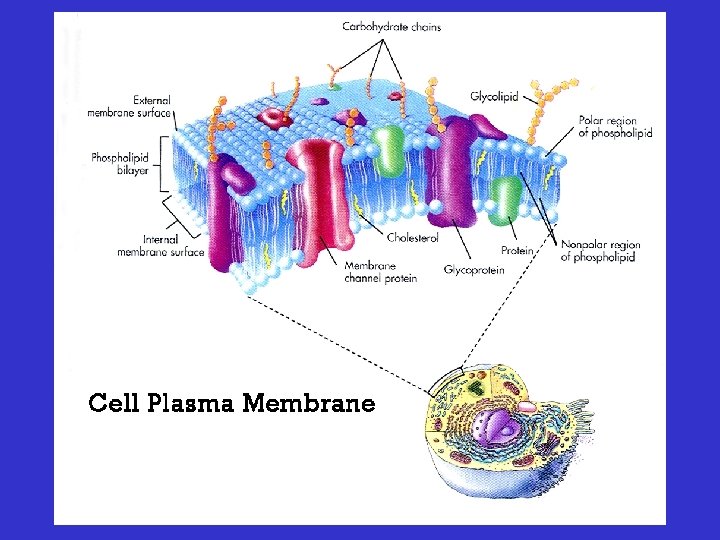
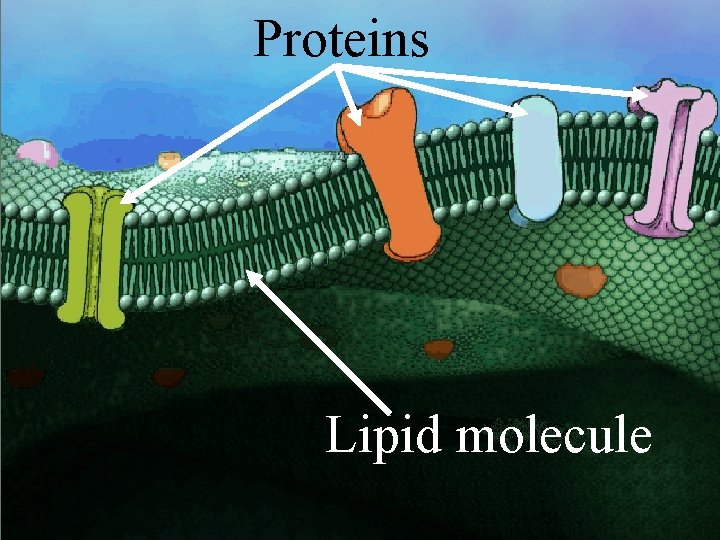
Proteins Lipid molecule
Identify the lipid molecules. Identify the protein molecules. What is a lipid bilayer?
(Plasma Membrane) 1. Lipid Function -Separates the cytoplasm from the outside environment.
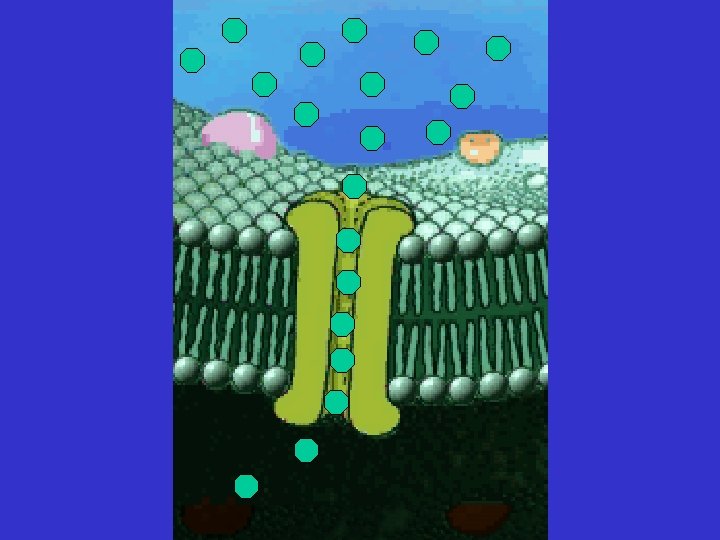
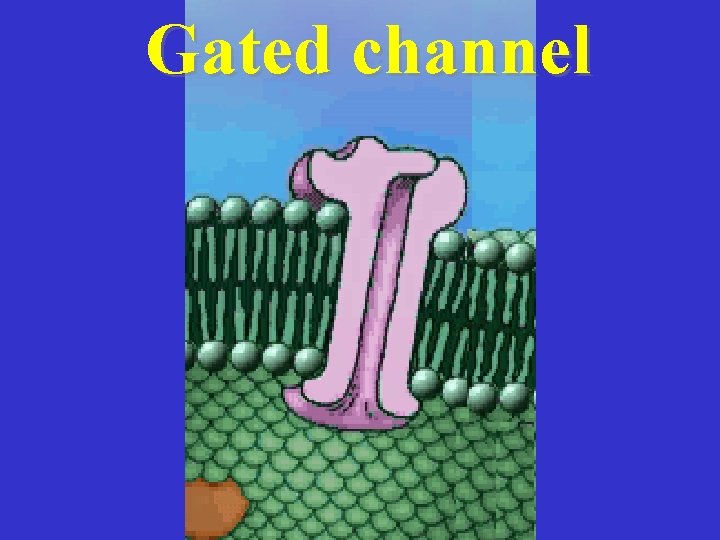
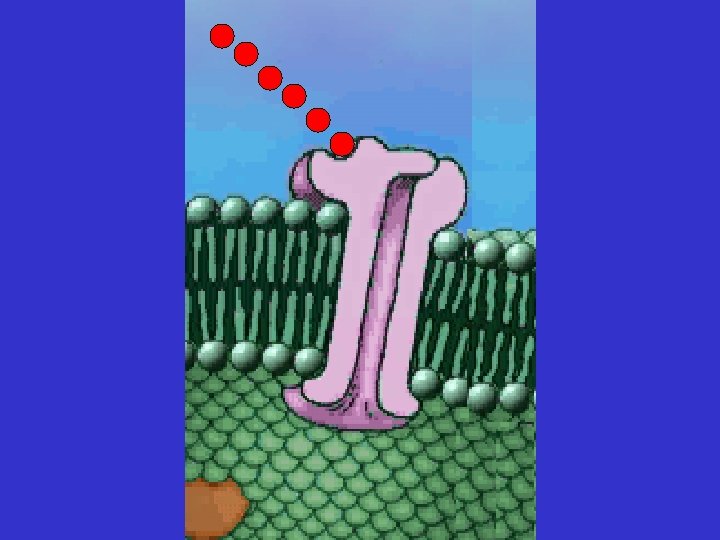
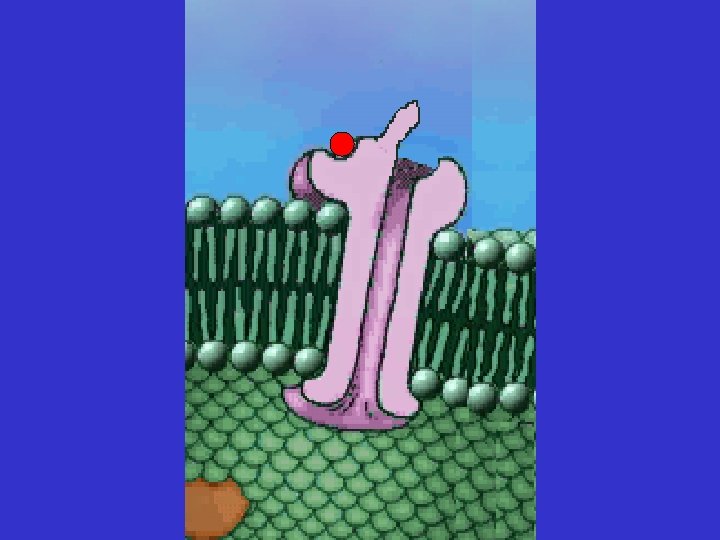
(Plasma Membrane) 2. Protein Function -Channels for passage of materials (based on shape and size of molecules)- gates open and close.
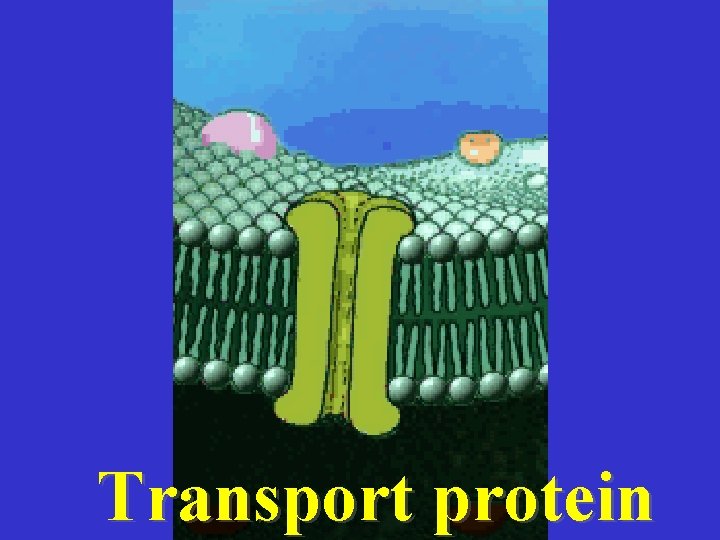
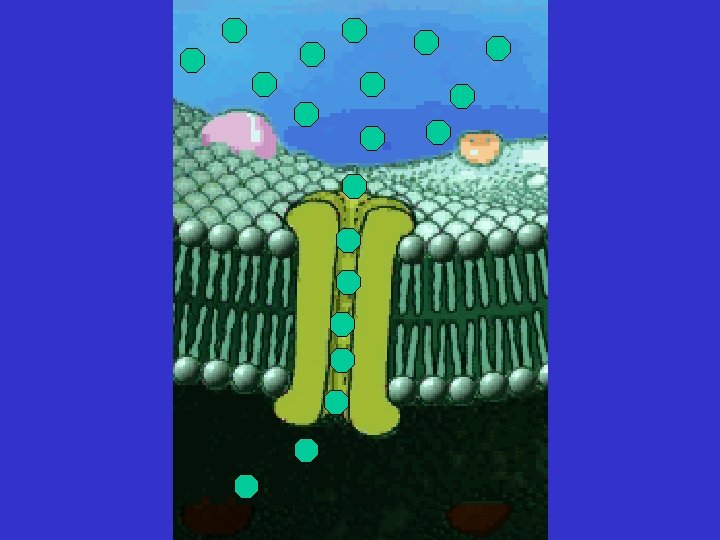
Transport protein
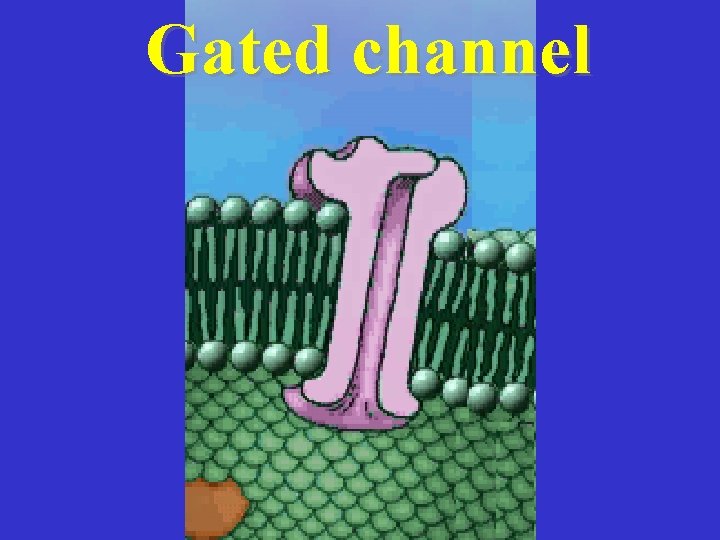
Gated channel
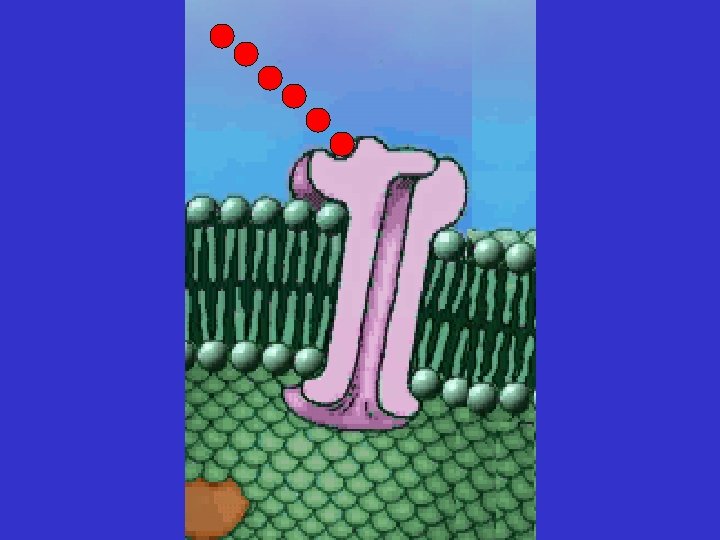
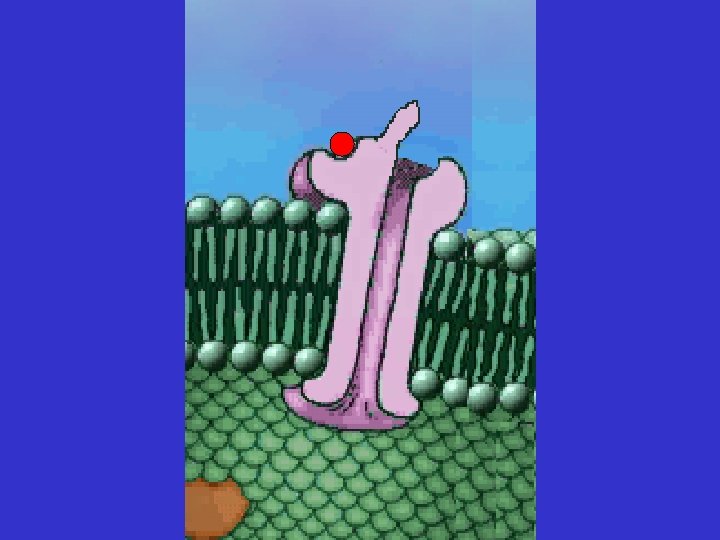
(Plasma Membrane) Example: RECEPTOR Protein Function -Receptors that change cellular activity (receive signals)
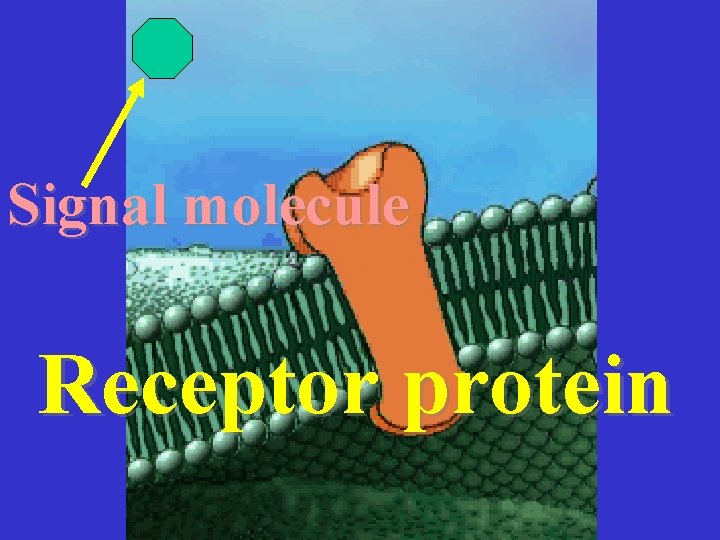
Signal molecule Receptor protein
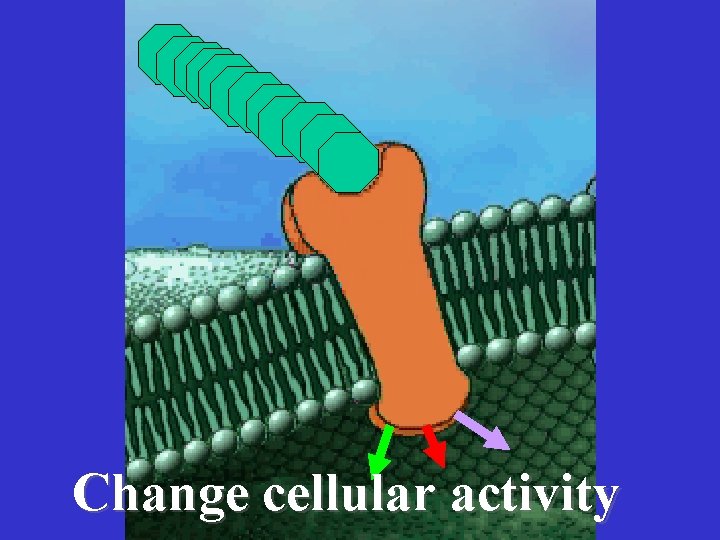
Change cellular activity
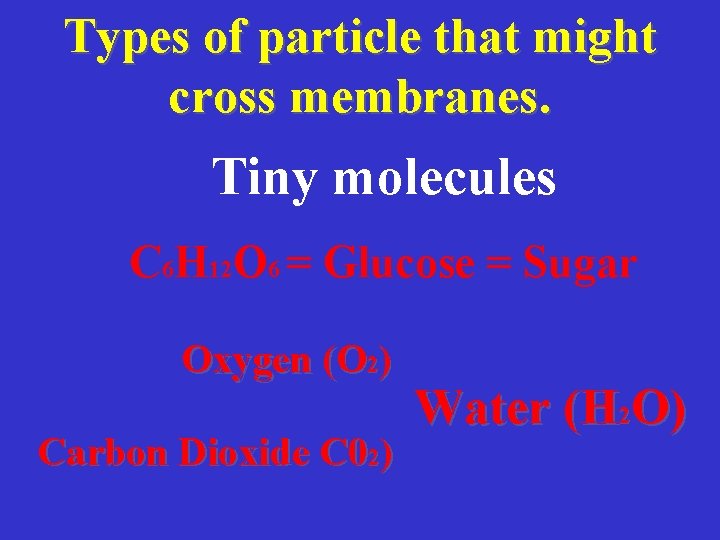
Types of particle that might cross membranes. Tiny molecules C 6 H 12 O 6 = Glucose = Sugar Oxygen (O 2) Carbon Dioxide C 02) Water (H 2 O)
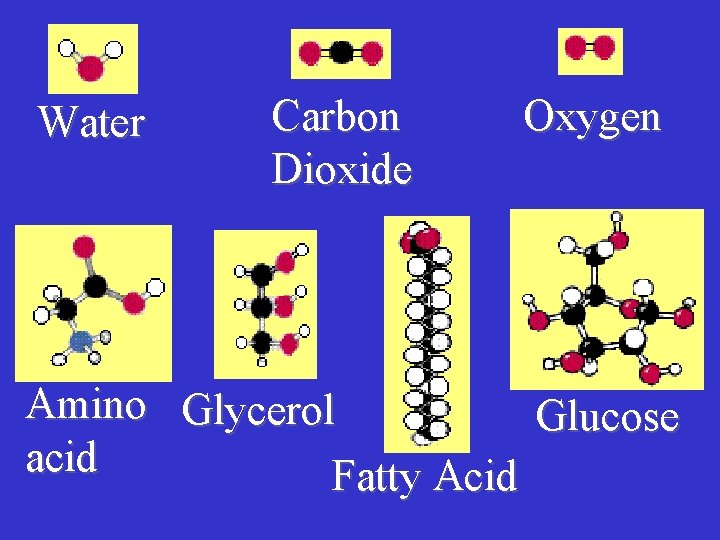
Water Carbon Dioxide Oxygen Amino Glycerol Glucose acid Fatty Acid
Types of particle that might cross membranes. Small molecules glucose fatty acids amino acids (form proteins) glycerol
Types of particle that might NOT cross membranes. Large molecules Polysaccharides EX: STARCH fats proteins
TRANSPORT The Movement of Materials Across Membranes
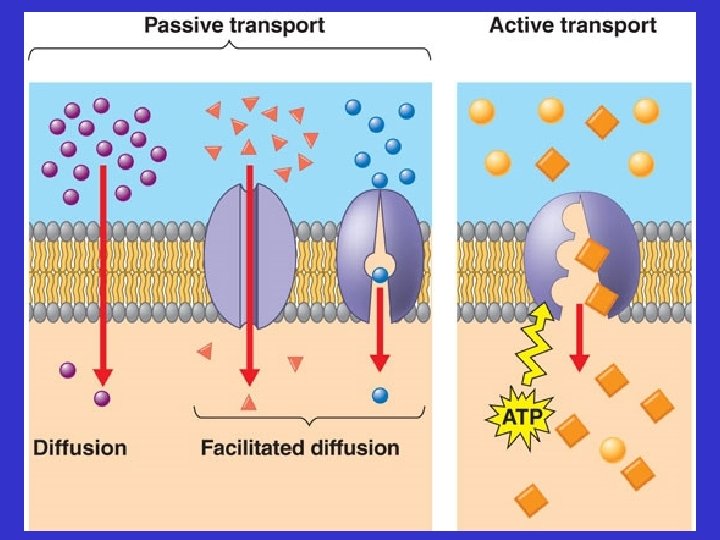
1. Passive Transport Materials move down the concentration gradient and across a membrane.
A. Diffusion Movement of molecules from an area of high concentration to an area of lower concentration. **NO ATP USED
Concentration Gradient There is a region of high concentration and an region of low concentration (unbalanced).
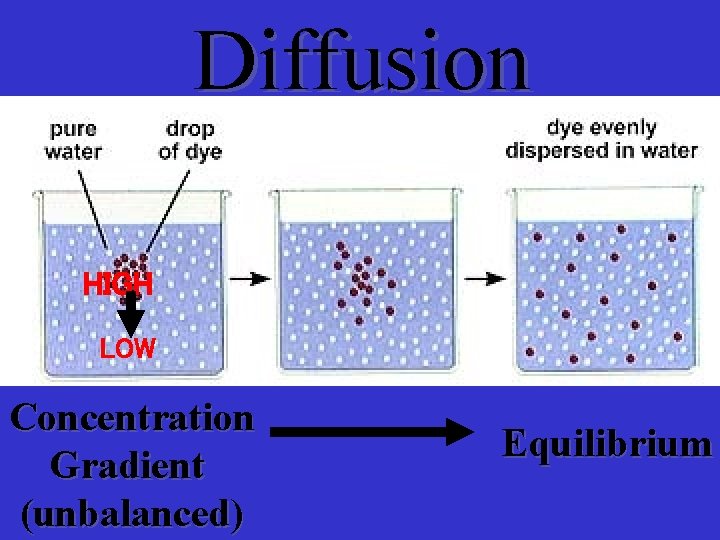
Diffusion HIGH LOW Concentration Gradient (unbalanced) Equilibrium
Equilibrium When the concentration of particles is the same throughout a mixture. • All particle continue to move.
B. Facilitated Transport (Facilitated Diffusion) -Diffusion using protein channels
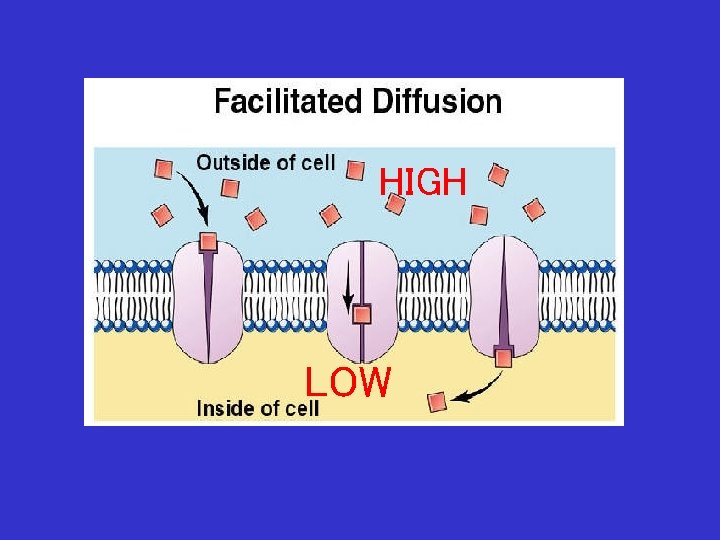
HIGH LOW
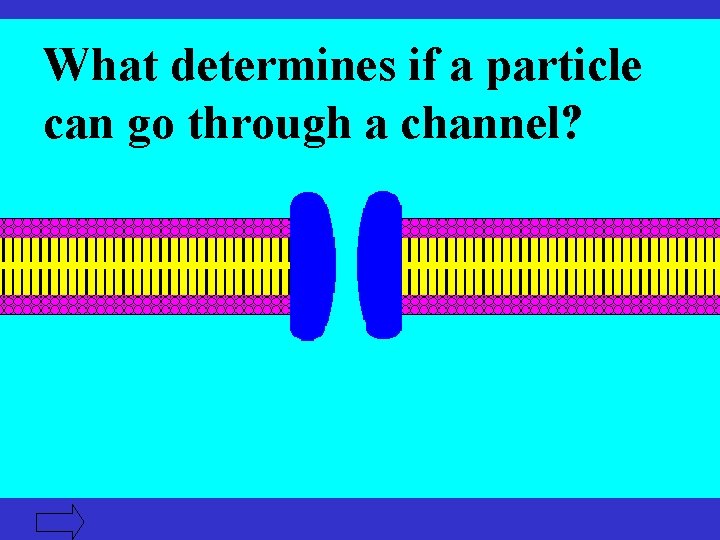
What determines if a particle can go through a channel?
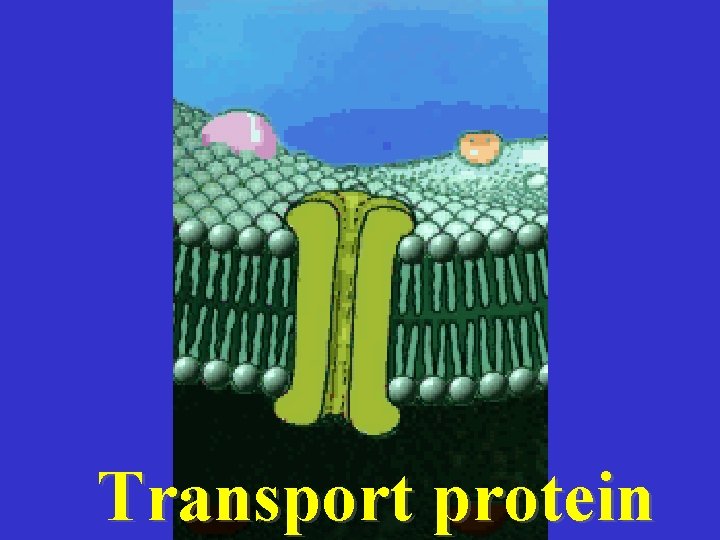
Transport protein
Gated channel
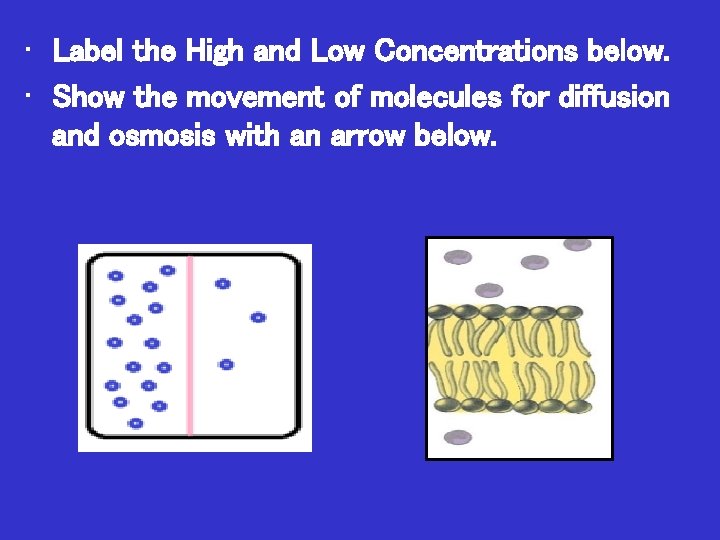
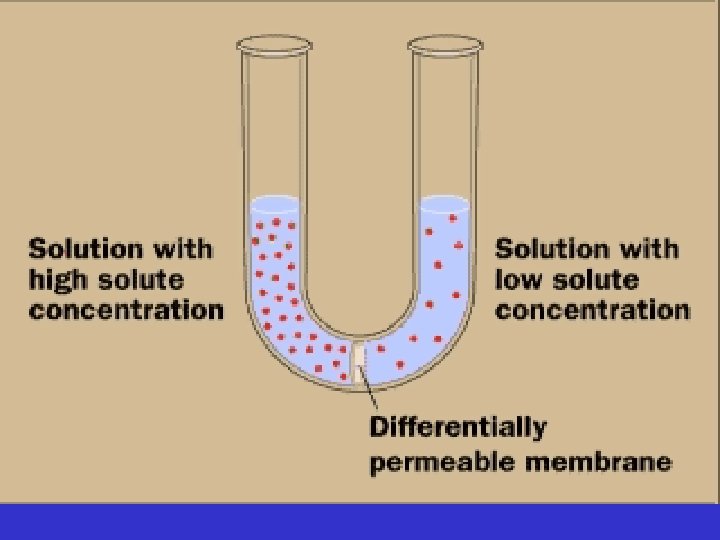
• Label the High and Low Concentrations below. • Show the movement of molecules for diffusion and osmosis with an arrow below.
C. Osmosis The passive transport of water (moves high to low concentration).
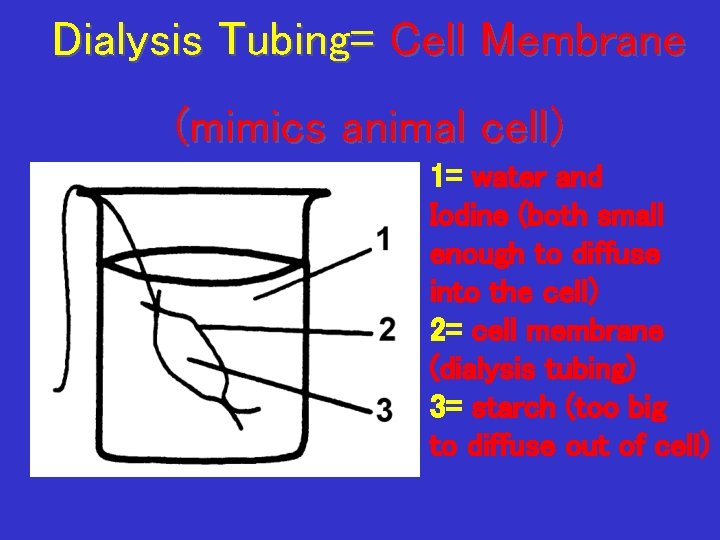
Dialysis Tubing= Cell Membrane (mimics animal cell) 1= water and Iodine (both small enough to diffuse into the cell) 2= cell membrane (dialysis tubing) 3= starch (too big to diffuse out of cell)
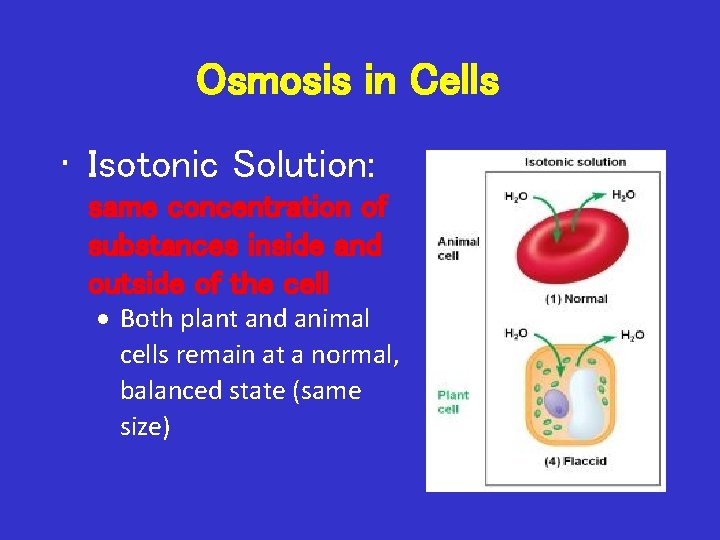
Osmosis in Cells • Isotonic Solution: same concentration of substances inside and outside of the cell Both plant and animal cells remain at a normal, balanced state (same size)
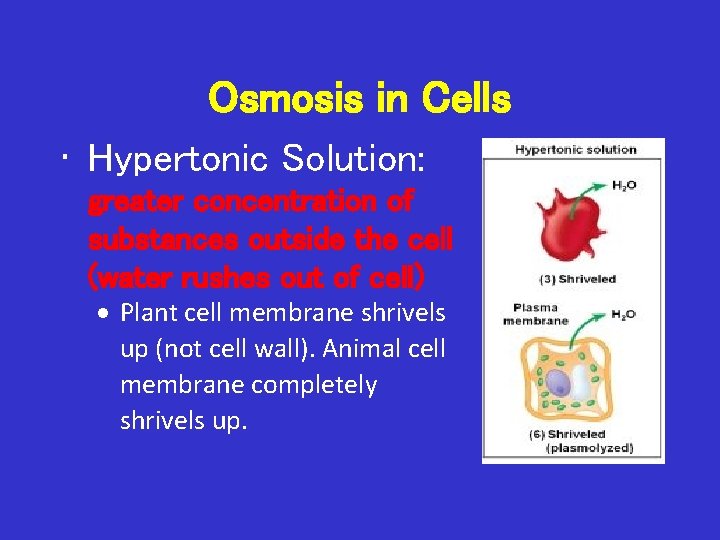
Osmosis in Cells • Hypertonic Solution: greater concentration of substances outside the cell (water rushes out of cell) Plant cell membrane shrivels up (not cell wall). Animal cell membrane completely shrivels up.
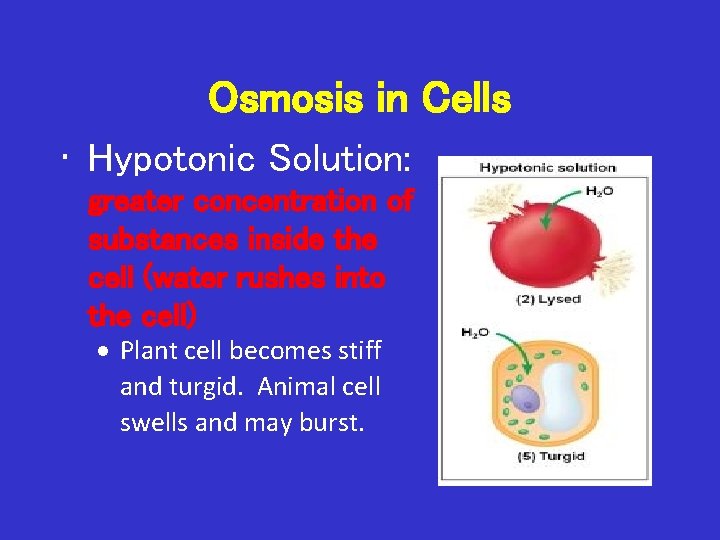
Osmosis in Cells • Hypotonic Solution: greater concentration of substances inside the cell (water rushes into the cell) Plant cell becomes stiff and turgid. Animal cell swells and may burst.
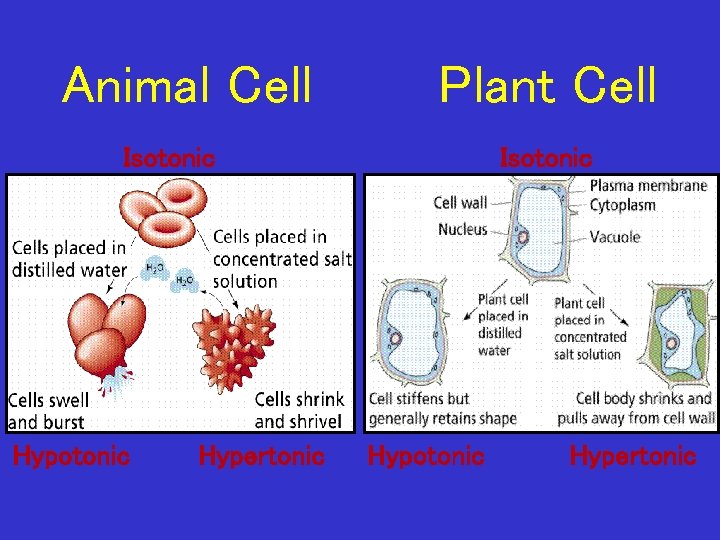
Animal Cell Plant Cell Isotonic Hypotonic Hypertonic

Thistle Tube Demo
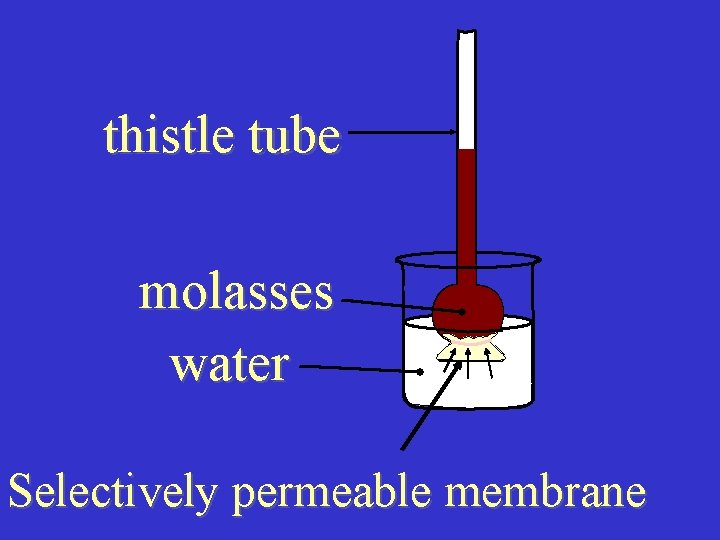
thistle tube molasses water Selectively permeable membrane
2. Active Transport Particles move • Across a Selectively Permeable Membrane • Against the concentration gradient (low to high) • The cells must spend energy/ATP
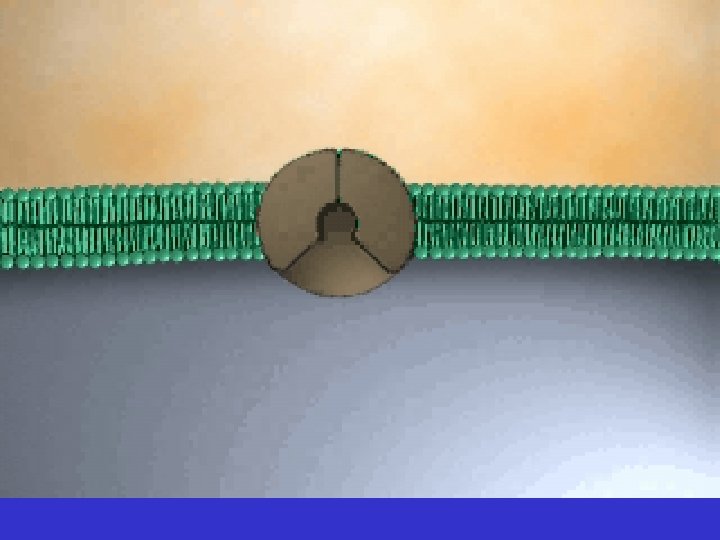
An example of Active Transport: All animal cells have a Sodium Potassium pump + that pumps Na to the + outside of cells and K to the inside of cells.
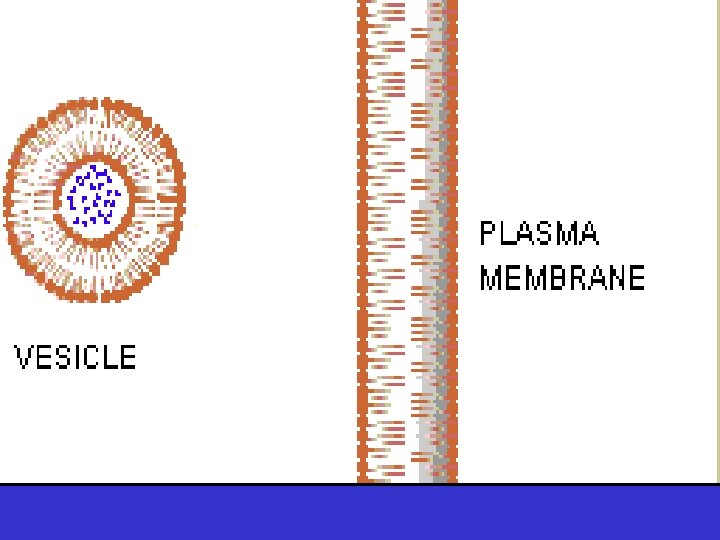
A. Endocytosis Particles move INTO the cell by use of an infolding of the membrane, resulting in a vesicle
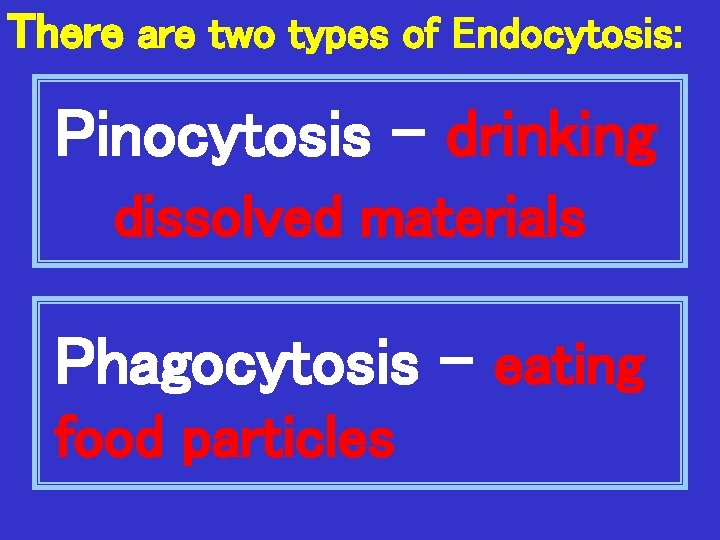
There are two types of Endocytosis: Pinocytosis - drinking dissolved materials Phagocytosis – eating food particles
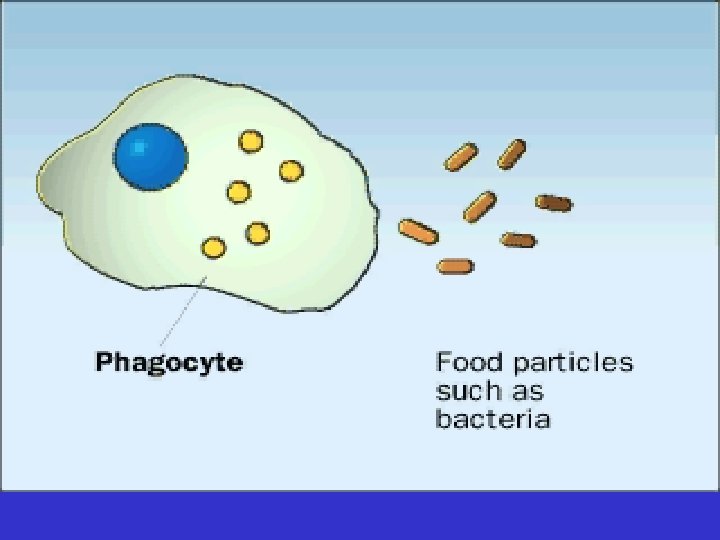

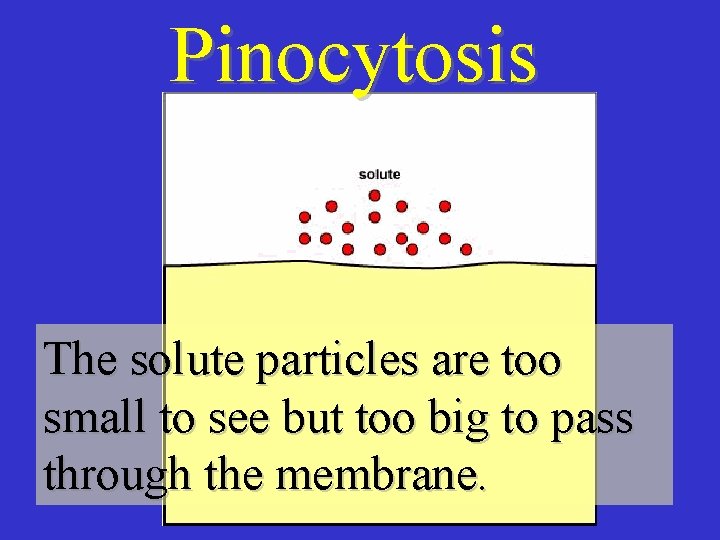
Pinocytosis The solute particles are too small to see but too big to pass through the membrane.
Exocytosis Particles move OUT OF cells by fusing vesicles with the cell membrane.
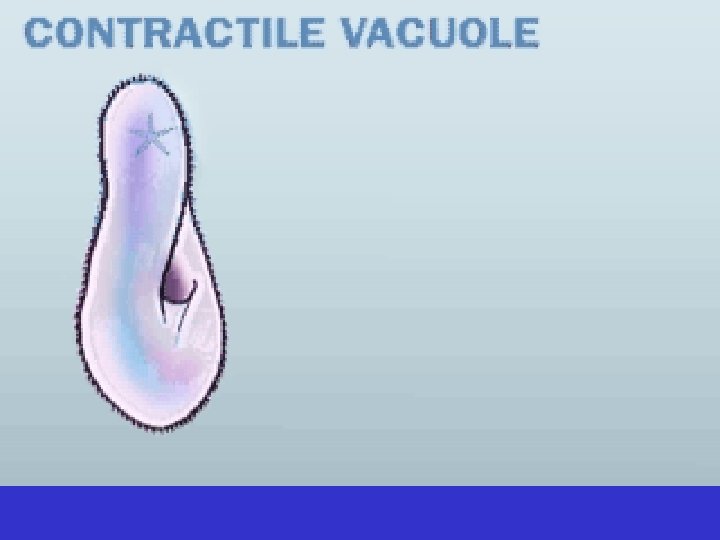
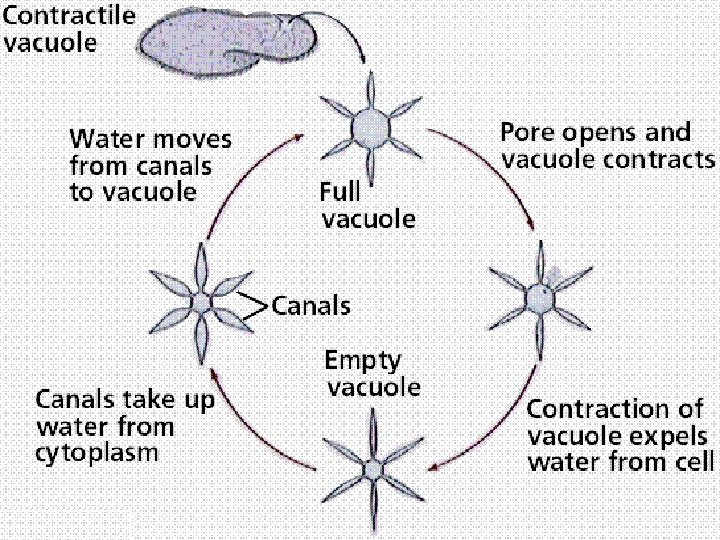
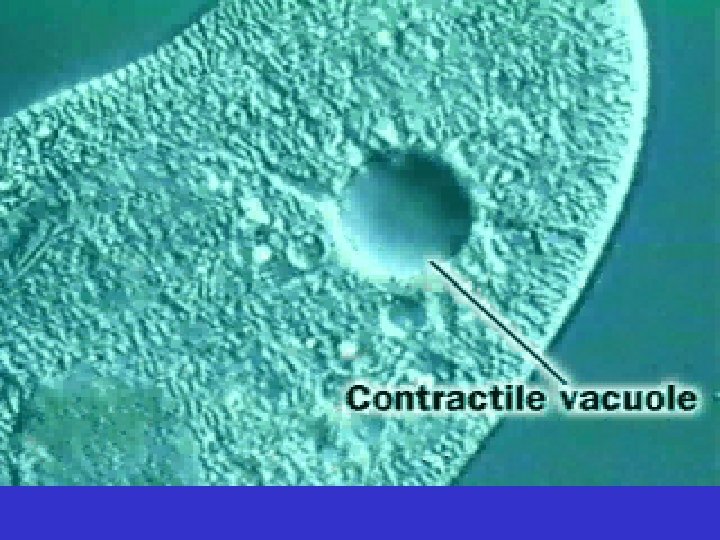
Maintaining water balance in Protists
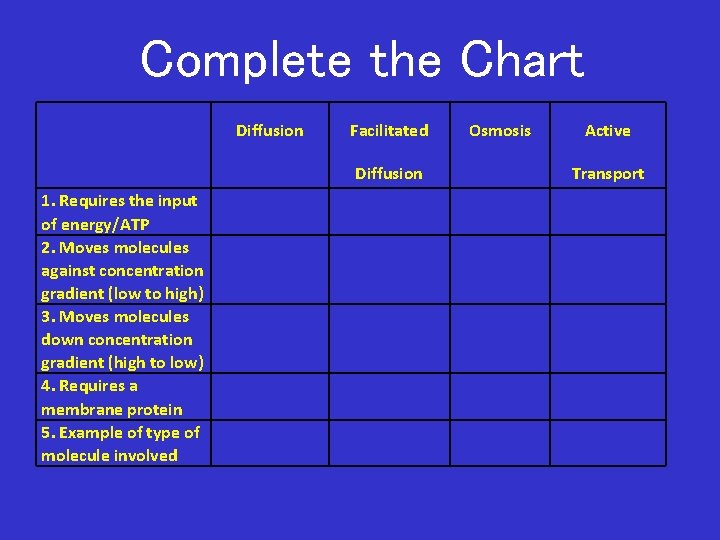
Complete the Chart Diffusion Facilitated Diffusion 1. Requires the input of energy/ATP 2. Moves molecules against concentration gradient (low to high) 3. Moves molecules down concentration gradient (high to low) 4. Requires a membrane protein 5. Example of type of molecule involved Osmosis Active Transport

The End
- Slides: 67