
Cell Membrane Part 1 Learning Objectives Identify the
Cell Membrane Part 1
Learning Objectives • Identify the major components of the cell membrane • Describe the Fluid Mosaic Model
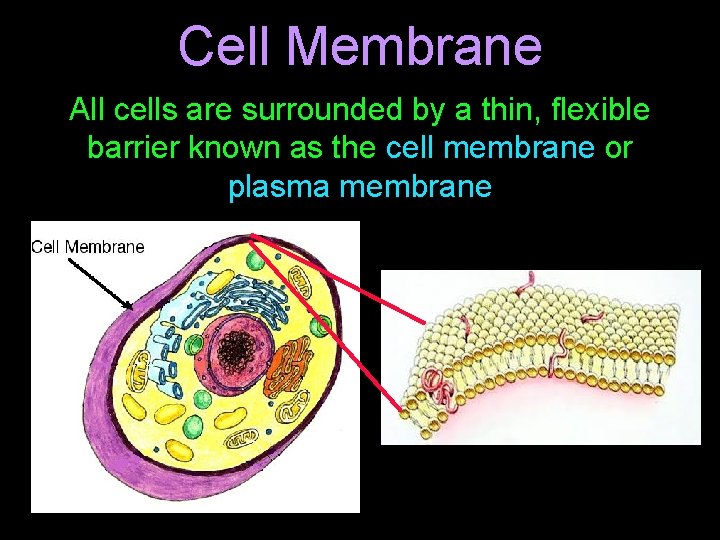
Cell Membrane All cells are surrounded by a thin, flexible barrier known as the cell membrane or plasma membrane
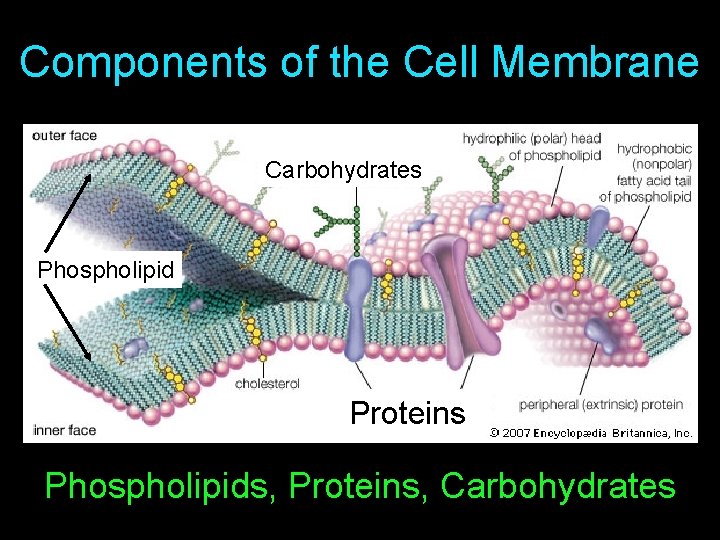
Components of the Cell Membrane Carbohydrates Phospholipid Proteins Phospholipids, Proteins, Carbohydrates
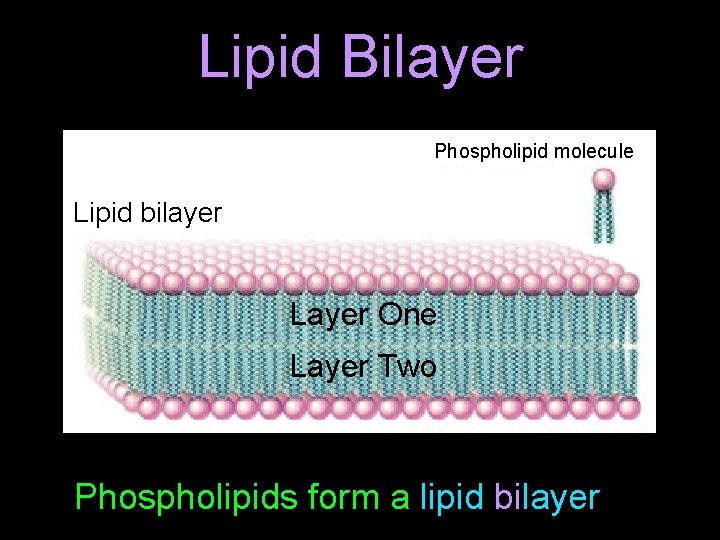
Lipid Bilayer Phospholipid molecule Lipid bilayer Layer One Layer Two Phospholipids form a lipid bilayer
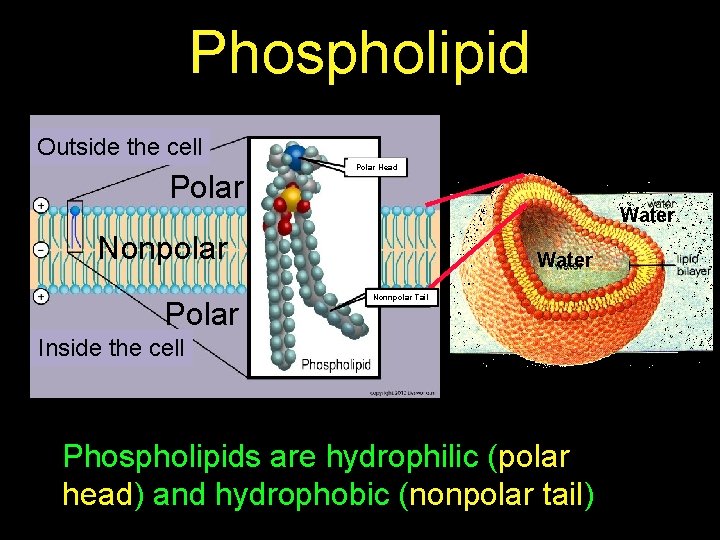
Phospholipid Outside the cell Polar Head Water Nonpolar Polar Water Nonnpolar Tail Inside the cell Phospholipids are hydrophilic (polar head) and hydrophobic (nonpolar tail)
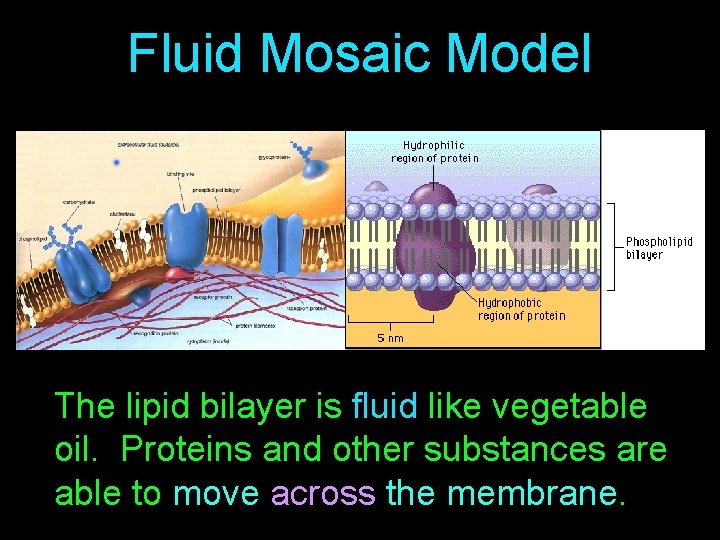
Fluid Mosaic Model The lipid bilayer is fluid like vegetable oil. Proteins and other substances are able to move across the membrane.
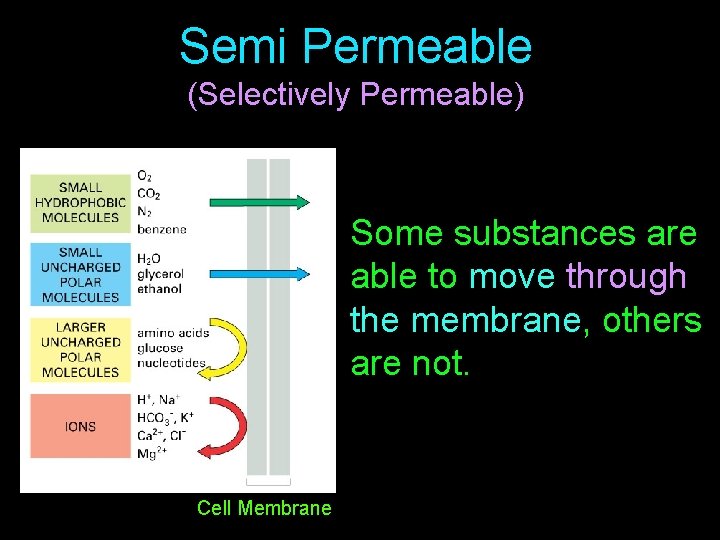
Semi Permeable (Selectively Permeable) Some substances are able to move through the membrane, others are not. Cell Membrane
You. Tube Cell Membrane

Stop Here
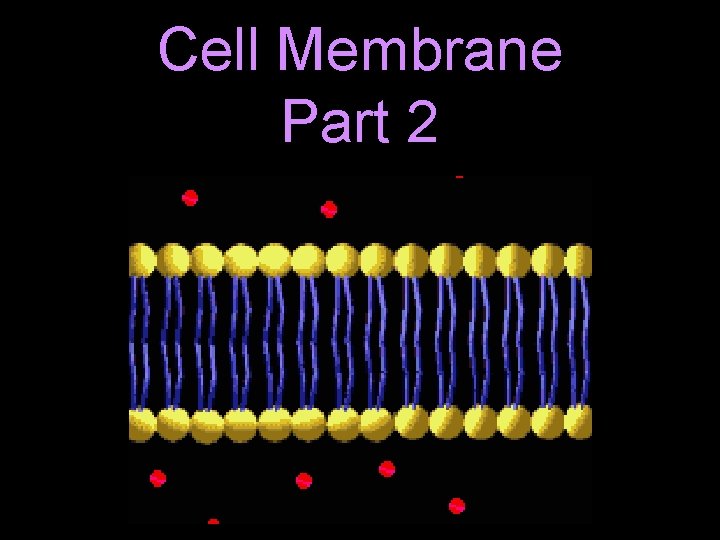
Cell Membrane Part 2
Learning Objectives • Describe the main functions of the cell membrane • Describe the process of diffusion
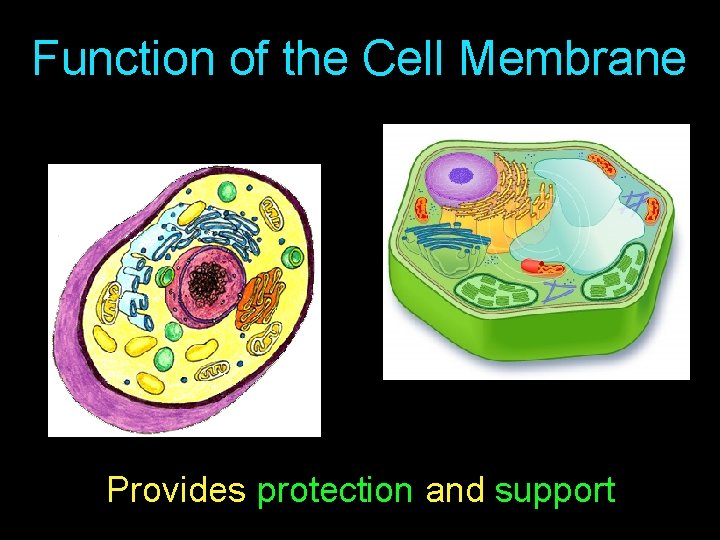
Function of the Cell Membrane Provides protection and support
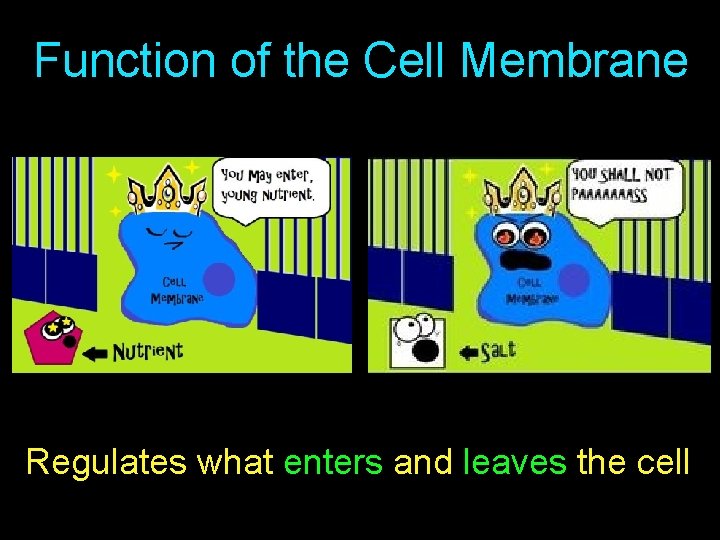
Function of the Cell Membrane Regulates what enters and leaves the cell
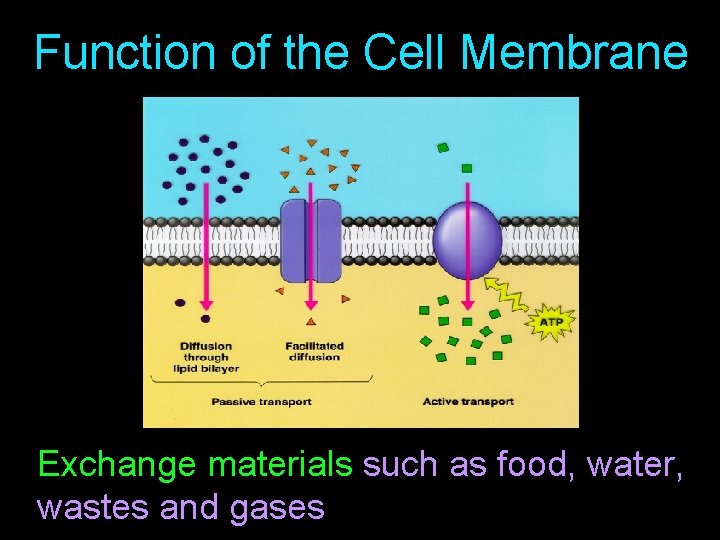
Function of the Cell Membrane Exchange materials such as food, water, wastes and gases
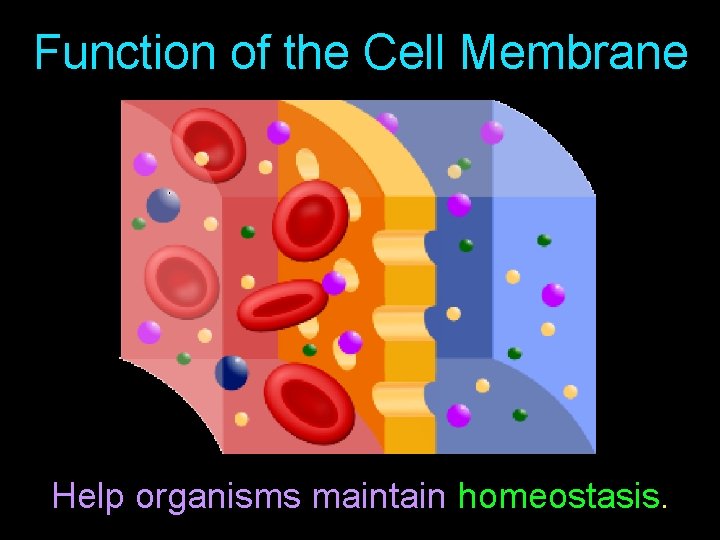
Function of the Cell Membrane Help organisms maintain homeostasis.
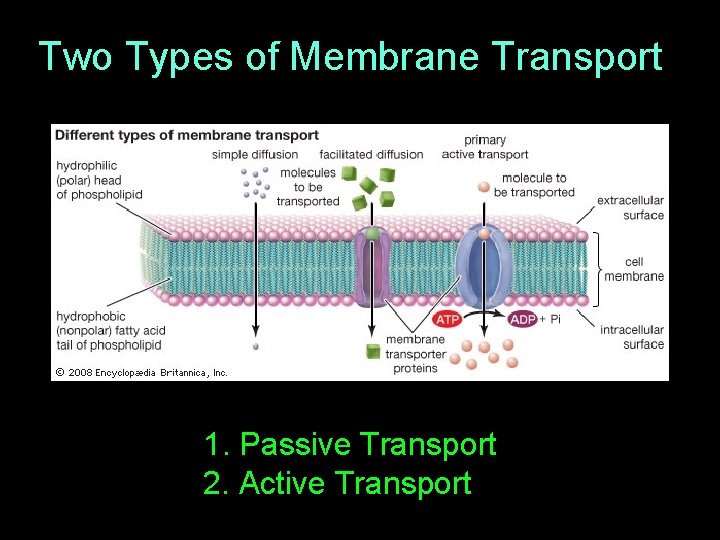
Two Types of Membrane Transport 1. Passive Transport 2. Active Transport
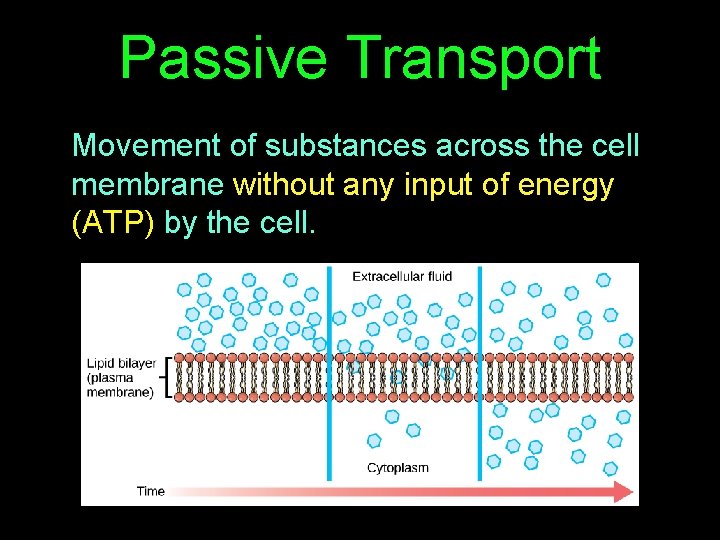
Passive Transport Movement of substances across the cell membrane without any input of energy (ATP) by the cell.
3 Types of Passive Transport 1. Diffusion 2. Osmosis 3. Facilitated Diffusion
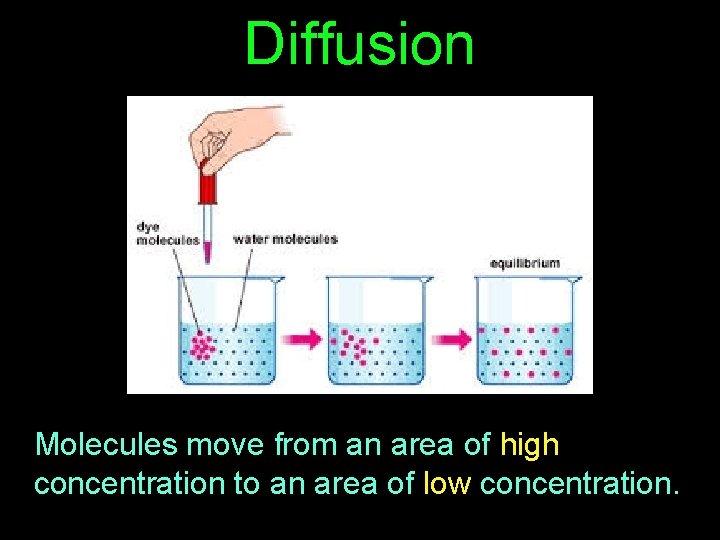
Diffusion Molecules move from an area of high concentration to an area of low concentration.
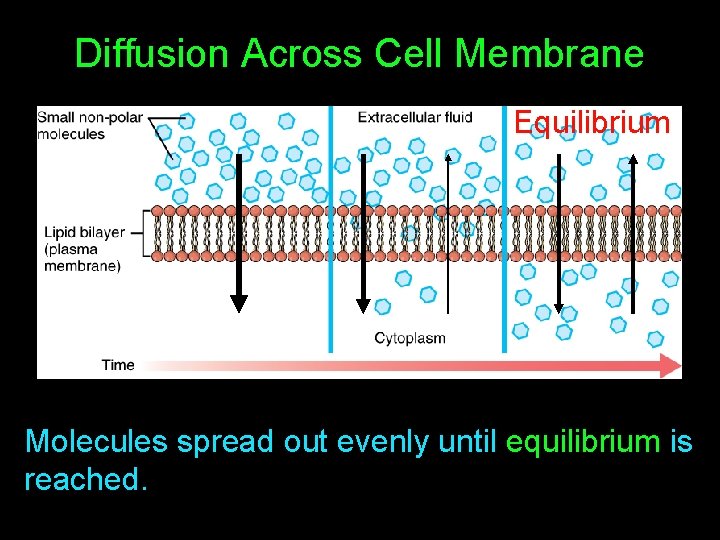
Diffusion Across Cell Membrane Equilibrium Molecules spread out evenly until equilibrium is reached.
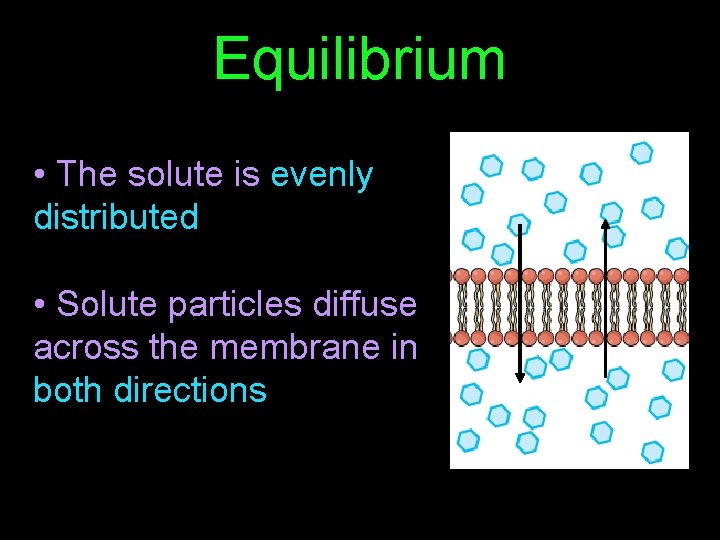
Equilibrium • The solute is evenly distributed • Solute particles diffuse across the membrane in both directions
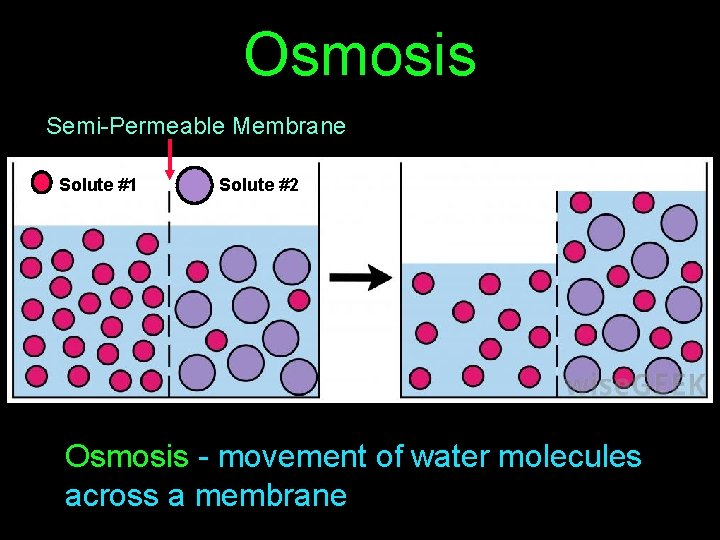
Osmosis Semi-Permeable Membrane Solute #1 Solute #2 Osmosis - movement of water molecules across a membrane

Stop Here
Cell Membrane Part 3
Learning Objectives • Describe the effects of hypertonic, isotonic and hypotonic environments on plant and animal cells
Types of Solutions (compared to a cell) • Isotonic solution: same concentration of water and solute. • Hypotonic solution: lower concentration of solute, a lot of water. • Hypertonic solution: higher concentration of solute, less water.
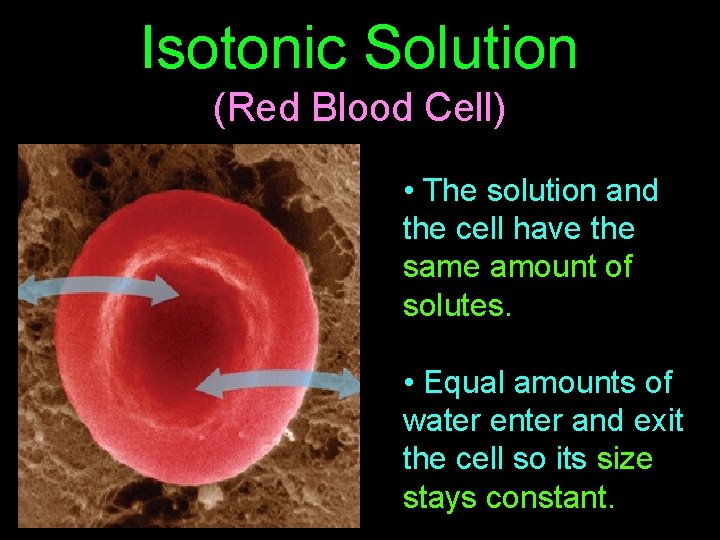
Isotonic Solution (Red Blood Cell) • The solution and the cell have the same amount of solutes. • Equal amounts of water enter and exit the cell so its size stays constant.
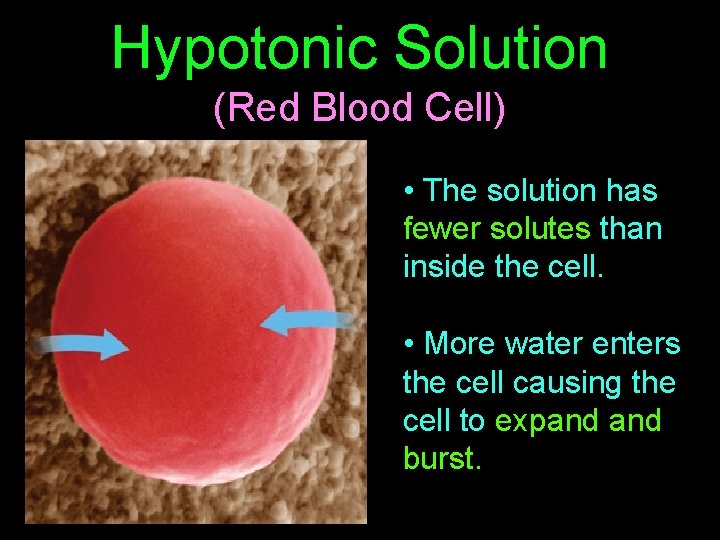
Hypotonic Solution (Red Blood Cell) • The solution has fewer solutes than inside the cell. • More water enters the cell causing the cell to expand burst.
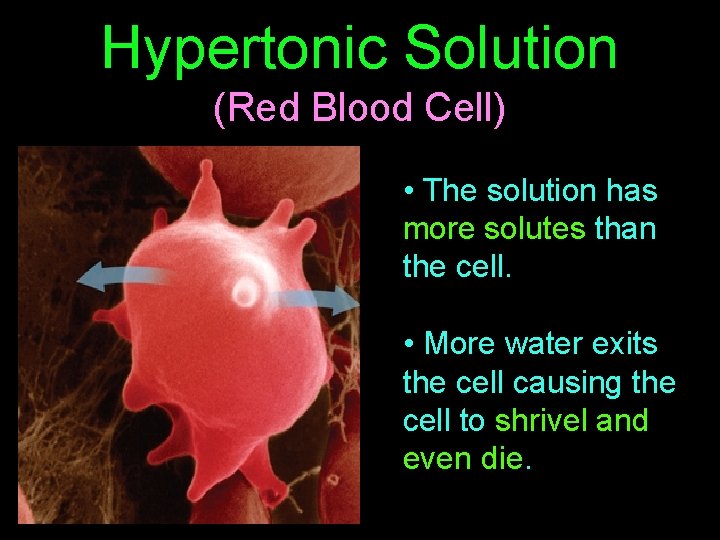
Hypertonic Solution (Red Blood Cell) • The solution has more solutes than the cell. • More water exits the cell causing the cell to shrivel and even die.
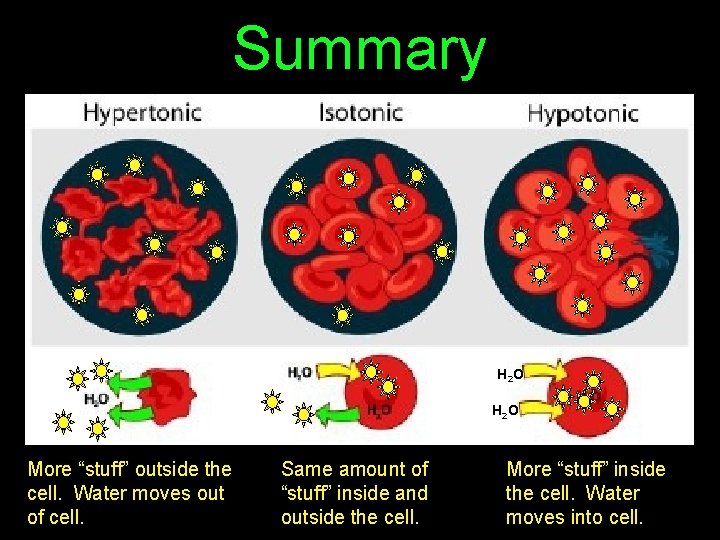
Summary H 2 O More “stuff” outside the cell. Water moves out of cell. Same amount of “stuff” inside and outside the cell. More “stuff” inside the cell. Water moves into cell.
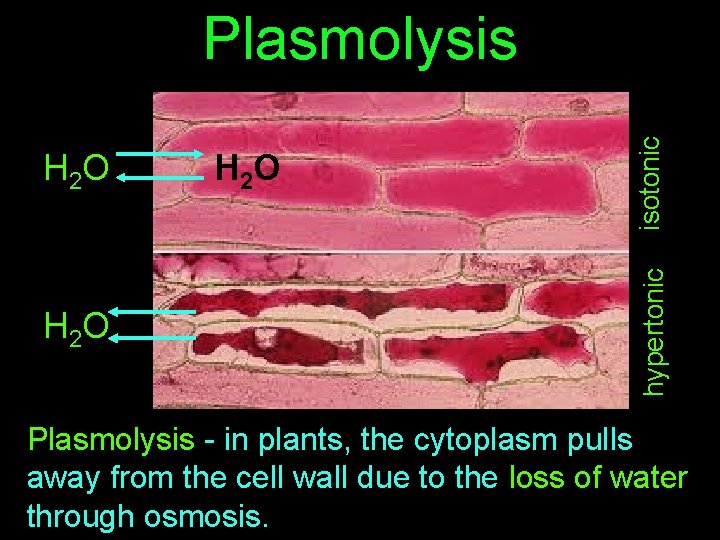
H 2 O hypertonic H 2 O isotonic Plasmolysis - in plants, the cytoplasm pulls away from the cell wall due to the loss of water through osmosis.
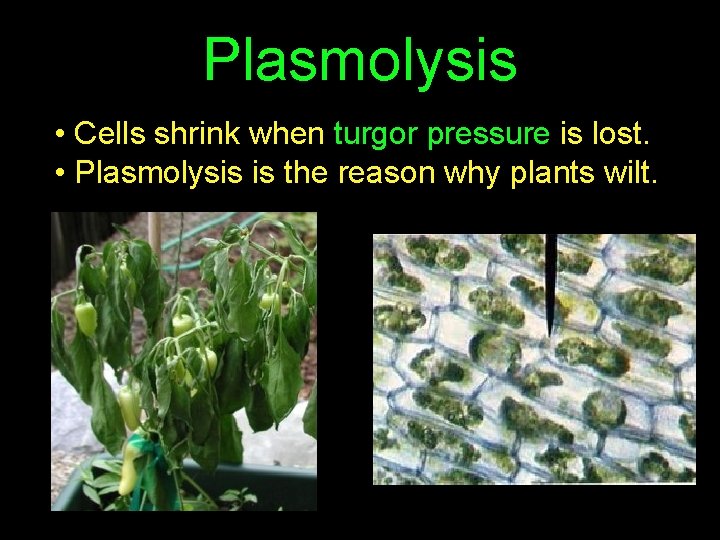
Plasmolysis • Cells shrink when turgor pressure is lost. • Plasmolysis is the reason why plants wilt.
You. Tube Hypotonic/Hypertonic Video

Stop Here
Cell Membrane Part 4
Learning Objectives • Describe the process of facilitated diffusion • Describe the process of active transport
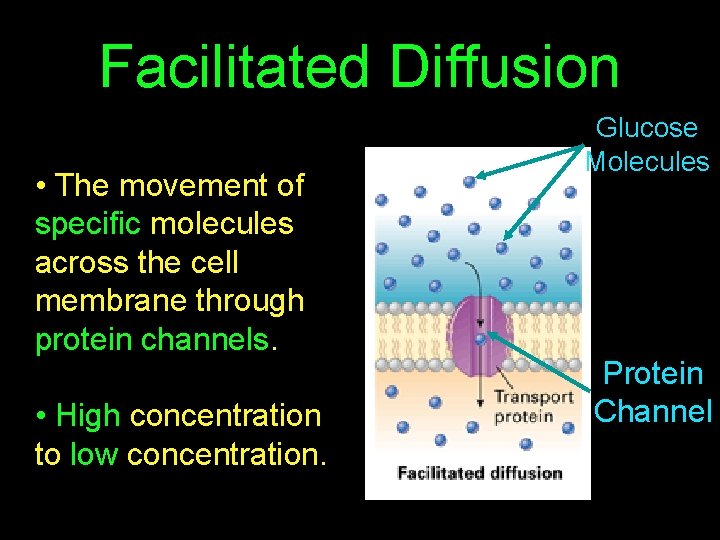
Facilitated Diffusion • The movement of specific molecules across the cell membrane through protein channels. • High concentration to low concentration. Glucose Molecules Protein Channel
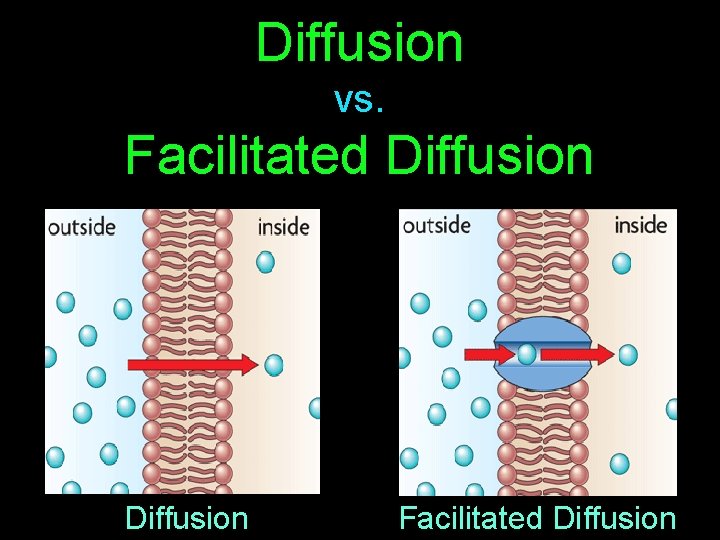
Diffusion vs. Facilitated Diffusion
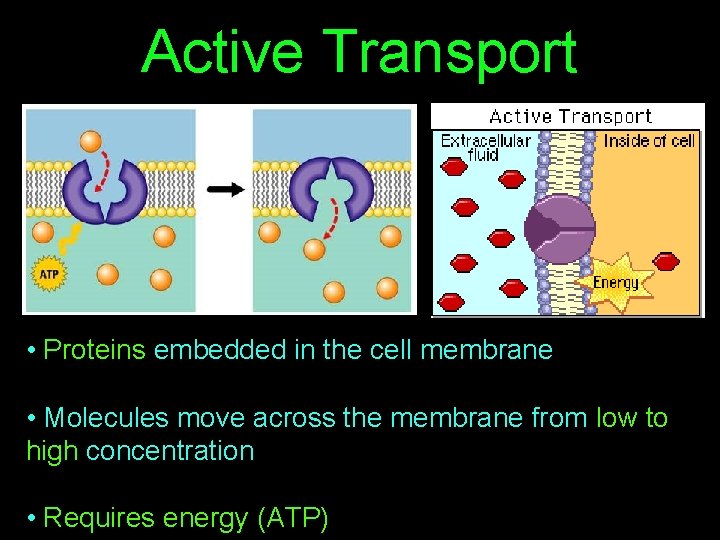
Active Transport • Proteins embedded in the cell membrane • Molecules move across the membrane from low to high concentration • Requires energy (ATP)
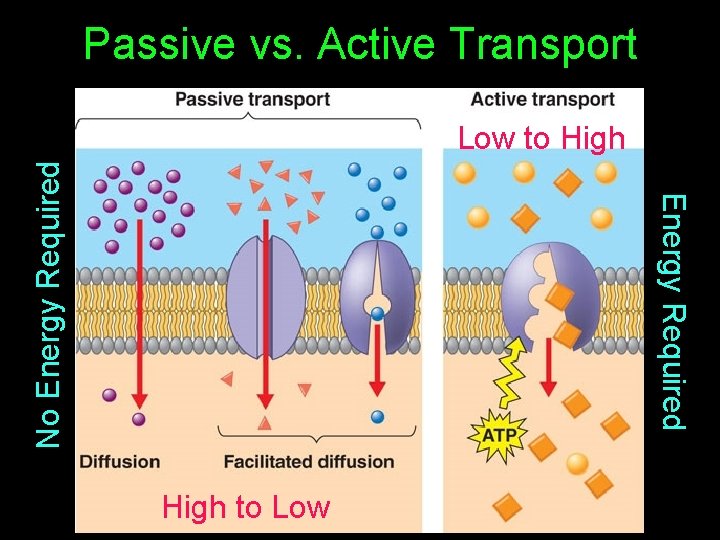
Passive vs. Active Transport Energy Required No Energy Required Low to High to Low
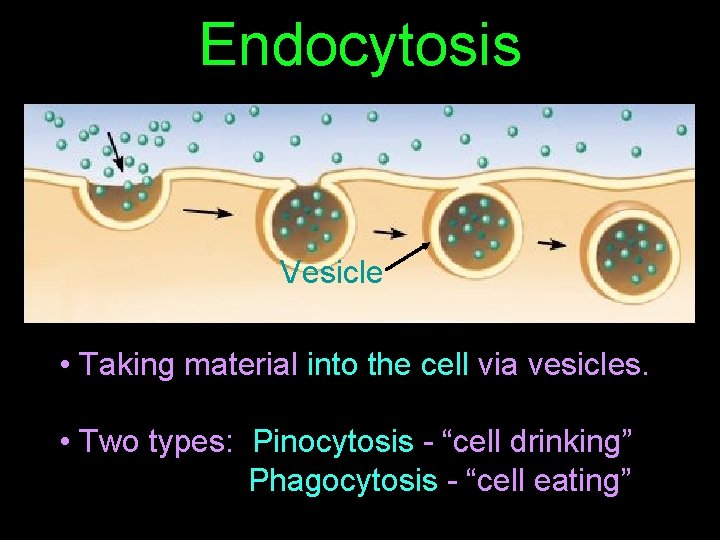
Endocytosis Vesicle • Taking material into the cell via vesicles. • Two types: Pinocytosis - “cell drinking” Phagocytosis - “cell eating”
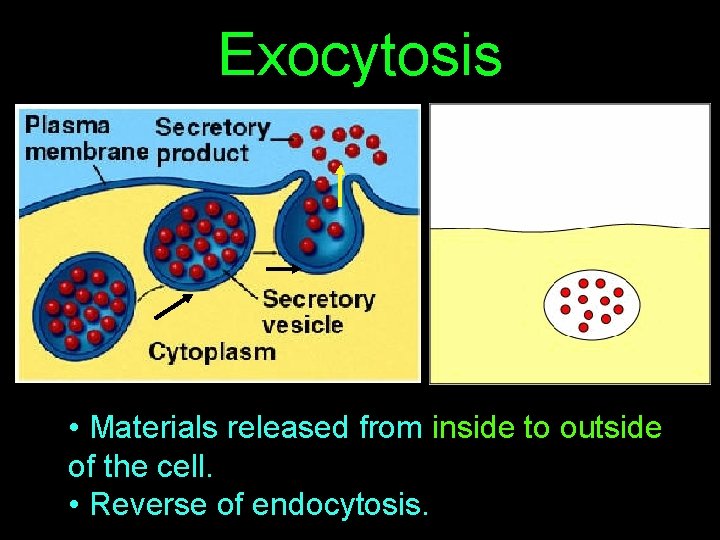
Exocytosis • Materials released from inside to outside of the cell. • Reverse of endocytosis.
You. Tube Membrane Transport Animation

Stop Here
Cell Boundaries • All cells are surrounded by a thin, flexible barrier known as the cell membrane, aka plasma membrane. • Many cells produce a strong supporting layer around the membrane known as the cell wall.
- Slides: 46