
CELL GROWTH DIVISION AND REPRODUCTION Why are cells
- Slides: 38
CELL GROWTH, DIVISION, AND REPRODUCTION
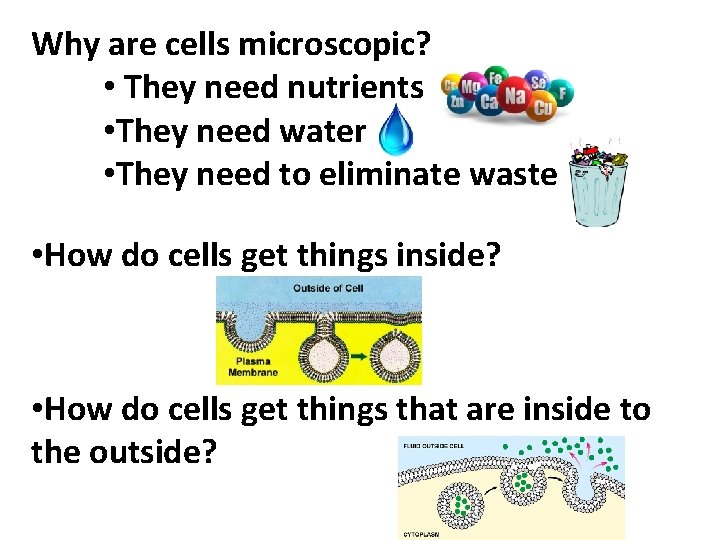
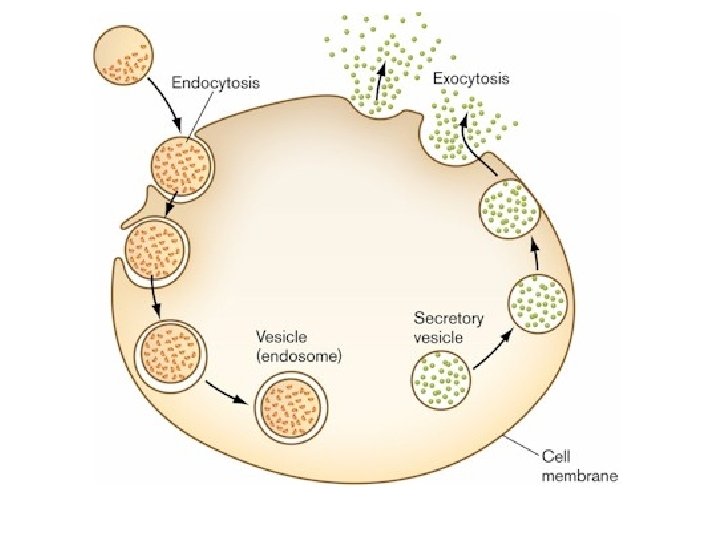
Why are cells microscopic? • They need nutrients • They need water • They need to eliminate waste • How do cells get things inside? • How do cells get things that are inside to the outside?
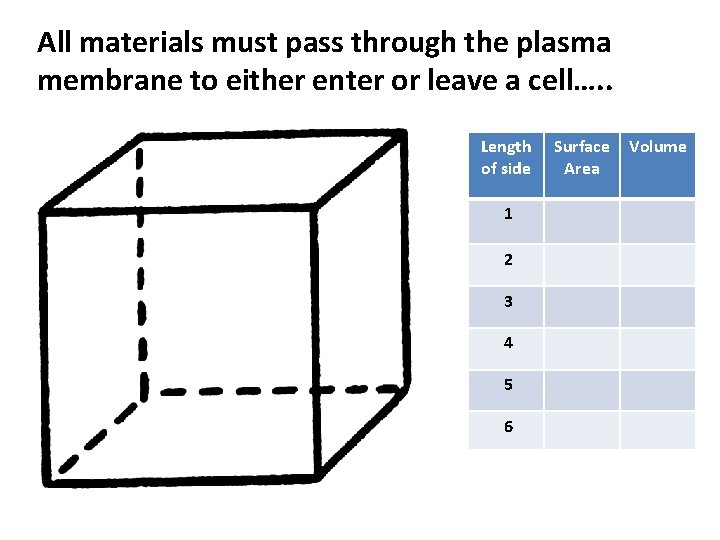
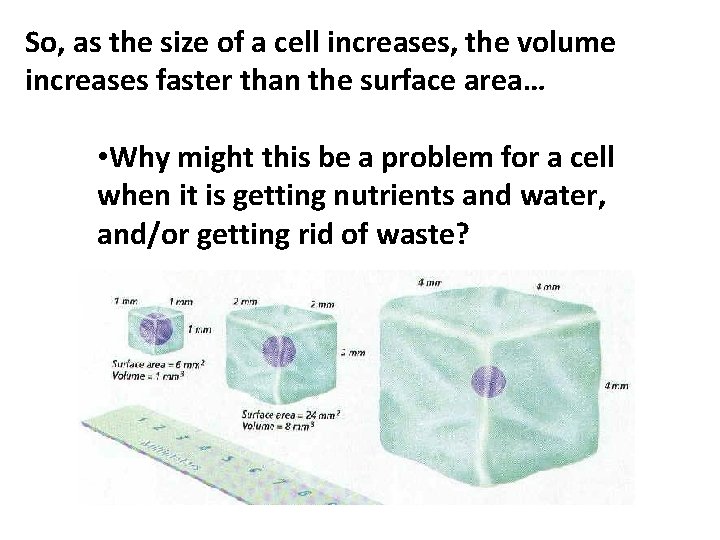
All materials must pass through the plasma membrane to either enter or leave a cell…. . Length of side 1 2 3 4 5 6 Surface Area Volume
So, as the size of a cell increases, the volume increases faster than the surface area… • Why might this be a problem for a cell when it is getting nutrients and water, and/or getting rid of waste?
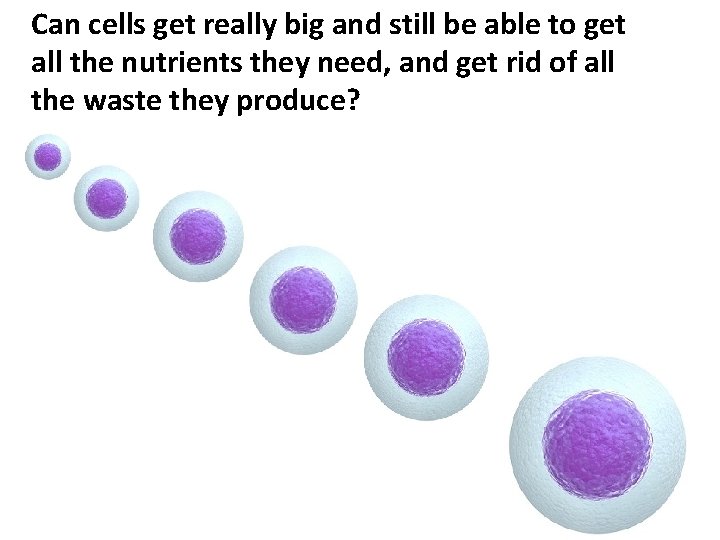
Can cells get really big and still be able to get all the nutrients they need, and get rid of all the waste they produce?
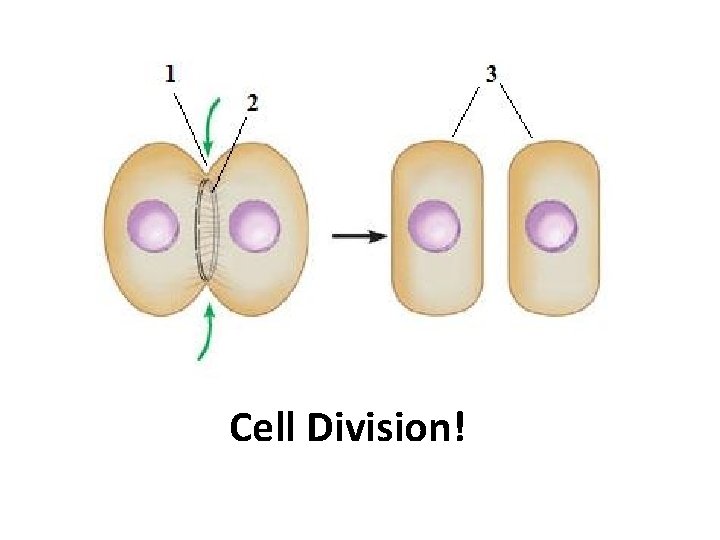
Cell Division!
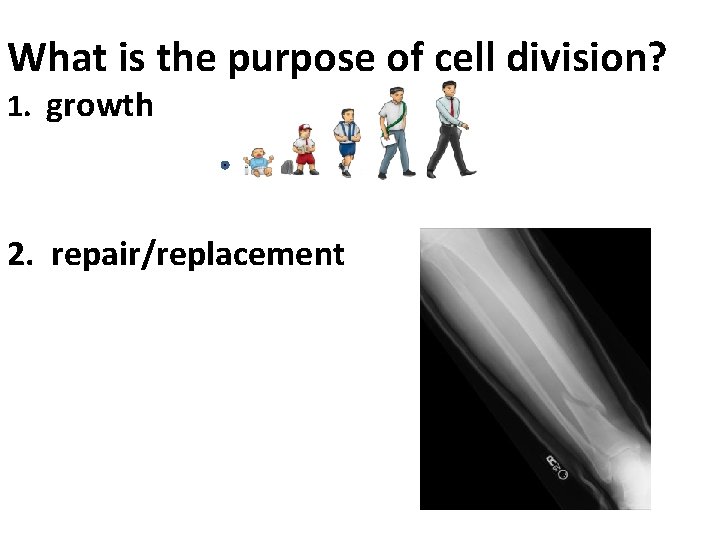
What is the purpose of cell division? 1. growth 2. repair/replacement
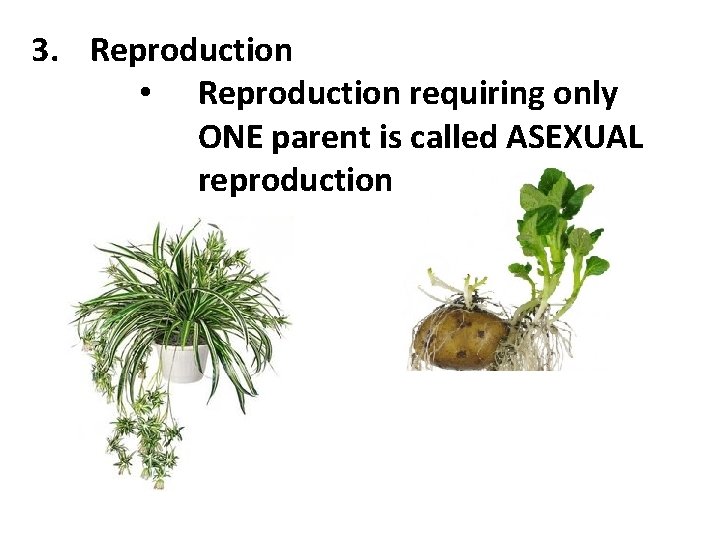
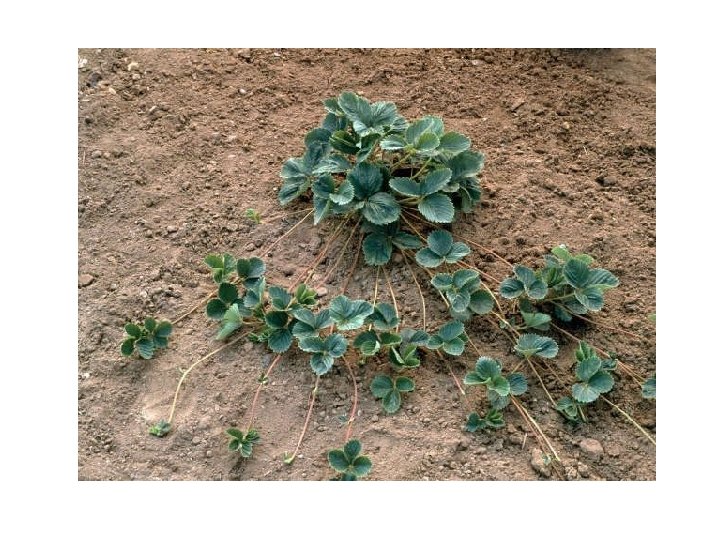
3. Reproduction • Reproduction requiring only ONE parent is called ASEXUAL reproduction
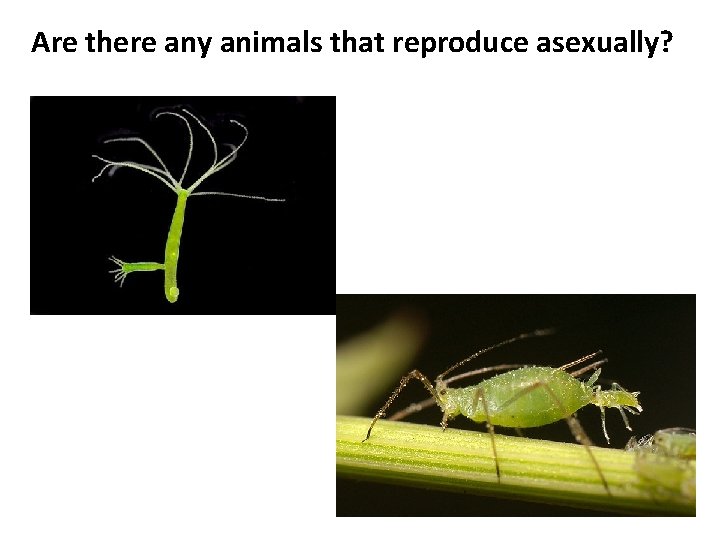
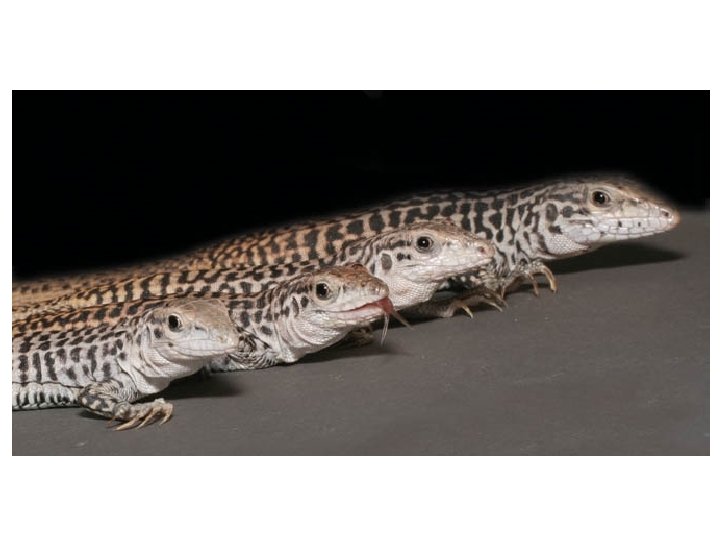
Are there any animals that reproduce asexually?
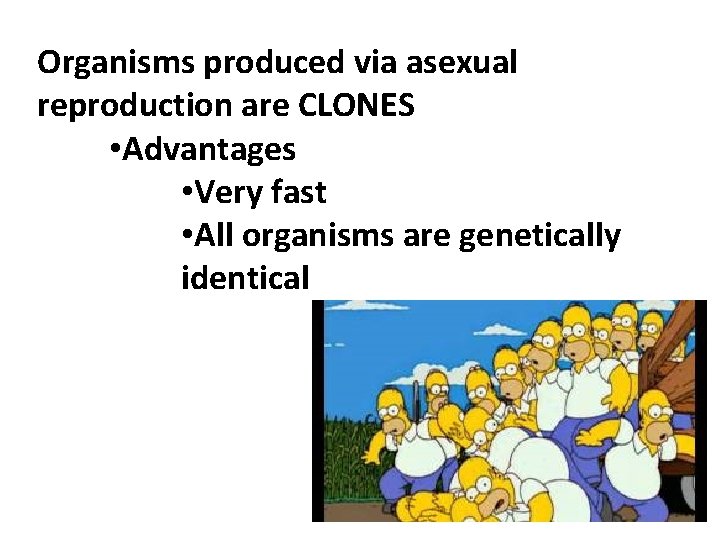
Organisms produced via asexual reproduction are CLONES • Advantages • Very fast • All organisms are genetically identical
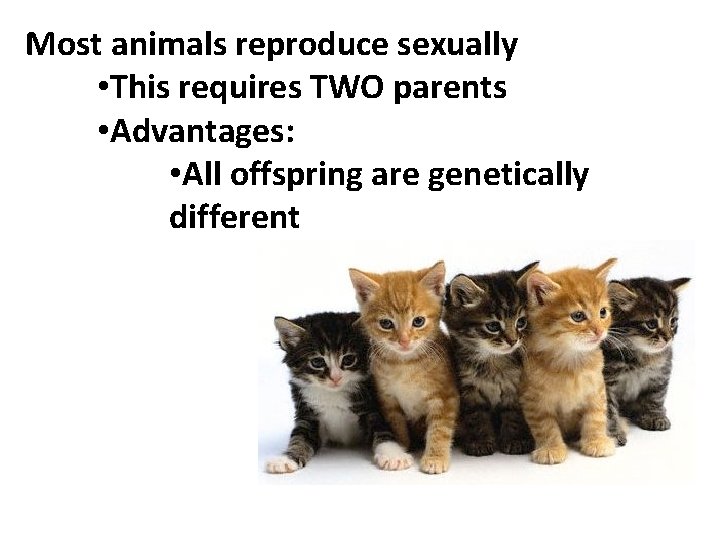
Most animals reproduce sexually • This requires TWO parents • Advantages: • All offspring are genetically different
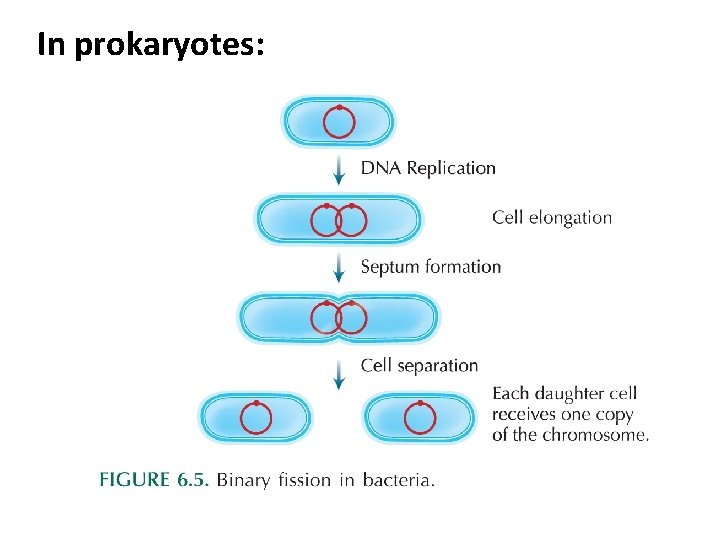
The process of cell division… • How does the genetic material in a cell get copied and distributed to the new cells?
In prokaryotes:
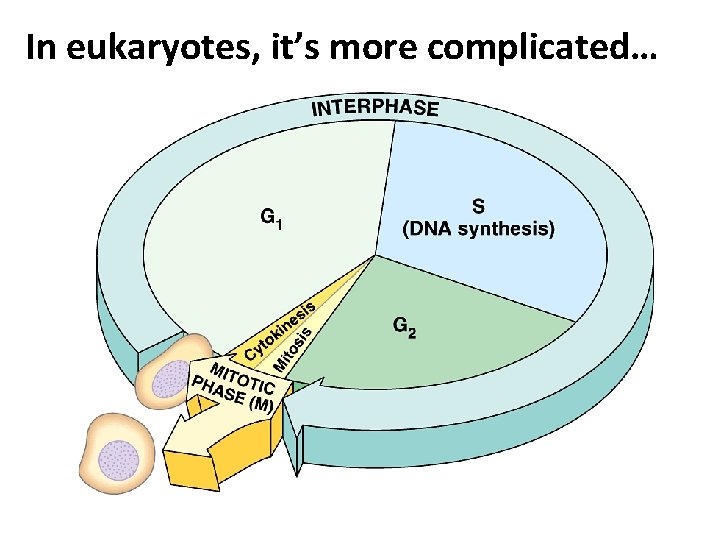
In eukaryotes, it’s more complicated…
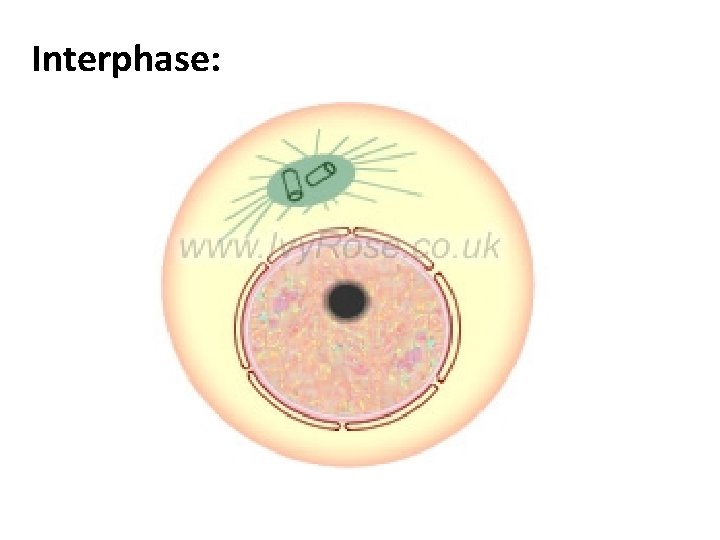
Interphase:
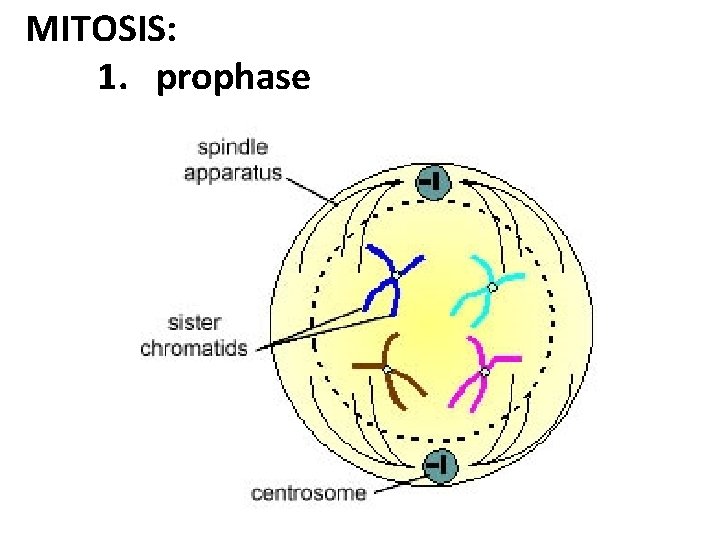
MITOSIS: 1. prophase
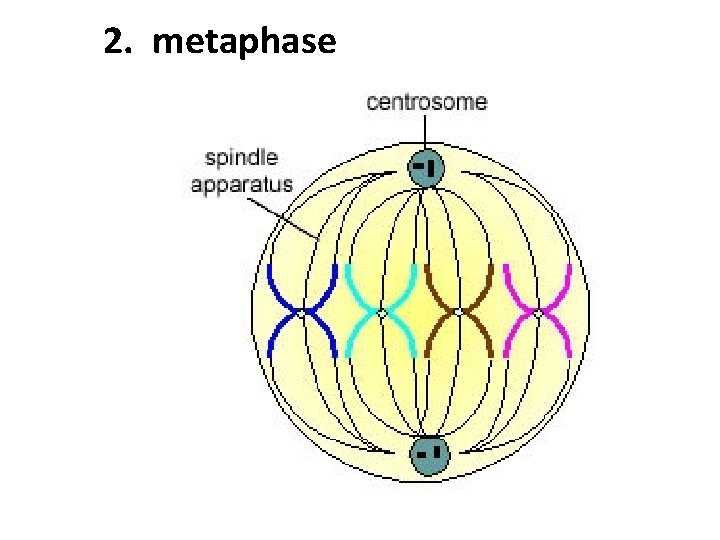
2. metaphase
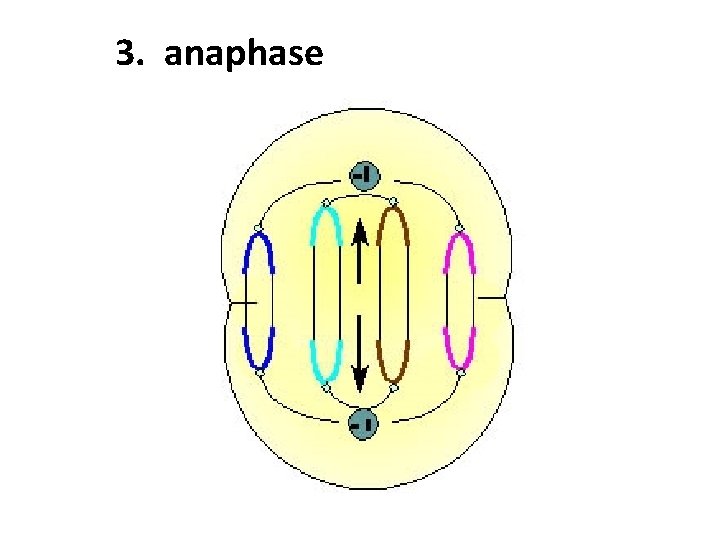
3. anaphase
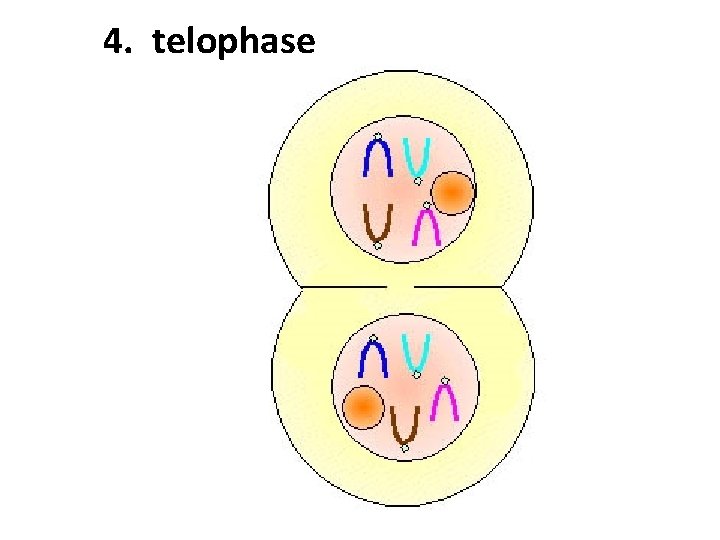
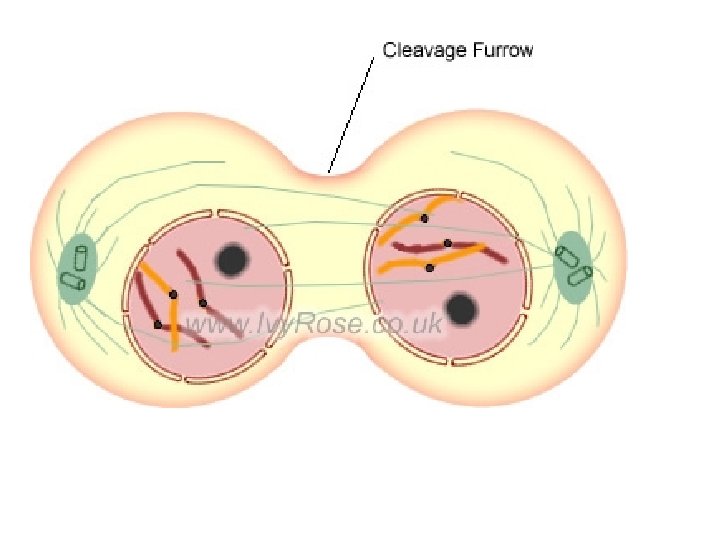
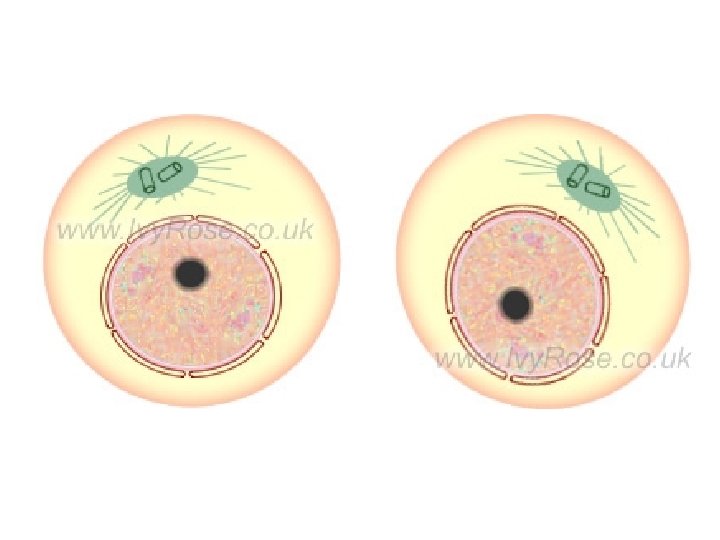
4. telophase
Regulating the Cell Cycle: • How do cells know when to divide? • How do cells know when NOT to divide?
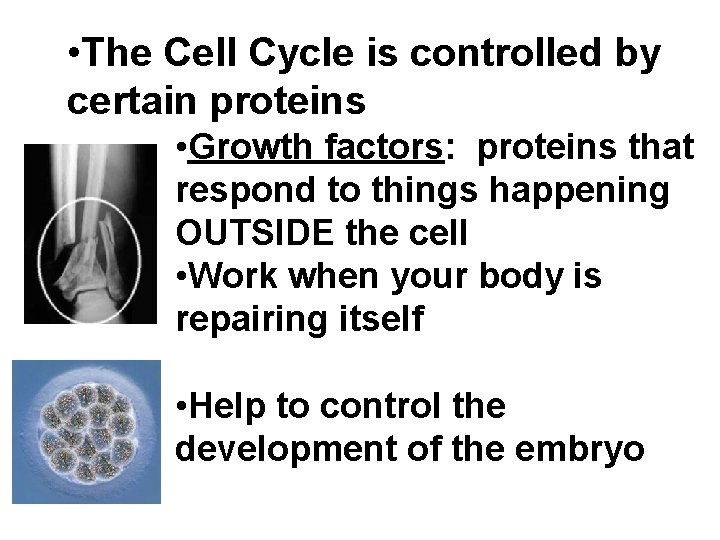
• The Cell Cycle is controlled by certain proteins • Growth factors: proteins that respond to things happening OUTSIDE the cell • Work when your body is repairing itself • Help to control the development of the embryo
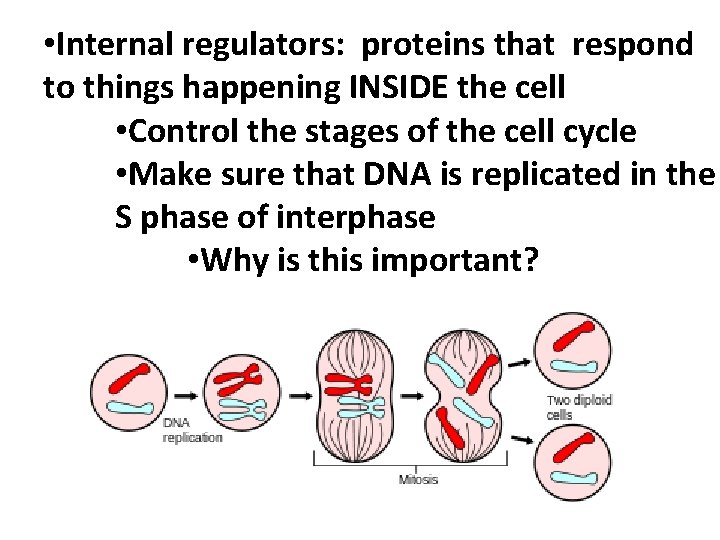
• Internal regulators: proteins that respond to things happening INSIDE the cell • Control the stages of the cell cycle • Make sure that DNA is replicated in the S phase of interphase • Why is this important?
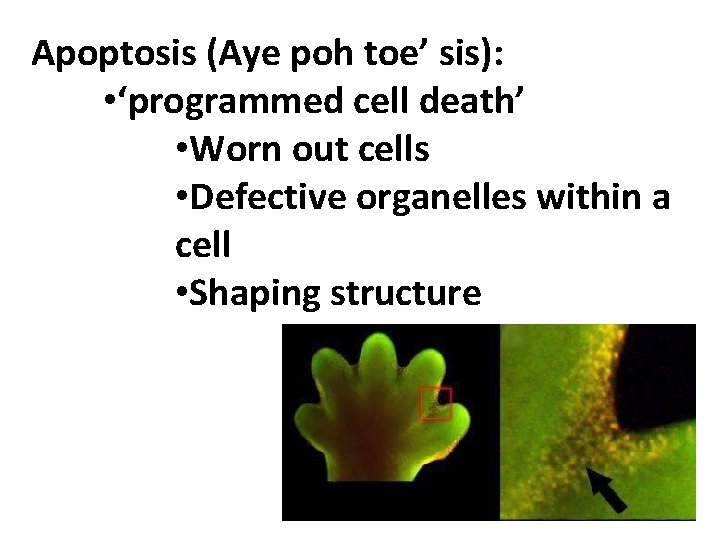
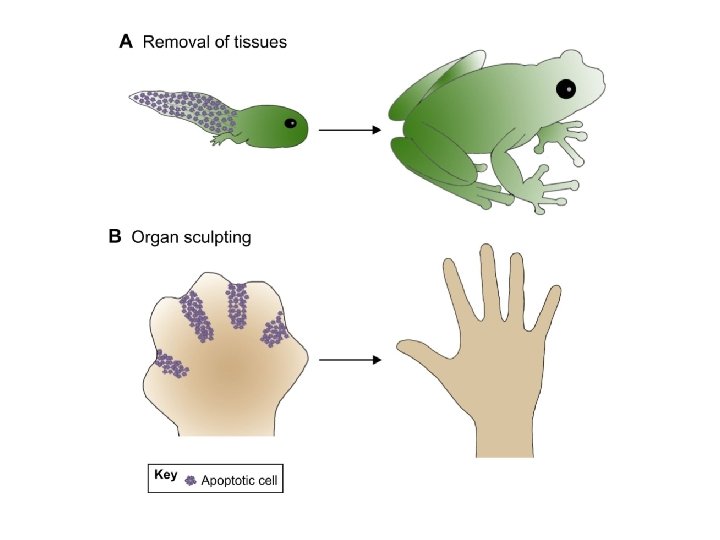
Apoptosis (Aye poh toe’ sis): • ‘programmed cell death’ • Worn out cells • Defective organelles within a cell • Shaping structure
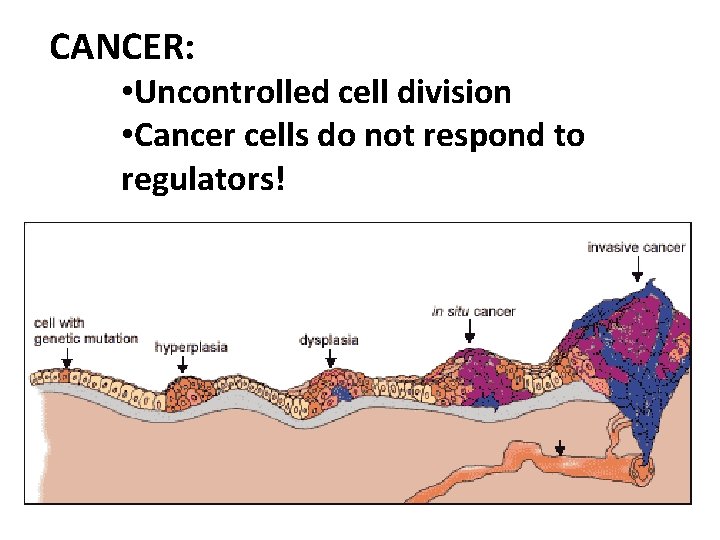
CANCER: • Uncontrolled cell division • Cancer cells do not respond to regulators!
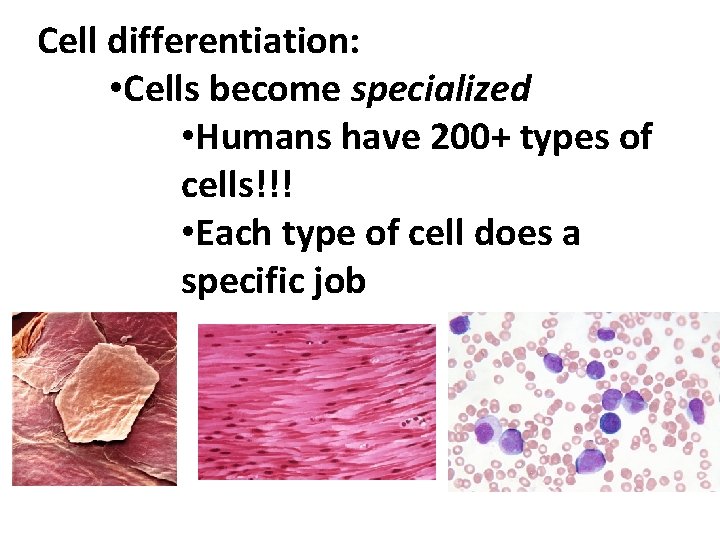
Cell differentiation: • Cells become specialized • Humans have 200+ types of cells!!! • Each type of cell does a specific job
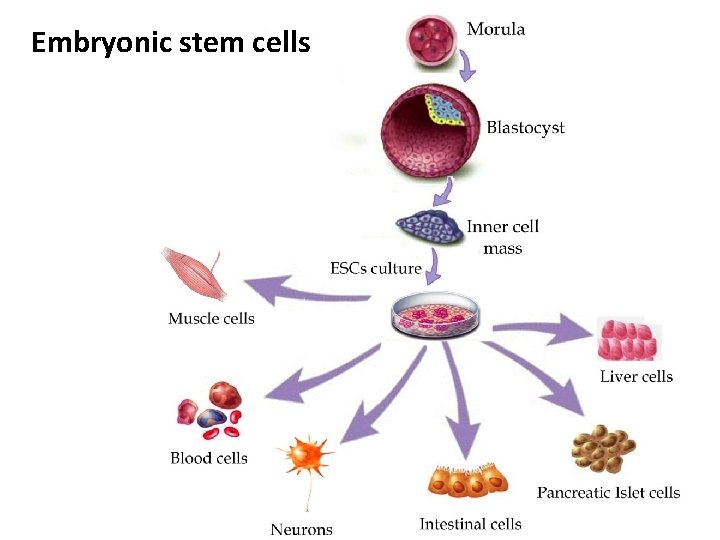
Embryonic stem cells
STEM CELLS are unspecialized cells that may develop into many other different types of cells • Found in embryos • Some are also found in adult humans • Skin cells, blood cells • These are multipotent • they can produce many but not ALL types of cells
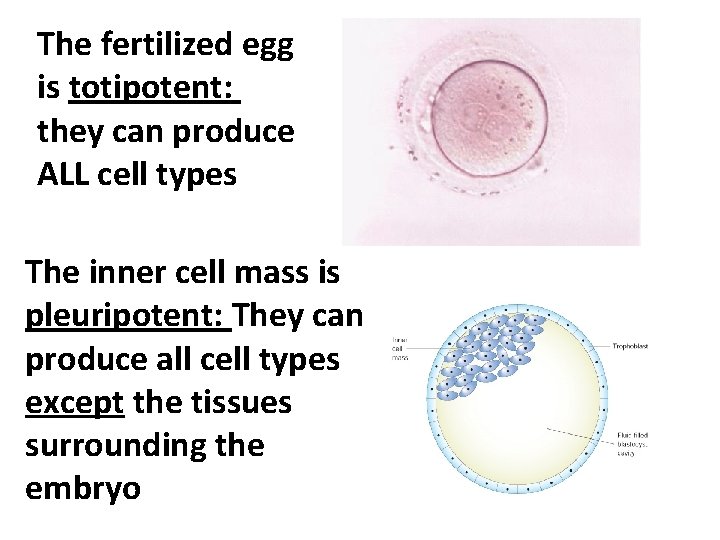
The fertilized egg is totipotent: they can produce ALL cell types The inner cell mass is pleuripotent: They can produce all cell types except the tissues surrounding the embryo