
Cell Division The process by which cells reproduce
Cell Division The process by which cells reproduce themselves Two types of cell division: Somatic cell division Reproductive cell division
Somatic Cell Division Somatic cell - any body cell other than a germ cell (gamete) Two stages of somatic cell division: � Nuclear division - mitosis � Cytoplasmic division – cytokinesis Produces two identical diploid cells Replaces dead or injured cells Adds new cells during tissue growth

Reproductive Cell Division Germ cell - a gamete (sperm or oocyte) Two stages of reproductive cell division: � Nuclear division – meiosis � Cytoplasmic division – cytokinesis Produces unique haploid cells Supplies gametes
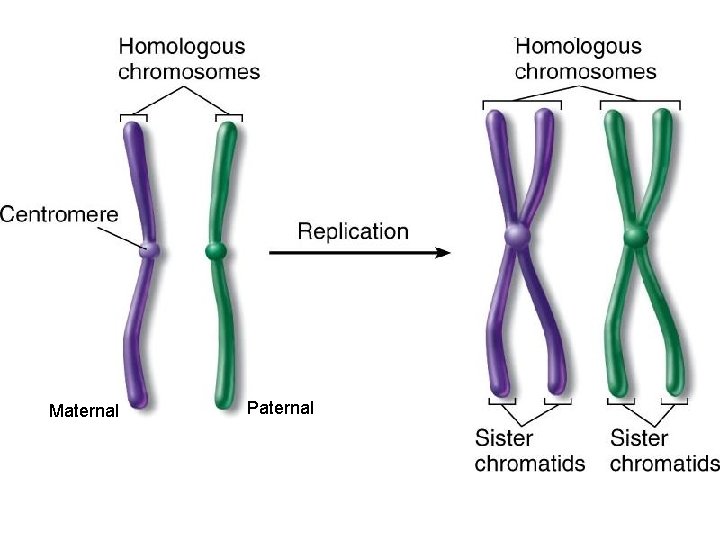
Maternal Paternal
Somatic Cell Chromosomes 23 pairs of chromosomes in human body cells � One member of each pair is inherited from each parent. 22 pairs of homologous chromosomes. 1 pair of sex chromosomes. � In females – XX � In males – XY Because somatic cells contain two sets of chromosomes, they are called diploid cells (2 n).

Somatic Cell Cycle The sequence of events by which a somatic cell: Grows Duplicates its contents Divides in two The cell cycle is divided into two major periods: Interphase - when a cell is not dividing Mitotic phase - when a cell is dividing
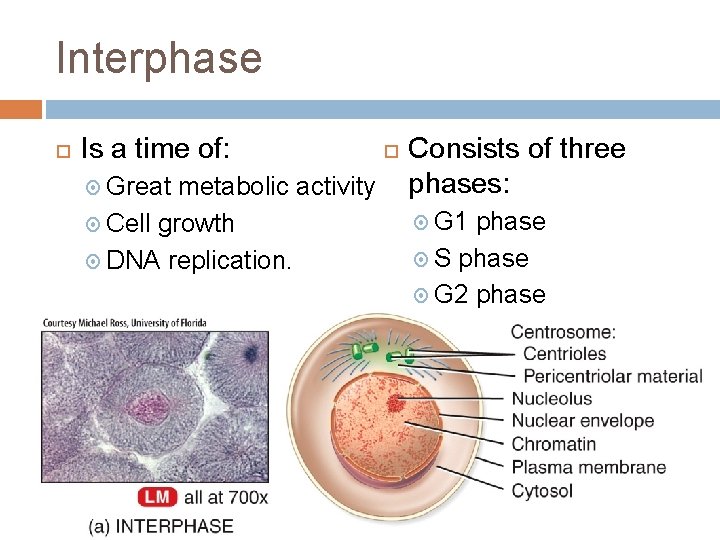
Interphase Is a time of: Great metabolic activity Cell growth DNA replication. Consists of three phases: G 1 phase S phase G 2 phase
G 1 phase (8 -10 hours) Lasts 8 -10 hours Newly formed cell: Is metabolically active Duplicates its organelles Grows in size Time varies – ex. embryonic cells and cancer cells
G 0 – a Special Case of G 1 Some cells enter G 1 and do not leave We say that they are in G 0 cells are metabolically active, BUT: They do not replicate their DNA They do not divide Examples: neurons and skeletal muscle cells
S phase (8 hours) Lasts about 8 hours The cell replicates its DNA Once a cell enters S-phase, it is committed to go through cell division
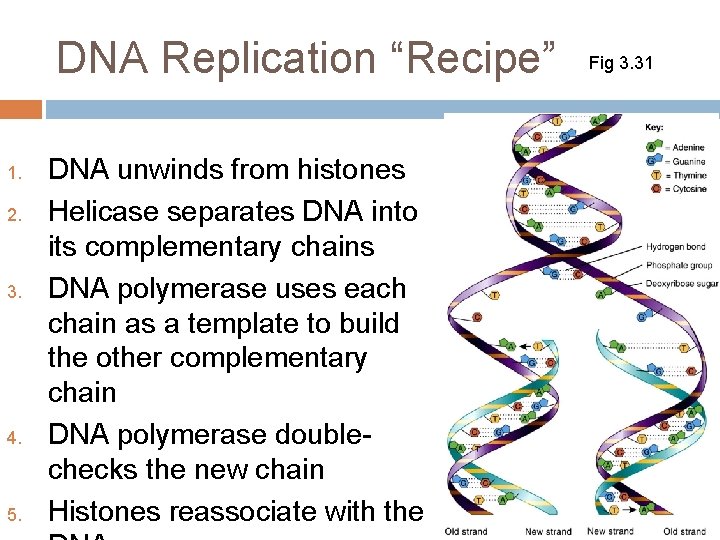
DNA Replication “Recipe” 1. 2. 3. 4. 5. DNA unwinds from histones Helicase separates DNA into its complementary chains DNA polymerase uses each chain as a template to build the other complementary chain DNA polymerase doublechecks the new chain Histones reassociate with the Fig 3. 31
G 2 phase (4 -6 hours) Cell continues to grow and be metabolically active. It is making its final preparations for cell division.
Mitotic Phase of the Somatic Cell Cycle Consists of a: � Nuclear division - mitosis � Cytoplasmic division - cytokinesis Produces two identical diploid cells
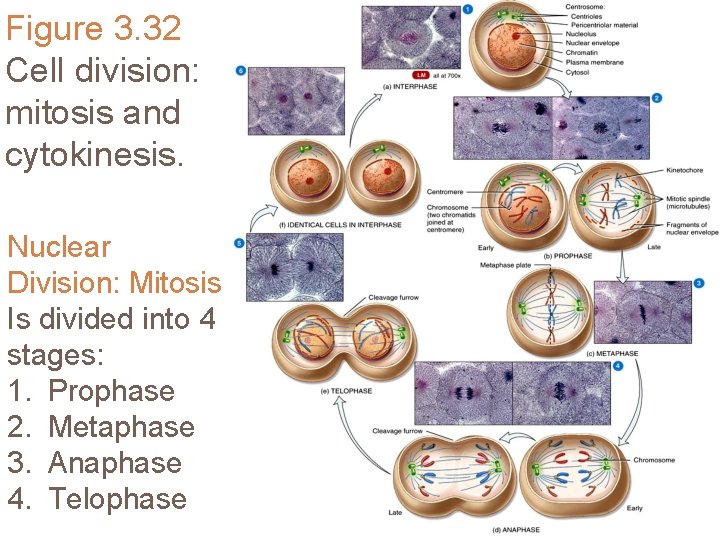
Figure 3. 32 Cell division: mitosis and cytokinesis. Nuclear Division: Mitosis Is divided into 4 stages: 1. Prophase 2. Metaphase 3. Anaphase 4. Telophase
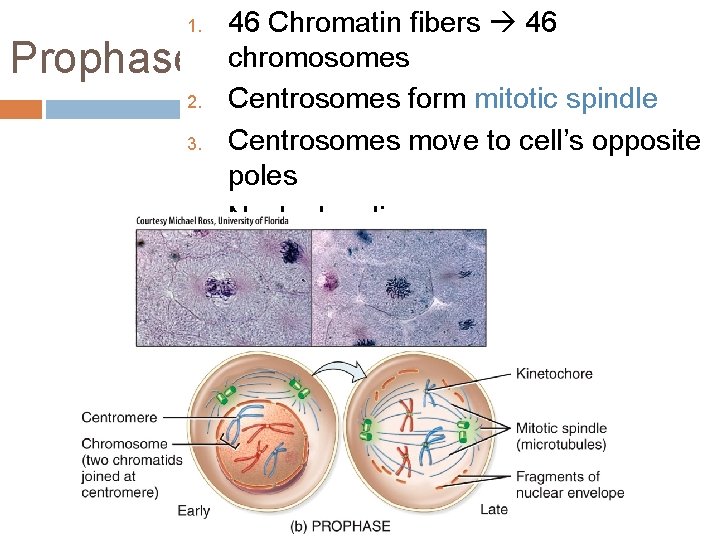
1. Prophase 2. 3. 4. 5. 46 Chromatin fibers 46 chromosomes Centrosomes form mitotic spindle Centrosomes move to cell’s opposite poles Nucleolus disappears Nuclear envelope breaks down
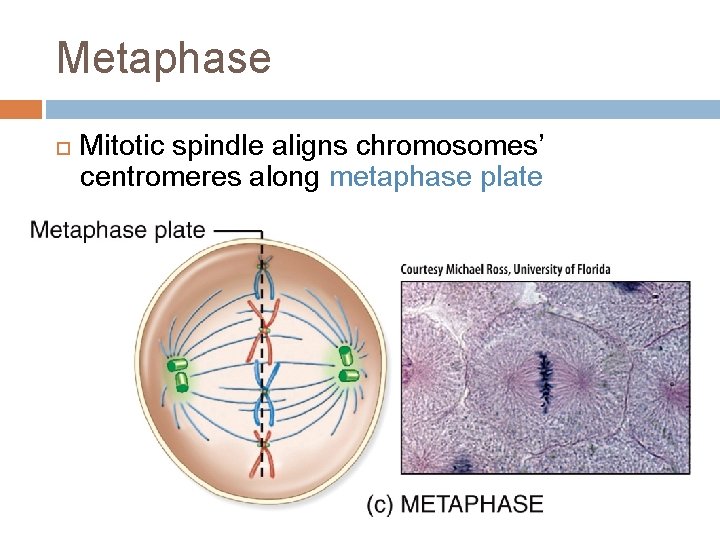
Metaphase Mitotic spindle aligns chromosomes’ centromeres along metaphase plate
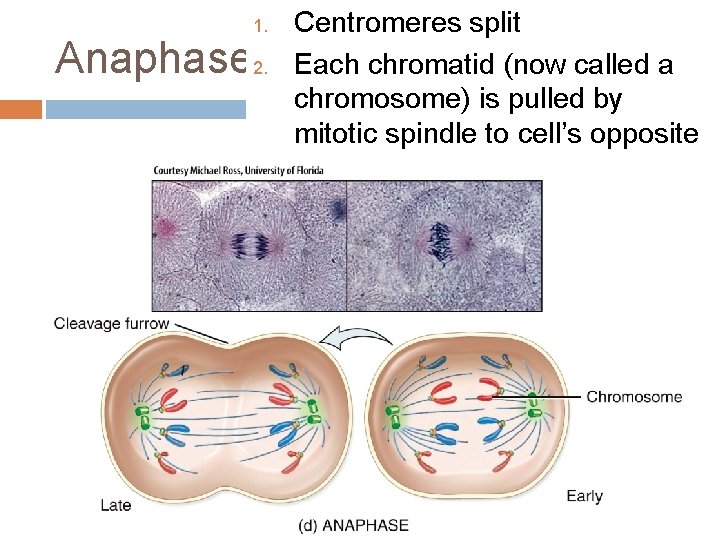
1. Anaphase 2. Centromeres split Each chromatid (now called a chromosome) is pulled by mitotic spindle to cell’s opposite poles
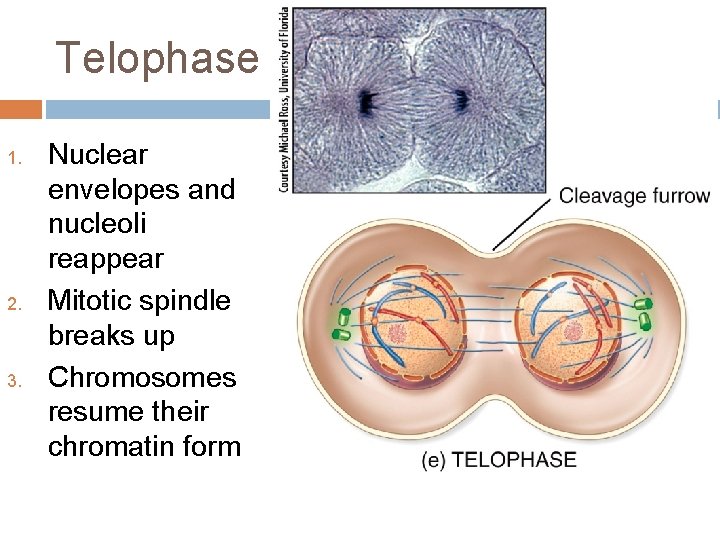
Telophase 1. 2. 3. Nuclear envelopes and nucleoli reappear Mitotic spindle breaks up Chromosomes resume their chromatin form
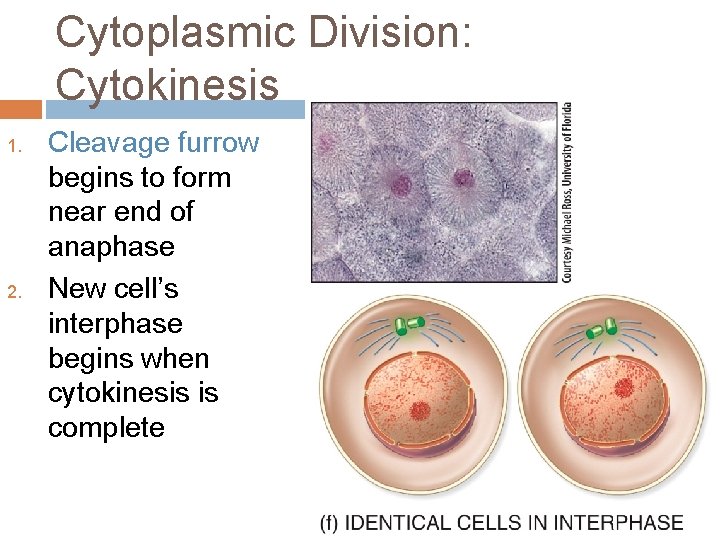
Cytoplasmic Division: Cytokinesis 1. 2. Cleavage furrow begins to form near end of anaphase New cell’s interphase begins when cytokinesis is complete
- Slides: 19