
Cell Division Dividing to multiply Why Divide Growth

- Slides: 18
Cell Division Dividing to multiply
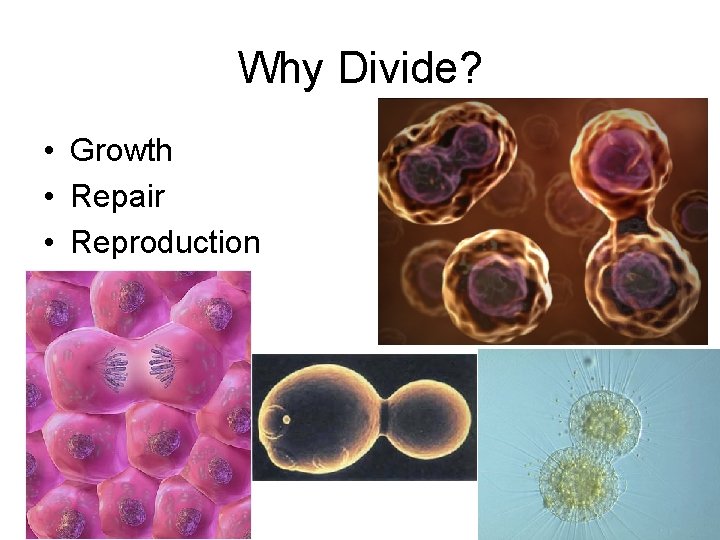
Why Divide? • Growth • Repair • Reproduction
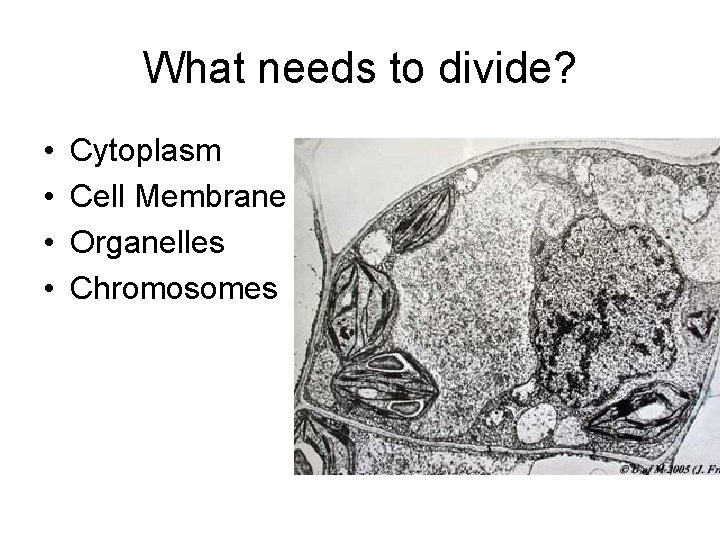
What needs to divide? • • Cytoplasm Cell Membrane Organelles Chromosomes
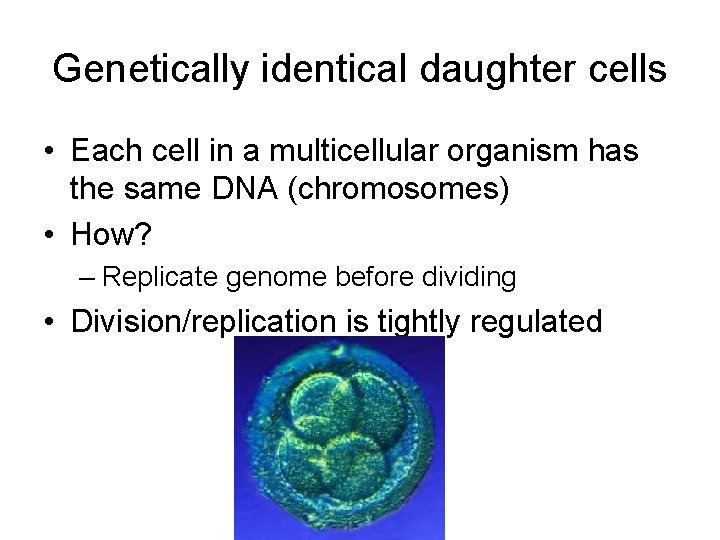
Genetically identical daughter cells • Each cell in a multicellular organism has the same DNA (chromosomes) • How? – Replicate genome before dividing • Division/replication is tightly regulated
Genome • Humans have ~2 m DNA – Organized into chromosomes • Every species has a characteristic number of chromosomes – Diploid – Haploid
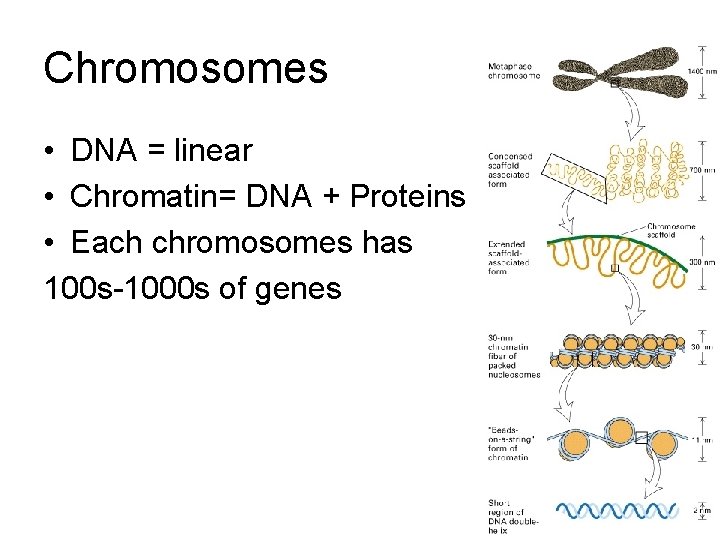
Chromosomes • DNA = linear • Chromatin= DNA + Proteins • Each chromosomes has 100 s-1000 s of genes
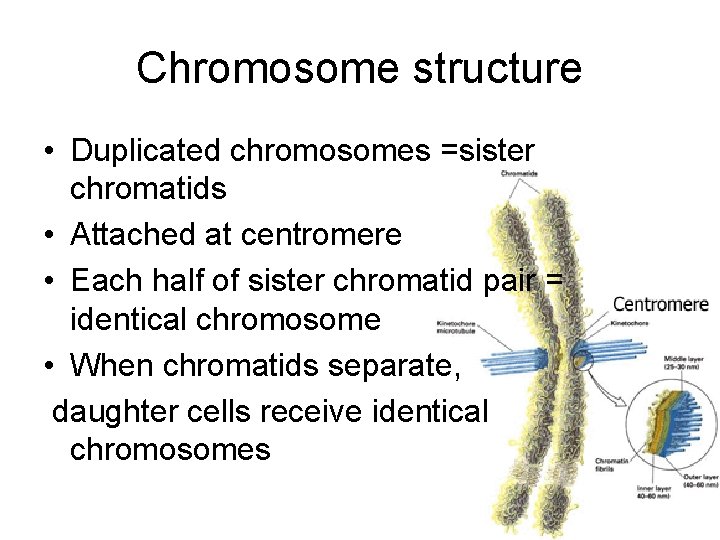
Chromosome structure • Duplicated chromosomes =sister chromatids • Attached at centromere • Each half of sister chromatid pair = identical chromosome • When chromatids separate, daughter cells receive identical chromosomes
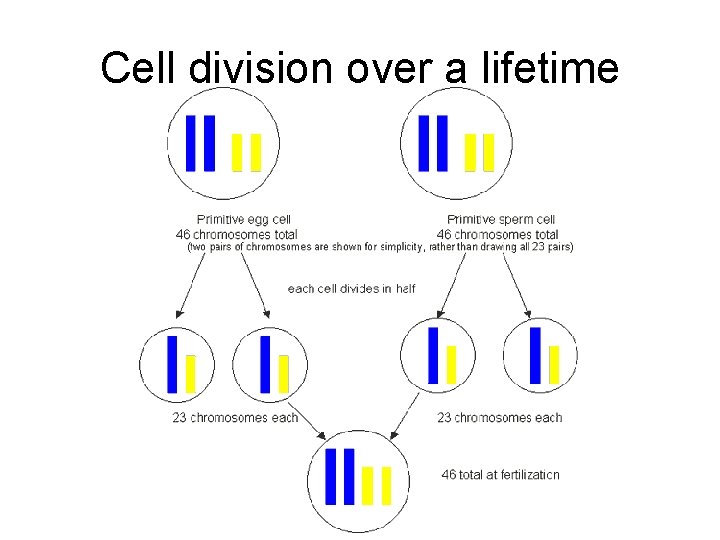
Cell division over a lifetime
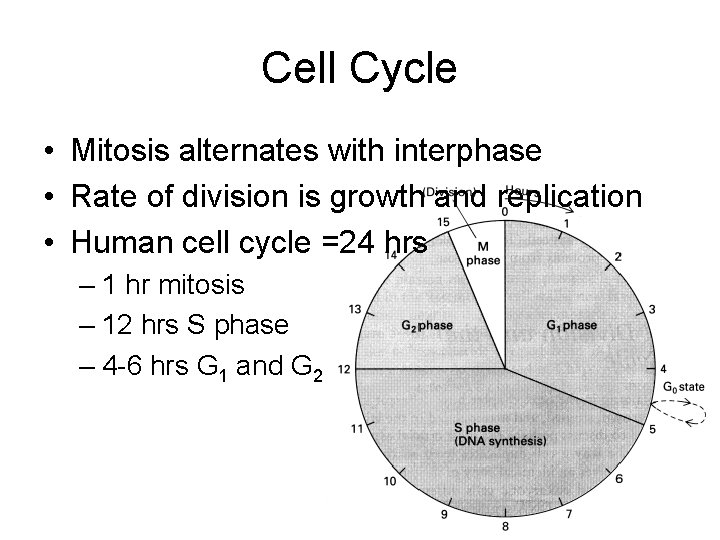
Cell Cycle • Mitosis alternates with interphase • Rate of division is growth and replication • Human cell cycle =24 hrs – 1 hr mitosis – 12 hrs S phase – 4 -6 hrs G 1 and G 2
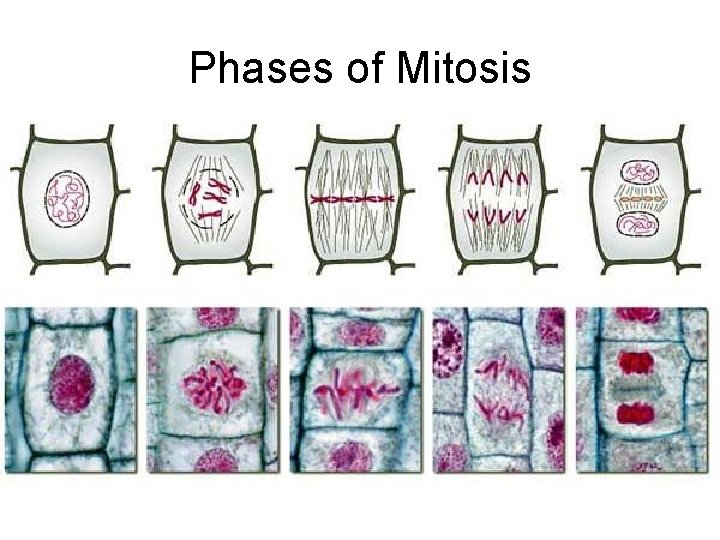
Phases of Mitosis
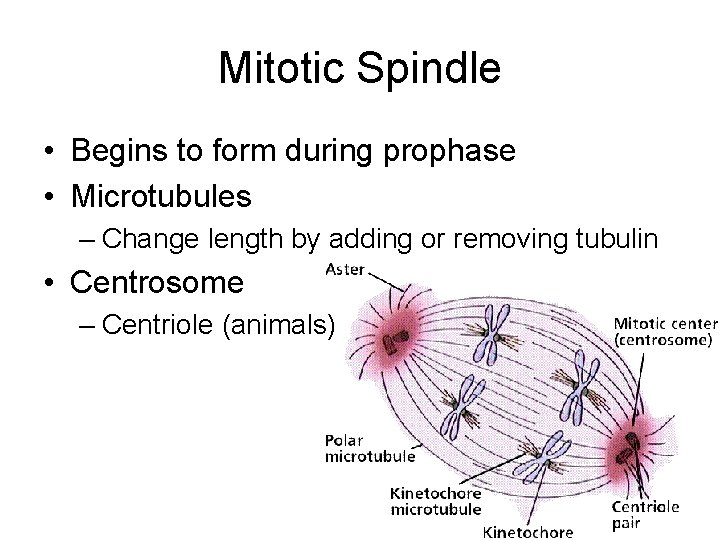
Mitotic Spindle • Begins to form during prophase • Microtubules – Change length by adding or removing tubulin • Centrosome – Centriole (animals)
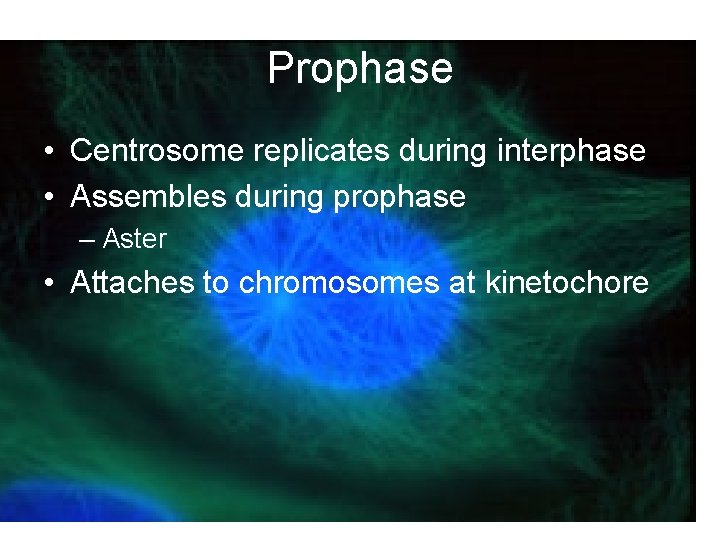
Prophase • Centrosome replicates during interphase • Assembles during prophase – Aster • Attaches to chromosomes at kinetochore
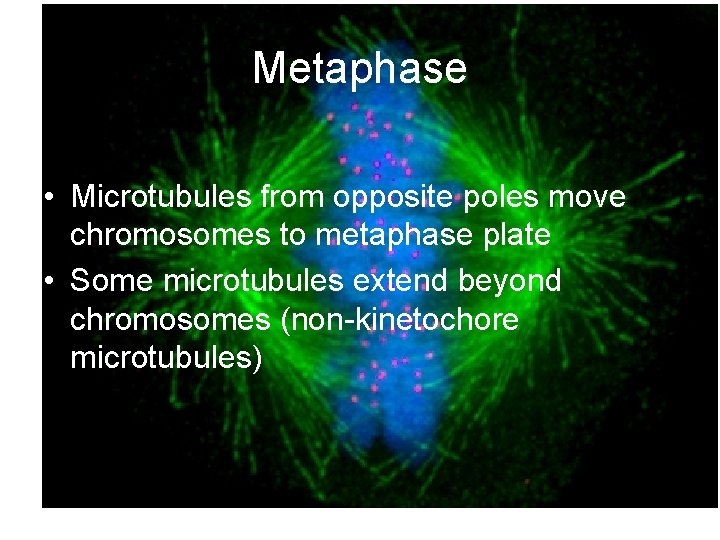
Metaphase • Microtubules from opposite poles move chromosomes to metaphase plate • Some microtubules extend beyond chromosomes (non-kinetochore microtubules)
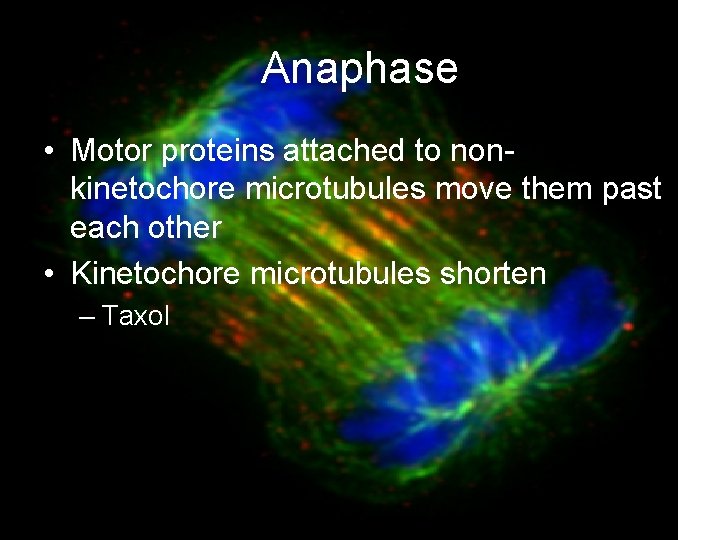
Anaphase • Motor proteins attached to nonkinetochore microtubules move them past each other • Kinetochore microtubules shorten – Taxol
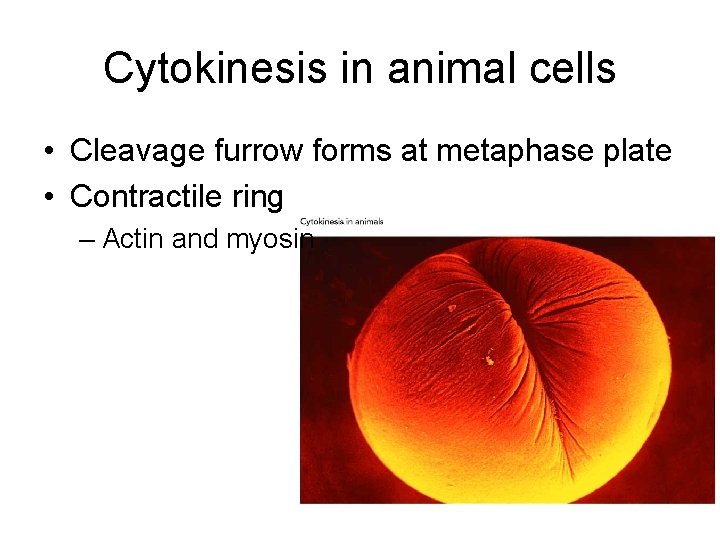
Cytokinesis in animal cells • Cleavage furrow forms at metaphase plate • Contractile ring – Actin and myosin
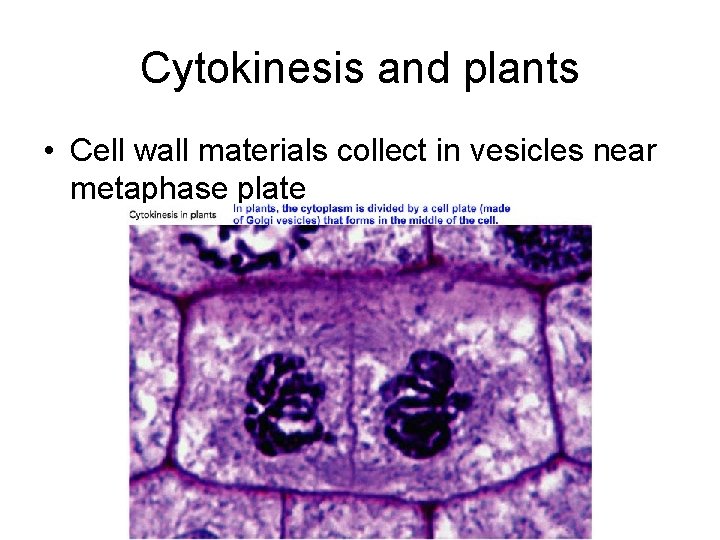
Cytokinesis and plants • Cell wall materials collect in vesicles near metaphase plate
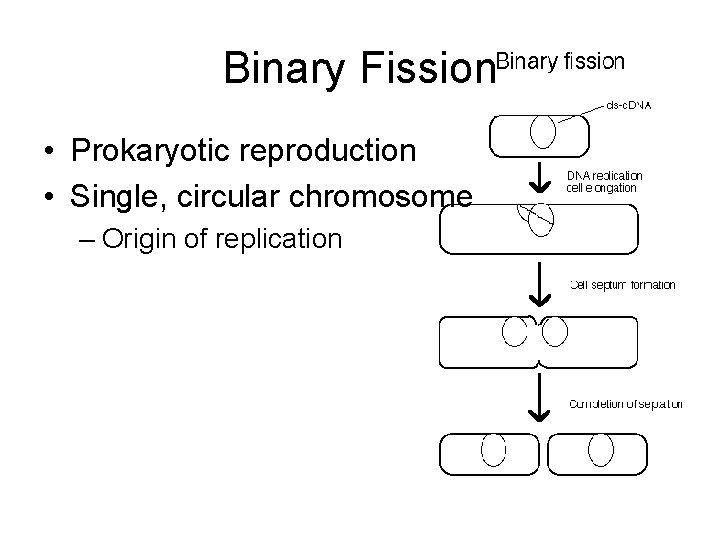
Binary Fission • Prokaryotic reproduction • Single, circular chromosome – Origin of replication