
Cell Differentiation Learning Objectives Describe the process of
Cell Differentiation
Learning Objectives § Describe the process of differentiation. § Define stem cells and explain their importance. § Identify the possible benefits and issues relating to stem cell research.
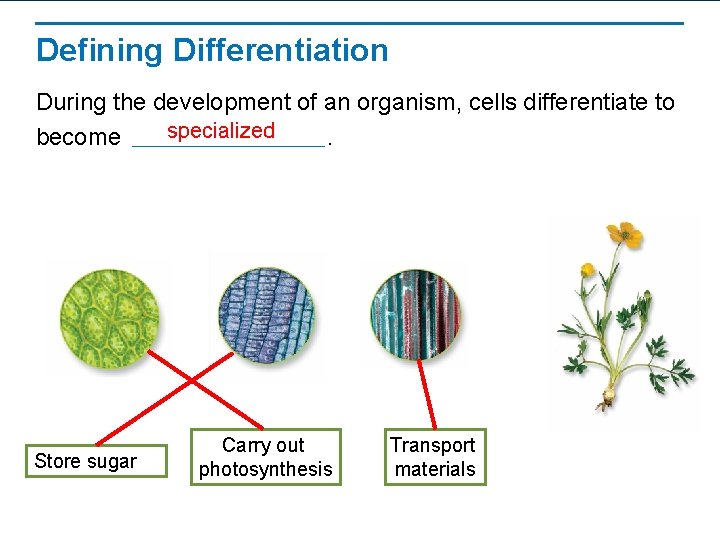
Defining Differentiation During the development of an organism, cells differentiate to specialized become. Store sugar Carry out photosynthesis Transport materials
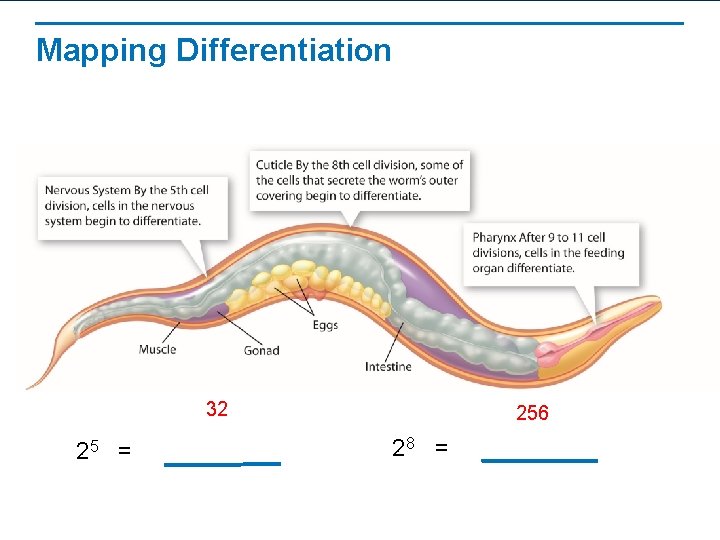
Mapping Differentiation 32 25 = 256 28 =
What Are Stem Cells? unspecialized Stem cells are the differentiated cells develop. cells from which Totipotent: can develop into any type of cell in the body (including the cells that make up the extraembryonic membranes and placenta) Pluripotent: cells that are capable of developing into most, but not all, of the body’s cell types
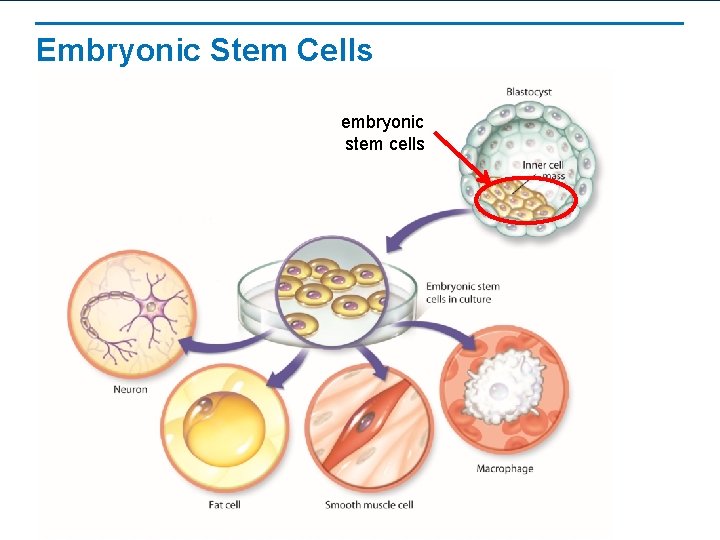
Embryonic Stem Cells embryonic stem cells
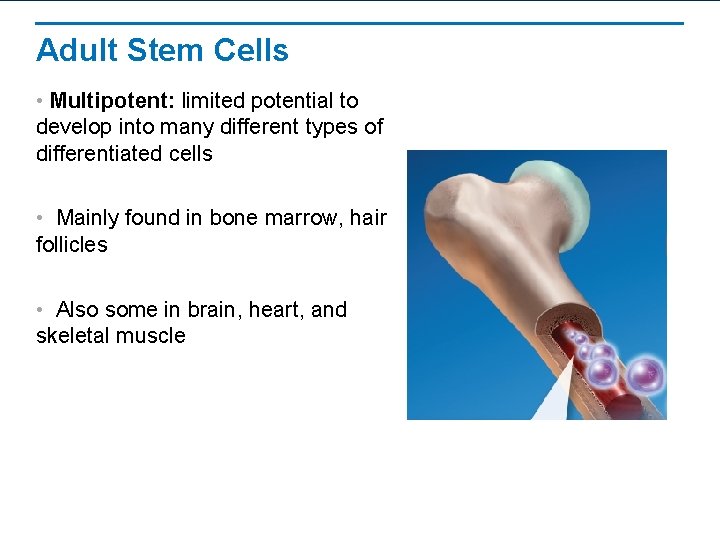
Adult Stem Cells • Multipotent: limited potential to develop into many different types of differentiated cells • Mainly found in bone marrow, hair follicles • Also some in brain, heart, and skeletal muscle
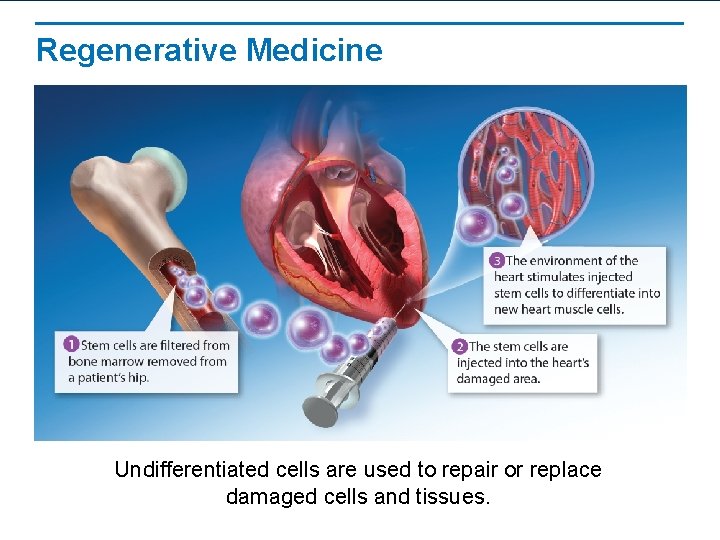
Regenerative Medicine Undifferentiated cells are used to repair or replace damaged cells and tissues.
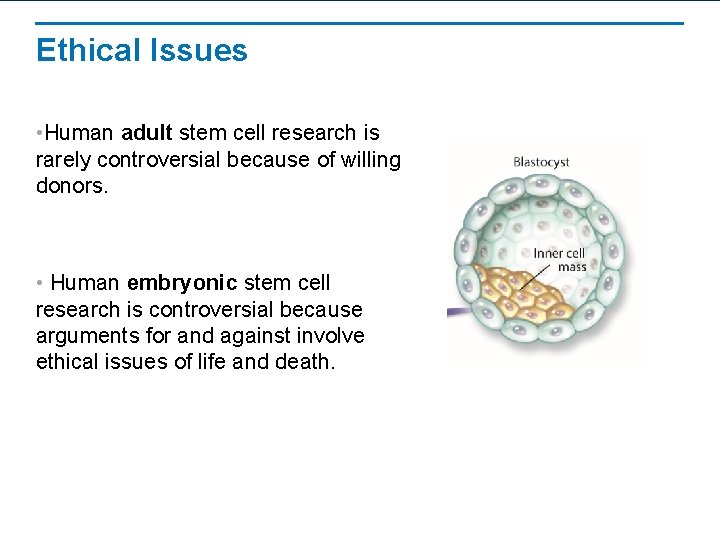
Ethical Issues • Human adult stem cell research is rarely controversial because of willing donors. • Human embryonic stem cell research is controversial because arguments for and against involve ethical issues of life and death.
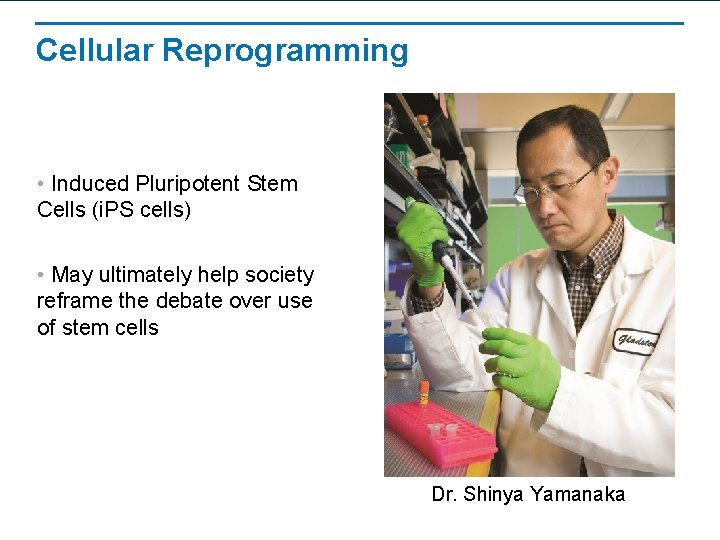
Cellular Reprogramming • Induced Pluripotent Stem Cells (i. PS cells) • May ultimately help society reframe the debate over use of stem cells Dr. Shinya Yamanaka
- Slides: 10