
Cell Cycle Regulation and Cancer 3 Checkpoints Control
- Slides: 17
Cell Cycle Regulation and Cancer
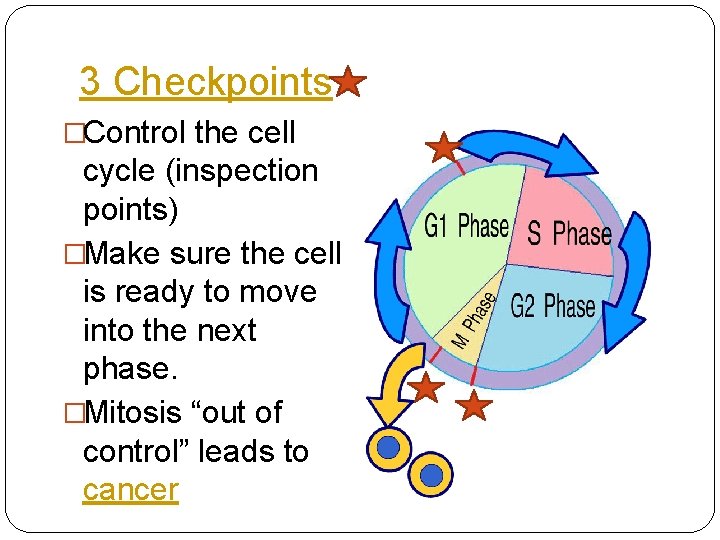
3 Checkpoints �Control the cell cycle (inspection points) �Make sure the cell is ready to move into the next phase. �Mitosis “out of control” leads to cancer
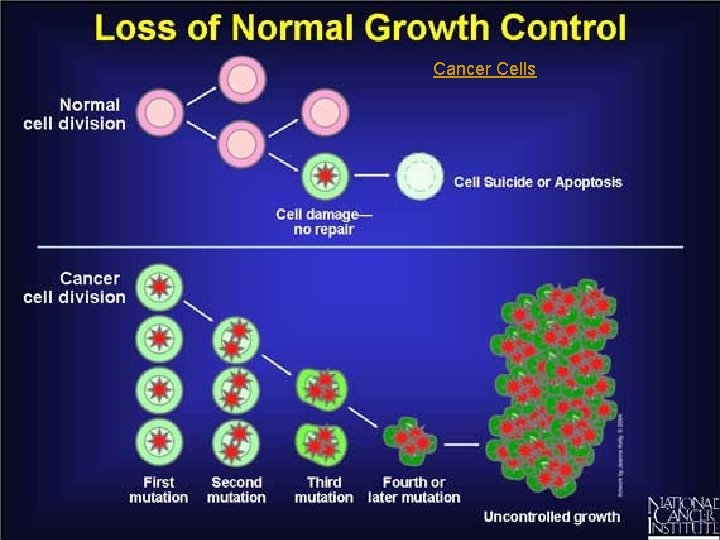
What is Cancer? �Abnormal cell growth (neoplasia) �Benign: slow growth, non-invasive, no metastasis (spread of cancer) �Malignant: rapid growth, invasive, potential for metastasis
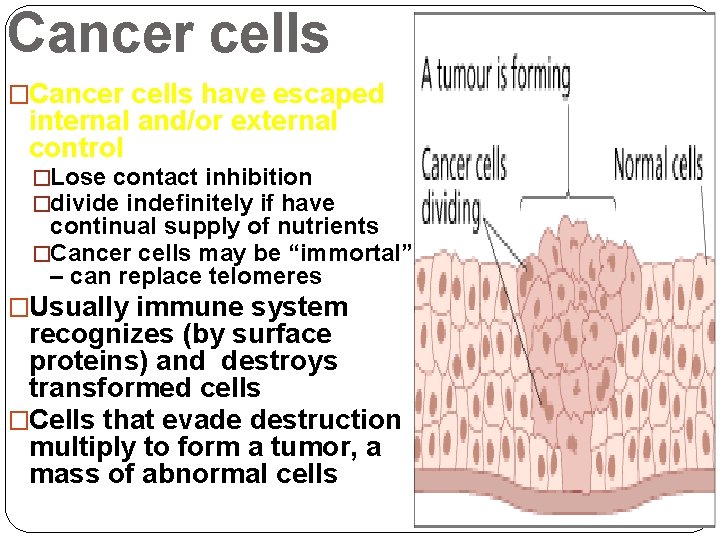
Cancer cells �Cancer cells have escaped internal and/or external control �Lose contact inhibition �divide indefinitely if have continual supply of nutrients �Cancer cells may be “immortal” – can replace telomeres �Usually immune system recognizes (by surface proteins) and destroys transformed cells �Cells that evade destruction multiply to form a tumor, a mass of abnormal cells
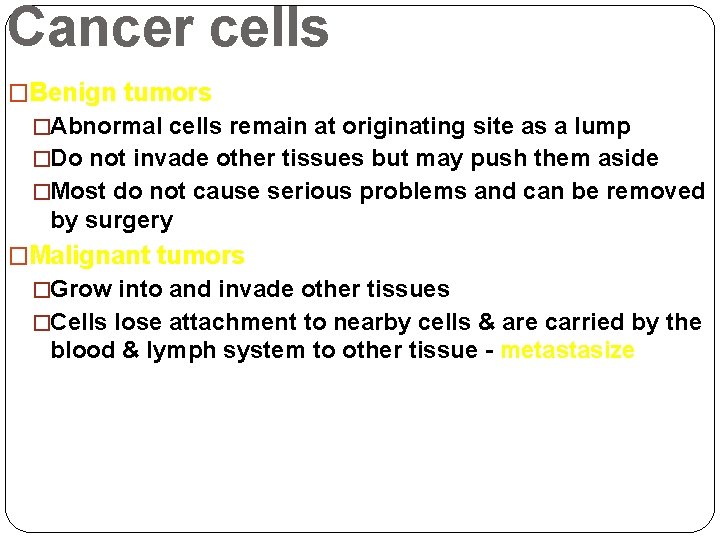
Cancer cells �Benign tumors �Abnormal cells remain at originating site as a lump �Do not invade other tissues but may push them aside �Most do not cause serious problems and can be removed by surgery �Malignant tumors �Grow into and invade other tissues �Cells lose attachment to nearby cells & are carried by the blood & lymph system to other tissue - metastasize
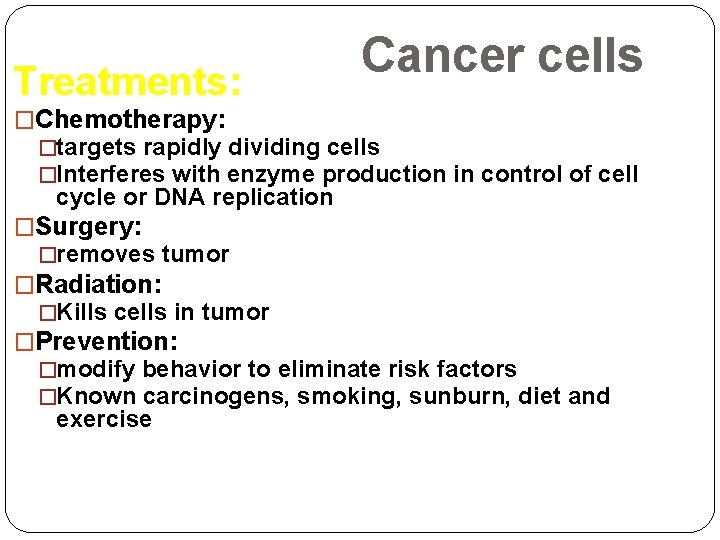
Treatments: Cancer cells �Chemotherapy: �targets rapidly dividing cells �Interferes with enzyme production in control of cell cycle or DNA replication �Surgery: �removes tumor �Radiation: �Kills cells in tumor �Prevention: �modify behavior to eliminate risk factors �Known carcinogens, smoking, sunburn, diet and exercise
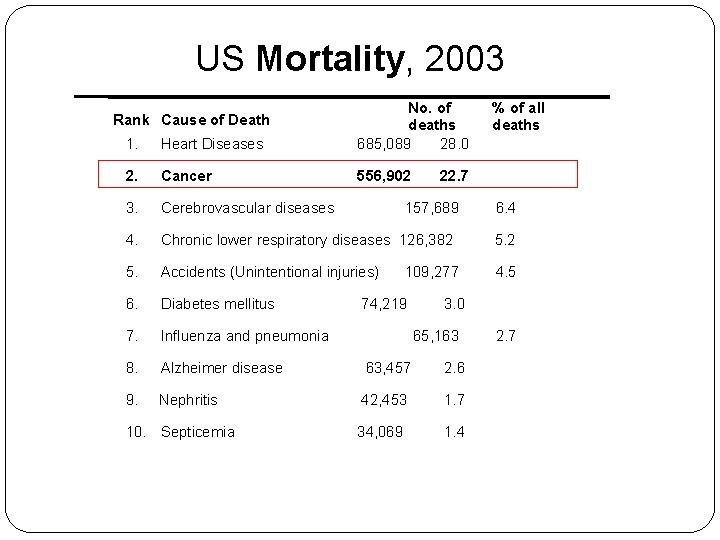
US Mortality, 2003 1. Heart Diseases No. of deaths 685, 089 28. 0 2. Cancer 556, 902 3. Cerebrovascular diseases 4. Chronic lower respiratory diseases 126, 382 5. Accidents (Unintentional injuries) 4. 5 6. Diabetes mellitus 7. Influenza and pneumonia 8. Alzheimer disease 63, 457 2. 6 9. Nephritis 42, 453 1. 7 34, 069 1. 4 Rank Cause of Death 10. Septicemia 22. 7 157, 689 109, 277 74, 219 % of all deaths 6. 4 3. 0 65, 163 2. 7
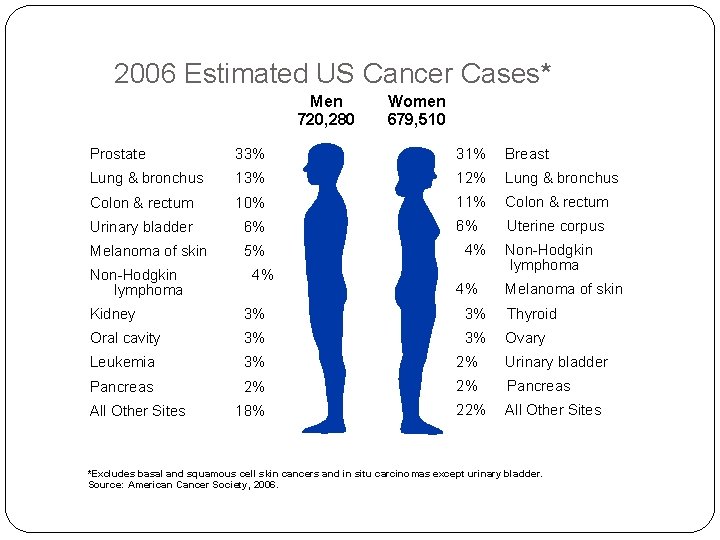
2006 Estimated US Cancer Cases* Men 720, 280 Women 679, 510 Prostate 33% 31% Breast Lung & bronchus 13% 12% Lung & bronchus Colon & rectum 10% 11% Colon & rectum Urinary bladder 6% 6% Uterine corpus Melanoma of skin 5% Non-Hodgkin lymphoma 4% 4% 4% Non-Hodgkin lymphoma Melanoma of skin Kidney 3% 3% Thyroid Oral cavity 3% 3% Ovary Leukemia 3% 2% Urinary bladder Pancreas 2% 2% Pancreas 18% 22% All Other Sites *Excludes basal and squamous cell skin cancers and in situ carcinomas except urinary bladder. Source: American Cancer Society, 2006.
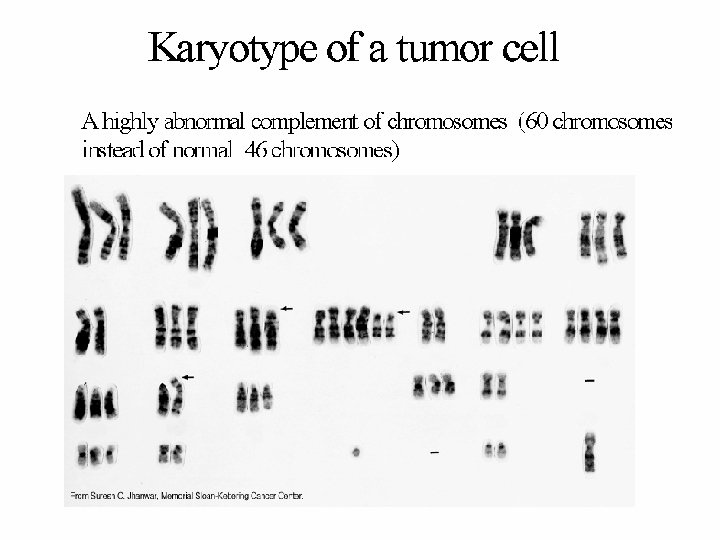
Cancer Cells
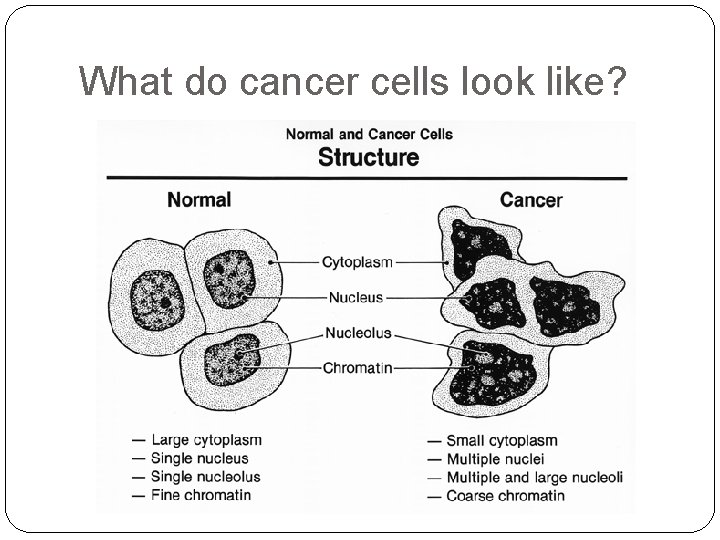
What do cancer cells look like?
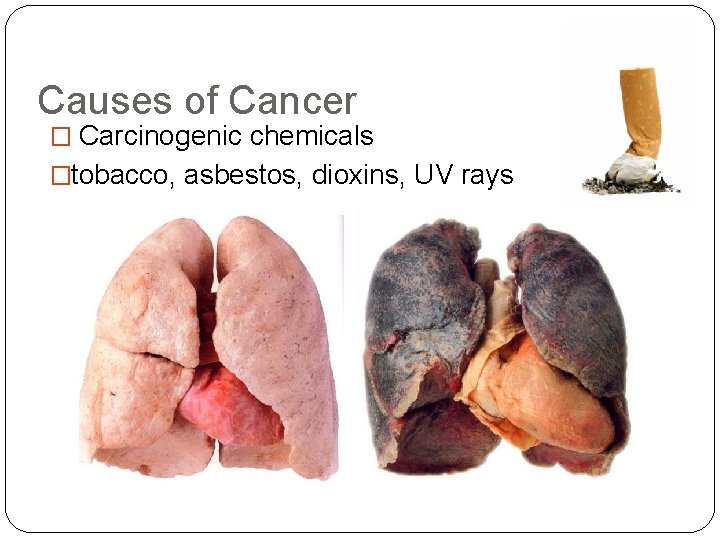
Causes of Cancer � Carcinogenic chemicals �tobacco, asbestos, dioxins, UV rays
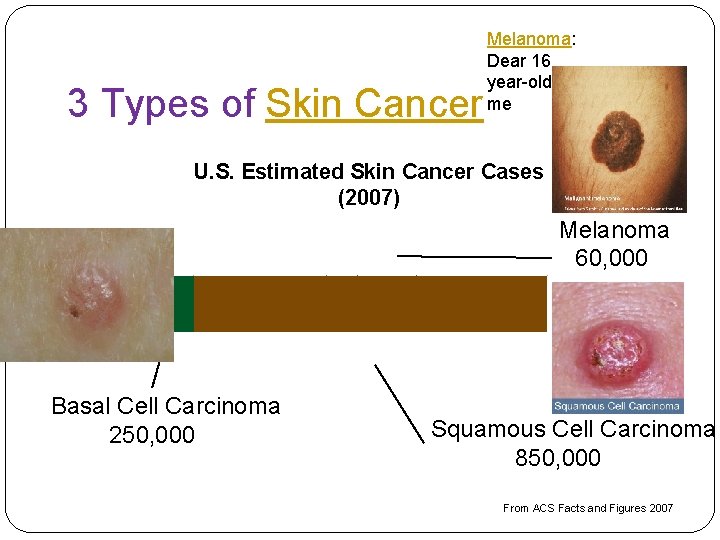
3 Types of Skin Cancer Melanoma: Dear 16 year-old me U. S. Estimated Skin Cancer Cases (2007) Melanoma 60, 000 Basal Cell Carcinoma 250, 000 Squamous Cell Carcinoma 850, 000 From ACS Facts and Figures 2007
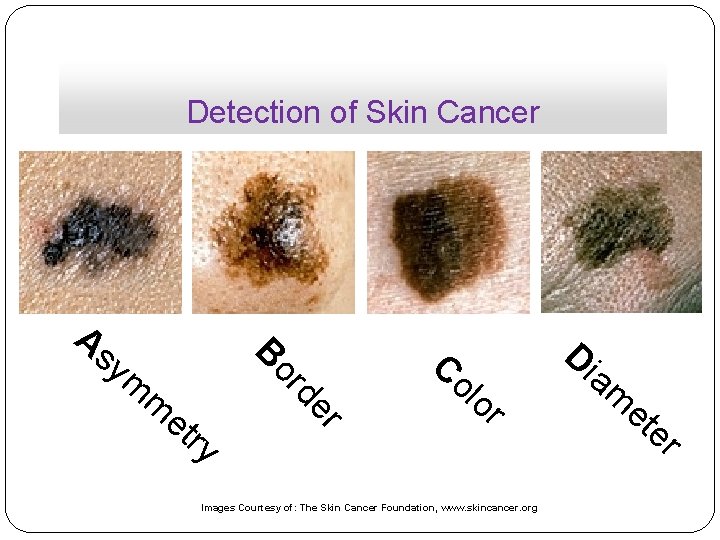
Detection of Skin Cancer As B ym r ry de or m et Co Di lo r Images Courtesy of: The Skin Cancer Foundation, www. skincancer. org am et er
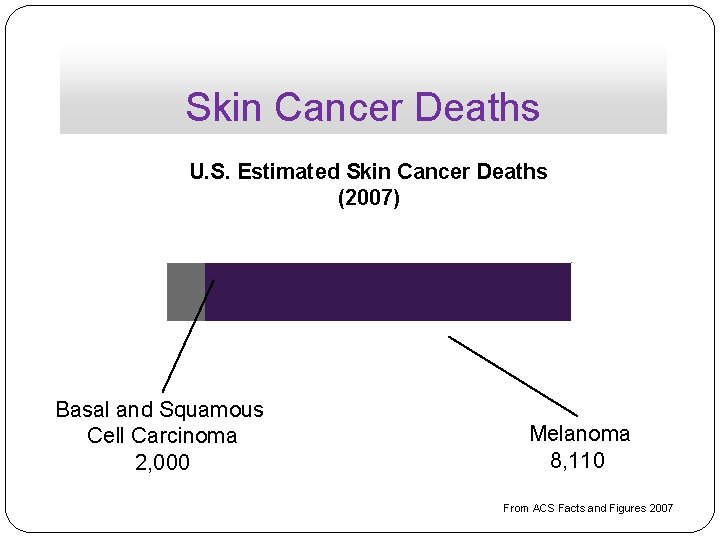
Skin Cancer Deaths U. S. Estimated Skin Cancer Deaths (2007) Basal and Squamous Cell Carcinoma 2, 000 Melanoma 8, 110 From ACS Facts and Figures 2007
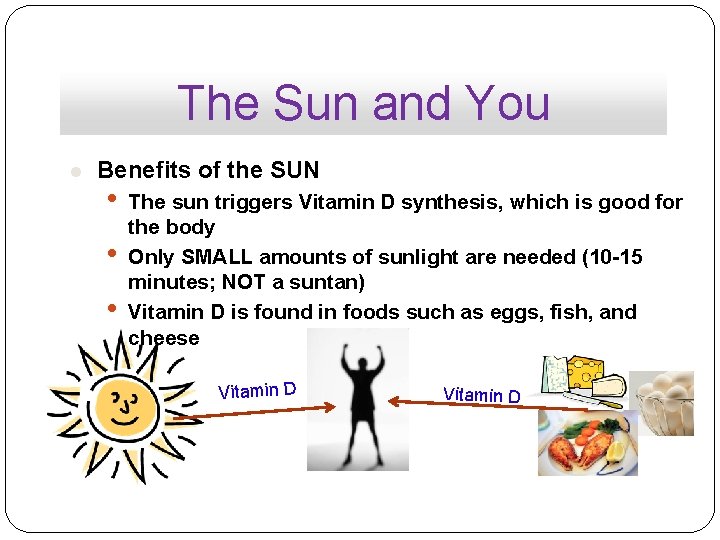
The Sun and You l Benefits of the SUN • • • The sun triggers Vitamin D synthesis, which is good for the body Only SMALL amounts of sunlight are needed (10 -15 minutes; NOT a suntan) Vitamin D is found in foods such as eggs, fish, and cheese Vitamin D
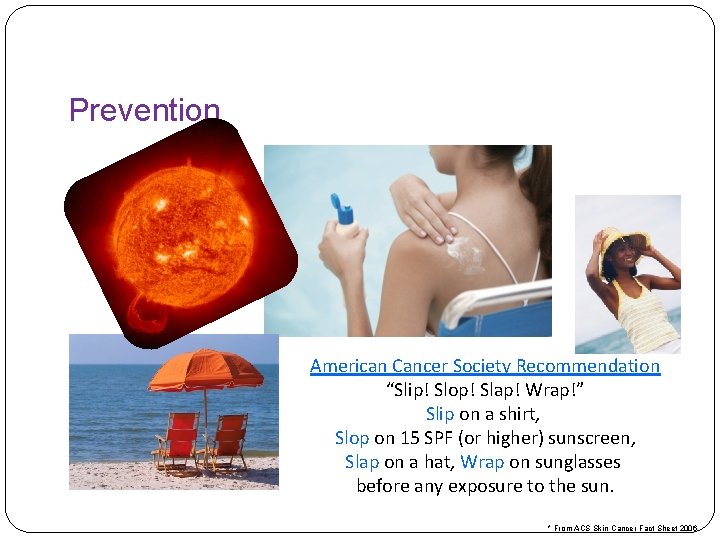
Prevention American Cancer Society Recommendation “Slip! Slop! Slap! Wrap!” Slip on a shirt, Slop on 15 SPF (or higher) sunscreen, Slap on a hat, Wrap on sunglasses before any exposure to the sun. * From ACS Skin Cancer Fact Sheet 2006