
Cell Communication in the Circulatory System By Roger
Cell Communication in the Circulatory System By: Roger Johns, Matt Mosher, Danielle Altchiler, Sam Miller, Grace Orben, and Tom Scheller
Signal Transduction in Circulatory System signal transduction important in physiological and pathophysiological roles heart and vascular wall have many receptors for ligand to bind to G proteins are important type of communication in tissues and cardiovascular system signalling through G proteins regulates the degree of peripheral arterial resistance, aspects of renal function, the rate and force of myocardial contraction, and cardiac hypertrophy
Signal Transduction Review ligand (signal molecule) binds to the receptor of the cell, and the receptor becomes activated the receptor is now ready to activate a specific G protein by causing GTP to displace GDP on the G protein. the activated G protein then binds to another protein, usually an enzyme, and alters its activity the G protein then hydrolyzes its GTP and reverts to its inactive form to respond to another signal

Cell Communication Review http: //media. pearsoncmg. com/bc/bc_campbell_biology_7/media/interactivem edia/activities/load. html? 11&B
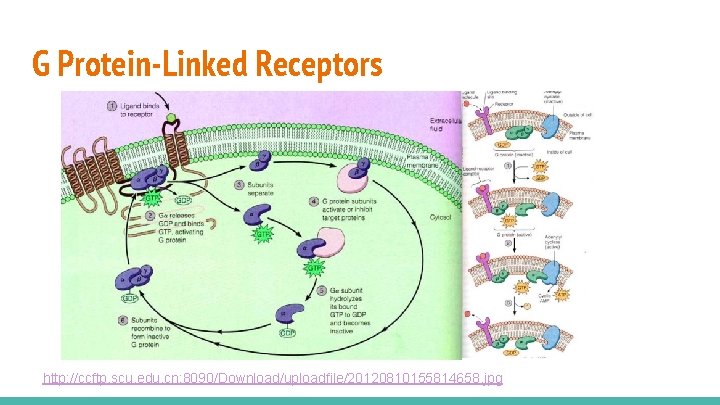
G Protein-Linked Receptors http: //ccftp. scu. edu. cn: 8090/Download/uploadfile/20120810155814658. jpg
Hormones and the Circulatory System hormones are secreted from: the glands of the endocrine system some organs heart, kidneys, stomach, skin, liver and gonads (ovaries and testes) hormones are secreted into the bloodstream and distributed to all cells of the body
Hormones and the Circulatory System peptides and monoamines mix easily with blood steroid hormones must bind to hormone binding proteins in the blood the binding of a steroid hormone to the binding protein is reversible bound hormones are attached to a binding protein and are moved through the circulatory system once unbound, the hormone exits the circulatory system to affect the target cell
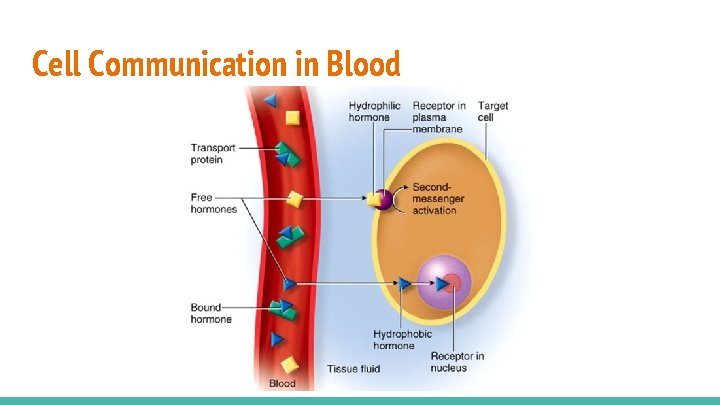
Cell Communication in Blood
Hormones in Circulatory System following a particular stimulus, the gland can increase or decrease the rate of secretion circulating (blood) levels of hormones are not permitted to get too high because they are controlled by 2 separate negative feedback loops neuronal and hormonal control of the circulation, including the control of the heart mainly affected by the autonomic nervous system and its hormonal transmitters, the catecholamines
Hormones in Circulatory System epinephrine and norepinephrine bind to adrenergic receptors on targets including: liver stimulating the enzymatic hydrolysis of glycogen (glycogenolysis) into glucose in the liver which is subsequently released into the blood adipose stimulates lipolysis to increase blood fatty acids cardiovascular system which increases the heart rate, strength of the heartbeat and blood pressure to send blood around the body more quickly
Hormone Function Insulin: Secreted by pancreas - lowers blood glucose levels - decreases with increased exercise Glucagon: Secreted by pancreas - increases blood glucose levels, stimulates breakdown of glycogen and fat - increases with increased exercise Renin: Secreted by kidneys - assists in blood pressure control - increases as blood pressure lowers Cortisol: Secreted by adrenal cortex - increases blood sugar, suppresses immune system metabolizes fats/proteins - increases with exercise
Hormone Function Continued Growth Hormone: Secreted by anterior pituitary gland - increases protein synthesis, the use of fat for energy, inhibits carbohydrate metabolism increases with exercise. Endorphins: Secreted by anterior pituitary gland - pain-blocking hormone increases with long-duration exercise. Epinephrine: Secreted by adrenal medulla - increases heart rate and contractions, constricts blood vessels, elevates blood pressure- increases with exercise ADH (antidiuretic hormone): Secreted by posterior pituitary - stimulates water retention by the kidneys - increases with exercise
Cell Communication and Endocrine System the endocrine system broadcasts its hormonal messages to essentially all cells by secretion into blood and extracellular fluid like a radio broadcast, it requires a receiver to get the message - in the case of endocrine messages, cells must bear a receptor for the hormone being broadcast in order to respond
Cell Communication and Nervous System nervous system important in circulatory control nervous reflexes are important in enhancing the effectiveness of blood volume control and control of cardiac pumping
Cell Communication among the hormonal mechanisms, the renin-angiotensin system provides small degree of arterial pressure control when the pressure falls below normal elicits a vasoconstrictor response in the peripheral blood vessels ● however, system seems even more important renal function ○ direct effect on kidneys to cause fluid retention ○ increases the body fluid volume and in this way increases the arterial pressure
Cell Communication roles of ADH and aldosterone in the control of blood volume critical both clinical experience and experimental studies are beginning to demonstrate thirst/ADH system by far most potent mechanism for control of extracellular fluid sodium ion concentration alternatively, the aldosterone mechanism primary control system for maintaining normal extracellular fluid concentration of potassium
Bozeman on Circulatory System https: //www. youtube. com/watch? v=NJz. JKvk. WWDc&list=PLg. W 0 BC 0 b 13 MVVkf 9 0 w. TKgzlt 1 Mk. St_9 Oi&index=9
Closed vs. Open Circulatory System Open: common to molluscs and arthropods evolved in crustaceans, insects, mollusks, and other invertebrates pump blood into hemocoel (circulatory fluid) with the blood diffusing back to the circulatory system between cells blood is pumped by a heart into the body cavities, where tissues are surrounded by blood Open System Advantages: lower hydrostatic pressures associated with open circulatory systems makes them less costly than closed systems in terms of energy expenditure
Closed vs. Open Circulatory System Closed: vertebrates, and a few invertebrates, have a closed circulatory system blood is closed at all times within vessels of different size and wall thickness blood is pumped by a heart through vessels and does not normally fill body cavities chemical exchange occurs between the blood and the interstitial fluid, as well as between the interstitial fluid and body cells
Closed vs. Open Circulatory System Closed System Advantages: more complex organisms have closed system relatively high blood pressures, which enable the effective delivery of O 2 and nutrients to the cells of larger and more active animals well suited to regulating the distribution of blood to different organs

Part 2: Tissues

Matts song https: //youtu. be/Um. LD-5 k 4 r. VE
part 3: Organs
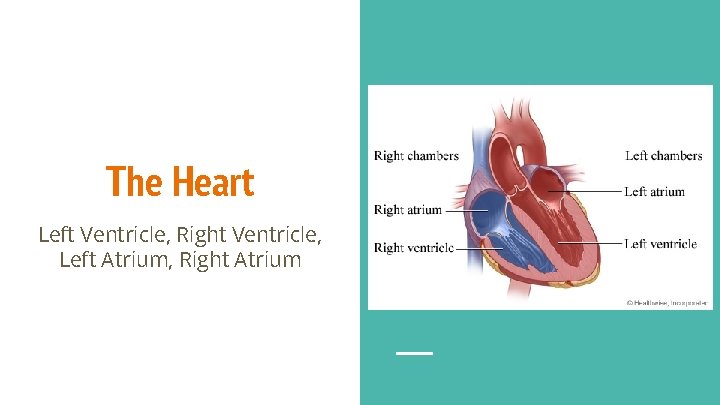
The Heart Left Ventricle, Right Ventricle, Left Atrium, Right Atrium
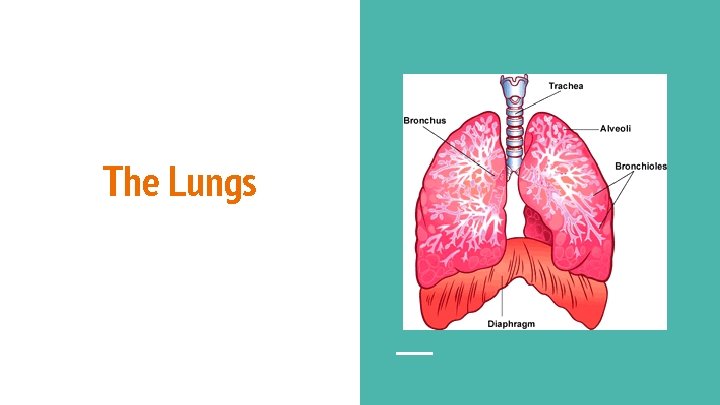
The Lungs
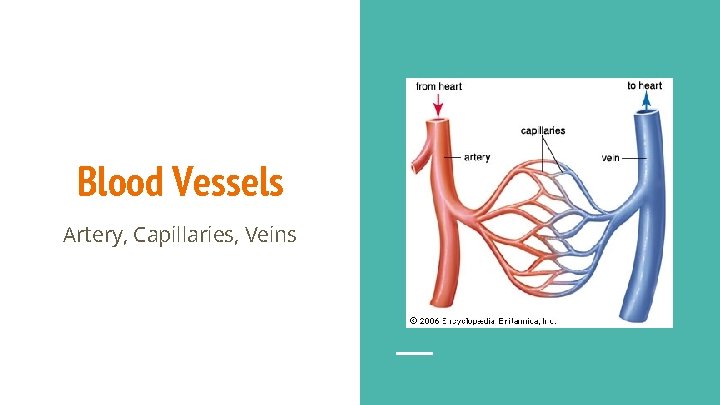
Blood Vessels Artery, Capillaries, Veins
Blood Vessels Arteries: carries the blood away from the heart Veins: carries the blood back to the heart Capillaries: form a network between arterioles and venules
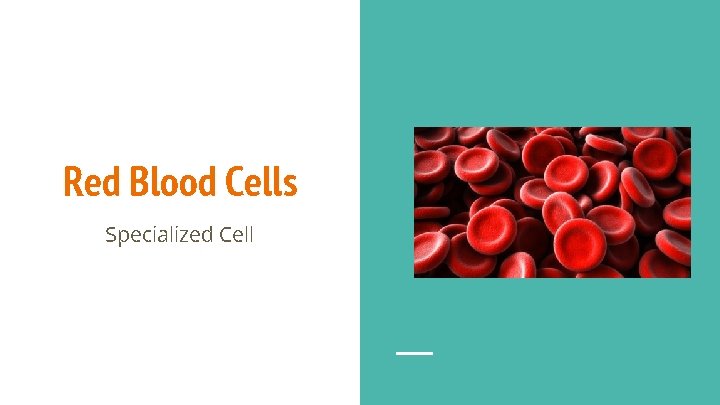
Red Blood Cells Specialized Cell
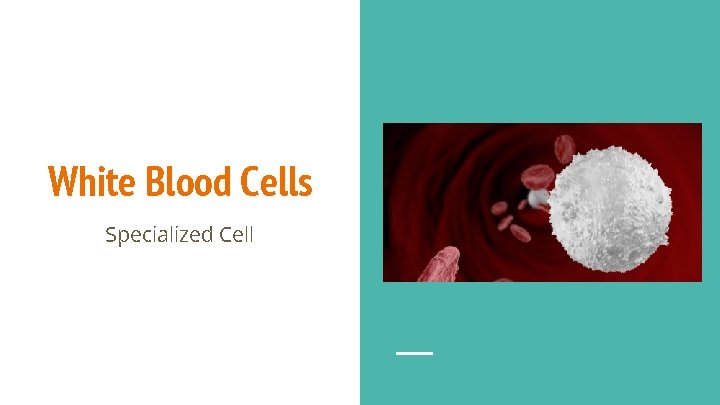
White Blood Cells Specialized Cell
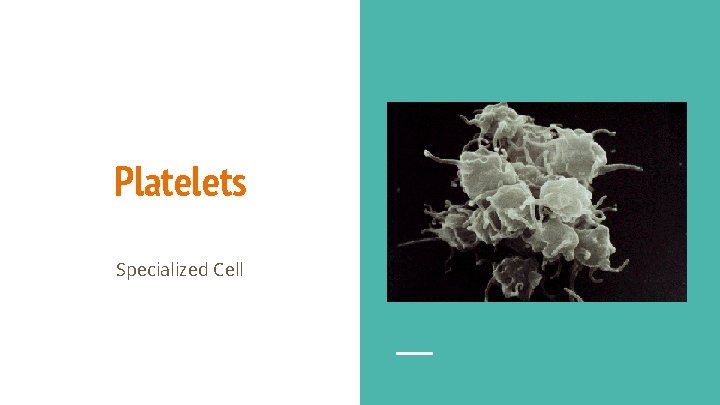
Platelets Specialized Cell
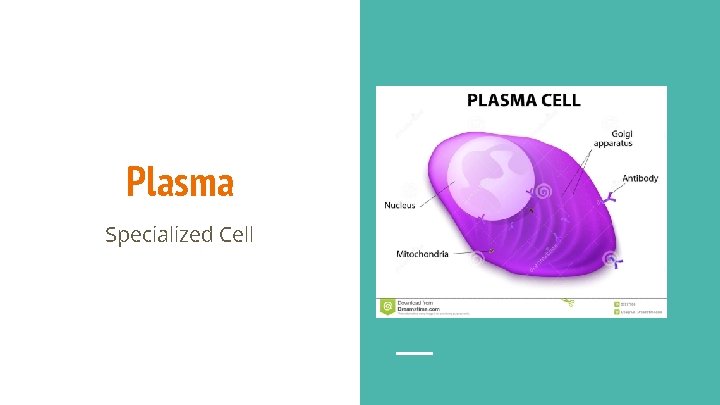
Plasma Specialized Cell
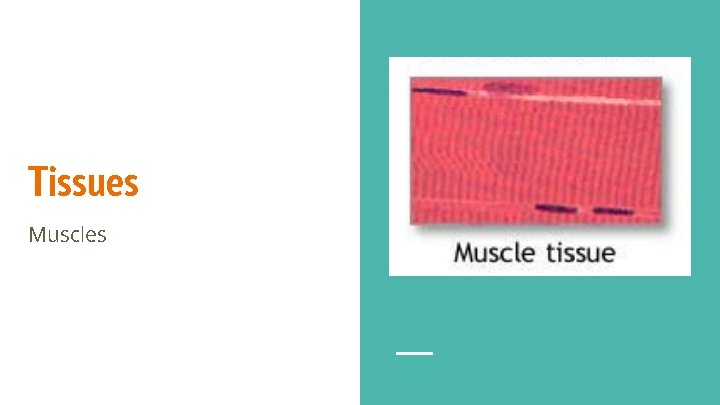
Tissues Muscles

Epithelial
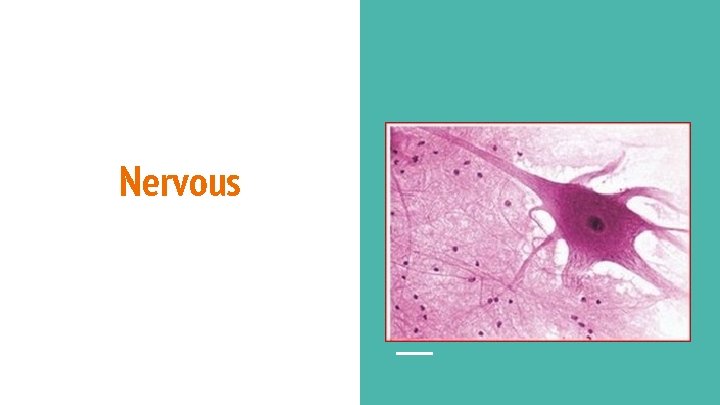
Nervous
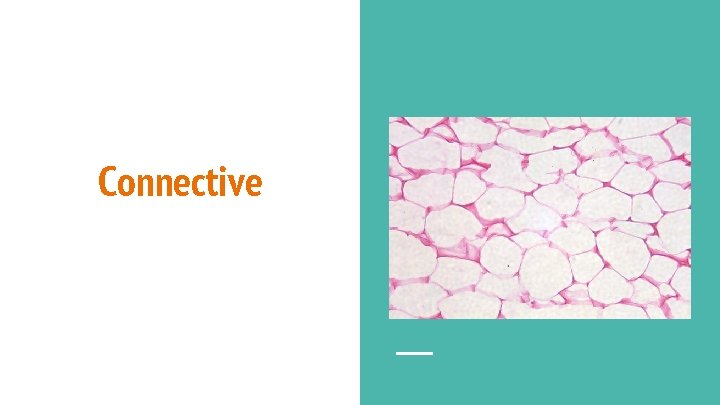
Connective

Circulicious

Works Cited of Pictures http: //thumbs. dreamstime. com/z/structure-plasma-cell-b-plasmocyte-white-blood-cells-secrete-antibodiestransported-37977996. jpg http: //www. ouhsc. edu/platelets/platelets/Platelet%20 Pics/Platelets%201. gif http: //www. business-opportunities. biz/wp-content/uploads/2012/04/red_blood_cells. jpg http: //img. webmd. com/dtmcms/live/webmd/consumer_assets/site_images/media/medical/hw/h 9991324_00 1. jpg http: //kidshealth. org/EN/images/illustrations/lungs. Diagram-260 x 252 -rd 1 -en. IL. gif
- Slides: 37