
Cell Communication Chapter 11 I Types of Cell


- Slides: 24
Cell Communication Chapter 11
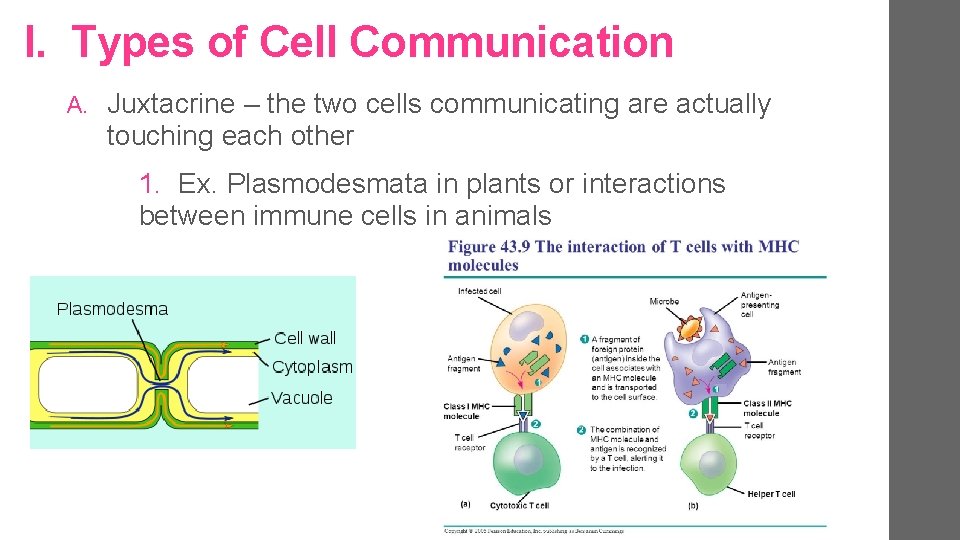
I. Types of Cell Communication A. Juxtacrine – the two cells communicating are actually touching each other 1. Ex. Plasmodesmata in plants or interactions between immune cells in animals
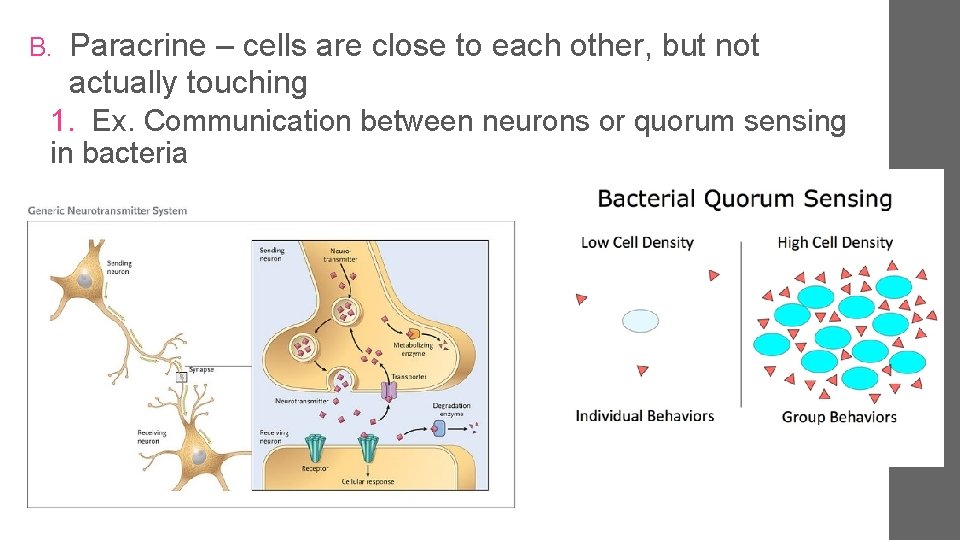
B. Paracrine – cells are close to each other, but not actually touching 1. Ex. Communication between neurons or quorum sensing in bacteria
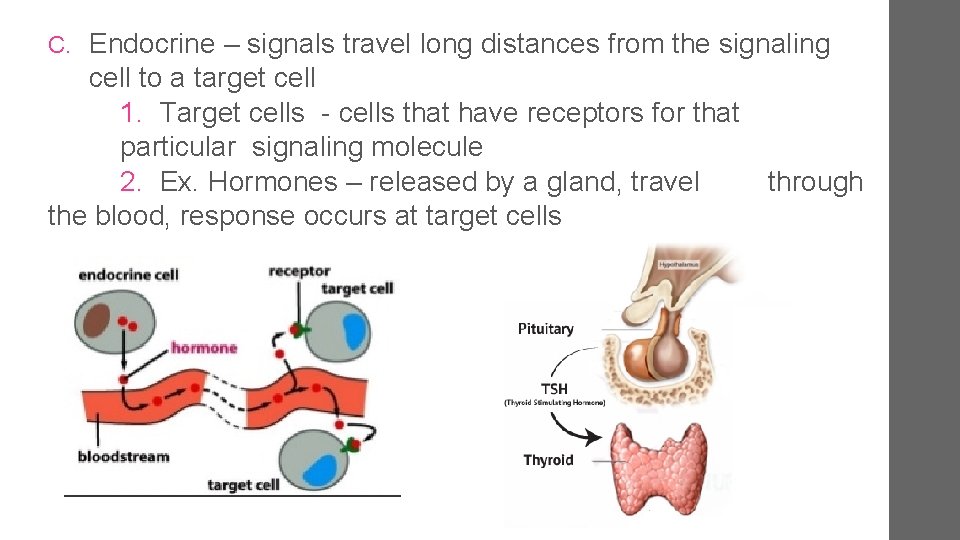
Endocrine – signals travel long distances from the signaling cell to a target cell 1. Target cells - cells that have receptors for that particular signaling molecule 2. Ex. Hormones – released by a gland, travel through the blood, response occurs at target cells C.
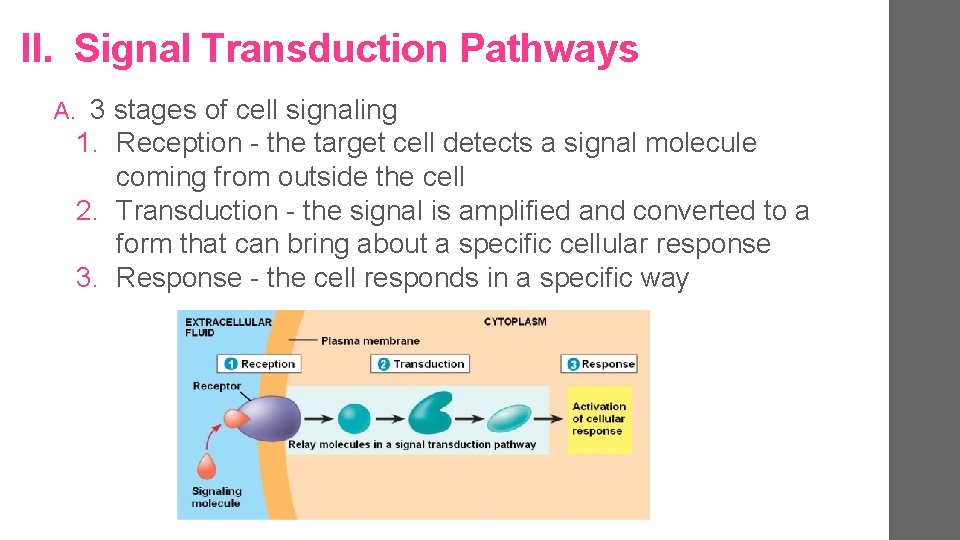
II. Signal Transduction Pathways 3 stages of cell signaling 1. Reception - the target cell detects a signal molecule coming from outside the cell 2. Transduction - the signal is amplified and converted to a form that can bring about a specific cellular response 3. Response - the cell responds in a specific way A.
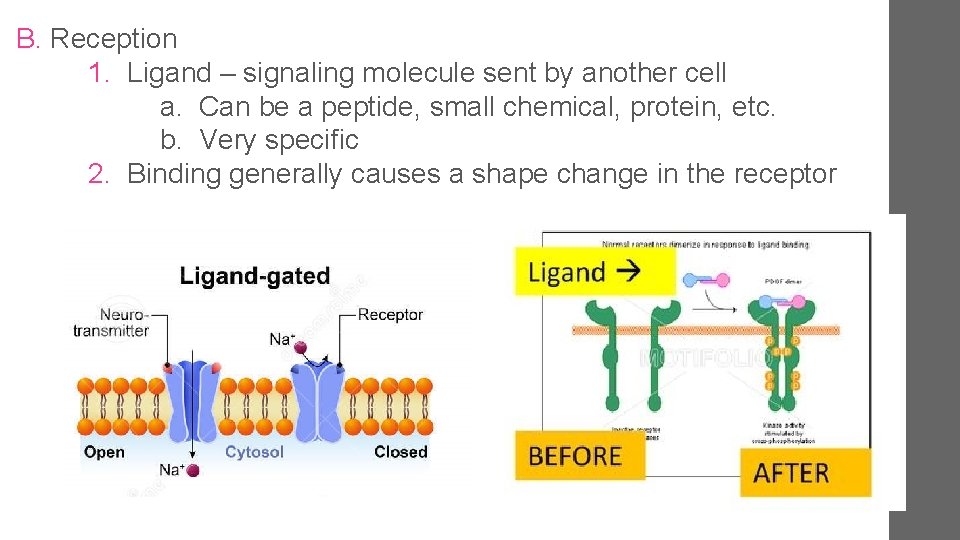
B. Reception 1. Ligand – signaling molecule sent by another cell a. Can be a peptide, small chemical, protein, etc. b. Very specific 2. Binding generally causes a shape change in the receptor
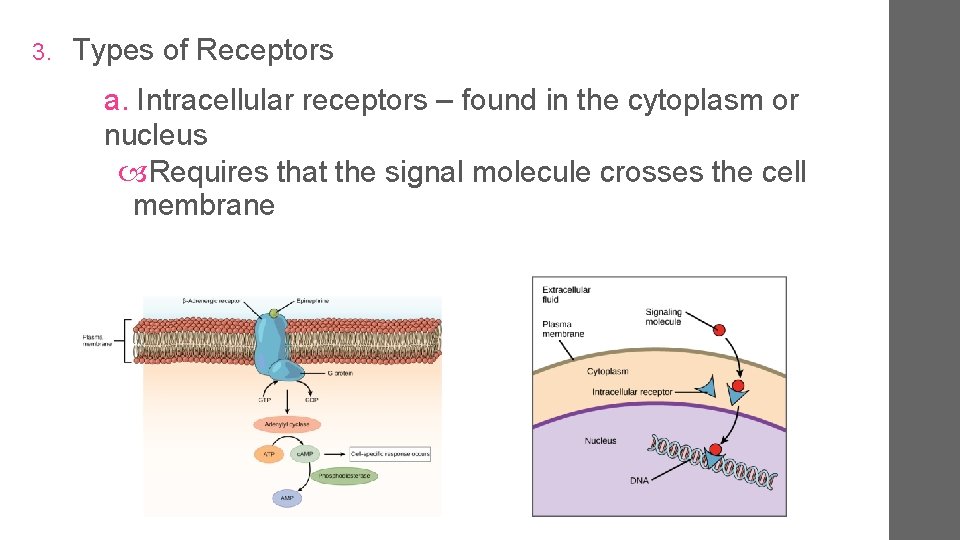
3. Types of Receptors a. Intracellular receptors – found in the cytoplasm or nucleus Requires that the signal molecule crosses the cell membrane
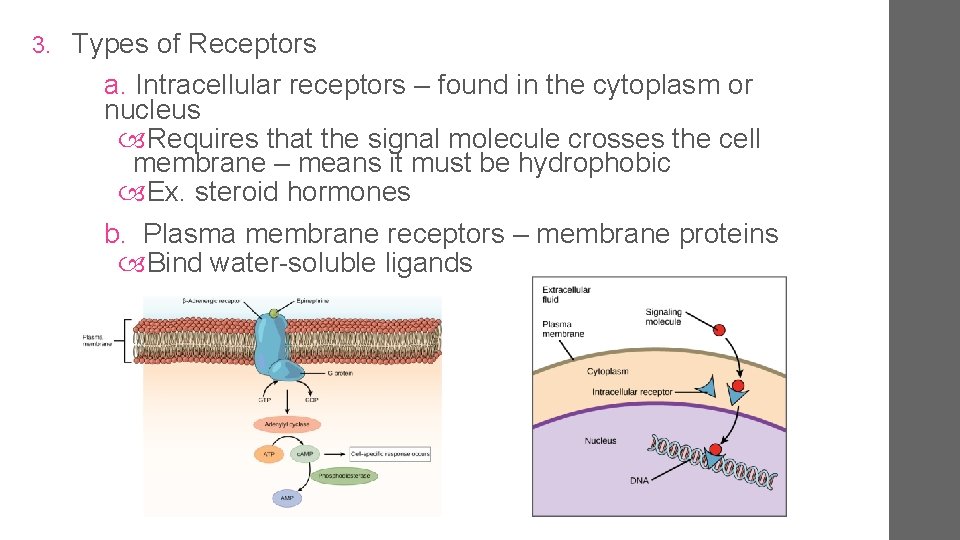
3. Types of Receptors a. Intracellular receptors – found in the cytoplasm or nucleus Requires that the signal molecule crosses the cell membrane – means it must be hydrophobic Ex. steroid hormones b. Plasma membrane receptors – membrane proteins Bind water-soluble ligands
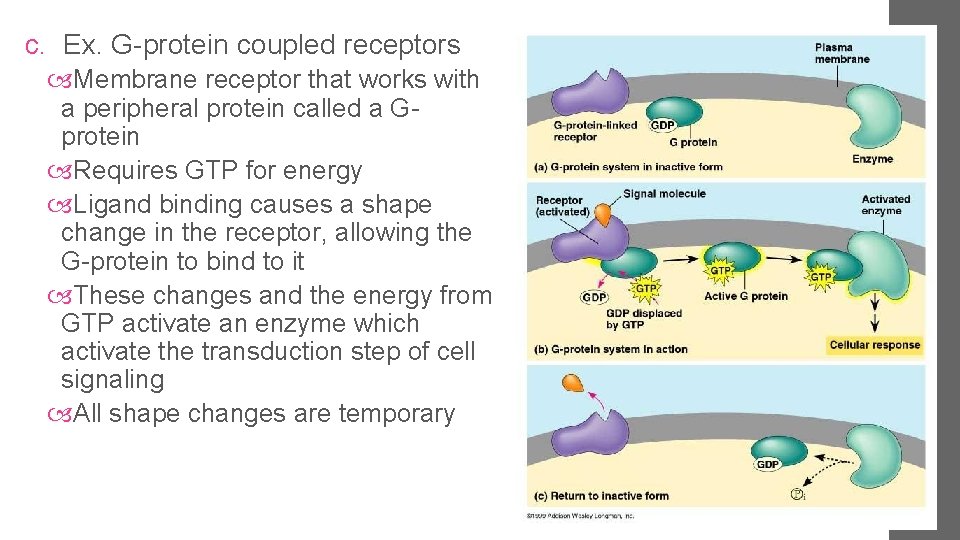
c. Ex. G-protein coupled receptors Membrane receptor that works with a peripheral protein called a Gprotein Requires GTP for energy Ligand binding causes a shape change in the receptor, allowing the G-protein to bind to it These changes and the energy from GTP activate an enzyme which activate the transduction step of cell signaling All shape changes are temporary
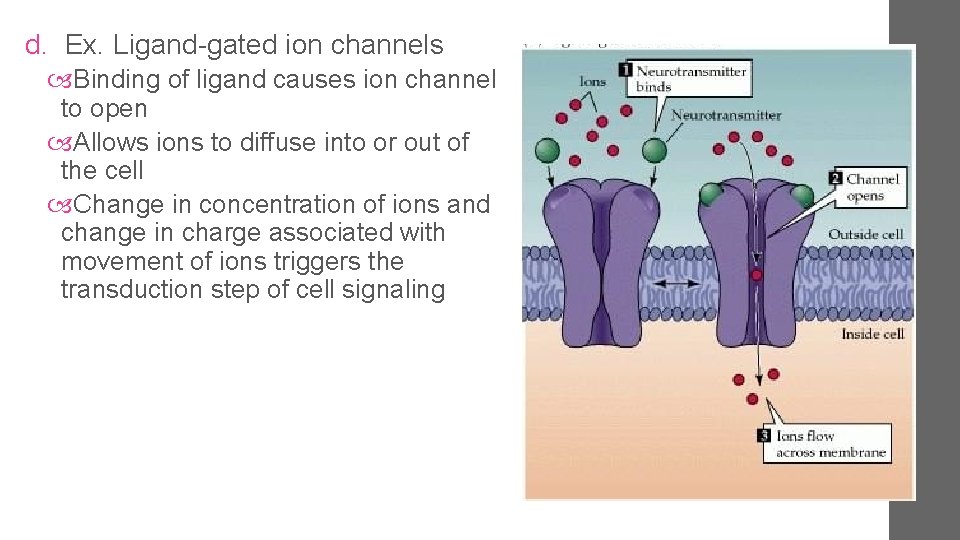
d. Ex. Ligand-gated ion channels Binding of ligand causes ion channel to open Allows ions to diffuse into or out of the cell Change in concentration of ions and change in charge associated with movement of ions triggers the transduction step of cell signaling
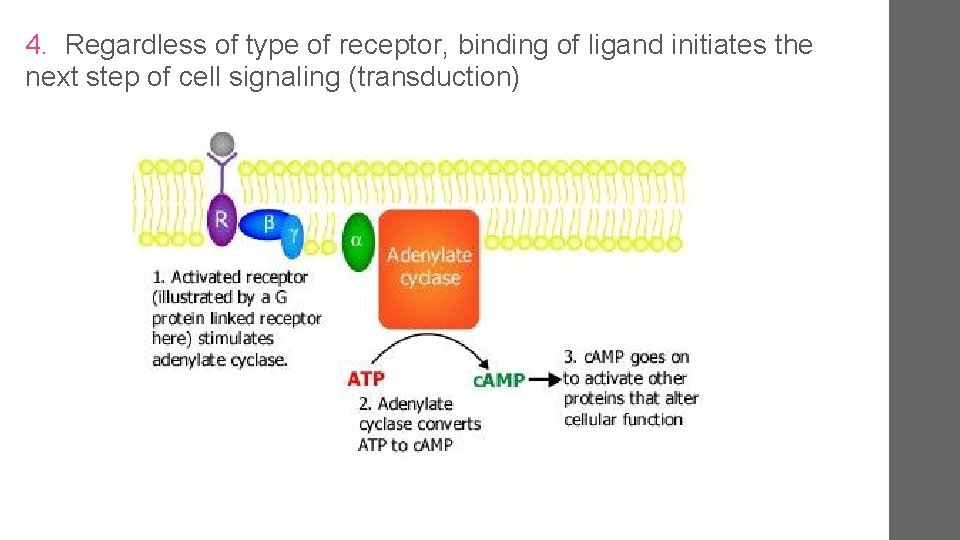
4. Regardless of type of receptor, binding of ligand initiates the next step of cell signaling (transduction)
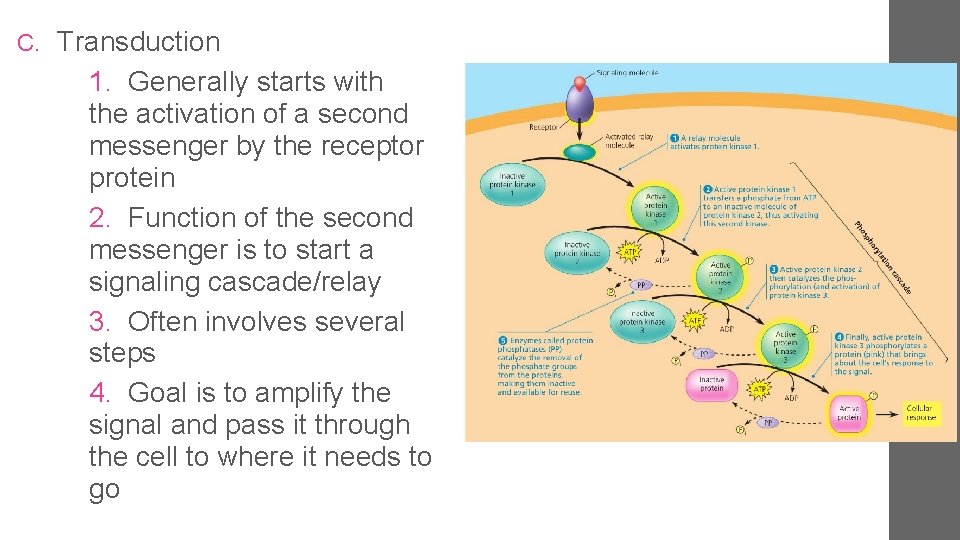
C. Transduction 1. Generally starts with the activation of a second messenger by the receptor protein 2. Function of the second messenger is to start a signaling cascade/relay 3. Often involves several steps 4. Goal is to amplify the signal and pass it through the cell to where it needs to go
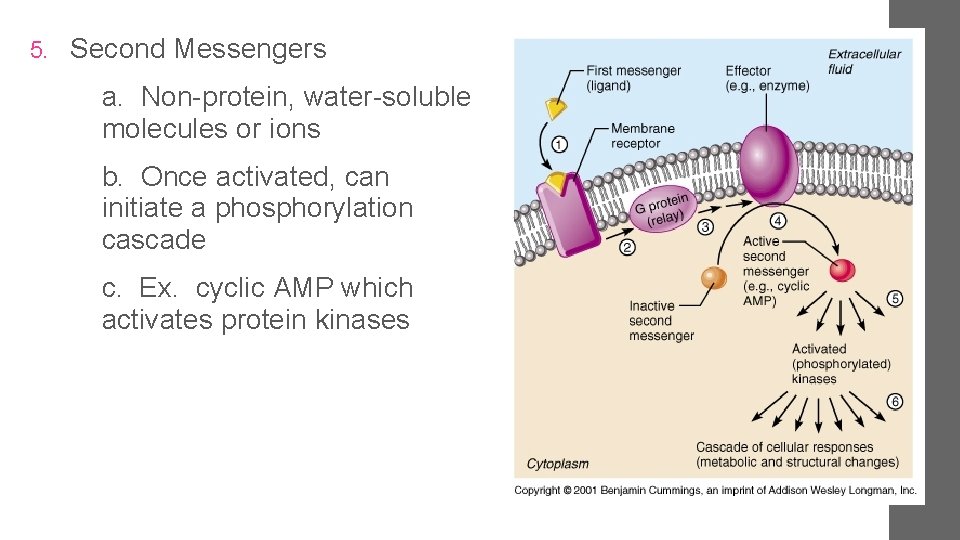
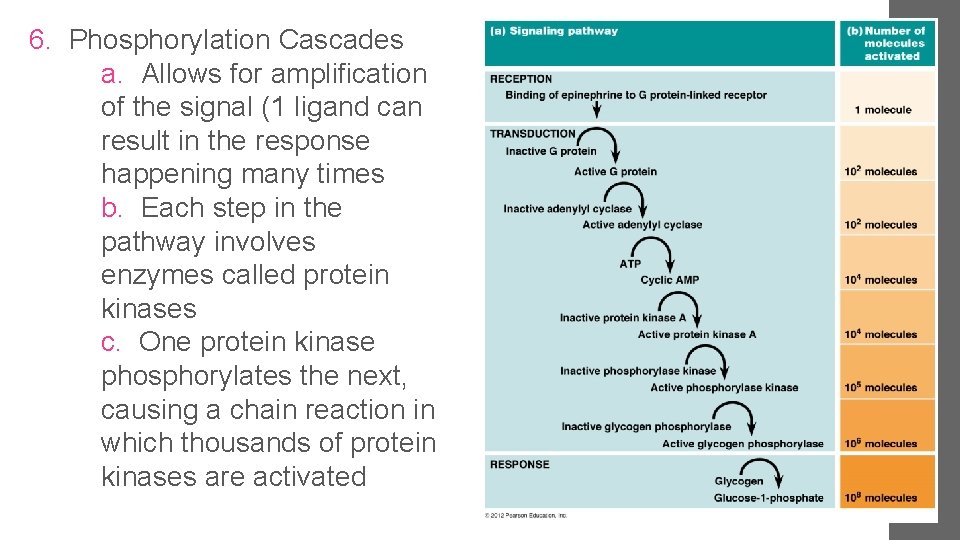
5. Second Messengers a. Non-protein, water-soluble molecules or ions b. Once activated, can initiate a phosphorylation cascade c. Ex. cyclic AMP which activates protein kinases
6. Phosphorylation Cascades a. Allows for amplification of the signal (1 ligand can result in the response happening many times b. Each step in the pathway involves enzymes called protein kinases c. One protein kinase phosphorylates the next, causing a chain reaction in which thousands of protein kinases are activated
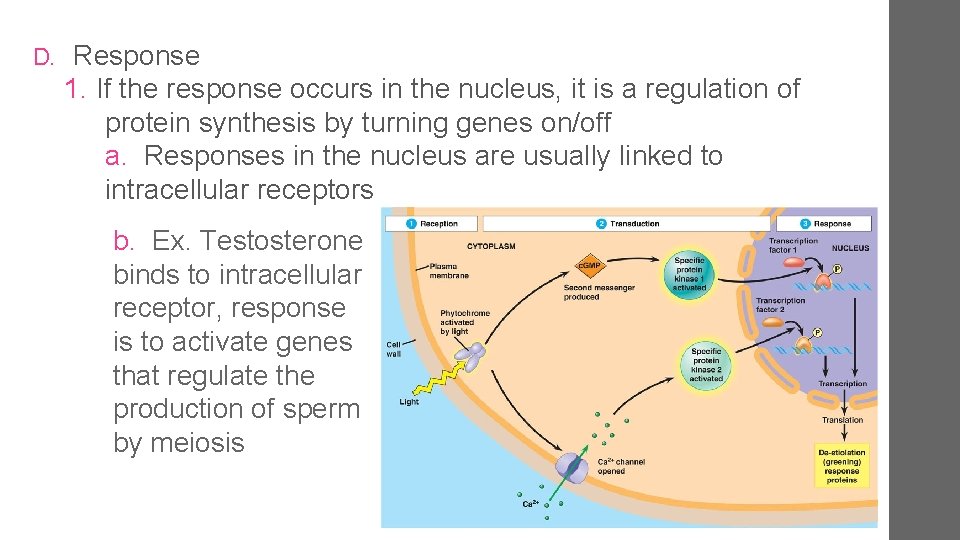
D. Response 1. If the response occurs in the nucleus, it is a regulation of protein synthesis by turning genes on/off a. Responses in the nucleus are usually linked to intracellular receptors b. Ex. Testosterone binds to intracellular receptor, response is to activate genes that regulate the production of sperm by meiosis
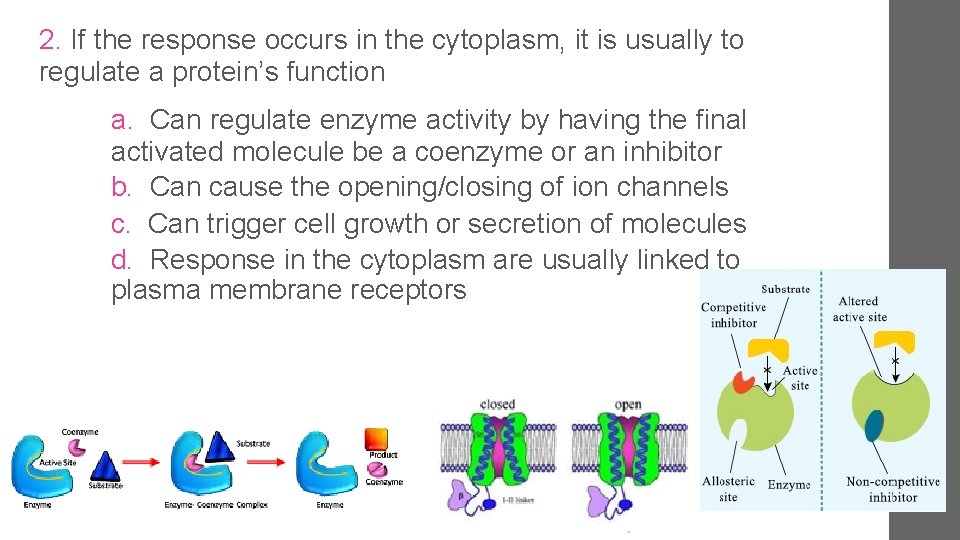
2. If the response occurs in the cytoplasm, it is usually to regulate a protein’s function a. Can regulate enzyme activity by having the final activated molecule be a coenzyme or an inhibitor b. Can cause the opening/closing of ion channels c. Can trigger cell growth or secretion of molecules d. Response in the cytoplasm are usually linked to plasma membrane receptors
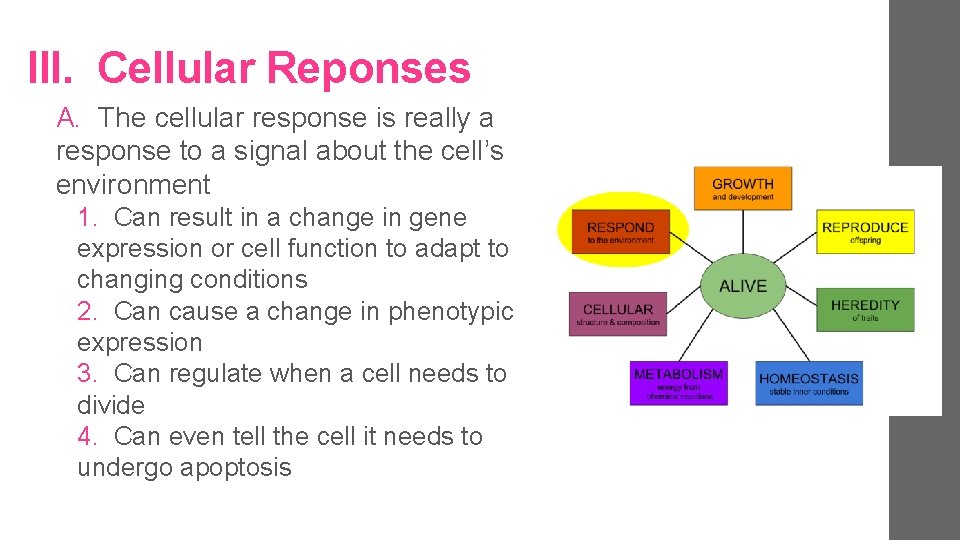
III. Cellular Reponses A. The cellular response is really a response to a signal about the cell’s environment 1. Can result in a change in gene expression or cell function to adapt to changing conditions 2. Can cause a change in phenotypic expression 3. Can regulate when a cell needs to divide 4. Can even tell the cell it needs to undergo apoptosis
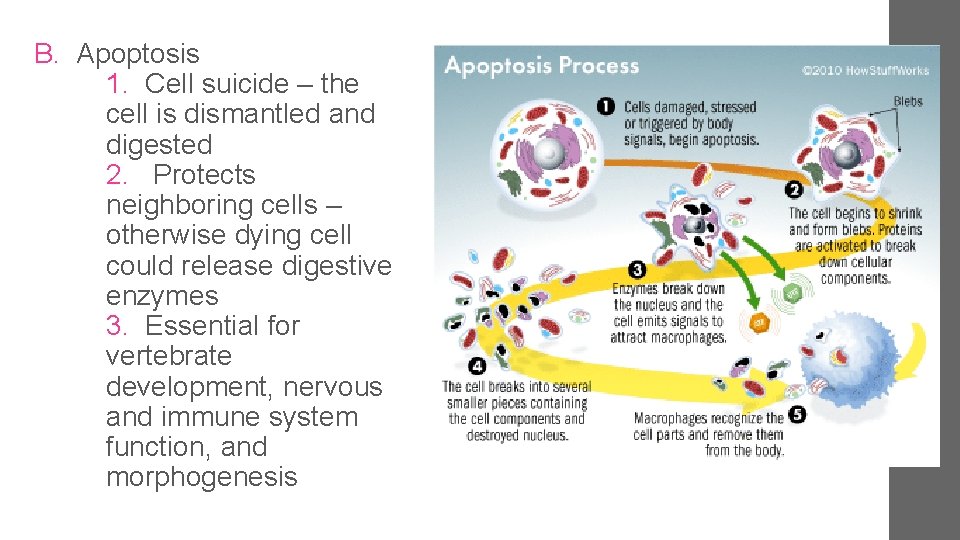
B. Apoptosis 1. Cell suicide – the cell is dismantled and digested 2. Protects neighboring cells – otherwise dying cell could release digestive enzymes 3. Essential for vertebrate development, nervous and immune system function, and morphogenesis
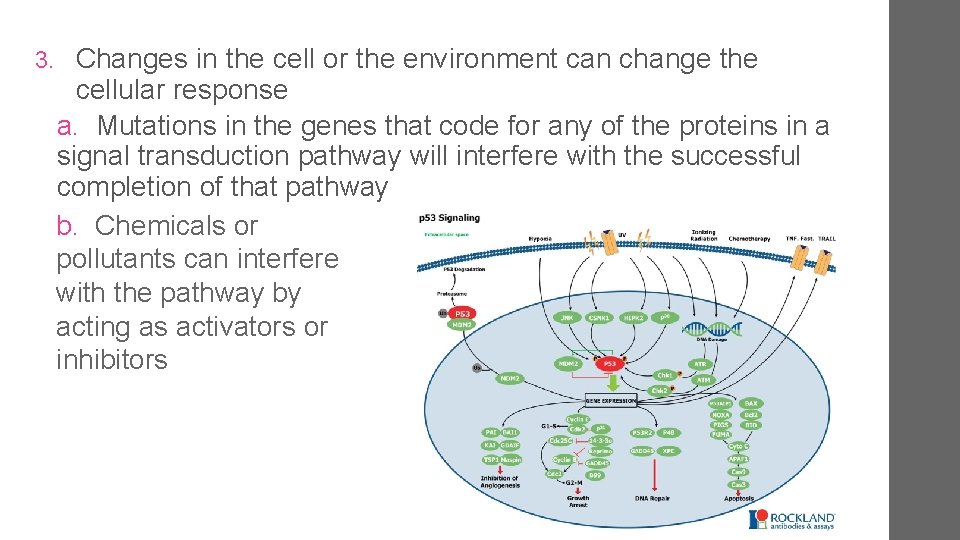
3. Changes in the cell or the environment can change the cellular response a. Mutations in the genes that code for any of the proteins in a signal transduction pathway will interfere with the successful completion of that pathway b. Chemicals or pollutants can interfere with the pathway by acting as activators or inhibitors
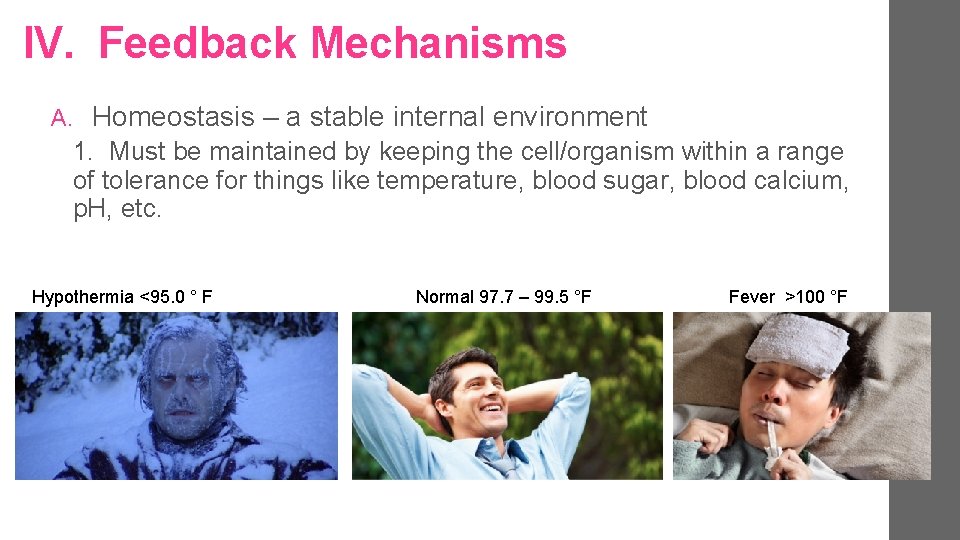
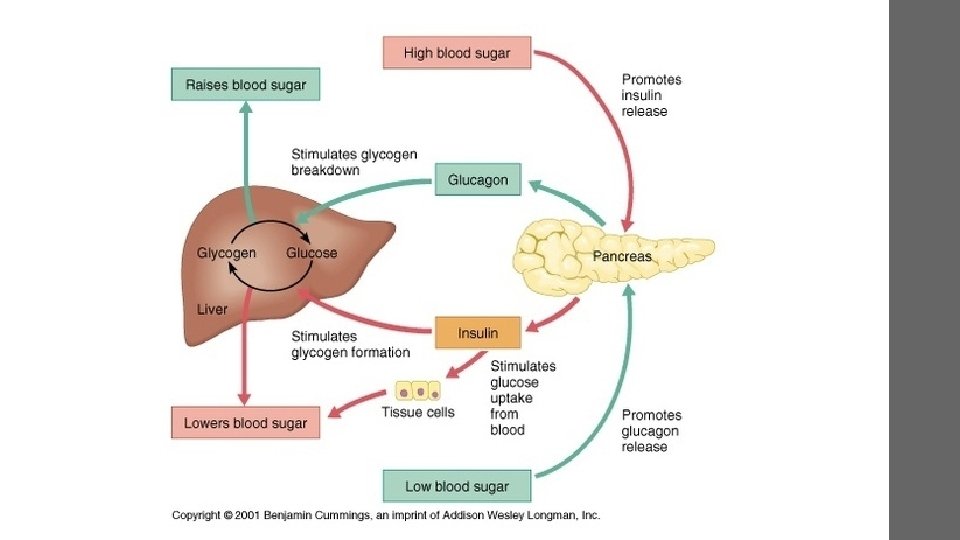
IV. Feedback Mechanisms A. Homeostasis – a stable internal environment 1. Must be maintained by keeping the cell/organism within a range of tolerance for things like temperature, blood sugar, blood calcium, p. H, etc. Hypothermia <95. 0 ° F Normal 97. 7 – 99. 5 °F Fever >100 °F
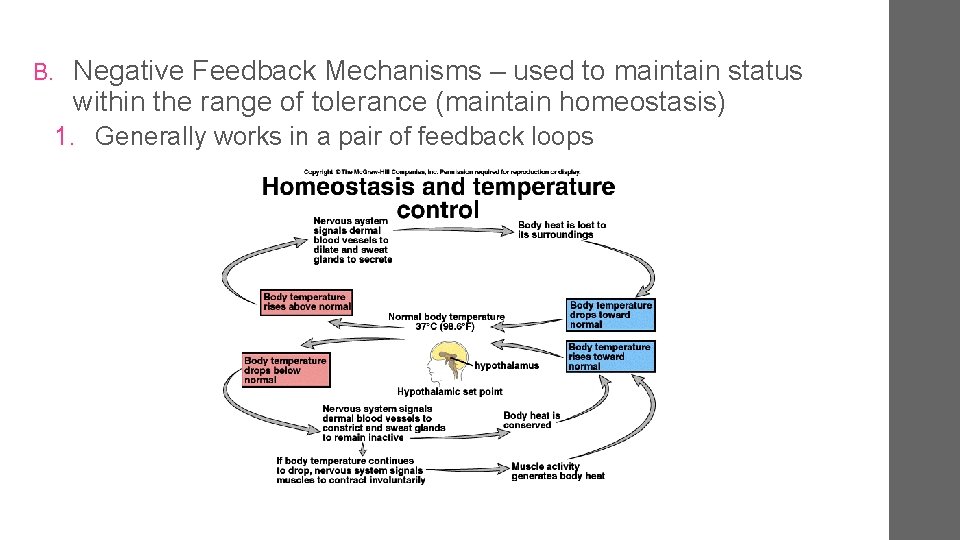
B. Negative Feedback Mechanisms – used to maintain status within the range of tolerance (maintain homeostasis) 1. Generally works in a pair of feedback loops
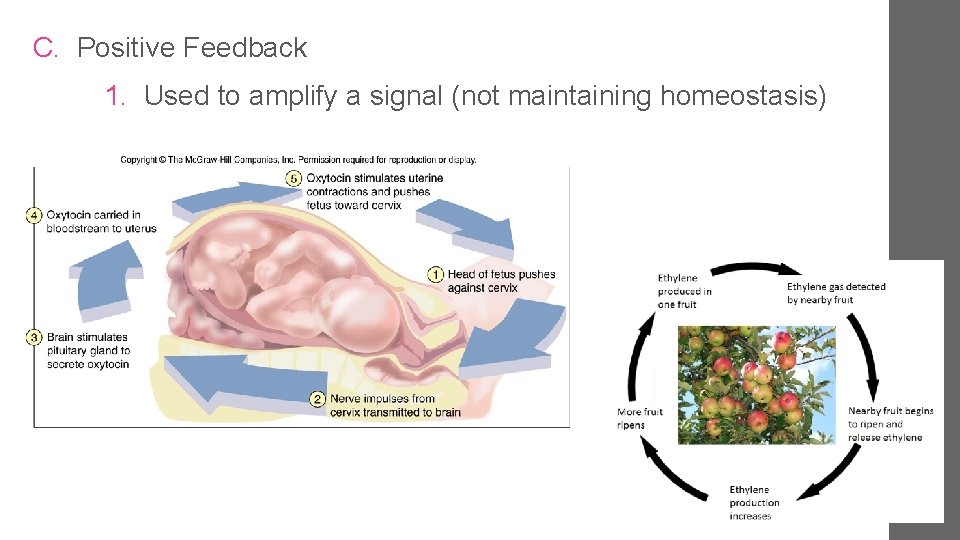
C. Positive Feedback 1. Used to amplify a signal (not maintaining homeostasis)
Suggested Videos https: //www. youtube. com/watch? v=-db. Rterut. HY https: //www. youtube. com/watch? v=5 Mo. Ig 5 l. WLXA https: //www. youtube. com/watch? v=q. OVkedx. Dq. Qo