
Cell Boundaries I Cell Membrane A All cells
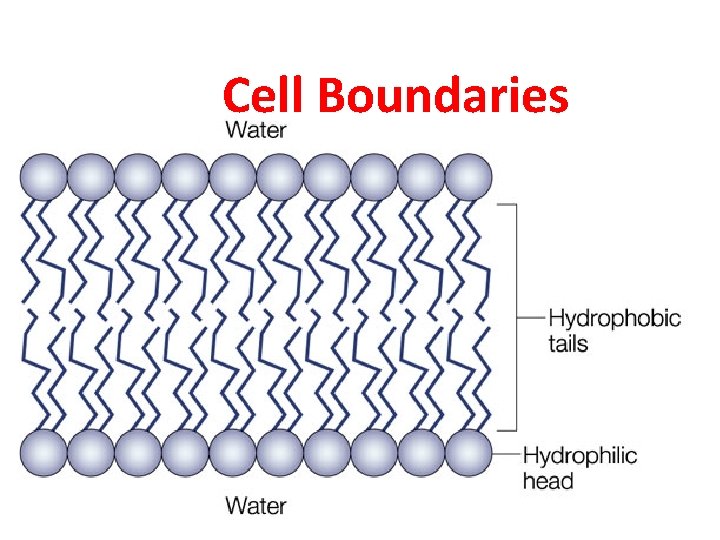
Cell Boundaries
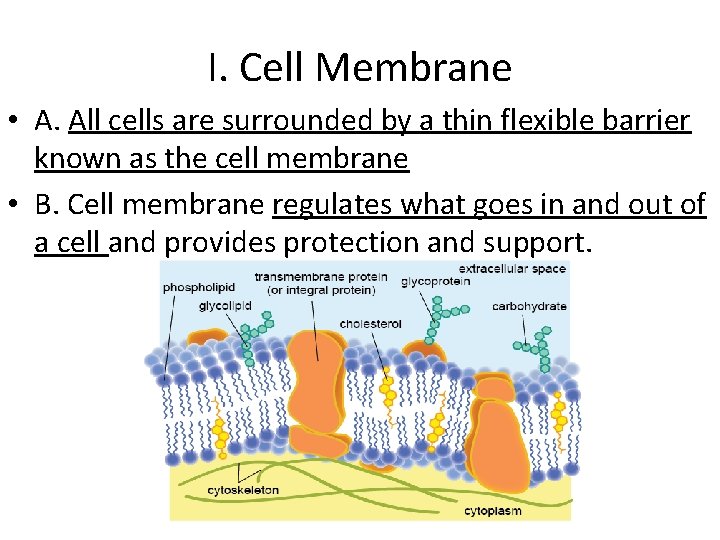
I. Cell Membrane • A. All cells are surrounded by a thin flexible barrier known as the cell membrane • B. Cell membrane regulates what goes in and out of a cell and provides protection and support.

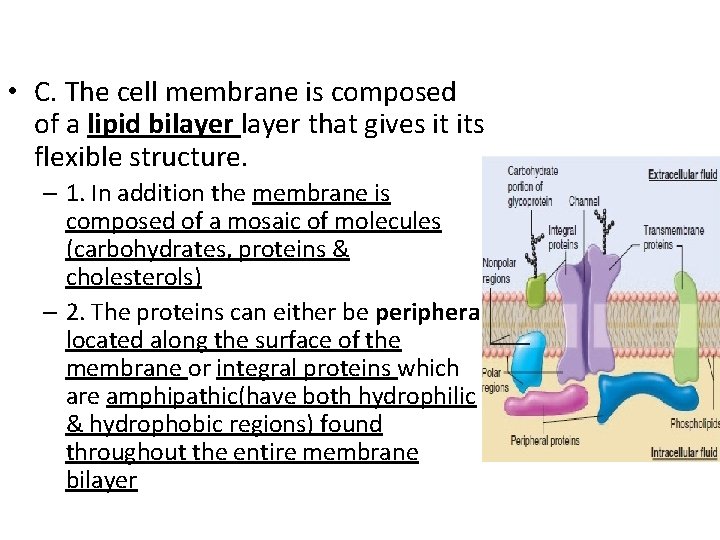
• C. The cell membrane is composed of a lipid bilayer that gives it its flexible structure. – 1. In addition the membrane is composed of a mosaic of molecules (carbohydrates, proteins & cholesterols) – 2. The proteins can either be peripheral located along the surface of the membrane or integral proteins which are amphipathic(have both hydrophilic & hydrophobic regions) found throughout the entire membrane bilayer
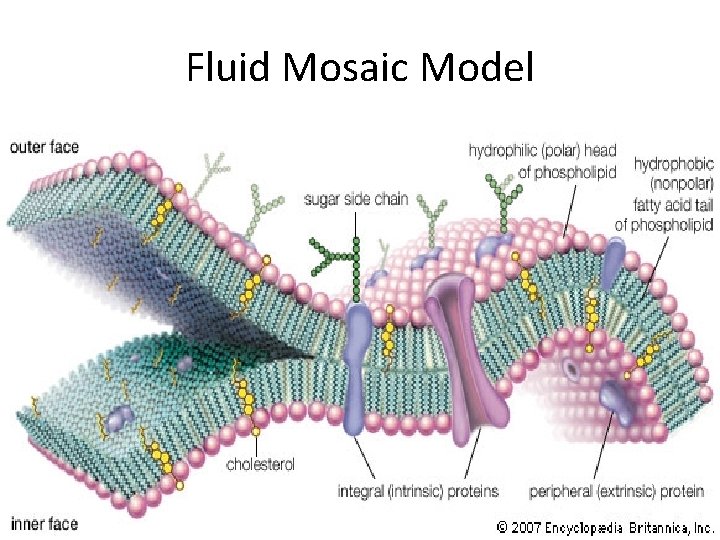
Fluid Mosaic Model
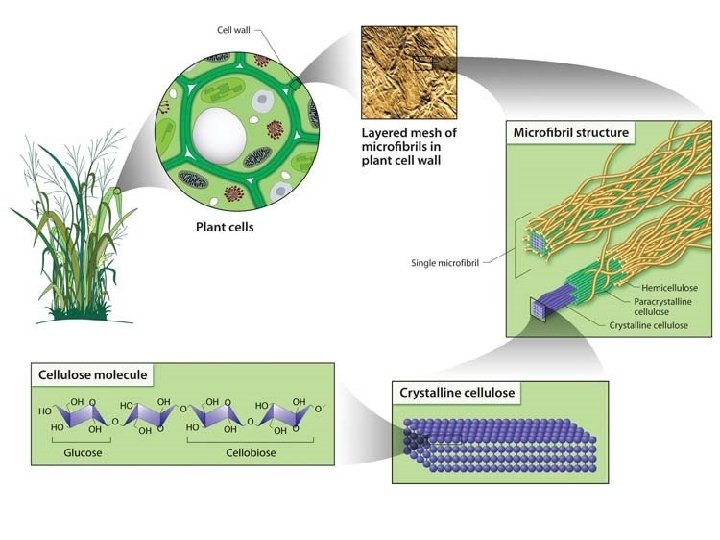
II. Cell Walls • A. Cell walls are present in many organisms including plants, algae, fungi, and many prokaryotes. • B. Most cell walls are porous enough to allow water, oxygen, carbon dioxide, and other substances to pass through easily. • C. Cell walls are composed of thick fibers made from carbohydrates known as cellulose or chitin(fungi) or peptidoglycan(bacteria)
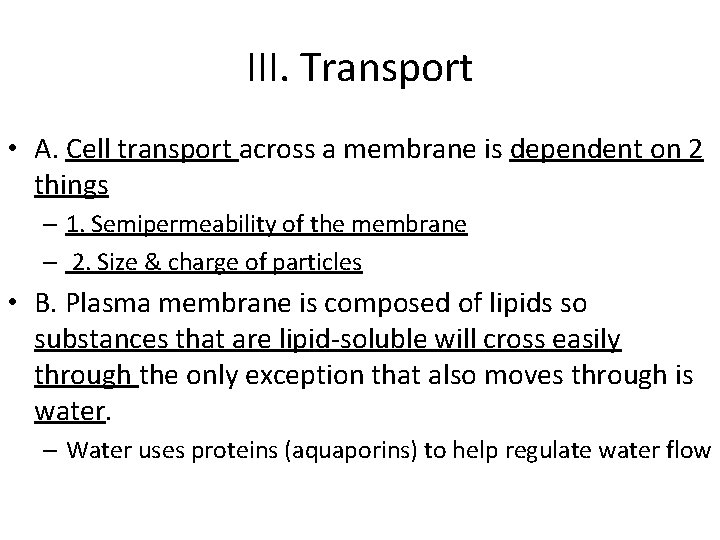
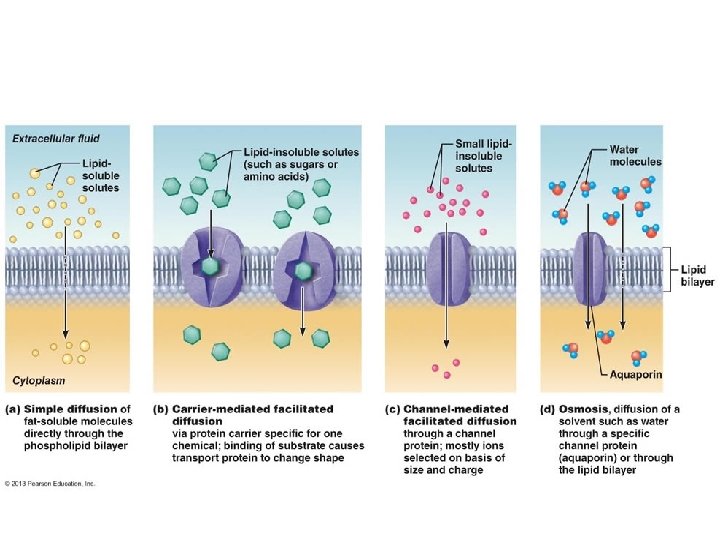
III. Transport • A. Cell transport across a membrane is dependent on 2 things – 1. Semipermeability of the membrane – 2. Size & charge of particles • B. Plasma membrane is composed of lipids so substances that are lipid-soluble will cross easily through the only exception that also moves through is water. – Water uses proteins (aquaporins) to help regulate water flow
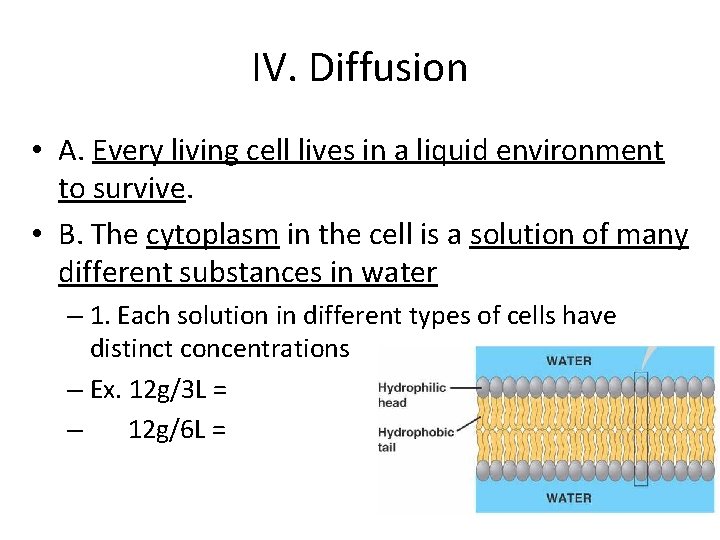
IV. Diffusion • A. Every living cell lives in a liquid environment to survive. • B. The cytoplasm in the cell is a solution of many different substances in water – 1. Each solution in different types of cells have distinct concentrations – Ex. 12 g/3 L = – 12 g/6 L =
IV. Diffusion • C. Particles of a solution are in constant motion • D. Diffusion is when particles of a solution move from an area of high concentration to an area of low concentration; moves down conc. gradient – Think perfume bottle or a fart (random motion) • E. When the concentration is equal on both sides the system is said to be in equilibrium – 1. Diffusion does not require the cell to use any energy Ex. Dialysis, kidney


Countercurrent exchange

V. Osmosis What if the molecule is to large to move across the membrane? ? • A. The cell membrane is said to be selectively permeable meaning only certain molecules can pass; molecule that are small and have no charge can pass easily in and out of a cell. • B. Osmosis is the diffusion of water across a selectively permeable membrane
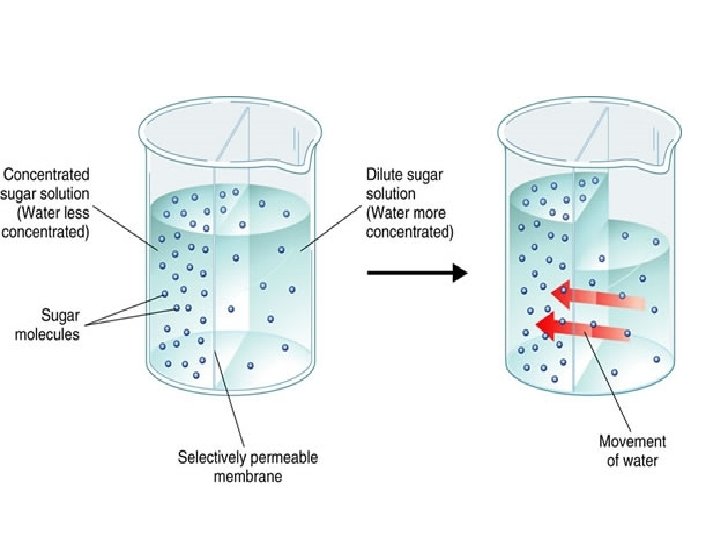
VI. How Osmosis Works • A. Water will always move across a membrane from a high conc. to a low conc. (with conc. gradient) until equilibrium is reached. – 1. When two solution are equal the solutions are isotonic to one another or “same strength” – 2. When a solution is of higher concentration to another it is hypertonic or “above strength” – 3. A solution that is very diluted to another is hypotonic or “below strength”
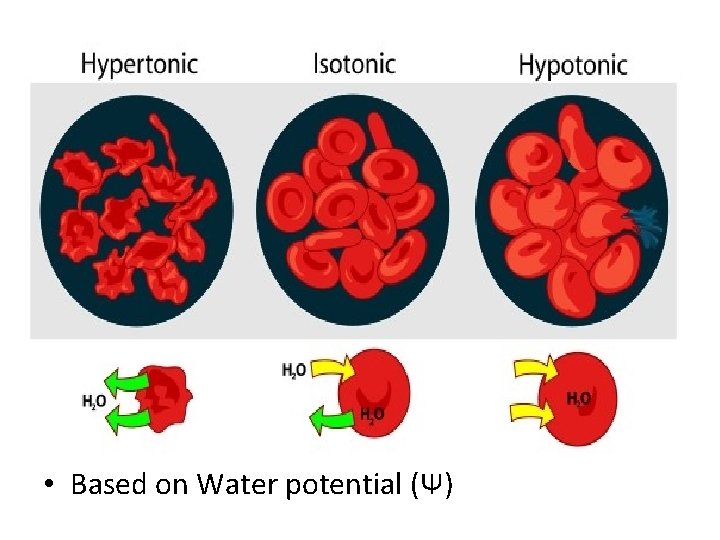
• Based on Water potential (Ψ)
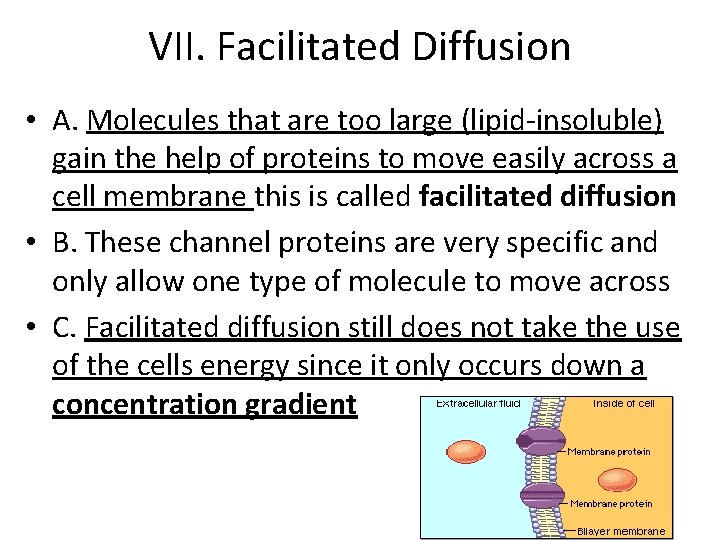
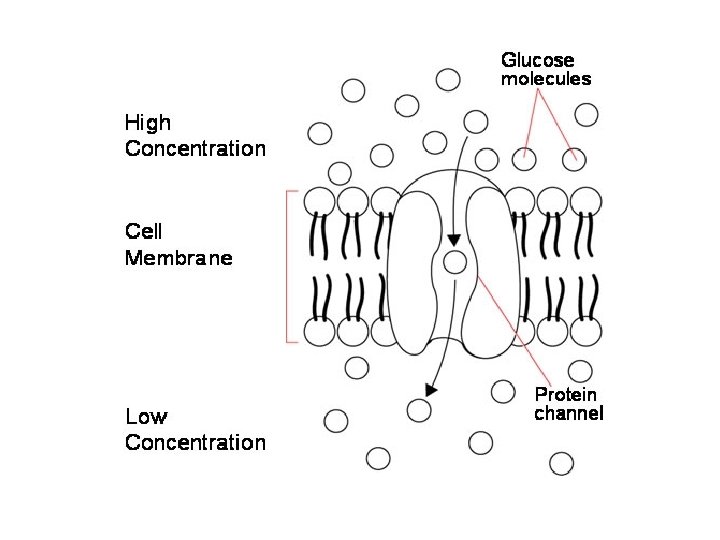
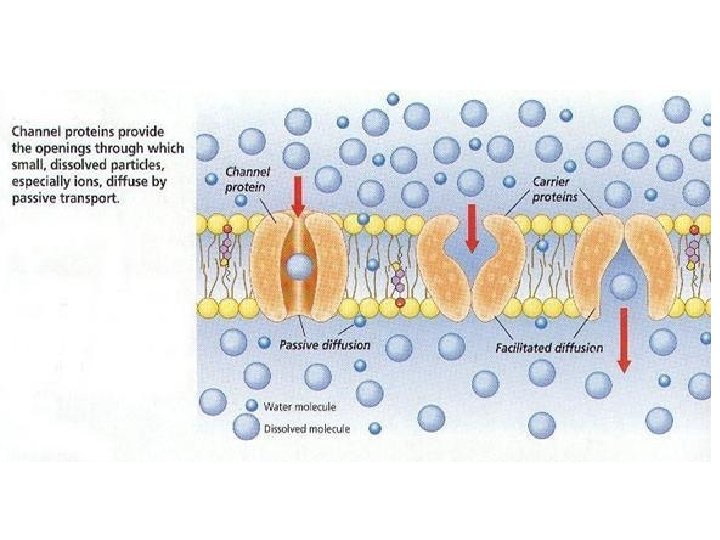
VII. Facilitated Diffusion • A. Molecules that are too large (lipid-insoluble) gain the help of proteins to move easily across a cell membrane this is called facilitated diffusion • B. These channel proteins are very specific and only allow one type of molecule to move across • C. Facilitated diffusion still does not take the use of the cells energy since it only occurs down a concentration gradient
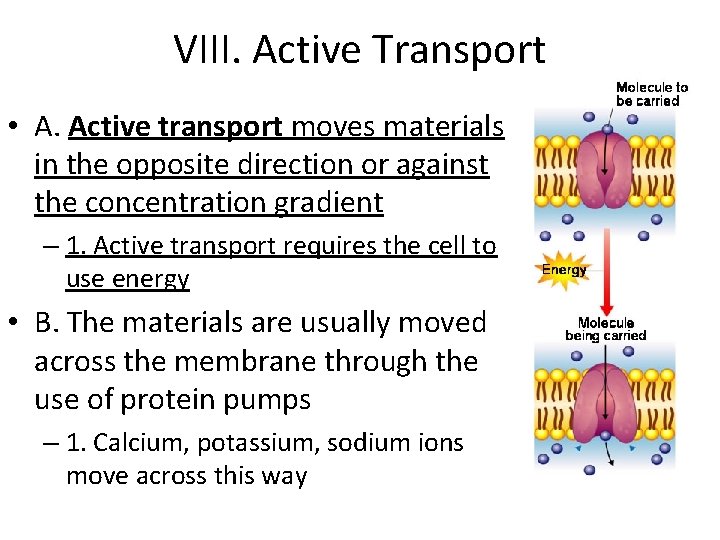
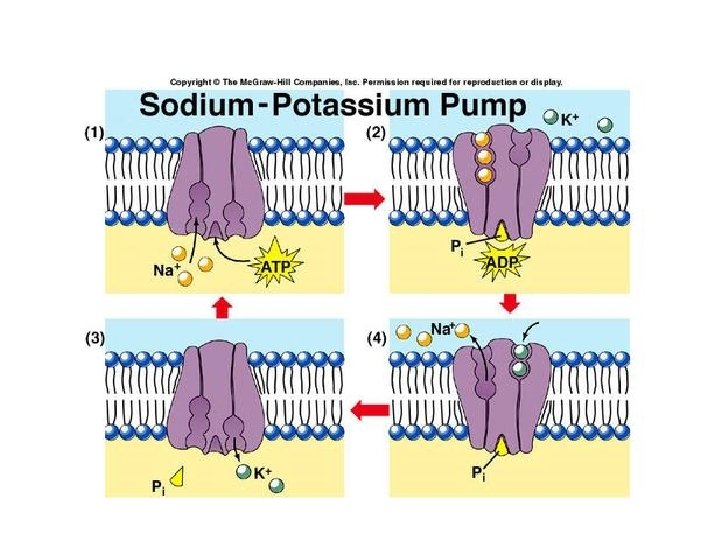
VIII. Active Transport • A. Active transport moves materials in the opposite direction or against the concentration gradient – 1. Active transport requires the cell to use energy • B. The materials are usually moved across the membrane through the use of protein pumps – 1. Calcium, potassium, sodium ions move across this way
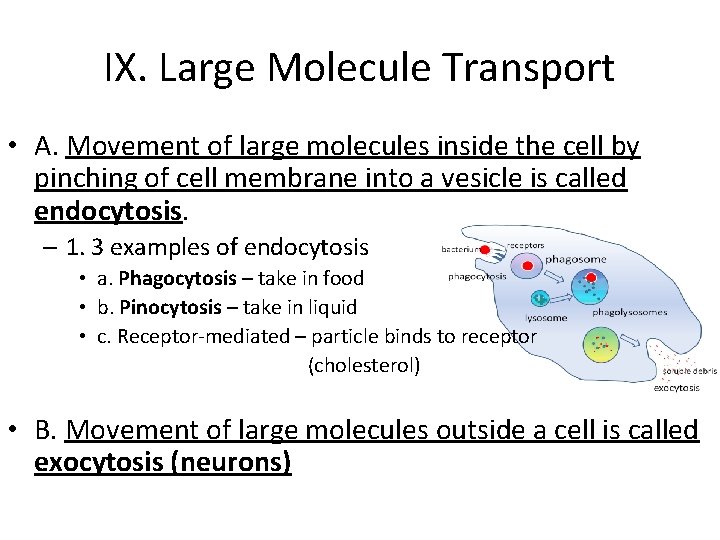
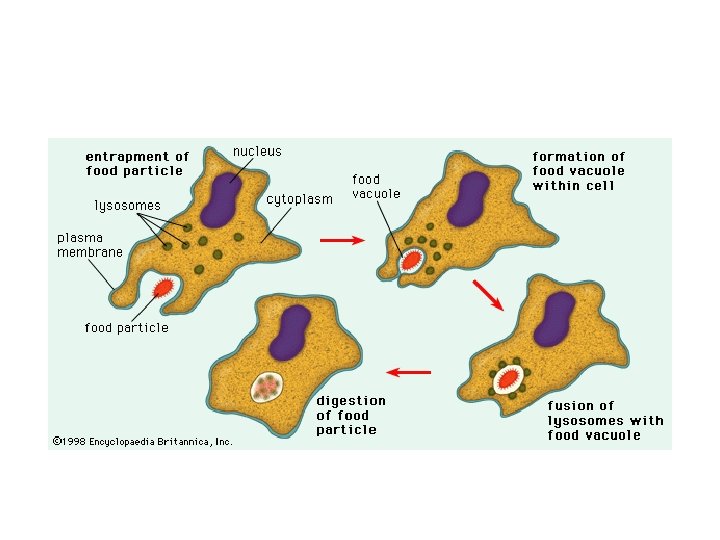
IX. Large Molecule Transport • A. Movement of large molecules inside the cell by pinching of cell membrane into a vesicle is called endocytosis. – 1. 3 examples of endocytosis • a. Phagocytosis – take in food • b. Pinocytosis – take in liquid • c. Receptor-mediated – particle binds to receptor (cholesterol) • B. Movement of large molecules outside a cell is called exocytosis (neurons)
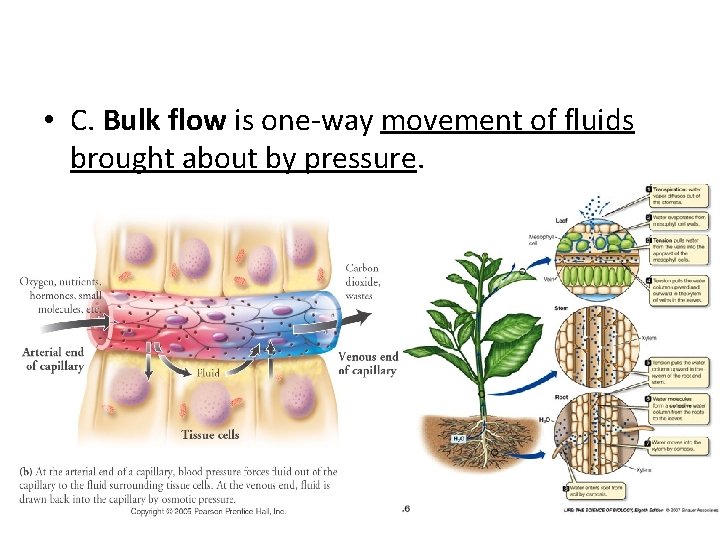
• C. Bulk flow is one-way movement of fluids brought about by pressure.
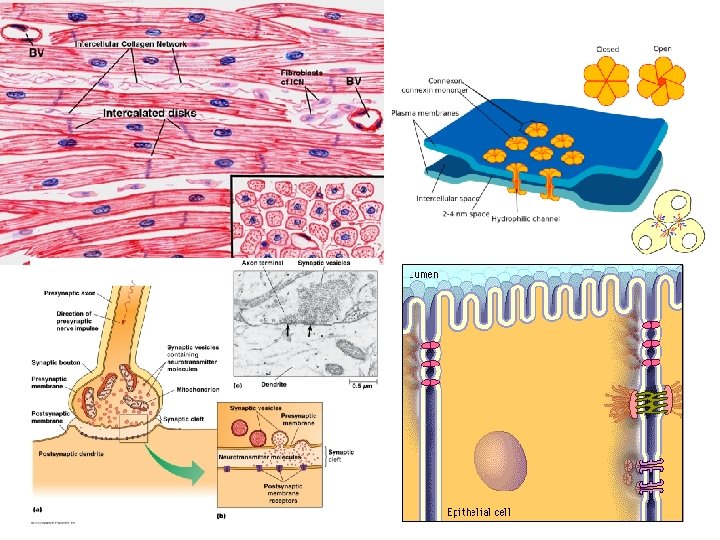
X. Cell Junctions • A. When cells are in close contact they sometimes form intercellular junctions that allow cells to form strong connections, prevent passage of materials or establish rapid communication. – Types of junctions: – 1. Desmosomes – hold cells tightly together – 2. Gap Junctions – protein complex form channels allow for communication & transfer of small molecules/ions – 3. Tight Junctions – extremely tight connection no space between cells
- Slides: 27