
Cell Biology Structure of Animal Cells Cell Organelles
Cell Biology
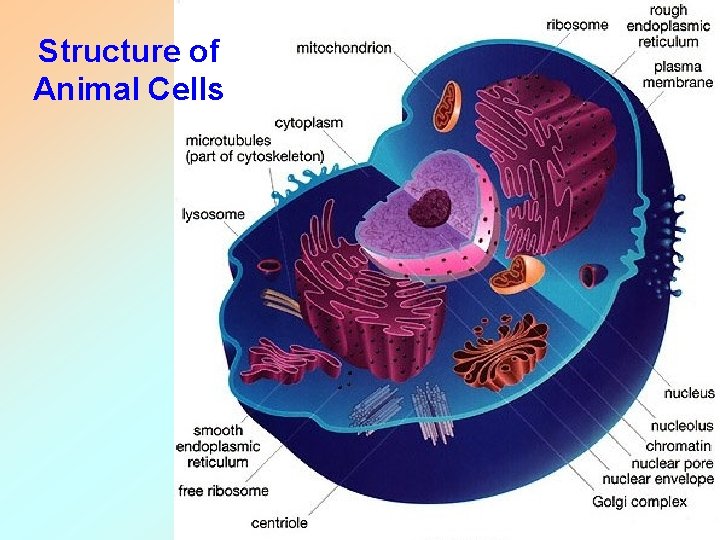
Structure of Animal Cells
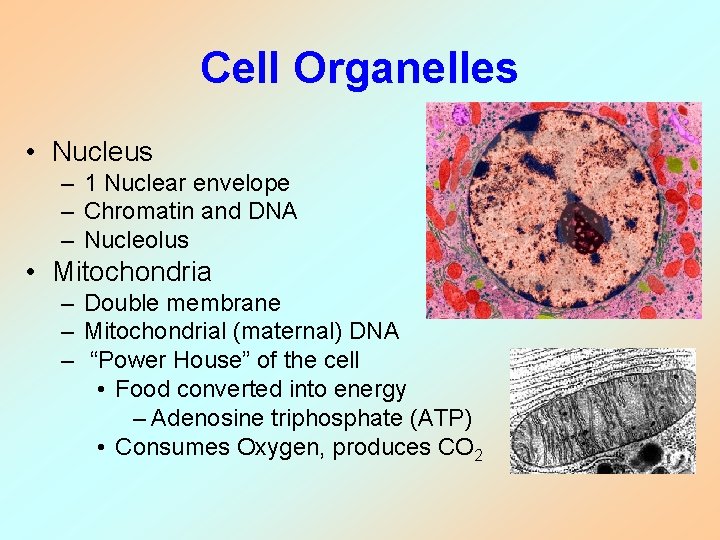
Cell Organelles • Nucleus – 1 Nuclear envelope – Chromatin and DNA – Nucleolus • Mitochondria – Double membrane – Mitochondrial (maternal) DNA – “Power House” of the cell • Food converted into energy – Adenosine triphosphate (ATP) • Consumes Oxygen, produces CO 2
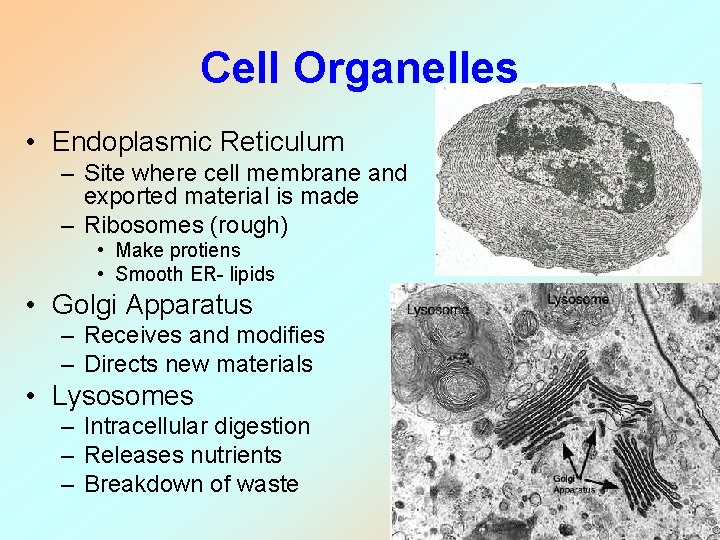
Cell Organelles • Endoplasmic Reticulum – Site where cell membrane and exported material is made – Ribosomes (rough) • Make protiens • Smooth ER- lipids • Golgi Apparatus – Receives and modifies – Directs new materials • Lysosomes – Intracellular digestion – Releases nutrients – Breakdown of waste
Cell Organelles • Peroxisomes – Hydrogen Peroxide generated and degraded • Cytosol – Water based gel – Chemical reactions • Cytoskeleton – Filaments (actin, intermediate and microtubules) – Movement of organelles and cell – Structure/strengthen cell • Vessicles – Material transport – Membrane, ER, Golgi derived vessicles
Organic Molecules of Cells • • Proteins Carbohydrates Lipids Nucleic acids
Proteins • Most diverse and complex macromolecules in the cell • Used for structure, function and information • Made of linearly arranged amino acid residues – “folded” up with “active” regions
Types of Proteins 1) Enzymes – catalyzes covalent bond breakage or formation 2) Structural – collagen, elastin, keratin, etc. 3) Motility – actin, myosin, tubulin, etc. 4) Regulatory – bind to DNA to switch genes on or off 5) Hormonal – insulin, nerve growth factor (NGF), etc. 6) Receptors – hormone and neurotransmitter receptors 8) Transport – carries small molecules or irons
Lipids • Hydrophobic molecules – Energy storage, membrane components, signal molecules – Triglycerides (fat), phospholipids, waxes, sterols Carbohydrates • Sugars, storage (glycogen, starch), Structural polymers (cellulose and chitin) • Major substrates of energy metabolism
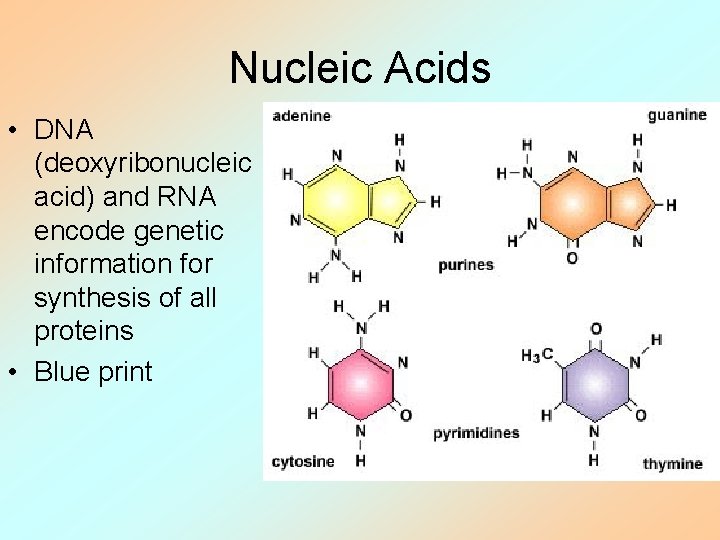
Nucleic Acids • DNA (deoxyribonucleic acid) and RNA encode genetic information for synthesis of all proteins • Blue print
Water Molecule • Hydrophobic “Water-fearing” – Molecule is not polar, cannot form H bonds and is “repelled” from water – Insoluble • Hydrophillic “Water-loving” – Molecule is polar, forms H bonds with water – Soluble
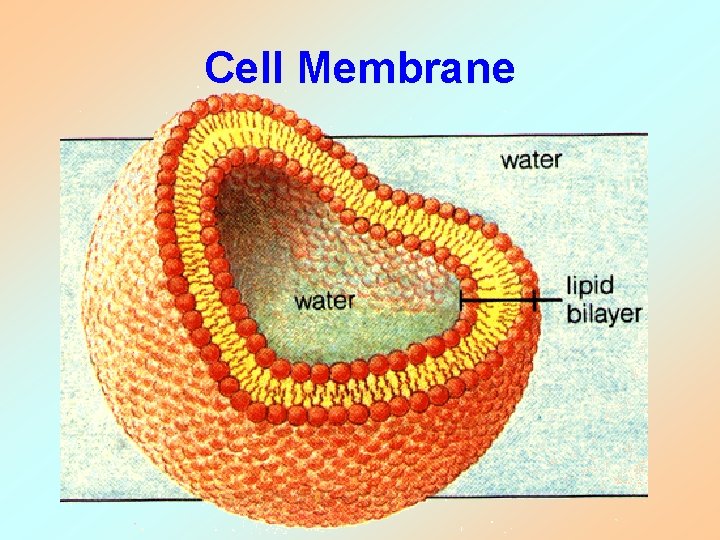
Cell Membrane
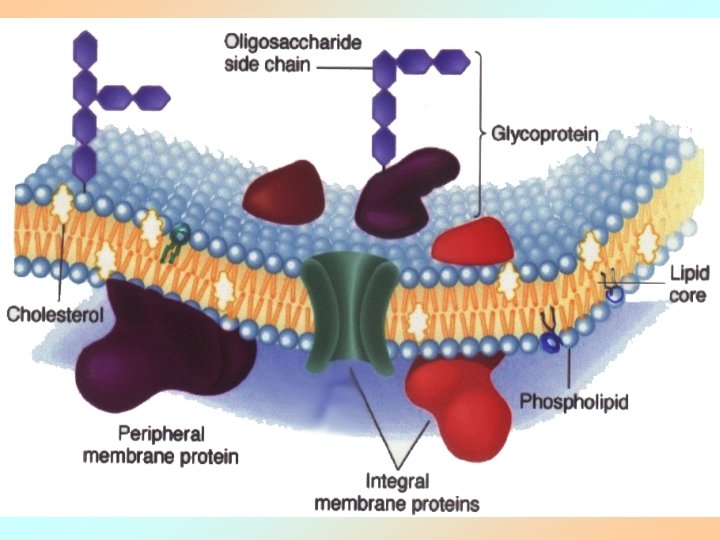
Cell Membrane Composition • Plasma membrane encloses cell and cell organelles • Made of hydrophobic and hydrophillic components – Semi-permeable and fluid-like – “lipid bilayer”
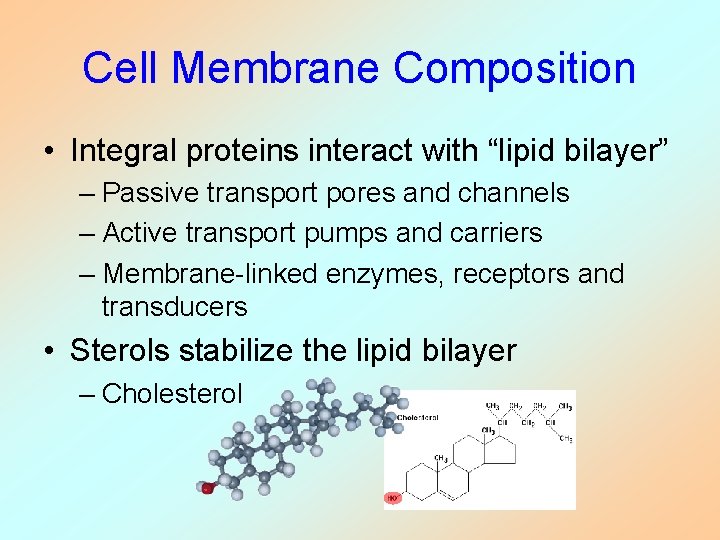
Cell Membrane Composition • Integral proteins interact with “lipid bilayer” – Passive transport pores and channels – Active transport pumps and carriers – Membrane-linked enzymes, receptors and transducers • Sterols stabilize the lipid bilayer – Cholesterol
Osmotic Properties of Cells • Osmosis (Greek, osmos “to push”) – Movement of water down its concentration gradient • Hydrostatic pressure – Movement of water causes fluid mechanical pressure – Pressure gradient across a semi-permeable membrane
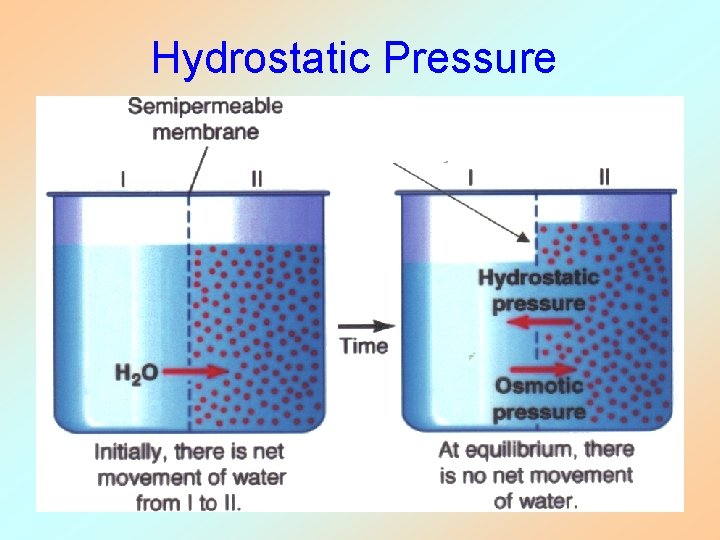
Hydrostatic Pressure
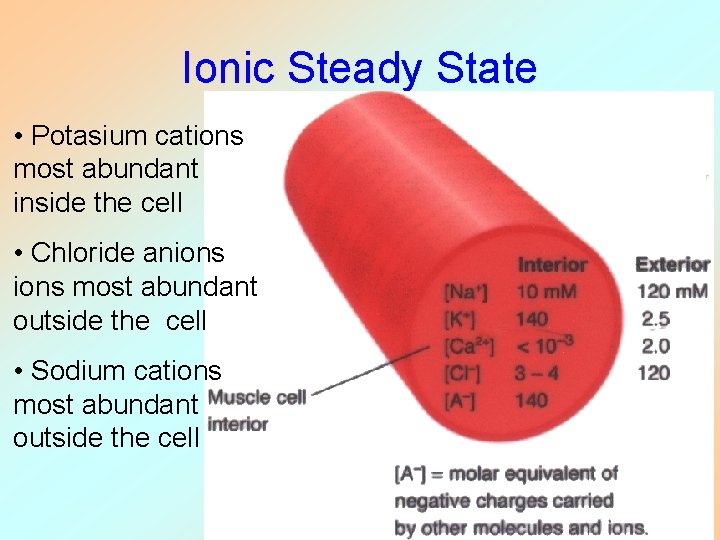
Ionic Steady State • Potasium cations most abundant inside the cell • Chloride anions most abundant outside the cell • Sodium cations most abundant outside the cell
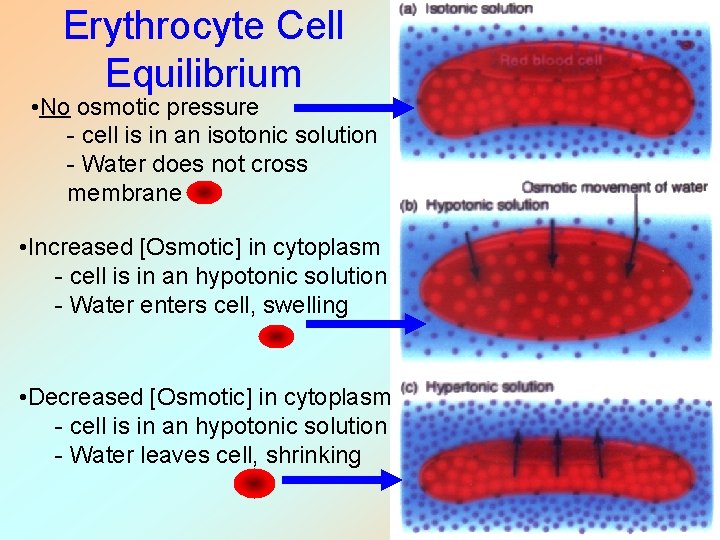
Erythrocyte Cell Equilibrium • No osmotic pressure - cell is in an isotonic solution - Water does not cross membrane • Increased [Osmotic] in cytoplasm - cell is in an hypotonic solution - Water enters cell, swelling • Decreased [Osmotic] in cytoplasm - cell is in an hypotonic solution - Water leaves cell, shrinking
Cell Permeability • Passive transport is carrier mediated – Facilitated diffusion – Solute molecule combines with a “carrier” or transporter – Electrochemical gradients determines the direction – Integral membrane proteins form channels
Crossing the Membrane • Simple or passive diffusion • Passive transport – Channels or pores • Facilitated transport – Assisted by membrane-floating proteins • Active transport pumps and carriers – ATP is required – Enzymes and reactions may be required
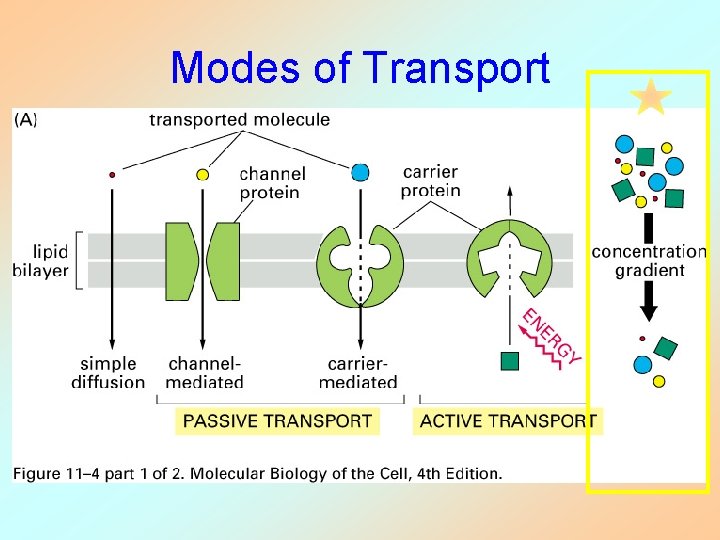
Modes of Transport
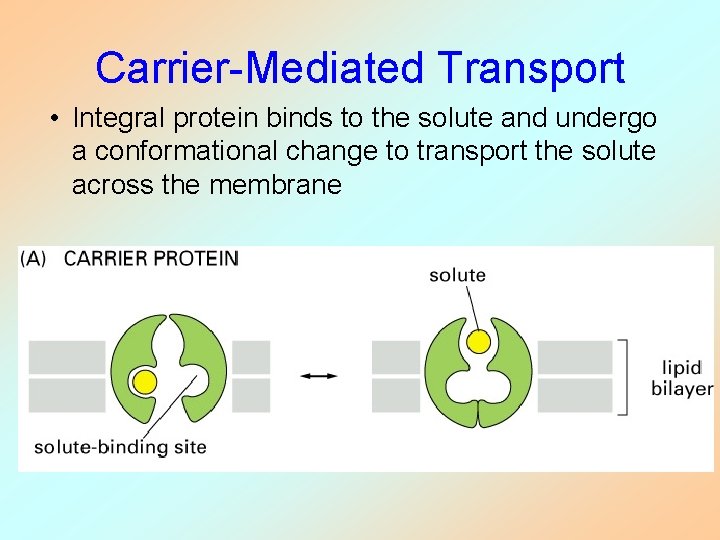
Carrier-Mediated Transport • Integral protein binds to the solute and undergo a conformational change to transport the solute across the membrane
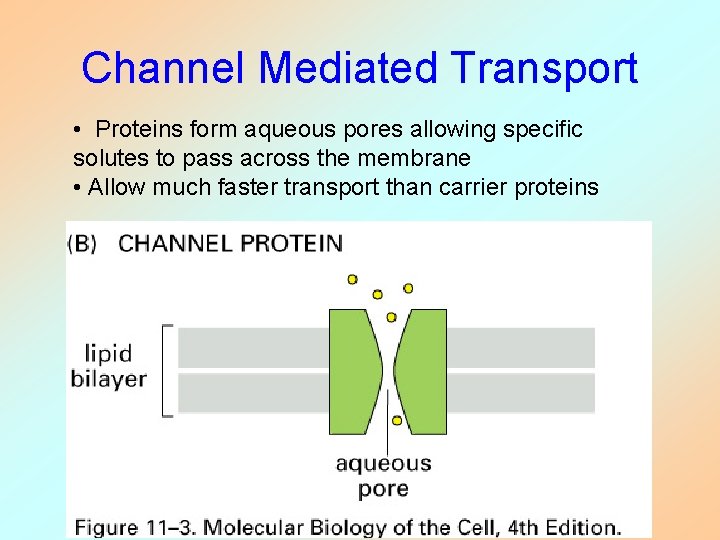
Channel Mediated Transport • Proteins form aqueous pores allowing specific solutes to pass across the membrane • Allow much faster transport than carrier proteins
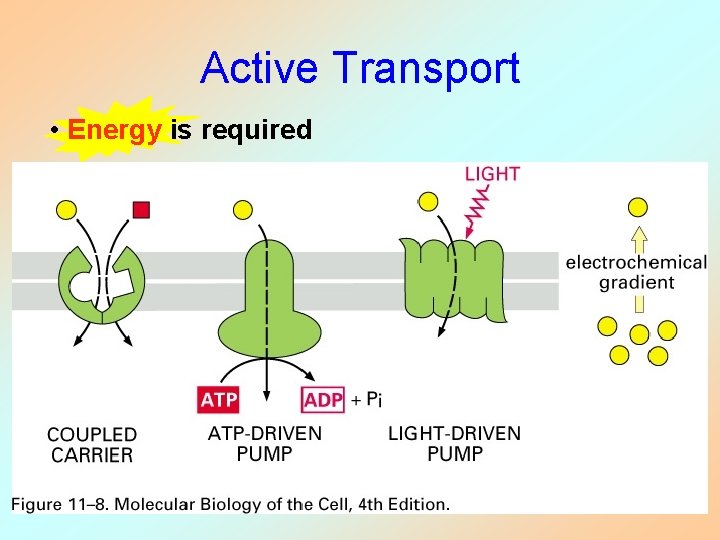
Active Transport • Energy is required
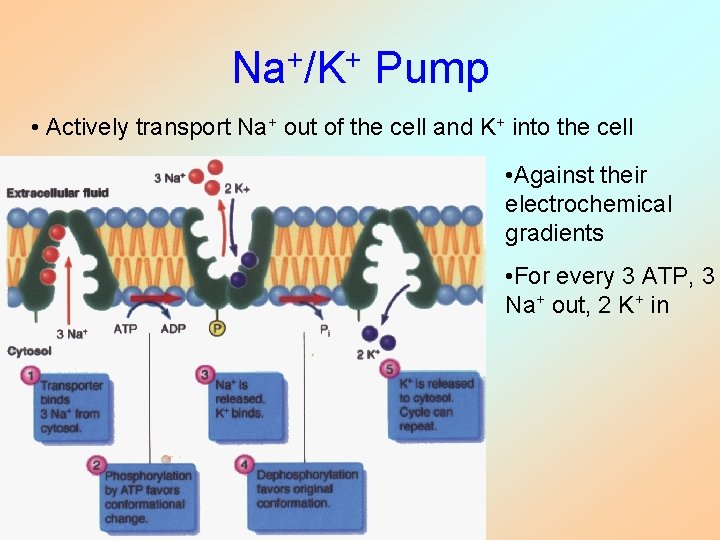
Na+/K+ Pump • Actively transport Na+ out of the cell and K+ into the cell • Against their electrochemical gradients • For every 3 ATP, 3 Na+ out, 2 K+ in
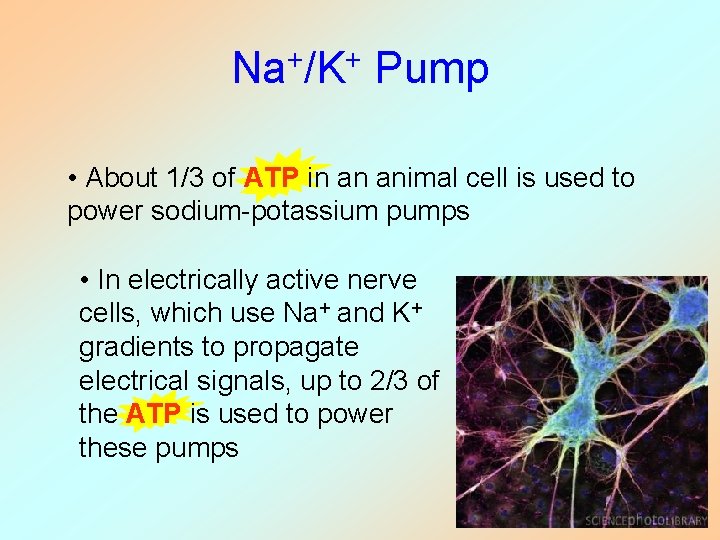
Na+/K+ Pump • About 1/3 of ATP in an animal cell is used to power sodium-potassium pumps • In electrically active nerve cells, which use Na+ and K+ gradients to propagate electrical signals, up to 2/3 of the ATP is used to power these pumps
Endocytosis and Exocytosis • Exocytosis - membrane vesicle fuses with cell membrane, releases enclosed material to extracellular space. • Endocytosis - cell membrane invaginates, pinches in, creates vesicle enclosing contents
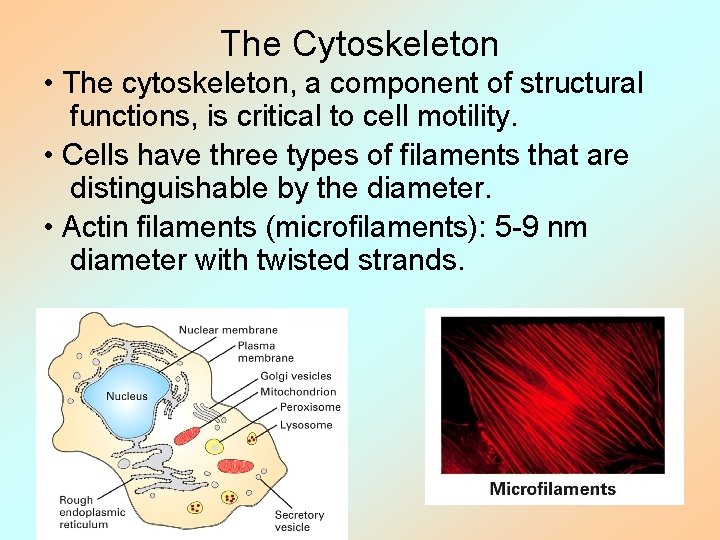
The Cytoskeleton • The cytoskeleton, a component of structural functions, is critical to cell motility. • Cells have three types of filaments that are distinguishable by the diameter. • Actin filaments (microfilaments): 5 -9 nm diameter with twisted strands.
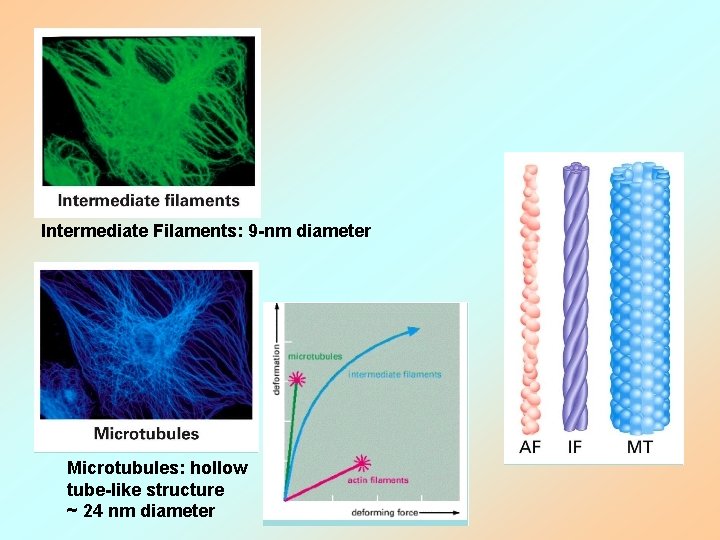
Intermediate Filaments: 9 -nm diameter Microtubules: hollow tube-like structure ~ 24 nm diameter
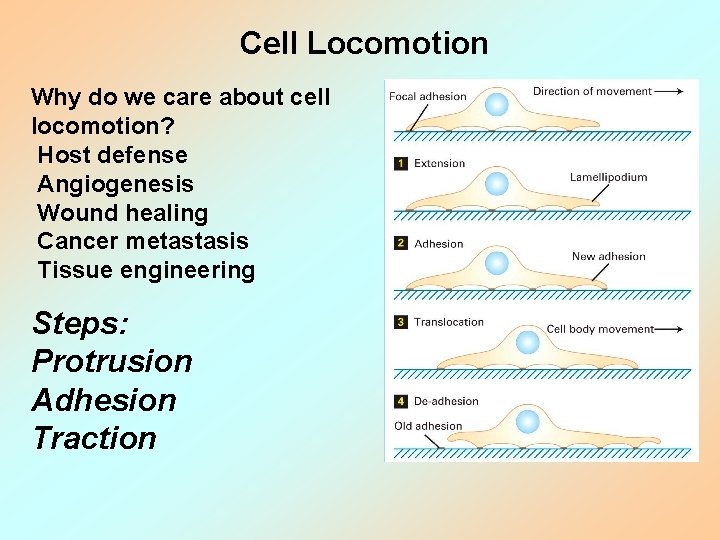
Cell Locomotion Why do we care about cell locomotion? Host defense Angiogenesis Wound healing Cancer metastasis Tissue engineering Steps: Protrusion Adhesion Traction
- Slides: 31