
Cell Biology Outline Cell Structure and Organelles Cell
Cell Biology
Outline • • • Cell Structure and Organelles Cell Molecular Components Water and Chemical properties Cell Membrane Osmotic Properties of cells Cell molecule transportation
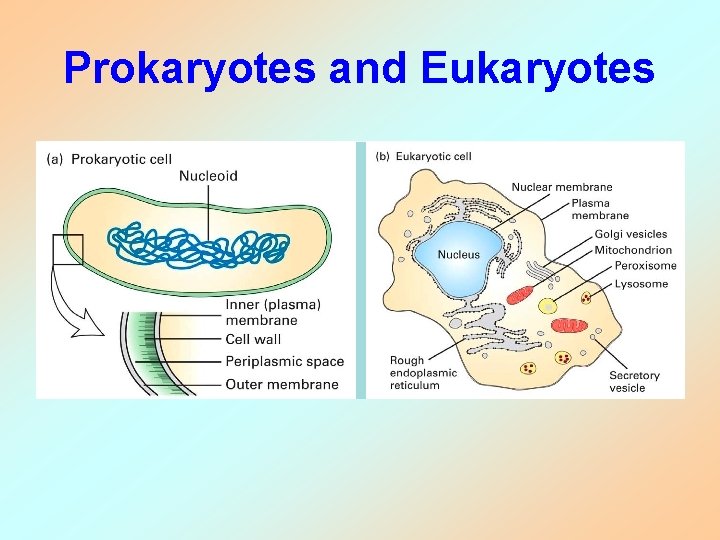
Prokaryotes and Eukaryotes
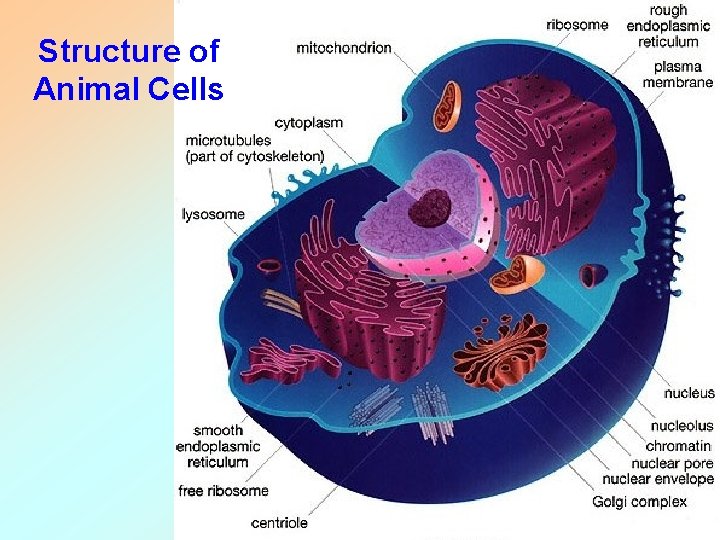
Structure of Animal Cells
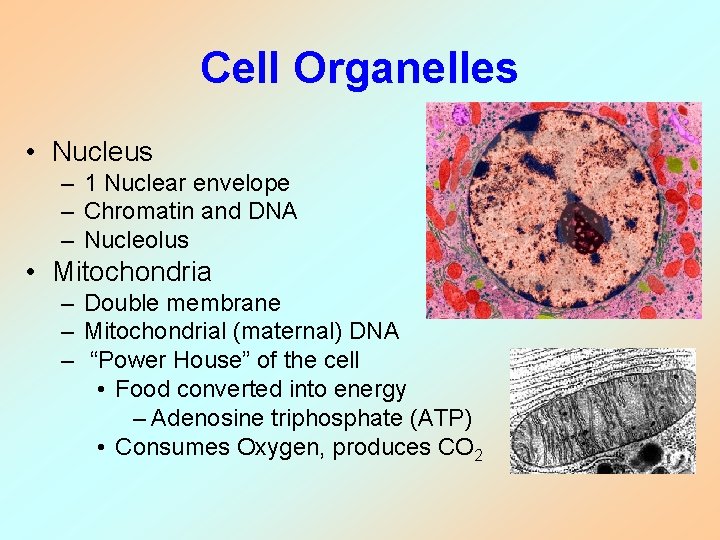
Cell Organelles • Nucleus – 1 Nuclear envelope – Chromatin and DNA – Nucleolus • Mitochondria – Double membrane – Mitochondrial (maternal) DNA – “Power House” of the cell • Food converted into energy – Adenosine triphosphate (ATP) • Consumes Oxygen, produces CO 2
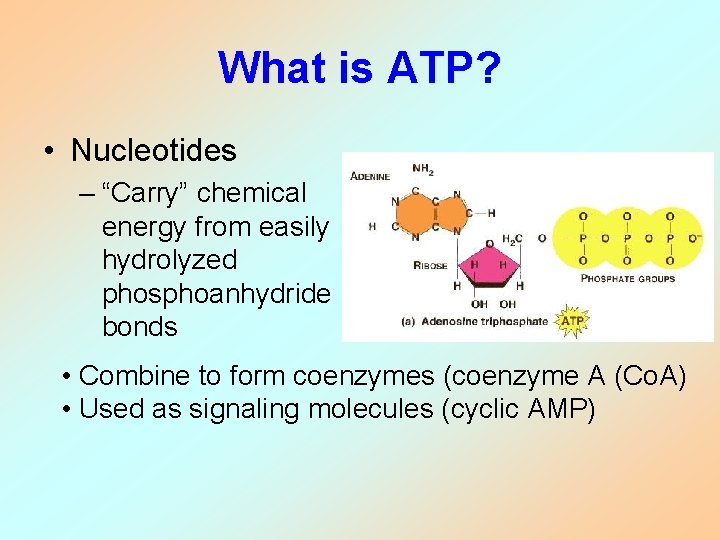
What is ATP? • Nucleotides – “Carry” chemical energy from easily hydrolyzed phosphoanhydride bonds • Combine to form coenzymes (coenzyme A (Co. A) • Used as signaling molecules (cyclic AMP)
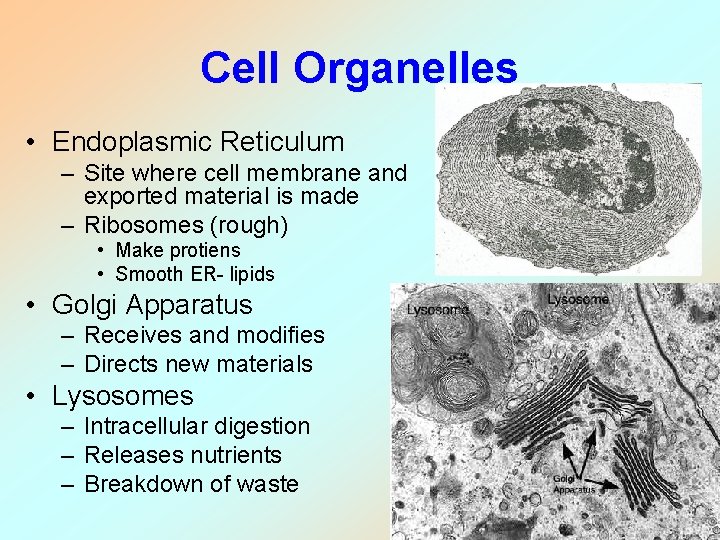
Cell Organelles • Endoplasmic Reticulum – Site where cell membrane and exported material is made – Ribosomes (rough) • Make protiens • Smooth ER- lipids • Golgi Apparatus – Receives and modifies – Directs new materials • Lysosomes – Intracellular digestion – Releases nutrients – Breakdown of waste
Cell Organelles • Peroxisomes – Hydrogen Peroxide generated and degraded • Cytosol – Water based gel – Chemical reactions • Cytoskeleton – Filaments (actin, intermediate and microtubules) – Movement of organelles and cell – Structure/strengthen cell • Vessicles – Material transport – Membrane, ER, Golgi derived vessicles
Organic Molecules of Cells • • Proteins Carbohydrates Lipids Nucleic acids
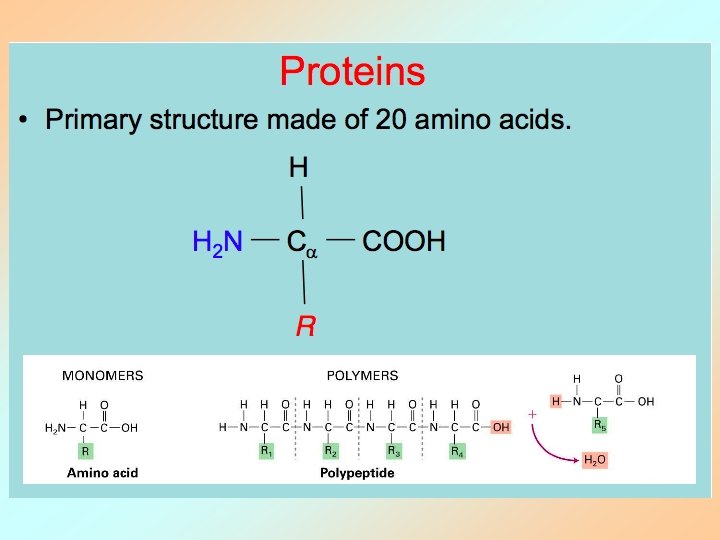
Proteins • Most diverse and complex macromolecules in the cell • Used for structure, function and information • Made of linearly arranged amino acid residues – “folded” up with “active” regions
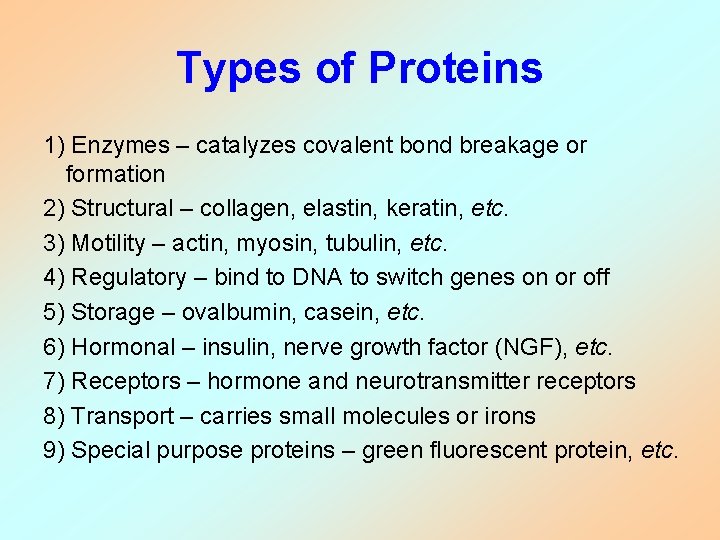
Types of Proteins 1) Enzymes – catalyzes covalent bond breakage or formation 2) Structural – collagen, elastin, keratin, etc. 3) Motility – actin, myosin, tubulin, etc. 4) Regulatory – bind to DNA to switch genes on or off 5) Storage – ovalbumin, casein, etc. 6) Hormonal – insulin, nerve growth factor (NGF), etc. 7) Receptors – hormone and neurotransmitter receptors 8) Transport – carries small molecules or irons 9) Special purpose proteins – green fluorescent protein, etc.
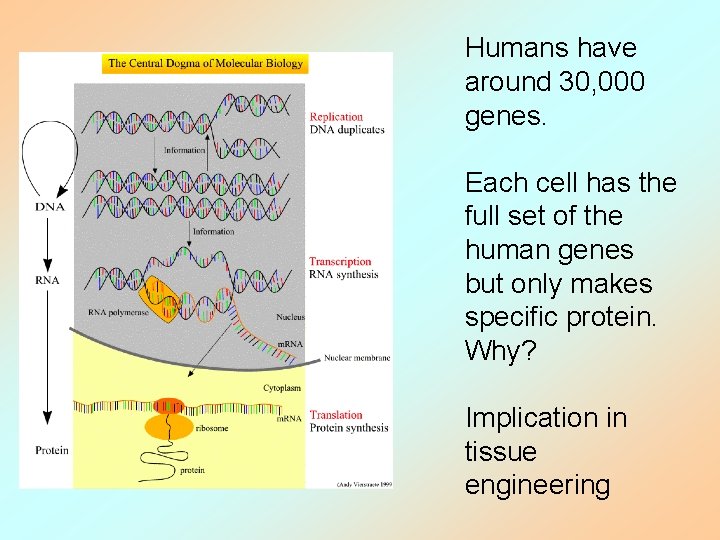
Humans have around 30, 000 genes. Each cell has the full set of the human genes but only makes specific protein. Why? Implication in tissue engineering
Lipids • Hydrophobic molecules – Energy storage, membrane components, signal molecules – Triglycerides (fat), phospholipids, waxes, sterols Carbohydrates • Sugars, storage (glycogen, starch), Structural polymers (cellulose and chitin) • Major substrates of energy metabolism
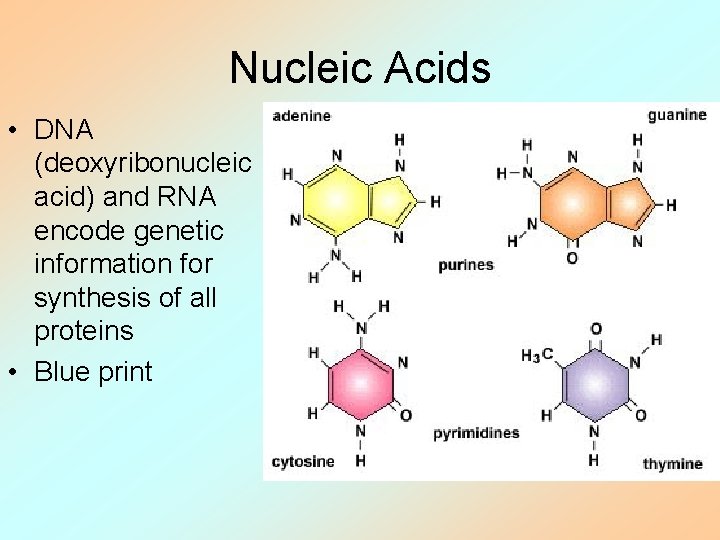
Nucleic Acids • DNA (deoxyribonucleic acid) and RNA encode genetic information for synthesis of all proteins • Blue print
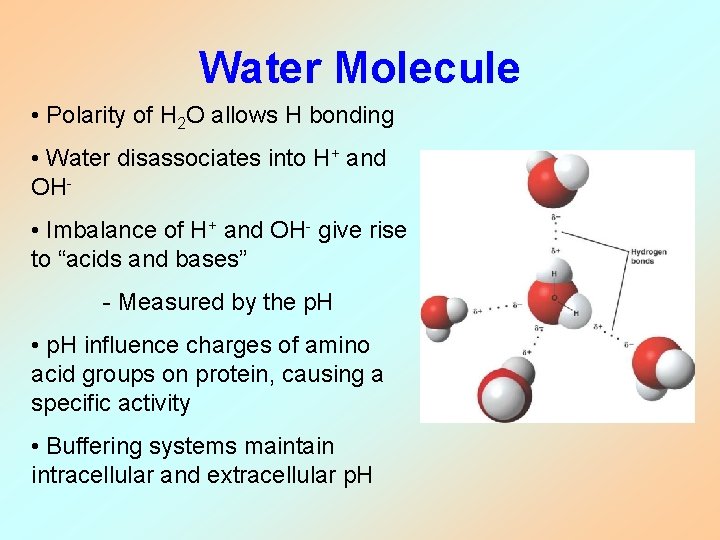
Water Molecule • Polarity of H 2 O allows H bonding • Water disassociates into H+ and OH • Imbalance of H+ and OH- give rise to “acids and bases” - Measured by the p. H • p. H influence charges of amino acid groups on protein, causing a specific activity • Buffering systems maintain intracellular and extracellular p. H
Water Molecule • Hydrophobic “Water-fearing” – Molecule is not polar, cannot form H bonds and is “repelled” from water – Insoluble • Hydrophillic “Water-loving” – Molecule is polar, forms H bonds with water – Soluble
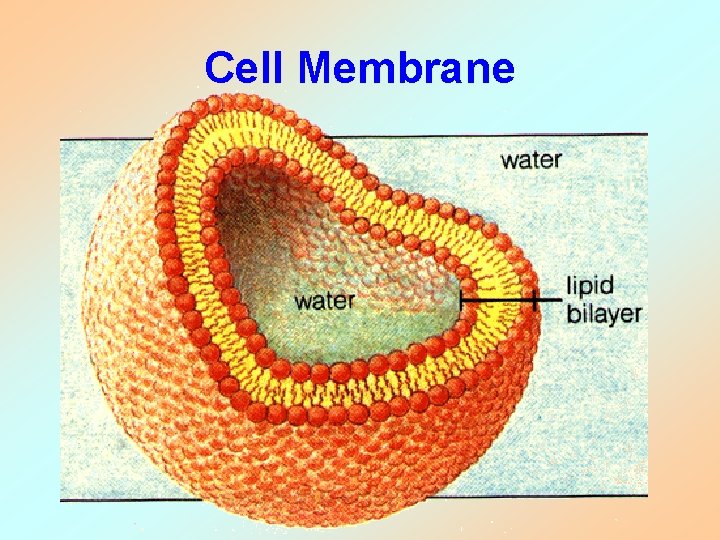
Cell Membrane
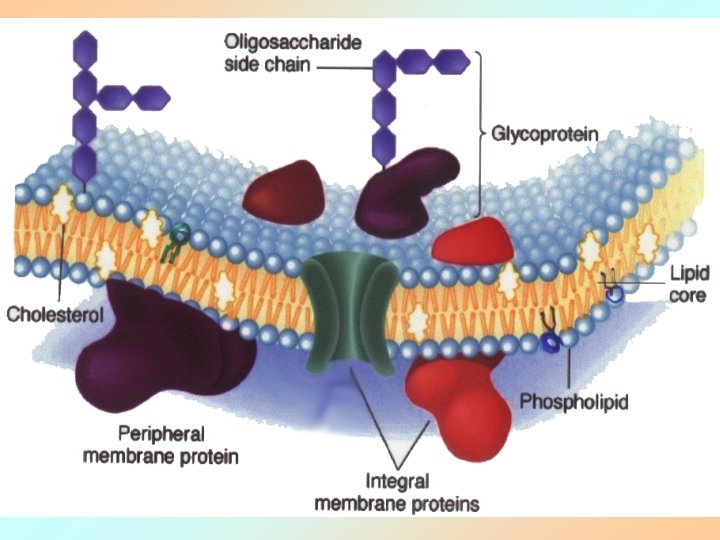
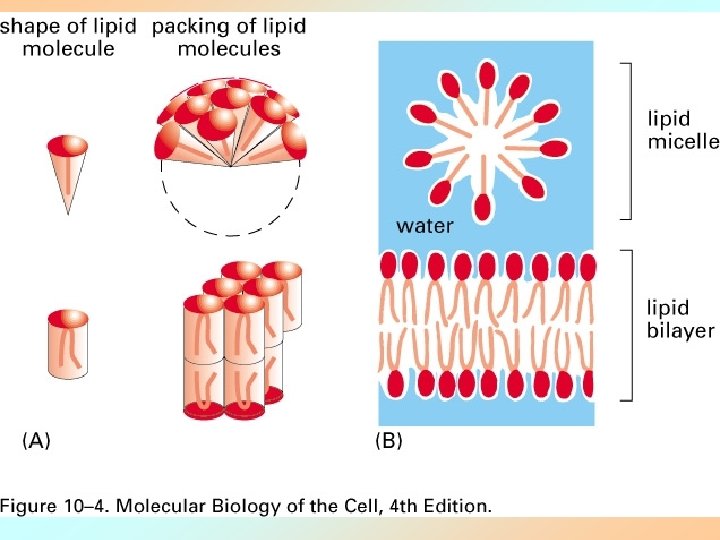
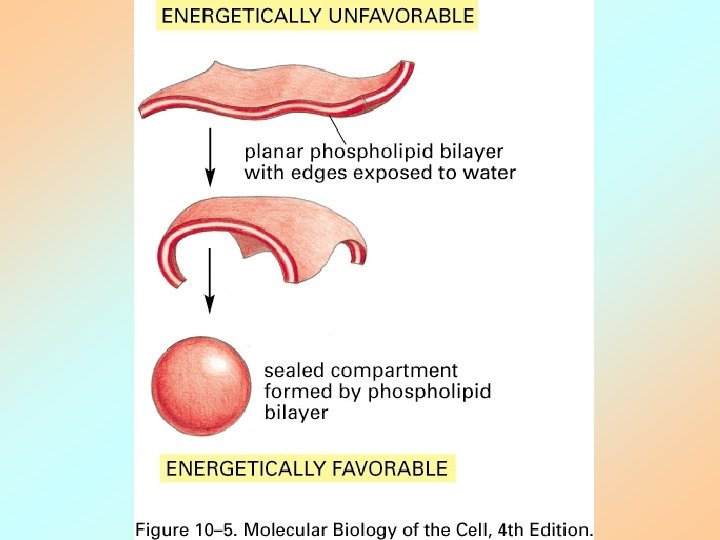
Cell Membrane Composition • Plasma membrane encloses cell and cell organelles • Made of hydrophobic and hydrophillic components – Semi-permeable and fluid-like – “lipid bilayer”
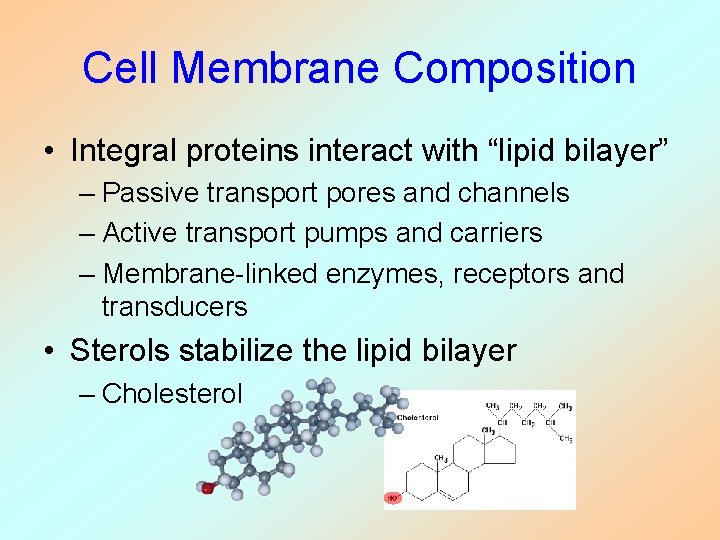
Cell Membrane Composition • Integral proteins interact with “lipid bilayer” – Passive transport pores and channels – Active transport pumps and carriers – Membrane-linked enzymes, receptors and transducers • Sterols stabilize the lipid bilayer – Cholesterol
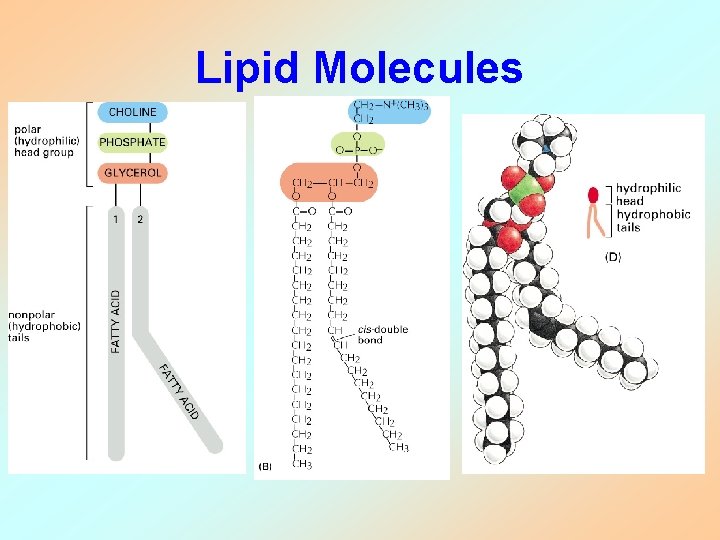
Lipid Molecules
Osmotic Properties of Cells • Osmosis (Greek, osmos “to push”) – Movement of water down its concentration gradient • Hydrostatic pressure – Movement of water causes fluid mechanical pressure – Pressure gradient across a semi-permeable membrane
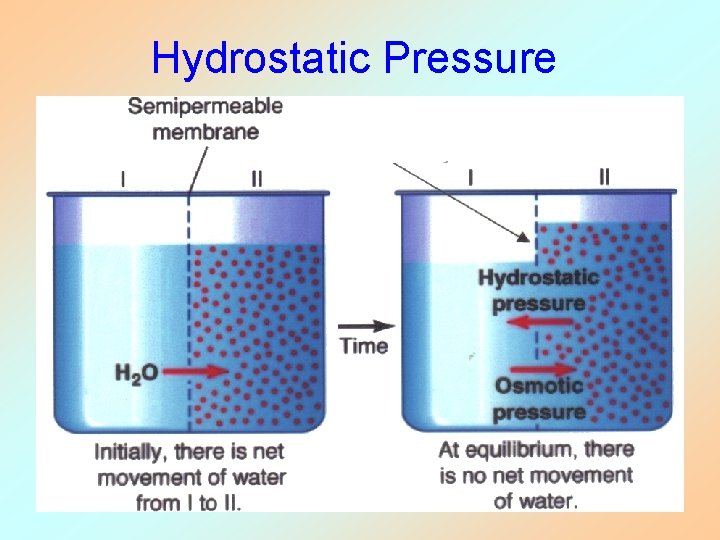
Hydrostatic Pressure
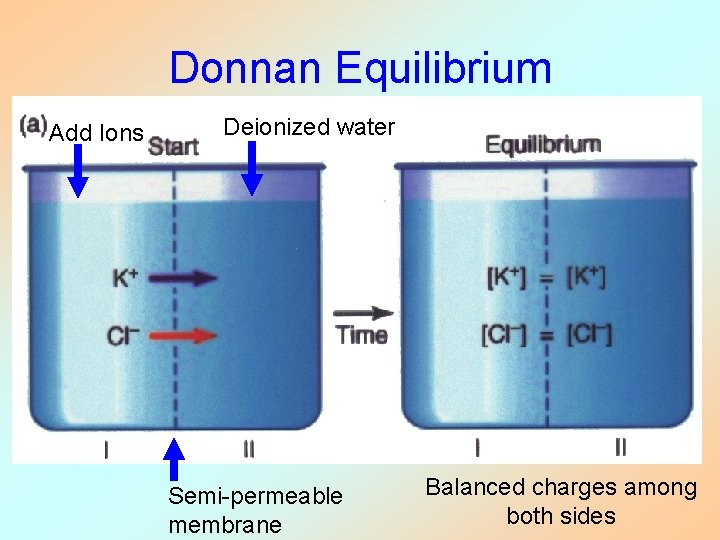
Donnan Equilibrium Add Ions Deionized water Semi-permeable membrane Balanced charges among both sides
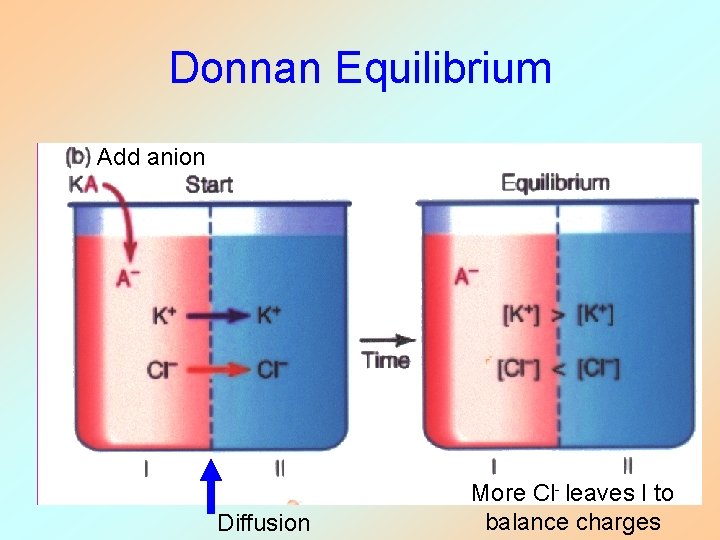
Donnan Equilibrium Add anion Diffusion More Cl- leaves I to balance charges
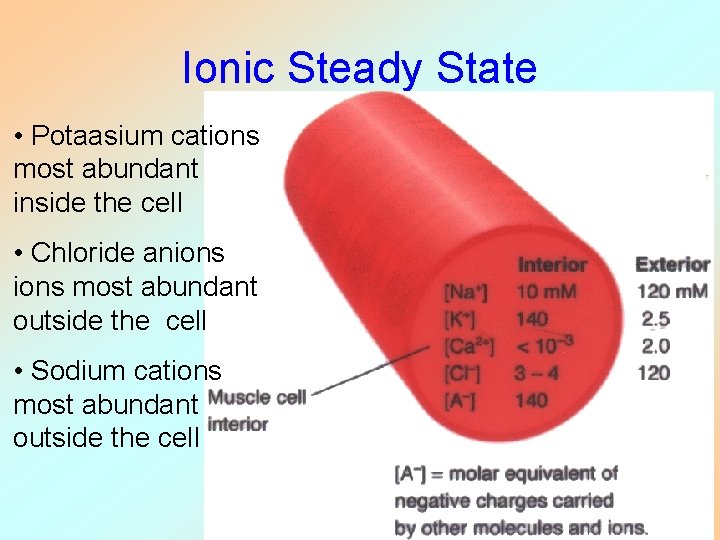
Ionic Steady State • Potaasium cations most abundant inside the cell • Chloride anions most abundant outside the cell • Sodium cations most abundant outside the cell
![Donnan Equilibrium [K+]i [Cl-]ii = [K+]ii [Cl-]i A- K+ Ca 2+K+ A- Cl-K+ A-](http://slidetodoc.com/presentation_image_h2/4b64c932857113402769b148f1a6bd97/image-30.jpg "Donnan Equilibrium [K+]i [Cl-]ii = [K+]ii [Cl-]i A- K+ Ca 2+K+ A- Cl-K+ A-")
Donnan Equilibrium [K+]i [Cl-]ii = [K+]ii [Cl-]i A- K+ Ca 2+K+ A- Cl-K+ A- ANa+ Na+
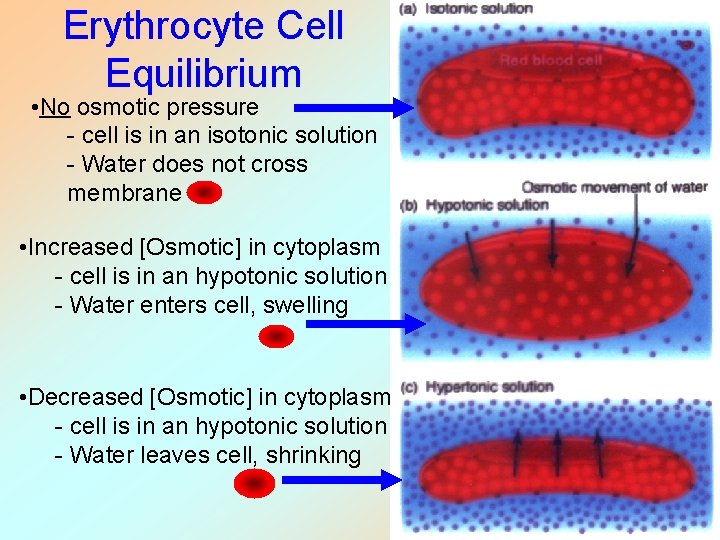
Erythrocyte Cell Equilibrium • No osmotic pressure - cell is in an isotonic solution - Water does not cross membrane • Increased [Osmotic] in cytoplasm - cell is in an hypotonic solution - Water enters cell, swelling • Decreased [Osmotic] in cytoplasm - cell is in an hypotonic solution - Water leaves cell, shrinking
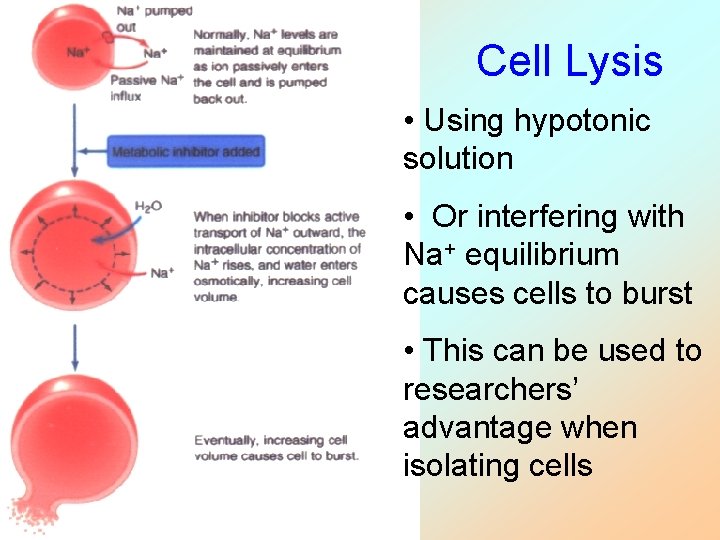
Cell Lysis • Using hypotonic solution • Or interfering with Na+ equilibrium causes cells to burst • This can be used to researchers’ advantage when isolating cells
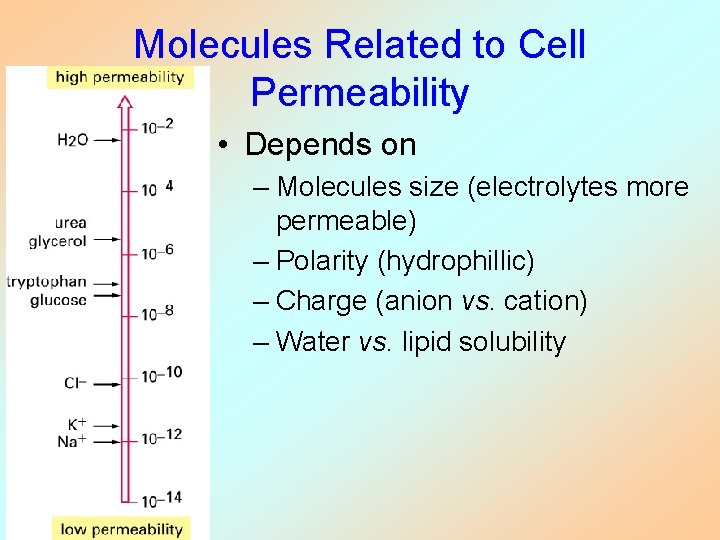
Molecules Related to Cell Permeability • Depends on – Molecules size (electrolytes more permeable) – Polarity (hydrophillic) – Charge (anion vs. cation) – Water vs. lipid solubility
Cell Permeability • Passive transport is carrier mediated – Facilitated diffusion – Solute molecule combines with a “carrier” or transporter – Electrochemical gradients determines the direction – Integral membrane proteins form channels
Crossing the Membrane • Simple or passive diffusion • Passive transport – Channels or pores • Facilitated transport – Assisted by membrane-floating proteins • Active transport pumps and carriers – ATP is required – Enzymes and reactions may be required
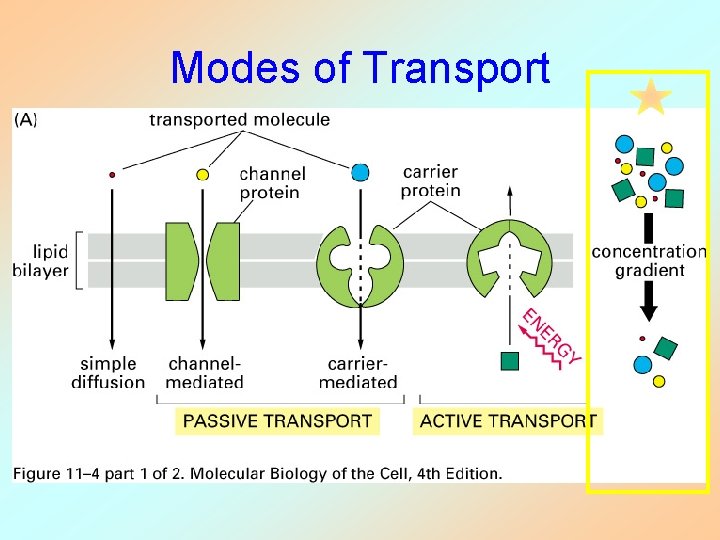
Modes of Transport
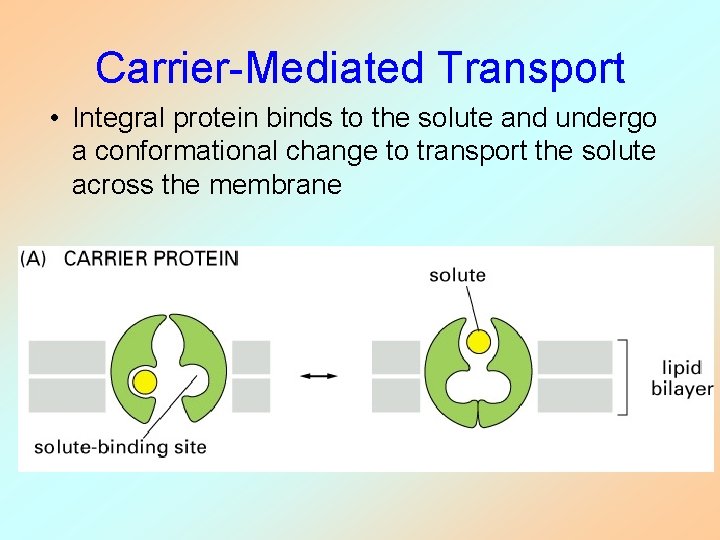
Carrier-Mediated Transport • Integral protein binds to the solute and undergo a conformational change to transport the solute across the membrane
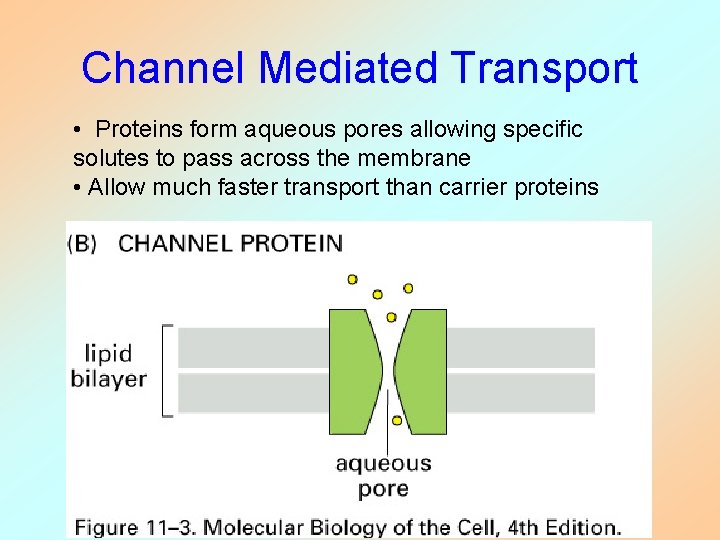
Channel Mediated Transport • Proteins form aqueous pores allowing specific solutes to pass across the membrane • Allow much faster transport than carrier proteins
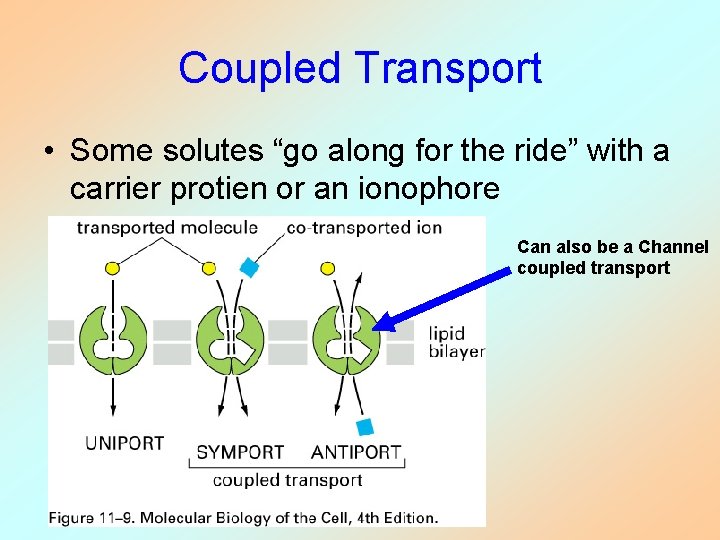
Coupled Transport • Some solutes “go along for the ride” with a carrier protien or an ionophore Can also be a Channel coupled transport
Active Transport • Three main mechanisms: – coupled carriers: a solute is driven uphill compensated by a different solute being transported downhill (secondary) – ATP-driven pump: uphill transport is powered by ATP hydrolysis (primary) – Light-driven pump: uphill transport is powered by energy from photons (bacteriorhodopsin)
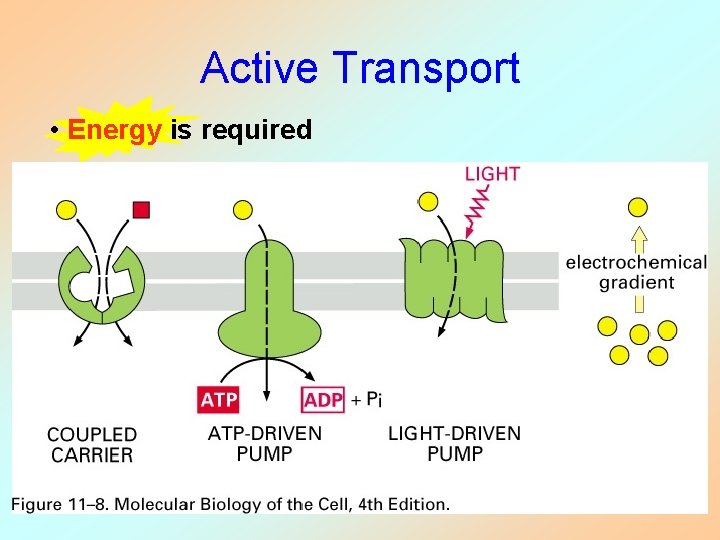
Active Transport • Energy is required
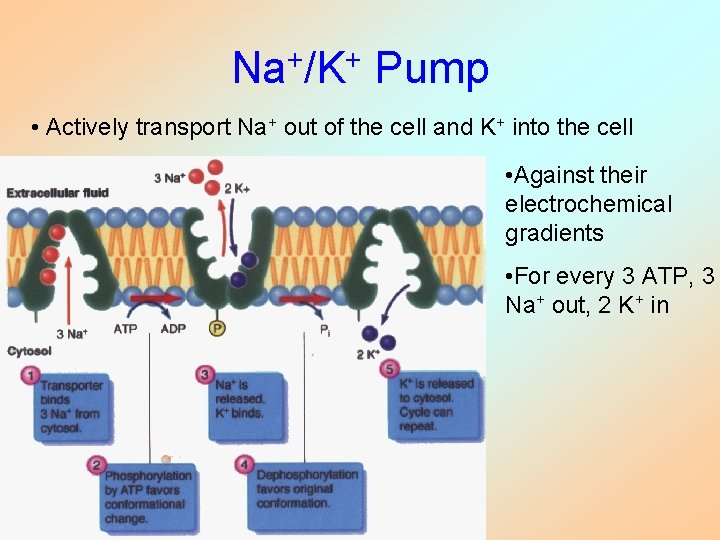
Na+/K+ Pump • Actively transport Na+ out of the cell and K+ into the cell • Against their electrochemical gradients • For every 3 ATP, 3 Na+ out, 2 K+ in
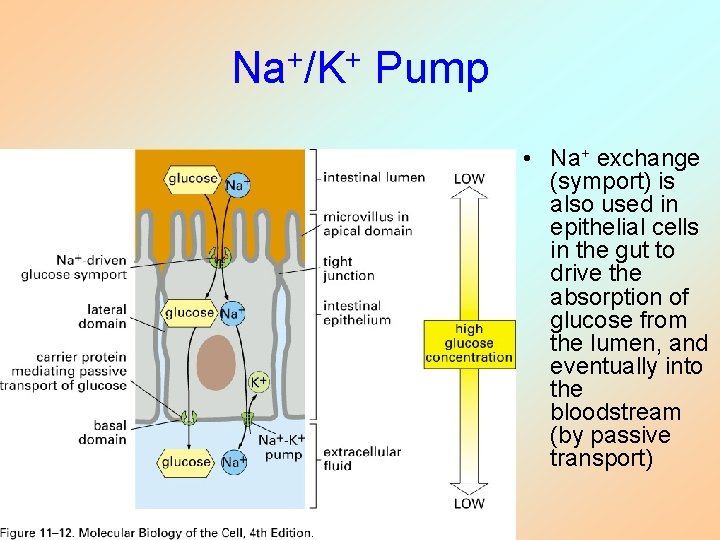
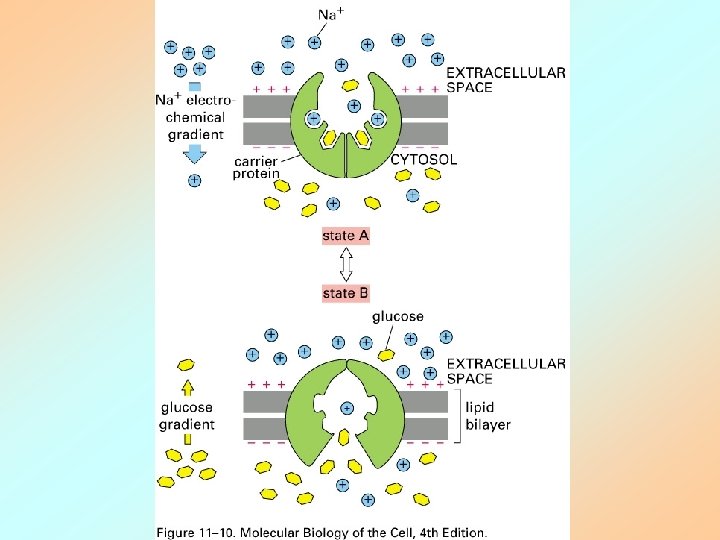
Na+/K+ Pump • Na+ exchange (symport) is also used in epithelial cells in the gut to drive the absorption of glucose from the lumen, and eventually into the bloodstream (by passive transport)
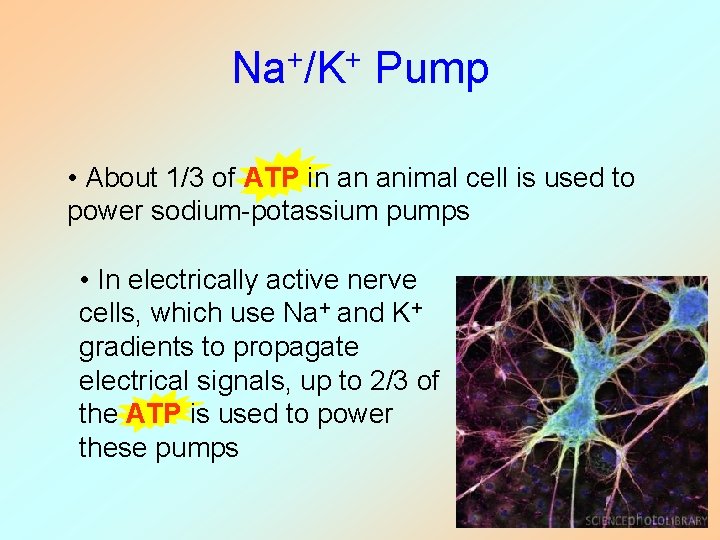
Na+/K+ Pump • About 1/3 of ATP in an animal cell is used to power sodium-potassium pumps • In electrically active nerve cells, which use Na+ and K+ gradients to propagate electrical signals, up to 2/3 of the ATP is used to power these pumps
Endocytosis and Exocytosis • Exocytosis - membrane vesicle fuses with cell membrane, releases enclosed material to extracellular space. • Endocytosis - cell membrane invaginates, pinches in, creates vesicle enclosing contents
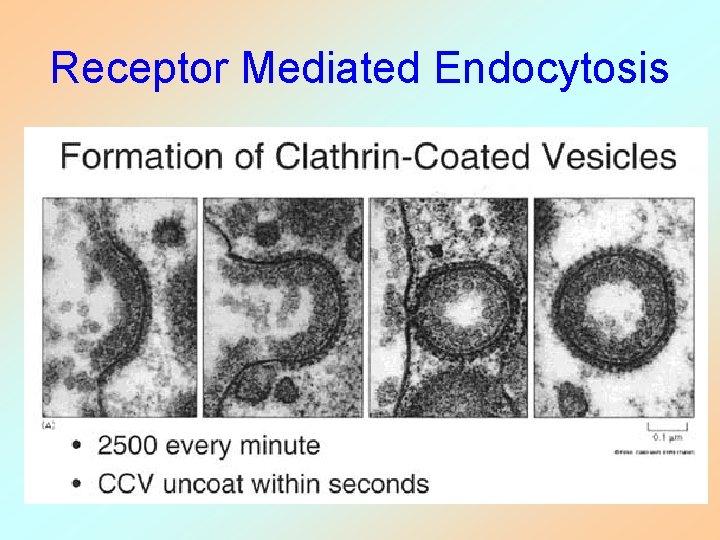
Receptor Mediated Endocytosis
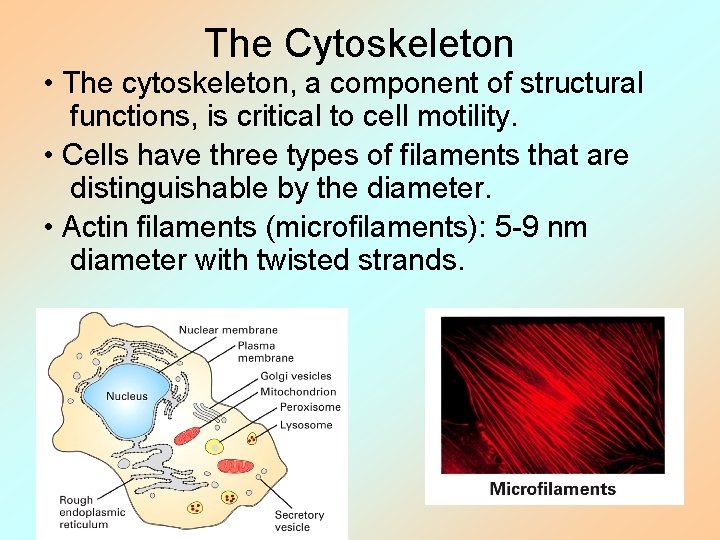
The Cytoskeleton • The cytoskeleton, a component of structural functions, is critical to cell motility. • Cells have three types of filaments that are distinguishable by the diameter. • Actin filaments (microfilaments): 5 -9 nm diameter with twisted strands.
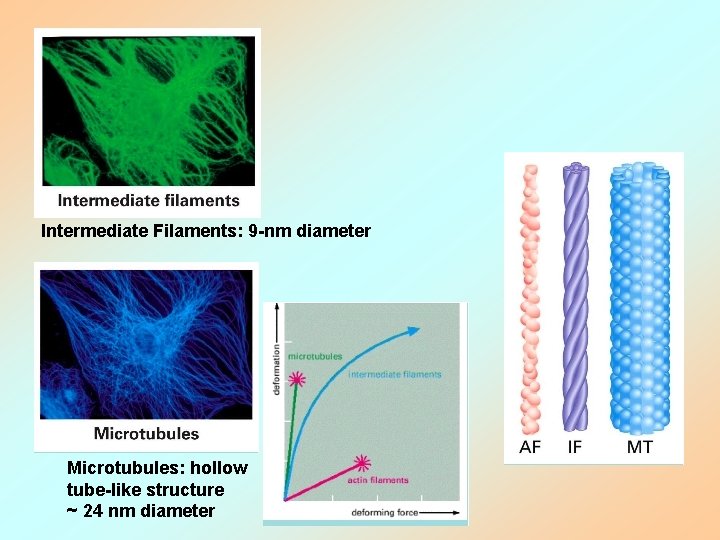
Intermediate Filaments: 9 -nm diameter Microtubules: hollow tube-like structure ~ 24 nm diameter
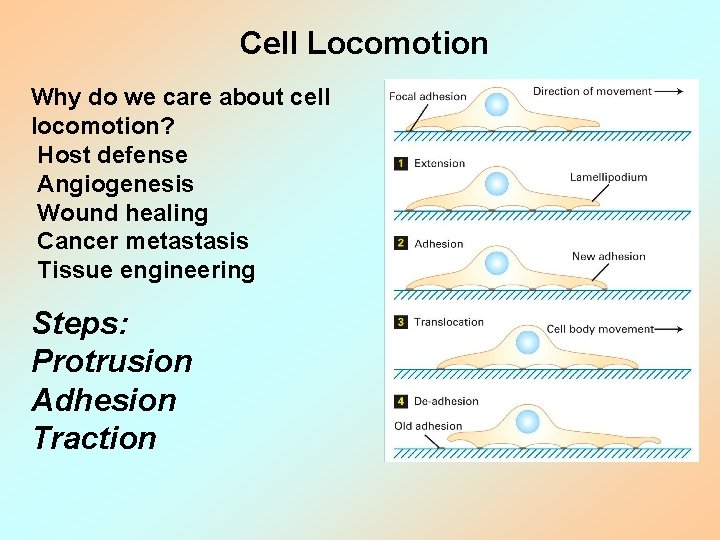
Cell Locomotion Why do we care about cell locomotion? Host defense Angiogenesis Wound healing Cancer metastasis Tissue engineering Steps: Protrusion Adhesion Traction
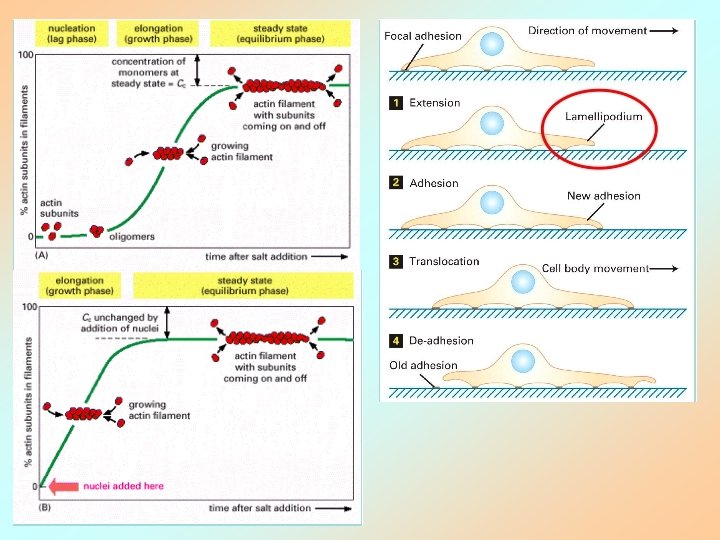
• External signals must dictate the direction of cell migration. • Cell migration is initiated by the formation of large membrane protrusion. • Video microscopy showed that G-actin polymerizes to F-actin. (Drugs can alter this process). • Actin exists as a globular monomer (G-actin) and; A filamentous polymer (F-actin) protein. • The addition of Mg 2+, K+ or Na+ to a solution of Gactin induces the formation of F-actin and this process is reversible. • Elastic mechanical property of actin filament.
- Slides: 52