
Cell Biology Outline Cell Structure and Organelles Cell
Cell Biology
Outline • • • Cell Structure and Organelles Cell Molecular Components Functions of cells Cell Membrane
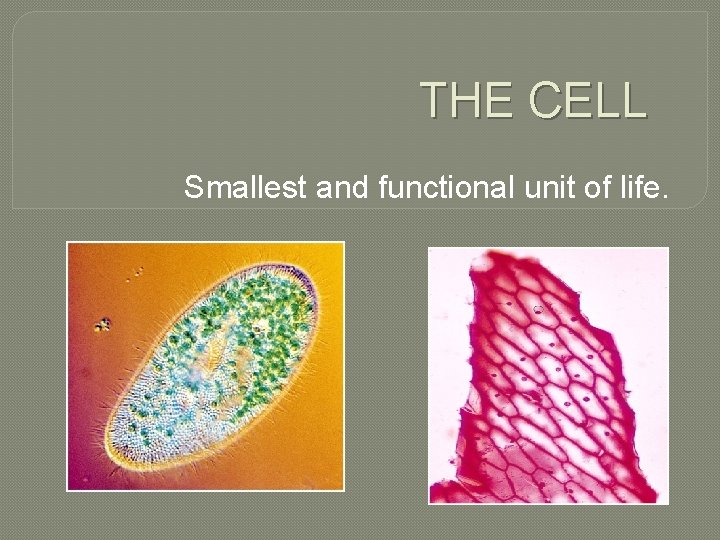
THE CELL Smallest and functional unit of life.
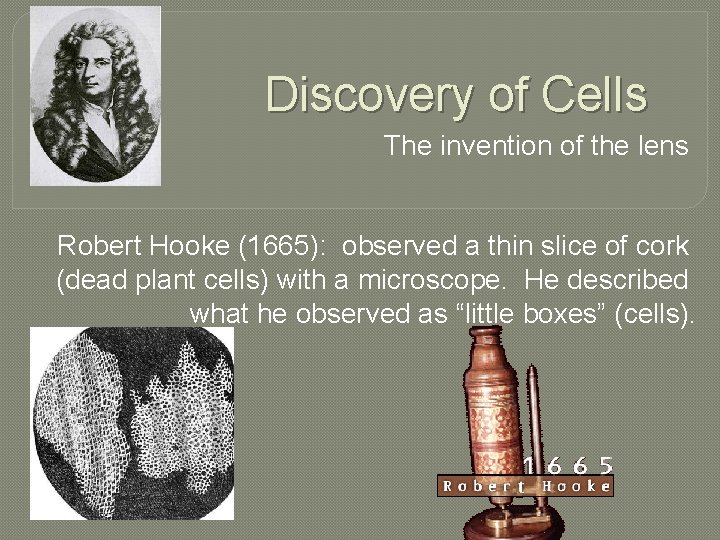
Discovery of Cells The invention of the lens Robert Hooke (1665): observed a thin slice of cork (dead plant cells) with a microscope. He described what he observed as “little boxes” (cells).
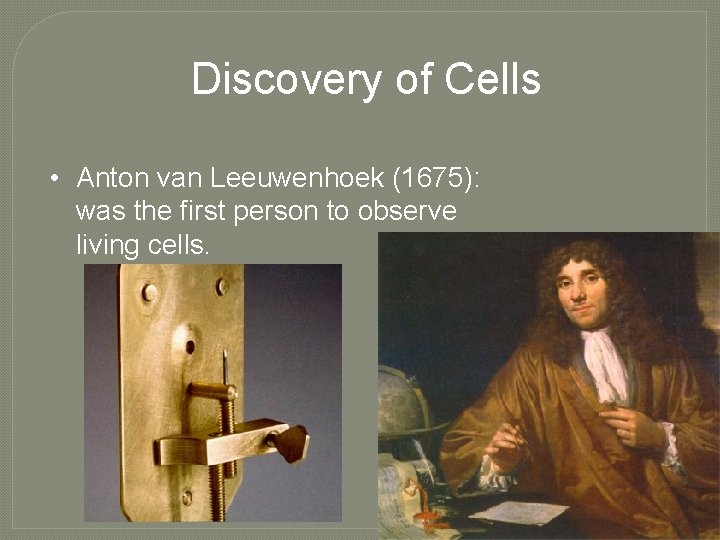
Discovery of Cells • Anton van Leeuwenhoek (1675): was the first person to observe living cells.
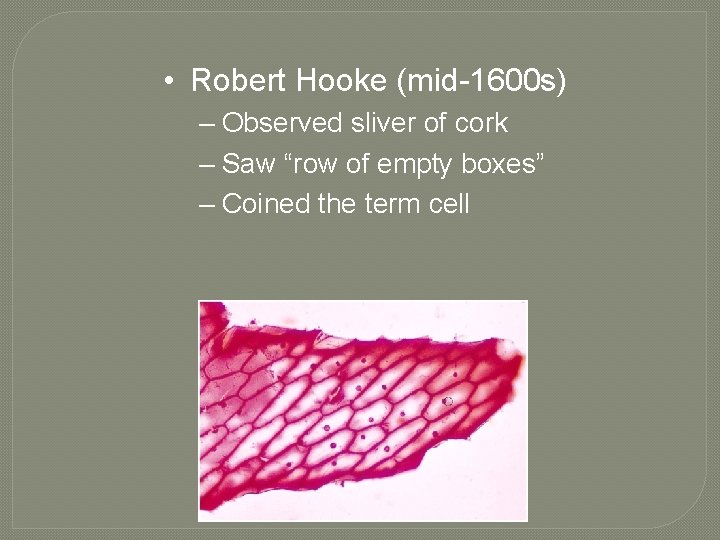
• Robert Hooke (mid-1600 s) – Observed sliver of cork – Saw “row of empty boxes” – Coined the term cell
Principles of Cell Theory q All living things are made of cells q Smallest living unit of structure and function of all organisms is the cell q All cells arise from preexisting cells (this principle discarded the idea of spontaneous generation)
Cell Diversity Size Shape Internal Organization/ Functional Activity
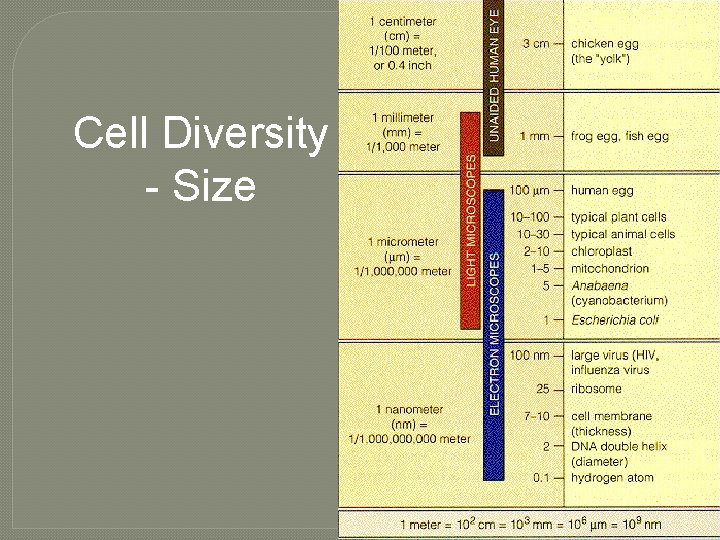
Cell Diversity - Size
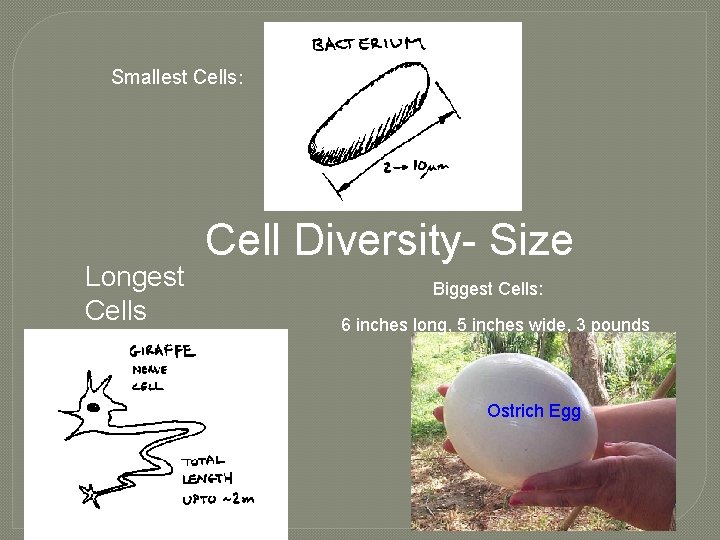
Smallest Cells: Longest Cells Cell Diversity- Size Biggest Cells: 6 inches long, 5 inches wide, 3 pounds Ostrich Egg
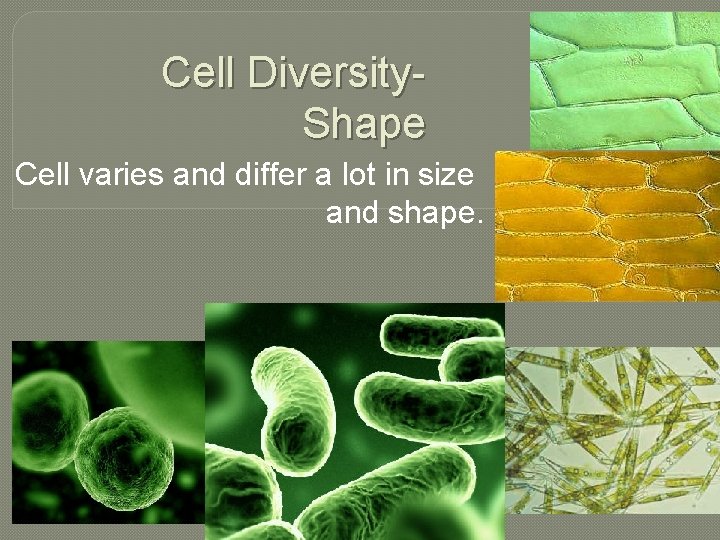
Cell Diversity. Shape Cell varies and differ a lot in size and shape.
Cell Structure ALL the cell have: • CELL WALL • CELL MEMBRANE • PLASMA MEMBRANE
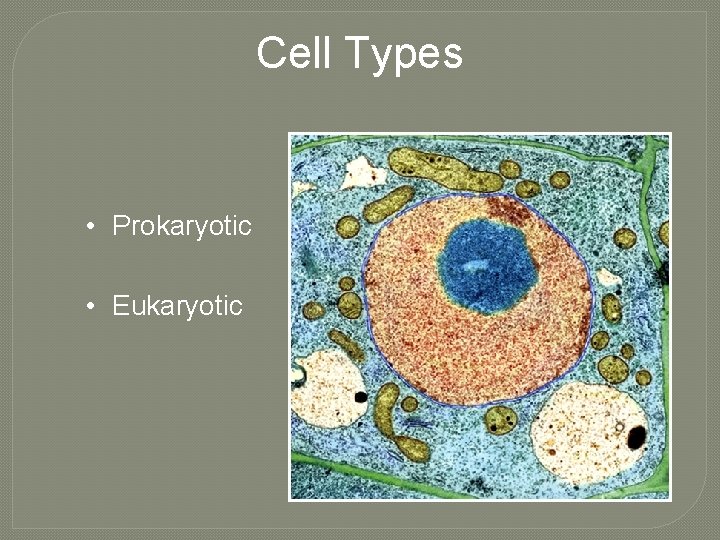
Cell Types • Prokaryotic • Eukaryotic
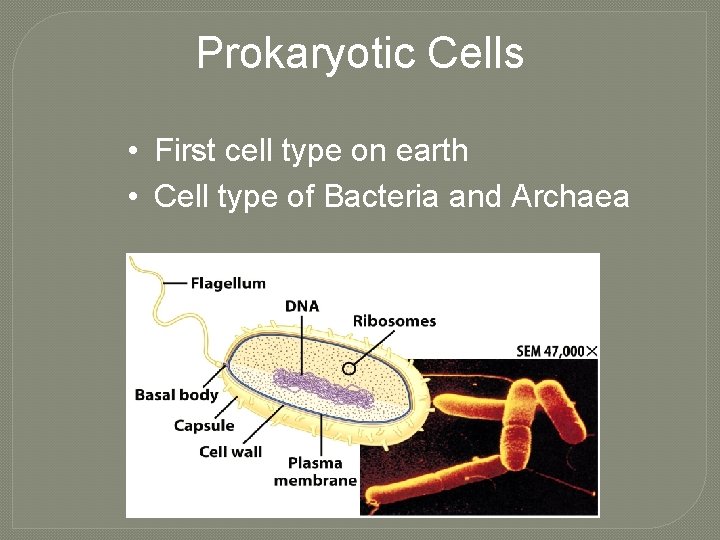
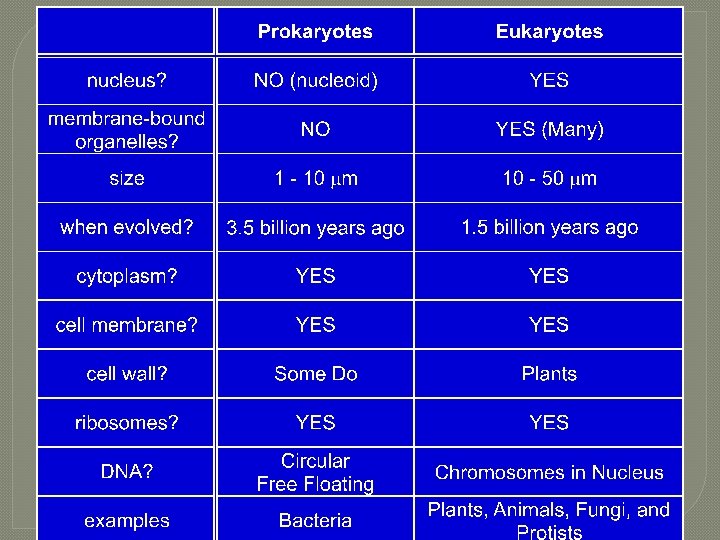
Prokaryotic Cells • First cell type on earth • Cell type of Bacteria and Archaea
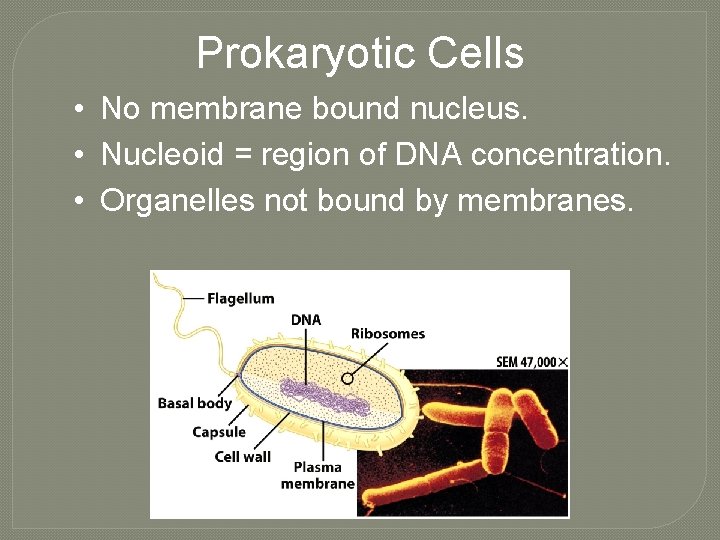
Prokaryotic Cells • No membrane bound nucleus. • Nucleoid = region of DNA concentration. • Organelles not bound by membranes.
PROKARYOTIC CELLS • represented by bacteria, blue-green algae, mycoplasma and PPLO (Pleuro Pneumonia Like Organisms). • they are generally smaller in size and multiply more rapidly. • The four basic shapes of bacteria are • bacillus (rod like), • coccus (spherical), • vibrio (comma shaped) • Spirillum (spiral). • Prokaryotes have a cell wall surrounding the cell membrane • Fluid matrix filling the cell is the cytoplasm. • no well-defined nucleus. The genetic material is basically , not enveloped by a nuclear membrane.
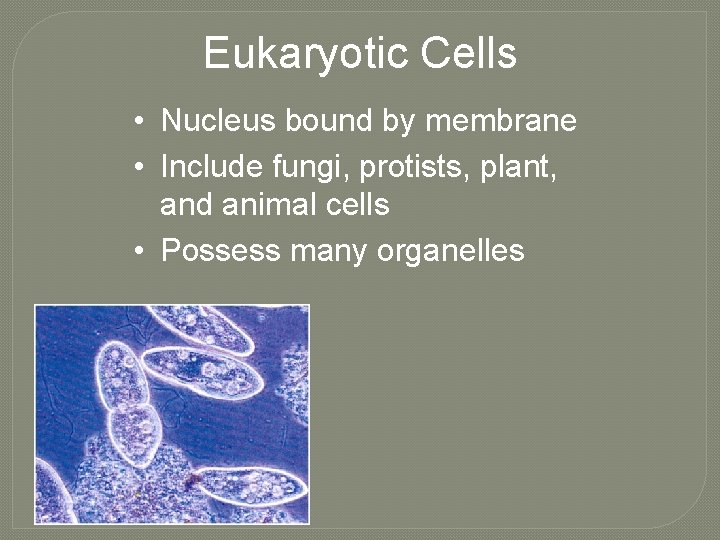
Eukaryotic Cells • Nucleus bound by membrane • Include fungi, protists, plant, and animal cells • Possess many organelles
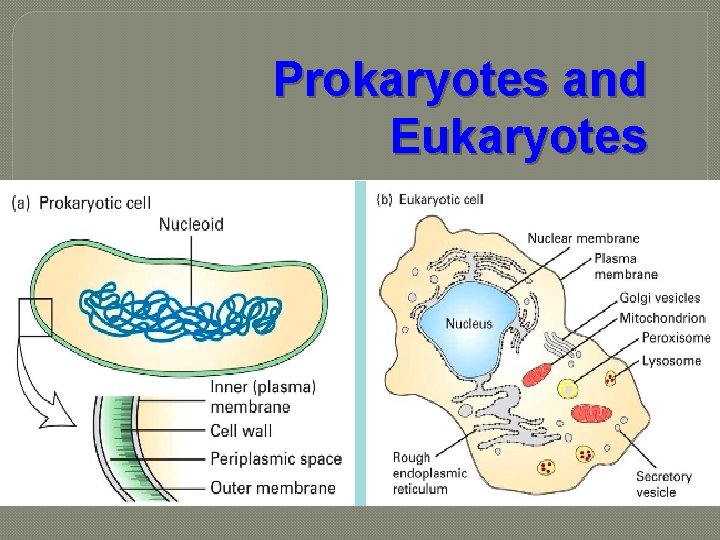
Prokaryotes and Eukaryotes
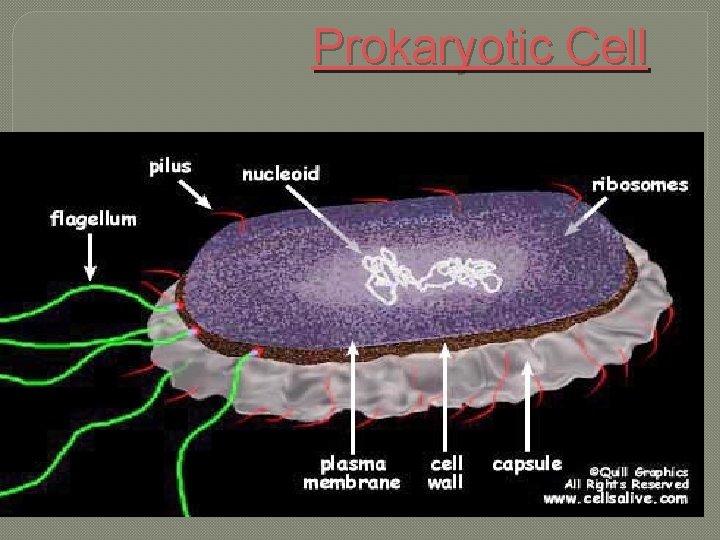
Prokaryotic Cell
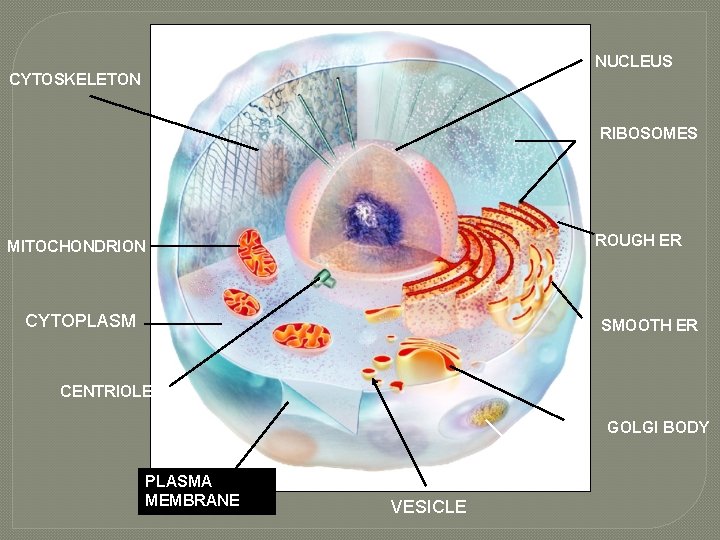
NUCLEUS CYTOSKELETON RIBOSOMES ROUGH ER MITOCHONDRION CYTOPLASM SMOOTH ER CENTRIOLES GOLGI BODY PLASMA MEMBRANE LYSOSOME VESICLE
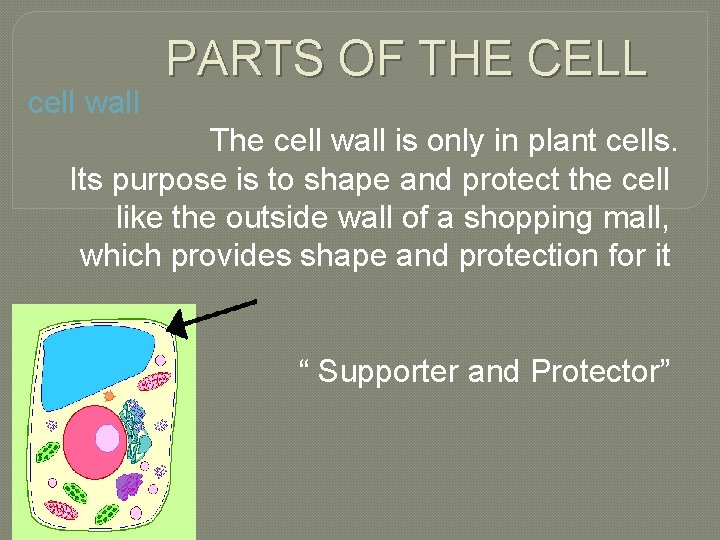
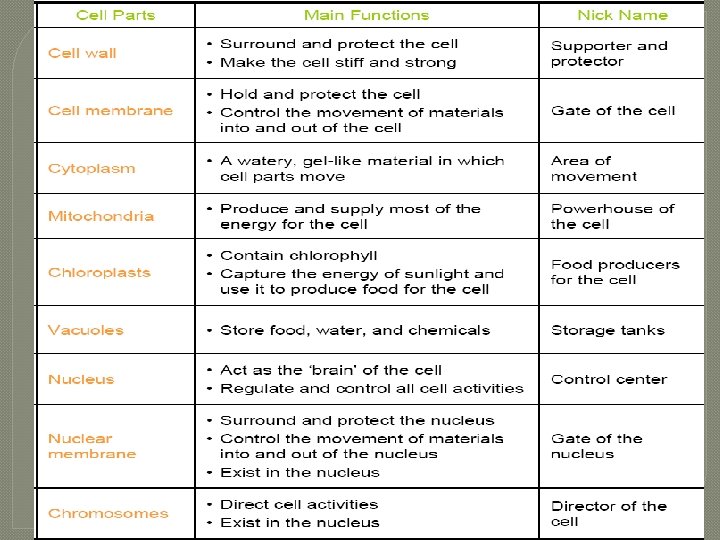
cell wall PARTS OF THE CELL The cell wall is only in plant cells. Its purpose is to shape and protect the cell like the outside wall of a shopping mall, which provides shape and protection for it “ Supporter and Protector”
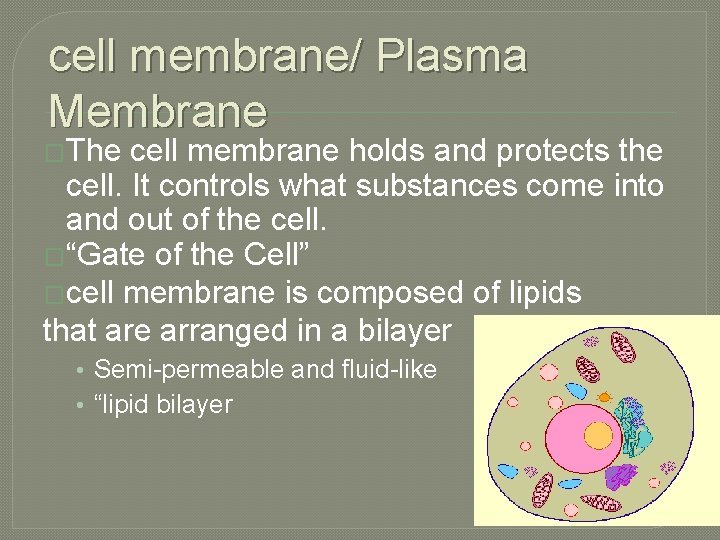
cell membrane/ Plasma Membrane �The cell membrane holds and protects the cell. It controls what substances come into and out of the cell. �“Gate of the Cell” �cell membrane is composed of lipids that are arranged in a bilayer • Semi-permeable and fluid-like • “lipid bilayer
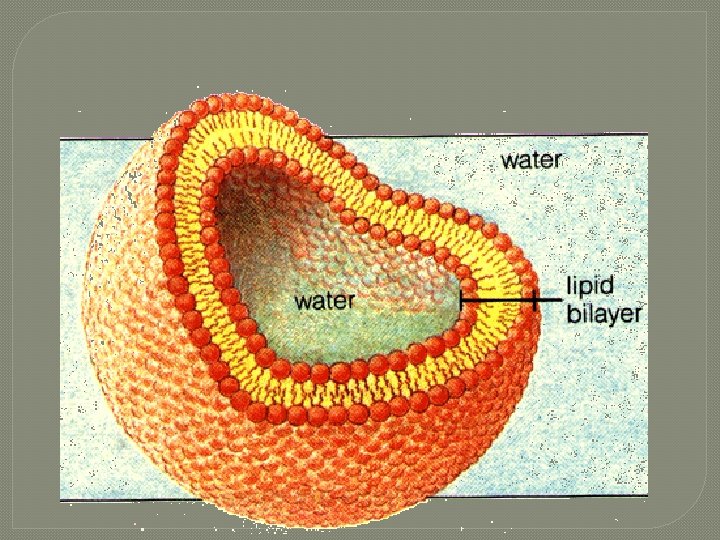
vcell membrane is composed of lipids that are arranged in a bilayer. vthe lipids are arranged within the membrane with the polar head towards the outer sides and the hydrophobic tails towards the inner part. v. The lipid component of the membrane mainly consists of phosphoglycerides. v. The cell membranes also possess protein and carbohydrate. The ratio of protein and lipid varies considerably in different cell types. v. In human beings, the membrane of the erythrocyte has approximately 52 per cent protein and 40 per cent lipids. v. Made of hydrophobic and hydrophillic components
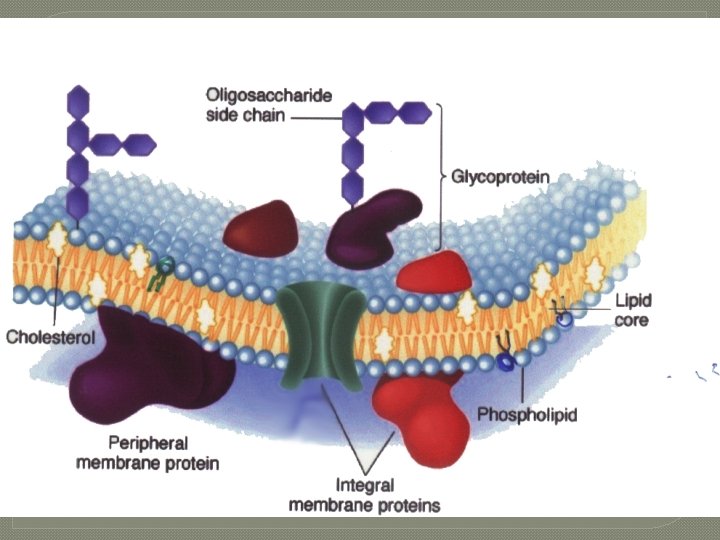
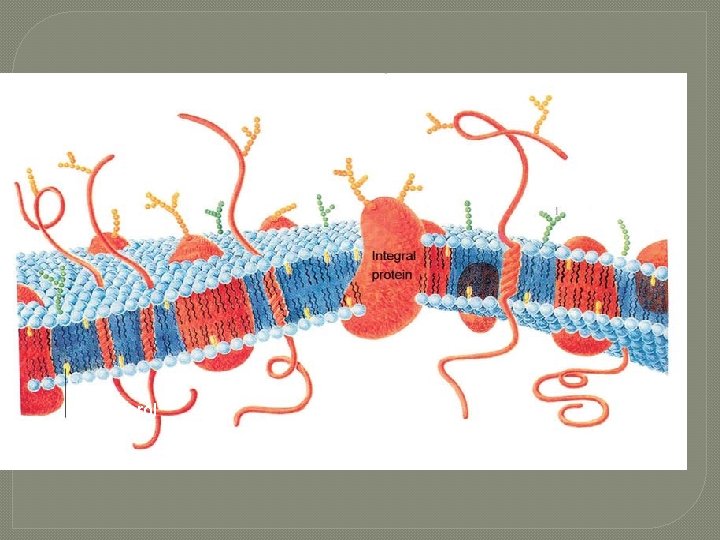
Protein Suga r Lipid bilayer Cholesterol
FUNCTIONS OF THE PLASMA MEMBRANE: fluid mosaic model According to this, the quasi-fluid nature of lipid enables lateral movement of proteins within the overall bilayer. This ability to move within the membrane is measured as its fluidity. Role of plasma membrane is to transport molecules across it. The membrane is selectively permeable to some molecules present on either side of it
Many molecules can move across the membrane without any requirement of energy and this is called the passive transport. Neutral solutes may move across the membrane by the process of simple diffusion along the concentration gradient, i. e. , from higher concentration to the lower. As the polar molecules cannot pass through the nonpolar lipid bilayer, they require a carrier protein of the membrane to facilitate their transport across the membrane. A few ions or molecules are transported across the membrane against their concentration gradient, i. e. , from lower to the higher concentration. Such a transport is an energy dependent process, in which ATP is utilised and is called active transport, e. g. , Na+/K+ Pump.
ENDOMEMBRANE SYSTEM: üCYTOPLASM üENDOPLASMIC RETICULUM üGOLGI COMPLEX ü LYSOSOMES AND VACOULES üMITOCHONDRIA üCHLOROPLAST üPERIXOSOMES
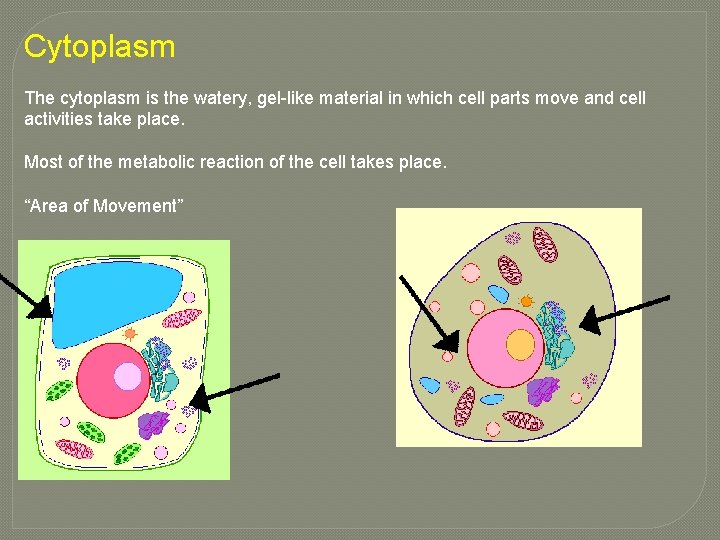
Cytoplasm The cytoplasm is the watery, gel-like material in which cell parts move and cell activities take place. Most of the metabolic reaction of the cell takes place. “Area of Movement”
The Endoplasmic Reticulum (ER) • presence of a network or reticulum of tiny tubular structures scattered in the cytoplasmic region called the endoplasmic reticulum (ER). ER divides the intracellular space into two distinct compartments. • Rough Endoplasmic reticulum(RER) • • Smooth Endoplasmic reticulum(SER)
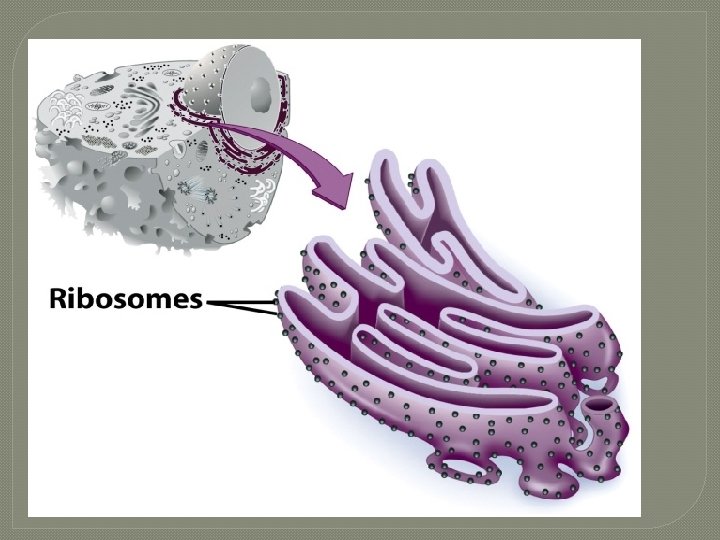
Rough Endoplasmic Reticulum Ribosomes are attached to surface for Manufacturing of proteins. Not all ribosomes are attached to rough ER RER is frequently observed in the cells actively involved in protein synthesis and secretion. They are extensive and continuous with the outer membrane of the nucleus.
Smooth Endoplasmic Reticulum No attached ribosomes • Has enzymes that help build molecules • • Carbohydrates • Lipids. The smooth endoplasmic reticulum is the major site for synthesis of lipid. In animal cells lipid-like steroidal hormones are synthesised in SER. •
RIBOSOMES: Ribosomes are associated with the plasma membrane of the cell. They are about 15 nm by 20 nm in size and are made of two subunits - 50 S and 30 S units which when present together form 70 S prokaryotic ribosomes. Ribosomes are the site of protein synthesis. Several ribosomes may attach to a single m. RNA and form a chain called polyribosomes or polysome. The ribosomes of a polysome translate the m. RNA into proteins.
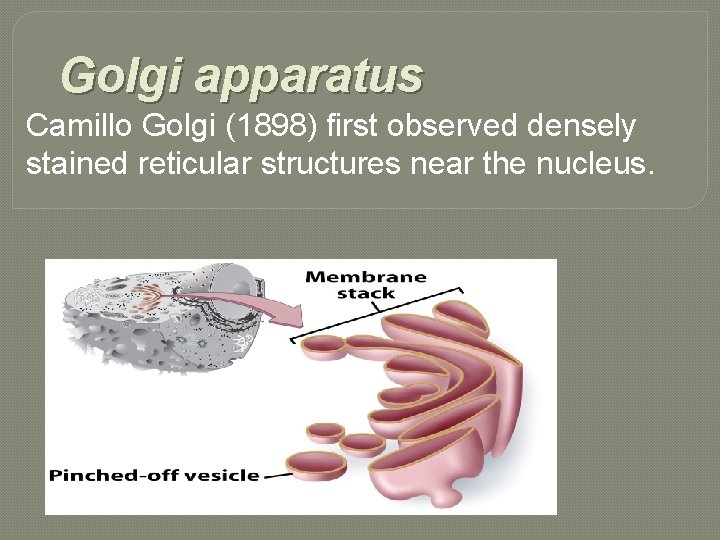
Golgi apparatus Camillo Golgi (1898) first observed densely stained reticular structures near the nucleus.
They consist of many flat, disc-shaped sacs or cisternae of 0. 5μm to 1. 0μm diameter. § § These are stacked parallel to each other. § Varied number of cisternae are present in a Golgi complex. § § The Golgi cisternae are concentrically arranged near the nucleus. § With distinct convex cis or the forming face and concave trans or the maturing face.
Function Involved in synthesis of plant cell wall Packaging & shipping station of cell. Molecules come in vesicles. Vesicles fuse with Golgi membrane. Molecules may be modified by Golgi. Vesicle leaves Golgi apparatus. Vesicles may combine with plasma membrane to secrete contents
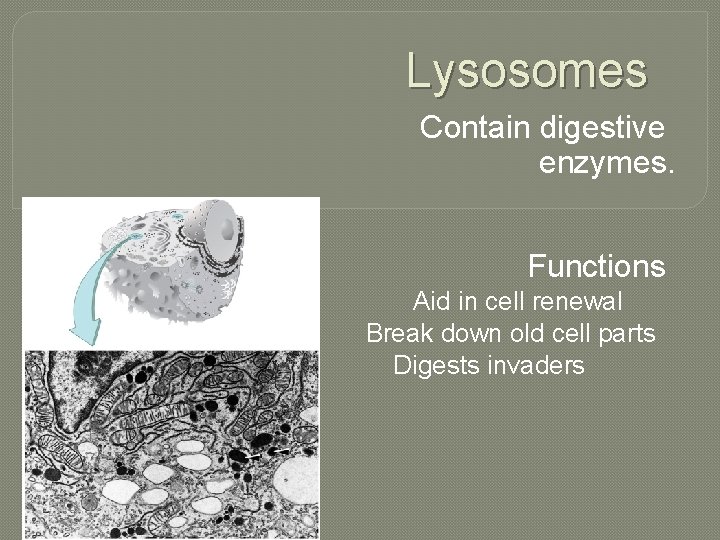
Lysosomes Contain digestive enzymes. Functions Aid in cell renewal Break down old cell parts Digests invaders
LYSOSOMES: membrane bound vesicular structures formed by the process of packaging in the Golgi apparatus. very rich in almost all types of hydrolytic enzymes (hydrolases – lipases, proteases, carbohydrases) Optimally active at the acidic p. H. These enzymes are capable of digesting carbohydrates, proteins, lipids and nucleic acids.
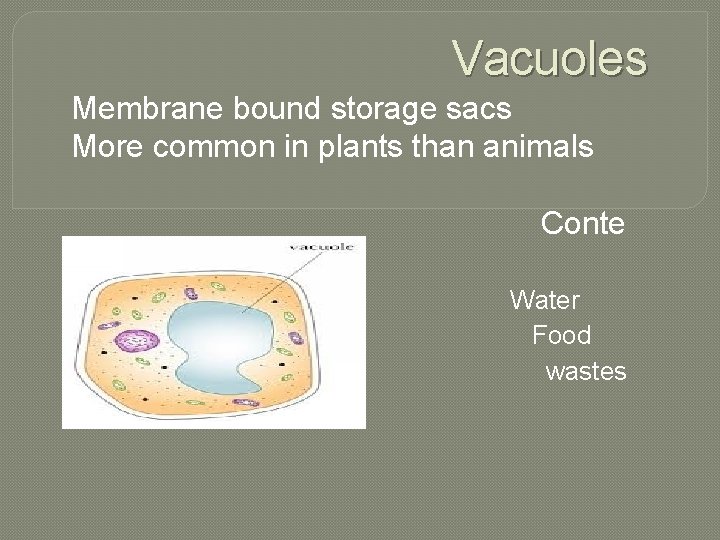
Vacuoles Membrane bound storage sacs More common in plants than animals Conte nts Water Food wastes
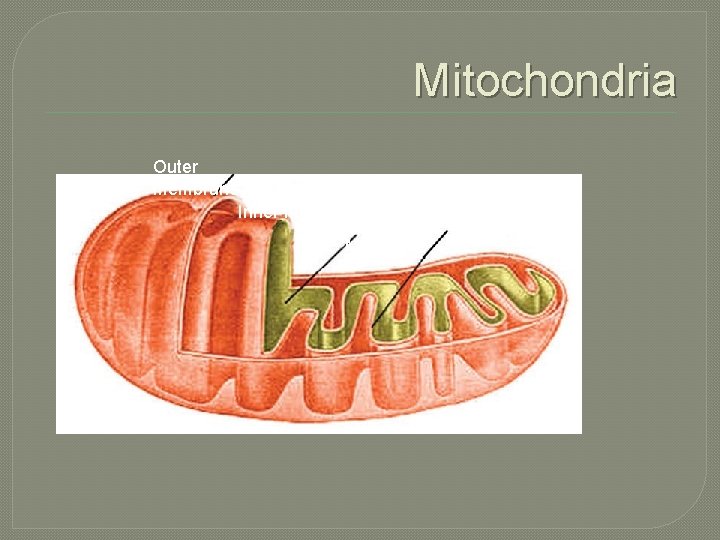
Mitochondria Outer membrane Inner membrane Matrix Crista
• Have their own DNA • Bound by double membrane Each mitochondrion is a double • membrane-bound structure with the outer membrane and the inner membrane dividing its lumen distinctly into two aqueous compartments, i. e. , the outer compartment and the inner compartment. • The inner compartment is called the matrix. • The outer membrane forms the continuous limiting boundary of the organelle. The inner membrane forms a number of in foldings called the cristae. • Break down fuel molecules (cellular • Glucose • Fatty acids respiration) • Release energy : The mitochondria produces most of the energy for the cell, like an electrical system, which supplies electrical energy. • “Powerhouse of the Cell”
Plastids are found in all plant cells. They bear some specific pigments, thus imparting specific colours to the plants. Based on the type of pigments plastids can be classified into chloroplasts, (chlorophyll and carotenoid pigments) Chromoplasts(fat soluble carotenoid pigments) leucoplasts colourless plastids with stored nutrients
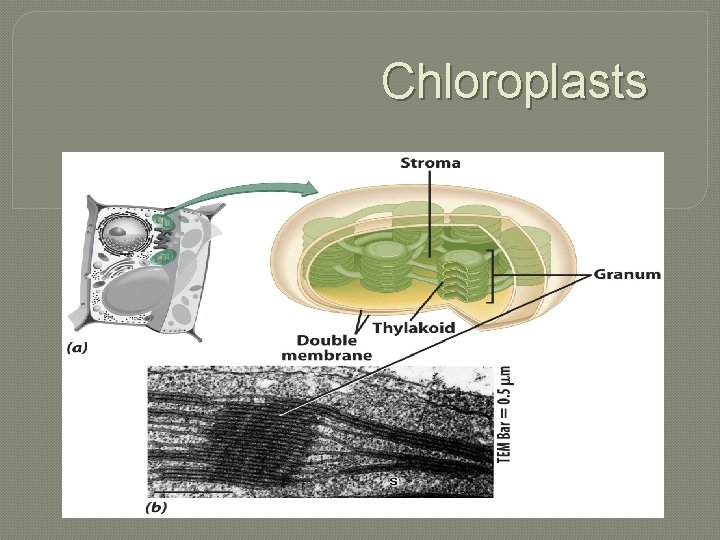
Chloroplasts
• chloroplasts of the green plants are found in the mesophyll cells of the leaves. • lens-shaped, oval, spherical, discoid or even ribbon-like organelles having variable length(5 -10 mm) and width (24 mm). • The chloroplasts are also double membrane bound. • The space limited by the inner membrane of the chloroplast is called the stroma. • A number of organised flattened membranous sacs called the thylakoids, are present in the stroma. • Thylakoids are arranged in stacks like the piles of coins called grana
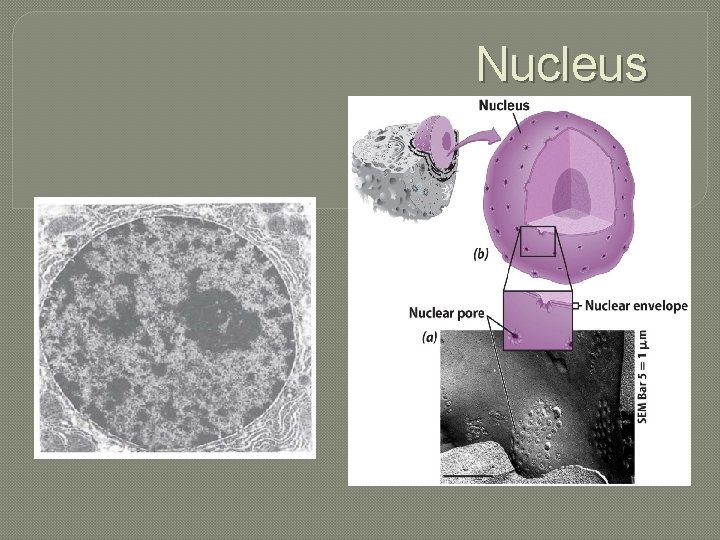
NUCLEUS The nucleus regulates and controls cell activities, acting like the “brain” of the cell, which regulates and controls activities of the cell. “Control Center” described by Robert Brown
Nucleus
The nucleus has highly extended and elaborate nucleoprotein fibres called chromatin. The nuclear matrix or the nucleoplasm contains nucleolus and chromatin. It is a site for active ribosomal RNA synthesis. one or more spherical bodies called nucleoli. nuclear envelope/nuclear membrane, which consists of two parallel membranes with a space between (10 to 50 nm) called the perinuclear space forms a barrier between the materials present inside the nucleus and that of the cytoplasm. The nuclear membrane protects the nucleus and also allow substances to pass in and out of the nucleus. The nuclear pores are the passages through which movement of RNA and protein molecules takes place in both directions between the nucleus and the cytoplasm.
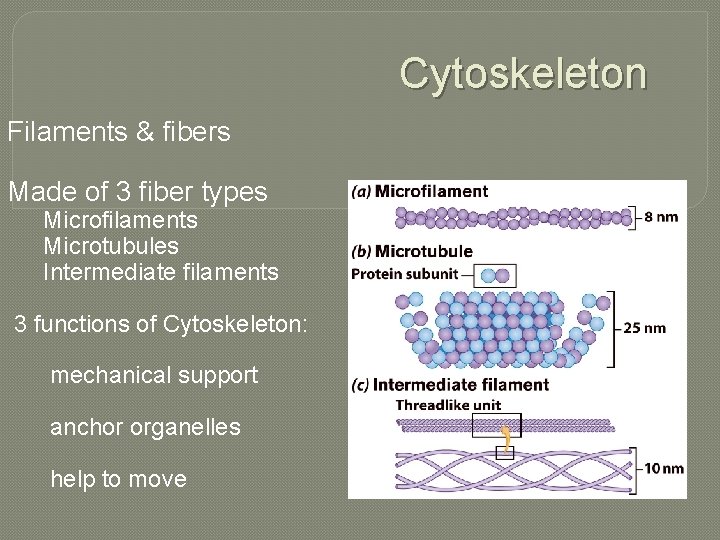
Cytoskeleton Filaments & fibers Made of 3 fiber types Microfilaments Microtubules Intermediate filaments 3 functions of Cytoskeleton: mechanical support anchor organelles help to move
- Slides: 52