
Celiac Disease and Diabetes Marian Rewers MD Ph
Celiac Disease and Diabetes Marian Rewers, MD, Ph. D Professor & Clinical Director University of Colorado, School of Medicine
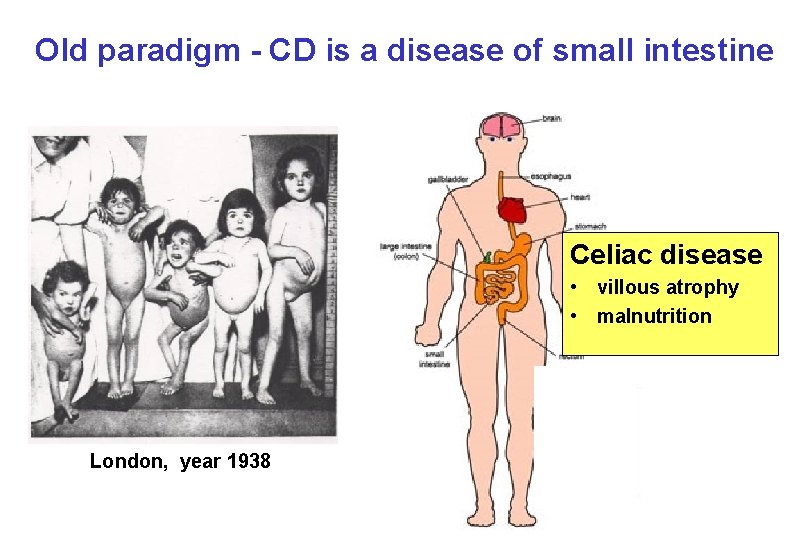
Old paradigm - CD is a disease of small intestine Celiac disease • villous atrophy • malnutrition London, year 1938
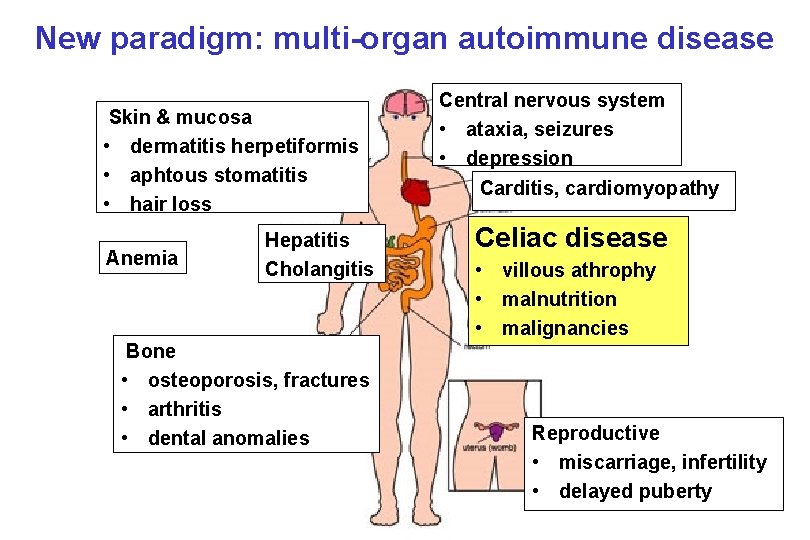
New paradigm: multi-organ autoimmune disease Skin & mucosa • dermatitis herpetiformis • aphtous stomatitis • hair loss Anemia Hepatitis Cholangitis Bone • osteoporosis, fractures • arthritis • dental anomalies Central nervous system • ataxia, seizures • depression Carditis, cardiomyopathy Celiac disease • villous athrophy • malnutrition • malignancies Reproductive • miscarriage, infertility • delayed puberty
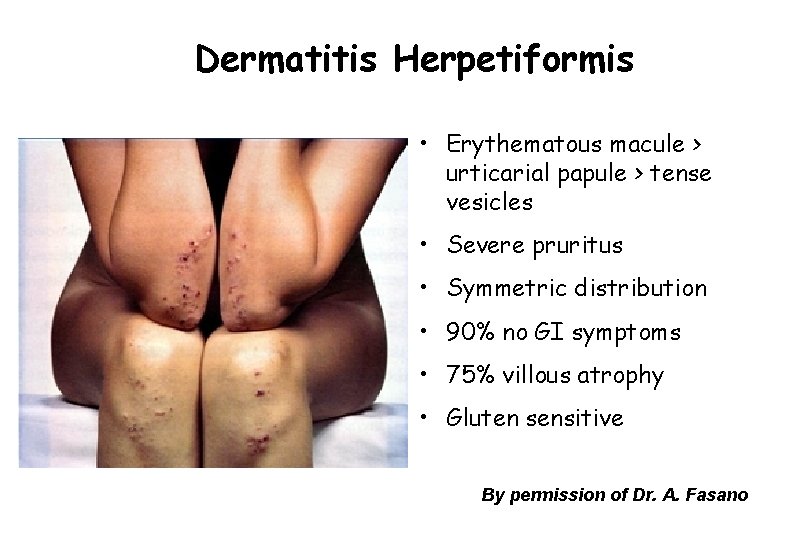
Dermatitis Herpetiformis • Erythematous macule > urticarial papule > tense vesicles • Severe pruritus • Symmetric distribution • 90% no GI symptoms • 75% villous atrophy • Gluten sensitive By permission of Dr. A. Fasano

Dental Enamel Defects Involve the secondary dentition By permission of Dr. C. Catassi
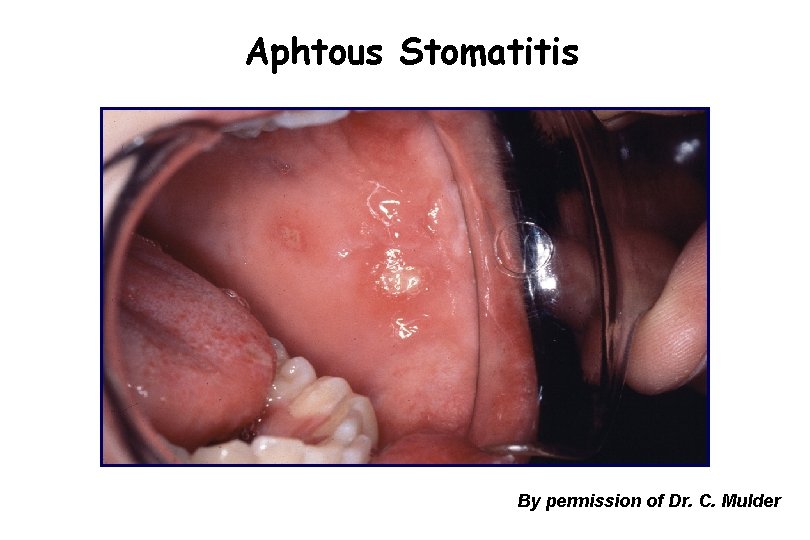
Aphtous Stomatitis By permission of Dr. C. Mulder
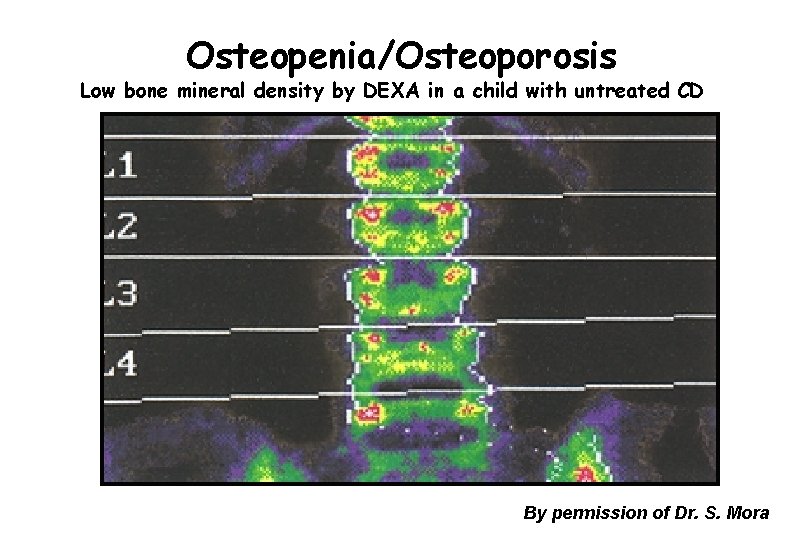
Osteopenia/Osteoporosis Low bone mineral density by DEXA in a child with untreated CD By permission of Dr. S. Mora
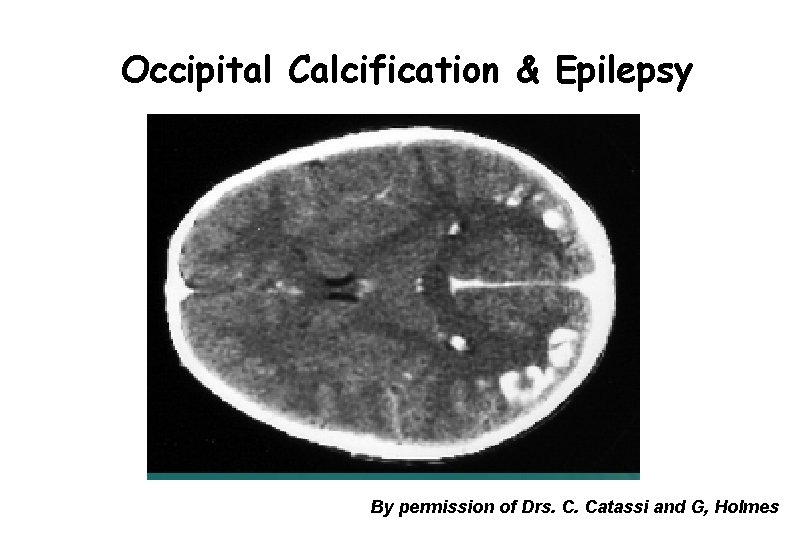
Occipital Calcification & Epilepsy By permission of Drs. C. Catassi and G, Holmes
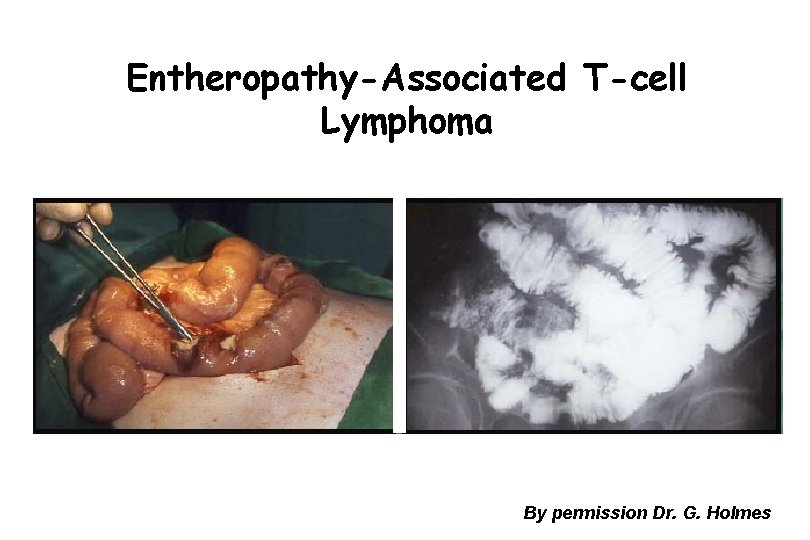
Entheropathy-Associated T-cell Lymphoma By permission Dr. G. Holmes
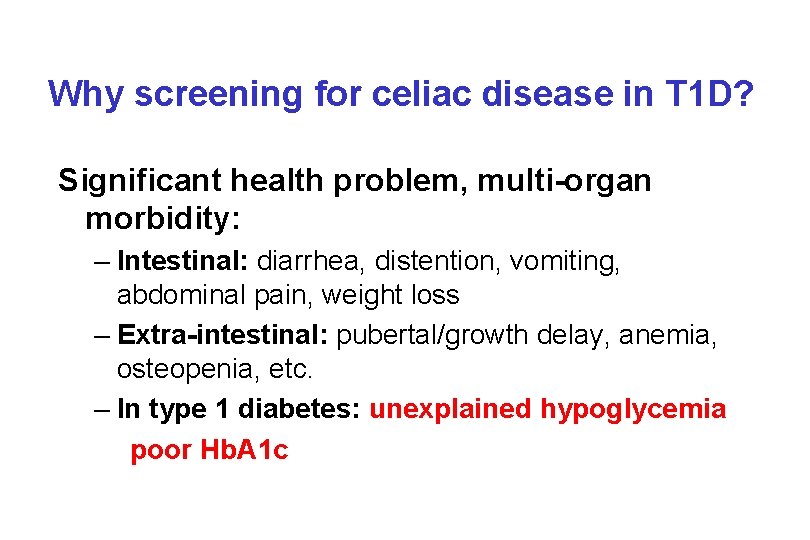
Why screening for celiac disease in T 1 D? Significant health problem, multi-organ morbidity: – Intestinal: diarrhea, distention, vomiting, abdominal pain, weight loss – Extra-intestinal: pubertal/growth delay, anemia, osteopenia, etc. – In type 1 diabetes: unexplained hypoglycemia poor Hb. A 1 c
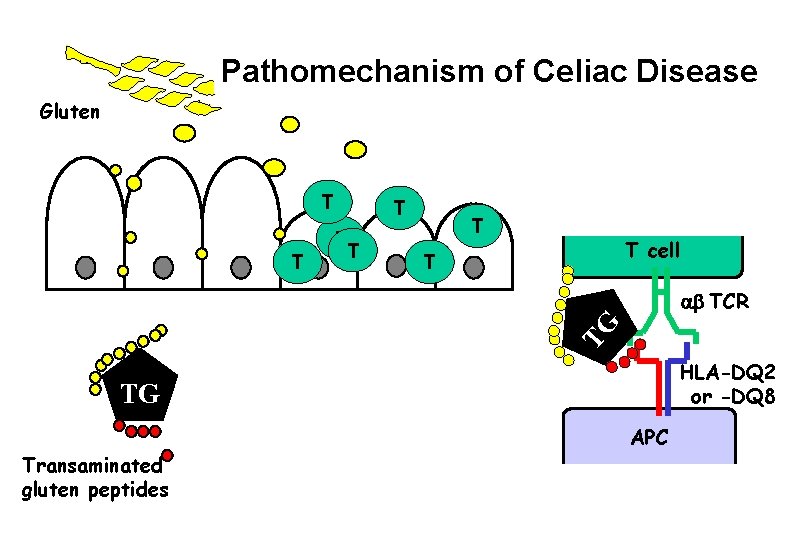
Pathomechanism of Celiac Disease Gluten T T T T cell T TG ab TCR HLA-DQ 2 or -DQ 8 TG APC Transaminated gluten peptides

Histology of intestinal biopsy in CD Modified Marsh score
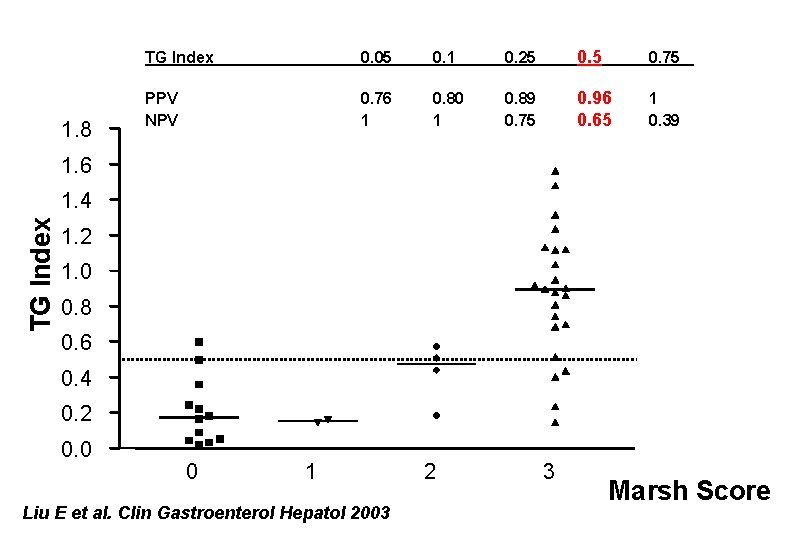
1. 8 TG Index 0. 05 0. 1 0. 25 0. 75 PPV n 12 NPV 0. 76 1 21 0. 80 1 0. 89 0. 75 0. 96 0. 65 1 0. 39 2 5 1. 6 TG Index 1. 4 1. 2 1. 0 0. 8 0. 6 0. 4 0. 2 0. 0 0 1 Liu E et al. Clin Gastroenterol Hepatol 2003 2 3 Marsh Score
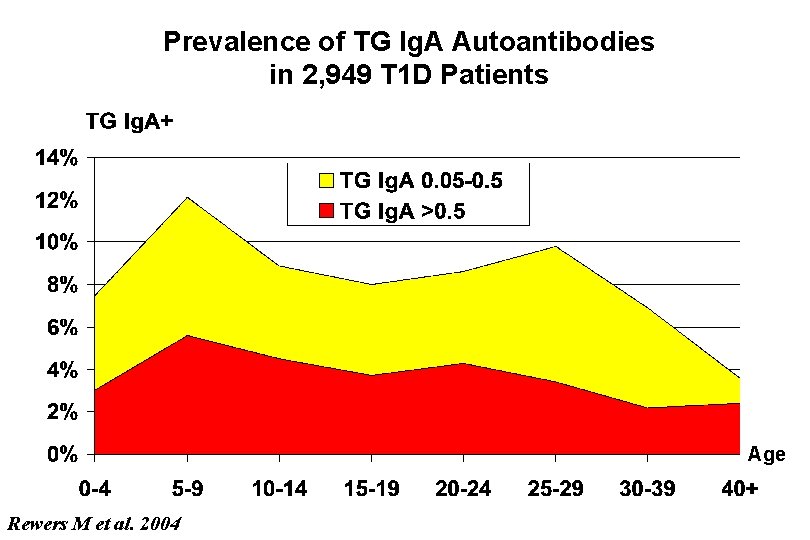
Prevalence of TG Ig. A Autoantibodies in 2, 949 T 1 D Patients Age Rewers M et al. 2004
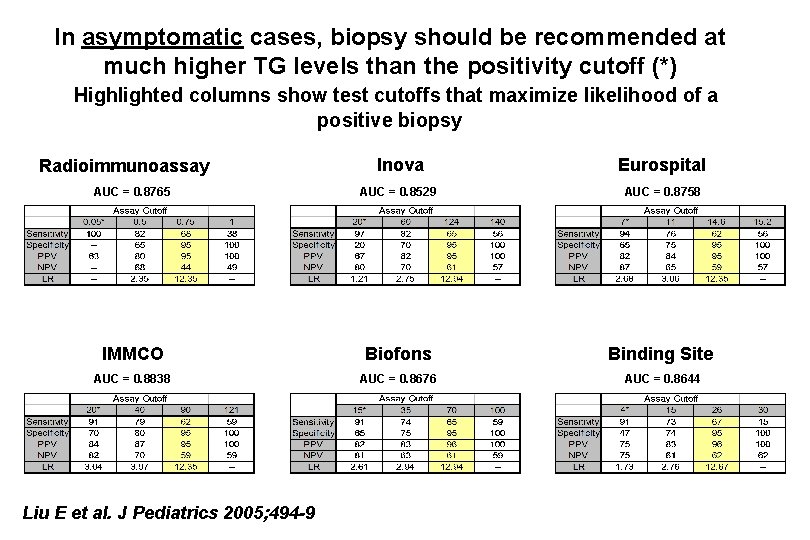
In asymptomatic cases, biopsy should be recommended at much higher TG levels than the positivity cutoff (*) Highlighted columns show test cutoffs that maximize likelihood of a positive biopsy Inova Eurospital AUC = 0. 8765 AUC = 0. 8529 AUC = 0. 8758 IMMCO Biofons Binding Site AUC = 0. 8838 AUC = 0. 8676 AUC = 0. 8644 Radioimmunoassay Liu E et al. J Pediatrics 2005; 494 -9
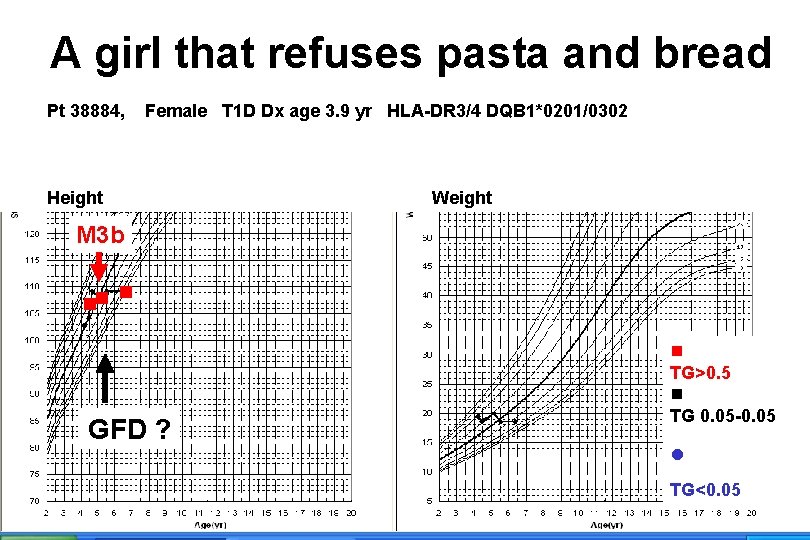
A girl that refuses pasta and bread Pt 38884, Female T 1 D Dx age 3. 9 yr HLA-DR 3/4 DQB 1*0201/0302 Height Weight M 3 b GFD ? TG>0. 5 TG 0. 05 -0. 05 • TG<0. 05
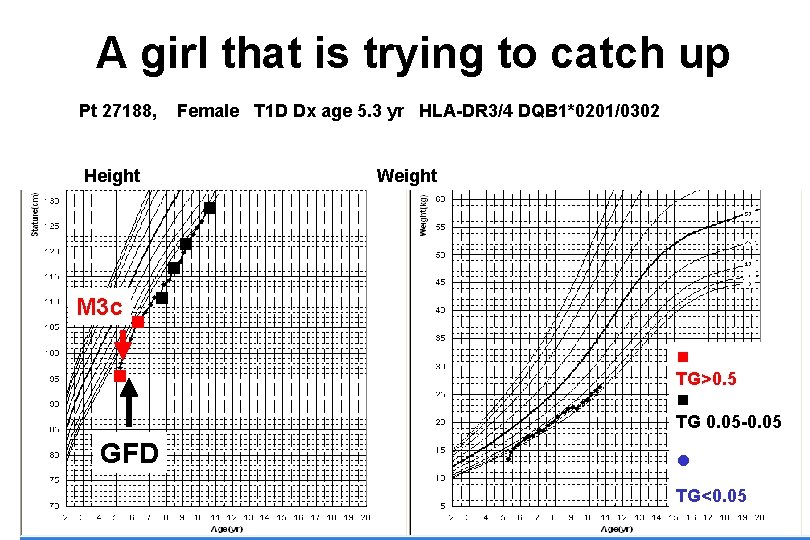
A girl that is trying to catch up Pt 27188, Female T 1 D Dx age 5. 3 yr HLA-DR 3/4 DQB 1*0201/0302 Height Weight M 3 c GFD TG>0. 5 TG 0. 05 -0. 05 • TG<0. 05
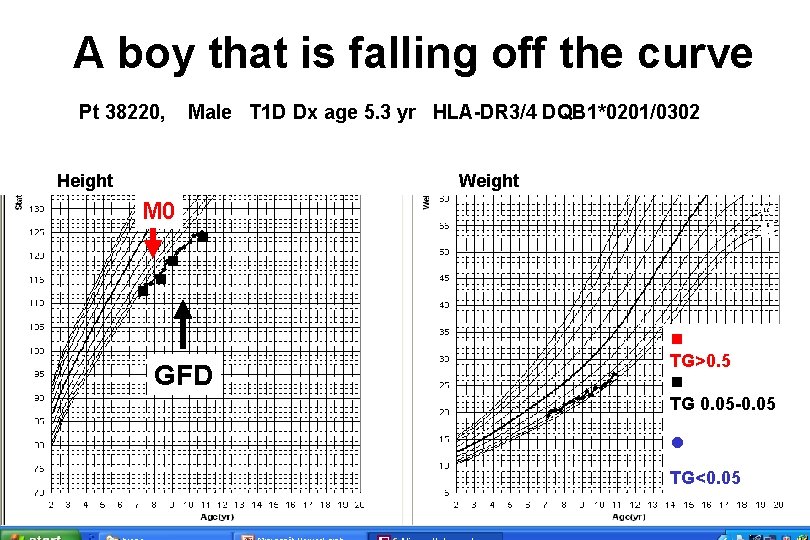
A boy that is falling off the curve Pt 38220, Male T 1 D Dx age 5. 3 yr HLA-DR 3/4 DQB 1*0201/0302 Height Weight M 0 GFD TG>0. 5 TG 0. 05 -0. 05 • TG<0. 05
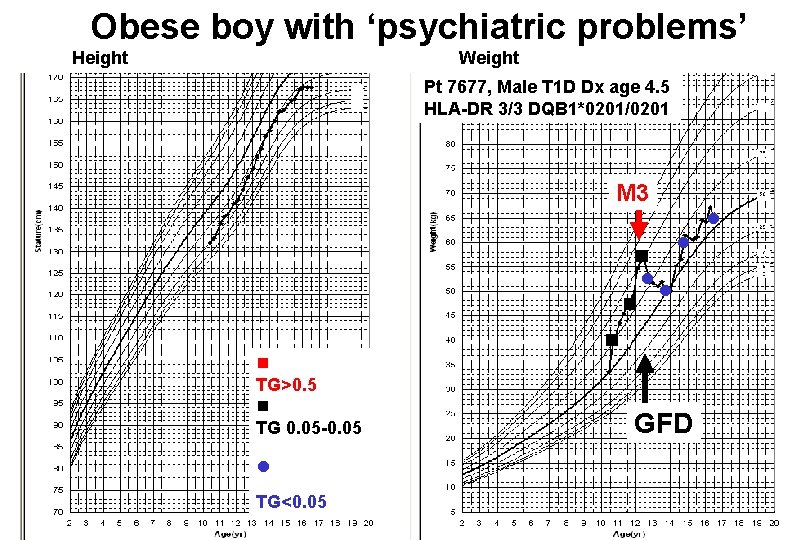
Obese boy with ‘psychiatric problems’ Height Weight Pt 7677, Male T 1 D Dx age 4. 5 HLA-DR 3/3 DQB 1*0201/0201 M 3 • • • TG>0. 5 TG 0. 05 -0. 05 • TG<0. 05 GFD •
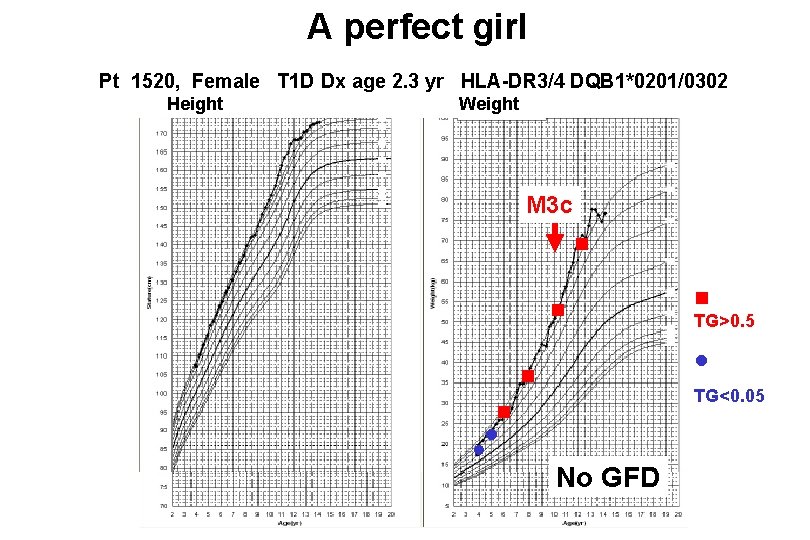
A perfect girl Pt 1520, Female T 1 D Dx age 2. 3 yr HLA-DR 3/4 DQB 1*0201/0302 Height Weight M 3 c TG>0. 5 • TG<0. 05 • • No GFD
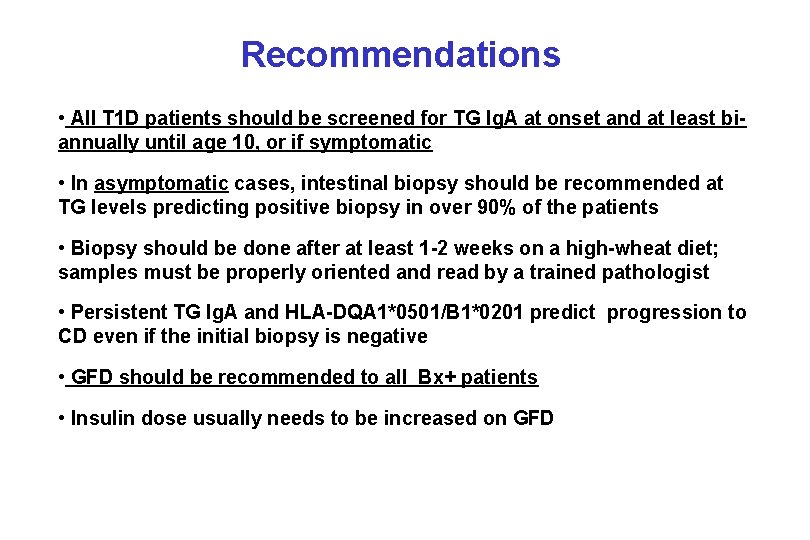
Recommendations • All T 1 D patients should be screened for TG Ig. A at onset and at least biannually until age 10, or if symptomatic • In asymptomatic cases, intestinal biopsy should be recommended at TG levels predicting positive biopsy in over 90% of the patients • Biopsy should be done after at least 1 -2 weeks on a high-wheat diet; samples must be properly oriented and read by a trained pathologist • Persistent TG Ig. A and HLA-DQA 1*0501/B 1*0201 predict progression to CD even if the initial biopsy is negative • GFD should be recommended to all Bx+ patients • Insulin dose usually needs to be increased on GFD
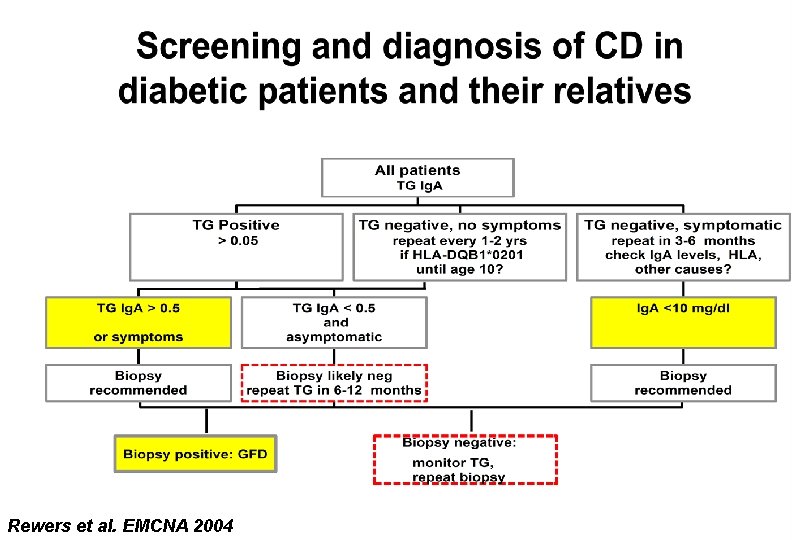
Rewers et al. EMCNA 2004
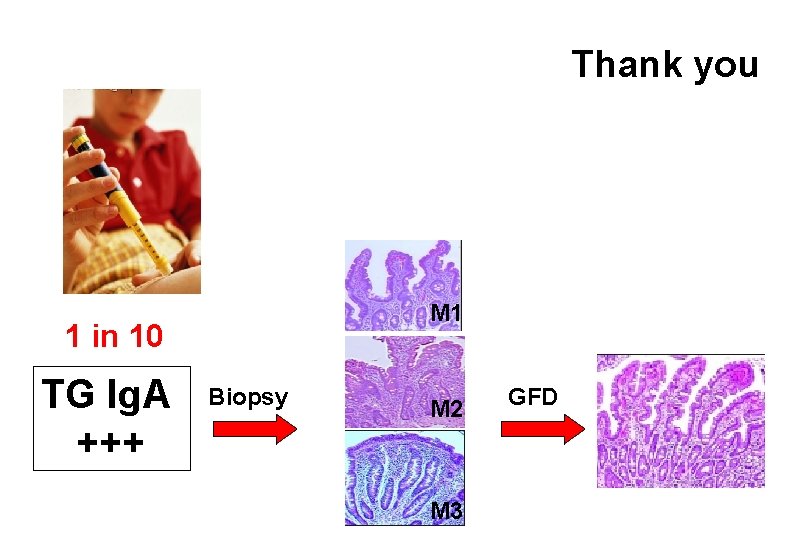
Thank you M 1 1 in 10 TG Ig. A +++ Biopsy M 2 M 3 GFD
- Slides: 23