
CE 481 Geotechnical Engineering II 1 st Semester

![Course Contents Topic References • Compressibility and Consolidation of Soil Chapter 11 [Ref#1] •](https://slidetodoc.com/presentation_image_h/735e4453272b80ab39cba85450538317/image-4.jpg "Course Contents Topic References • Compressibility and Consolidation of Soil Chapter 11 [Ref#1] •")

- Slides: 19
CE 481 Geotechnical Engineering II 1 st Semester 1437/1438 H
1. INTRODUCTION
• Instructor: Prof. Dr. Awad Ali Alkarni ﻋﻮﺽ ﺑﻦ ﻋﻠﻲ ﺍﻟﻘﺮﻧﻲ. ﺩ. ﺃ Office: 2 A-6 Office hours: As posted Phone: 467 -7041 email: akarni@ksu. edu. sa Website: http: //fac. ksu. edu. sa/akarni • Text Books: 1. Das, B. M. Principles of Geotechnical Engineering, Latest edition. 2. Das, B. M. Chapter 8, Principles of Foundation Engineering, Latest edition • Supplementary References: o Holtz, R. D. and Kovacs, W. D. (1981). An Introduction to Geotechnical Engineering, Prentice Hall. o Bowles, J. (1992). Engineering Properties of Soils and their Measurement, Mc. Graw Hill.
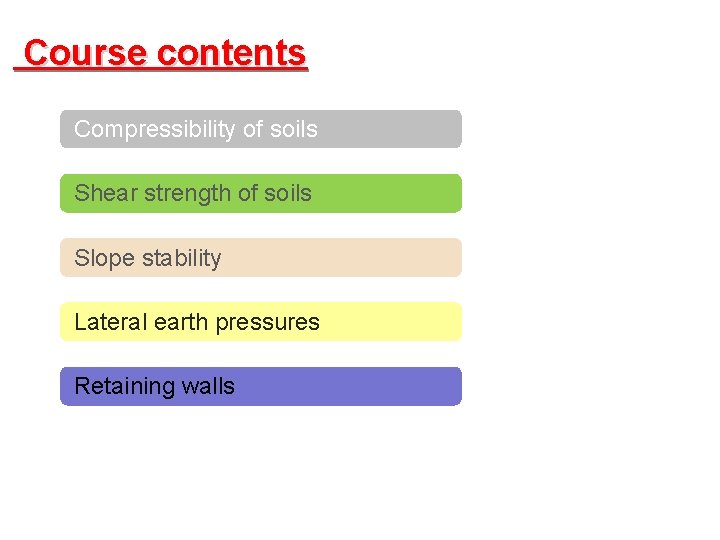
Course Contents Topic References • Compressibility and Consolidation of Soil Chapter 11 [Ref#1] • Shear Strength Chapter 10, 12 [Ref#1] • Slope Stability Chapter 15 [Ref#1] • Lateral Earth Pressure Chapter 13 [Ref#1] • Retaining Structures Chapter 8 [Ref#2]
Course Grade Distribution • Two Mid-term exams • Assignments • Final Exam Total 1 st Mid-term Exam: 9/2/1438 H 50% 10% 40% 100% 9/11/2016 G 15 minutes after Maghreb Prayer 2 nd Mid-term Exam: 30/3/1438 H 29/12/2016 G 15 minutes after Maghreb Prayer
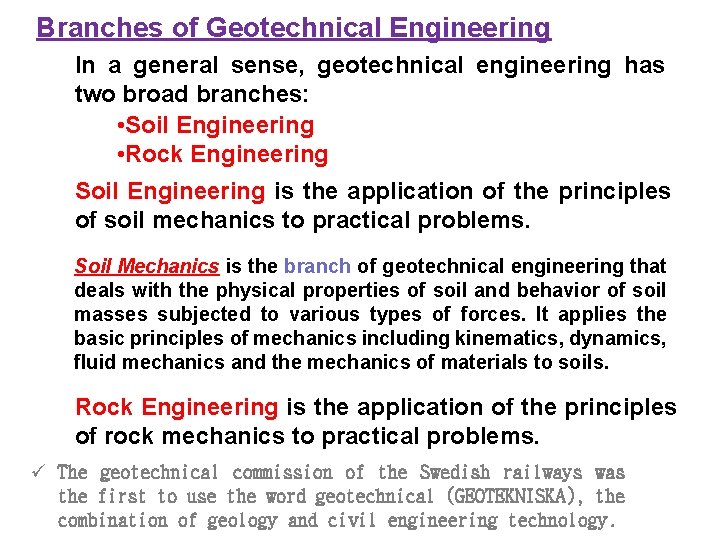
Branches of Geotechnical Engineering In a general sense, geotechnical engineering has two broad branches: • Soil Engineering • Rock Engineering Soil Engineering is the application of the principles of soil mechanics to practical problems. Soil Mechanics is the branch of geotechnical engineering that deals with the physical properties of soil and behavior of soil masses subjected to various types of forces. It applies the basic principles of mechanics including kinematics, dynamics, fluid mechanics and the mechanics of materials to soils. Rock Engineering is the application of the principles of rock mechanics to practical problems. ü The geotechnical commission of the Swedish railways was the first to use the word geotechnical (GEOTEKNISKA), the combination of geology and civil engineering technology.
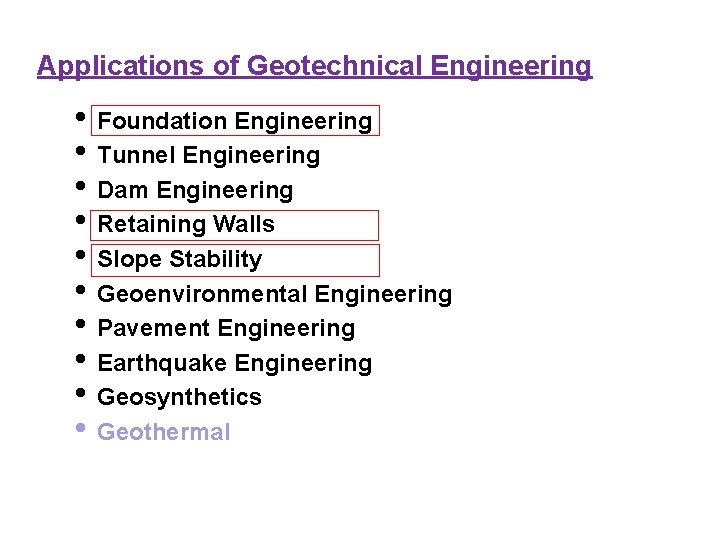
Applications of Geotechnical Engineering • Foundation Engineering • Tunnel Engineering • Dam Engineering • Retaining Walls • Slope Stability • Geoenvironmental Engineering • Pavement Engineering • Earthquake Engineering • Geosynthetics • Geothermal
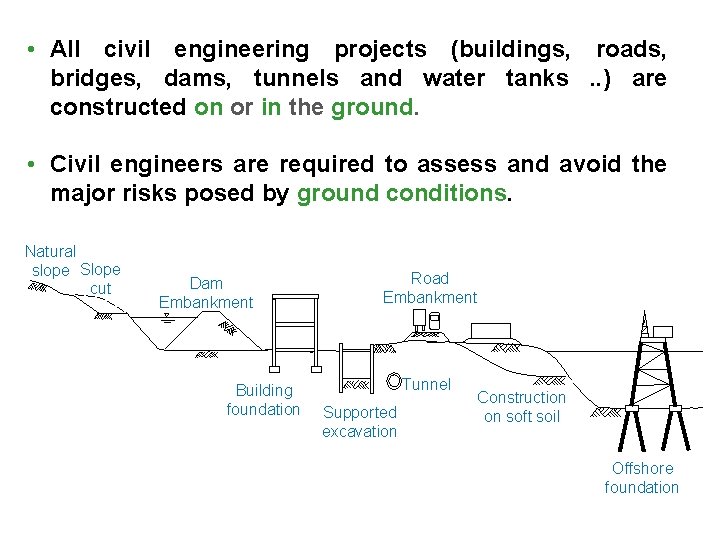
• All civil engineering projects (buildings, roads, bridges, dams, tunnels and water tanks. . ) are constructed on or in the ground. • Civil engineers are required to assess and avoid the major risks posed by ground conditions. Natural slope Slope cut Dam Embankment Building foundation Road Embankment Tunnel Supported excavation Construction on soft soil Offshore foundation
What do we know so far? ü In CE 382 “Geotechnical Engineering I” we introduced Geotechnical engineering as the subdiscipline of civil engineering that involves the interrelationship between the geological environment and the works of man. The engineer doing this specific type of engineering work is called a "GEOTEHNICAL ENGINEER". . ü In the first part of CE 382 “Geotechnical Engineering I” we have the first contact with soils and a number of topics related to soil formations were covered including: • • Soil minerals Types of rocks Weathering process Formation of soils
ü Therefore this part tells us how soil was formed from the parent rocks and accumulated to form soil deposits we encountered in designing any project. ü In the second part of CE 382 we laid the ground for soil mechanics and Geotechnical Engineering at large. Important terminology was introduced and the fundamental properties were discussed along with the treatment of some related problems like: • • Permeability, Seepage, Principle of effective stress, Induced stresses in soil masses.
To be more precise you learned: • Phase relations • Consistency limits and indices • Classification of soils • Soil compaction • Flow through soils (permeability and seepage) • Principle of effective stress • Stresses in soil masses Where does CE 481 fit? With what we have learned in CE 380 and CE 382 as a background, we now can go to the discussion of the fundamental behavior of soils, particularly its strength and deformation and then applying this in the solution of some practical problems of which in this course we will cover: • Slope stability • Lateral earth pressures • Retaining walls.
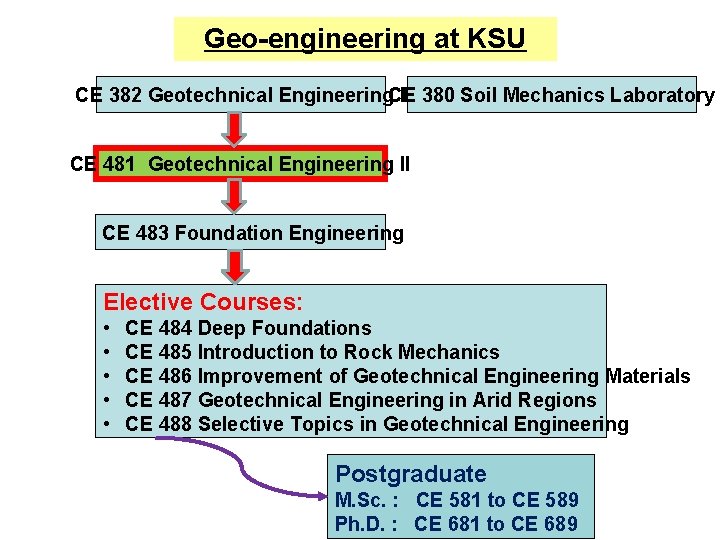
Geo-engineering at KSU CE 382 Geotechnical Engineering. CE I 380 Soil Mechanics Laboratory CE 481 Geotechnical Engineering II CE 483 Foundation Engineering Elective Courses: • • • CE 484 Deep Foundations CE 485 Introduction to Rock Mechanics CE 486 Improvement of Geotechnical Engineering Materials CE 487 Geotechnical Engineering in Arid Regions CE 488 Selective Topics in Geotechnical Engineering Postgraduate M. Sc. : CE 581 to CE 589 Ph. D. : CE 681 to CE 689
Course contents Compressibility of soils Shear strength of soils Slope stability Lateral earth pressures Retaining walls
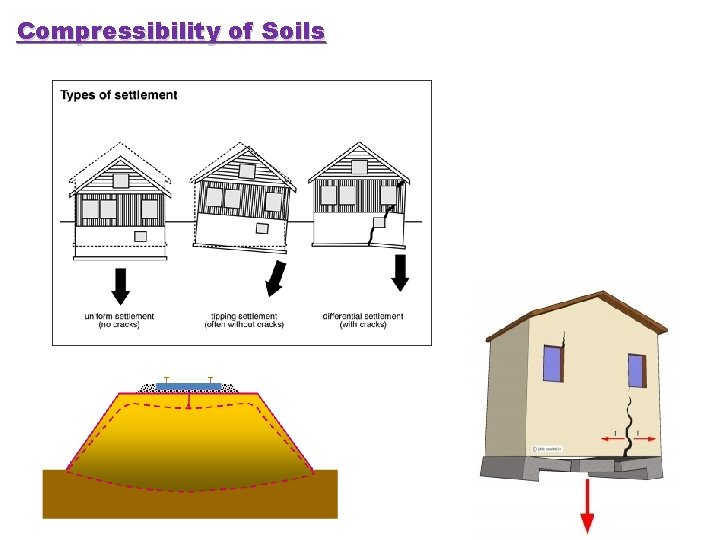
Compressibility of Soils
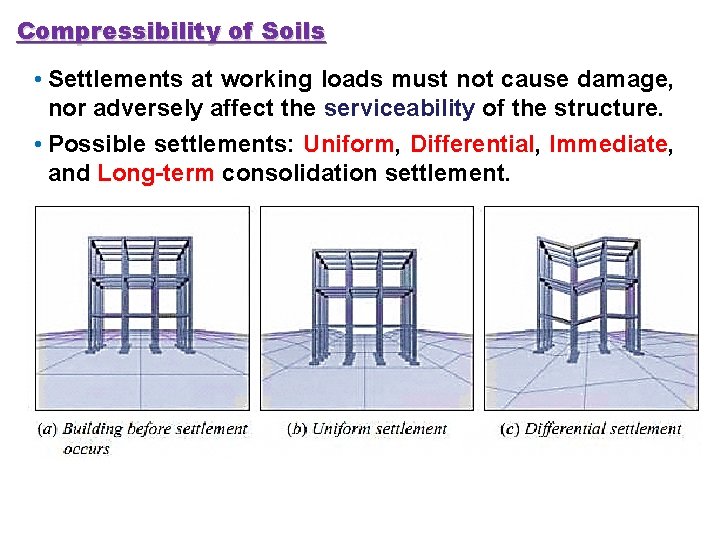
Compressibility of Soils • Settlements at working loads must not cause damage, nor adversely affect the serviceability of the structure. • Possible settlements: Uniform, Differential, Immediate, and Long-term consolidation settlement.
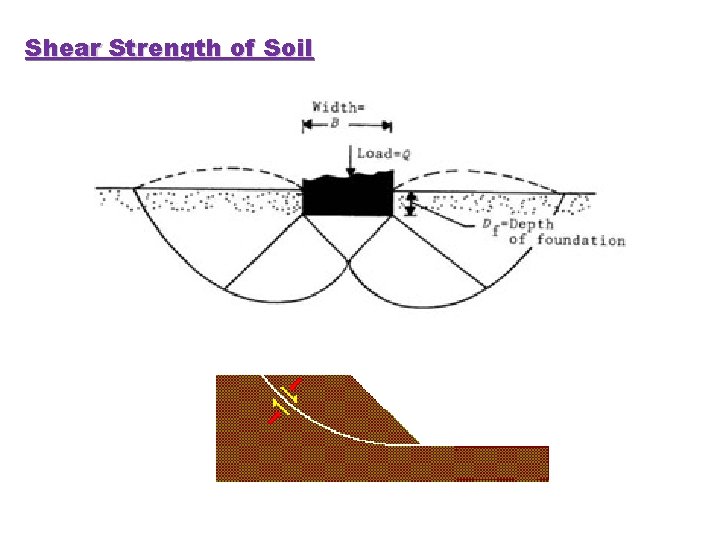
Shear Strength of Soil
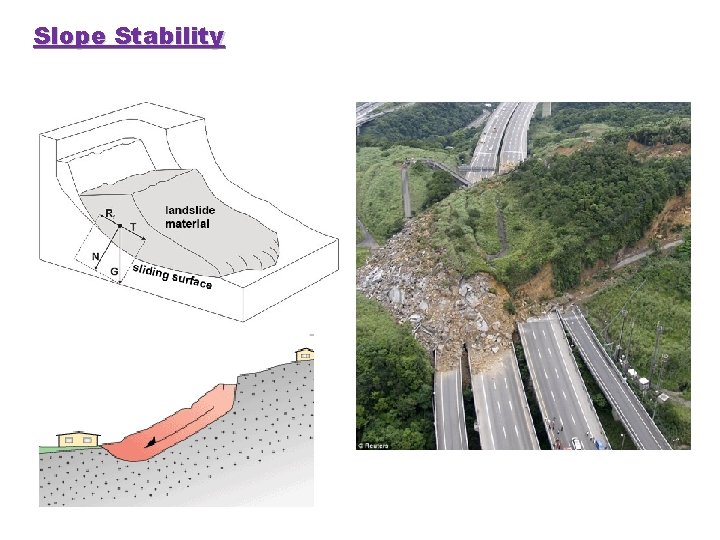
Slope Stability
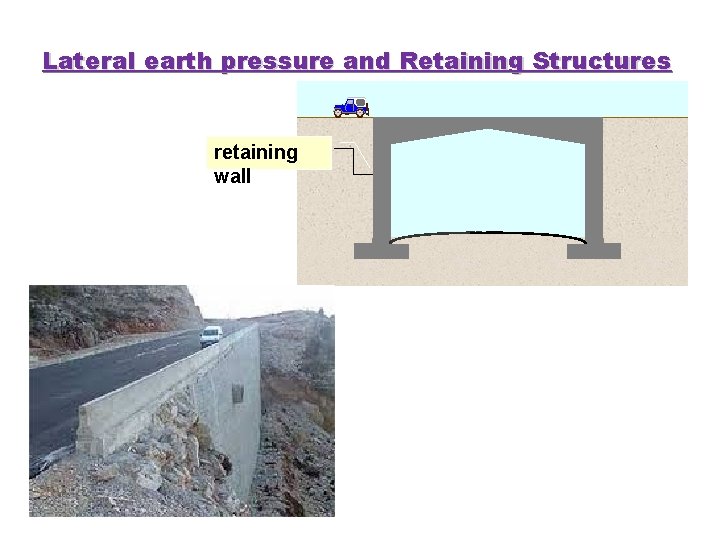
Lateral earth pressure and Retaining Structures retaining wall