
CDC Investigation Jesus Galan Hannah Van Dyke and
- Slides: 26
CDC Investigation Jesus Galan, Hannah Van Dyke, and Jessi Weems
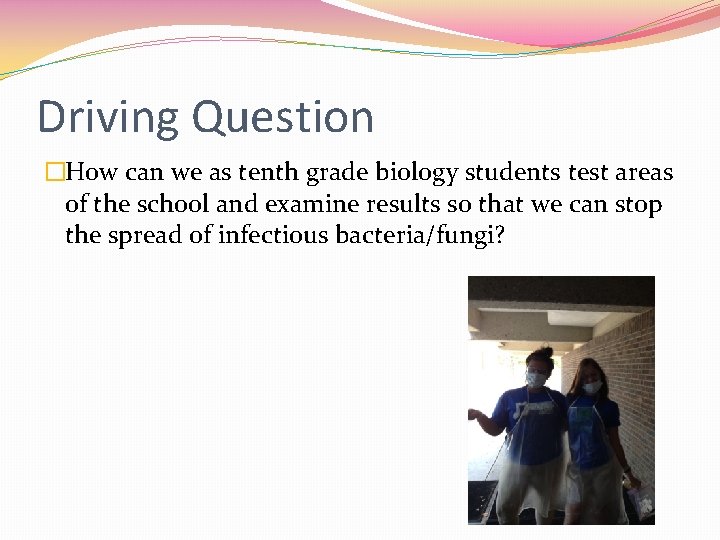
Driving Question �How can we as tenth grade biology students test areas of the school and examine results so that we can stop the spread of infectious bacteria/fungi?
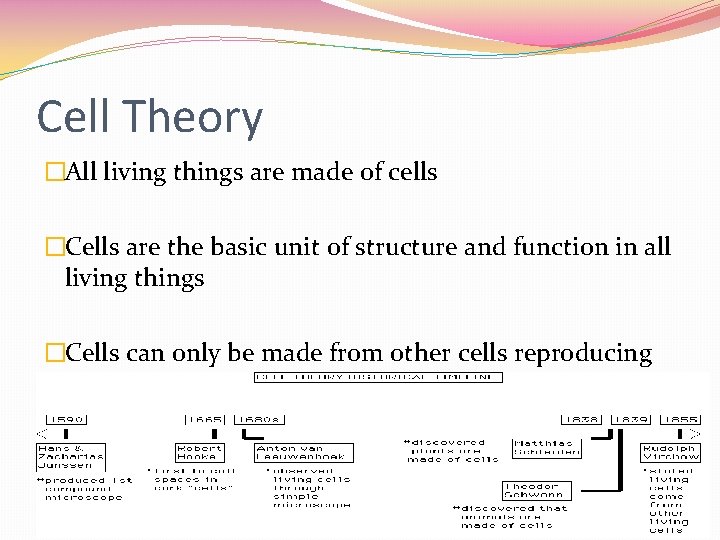
Cell Theory �All living things are made of cells �Cells are the basic unit of structure and function in all living things �Cells can only be made from other cells reproducing
Basic Vocabulary �Cell- basic unit of all life �Prokaryote- cell without a nucleus �Eukaryote- cell with a nucleus �Microbials- any single-celled organism �Fungi �Bacteria �Virus
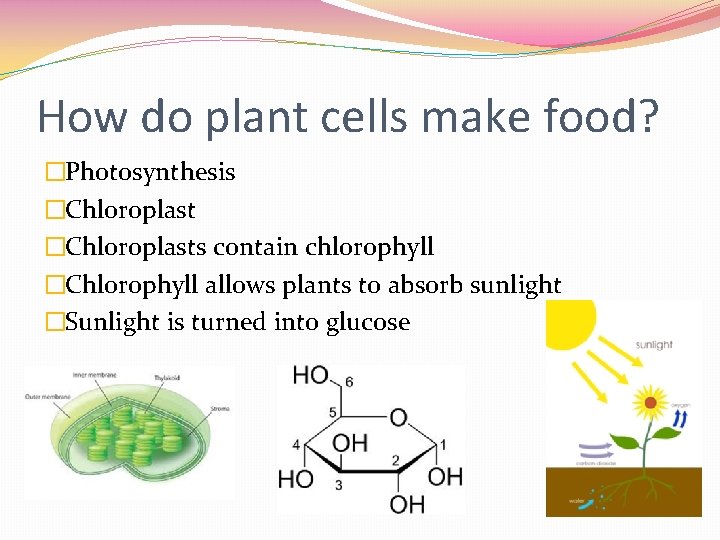
How do plant cells make food? �Photosynthesis �Chloroplasts contain chlorophyll �Chlorophyll allows plants to absorb sunlight �Sunlight is turned into glucose
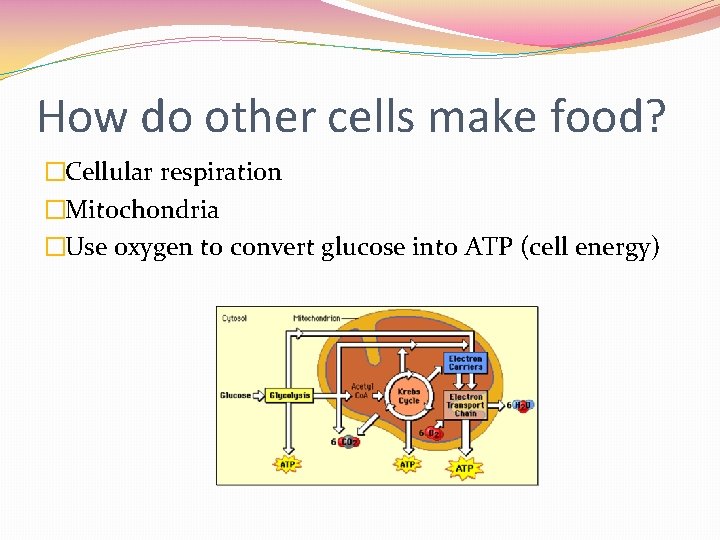
How do other cells make food? �Cellular respiration �Mitochondria �Use oxygen to convert glucose into ATP (cell energy)
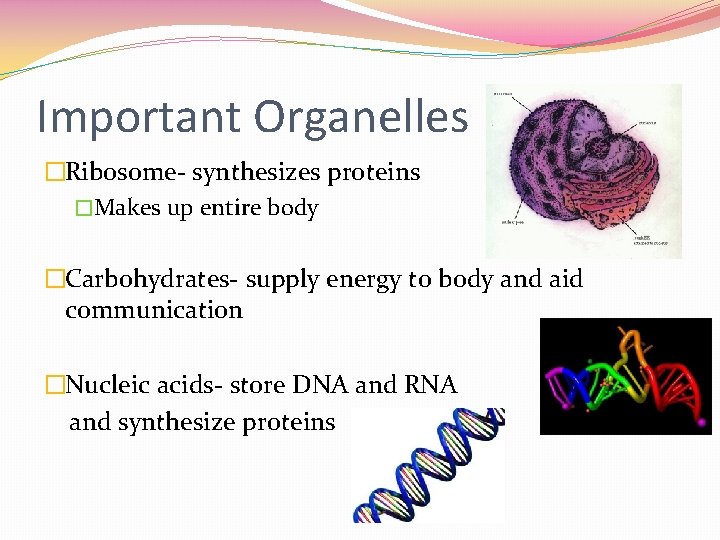
Important Organelles �Ribosome- synthesizes proteins �Makes up entire body �Carbohydrates- supply energy to body and aid communication �Nucleic acids- store DNA and RNA and synthesize proteins
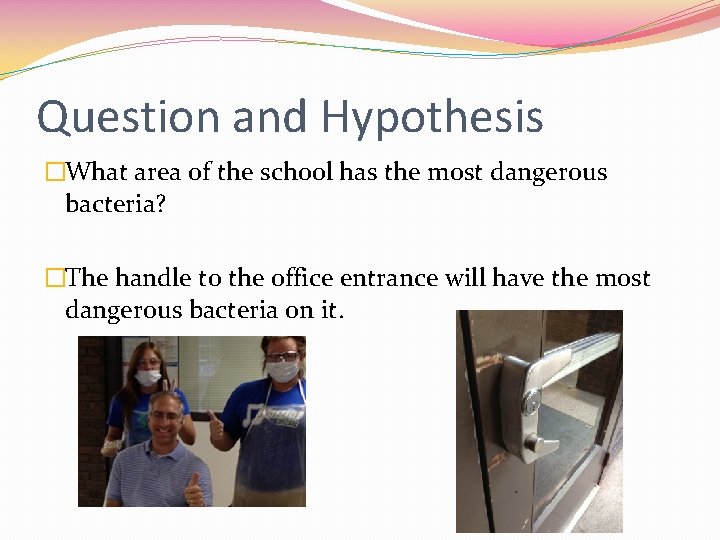
Question and Hypothesis �What area of the school has the most dangerous bacteria? �The handle to the office entrance will have the most dangerous bacteria on it.
Experiment 1. Gather all materials 2. Go to the location 12. Analyze results/findings 3. Find the area we want to test 13. Explain if hypothesis was right or wrong 14. Communicate results 4. Take out a Q-tip 5. Wet the Q-tip with water 6. Swab the testing location with the Q-tip 7. Swab the Q-tip on the petri dish 8. Repeat steps 4 -6 9. Give petri dish to Mr. Lanier 10. Wait 72 hours until the bacteria has grown in the petri dish 11. Repeat steps 1 -10 in the other two locations
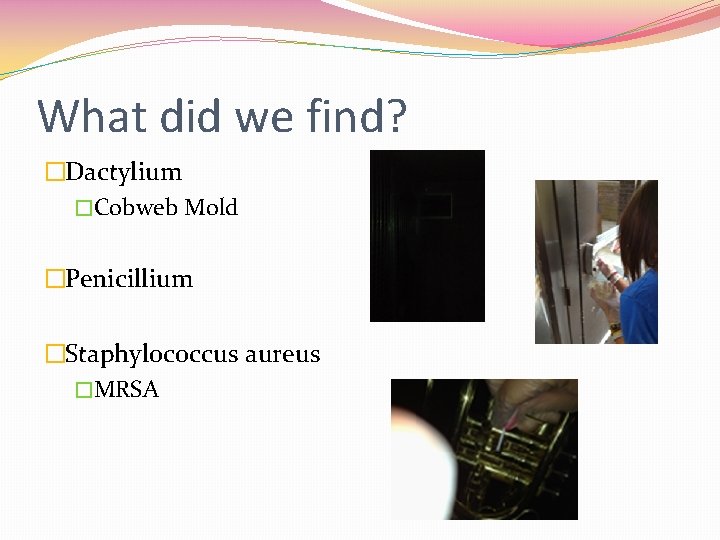
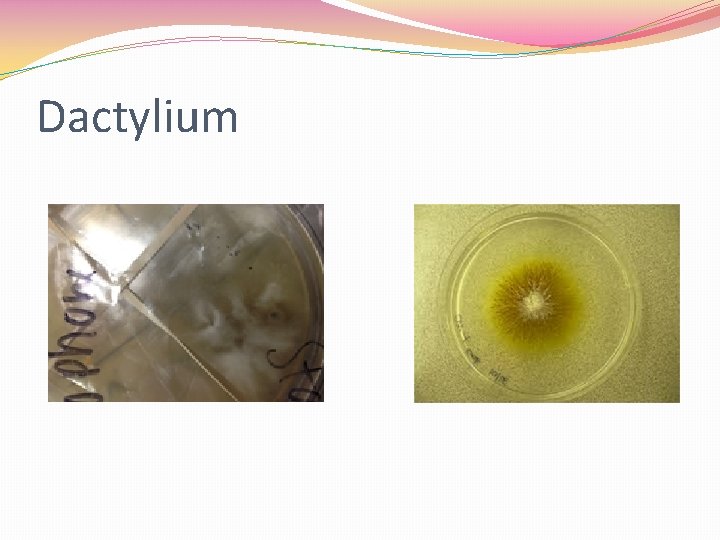
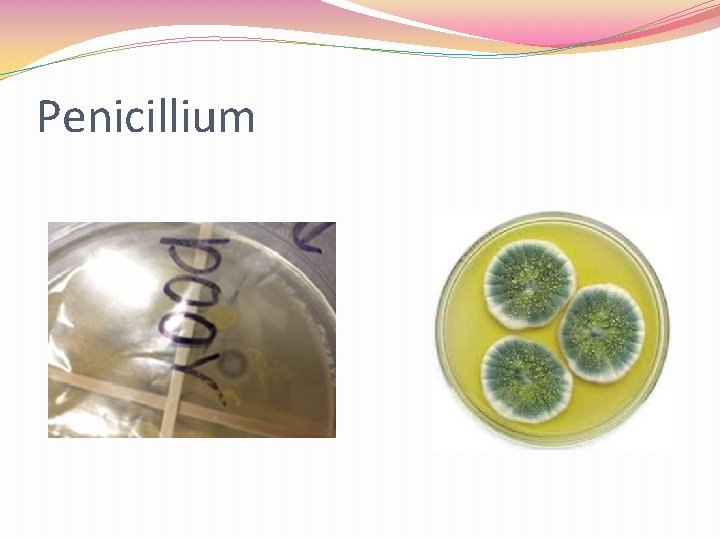
What did we find? �Dactylium �Cobweb Mold �Penicillium �Staphylococcus aureus �MRSA
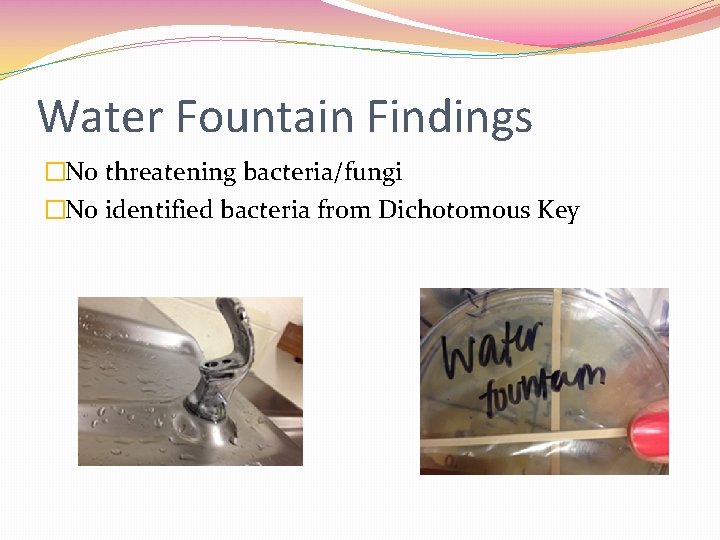
Water Fountain Findings �No threatening bacteria/fungi �No identified bacteria from Dichotomous Key
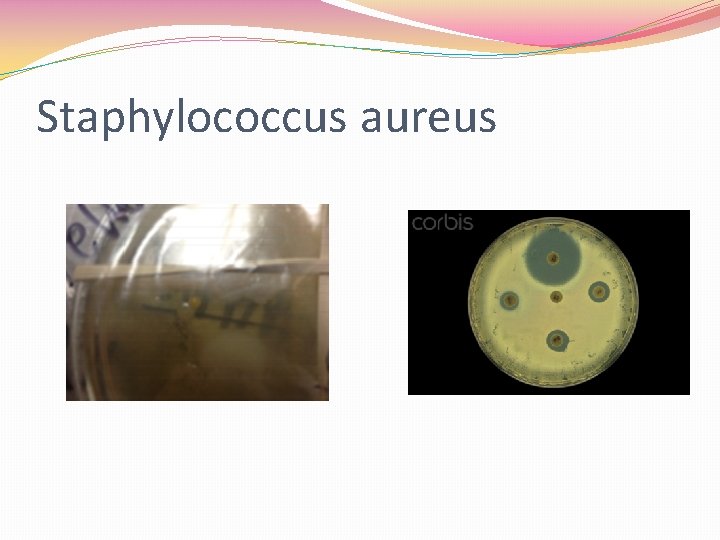
Descriptions of Findings �Dactylium �Used in cheeses �Penicillium �Common mold �Cheeses, fruits, plywood, cereals, wallpaper, spices, glue, herbs, carpet, dried foods, salami, sausage, and penicillin (an antibiotic) �Staphylococcus aureus �Found on the skin/in the nose of about one-third of the population
Dactylium
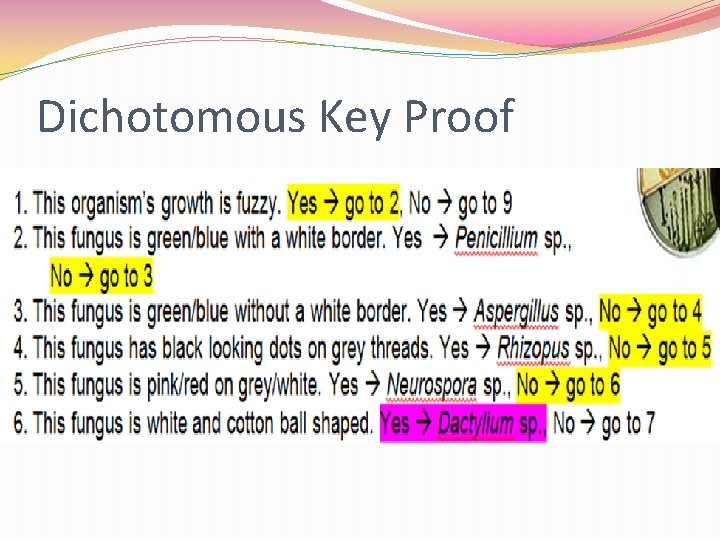
Dichotomous Key Proof
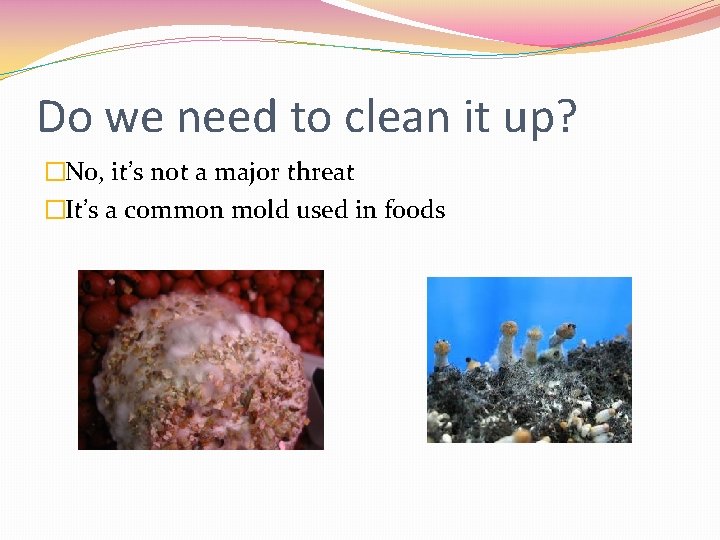
Do we need to clean it up? �No, it’s not a major threat �It’s a common mold used in foods
Why is it under the stage? �Food- Dust in the air vent �Water- Moisture from the air �Shelter- Air vent
Penicillium
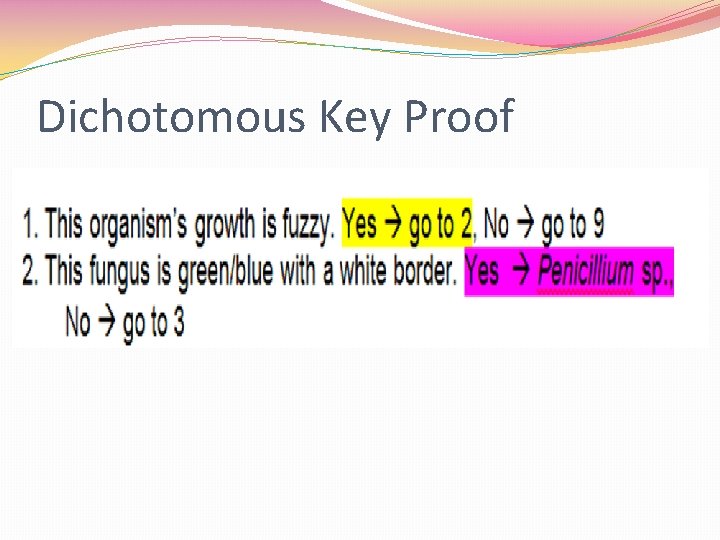
Dichotomous Key Proof
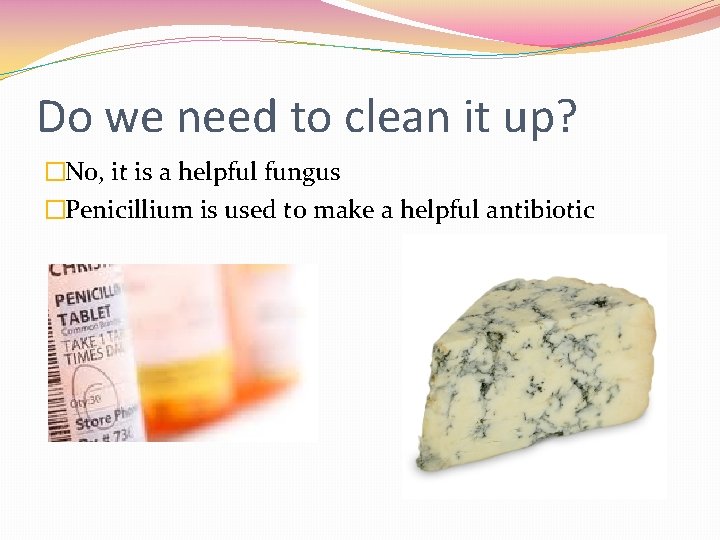
Do we need to clean it up? �No, it is a helpful fungus �Penicillium is used to make a helpful antibiotic
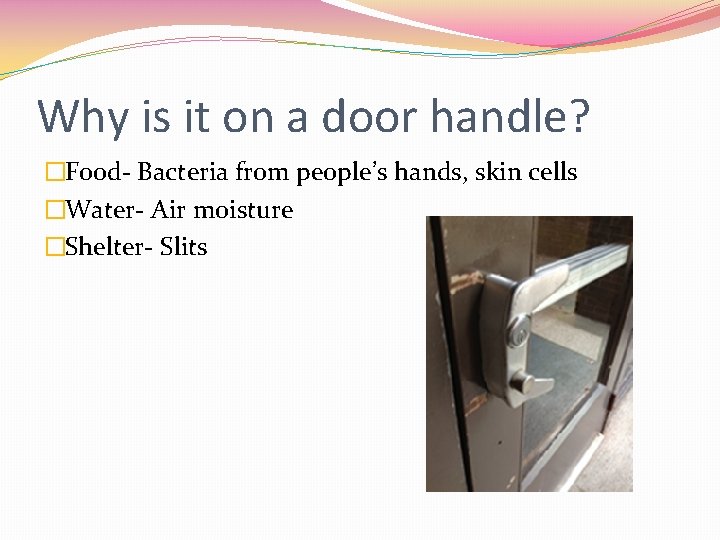
Why is it on a door handle? �Food- Bacteria from people’s hands, skin cells �Water- Air moisture �Shelter- Slits
Staphylococcus aureus
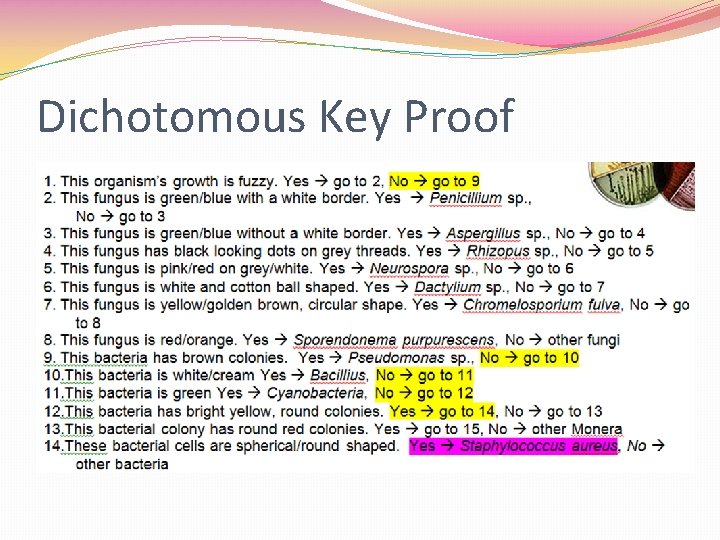
Dichotomous Key Proof
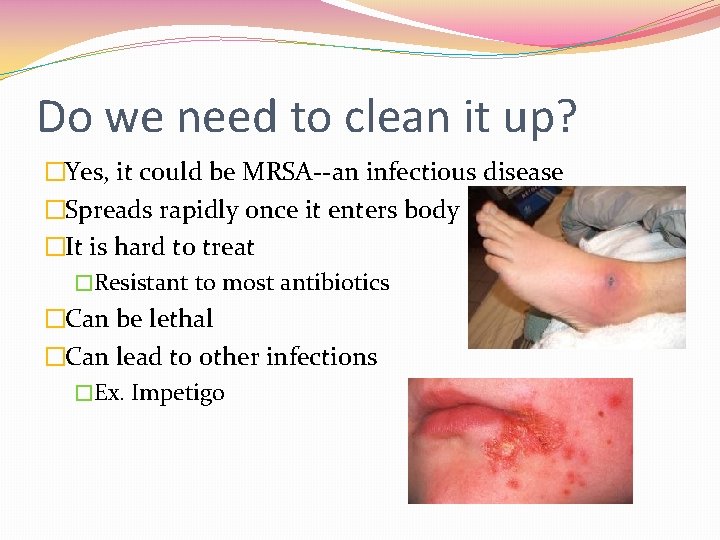
Do we need to clean it up? �Yes, it could be MRSA--an infectious disease �Spreads rapidly once it enters body �It is hard to treat �Resistant to most antibiotics �Can be lethal �Can lead to other infections �Ex. Impetigo
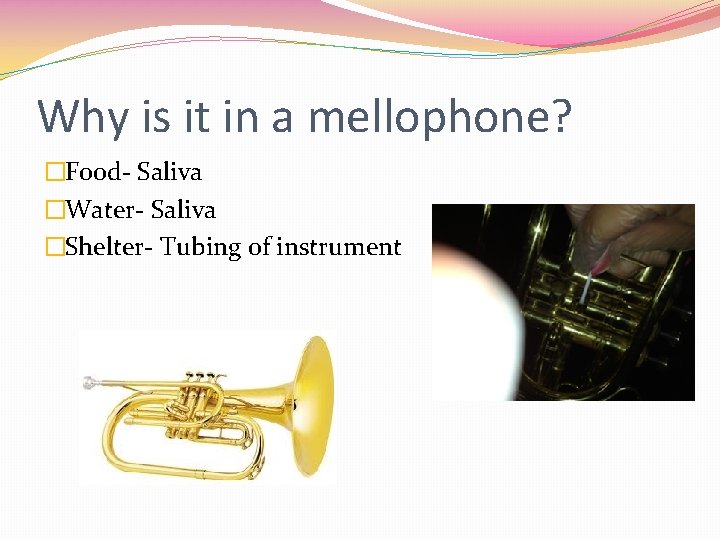
Why is it in a mellophone? �Food- Saliva �Water- Saliva �Shelter- Tubing of instrument
Our Database of Microbials �Created a database of microbials �Before analyzing our findings �Two out of three microbials were in our own database �Penicillium �Staphylcococcus aureus
Works Cited �"Mold, Aspergillus & Penicillium: Questions & Answers. " — University of Louisville. Univeristy of Louisville, 2010. Web. 16 Sept. 2013. �"MRSA (Methicillin-resistant Staphylococcus Aureus). " Environmental Health and Safety. The University of Texas at Austin, 5 Feb. 2009. Web. 16 Sept. 2013. �"Why Is MRSA Dangerous? " Why Is MRSA Dangerous? HAIN LIFESCIENCE, 2013. Web. 16 Sept. 2013. �"What Is MRSA? Why Is MRSA a Concern? How Is MRSA Treated? " Medical News Today. Medi. Lexicon International, 19 July 2013. Web. 16 Sept. 2013.