
CCNA 200 301 Volume 2 Chapter 18 Understanding


- Slides: 26
CCNA 200 -301, Volume 2 Chapter 18 Understanding REST and JSON
Objectives • Describe characteristics of REST-based APIs (CRUD, HTTP verbs, and data encoding) • Interpret JSON encoded data
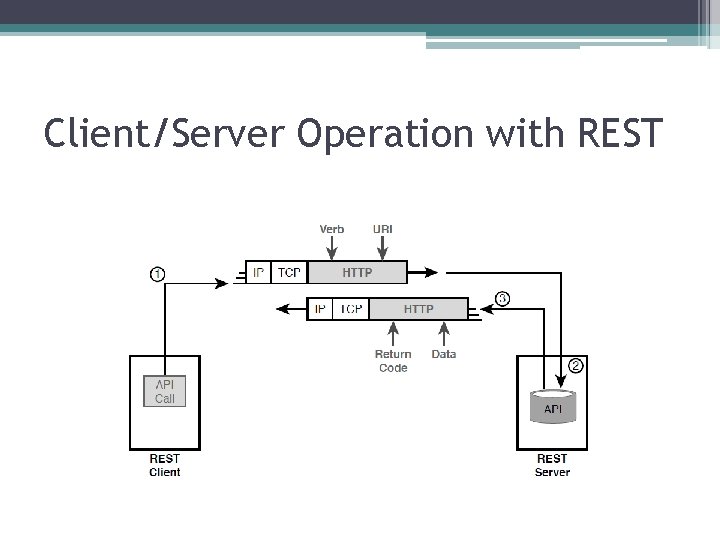
Client/Server Operation with REST
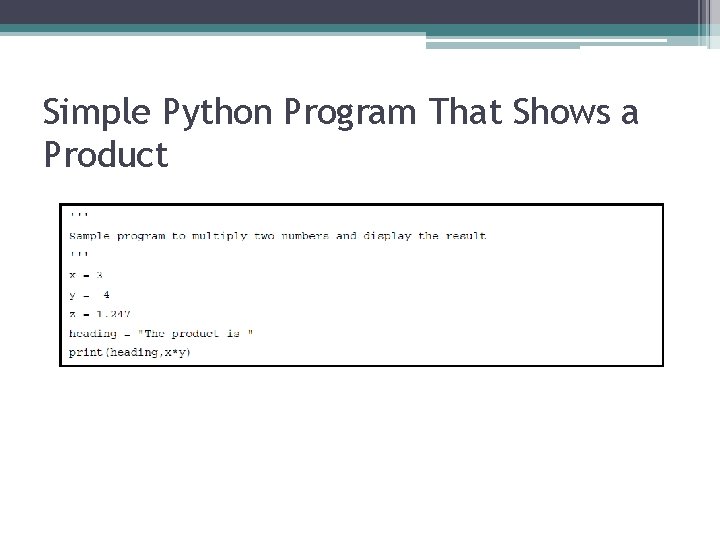
Simple Python Program That Shows a Product
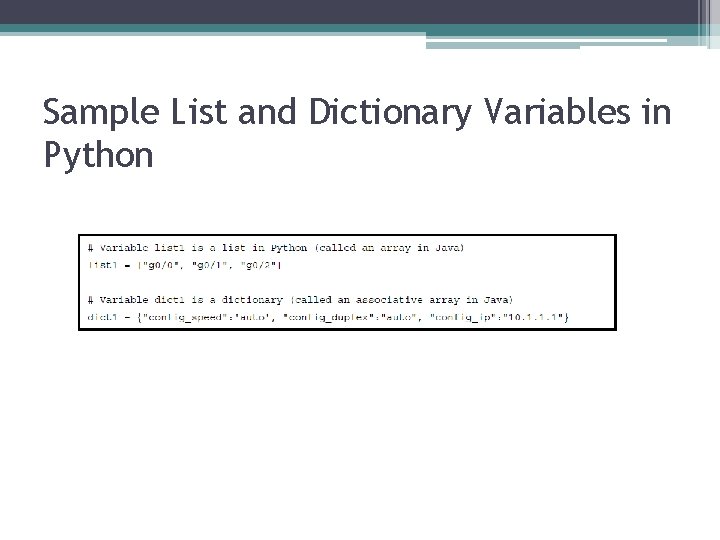
Sample List and Dictionary Variables in Python
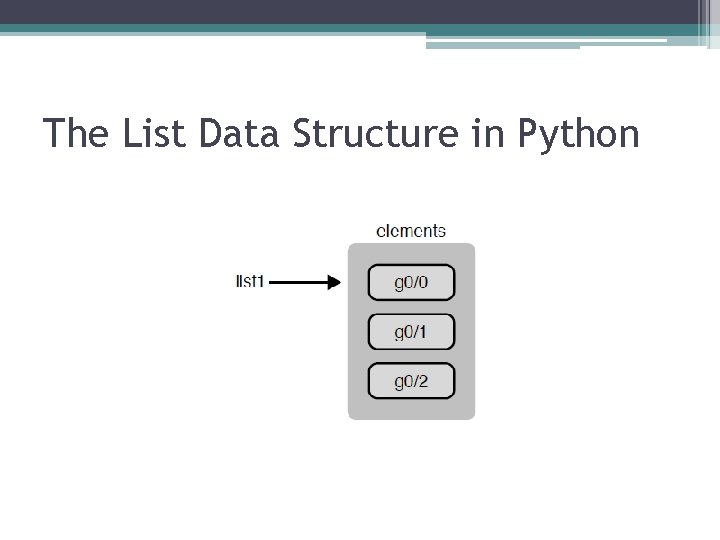
The List Data Structure in Python
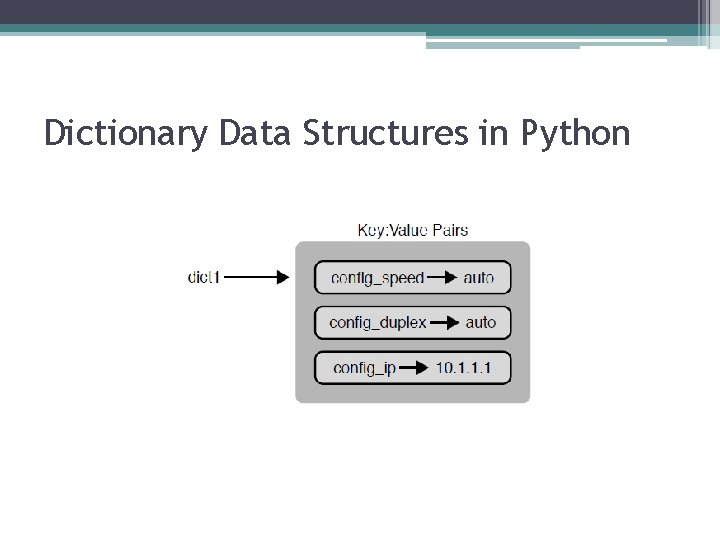
Dictionary Data Structures in Python
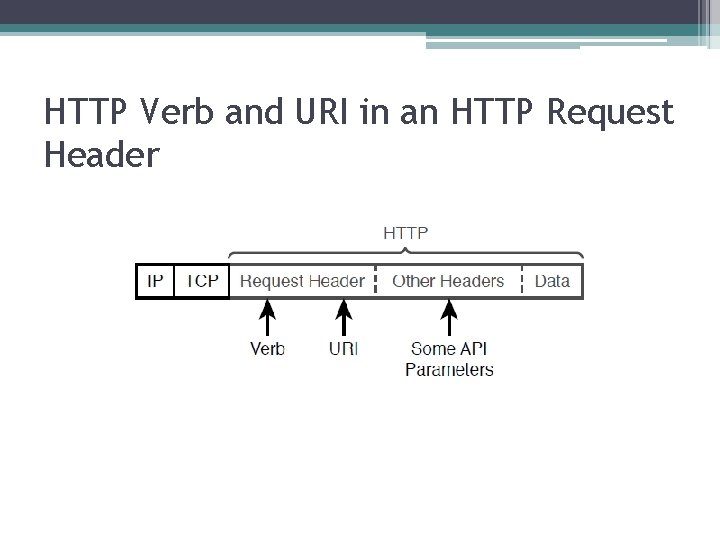
HTTP Verb and URI in an HTTP Request Header
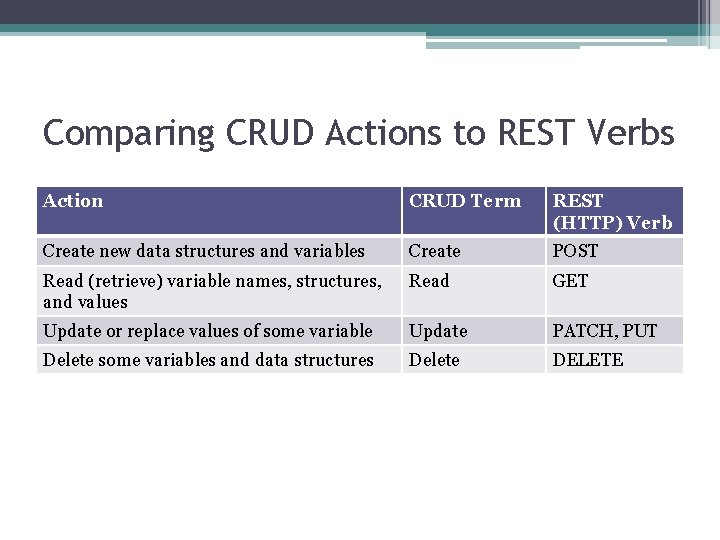
Comparing CRUD Actions to REST Verbs Action CRUD Term REST (HTTP) Verb Create new data structures and variables Create POST Read (retrieve) variable names, structures, and values Read GET Update or replace values of some variable Update PATCH, PUT Delete some variables and data structures Delete DELETE
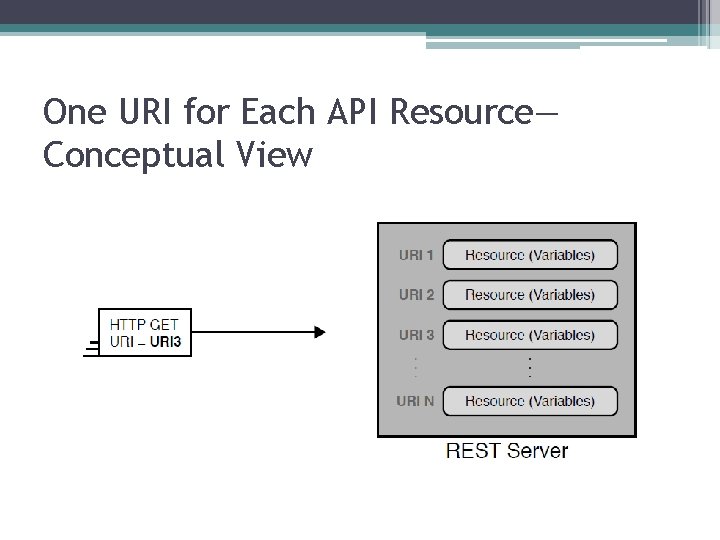
One URI for Each API Resource— Conceptual View
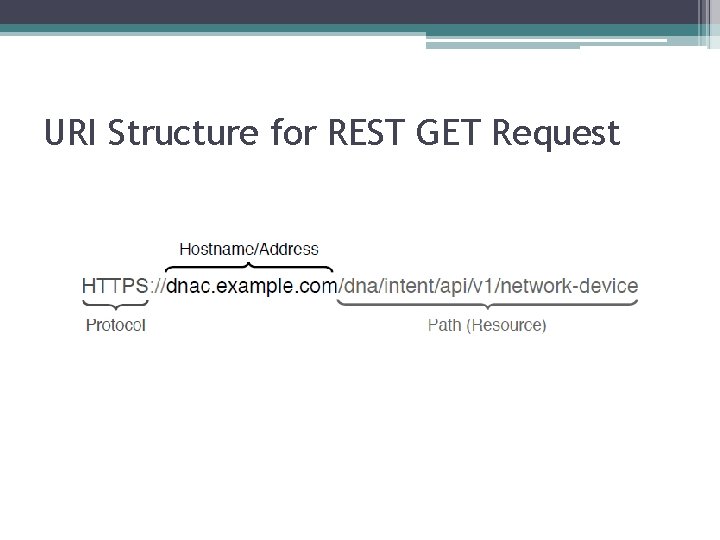
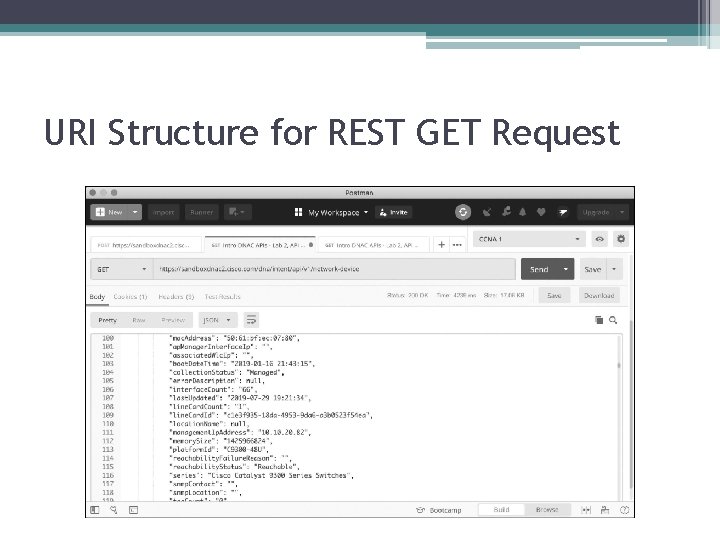
URI Structure for REST GET Request
DNA Center API Doc Page for the Network Device (List) Resource
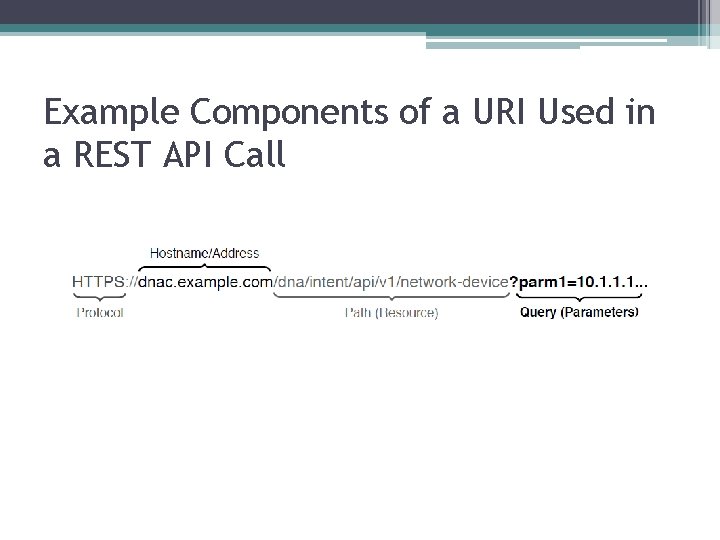
Example Components of a URI Used in a REST API Call
URI Structure for REST GET Request
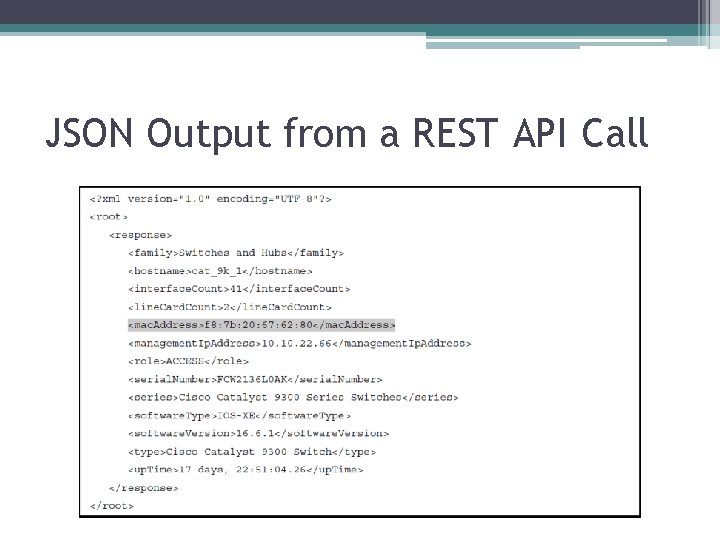
JSON Output from a REST API Call
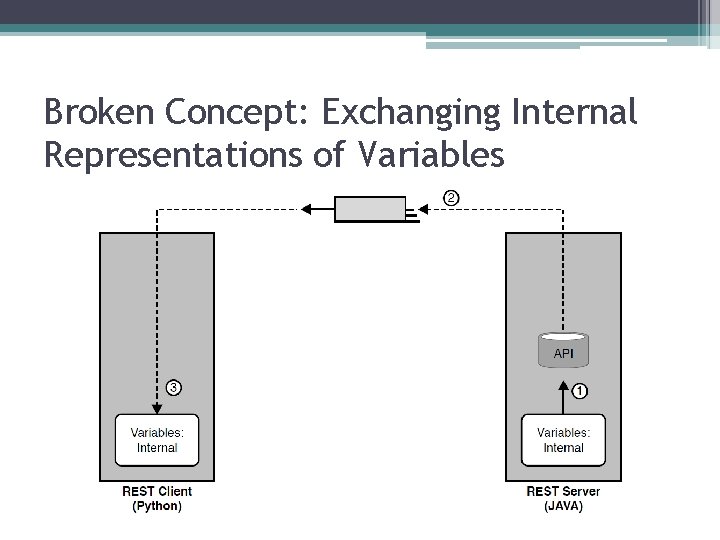
Broken Concept: Exchanging Internal Representations of Variables
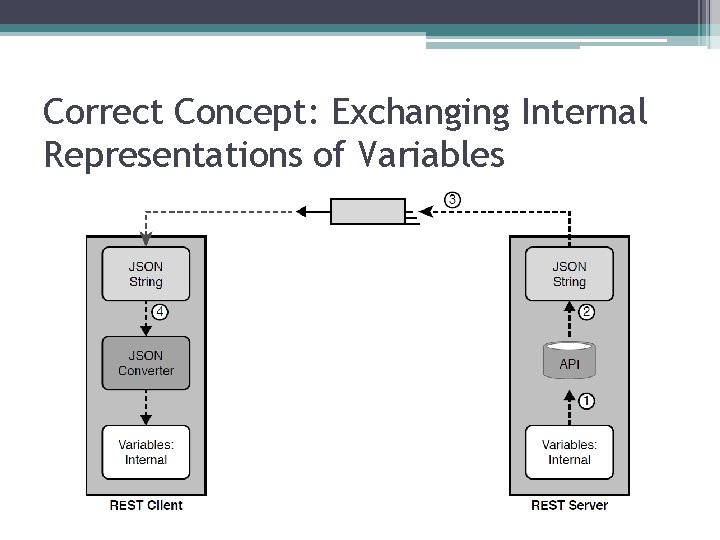
Correct Concept: Exchanging Internal Representations of Variables
JSON Output from a REST API Call
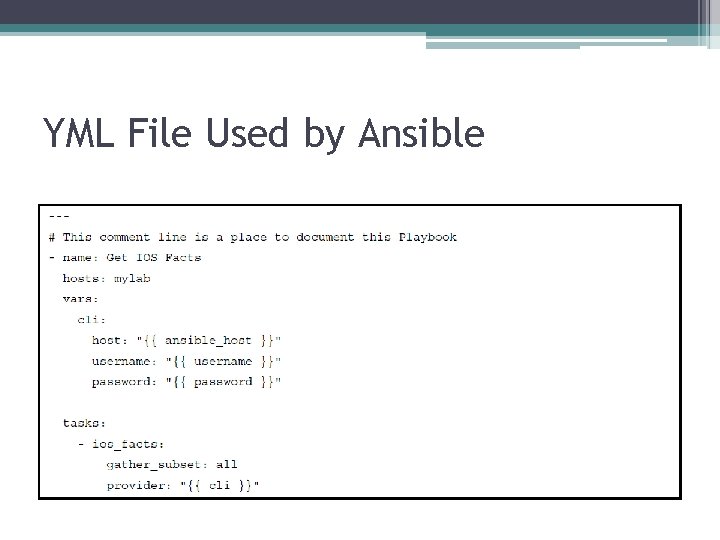
YML File Used by Ansible
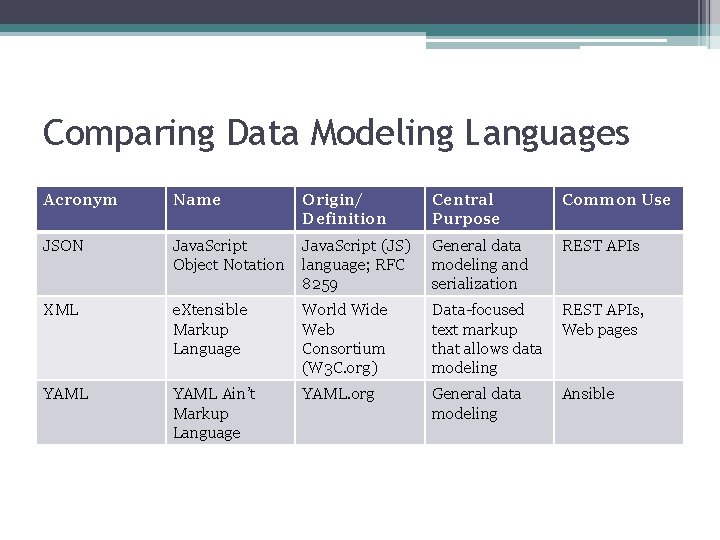
Comparing Data Modeling Languages Acronym Name Origin/ Definition Central Purpose Common Use JSON Java. Script Object Notation Java. Script (JS) language; RFC 8259 General data modeling and serialization REST APIs XML e. Xtensible Markup Language World Wide Web Consortium (W 3 C. org) Data-focused text markup that allows data modeling REST APIs, Web pages YAML Ain’t Markup Language YAML. org General data modeling Ansible
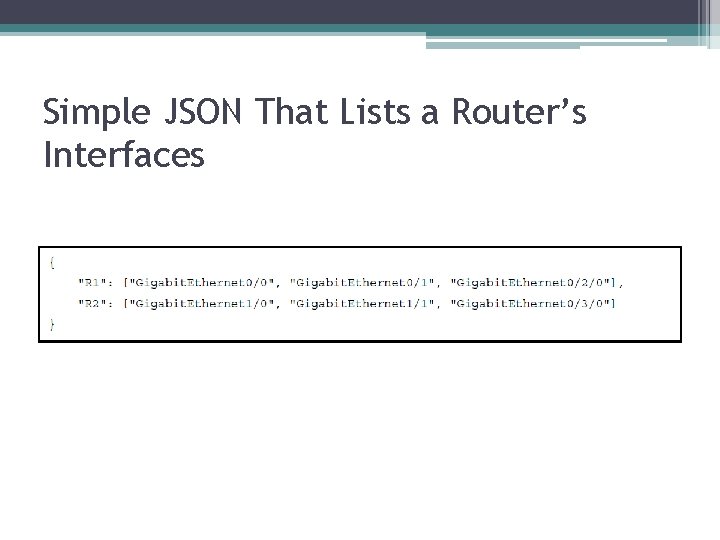
Simple JSON That Lists a Router’s Interfaces
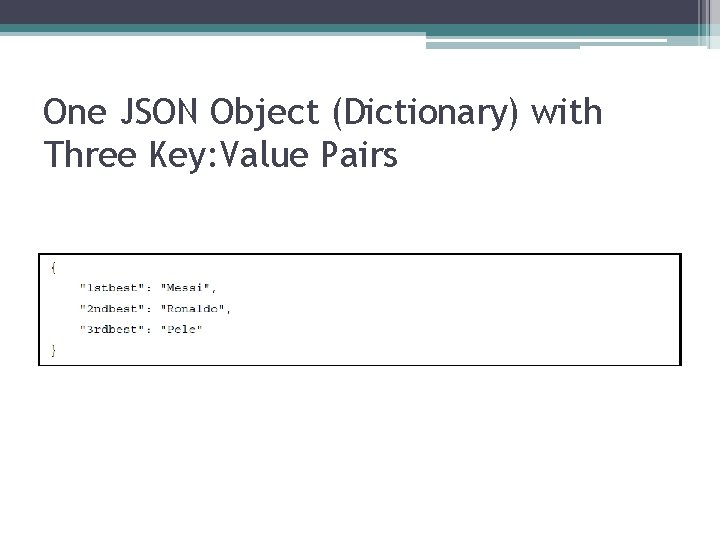
One JSON Object (Dictionary) with Three Key: Value Pairs
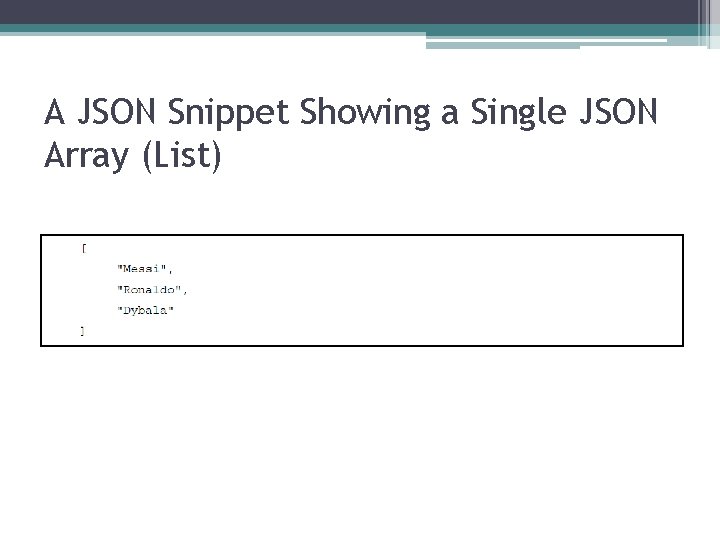
A JSON Snippet Showing a Single JSON Array (List)
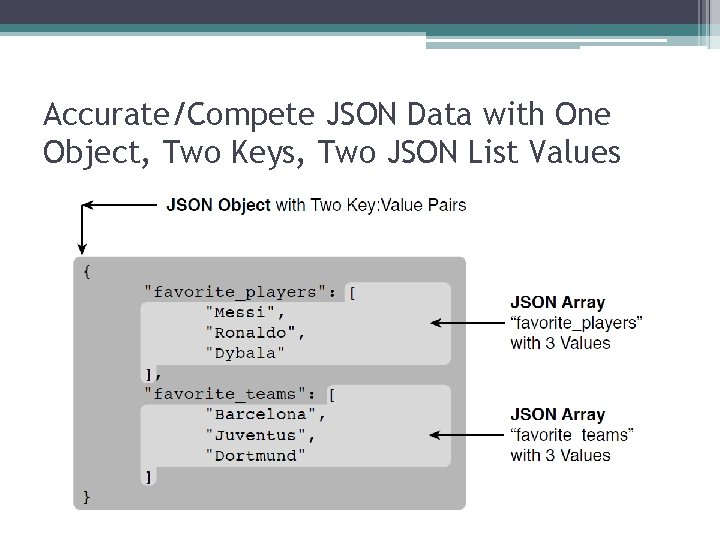
Accurate/Compete JSON Data with One Object, Two Keys, Two JSON List Values
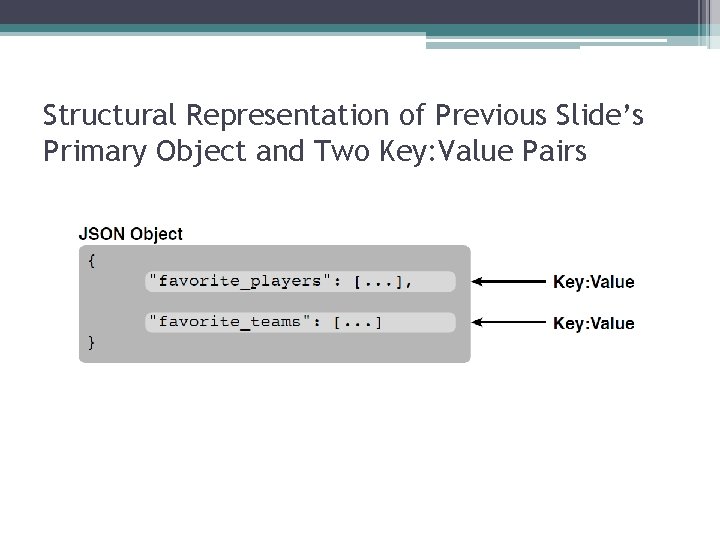
Structural Representation of Previous Slide’s Primary Object and Two Key: Value Pairs
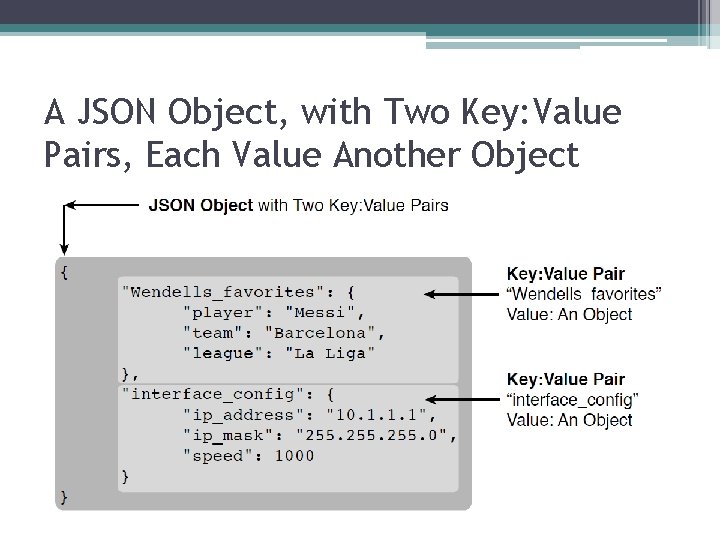
A JSON Object, with Two Key: Value Pairs, Each Value Another Object