
CCG SYSTEMS HOW TO AVOID EXPENDITURE NONCOMPLIANCE PRESENTED






- Slides: 44
CCG SYSTEMS : HOW TO AVOID EXPENDITURE NONCOMPLIANCE PRESENTED BY : ZEUS MABOHO PROFESSIONAL ACCOUNTANT (SA)
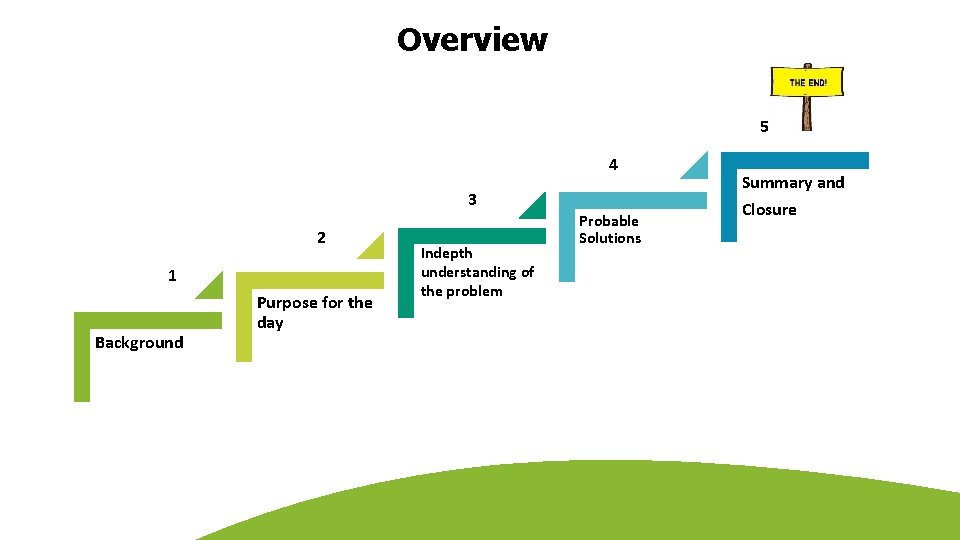
Overview 5 4 3 2 1 Background Purpose for the day Indepth understanding of the problem Probable Solutions Summary and Closure
Who We Are. . ?
WHO WE ARE • Established in the early 2000 : CCG Systems formerly known as Camelsa Consulting Group. • Established by former CFOs, Directors, CA(SA), Auditors, SCM Managers. Identifying the prospect of Technology in Finance & Accounting, Business Management and the urgent prospect of The Fourth Industrial Revolution. • Key Business : Financial Accounting Auditing, Risk Management, Supply Chain and Contract Management and ERP System Implementation. • Leading implementers of National Treasury Standardized Chart of Accounts, Budgeting and Reporting for Local Government “Digitization and Systems Development to Achieve Procurement Excellence”
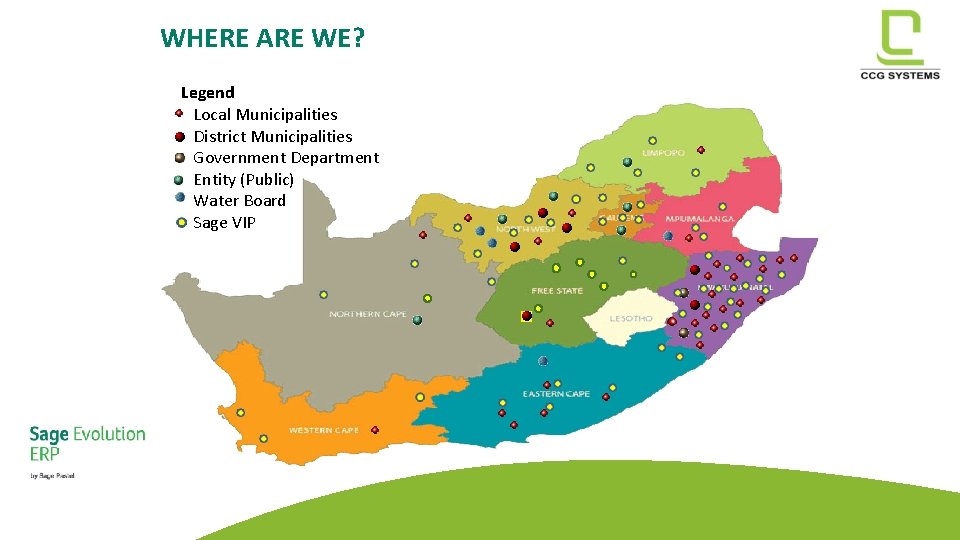
WHERE ARE WE? Legend Local Municipalities District Municipalities Government Department Entity (Public) Water Board Sage VIP
SOME OF OUR LIVE SITES 42 in Total
EXPENDITURE NON-COMPLIANCE IN DEPTH…
BACKGROUND Background understanding Local Government Institutions are one of the most regulated institutions in AFRICA, maybe the biggest reason why the focus can easily be compliance instead of application of legislative requirements. The difference between the two approaches is that application of legislative requirements seeks to ensure all requirements are applied correctly and effectively in order for the results to be accurate, whereas compliance focus seeks to have legislative results without necessary applying legislation effectively. The results is obviously as listed: • Fruitless and wasteful expenditure • Unauthorized expenditure • Irregular expenditure
EXPENDITURE NON-COMPLIANCE EXPLAINED Fruitless and wasteful expenditure refers to expenditure that was made in vain and could have been avoided had reasonable care been taken. Such expenditure includes interest, the payment of inflated prices, and the cost of litigation that could have been avoided “In vain” is defined as: A transaction, event or condition which was undertaken without value or substance and which did not yield any desired results or outcome. “Reasonable care” is defined as: Applying due diligence (careful application, attentiveness, caution) to ensure that the probability of a transaction, event or condition not being achieved as planned is being managed to an acceptable level. • Expenditure due to negligence • Interest on overdue accounts • Penalties
EXPENDITURE NON-COMPLIANCE EXPLAINED Unauthorized expenditure refers to expenditure that municipalities incurred without provision having been made for it in the budget approved by the council or which does not meet the conditions of a grant. o Spending not in line with the original approved purpose of the budget item; and o Expenditure incurred without the appropriate approval. Examples • Budget overspends • Incorrect use of grants/funds used outside mandate (Conditional Grant for Roads but the grant use to pay salaries) I. E. m. SCOA segments with direct influence – Funding
EXPENDITURE NON-COMPLIANCE EXPLAINED Irregular expenditure refers to expenditure other than unauthorized expenditure, incurred in contravention of or that is not in accordance with a requirement of any applicable legislation. It also includes expenditure in contravention of, or that is not in accordance with, a requirement of the supply chain management policy, or any applicable by-laws. Examples • Competitive Bidding processes not followed • No deviations for not following proper SCM processes
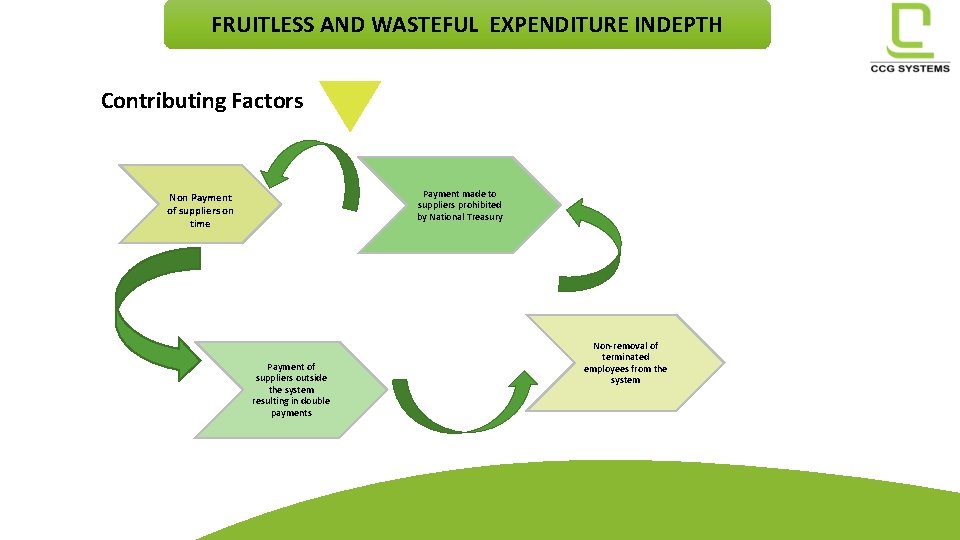
FRUITLESS AND WASTEFUL EXPENDITURE INDEPTH Contributing Factors Payment made to suppliers prohibited by National Treasury Non Payment of suppliers on time Payment of suppliers outside the system resulting in double payments Non-removal of terminated employees from the system
OPERATIONAL SYSTEMS AND PROCESSES TO AVOID NONCOMPLIANCE • Annual performance and procurement planning process • Supply chain Delegation of Authority Framework • Financial delegation of authority • Fraud preventions plan • Legal and regulatory plan • Supply chain management policy • Supply management checklist • Inventory policy 11/1/2020 14
OPERATIONAL SYSTEMS AND PROCESSES TO AVOID NONCOMPLIANCE All the policies and procedures approved by the Council must be strictly adhered to, as these have been designed to improve internal control and adherence to good Corporate Governance (as found in the PFMA, Treasury Regulations and King Reports), which in turn, underpins the prevention of irregular, fruitless and wasteful expenditure. In order to satisfy the requirements of section 57 of the PFMA, directors must, within their individual areas of responsibility, ensure that: • They do not intentionally disregard their duties and responsibilities or carry them out negligently; • Due care and diligence is exercised in all their decisions. They must receive all relevant information and use common business sense; • They act rationally and reasonably in the best interest of local government • They are ethical; • Sound financial management principles are applied; 11/1/2020 15
OPERATIONAL SYSTEMS AND PROCESSES TO AVOID NONCOMPLIANCE • They are effective, efficient and economical at all times; • They act immediately to reduce losses and do not let matters slide; • Appropriate action (including disciplinary action) is taken where necessary; • The process of financial management and internal controls is carried out; • The assets are safeguarded; • The assets and liabilities are properly managed; • The financial and other resources are used effectively, efficiently, economically and transparently; • The provisions of the PFMA are complied with to the extent applicable to them, including any delegations made and instructions to exercise any powers or perform any duties; and • Effective and appropriate steps are taken to proactively prevent: • Irregular expenditure; • Fruitless and wasteful expenditure; and • Under-collection of revenues due. 11/1/2020 16
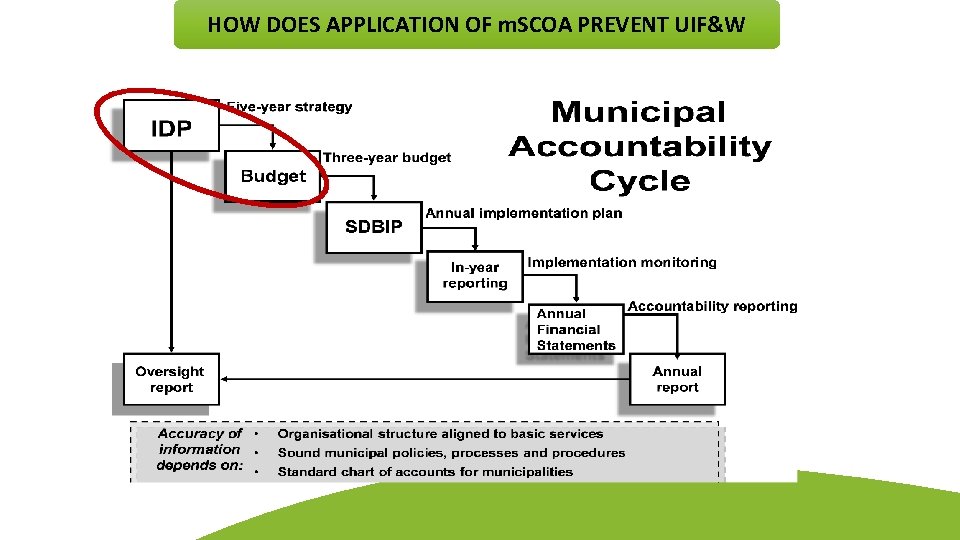
HOW DOES APPLICATION OF m. SCOA PREVENT UIF&W
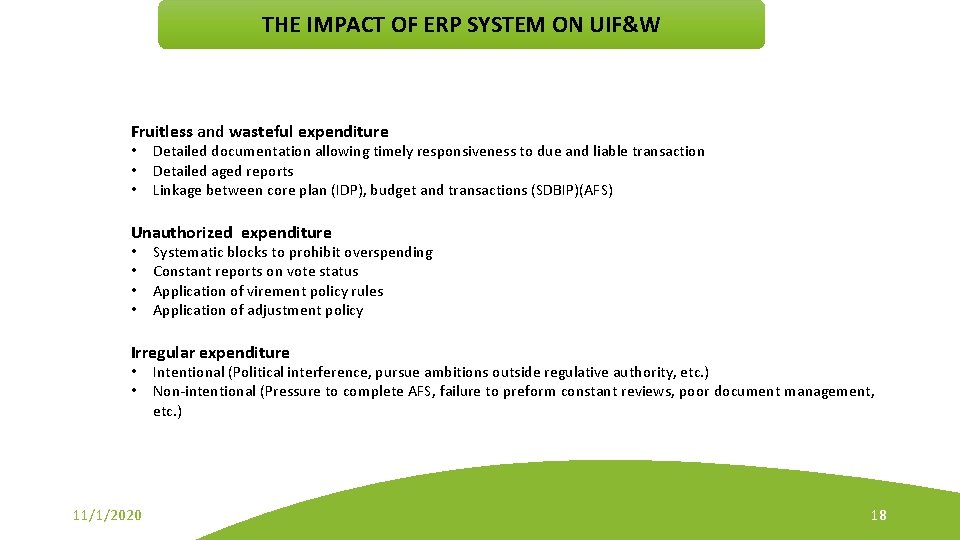
THE IMPACT OF ERP SYSTEM ON UIF&W Fruitless and wasteful expenditure • • • Detailed documentation allowing timely responsiveness to due and liable transaction Detailed aged reports Linkage between core plan (IDP), budget and transactions (SDBIP)(AFS) Unauthorized expenditure • • Systematic blocks to prohibit overspending Constant reports on vote status Application of virement policy rules Application of adjustment policy Irregular expenditure • • 11/1/2020 Intentional (Political interference, pursue ambitions outside regulative authority, etc. ) Non-intentional (Pressure to complete AFS, failure to preform constant reviews, poor document management, etc. ) 18
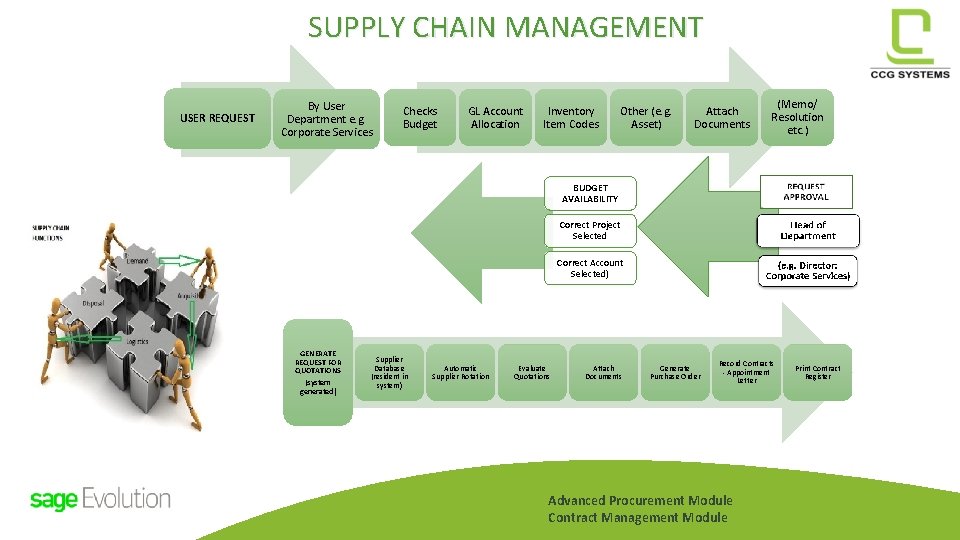
SUPPLY CHAIN MANAGEMENT USER REQUEST By User Department e. g. Corporate Services Checks Budget GL Account Allocation Inventory Item Codes Other (e. g. Asset) Attach Documents (Memo/ Resolution etc. ) BUDGET AVAILABILITY Correct Project Selected Correct Account Selected) GENERATE REQUEST FOR QUOTATIONS (system generated) Supplier Database (resident in system) Automatic Supplier Rotation Evaluate Quotations Attach Documents Generate Purchase Order Record Contracts - Appointment Letter Advanced Procurement Module Contract Management Module Print Contract Register
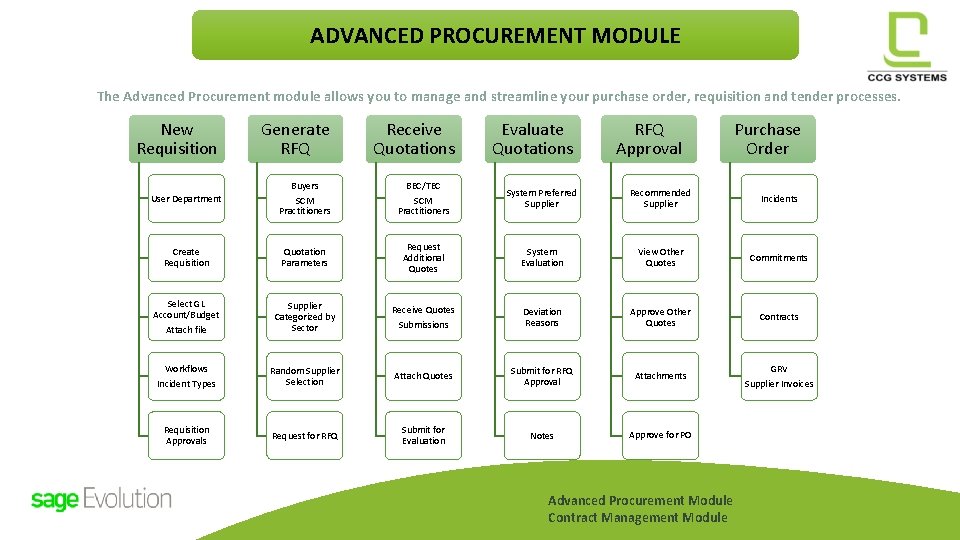
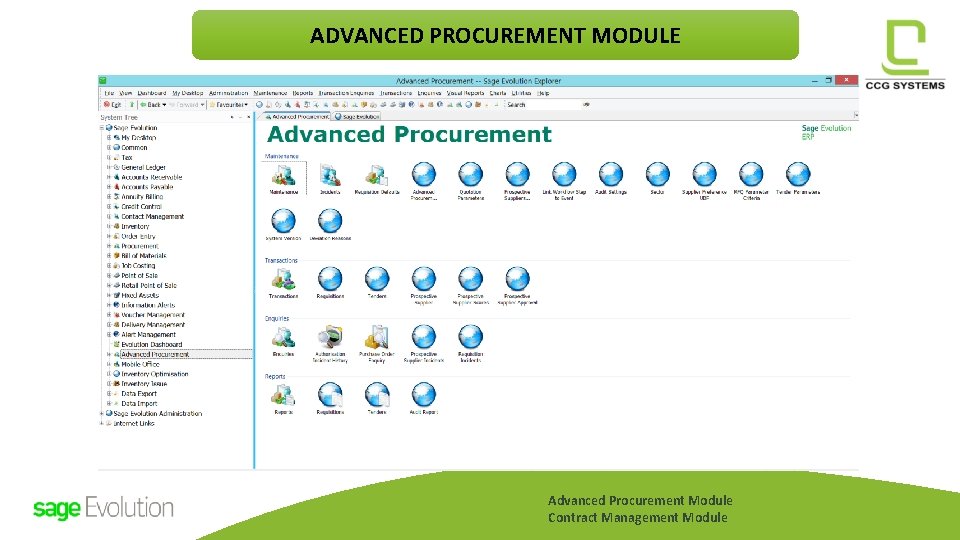
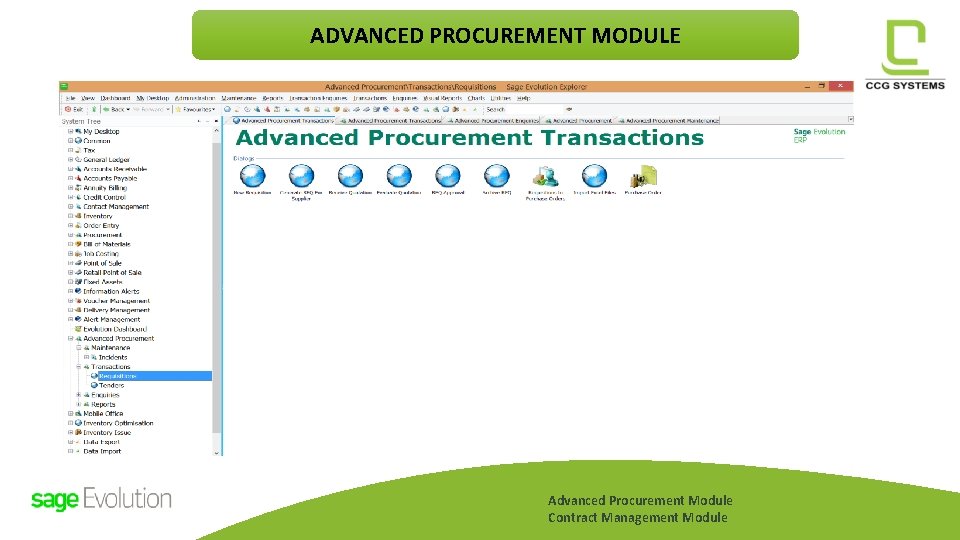
ADVANCED PROCUREMENT MODULE The Advanced Procurement module allows you to manage and streamline your purchase order, requisition and tender processes. New Requisition Generate RFQ Receive Quotations Buyers BEC/TEC User Department SCM Practitioners Create Requisition Quotation Parameters Request Additional Quotes Select GL Account/Budget Attach file Supplier Categorized by Sector Workflows Random Supplier Selection Request for RFQ Incident Types Requisition Approvals Evaluate Quotations RFQ Approval Purchase Order System Preferred Supplier Recommended Supplier Incidents System Evaluation View Other Quotes Commitments Deviation Reasons Approve Other Quotes Contracts Attach Quotes Submit for RFQ Approval Attachments Submit for Evaluation Notes Approve for PO Receive Quotes Submissions Advanced Procurement Module Contract Management Module GRV Supplier Invoices
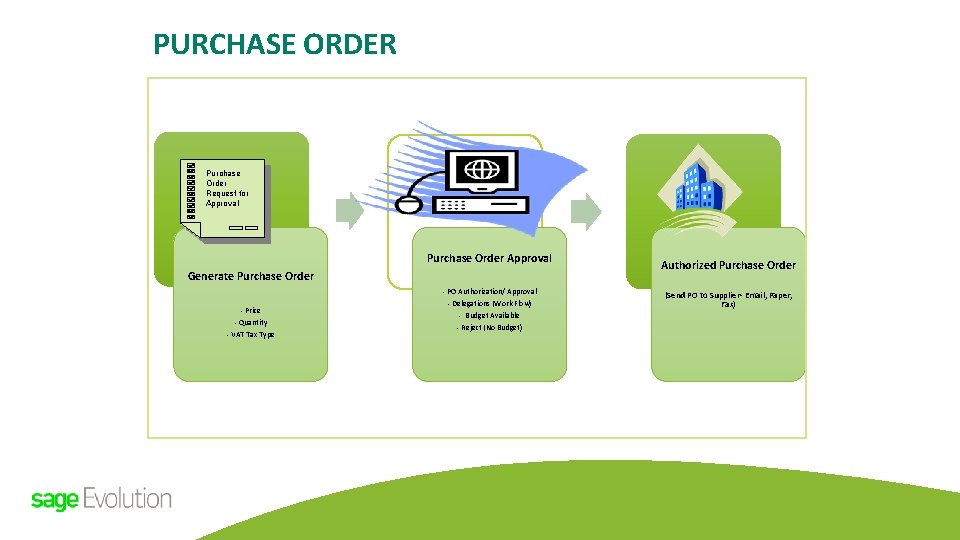
PURCHASE ORDER Purchase Order Request for Approval Purchase Order Approval Generate Purchase Order - Price - Quantity - VAT Tax Type - PO Authorization/ Approval - Delegations (Work Flow) - Budget Available - Reject (No Budget) Authorized Purchase Order (Send PO to Supplier- Email, Paper, Fax)
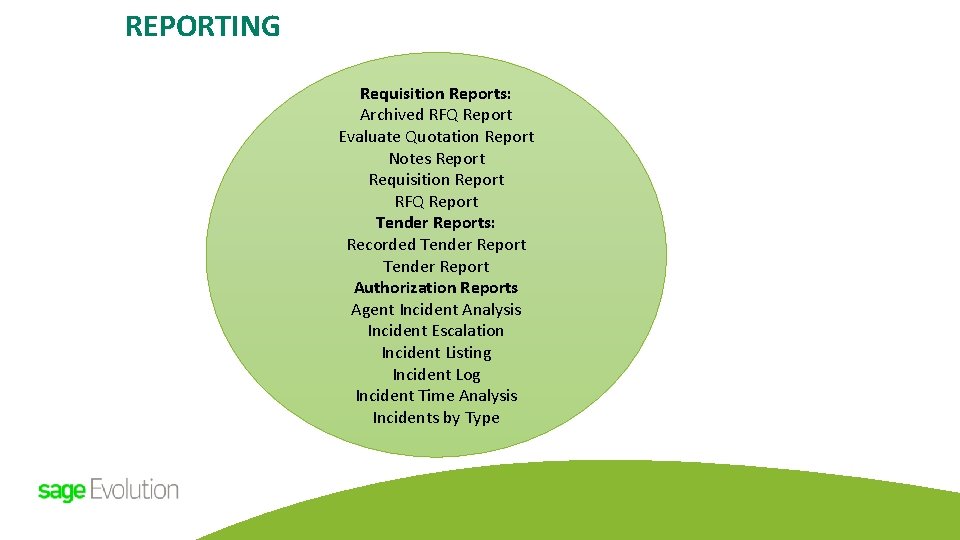
REPORTING Requisition Reports: Archived RFQ Report Evaluate Quotation Report Notes Report Requisition Report RFQ Report Tender Reports: Recorded Tender Report Authorization Reports Agent Incident Analysis Incident Escalation Incident Listing Incident Log Incident Time Analysis Incidents by Type
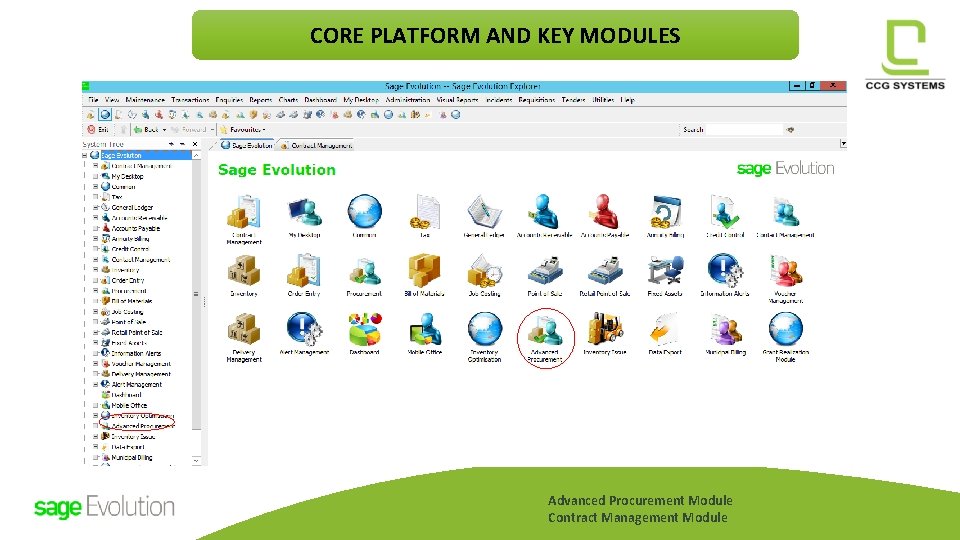
CORE PLATFORM AND KEY MODULES Advanced Procurement Module Contract Management Module
ADVANCED PROCUREMENT MODULE Advanced Procurement Module Contract Management Module
ADVANCED PROCUREMENT MODULE Advanced Procurement Module Contract Management Module
CONTRACT MANAGEMENT
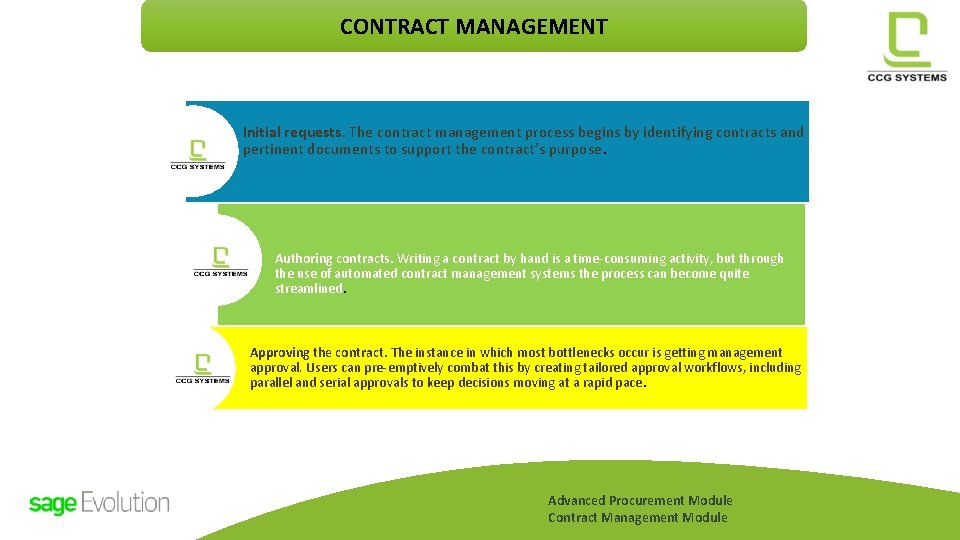
CONTRACT MANAGEMENT Initial requests. The contract management process begins by identifying contracts and pertinent documents to support the contract’s purpose. Authoring contracts. Writing a contract by hand is a time-consuming activity, but through the use of automated contract management systems the process can become quite streamlined. Approving the contract. The instance in which most bottlenecks occur is getting management approval. Users can pre-emptively combat this by creating tailored approval workflows, including parallel and serial approvals to keep decisions moving at a rapid pace. Advanced Procurement Module Contract Management Module
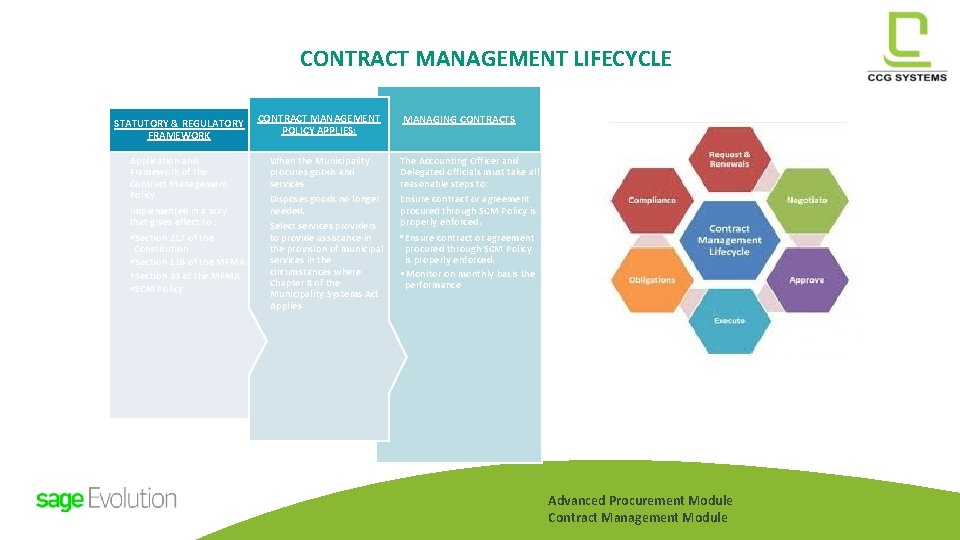
CONTRACT MANAGEMENT LIFECYCLE STATUTORY & REGULATORY FRAMEWORK Application and Framework of the Contract Management Policy Implemented in a way that gives effect to : • Section 217 of the Constitution • Section 116 of the MFMA • Section 33 of the MFMA • SCM Policy CONTRACT MANAGEMENT POLICY APPLIES: MANAGING CONTRACTS When the Municipality procures goods and services The Accounting Officer and Delegated officials must take all reasonable steps to: Disposes goods no longer needed. Ensure contract or agreement procured through SCM Policy is properly enforced. • Monitor on monthly basis the performance Select services providers to provide assistance in the provision of municipal services in the circumstances where Chapter 8 of the Municipality Systems Act Applies Advanced Procurement Module Contract Management Module
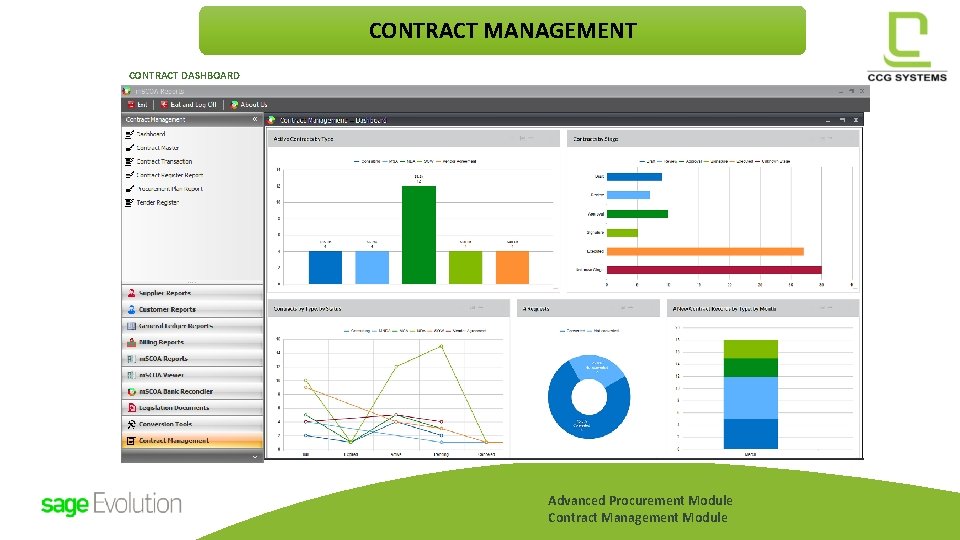
CONTRACT MANAGEMENT CONTRACT DASHBOARD Advanced Procurement Module Contract Management Module
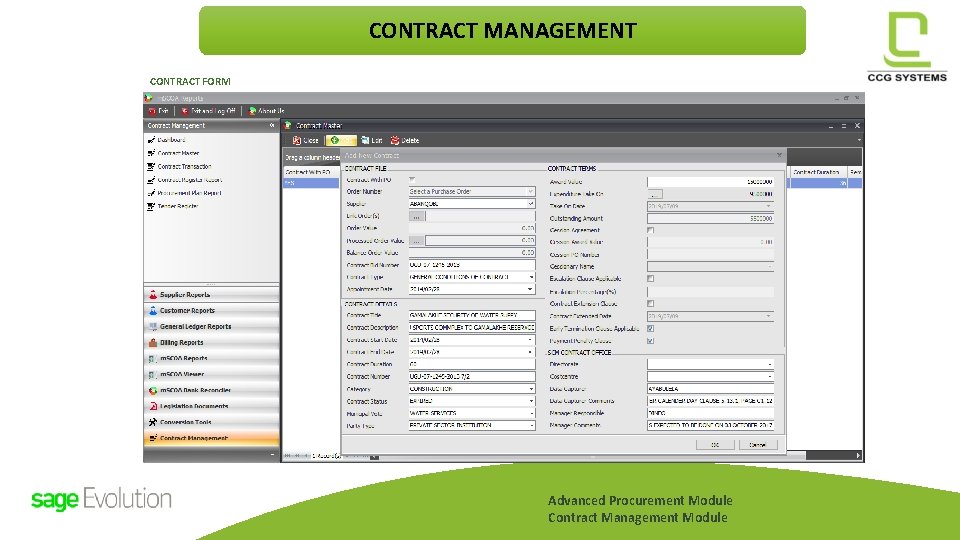
CONTRACT MANAGEMENT CONTRACT FORM Advanced Procurement Module Contract Management Module
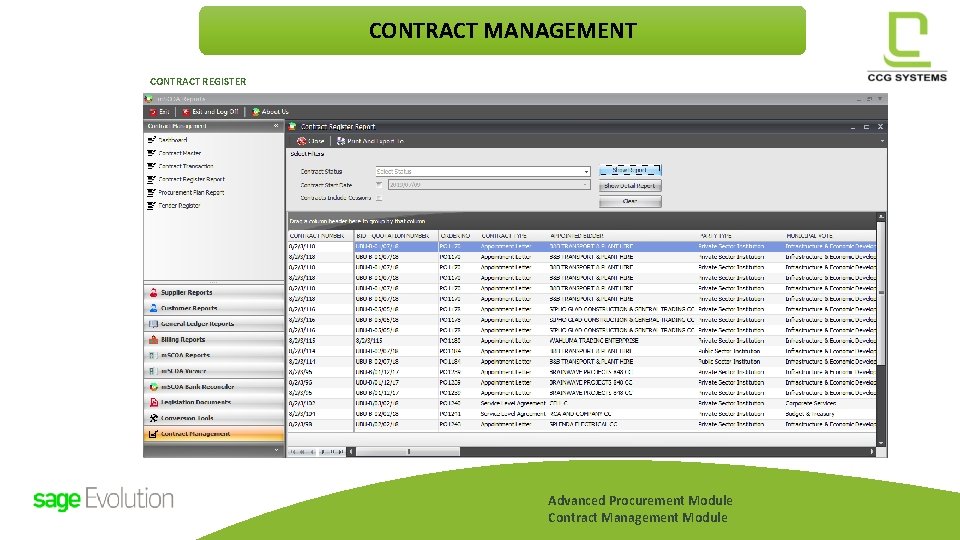
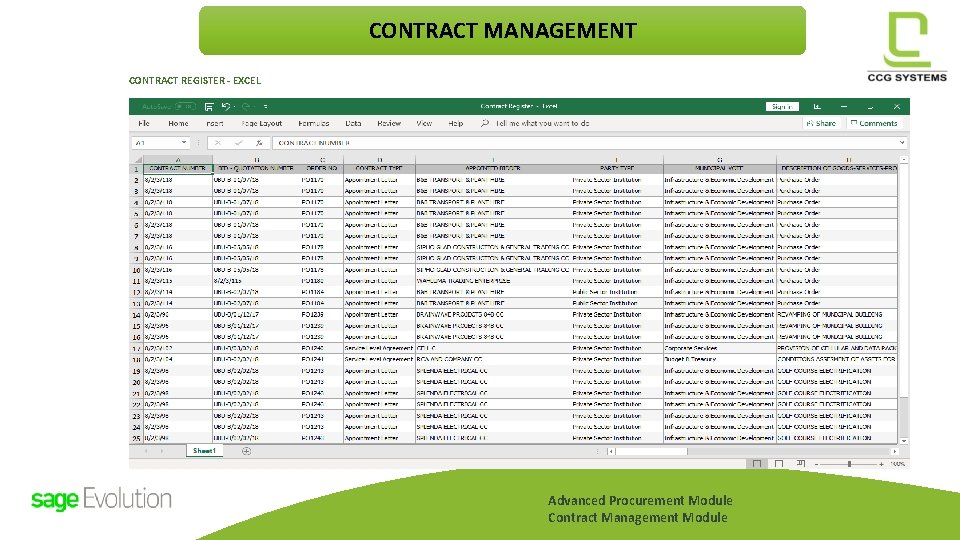
CONTRACT MANAGEMENT CONTRACT REGISTER Advanced Procurement Module Contract Management Module
CONTRACT MANAGEMENT CONTRACT REGISTER - EXCEL Advanced Procurement Module Contract Management Module
CONTACT MANAGEMENT
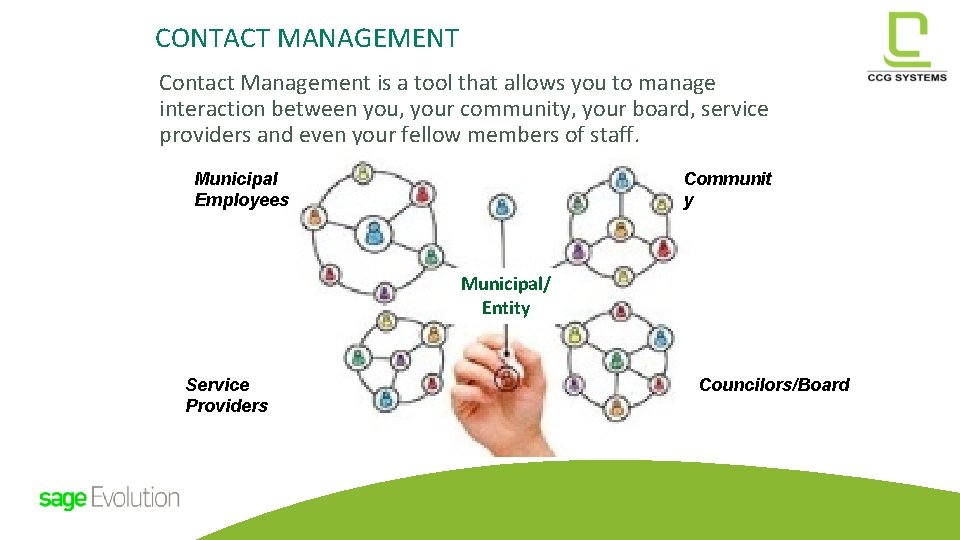
CONTACT MANAGEMENT Contact Management is a tool that allows you to manage interaction between you, your community, your board, service providers and even your fellow members of staff. Municipal Employees Communit y Municipal/ Entity Service Providers Councilors/Board
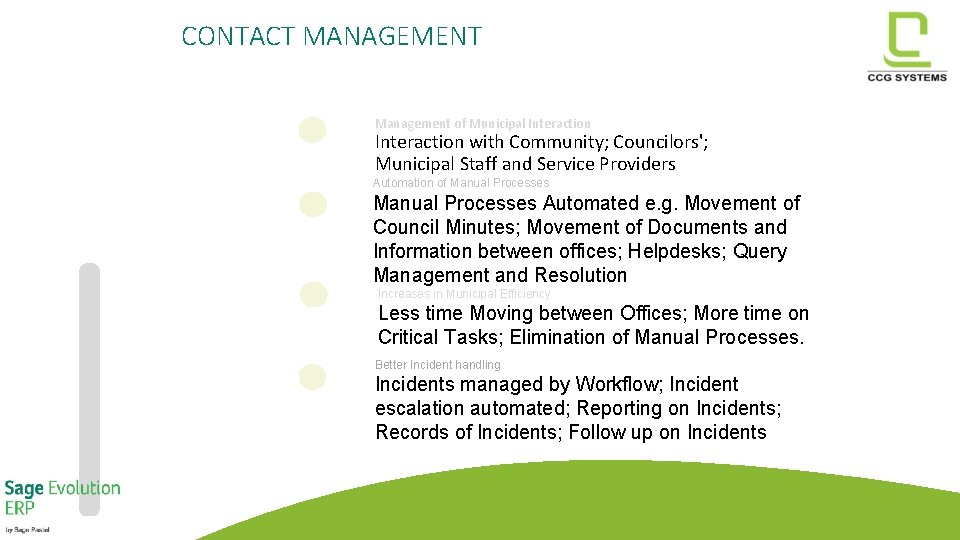
CONTACT MANAGEMENT Management of Municipal Interaction with Community; Councilors'; Municipal Staff and Service Providers Automation of Manual Processes Speed Cost Manual Processes Automated e. g. Movement of Council Minutes; Movement of Documents and Information between offices; Helpdesks; Query Management and Resolution Increases in Municipal Efficiency Growth Less time Moving between Offices; More time on Critical Tasks; Elimination of Manual Processes. Better Incident handling Skill Incidents managed by Workflow; Incident escalation automated; Reporting on Incidents; Records of Incidents; Follow up on Incidents
CSD INTEGRATION
Sage. CSD Overview Sage. CSD is an integrated solution, enabling the management of CSD compliance, for state owned entities using Evolution. Sage. CSD is integrated with National Treasury’s Central Supplier Database(CSD) Daily updates are provided from National Treasury CSD to Sage. CSD. to keep Sage. CSD data current.
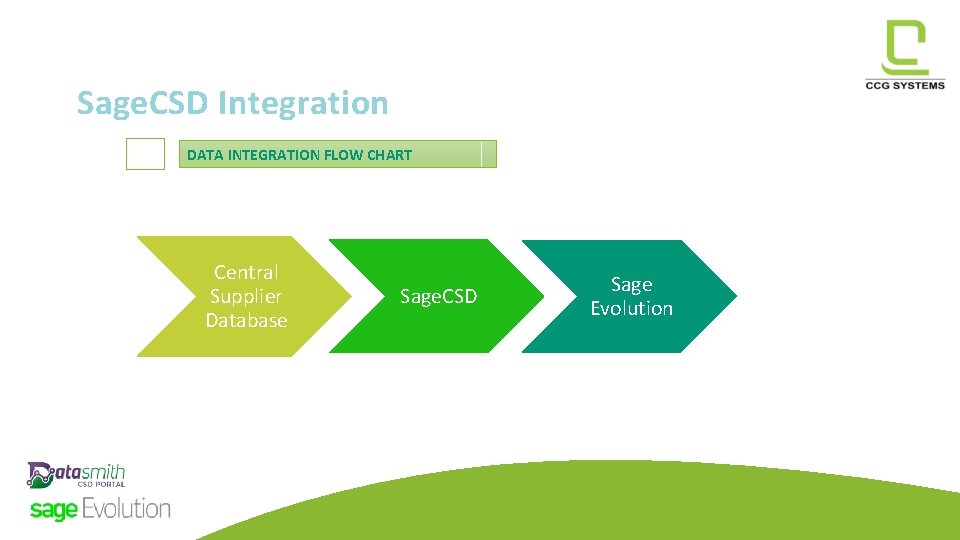
Sage. CSD Integration DATA INTEGRATION FLOW CHART Central Supplier Database Sage. CSD Sage Evolution
Sage. CSD Integration How Does Sage CSD Work Sage. CSD is a search portal for registered users to find suppliers. Once a supplier has been identified by a user on Sage. CSD it is can then pushed down to Evolution as a prospective supplier in Advanced Procurement. The prospective supplier then needs to be approved in Evolution to become a supplier. Speed Cost Sage CSD Implementation Once Sage. CSD has been implemented at a state-owned entity it becomes the source of new suppliers and updates existing suppliers in Evolution. At this point all suppliers without an MAAA number must be put on hold in Evolution. Security must be applied in Evolution to prevent new suppliers being added in Evolution. Real Time Data Integration Growth Skill Sage. CSD automatically synchronises daily to Evolution with changes to supplier information from CSD. Compliance checks are completed in Sage. CSD and the results pushed down to Evolution. At this point security, must be implemented in Evolution preventing adding or editing suppliers and their on-hold status in Evolution. Supplier Take on Instant Update Sage. CSD also provides for an existing supplier take on, from Evolution to Sage. CSD. The MAAA number is required in Evolution per supplier for the take on process
Sage. CSD Portal Login Screen
Sage. CSD Portal Supplier Search and Synced Suppliers
Sage. CSD Portal Add Suppliers - Roll down to Evolution
Sage. CSD Portal Sage Evolution – Prospective Supplier
THANK YOU. QUESTIONS & DISCUSSION ? ? Contact : Zeus Maboho Designation : Regional Manager Email : Zeus. maboho@ccgsystems. co. za Tel : 011 805 1027