
Causes of World War I 1 Nationalism Created




- Slides: 53
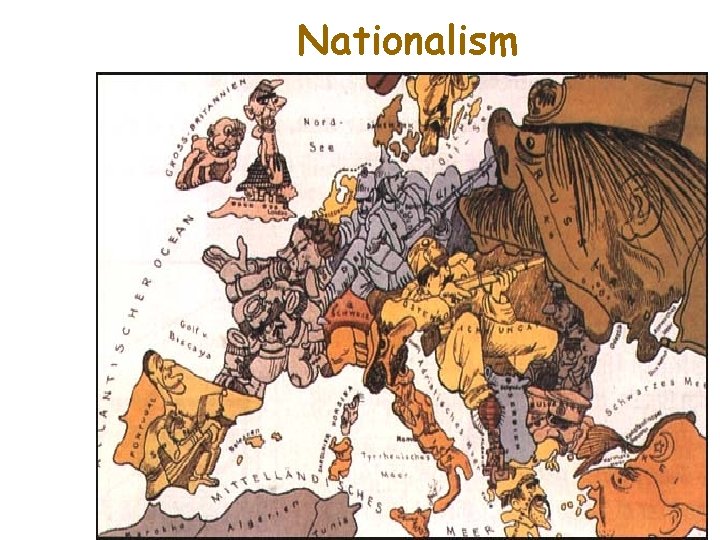
Causes of World War I • 1. Nationalism: • Created competitive rivalries • Ethnic groups wanted independence (for example, Serbia wanted independence from Austria-Hungary)
Nationalism
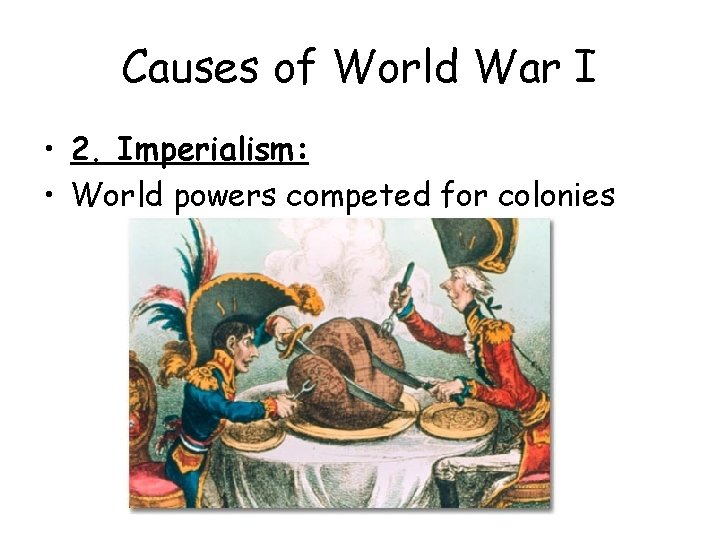
Causes of World War I • 2. Imperialism: • World powers competed for colonies
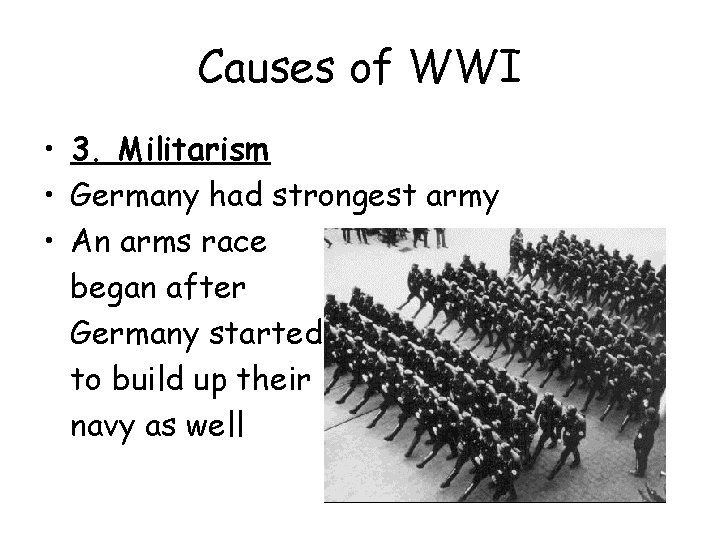
Causes of WWI • 3. Militarism • Germany had strongest army • An arms race began after Germany started to build up their navy as well
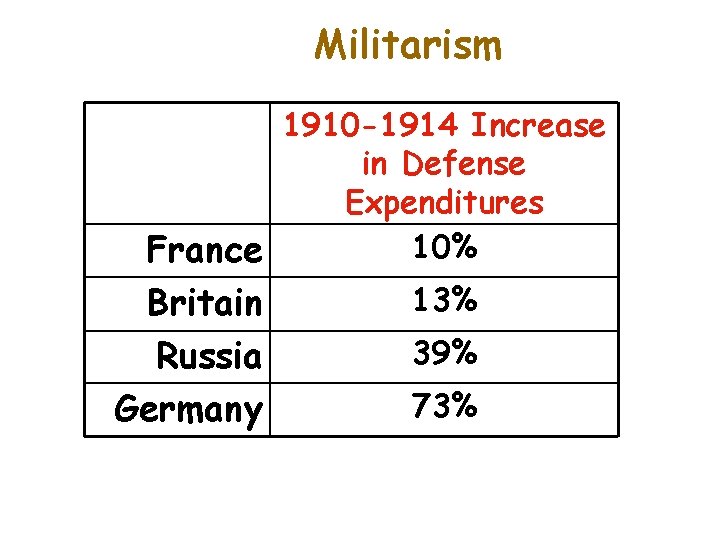
Militarism 1910 -1914 Increase in Defense Expenditures 10% France Britain Russia Germany 13% 39% 73%
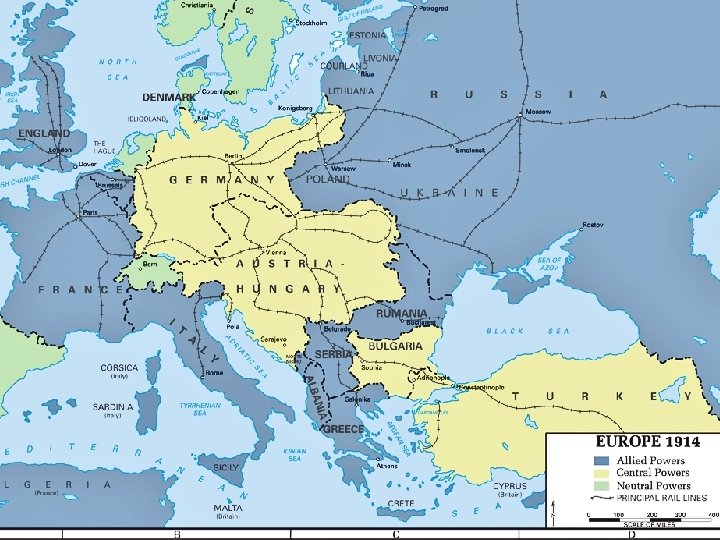
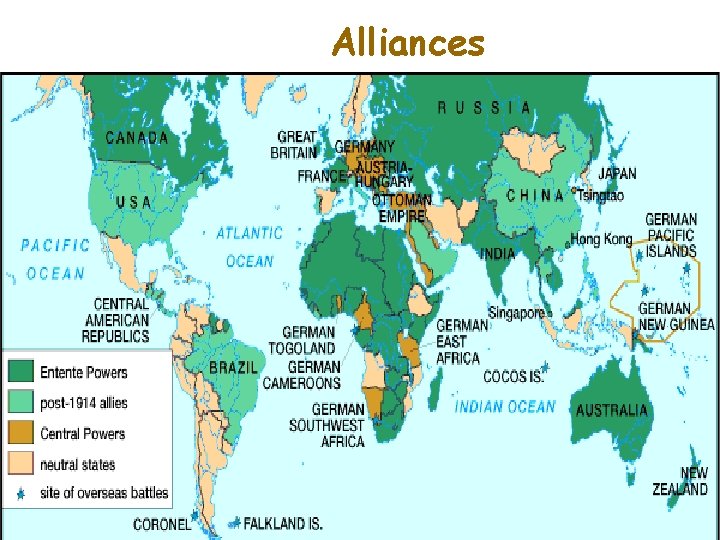
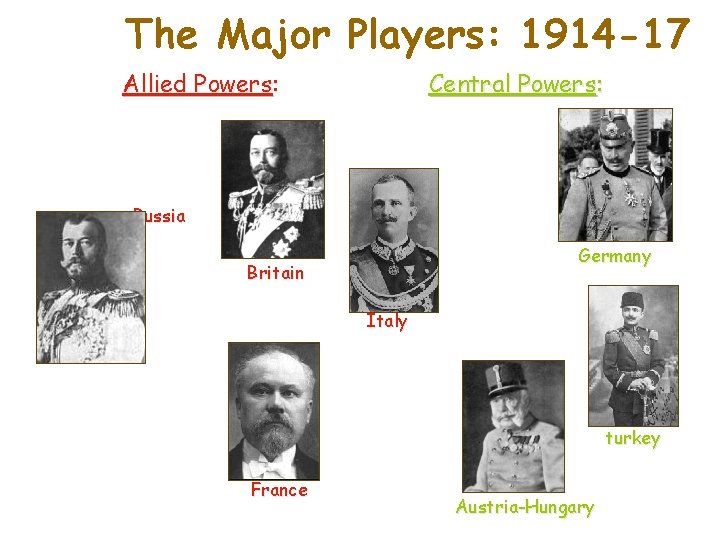
Causes of World War I • 4. Alliance System • Triple Entente (Allies) vs. Triple Alliance (Central Powers) • One country declaring war sets off a chain of events, getting everyone involved
Alliances
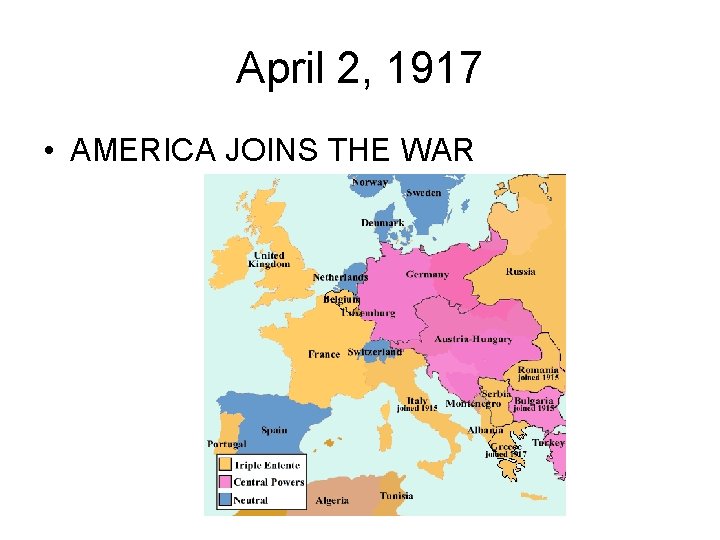
The Major Players: 1914 -17 Allied Powers: Central Powers: Russia Germany Britain Italy turkey France Austria-Hungary
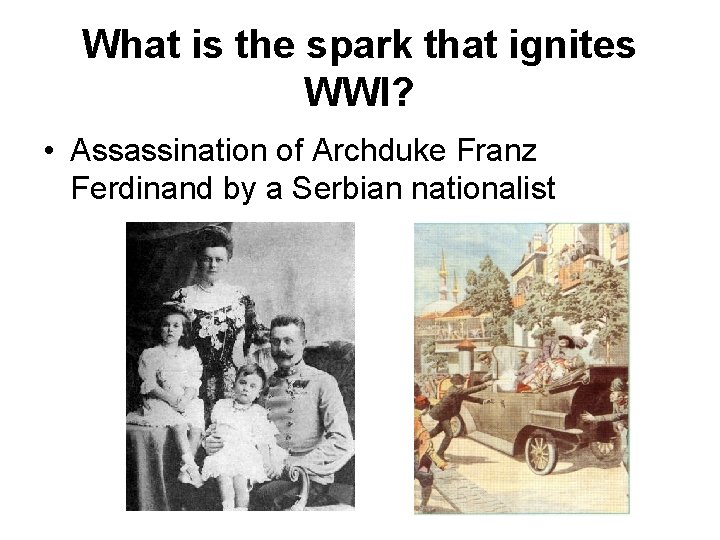
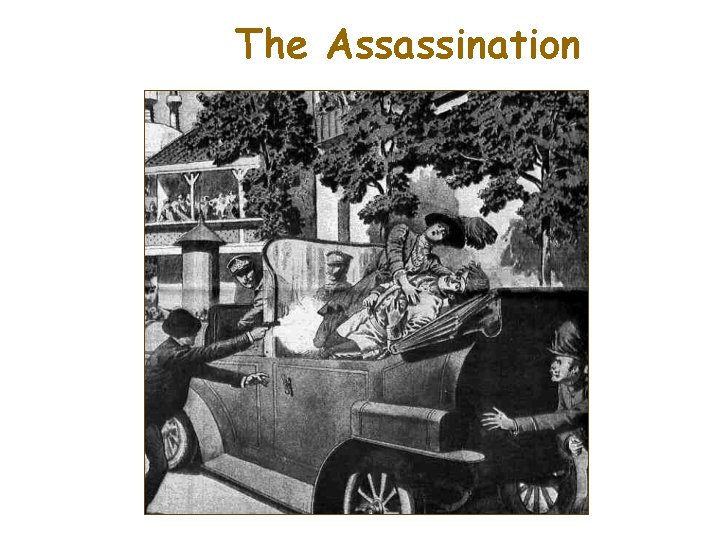
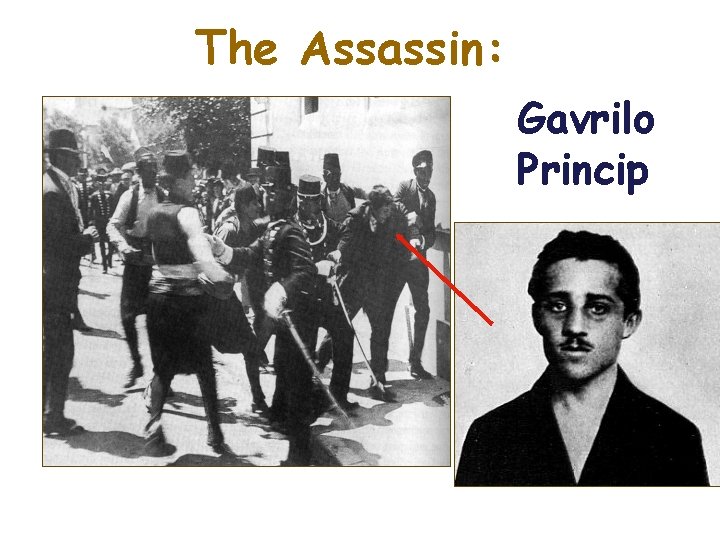
What is the spark that ignites WWI? • Assassination of Archduke Franz Ferdinand by a Serbian nationalist
The Assassination
The Assassin: Gavrilo Princip
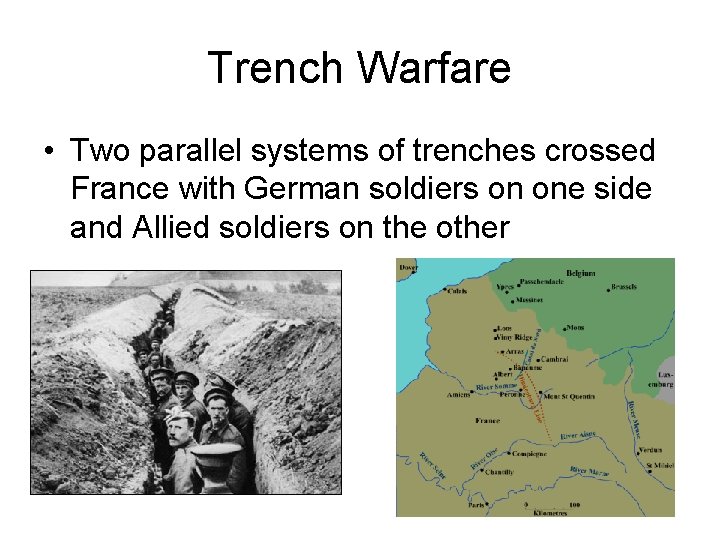
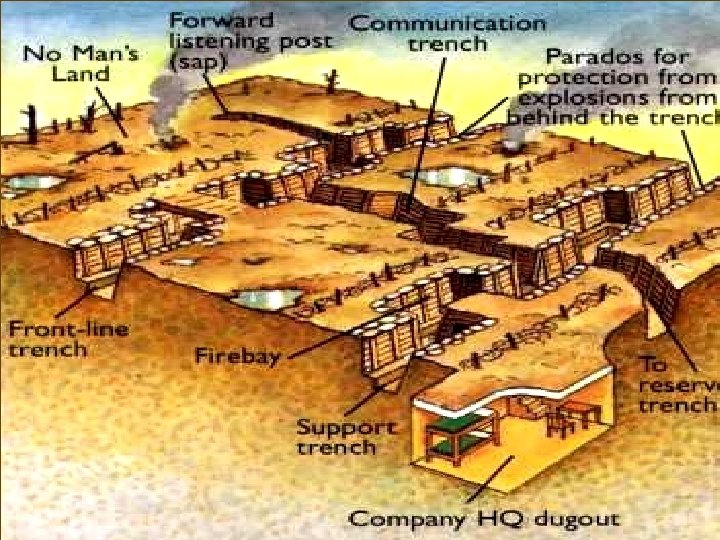
Trench Warfare • Two parallel systems of trenches crossed France with German soldiers on one side and Allied soldiers on the other
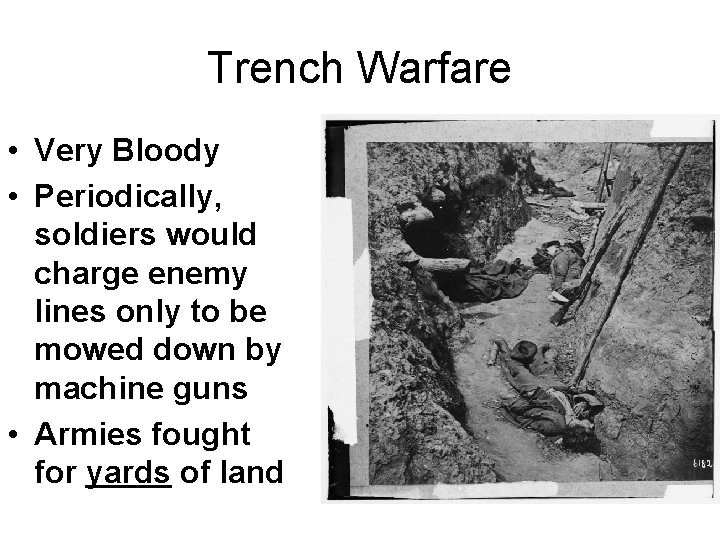
Trench Warfare • Very Bloody • Periodically, soldiers would charge enemy lines only to be mowed down by machine guns • Armies fought for yards of land
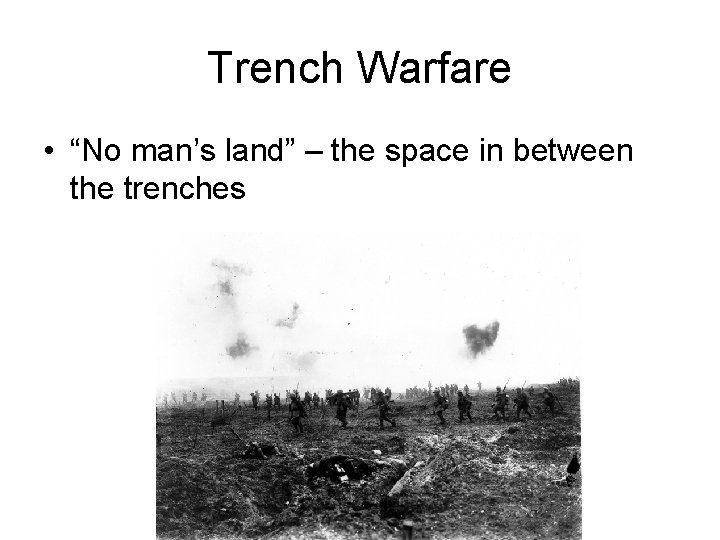
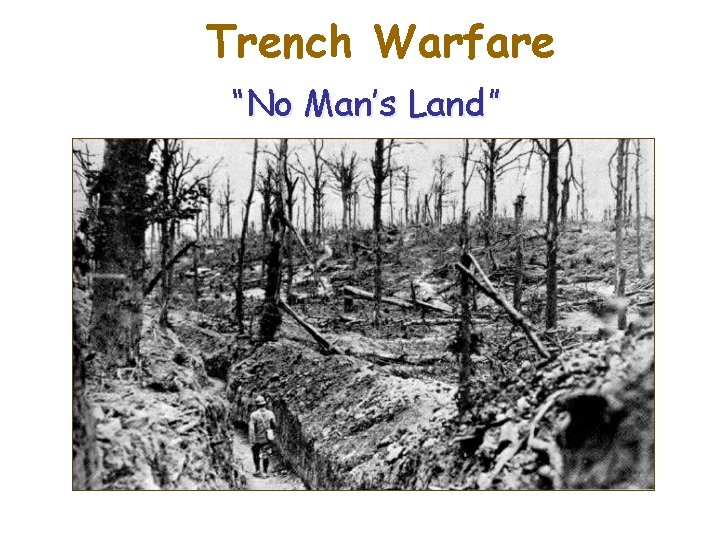
Trench Warfare • “No man’s land” – the space in between the trenches
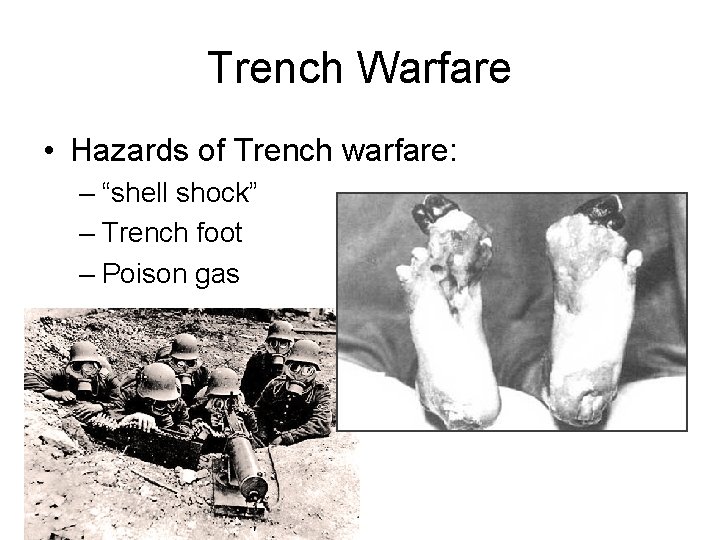
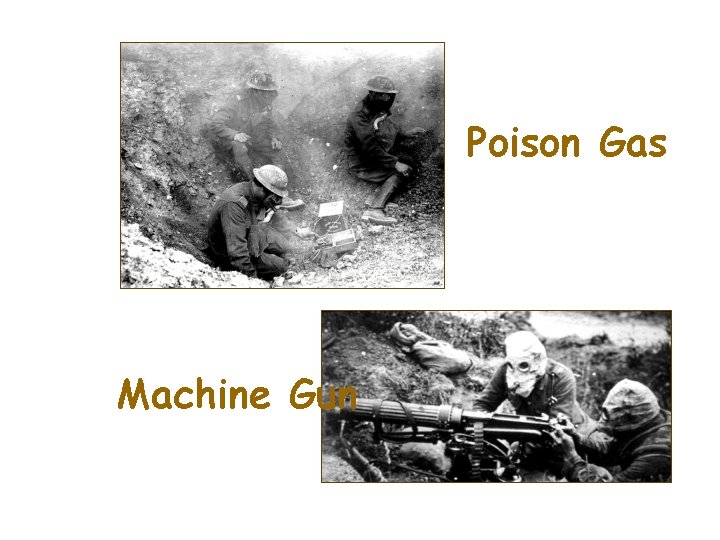
Trench Warfare • Hazards of Trench warfare: – “shell shock” – Trench foot – Poison gas
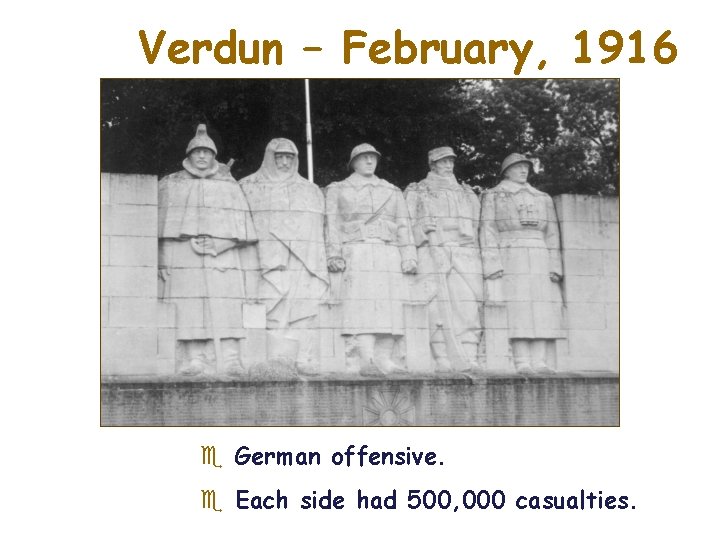
Verdun – February, 1916 e German offensive. e Each side had 500, 000 casualties.
Trench Warfare “No Man’s Land”
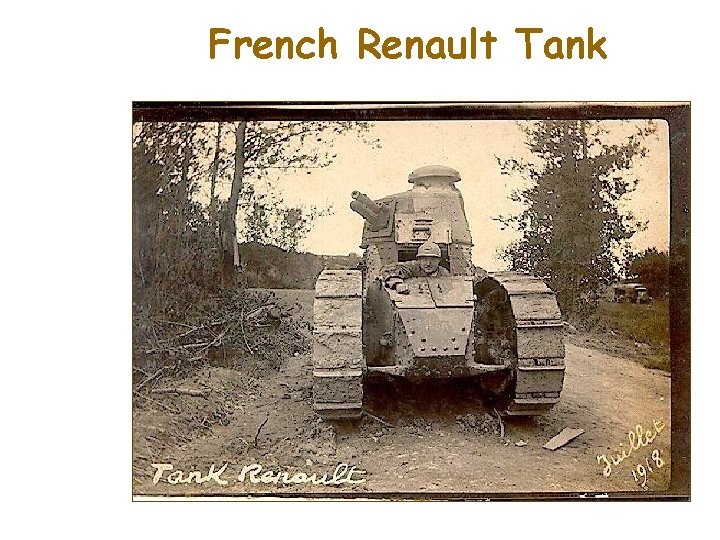
French Renault Tank
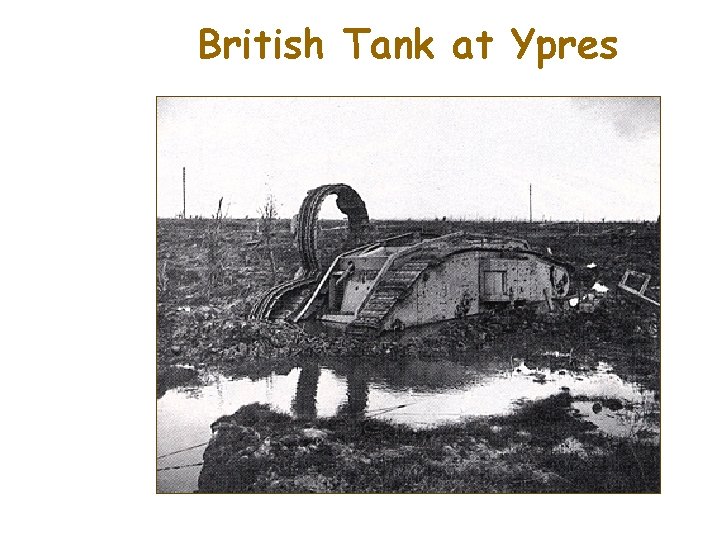
British Tank at Ypres
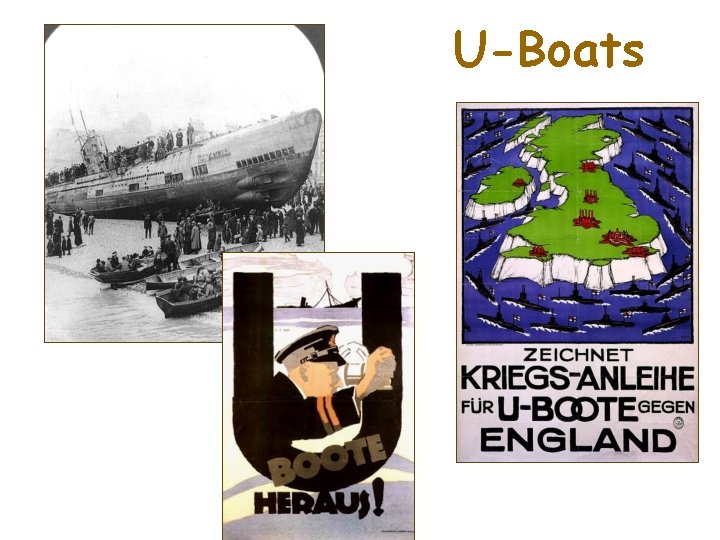
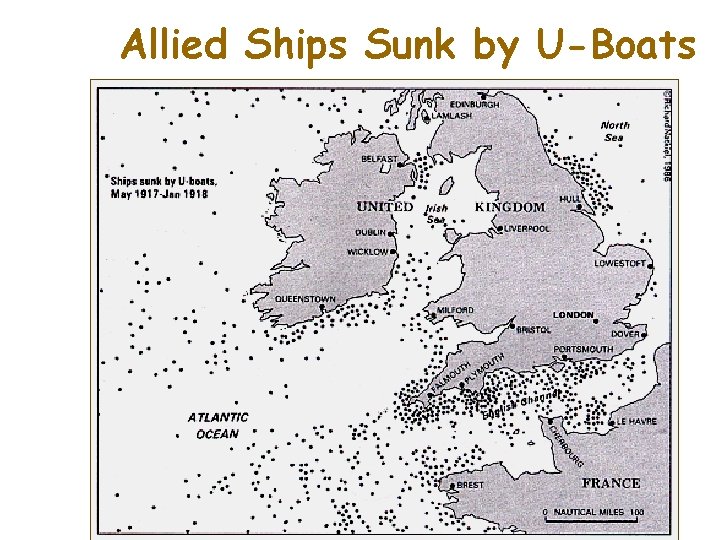
U-Boats
Allied Ships Sunk by U-Boats
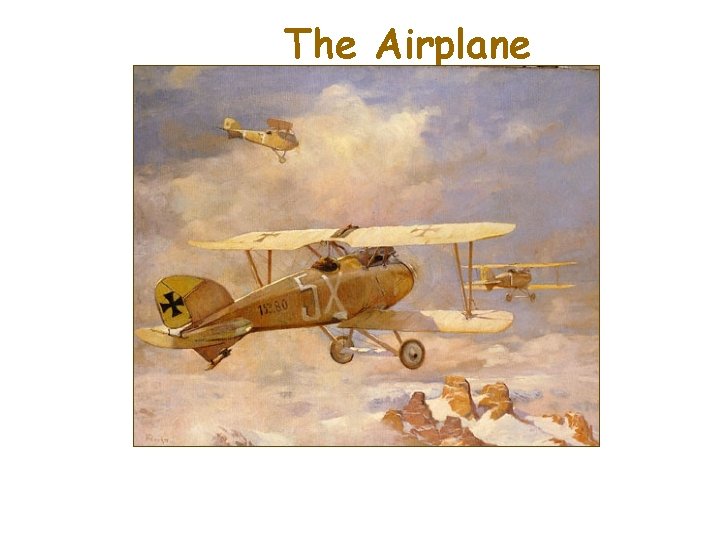
The Airplane
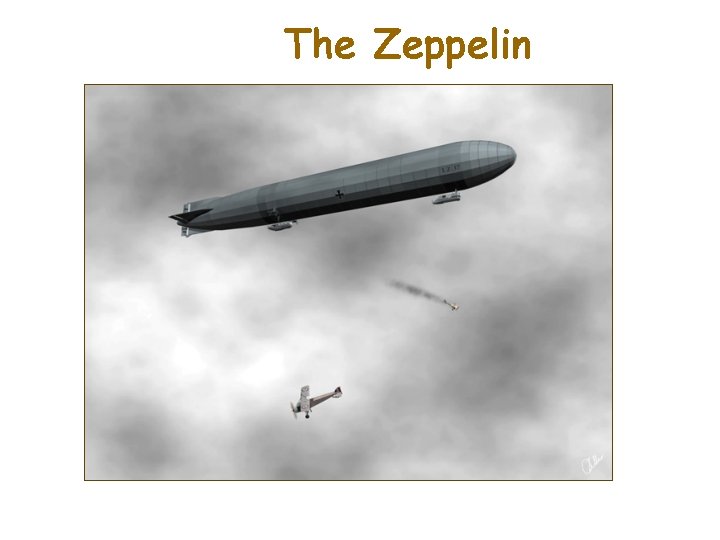
The Zeppelin
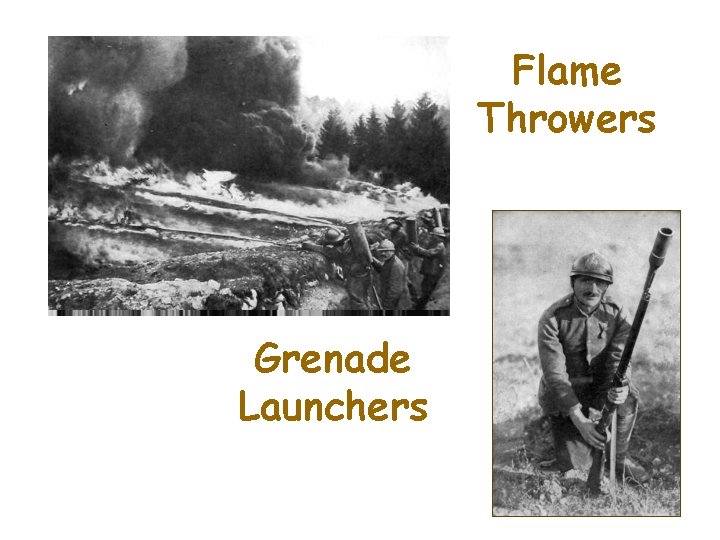
Flame Throwers Grenade Launchers
Poison Gas Machine Gun
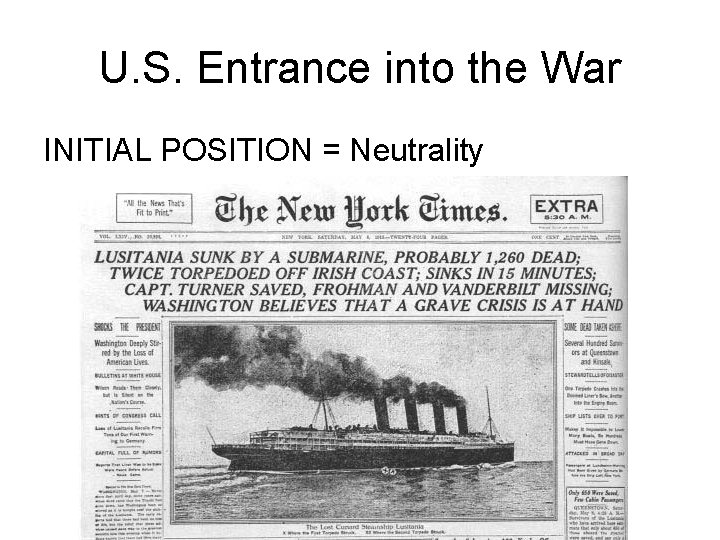
U. S. Entrance into the War INITIAL POSITION = Neutrality
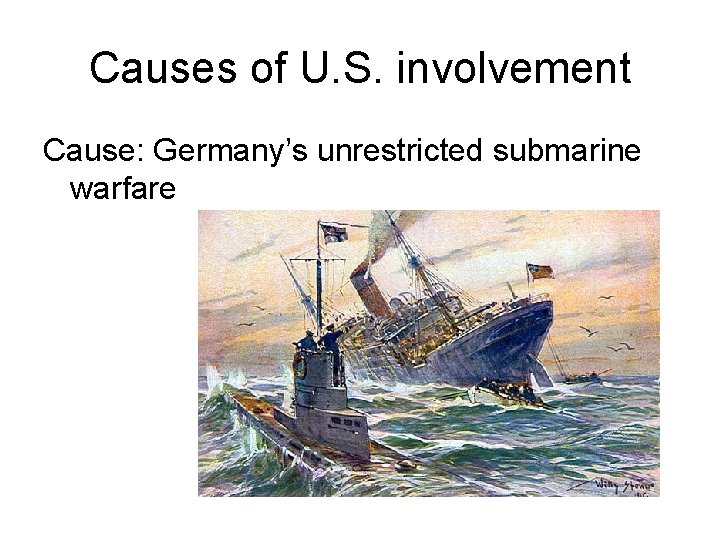
Causes of U. S. involvement Cause: Germany’s unrestricted submarine warfare
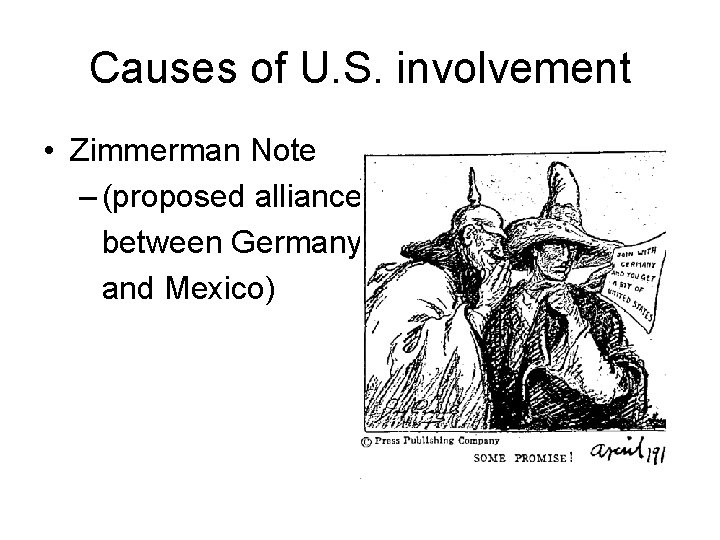
Causes of U. S. involvement • Zimmerman Note – (proposed alliance between Germany and Mexico)
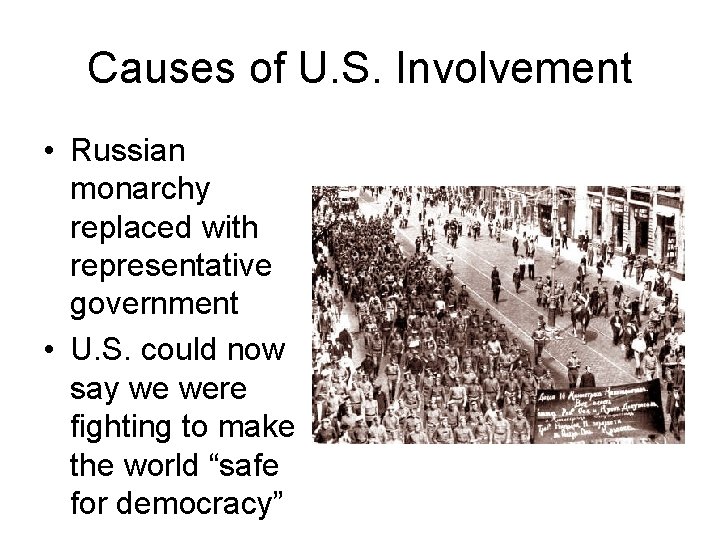
Causes of U. S. Involvement • Russian monarchy replaced with representative government • U. S. could now say we were fighting to make the world “safe for democracy”
April 2, 1917 • AMERICA JOINS THE WAR
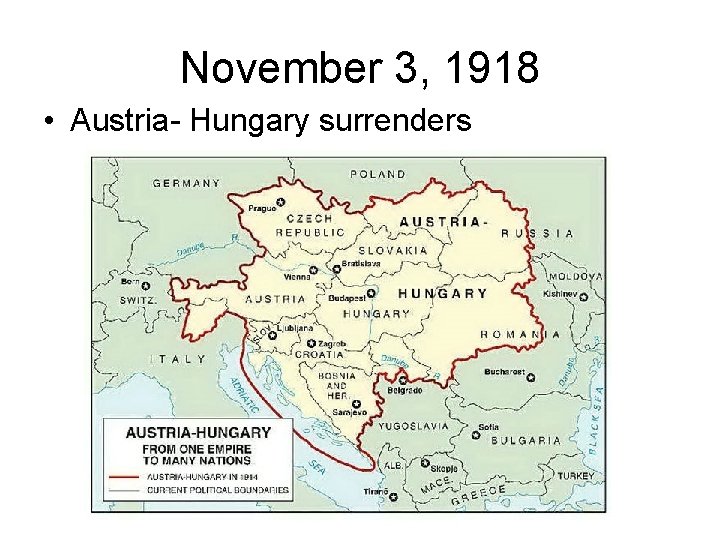
November 3, 1918 • Austria- Hungary surrenders
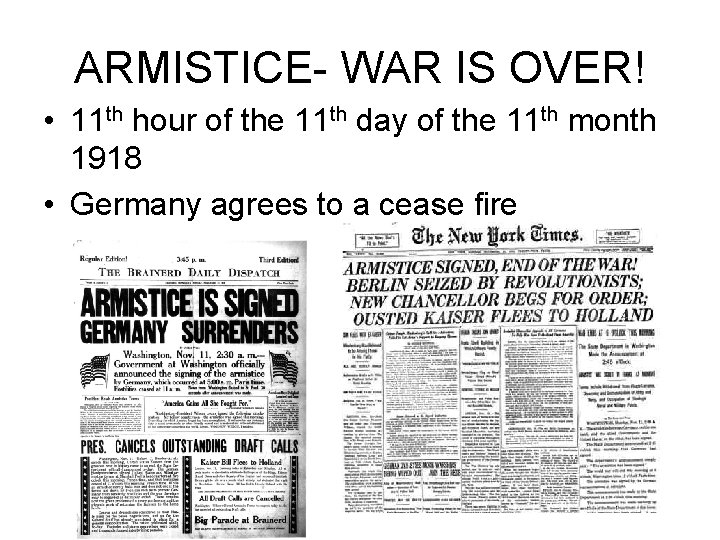
ARMISTICE- WAR IS OVER! • 11 th hour of the 11 th day of the 11 th month 1918 • Germany agrees to a cease fire
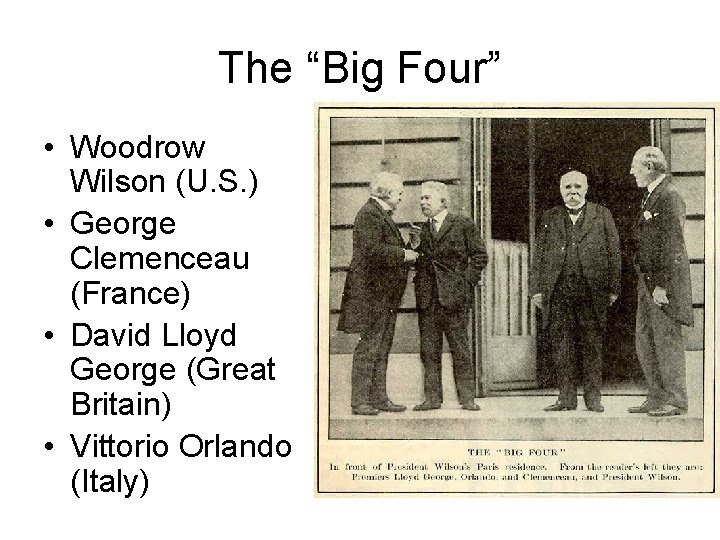
The “Big Four” • Woodrow Wilson (U. S. ) • George Clemenceau (France) • David Lloyd George (Great Britain) • Vittorio Orlando (Italy)
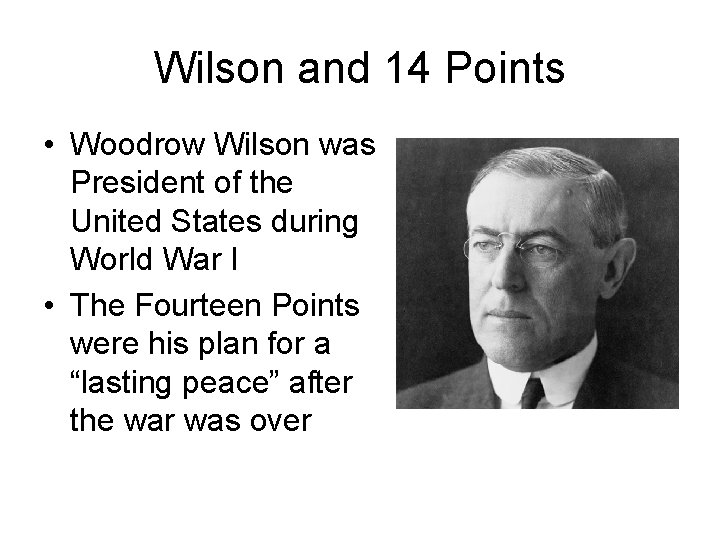
Wilson and 14 Points • Woodrow Wilson was President of the United States during World War I • The Fourteen Points were his plan for a “lasting peace” after the war was over
Wilson’s 14 Points 1. 2. 3. 4. 5. No secret treaties Freedom of the seas Foster free trade Arms should be reduced Colonial policies should consider the colonized people 6 -13. Boundary changes 14. League of Nations (to address diplomatic crises)
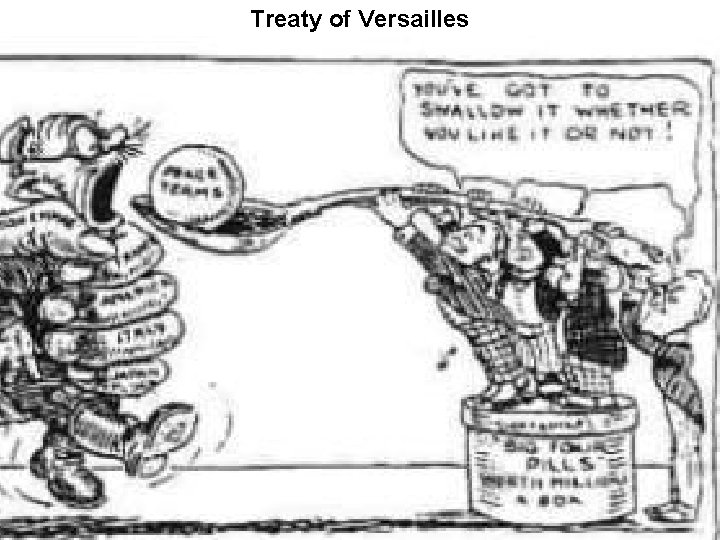
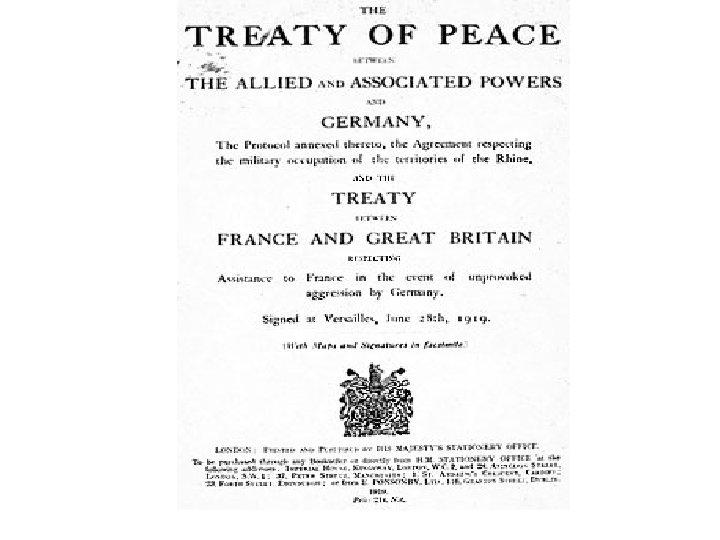
Treaty of Versailles
Treaty of Versailles • Specifications: – Created 9 new nations (Poland, Czechoslovakia, Yugoslavia) – Carved Ottoman empire into 5 temporary colonies of France and Great Britain – Barred Germany from maintaining an army – Required Germany to pay huge reparations
Flaws: • Humiliated Germany • Russia was excluded and becomes determined to regain former territories • Ignored claims of colonized people
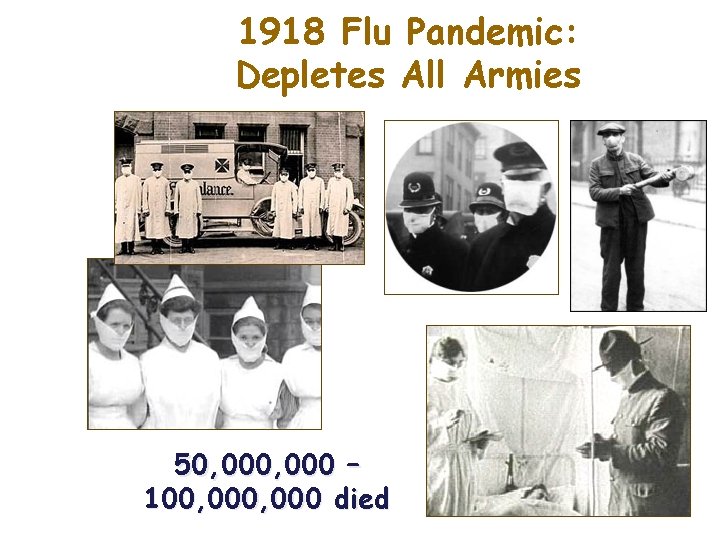
1918 Flu Pandemic: Depletes All Armies 50, 000 – 100, 000 died
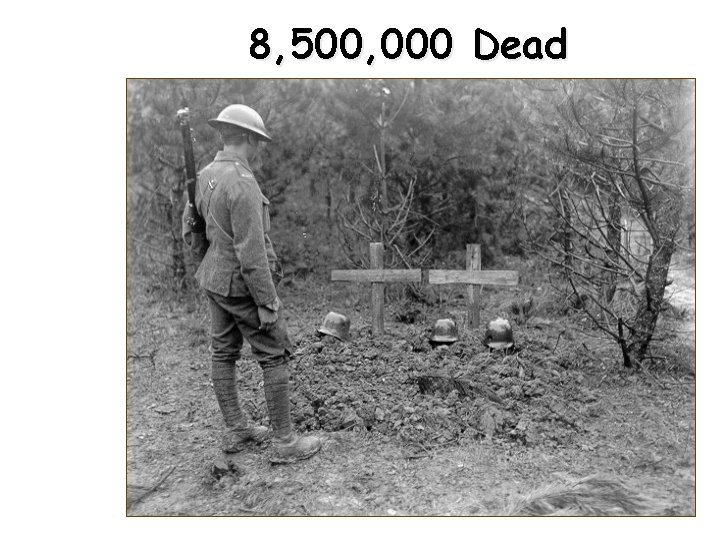
8, 500, 000 Dead
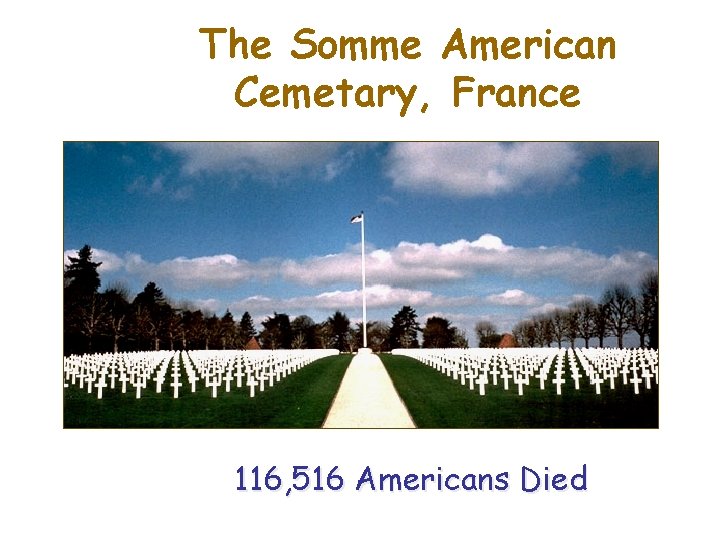
The Somme American Cemetary, France 116, 516 Americans Died
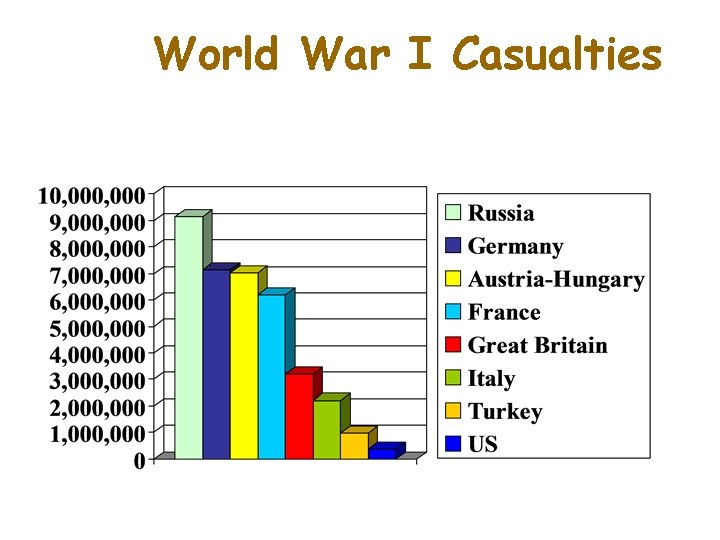
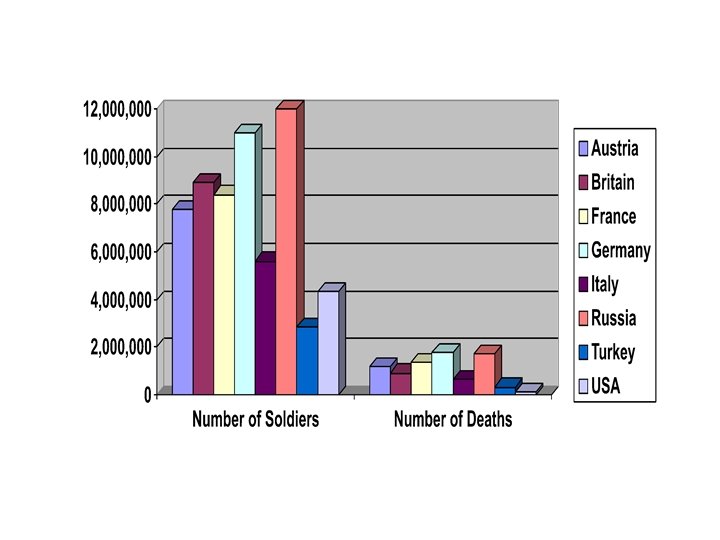
World War I Casualties