
Causes of tinnitus Pim van Dijk Groningen The
- Slides: 29
Causes of tinnitus Pim van Dijk, Groningen, The Netherlands
Acknowledgements Margriet van Gendt Kris Boyen Dave Langers Emile de Kleine Cris Lanting Elouise koops
l l l Heinsius Houbolt Foundation www. Huizinga. Stichting. nl www. Meisner. Fonds. nl Dorhout Mees Family Foundation Gratama Stichting
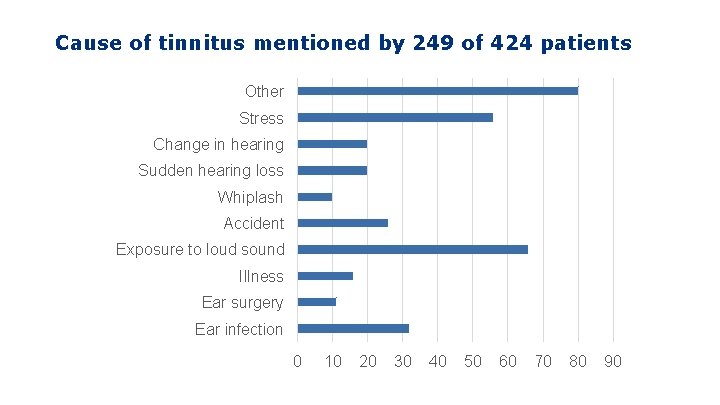
Cause of tinnitus mentioned by 249 of 424 patients Other Stress Change in hearing Sudden hearing loss Whiplash Accident Exposure to loud sound Illness Ear surgery Ear infection 0 10 20 30 40 50 60 70 80 90
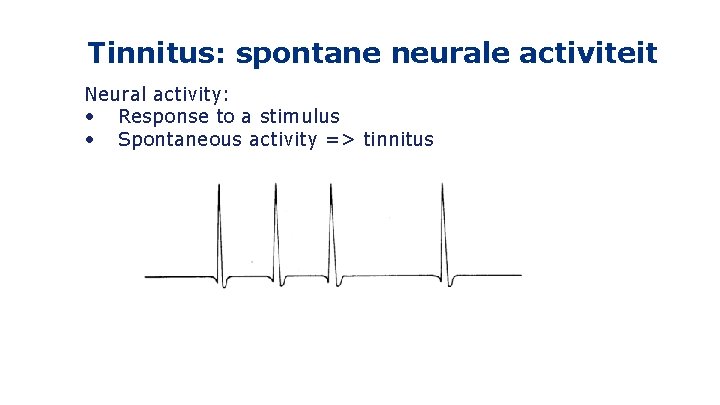
Tinnitus: spontane neurale activiteit Neural activity: • Response to a stimulus • Spontaneous activity => tinnitus Tijd
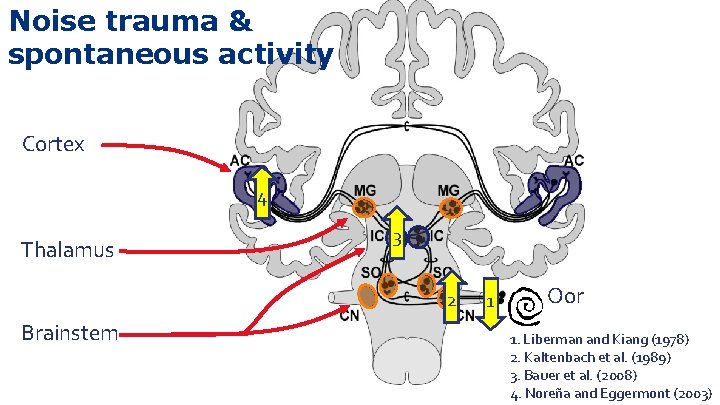
Noise trauma & spontaneous activity Cortex 4 Thalamus 3 2 Brainstem 1 Oor 1. Liberman and Kiang (1978) 2. Kaltenbach et al. (1989) 3. Bauer et al. (2008) 4. Noreña and Eggermont (2003)
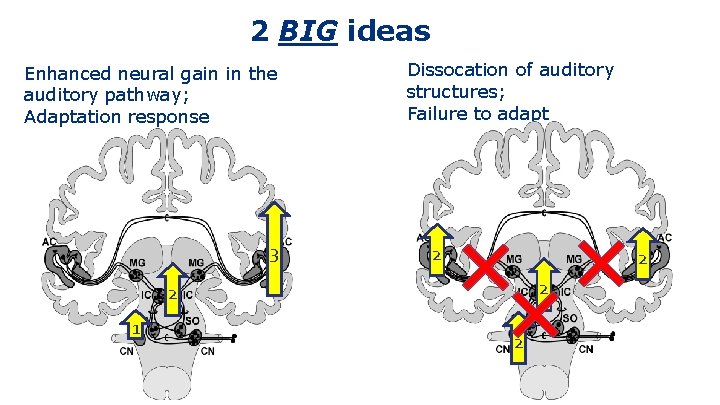
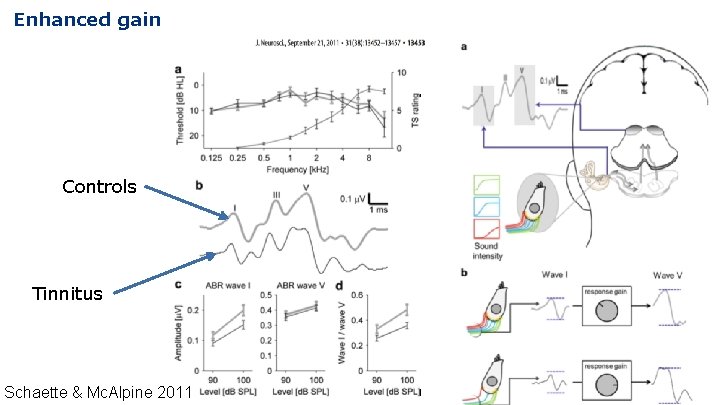
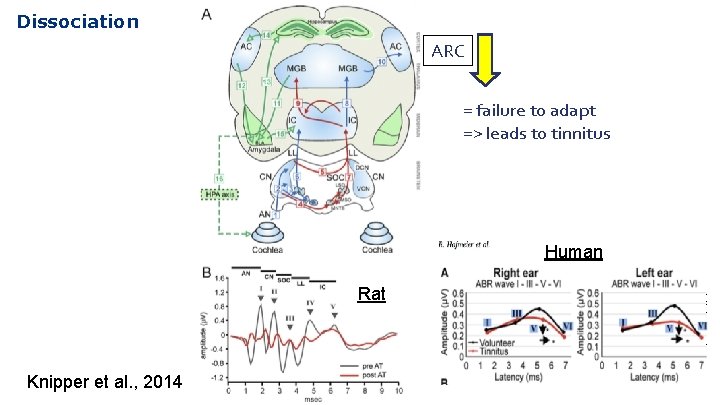
2 BIG ideas Enhanced neural gain in the auditory pathway; Adaptation response 3 Dissocation of auditory structures; Failure to adapt 2 2 1 2
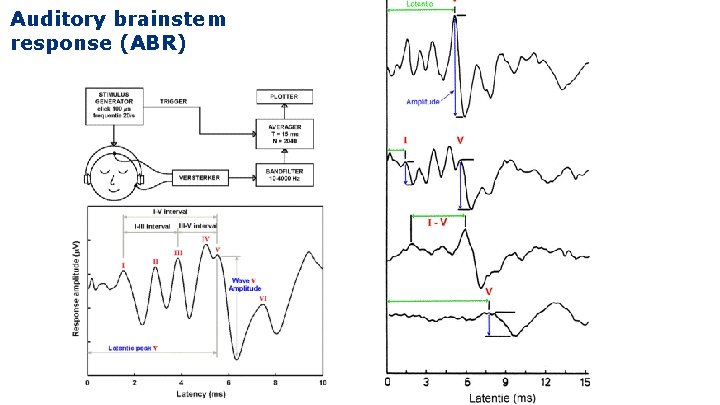
Auditory brainstem response (ABR)
Enhanced gain Controls Tinnitus Schaette & Mc. Alpine 2011
Dissociation ARC = failure to adapt => leads to tinnitus Human Rat Knipper et al. , 2014
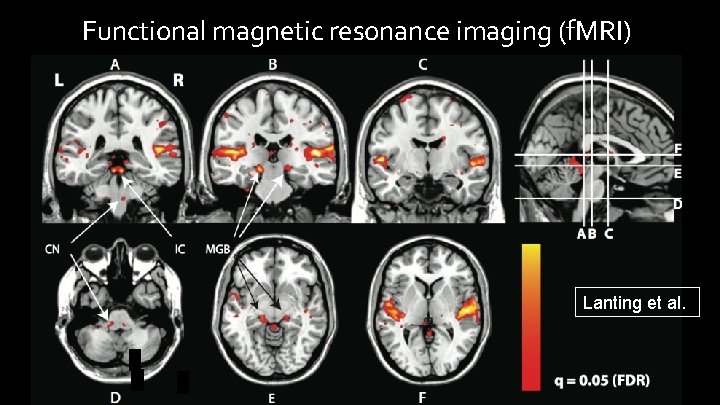
Functional magnetic resonance imaging (f. MRI) Lanting et al.
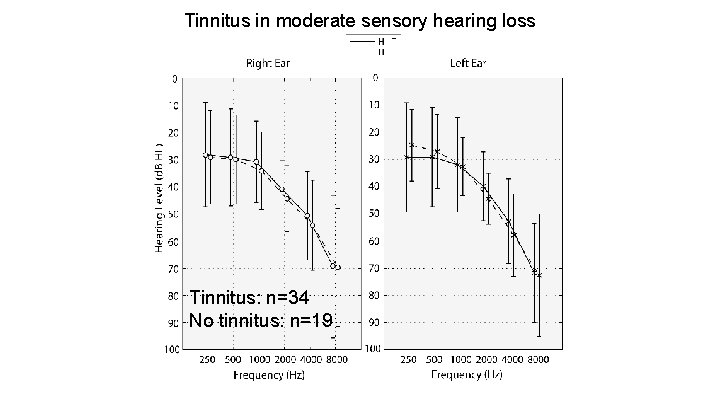
Tinnitus in moderate sensory hearing loss Tinnitus: n=34 No tinnitus: n=19
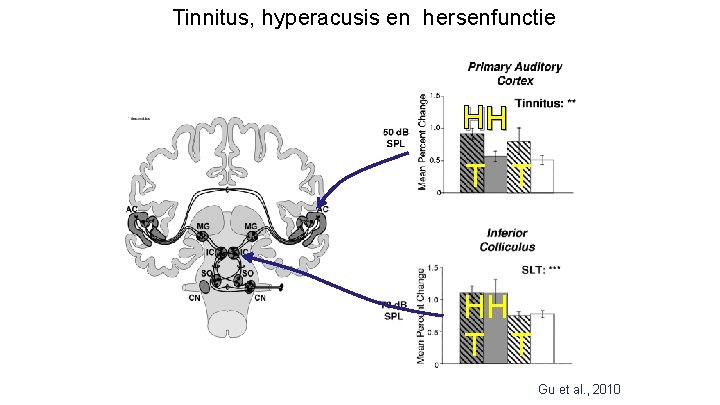
Tinnitus, hyperacusis en hersenfunctie HH T T Gu et al. , 2010
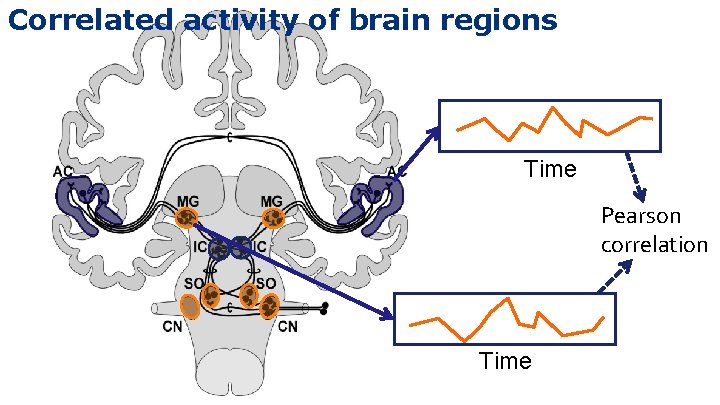
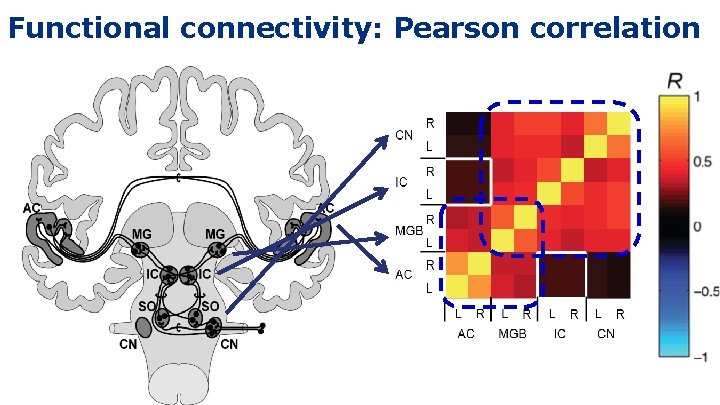
Correlated activity of brain regions Time Pearson correlation Time
Functional connectivity: Pearson correlation
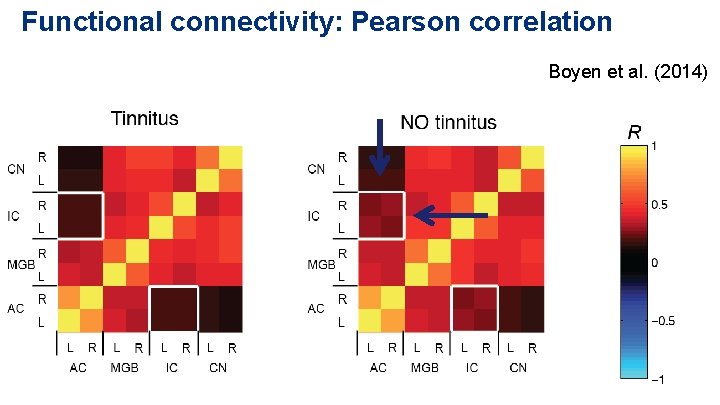
Functional connectivity: Pearson correlation Boyen et al. (2014)
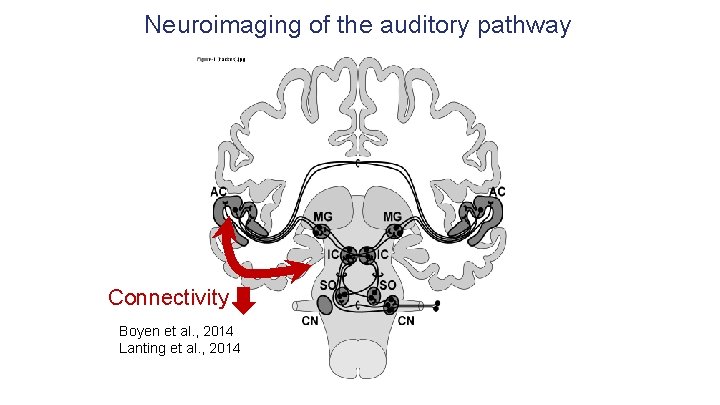
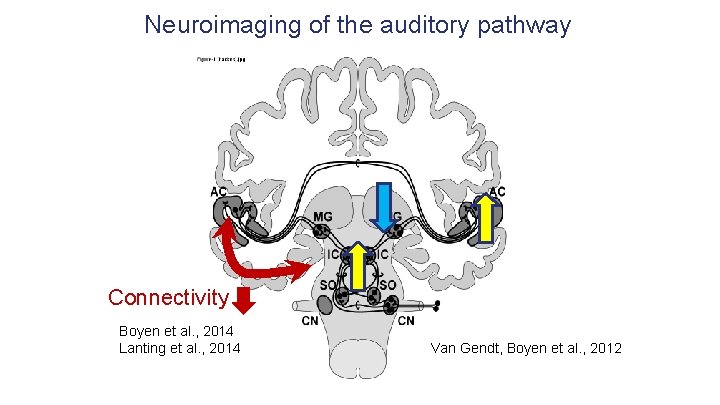
Neuroimaging of the auditory pathway Connectivity Boyen et al. , 2014 Lanting et al. , 2014
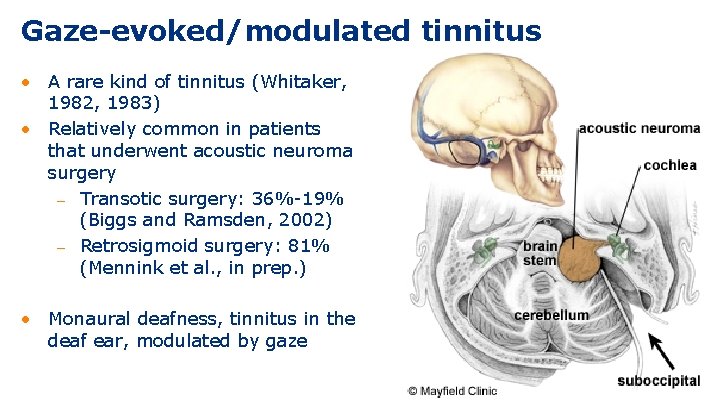
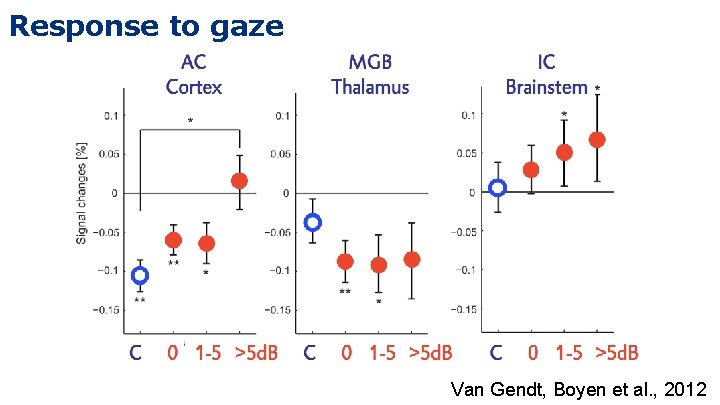
Gaze-evoked/modulated tinnitus • A rare kind of tinnitus (Whitaker, 1982, 1983) • Relatively common in patients that underwent acoustic neuroma surgery ─ Transotic surgery: 36%-19% (Biggs and Ramsden, 2002) ─ Retrosigmoid surgery: 81% (Mennink et al. , in prep. ) • Monaural deafness, tinnitus in the deaf ear, modulated by gaze
Response to gaze Van Gendt, Boyen et al. , 2012
Neuroimaging of the auditory pathway Connectivity Boyen et al. , 2014 Lanting et al. , 2014 Van Gendt, Boyen et al. , 2012
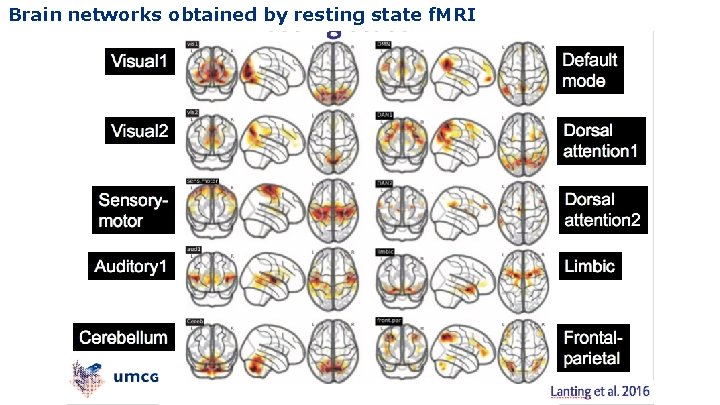
Brain networks obtained by resting state f. MRI
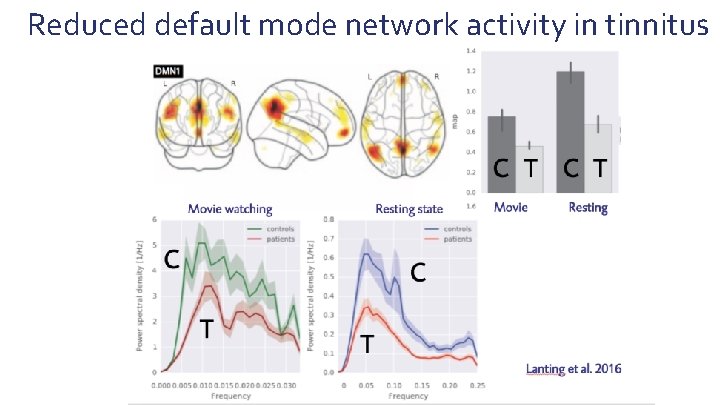
Reduced default mode network activity in tinnitus
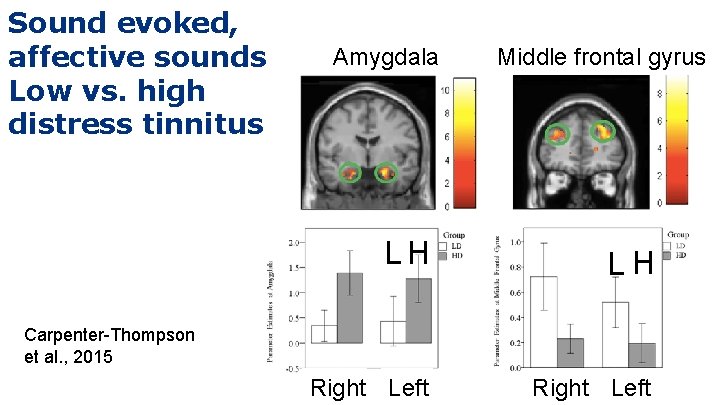
Sound evoked, affective sounds Low vs. high distress tinnitus Amygdala Middle frontal gyrus LH LH Right Left Carpenter-Thompson et al. , 2015
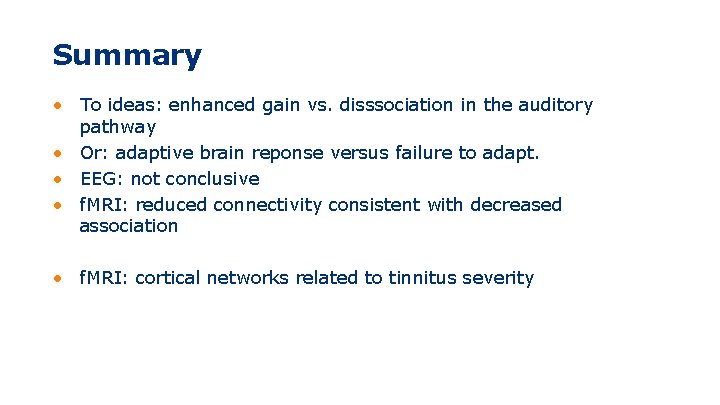
Summary • To ideas: enhanced gain vs. disssociation in the auditory pathway • Or: adaptive brain reponse versus failure to adapt. • EEG: not conclusive • f. MRI: reduced connectivity consistent with decreased association • f. MRI: cortical networks related to tinnitus severity
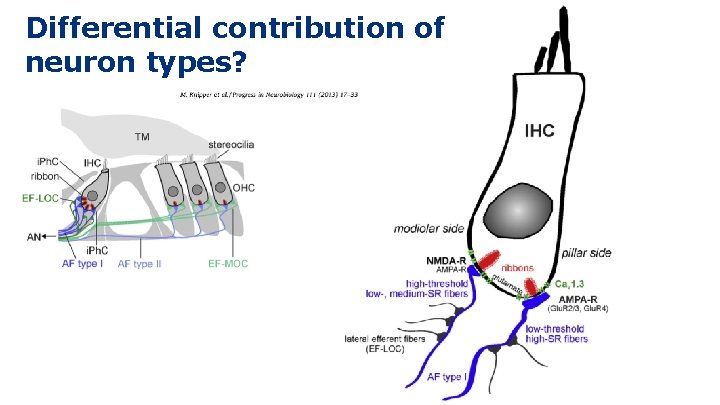
Differential contribution of neuron types?
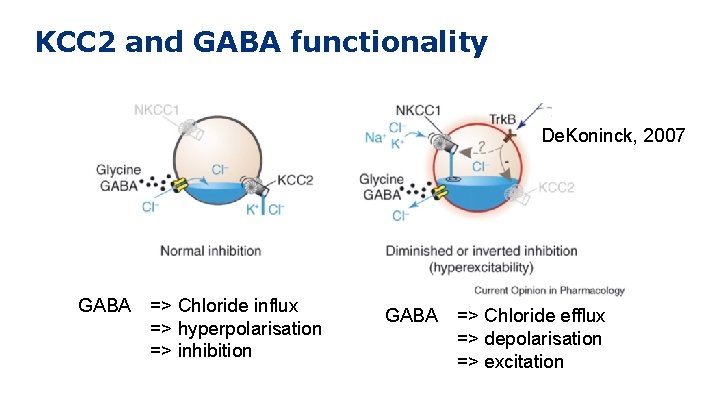
KCC 2 and GABA functionality De. Koninck, 2007 GABA => Chloride influx => hyperpolarisation => inhibition GABA => Chloride efflux => depolarisation => excitation
ARC in the auditory cortex