
Causes of and Predisposing Factors for Cerebral Venous

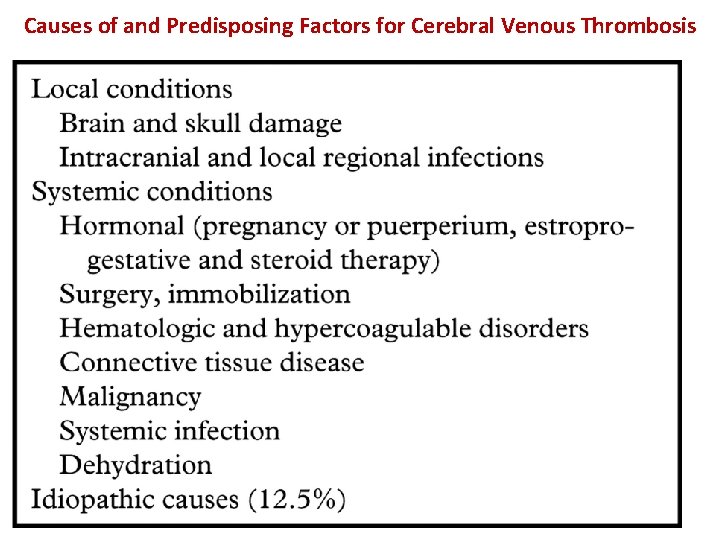
Causes of and Predisposing Factors for Cerebral Venous Thrombosis
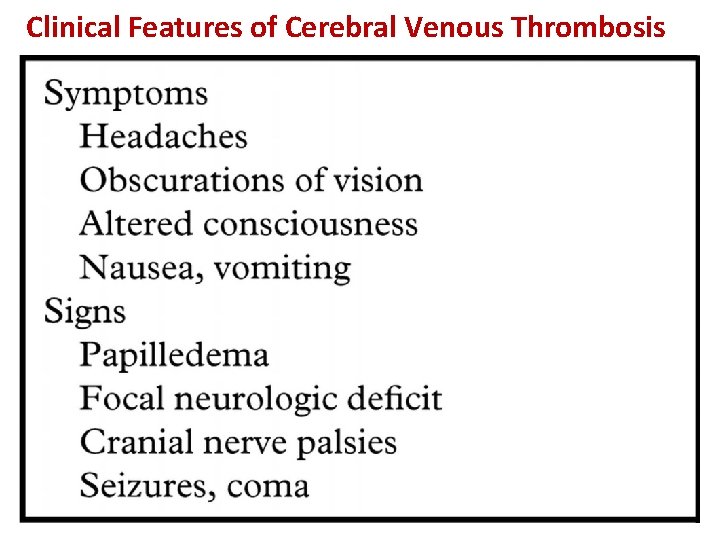
Clinical Features of Cerebral Venous Thrombosis
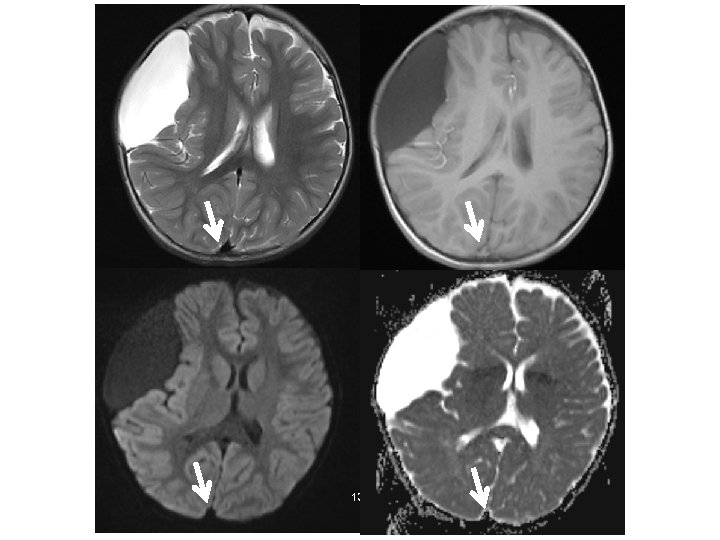
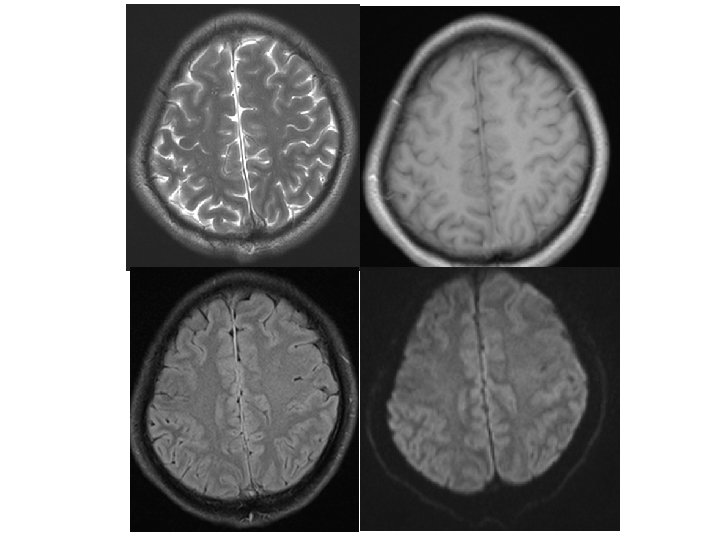
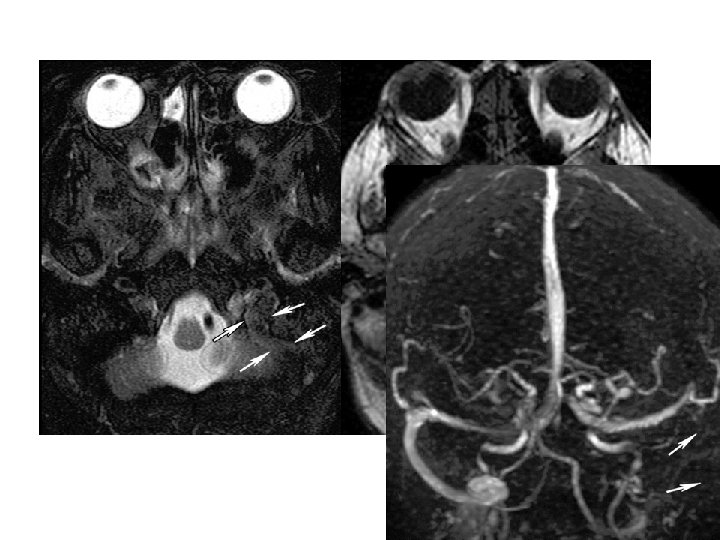
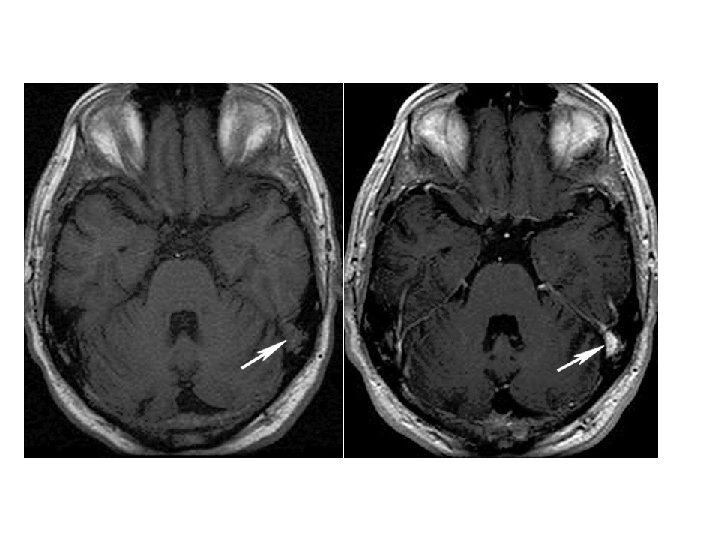
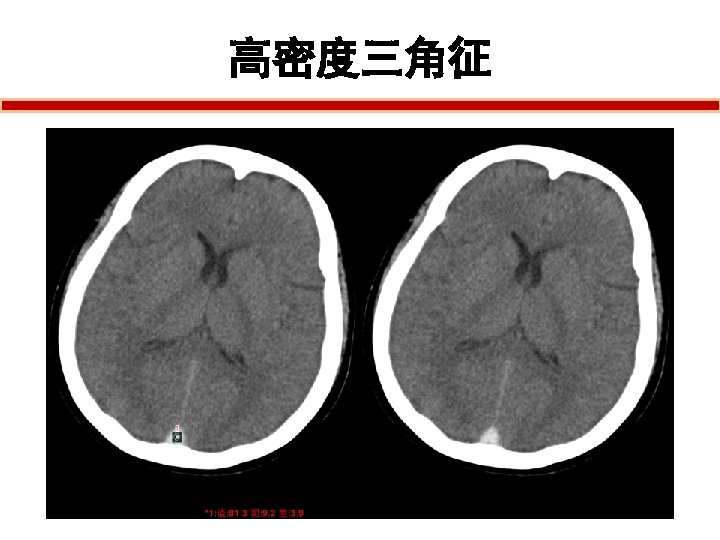
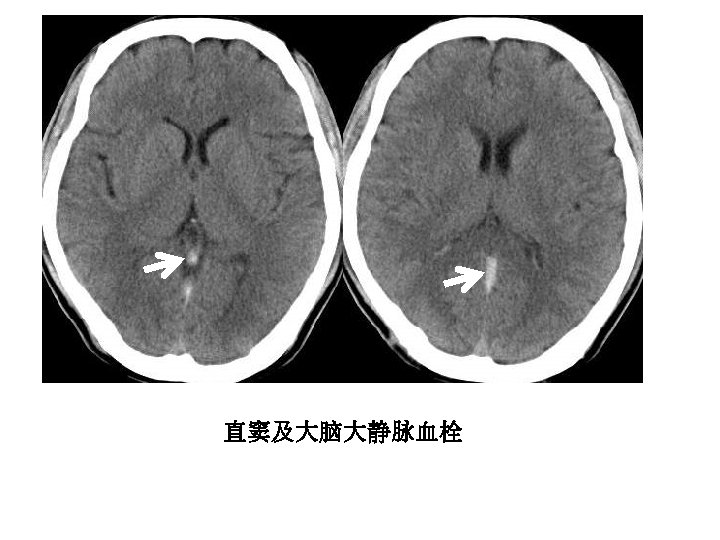
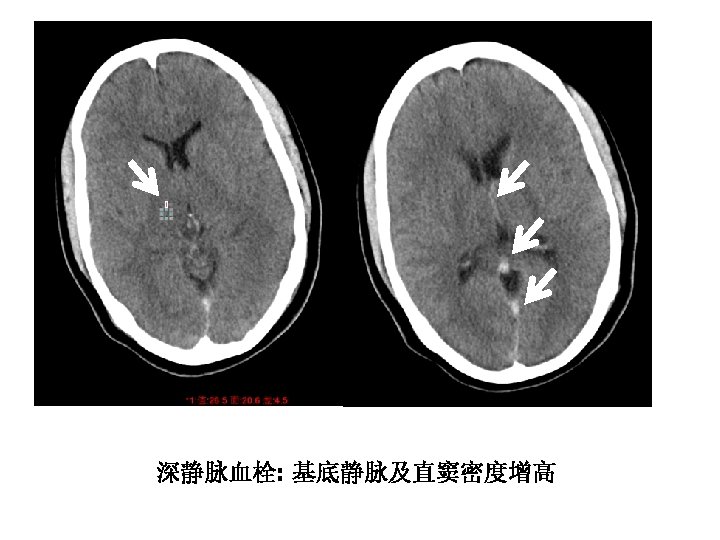
Acute stage (0– 5 days) • In the acute stage of thrombus formation, the signal is predominantly isointense on T 1 WI and hypointense on T 2 WI because of deoxyhemoglobin in red blood cells trapped in the thrombus

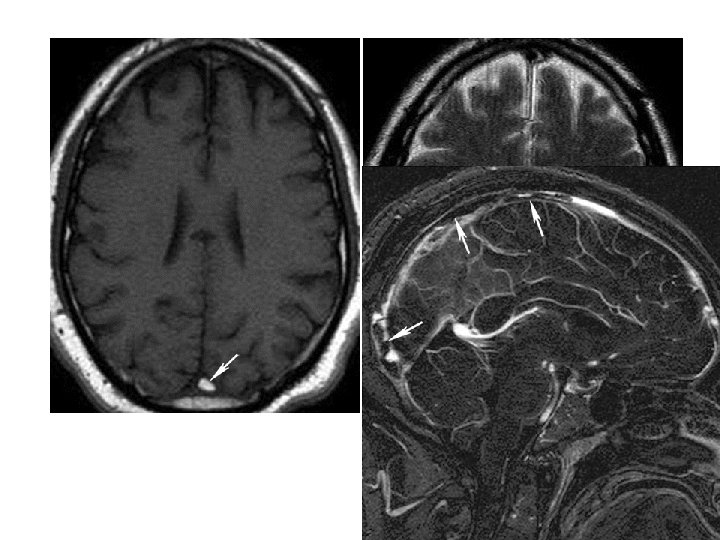
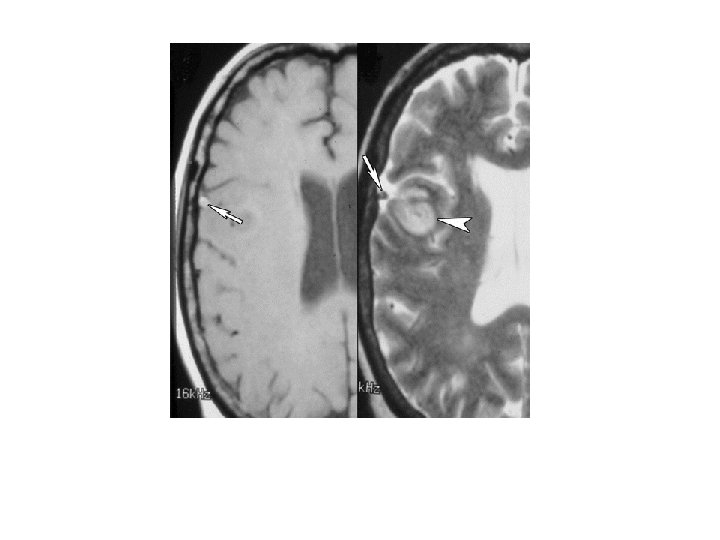
Subacute stage (6– 15 days) • In the subacute stage of thrombus development, the signal is predominantly hyperintense on both T 1 WI and T 2 WI because of methemoglobin in the thrombus
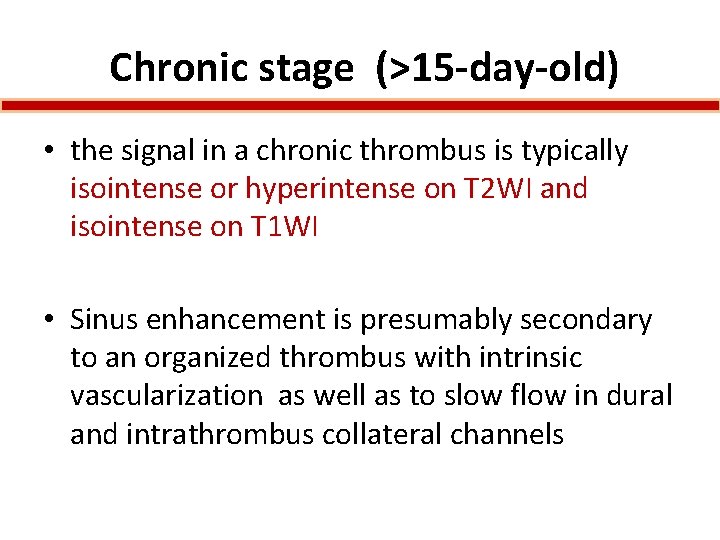
Chronic stage (>15 -day-old) • the signal in a chronic thrombus is typically isointense or hyperintense on T 2 WI and isointense on T 1 WI • Sinus enhancement is presumably secondary to an organized thrombus with intrinsic vascularization as well as to slow flow in dural and intrathrombus collateral channels



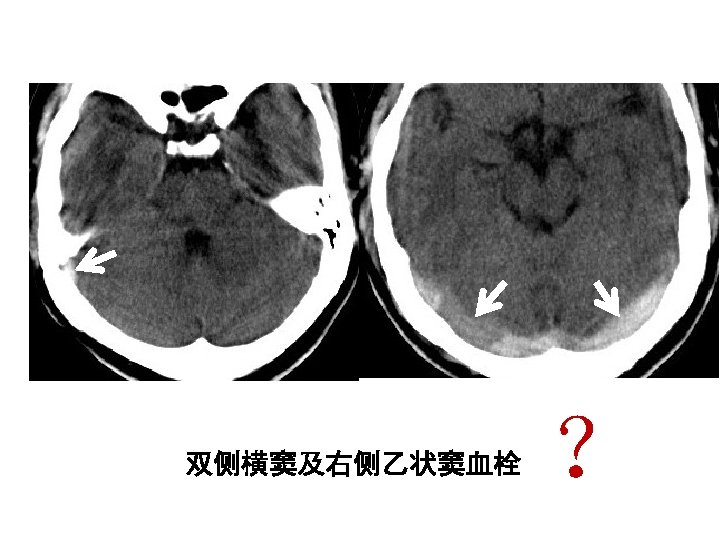
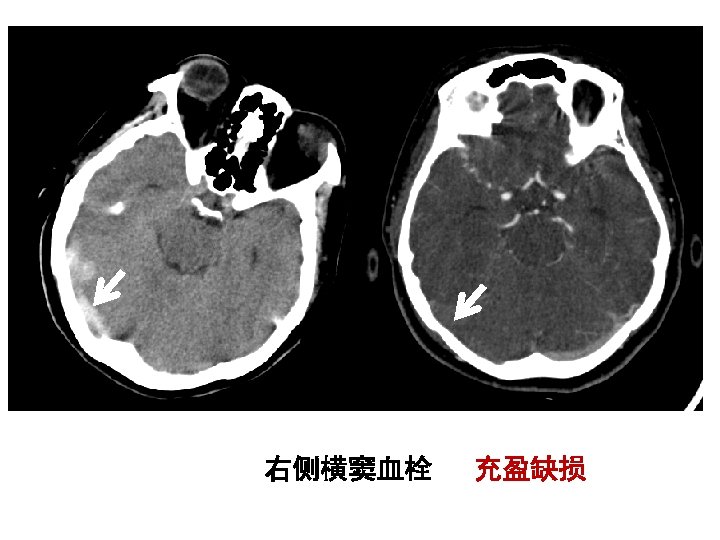

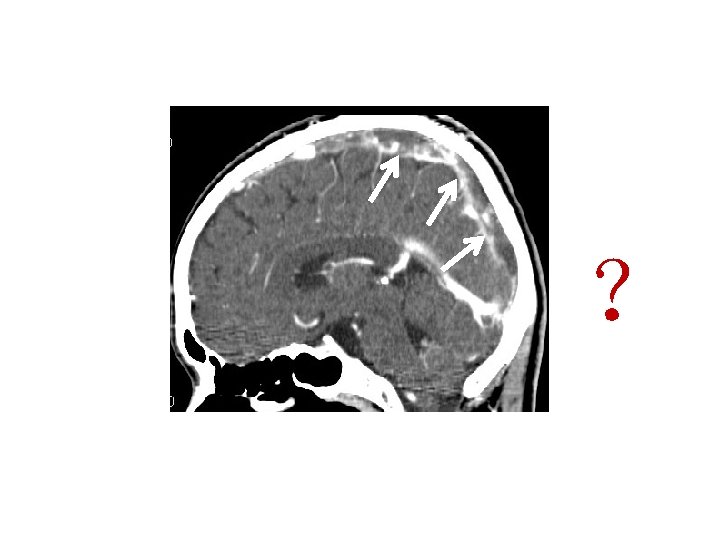
Empty delta sign

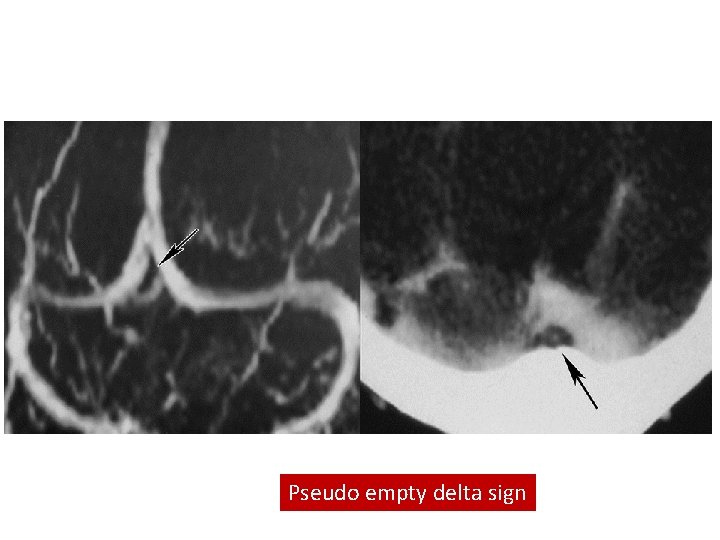
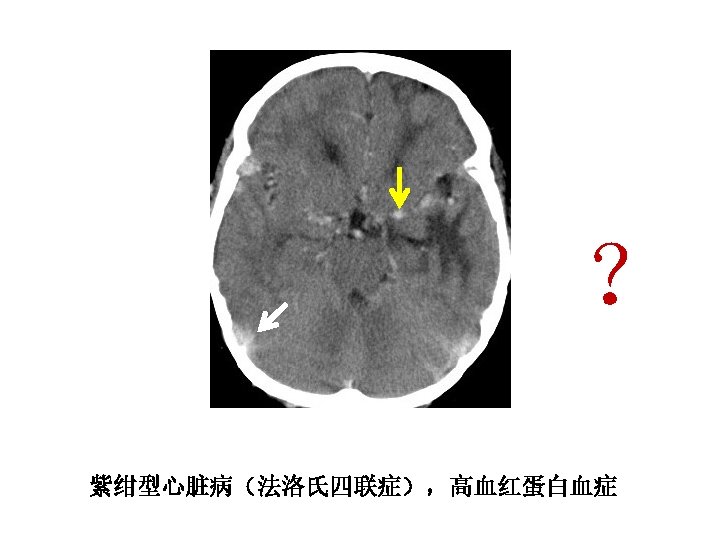
Pseudo empty delta sign
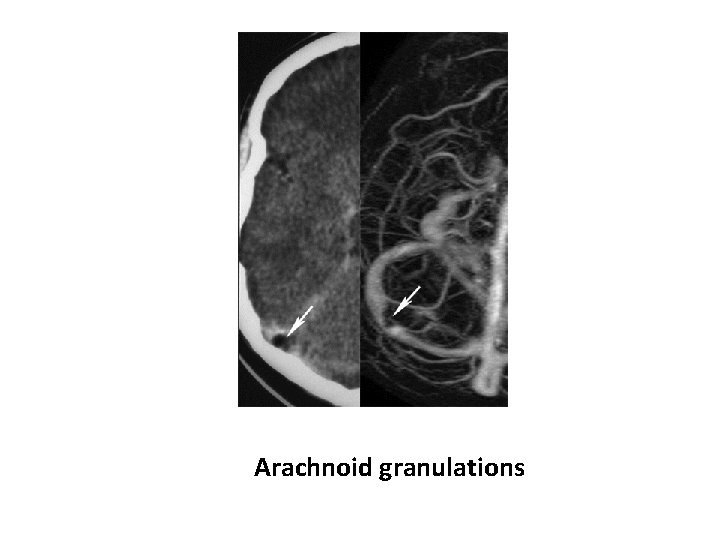
Arachnoid granulations



- Slides: 39