
CASEOUS LYMPHADENITIS CLA Other names PSEUDOTUBERCULOSIS CHEESY GLANDS
CASEOUS LYMPHADENITIS
CLA • Other names – PSEUDOTUBERCULOSIS – CHEESY GLANDS

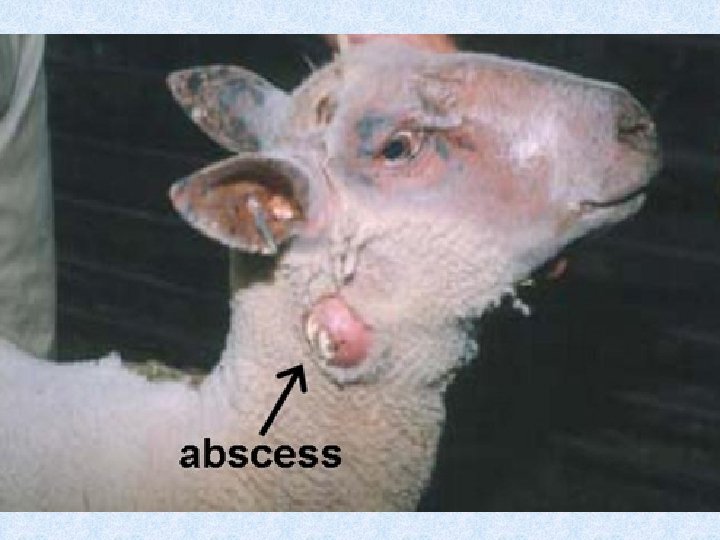
INTRODUCTION • CLA is a chronic infectious debilitating disease of small ruminants caused by C. ovis characterized by lymphadenitis and abscess formation in one or more lymph nodes.

CLA • Corynbacterium pseudotuberculosis or C. ovis. • Gram +ve • Pleomorphic • Non-motile • Non-spore forming • Producing exotoxins (hemolytic)
Epidemiology • Distribution: • World-wide distribution where small ruminants are bred. • It is endemic in Egypt
• Sources of infection q. Pus discharge from infected LNs q. Contaminate soil (for months) q. Sheep dip (organism viable for 24 h)
Mode of transmission • Via skin wounds or abrasions or even through contact skin. • Insects
Susceptible animals • Small ruminants • The incidence of the disease increased with age.
E. value • Downgrading of carcasses and hide • Debilitating disease

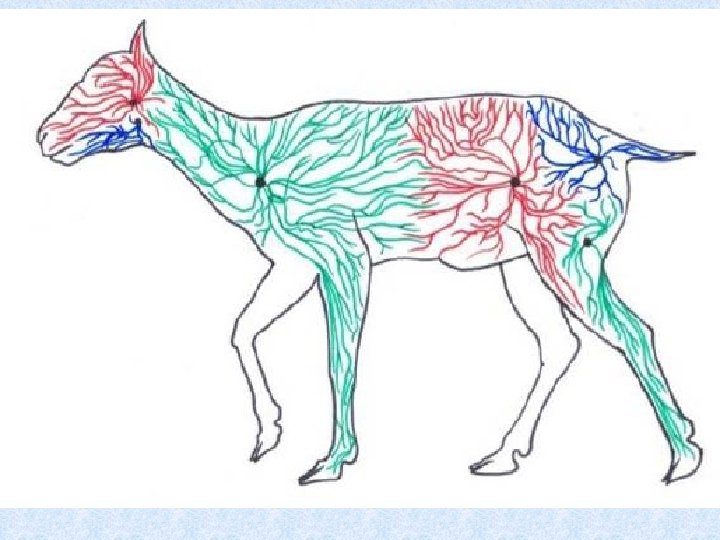

pathogenesis • Skin penetration ……………. • Via affrent lymphatic vessel reaching regional LN • Growth and proliferation within lymphoid tissue. • Aggregation of leucocytes especially neutrophils • Bacteria secreting exotoxins…. .

• Producing the typical CLA lesion – Central mass of necrotic tissue surrounded by a layer of connective tissue and small blood capillaries. – Bacteria multiply within blood vessels obstruction…. Ischemia and toxins leading to killing the cells of the inner layer of connective tissues adding a new layer of necrotic tissues. – By this way adding successive layers …
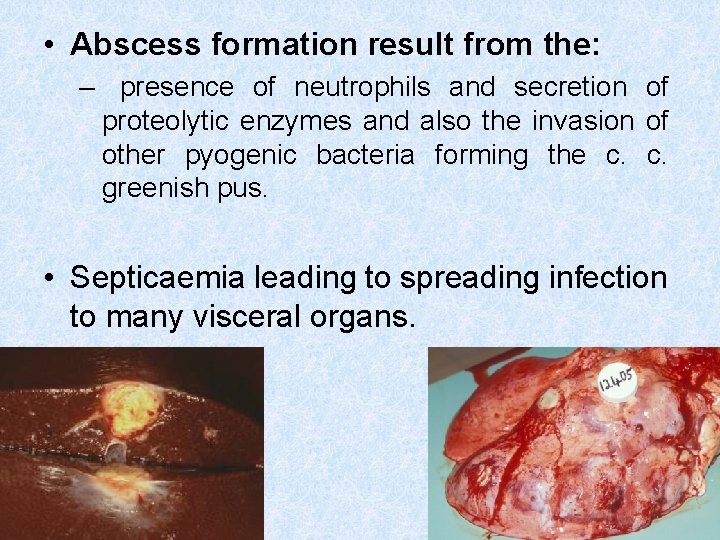
• Abscess formation result from the: – presence of neutrophils and secretion of proteolytic enzymes and also the invasion of other pyogenic bacteria forming the c. c. greenish pus. • Septicaemia leading to spreading infection to many visceral organs.
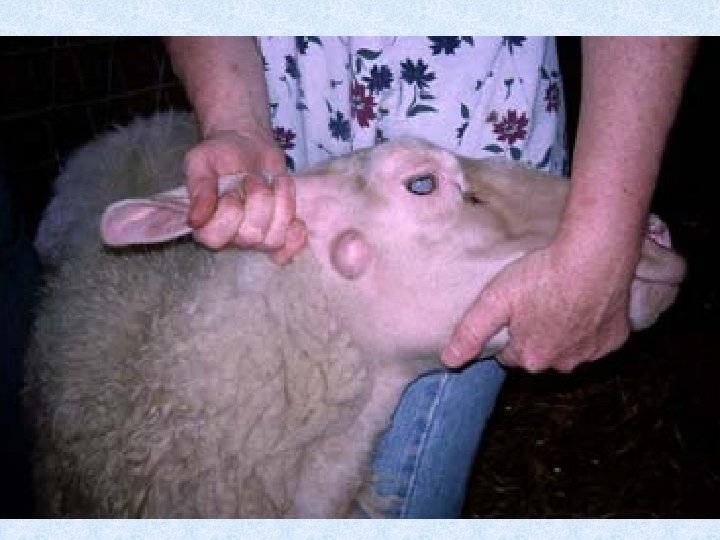
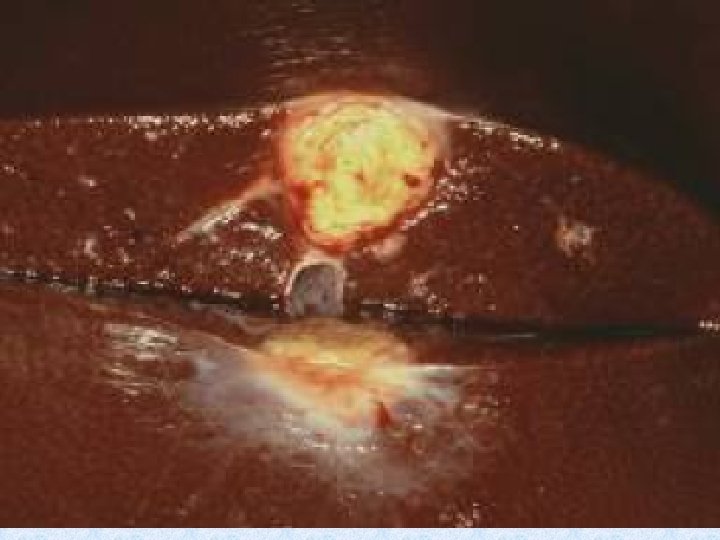
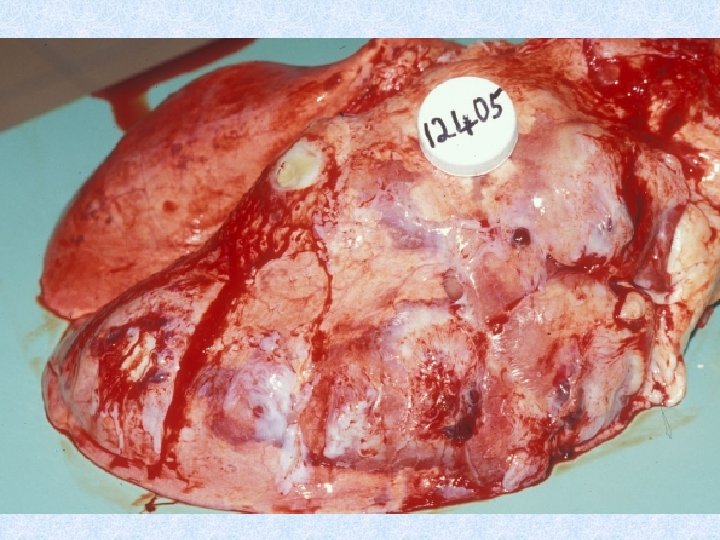
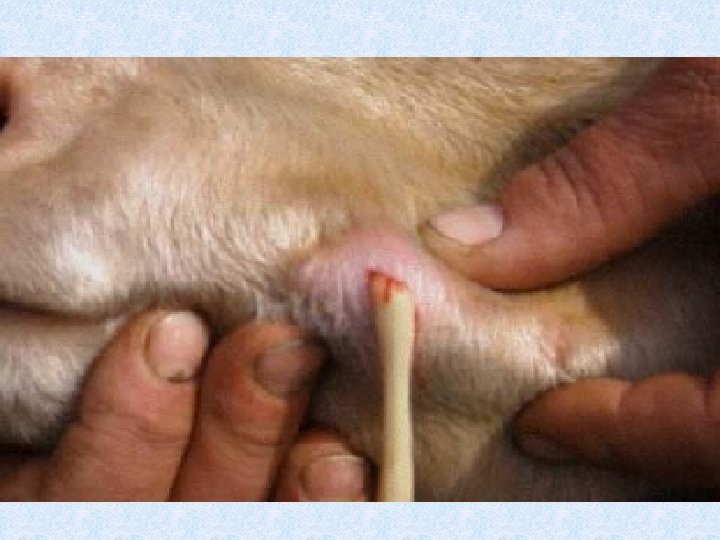
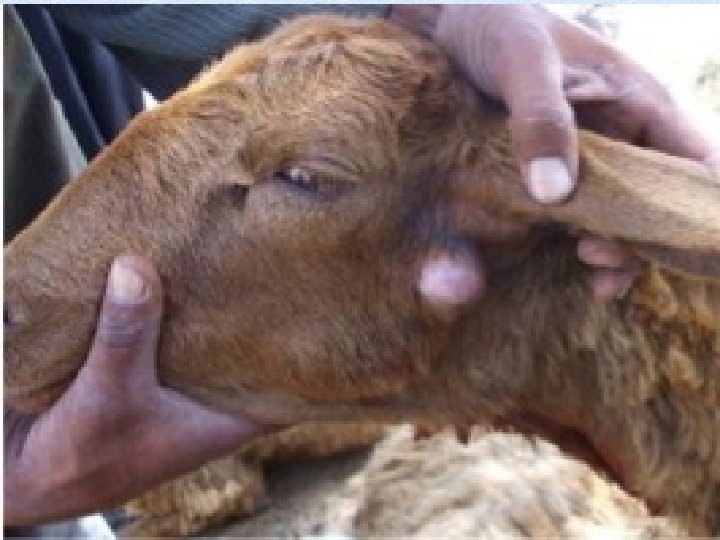
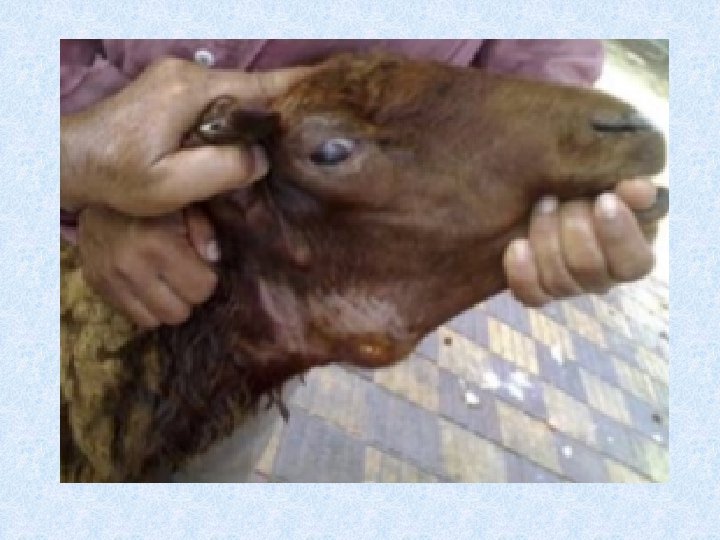
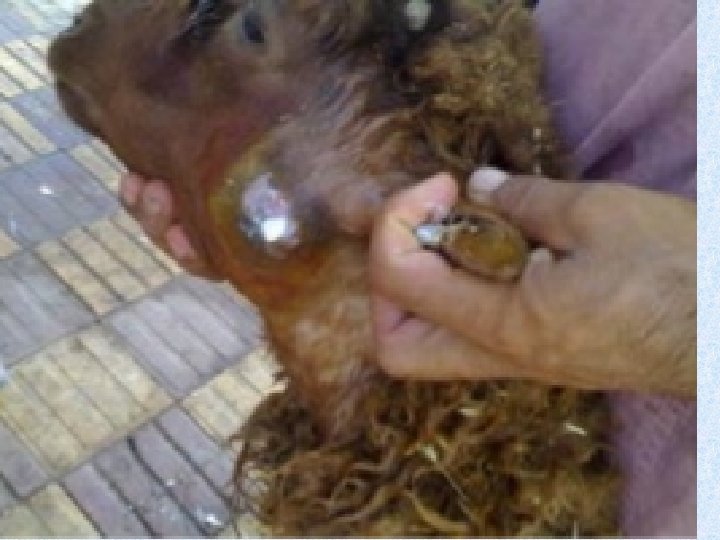
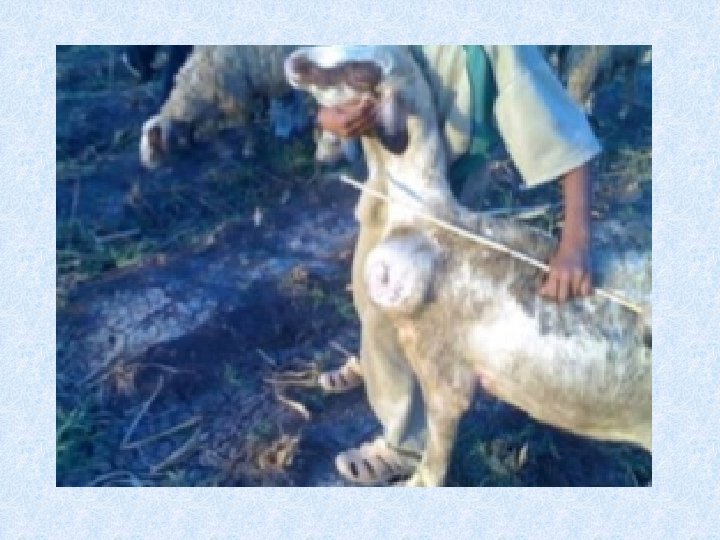
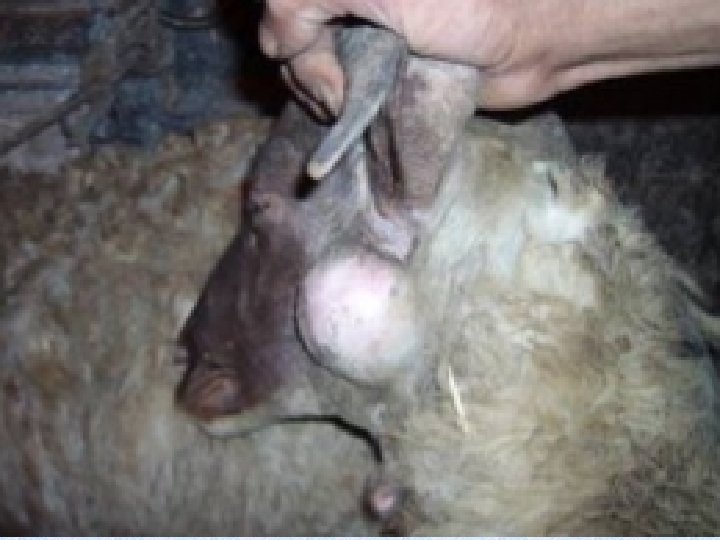
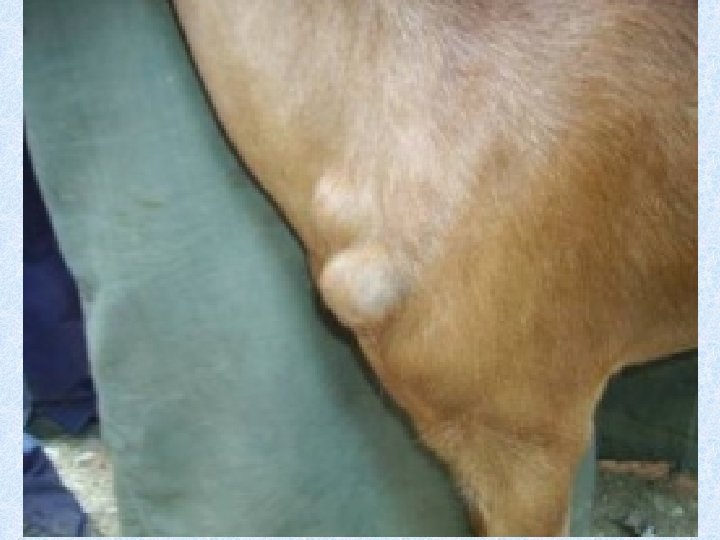
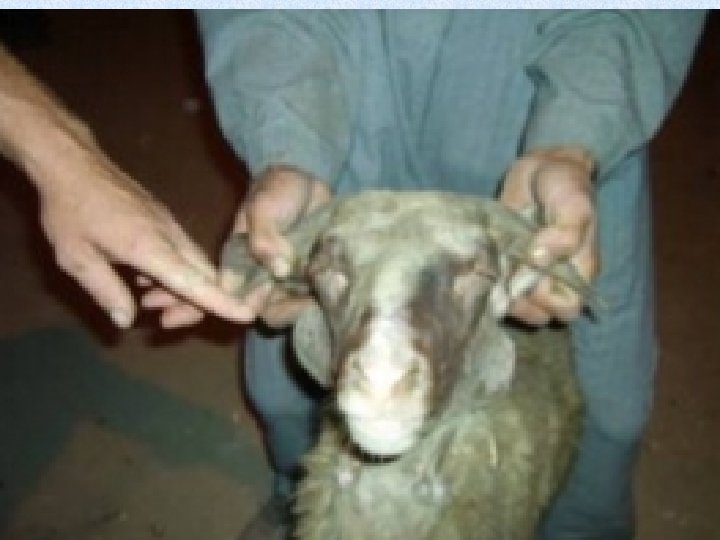
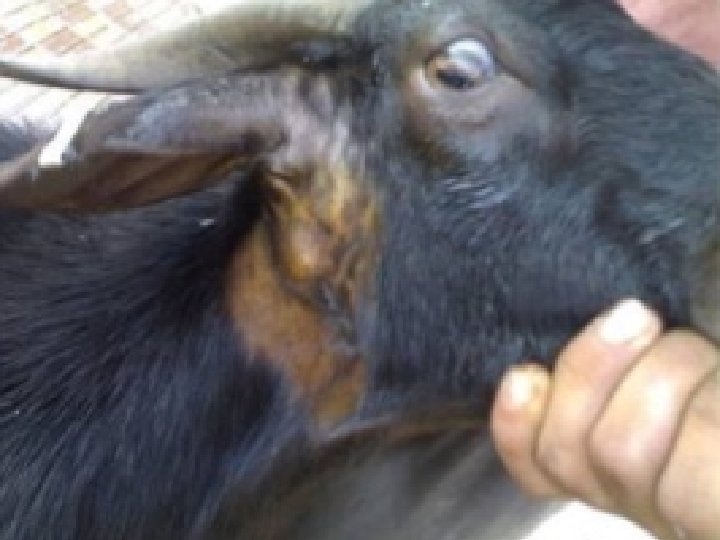
Clinical signs • • IP: up to 3 months 20% morbidity Low mortality sheep and goats: – External cutaneous form – Visceral form – Systemic reaction: pneumonia and ataxia – Thin ewe syndrome (debilitating)
• Camels caseous lymphadenitis: – Age more than 3 years – Painless abscess in the external Ls.
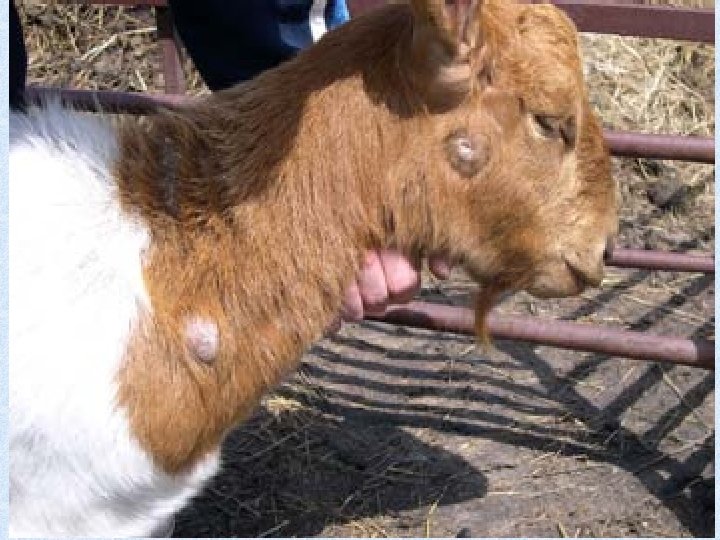
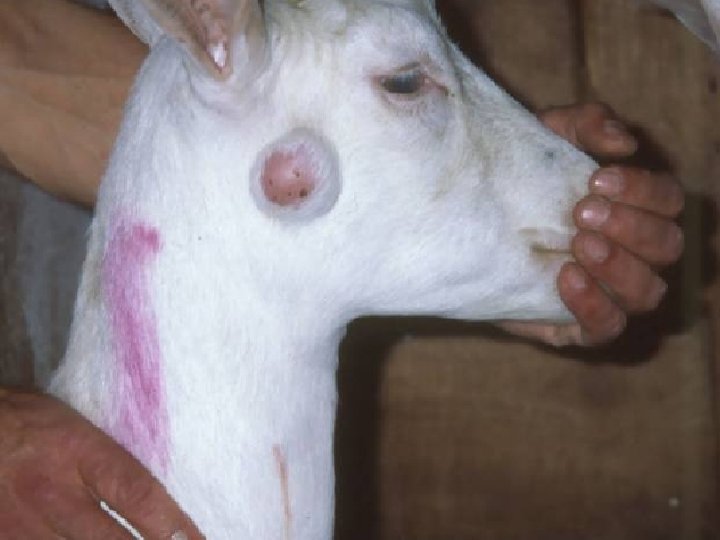
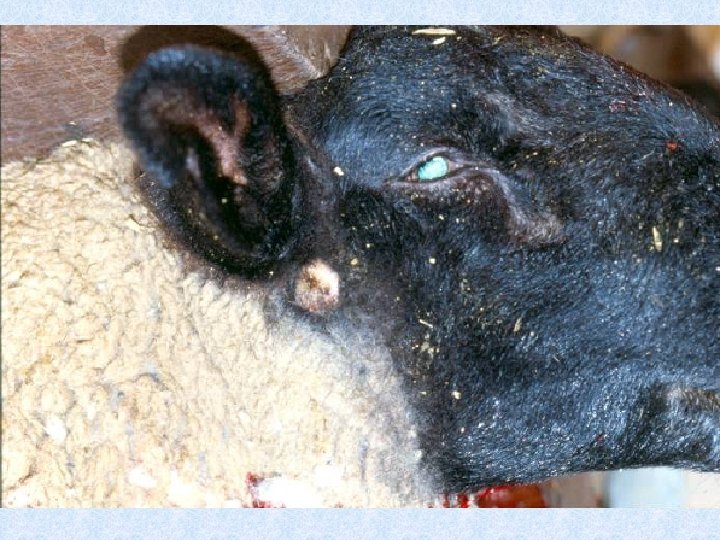
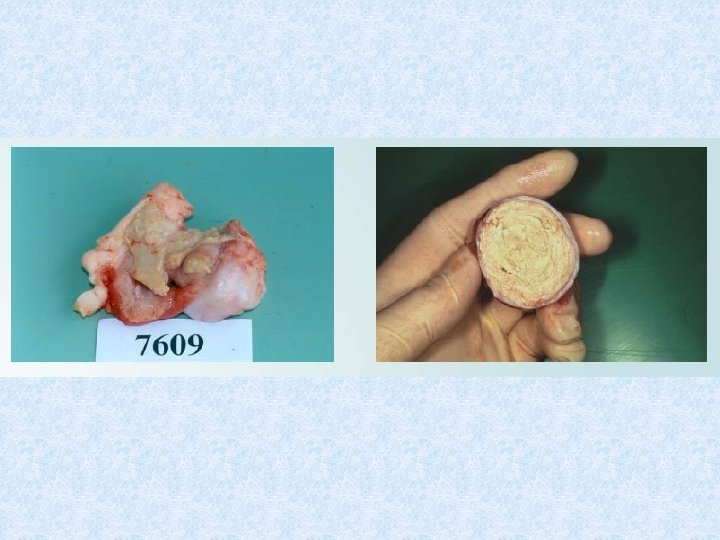
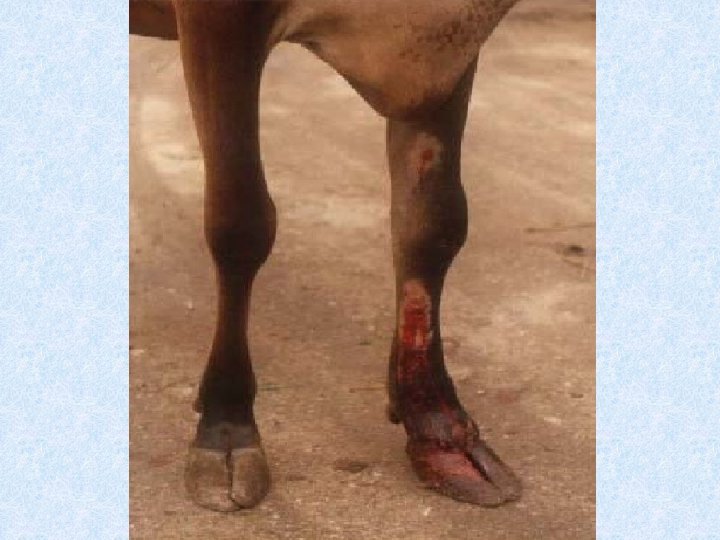
ULCERATIVE LYMPHANGITIS • affecting cattle and horses – Inflammation of s/c lymphatic vessels – Especially in the lower limbs – Formation of abscesses along their course including LNs except Horses.
UL • Horse: – Hind leg from the hock joint downwards. – Limb is swollen, hot and painful leading to lameness. – Small nodules develop subcut. especially around the fetlock. – Sometimes spread all over the body. – Rupture discharging green pus sometimes blood stained.
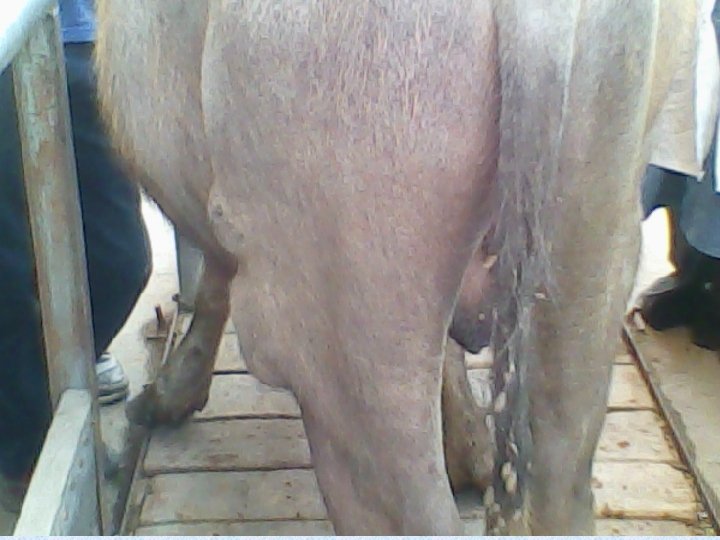
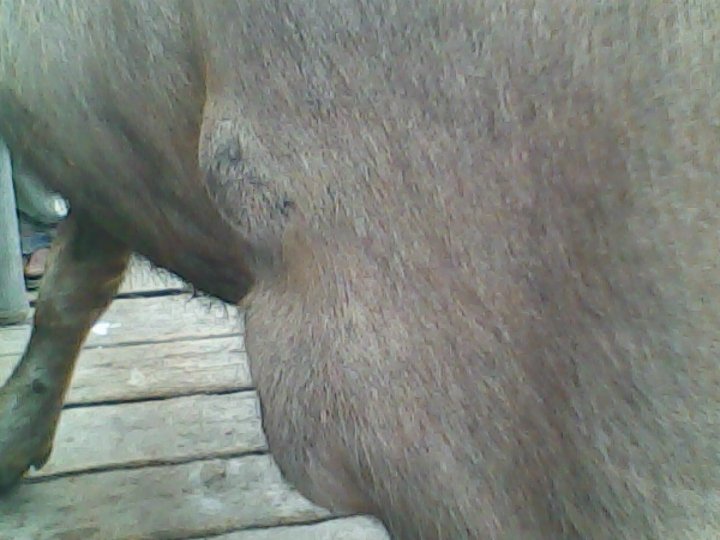
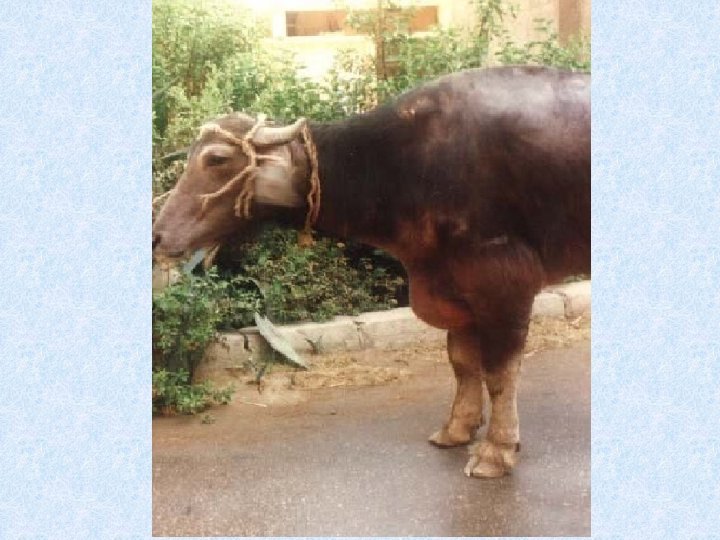
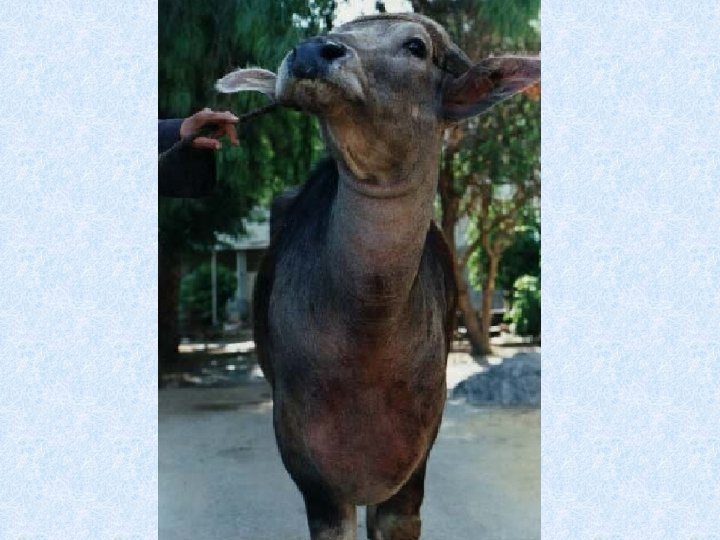
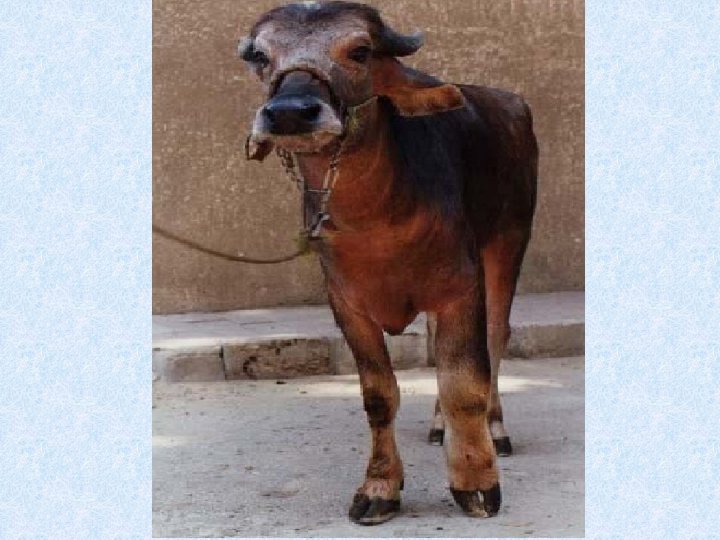
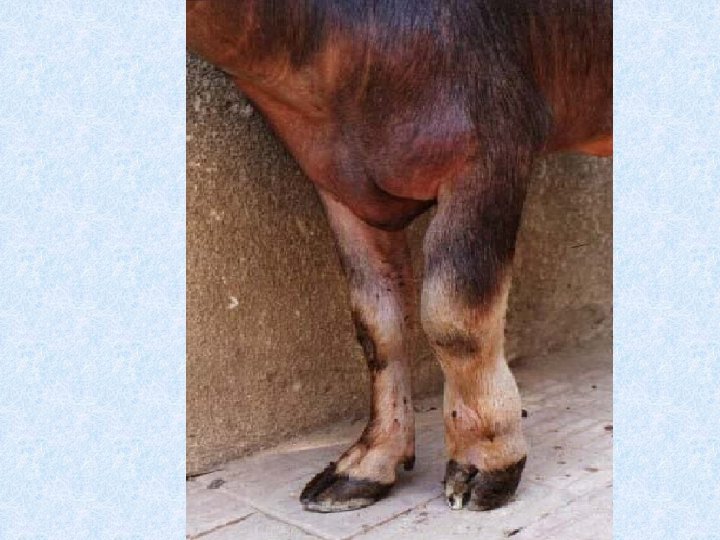
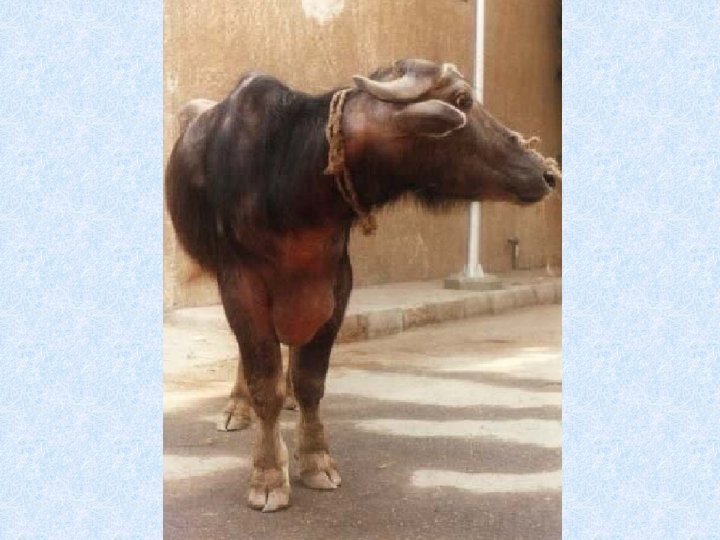
OSD • Buffaloes: – Oedematous skin disease – Buffaloes are more sensitive than cattle – Enlarged of one or more LNs and its related lymph vessels or general oedema in the four legs.
UL • Acute form: systemic reaction • Subacute form: one or more nodules (pimple like) either s/c or id. • Chronic form: circumscribed nodules leading to closed inspissated abscess may lead to skin necrosis.
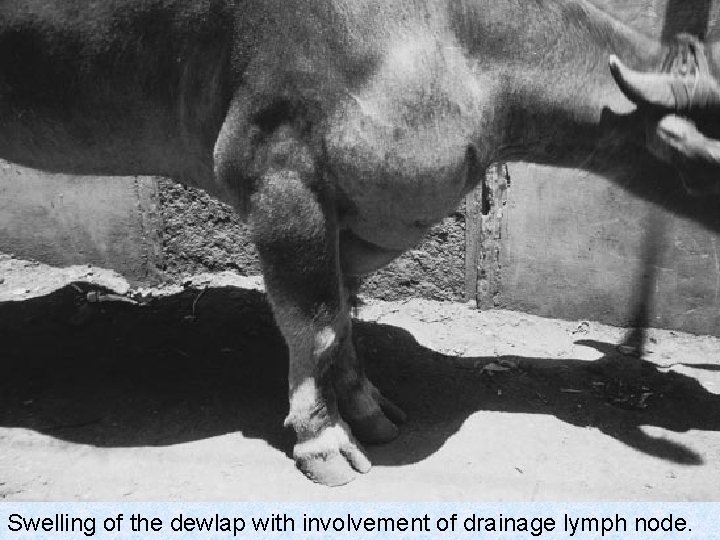
Swelling of the dewlap with involvement of drainage lymph node.
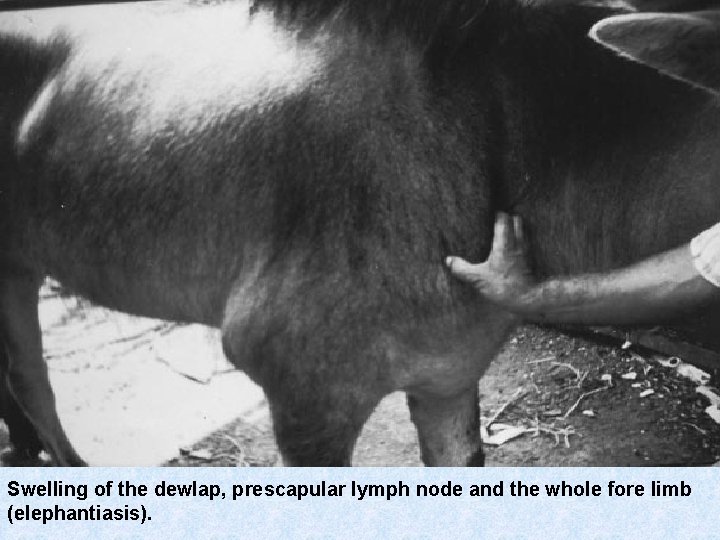
Swelling of the dewlap, prescapular lymph node and the whole fore limb (elephantiasis).
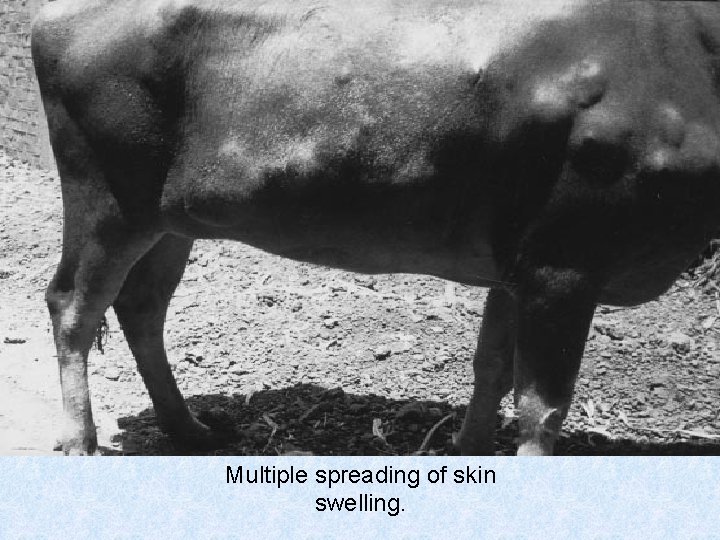
Multiple spreading of skin swelling.
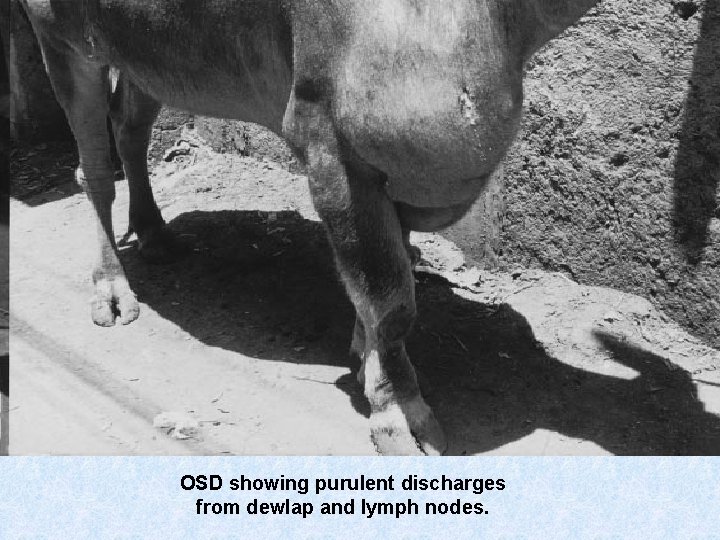
OSD showing purulent discharges from dewlap and lymph nodes.
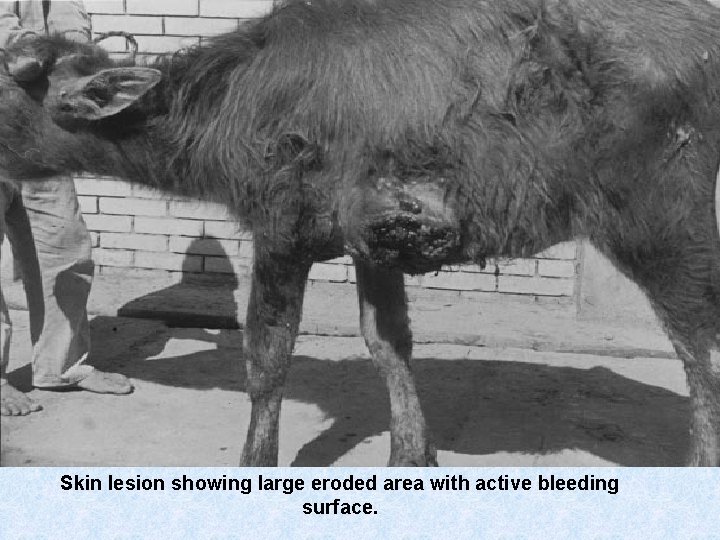
Skin lesion showing large eroded area with active bleeding surface.

Glanvac® 6 Vaccine • Control of caseous lymphadenitis (CLA) and prevention of enterotoxaemia (pulpy kidney disease), tetanus, black disease, malignant oedema and blackleg in sheep, lambs, goats, and kids; swelled head in rams. • inject 1 m. L subcutaneously on the side of the neck just behind and below the base of the ear.
• https: //www. pfizeranimalhealth. com. au/pro ducts/ • http: //oiebtnet. izs. it/oiemaps/ • http: //www. oie. int/
- Slides: 53