
Case Study Computed Tomography CT Noninvasive medical imaging

- Slides: 24
Case Study Computed Tomography (CT) Non-invasive medical imaging techniques
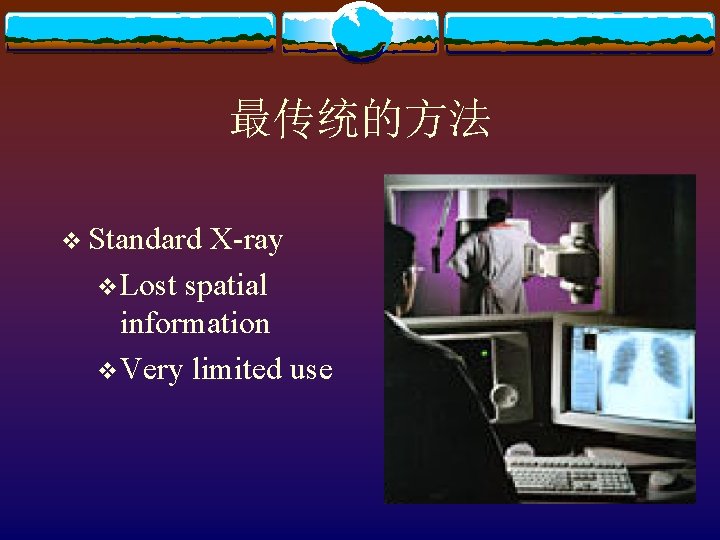
最传统的方法 v Standard X-ray v. Lost spatial information v. Very limited use
X-ray
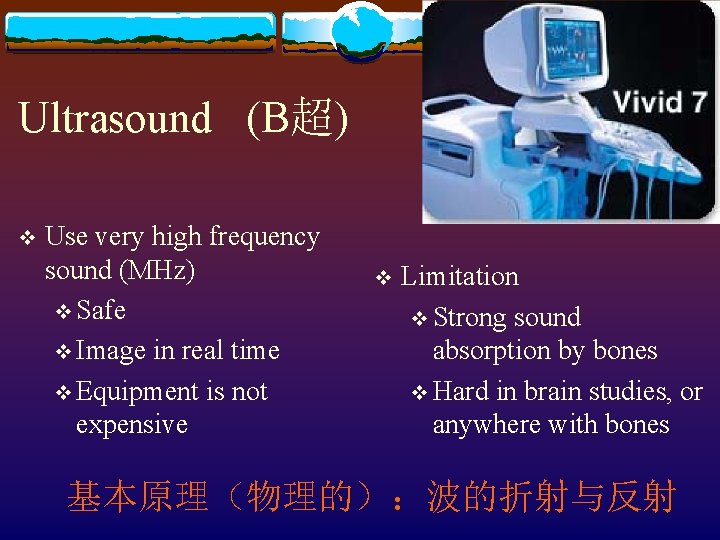
Ultrasound (B超) v Use very high frequency sound (MHz) v Safe v Image in real time v Equipment is not expensive v Limitation v Strong sound absorption by bones v Hard in brain studies, or anywhere with bones 基本原理(物理的):波的折射与反射
Computed Tomography v. A parallel sheet of X-ray v Mathematical tools needed for successful computed tomography (CT) imaging v Basic principle is discovered more once v 1979 Nobel Prize in Physiology and Medicine was awarded to G. Hounsfield & A. M. Cormack jointly for realizing and bringing to medical use
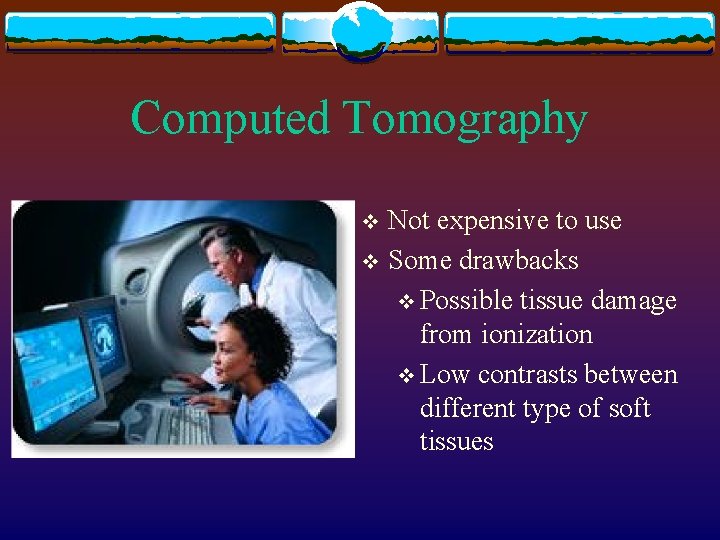
Computed Tomography Not expensive to use v Some drawbacks v Possible tissue damage from ionization v Low contrasts between different type of soft tissues v
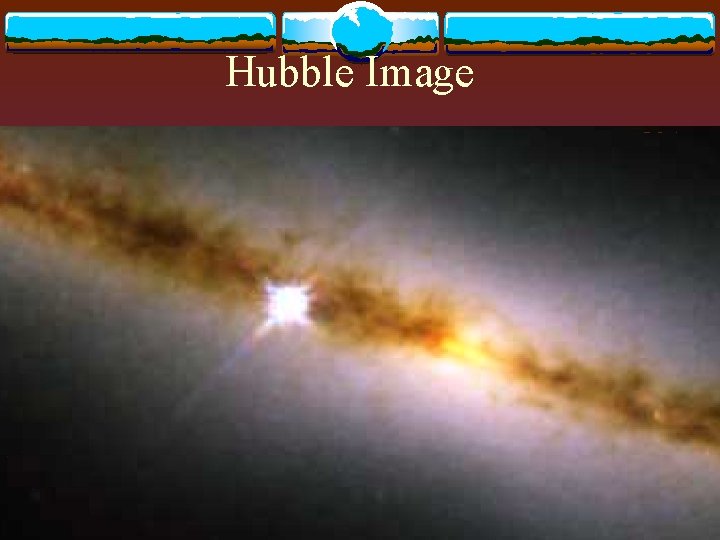
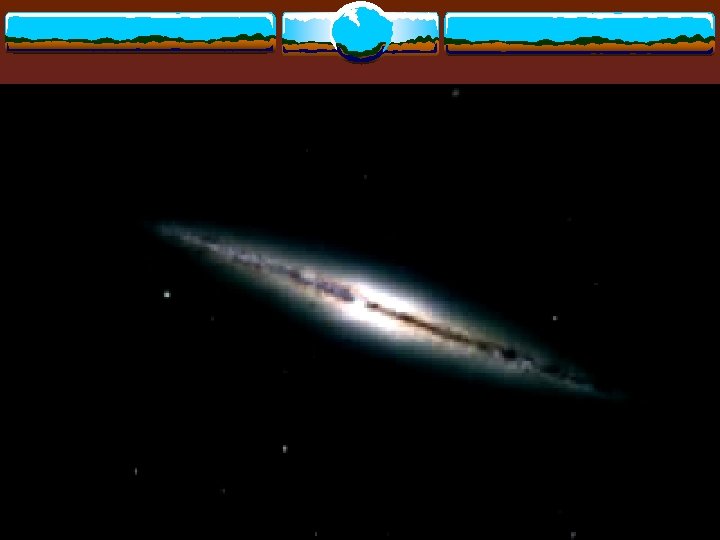
Computed Tomography v There are many applications other than medical tomography: v Astronomy---binary stars, coronal study v Oceangraphy---acoustic probing of ocean conditions v Geophysics---mantle flow, atmospheric studies v Porous Media---
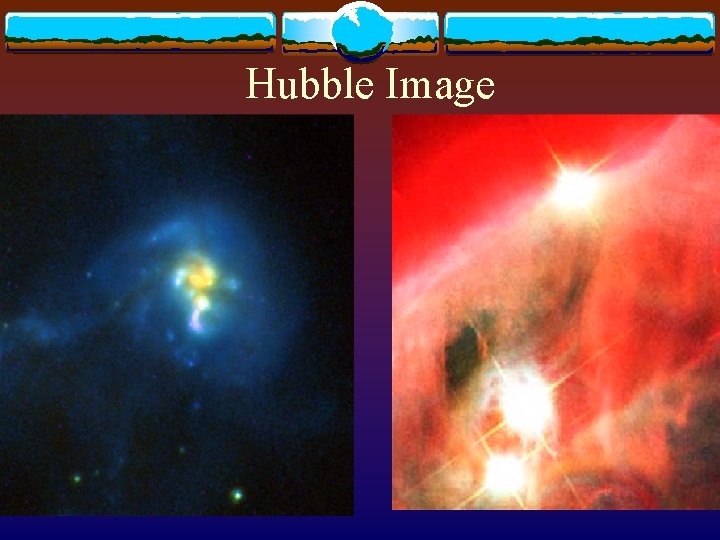
Hubble Image
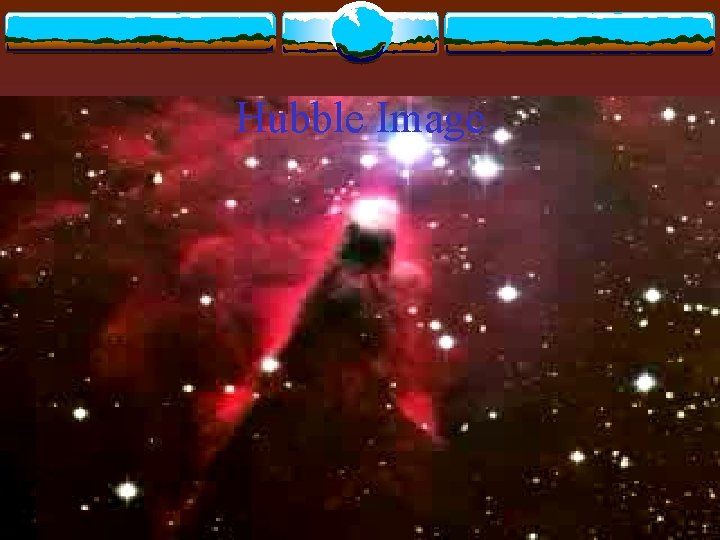
Hubble Image
Hubble Image
Hubble Image
Test Object
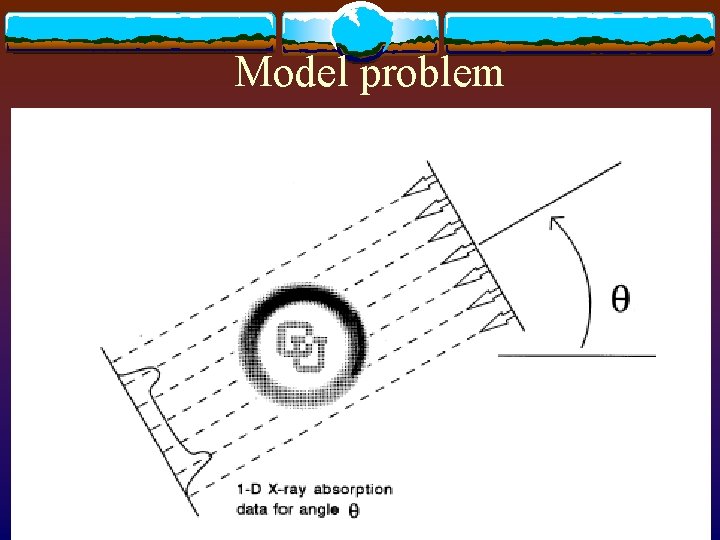
Model problem
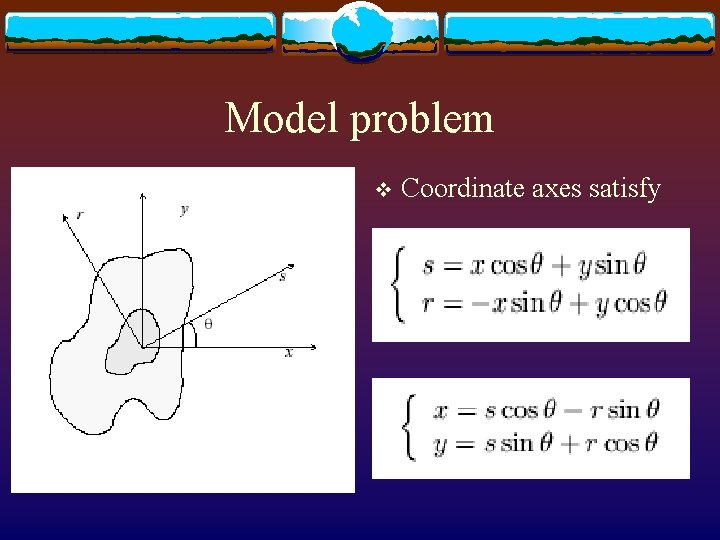
Model problem v Coordinate axes satisfy
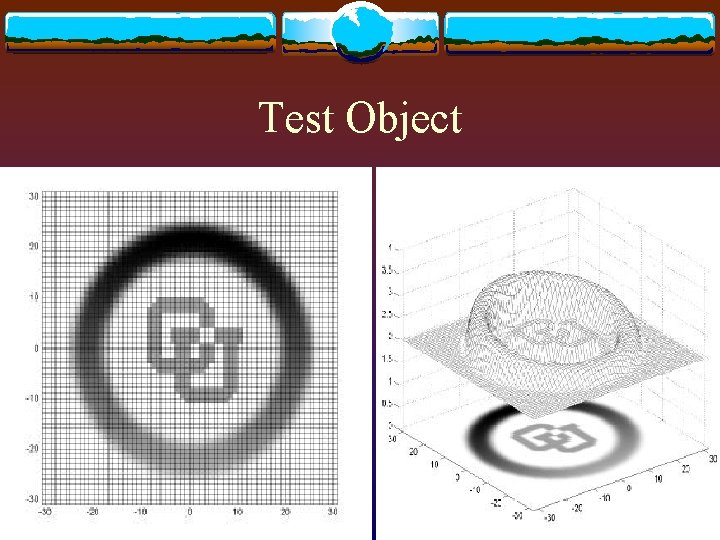
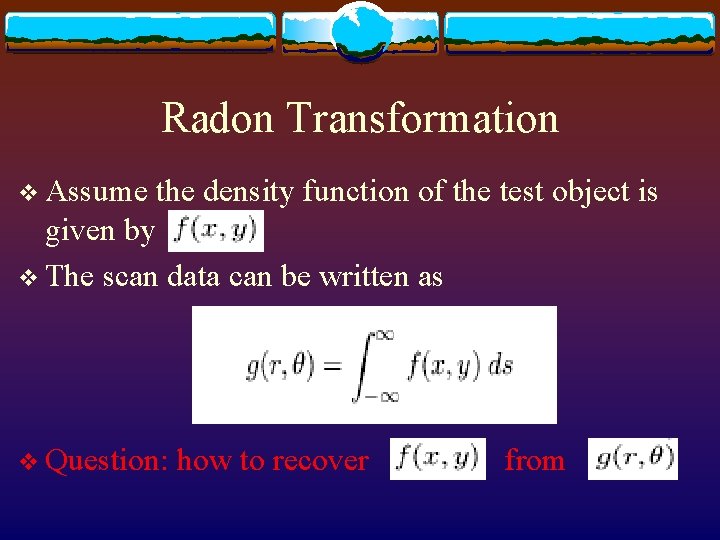
Radon Transformation v Assume the density function of the test object is given by v The scan data can be written as v Question: how to recover from
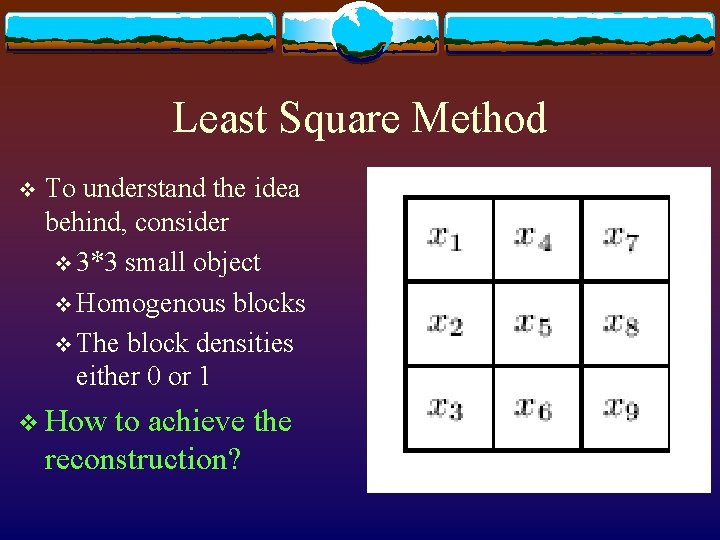
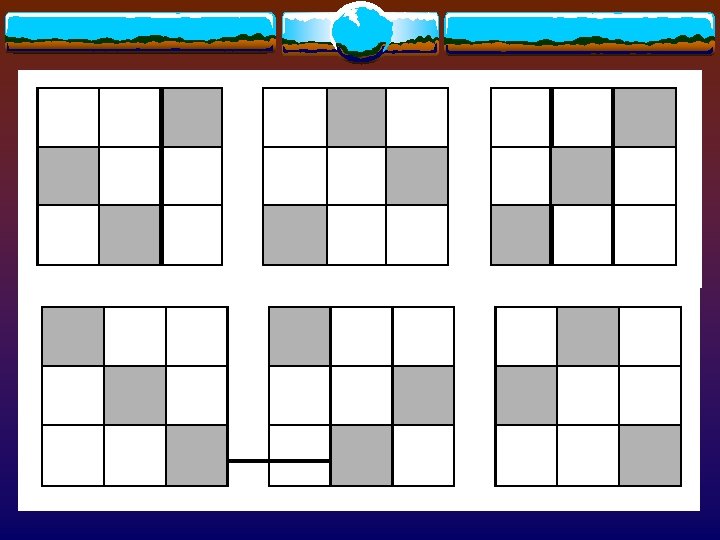
Least Square Method v To understand the idea behind, consider v 3*3 small object v Homogenous blocks v The block densities either 0 or 1 v How to achieve the reconstruction?
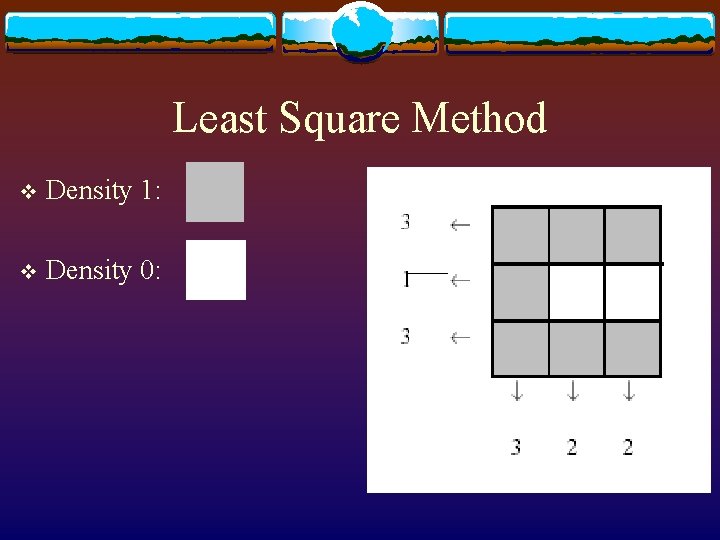
Least Square Method v Density 1: v Density 0:
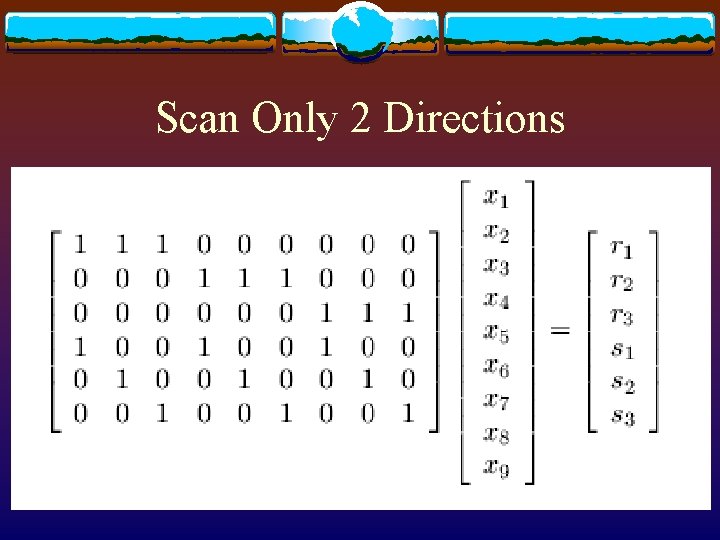
Scan Only 2 Directions
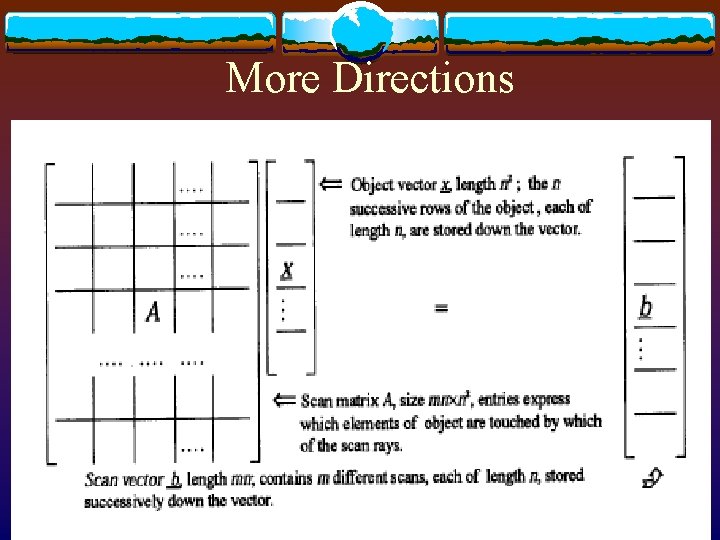
More Directions
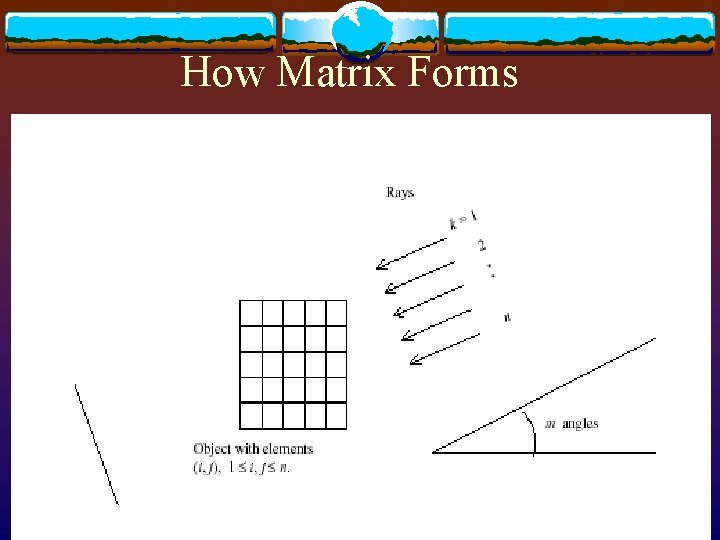
How Matrix Forms
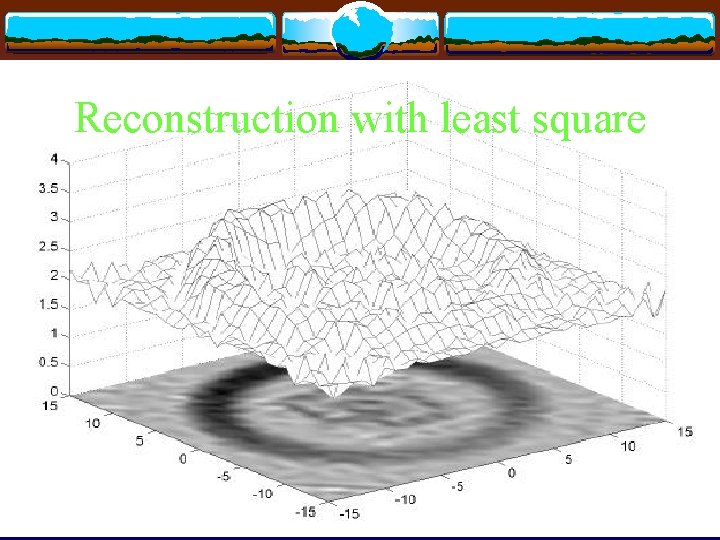
Reconstruction with least square
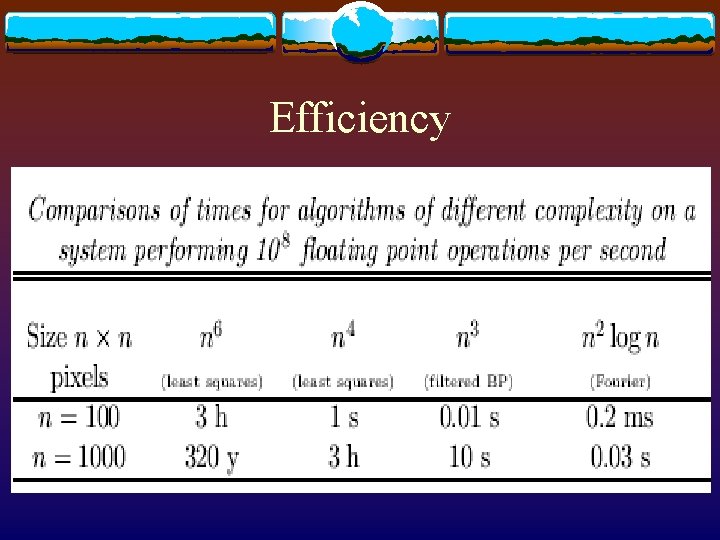
Efficiency
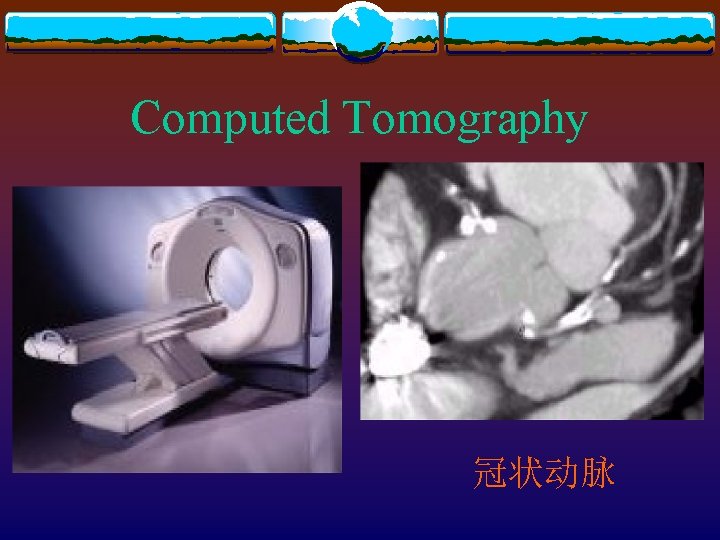
Computed Tomography 冠状动脉