
CASE DISCUSSION Problem list Morbid obesity Buffalo hump

CASE DISCUSSION

Problem list Morbid obesity Buffalo hump UFC: high 1 mg-DST: non- suppression LDDST: non- suppression HDDST: >80% suppress Pituitary MRI: microadenoma 4 mm Spiral CT thorax&Abd-Pelvic: negative Whole body scan by octerotide : negative
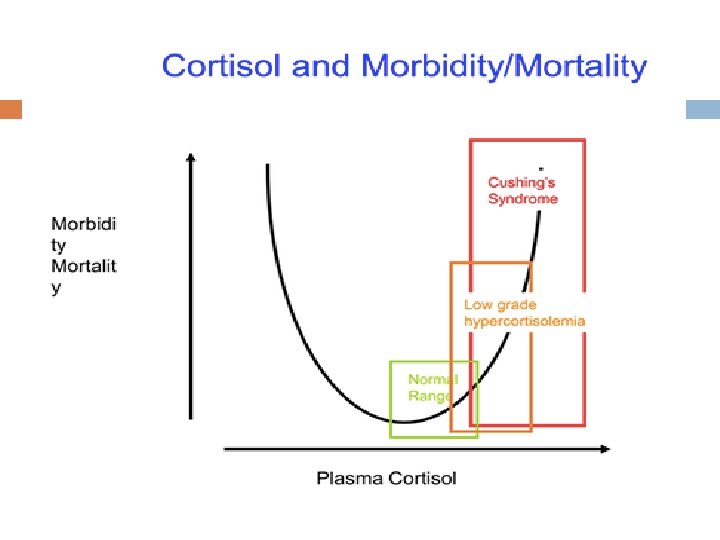
Hypercortisolism It should also be kept in mind that hypercortisolism may occur in some patients with: depression, alcoholism, anorexia nervosa, generalized resistance to glucocorticoids, obesity and in late pregnancy.
Pitfalls in the Diagnosis of Cushing’s Syndrome (Arq Bras Endocrinol Metab 2007; 51/8: 1207 -1216) Among endocrine disorders, Cushing’s syndrome (CS) is certainly one of the most challenging to endocrinologists due to the difficulties that often appear during investigation. Traditional approaches do not provide adequate sensitivity, specificity, and accuracy for the diagnosis of Cushing’s syndrome.
Pitfalls in the Diagnosis of Cushing’s Syndrome (Arq Bras Endocrinol Metab 2007; 51/8: 1207 -1216) The diagnosis of CS involves two steps: 1. confirmation of hypercortisolism and 2. determination of its etiology. Biochemical confirmation of the hypercortisolaemic state must be established before any attempt at differential diagnosis. Failure to do so will result in misdiagnosis, inappropriate treatment, and poor management
The Frequency of Type 2 Diabetic Patients who Meet the Endocrinological Screening Criteria of Subclinical Cushing’s Disease Endocrine Journal 2010, 57 (3), 267 -272 In addition to the classical overt Cushing’s syndrome, mild form/state of adrenal Cushing’s syndrome (subclinical Cushing’s syndrome; sub. CS) and that of Cushing’s disease (sub. CD) have been identified in recent years. The subclinical types are defined as those lacking typical physical features of Cushing’s syndrome, while harboring autonomy in cortisol and/
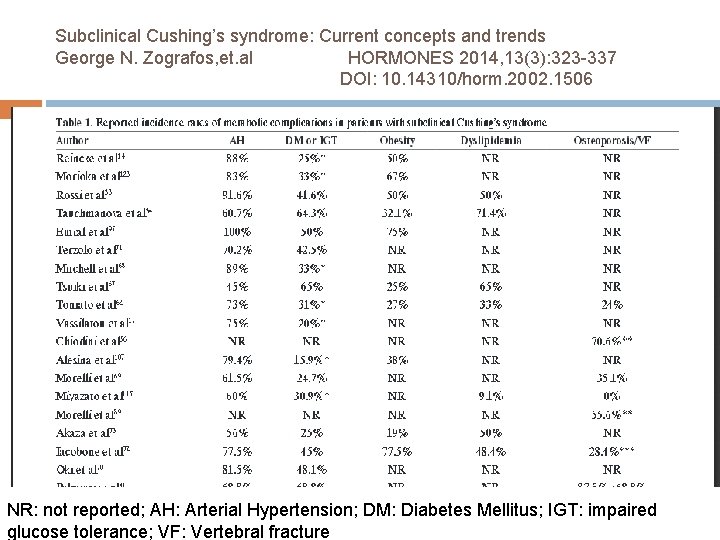
Subclinical Cushing’s syndrome: Current concepts and trends George N. Zografos, et. al HORMONES 2014, 13(3): 323 -337 DOI: 10. 14310/horm. 2002. 1506 NR: not reported; AH: Arterial Hypertension; DM: Diabetes Mellitus; IGT: impaired glucose tolerance; VF: Vertebral fracture
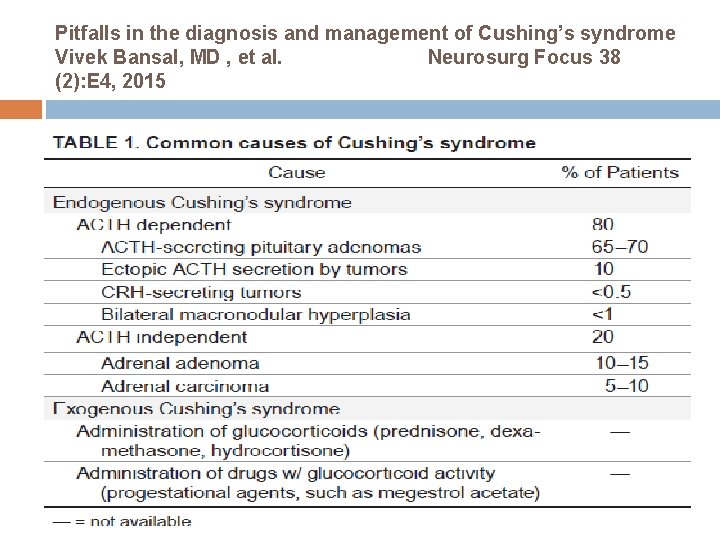
Pitfalls in the diagnosis and management of Cushing’s syndrome Vivek Bansal, MD , et al. Neurosurg Focus 38 (2): E 4, 2015
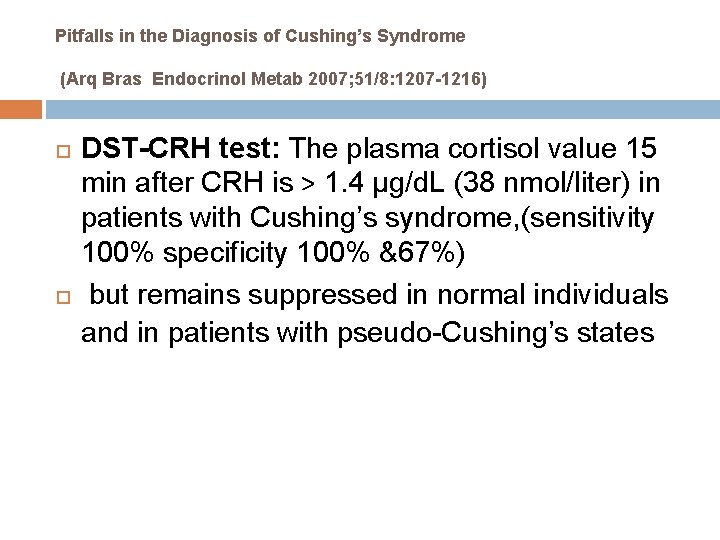
Pitfalls in the Diagnosis of Cushing’s Syndrome (Arq Bras Endocrinol Metab 2007; 51/8: 1207 -1216) DST-CRH test: The plasma cortisol value 15 min after CRH is ˃ 1. 4 μg/d. L (38 nmol/liter) in patients with Cushing’s syndrome, (sensitivity 100% specificity 100% &67%) but remains suppressed in normal individuals and in patients with pseudo-Cushing’s states
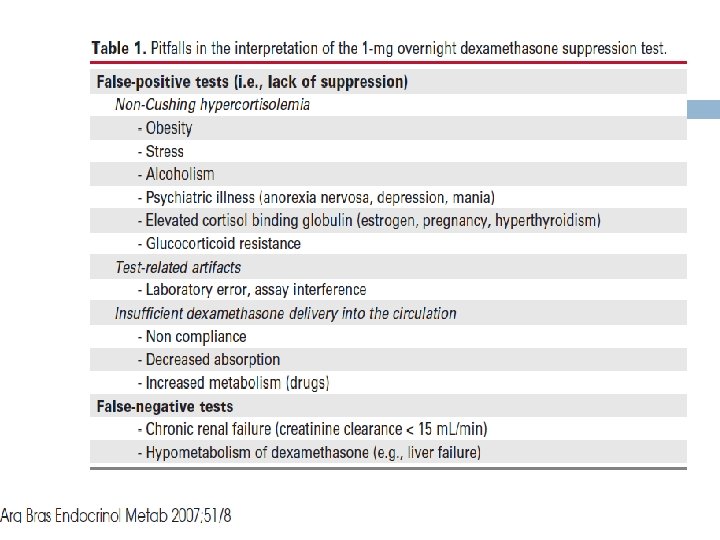
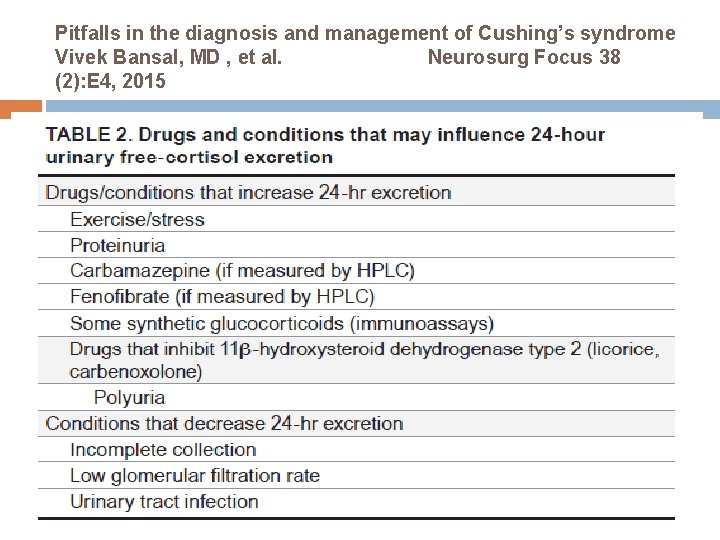
Pitfalls in the diagnosis and management of Cushing’s syndrome Vivek Bansal, MD , et al. Neurosurg Focus 38 (2): E 4, 2015
Cortisol levels may be high in people with psychiatric disorders, alcoholism, or morbid obesity. This may be called "pseudo. Cushing state.
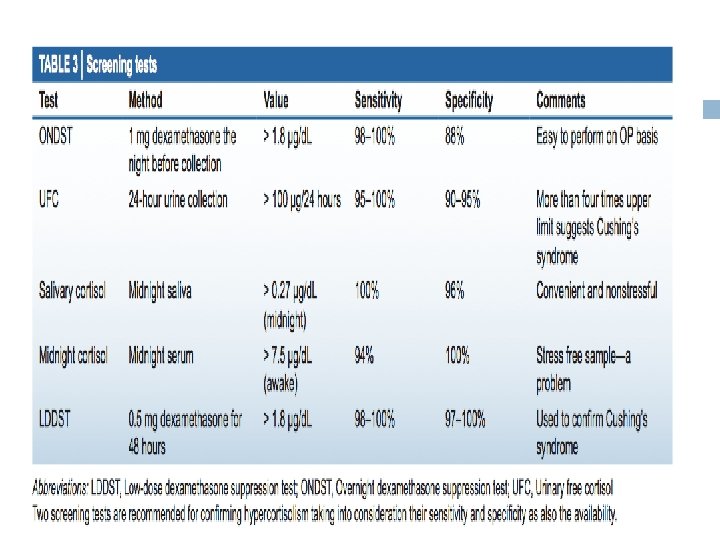
Pitfalls in the diagnosis and management of Cushing’s syndrome Vivek Bansal, MD , et al. Neurosurg Focus 38 (2): E 4, 2015 A 3 -fold to 4 -fold increase over normal values is diagnostic of Cushing’s syndrome; if this increase is present, no additional testing is required to confirm the diagnosis.
URINARY FREE CORTISOL EXCRETION PATTERN IN MORBID OBESE WOMEN Endocrine Research, Volume 27, Issue 1 -2, 2001, Published online: 07 Jul 200 The results presented are consistent with a lower overall cortisol secretion in the morbid obese women, which also show a narrower margin of variation in cortisol secretion than non-obese controls. The data also show the significant influence of dietary energy on the pattern of cortisol excretion in obese women.
(Arq Bras Endocrinol Metab 2007; 51/8: 1207 -1216) salivary cortisol levels : false positive ● bleeding (gingivitis) , stress of midnight awakening , ●late pregnancy, in women taking the birth control pill , ● hypertension, diabetes mellitus, advanced age, and psychiatric disorders. Nevertheless, late-night salivary cortisol levels > 350 ng/d. L (10 nmol/L) are strongly suggestive of the diagnosis of Cushing’s syndrome.
(Arq Bras Endocrinol Metab 2007; 51/8: 1207 -1216) Among 140 obese patients, 80% had cortisol suppression to < 1. 8 μg/d. L (50 nmol/L) after the 1 mg-DST and 100% did so after the 48 -h LDDST. Therefore, in our experience, the 48 -h LDDST is very useful in the differentiation of Cushing’s syndrome and obesity.
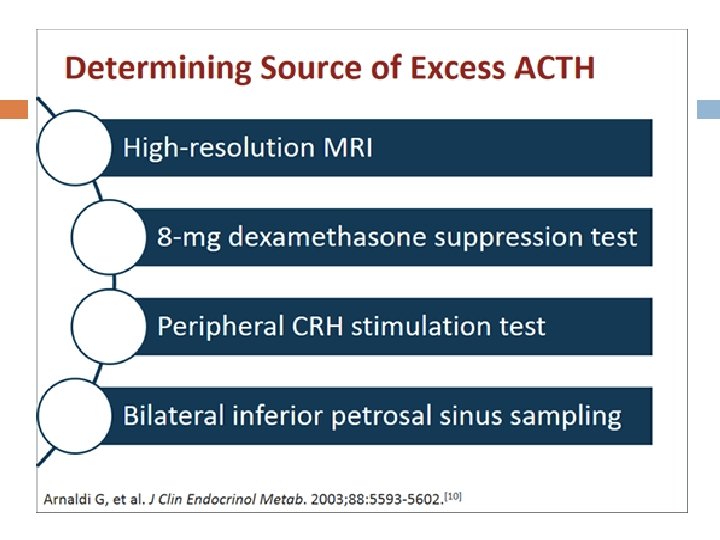
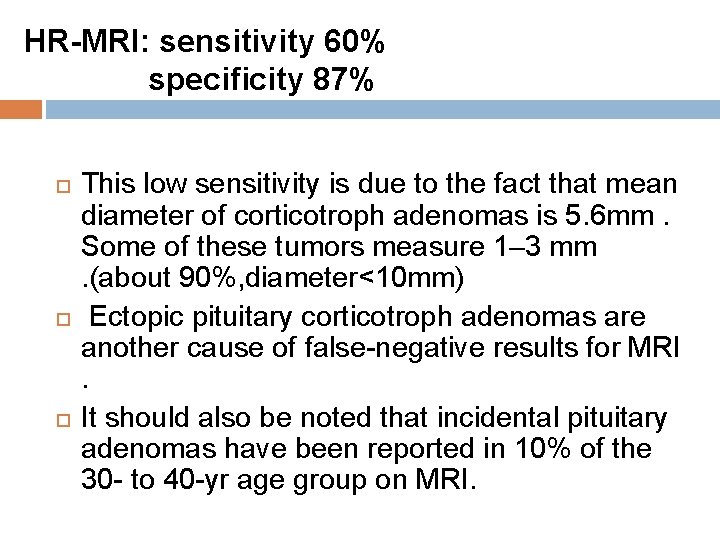
HR-MRI: sensitivity 60% specificity 87% This low sensitivity is due to the fact that mean diameter of corticotroph adenomas is 5. 6 mm. Some of these tumors measure 1– 3 mm. (about 90%, diameter<10 mm) Ectopic pituitary corticotroph adenomas are another cause of false-negative results for MRI. It should also be noted that incidental pituitary adenomas have been reported in 10% of the 30 - to 40 -yr age group on MRI.
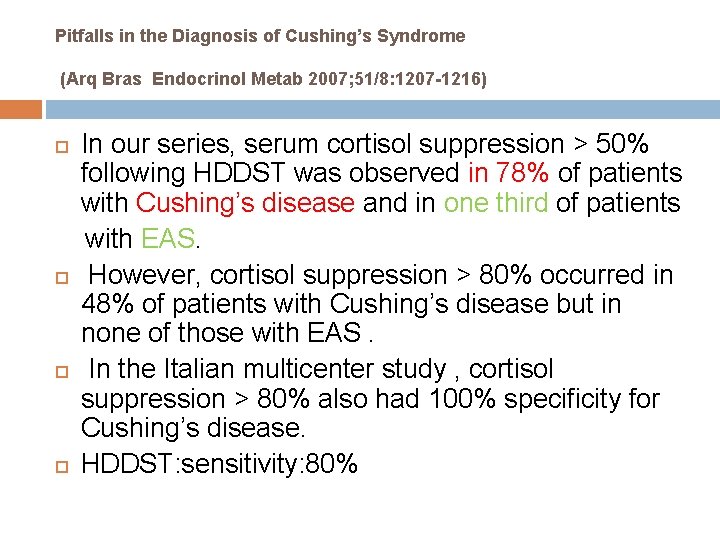
Pitfalls in the Diagnosis of Cushing’s Syndrome (Arq Bras Endocrinol Metab 2007; 51/8: 1207 -1216) In our series, serum cortisol suppression > 50% following HDDST was observed in 78% of patients with Cushing’s disease and in one third of patients with EAS. However, cortisol suppression > 80% occurred in 48% of patients with Cushing’s disease but in none of those with EAS. In the Italian multicenter study , cortisol suppression > 80% also had 100% specificity for Cushing’s disease. HDDST: sensitivity: 80%
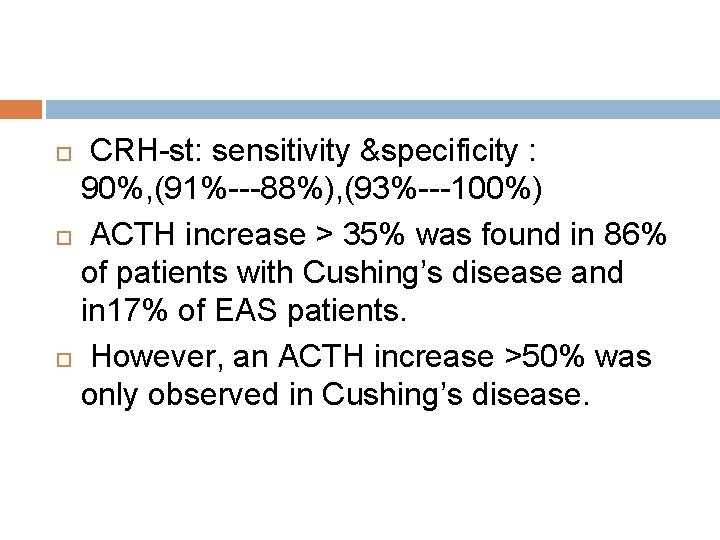
CRH-st: sensitivity &specificity : 90%, (91%---88%), (93%---100%) ACTH increase > 35% was found in 86% of patients with Cushing’s disease and in 17% of EAS patients. However, an ACTH increase >50% was only observed in Cushing’s disease.
An alternative to CRH stimulation test is the desmopressin stimulation test. administration of 10 μg of desmopressin/IV Desmopressin stimulates ACTH and cortisol release in Cushing’s disease by selective stimulation of the V 2 - and V 3 -vasopressin receptors.
Combining the data of all published series reveals that for the desmopressin test the cortisol responses have a sensitivity of 84% and specificity of 83%, while ACTH responses provide poorer discrimination with a sensitivity of 77% and specificity of 73%. Therefore, testing with desmopressin would be inferior to testing with CRH in terms of sensitivity and specificity, although this peptide is cheaper and more easily available worldwide.
IPSS after CRH administration: sensitivity 95% specificity 100%
Pitfalls in the diagnosis and management of Cushing’s syndrome Vivek Bansal, MD , et al. Neurosurg Focus 38 (2): E 4, 2015 false-negative IPSS: Improper placement of the catheter or asymmetrical or anomalous venous drainage can result in false-negative results. □False-Positive Results : 1. Anybody with normal HPA function and who does not have Cushing’s syndrome. 2. CRH-secreting tumors(neuroendocrine tumor, prostate cancer, ectopic tumor(pulmonary carcinoid))
3. Hypothalamic tumors that secrete CRH. 4. ACTH-secreting pituitary adenoma in an unusual location such as the sphenoid sinus or elsewhere in the perisellar region.
SRS An analysis of 7 studies examining the usefulness of SRS in EAS demonstrated diagnostic sensitivity ranging from 33% to 80% for tumor localization. Moreover, SRS has limited sensitivity in the detection of tumors < 1 cm. false-positive results: granulomatous lesions, autoimmune lesions, inflammation, follicular thyroid adenomas, radiation fibrosis, lymphomas, and accessory spleen. (Arq Bras Endocrinol Metab 2007; 51/8: 1207 -1216)
European Journal of Case Reports in Internal Medicine © EFIM 2016 Doi: 10. 12890/2016_000389 ACTH-dependent Cushing's Syndrome: Diagnostic Pitfalls in Concomitant Non-secreting Pituitary Adenomas About half of pituitary adenomas prove to be nonfunctioning tumours, whose presentation is normally secondary to mass-related symptoms; however incidental findings account for about 10% of cases. Therefore, in every endocrinological systemic disease, the possibility of the simultaneous presence of a non-functioning adenoma should always be kept in mind, especially when a pituitary lesion is discovered incidentally.
A 48 -year-old woman who was a heavy smoker, was admitted to the internal medicine department of our institute with overt cushing′s symptoms (progressive muscle weakness , 5 kg weight loss over 3 months, , ). On physical examination, she displayed a typical Cushingoid appearance (moon face, proximal muscle hypotrophy, hyperpigmentation, hirsutism, buffalo hump and purpura).
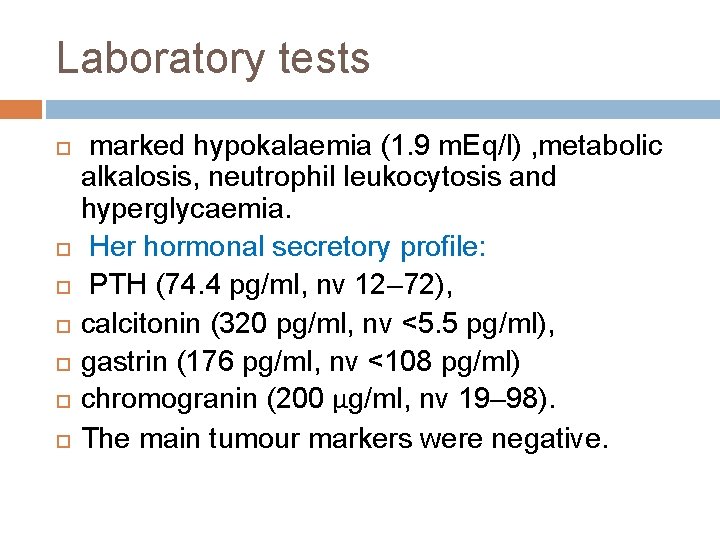
Laboratory tests marked hypokalaemia (1. 9 m. Eq/l) , metabolic alkalosis, neutrophil leukocytosis and hyperglycaemia. Her hormonal secretory profile: PTH (74. 4 pg/ml, nv 12– 72), calcitonin (320 pg/ml, nv <5. 5 pg/ml), gastrin (176 pg/ml, nv <108 pg/ml) chromogranin (200 μg/ml, nv 19– 98). The main tumour markers were negative.
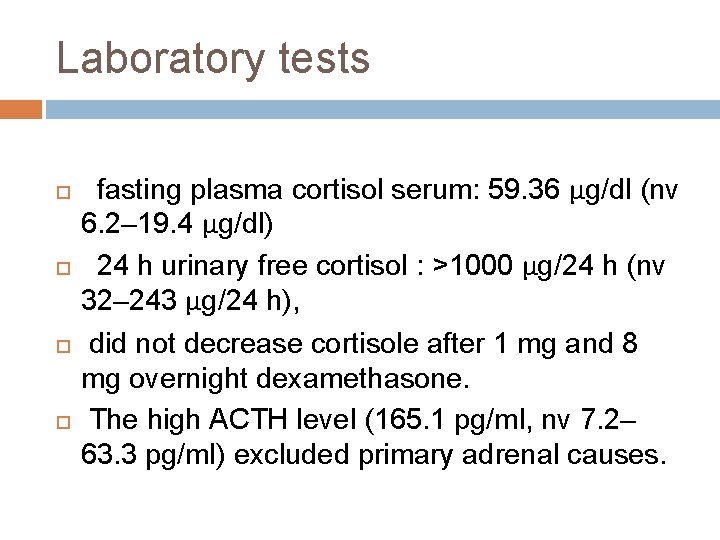
Laboratory tests fasting plasma cortisol serum: 59. 36 μg/dl (nv 6. 2– 19. 4 μg/dl) 24 h urinary free cortisol : >1000 μg/24 h (nv 32– 243 μg/24 h), did not decrease cortisole after 1 mg and 8 mg overnight dexamethasone. The high ACTH level (165. 1 pg/ml, nv 7. 2– 63. 3 pg/ml) excluded primary adrenal causes.
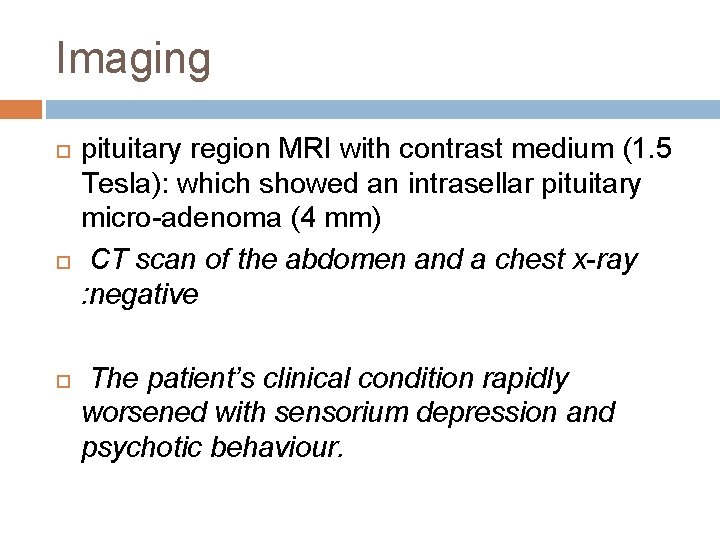
Imaging pituitary region MRI with contrast medium (1. 5 Tesla): which showed an intrasellar pituitary micro-adenoma (4 mm) CT scan of the abdomen and a chest x-ray : negative The patient’s clinical condition rapidly worsened with sensorium depression and psychotic behaviour.
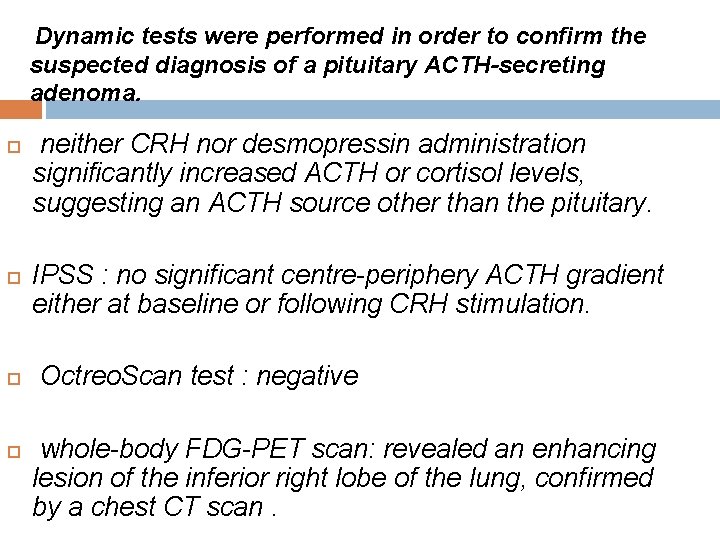
Dynamic tests were performed in order to confirm the suspected diagnosis of a pituitary ACTH-secreting adenoma. neither CRH nor desmopressin administration significantly increased ACTH or cortisol levels, suggesting an ACTH source other than the pituitary. IPSS : no significant centre-periphery ACTH gradient either at baseline or following CRH stimulation. Octreo. Scan test : negative whole-body FDG-PET scan: revealed an enhancing lesion of the inferior right lobe of the lung, confirmed by a chest CT scan.
Comparison of Ga. DOTANOC PET/CT and contrastenhanced CT in localisation of tumours in ectopic ACTH syndrome Majunath R Goroshi 1/Endocr Connect 2016 vol. 5 no. 2 83 -91 In this systematic review, data on Ga-SSTR PET/CT use was available for EAS patients (n=23). They reported similar CECT sensitivity of 81. 8% (18/22) for histopathologically proven lesions, 77. 8% (7/9) for lung lesions and 100% (4/4) for NET.

DDAVP test IPSS PET F/U

THANKS FOR YOUR ATTENTION
- Slides: 38