
Cartography Communicating Spatial Information Scott Bell GIS Institute
Cartography: Communicating Spatial Information Scott Bell GIS Institute
GIS Output and Information Communication What do we want to communicate? ¢ How can it be communicated? ¢ ¢ http: //blogs. esri. com/esri/arcgis/2011/ 10/28/design-principles-forcartography/ l 2 Google: ESRI design principles
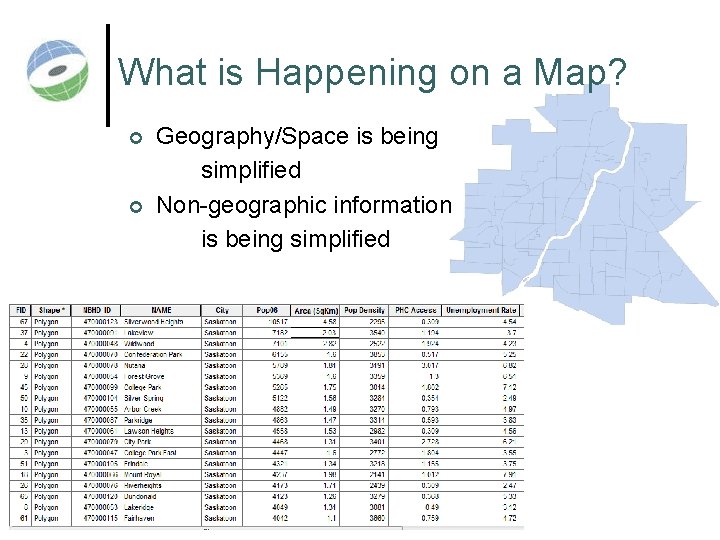
What is Happening on a Map? ¢ ¢ 3 Geography/Space is being simplified Non-geographic information is being simplified
Map Types ¢ Let’s see what types of maps we can make Dot density l Proportional/graduated symbol l choropleth l 4
Dot Density Maps ¢ ¢ Portraying numeric/count data with dot density Dots coincide with enumeration area l DO NOT represent location of observation ¢ Dots represent a CONSTANT quantity Generalization is associated with aggregation ¢ Use with quantities of observations ¢ 5
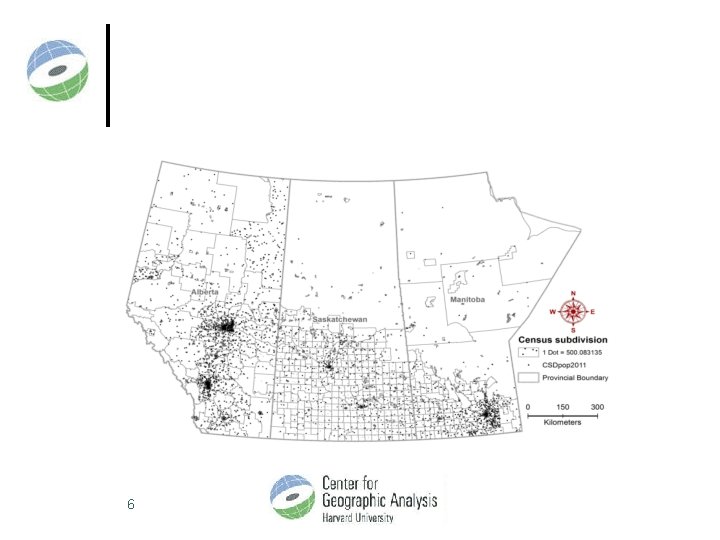
6
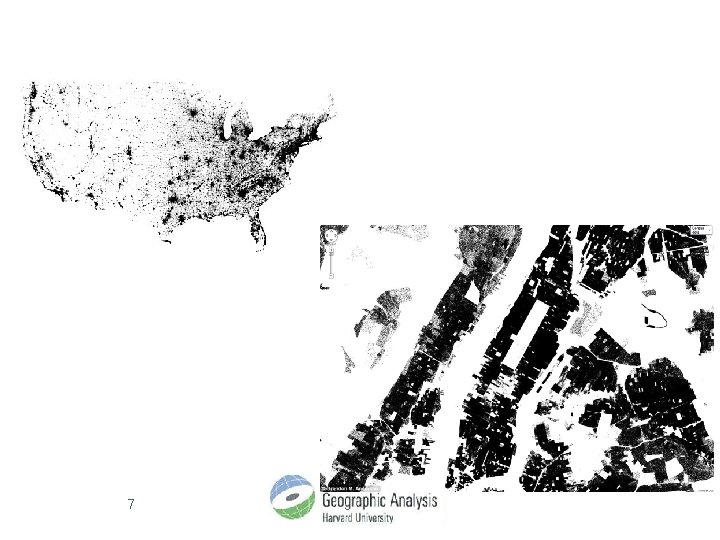
7
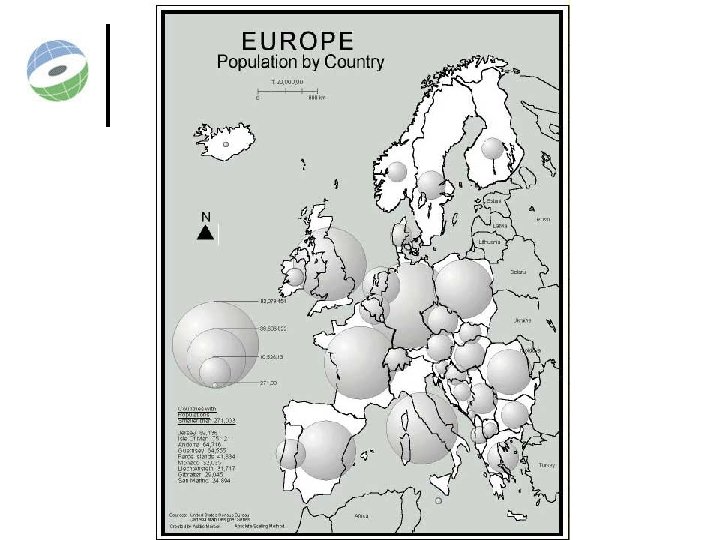
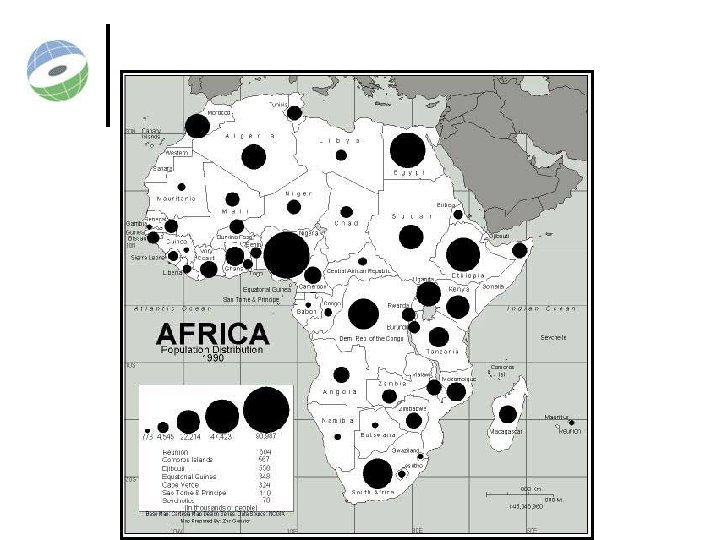
Proportional/Graduated Symbol ¢ Symbol size varies in proportion to attribute value l ¢ Also called Graduated Symbol and Variable Symbol l ¢ 8 “proportional” implies a continuous range of symbol sizes “graduated” implies symbol size is associated with a range of attribute values Used with ratio data that has a range of values absent of outliers
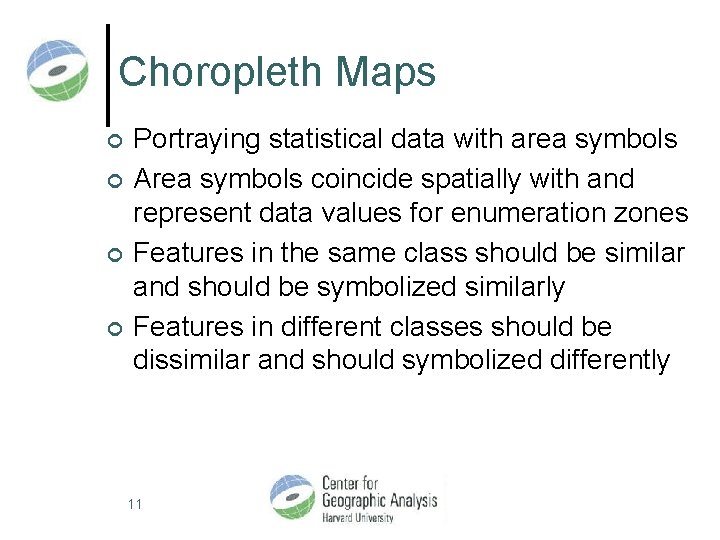
Choropleth Maps ¢ ¢ Portraying statistical data with area symbols Area symbols coincide spatially with and represent data values for enumeration zones Features in the same class should be similar and should be symbolized similarly Features in different classes should be dissimilar and should symbolized differently 11
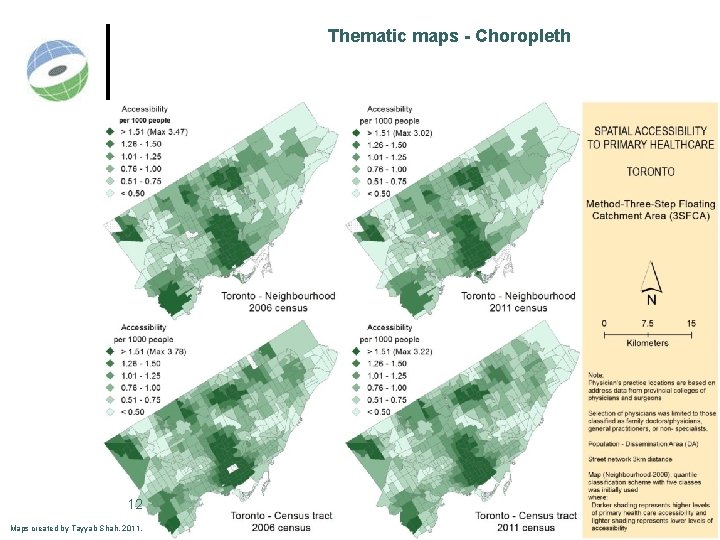
Thematic maps - Choropleth 12 Maps created by Tayyab Shah, 2011.
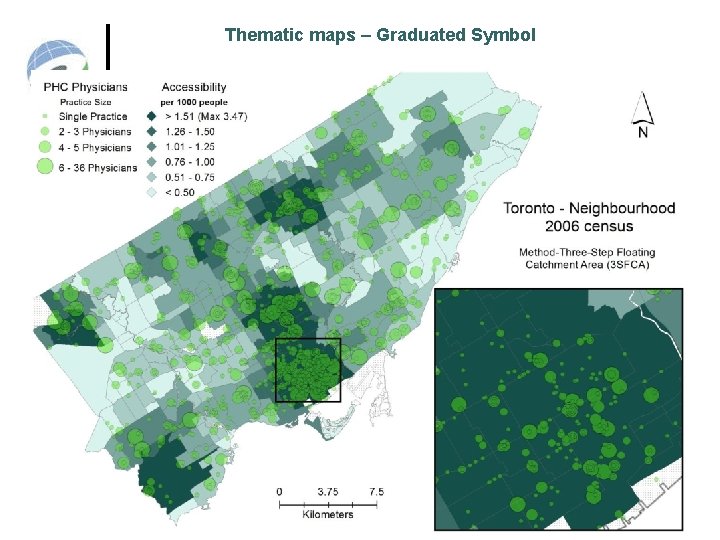
Thematic maps – Graduated Symbol 13
Cartography Maps as communication ¢ Cartographic/Map elements ¢ Map Layout ¢ Cartographic Semiotics ¢ Symbols l Typography l 14
Cartography as Communication ¢ Maps as visual communication Special purpose language l Grammar and syntax l Related to graphical communication ¢ Maps as symbolic ¢ Generalizations l representations l 15
Bertin, J. (1983). Semiology of graphics. Madison, Wis. : University of Wisconsin Press. Cleveland, William S. 1985. The Elements of Graphing Data. Monterey, CA: Wadsworth. Schmid, Calvin F. 1983. Statistical Graphics: Design Principles and Practices. New York: John Wiley and Sons. Schmid, Calvin F. and Schmid, Stanton E. 1979. Handbook of Graphic Presentation, 2 nd ed. New York: John Wiley and Sons. Tufte, Edward R. 1983. The Visual Display of Quantitative Information. Cheshire, CT: Graphics Press. Tufte, Edward R. 1990. Envisioning Information. Cheshire, CT: Graphics Press. 17
Designing Maps Well Clarity and Legibility ¢ Figure – Ground ¢ Balance ¢ Visual Hierarchy ¢ Contrast ¢ Audience, Venue, Intent, and Format ¢ 18
Clarity and Legibility ¢ Easy to read l Symbols, legends, themes Colors, patterns, etc. used to differentiate distinct symbols and elements ¢ Individual elements should be larger than required for regular vision ¢ Focus of attention ¢ 19
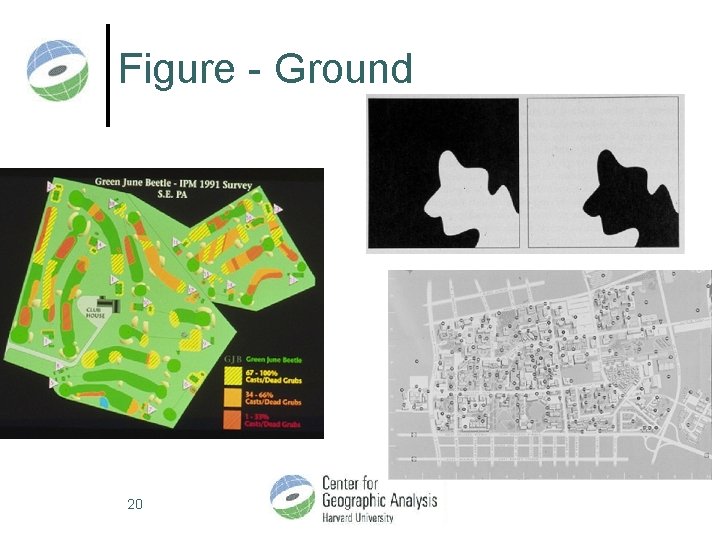
Figure - Ground 20
Map Layout ¢ Visual Hierarchy Location on map l Size l Prominence l Balance ¢ Experimentation ¢ Defensibility of each element ¢ 21
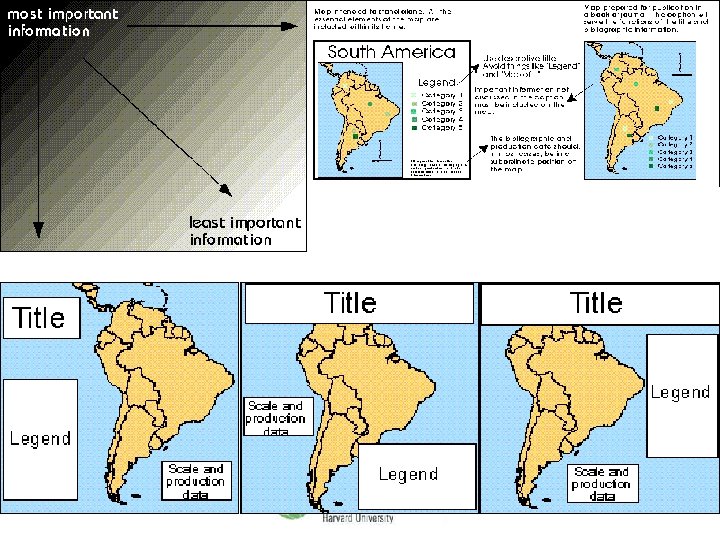
22 S 4, Brown University
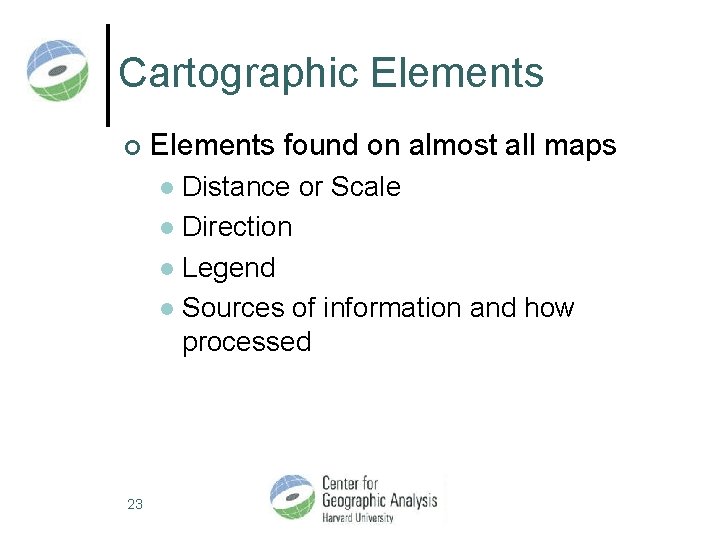
Cartographic Elements ¢ Elements found on almost all maps Distance or Scale l Direction l Legend l Sources of information and how processed l 23
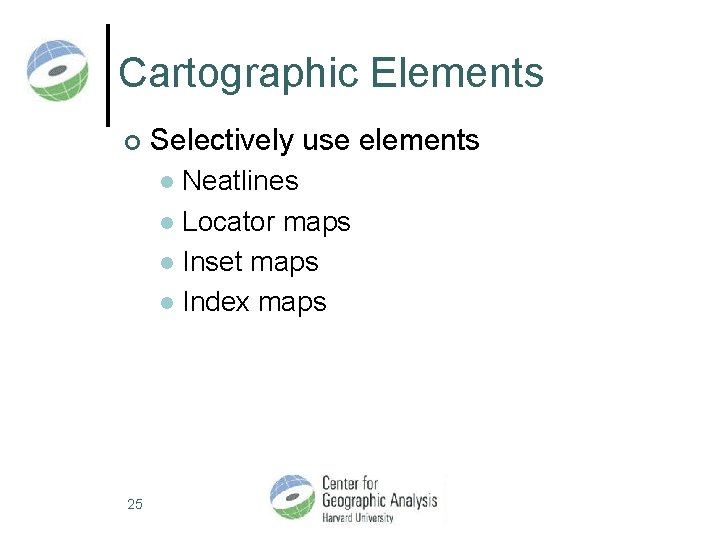
Cartographic Elements ¢ Selectively use elements Neatlines l Locator maps l Inset maps l Index maps l 25
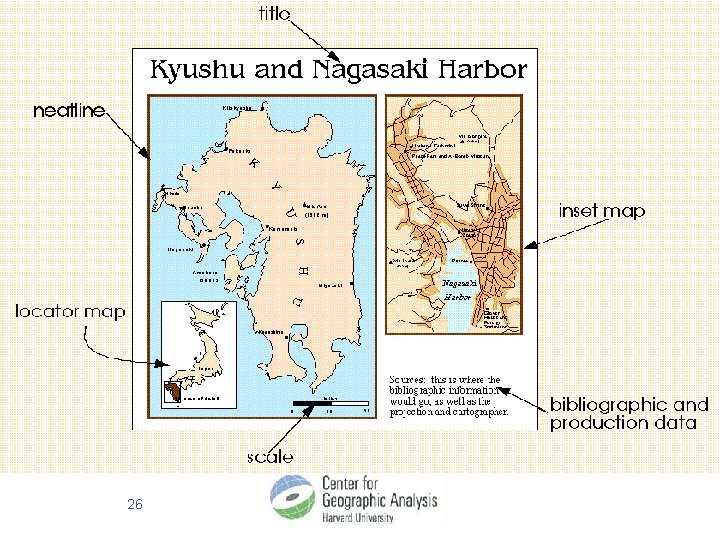
26
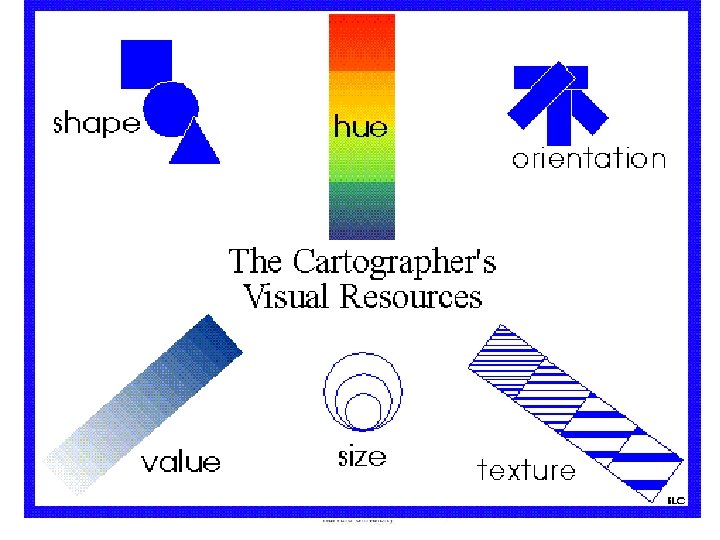
Cartographic Semiotics ¢ Theory of signs Referent and symbol (or sign) l Relationship between the two l ¢ Cartographers semiotic toolbox Visual l Other… l 27
28 S 4, Brown University
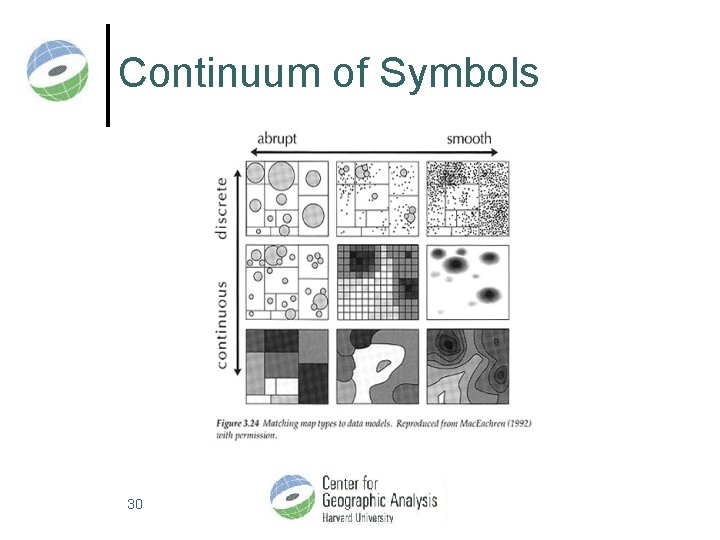
Symbol Systems ¢ Levels of data l ¢ Nominal, ordinal, interval, ratio Feature types l Points, lines, areas Symbol systems for each ¢ Typography and lettering ¢ 29
Continuum of Symbols 30
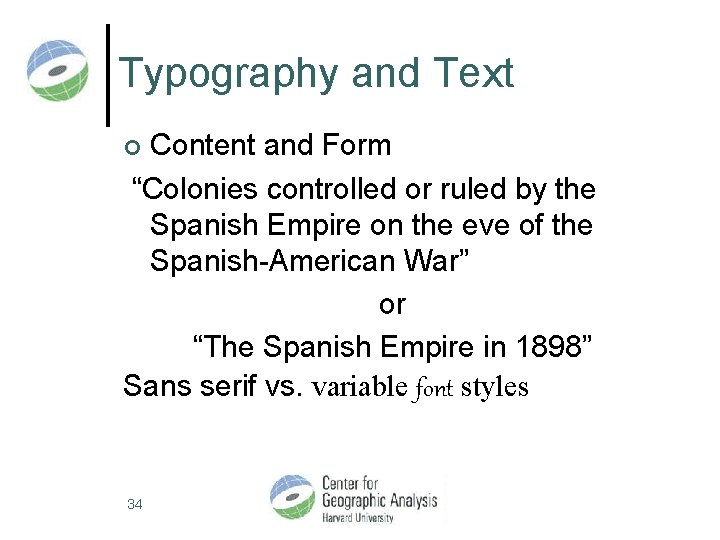
Typography and Text Content and Form “Colonies controlled or ruled by the Spanish Empire on the eve of the Spanish-American War” or “The Spanish Empire in 1898” Sans serif vs. variable font styles ¢ 34
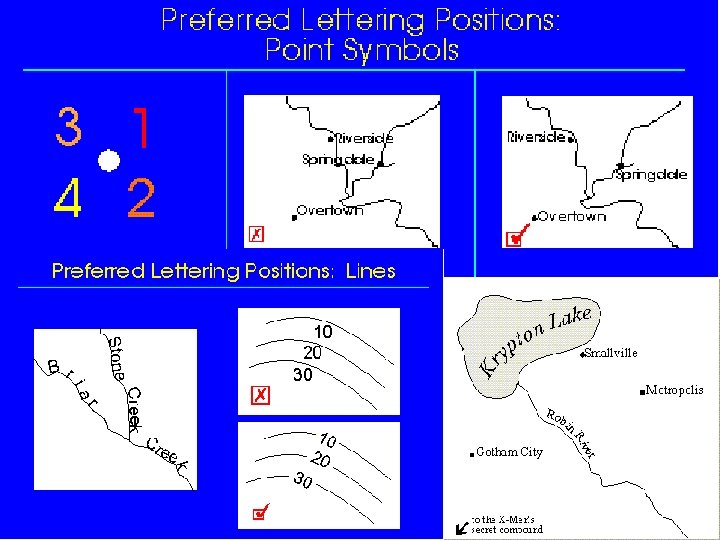
35 S 4, Brown University
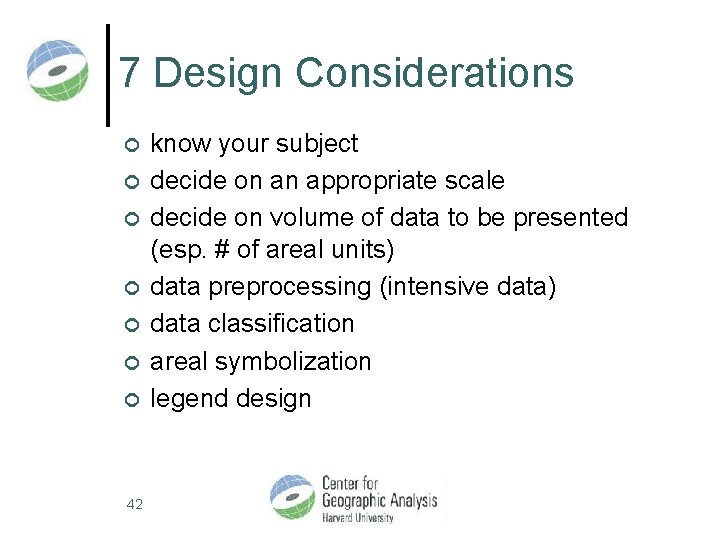
7 Design Considerations ¢ ¢ ¢ ¢ 42 know your subject decide on an appropriate scale decide on volume of data to be presented (esp. # of areal units) data preprocessing (intensive data) data classification areal symbolization legend design
- Slides: 31