
Cardiovascular System Lecture 9 MACC Biology 101 Bill
Cardiovascular System Lecture 9 MACC Biology 101 Bill Palmer
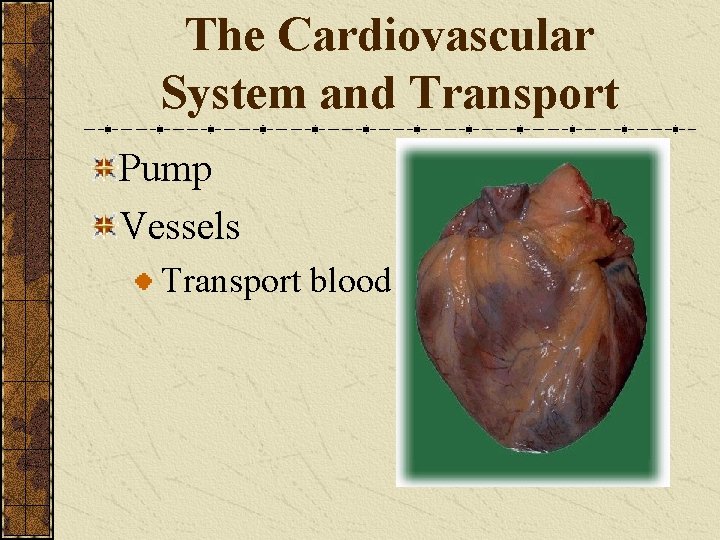
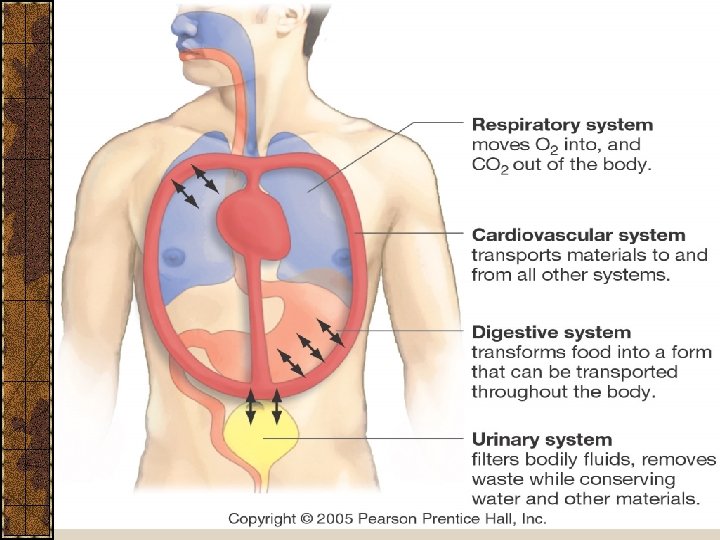
The Cardiovascular System and Transport Pump Vessels Transport blood
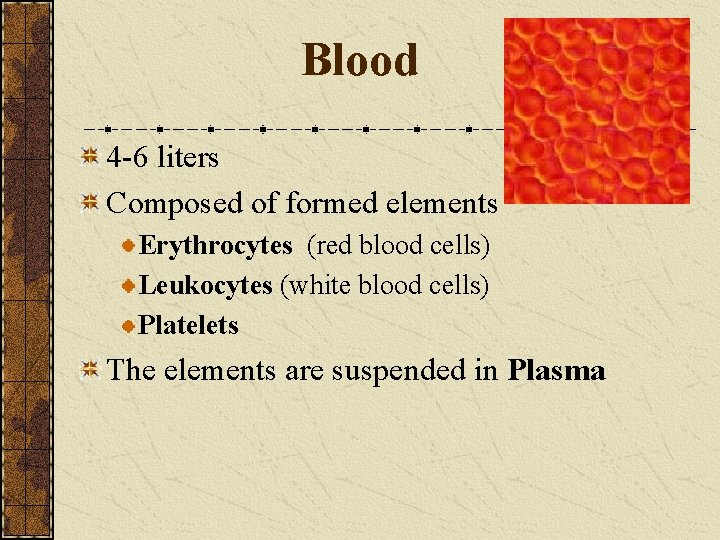
Blood 4 -6 liters Composed of formed elements Erythrocytes (red blood cells) Leukocytes (white blood cells) Platelets The elements are suspended in Plasma
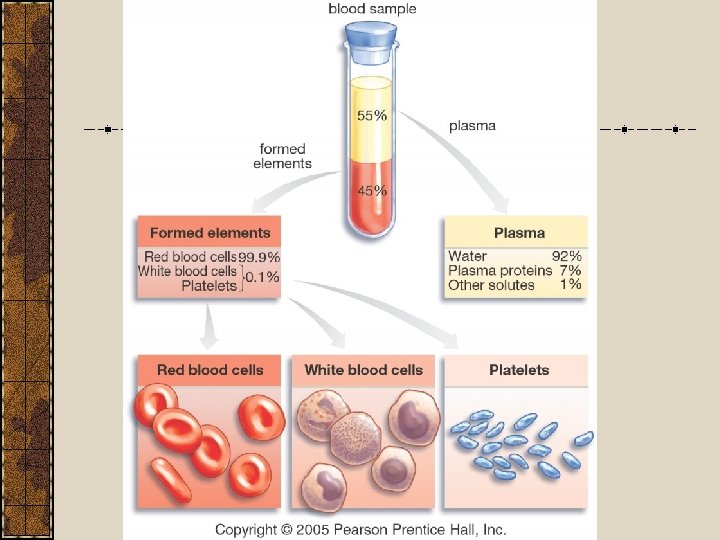
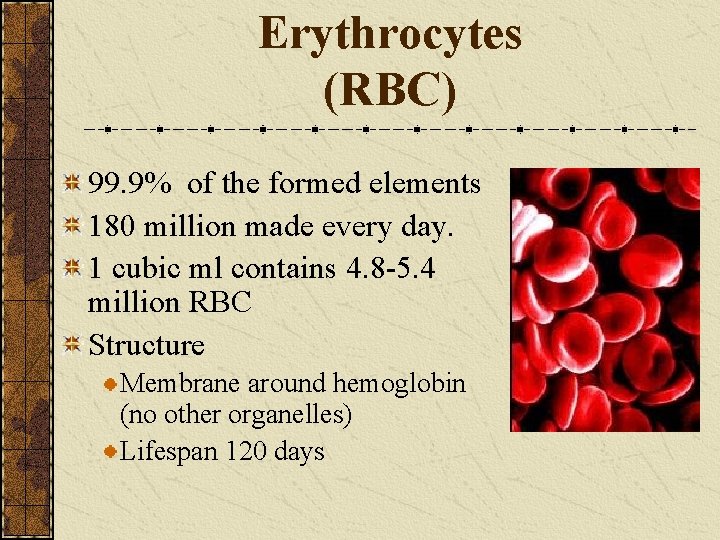
Erythrocytes (RBC) 99. 9% of the formed elements 180 million made every day. 1 cubic ml contains 4. 8 -5. 4 million RBC Structure Membrane around hemoglobin (no other organelles) Lifespan 120 days
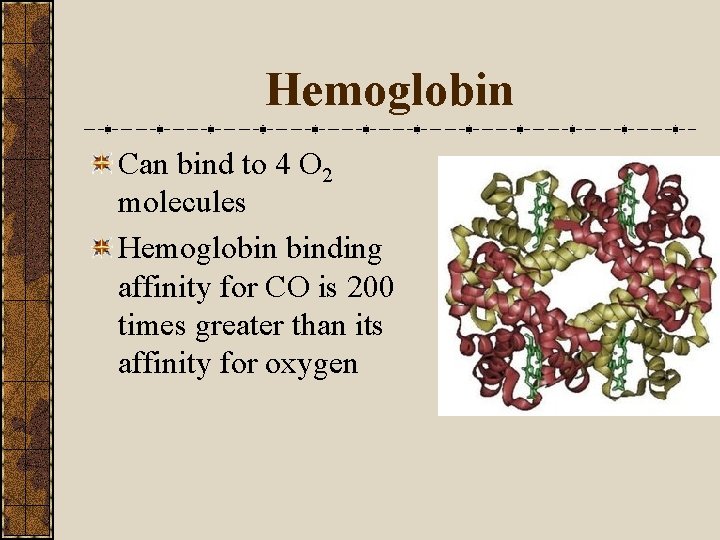
Hemoglobin Can bind to 4 O 2 molecules Hemoglobin binding affinity for CO is 200 times greater than its affinity for oxygen
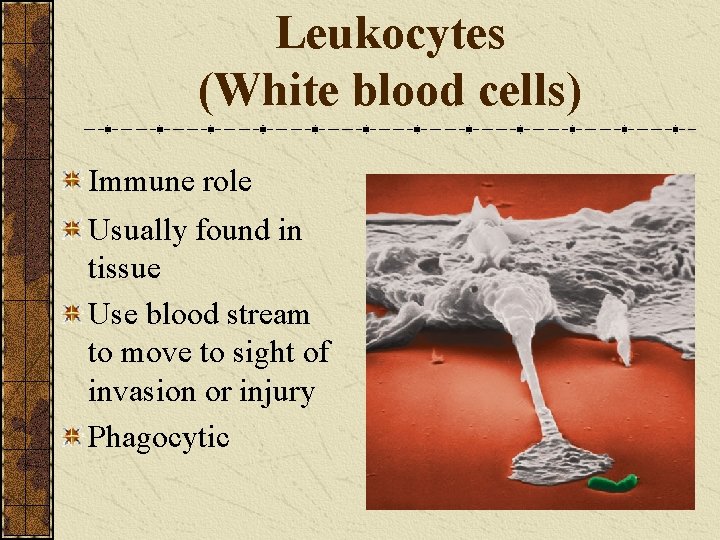
Leukocytes (White blood cells) Immune role Usually found in tissue Use blood stream to move to sight of invasion or injury Phagocytic
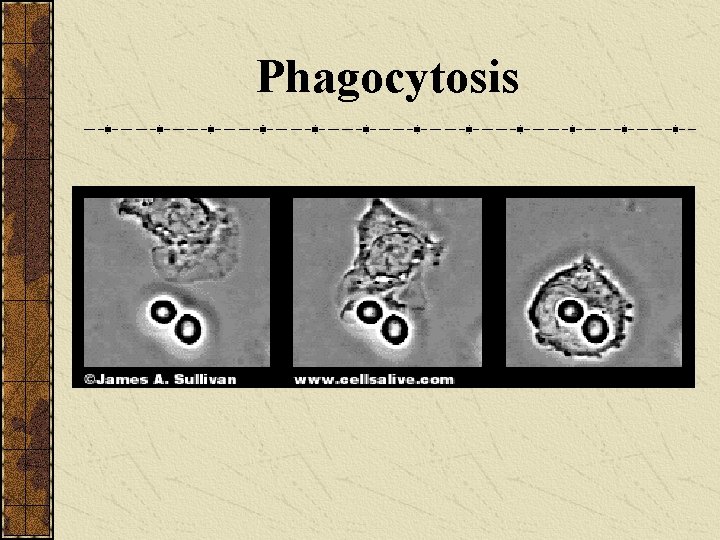
Phagocytosis
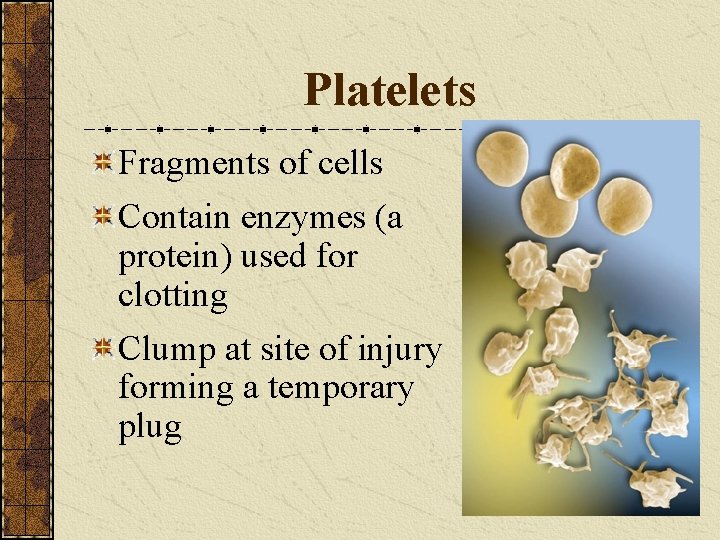
Platelets Fragments of cells Contain enzymes (a protein) used for clotting Clump at site of injury forming a temporary plug
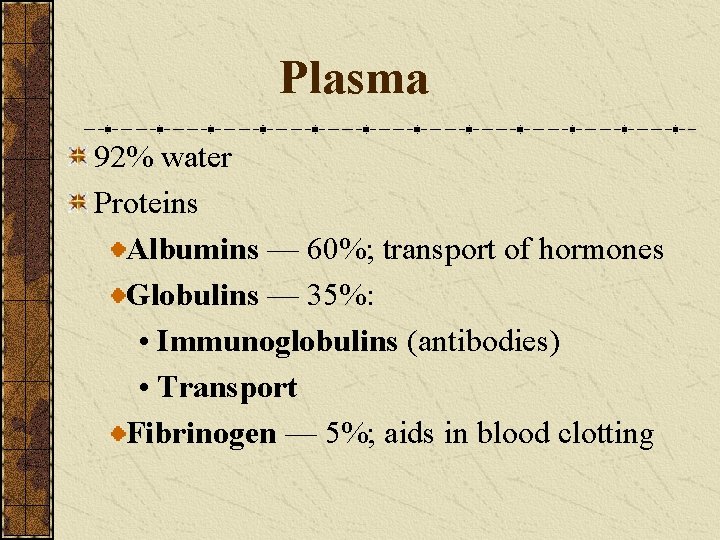
Plasma 92% water Proteins Albumins — 60%; transport of hormones Globulins — 35%: • Immunoglobulins (antibodies) • Transport Fibrinogen — 5%; aids in blood clotting
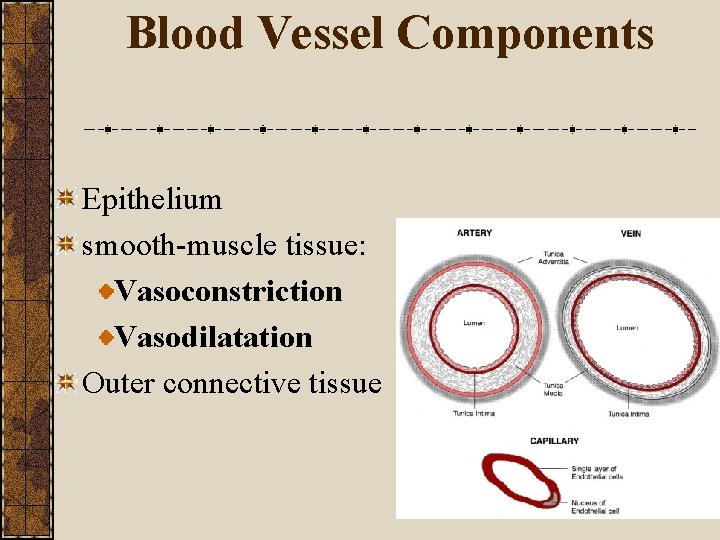
Blood Vessel Components Epithelium smooth-muscle tissue: Vasoconstriction Vasodilatation Outer connective tissue
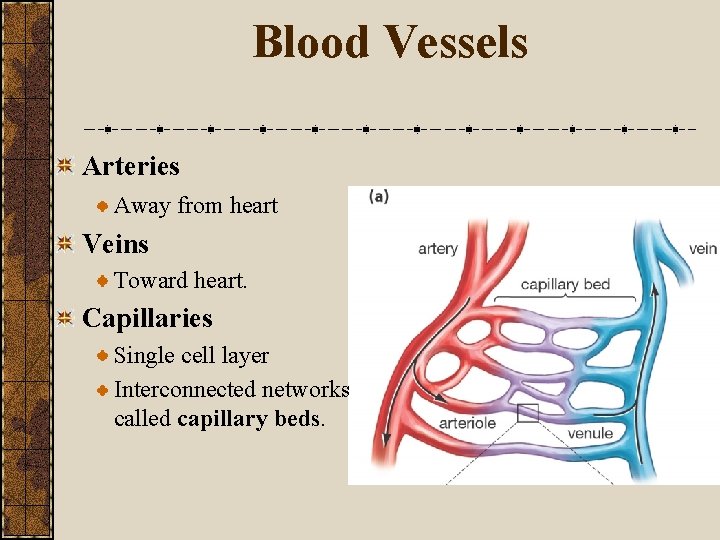
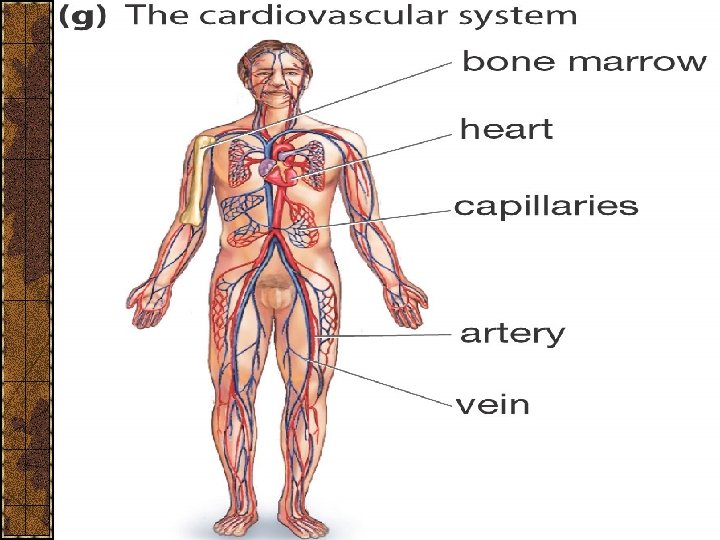
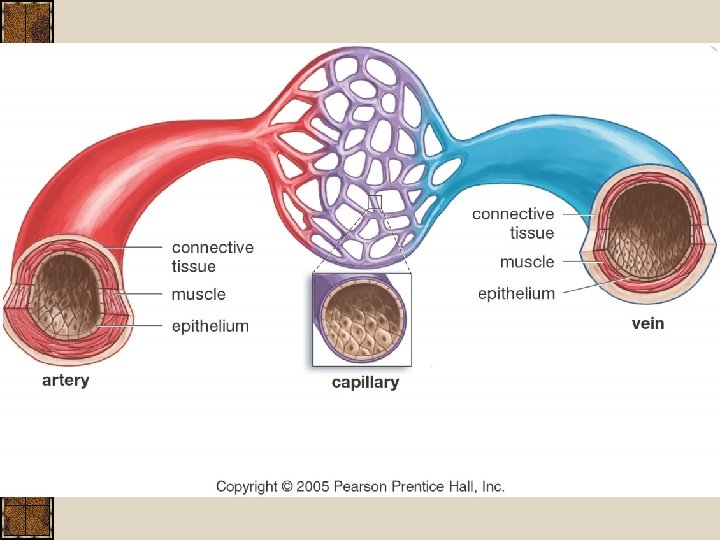
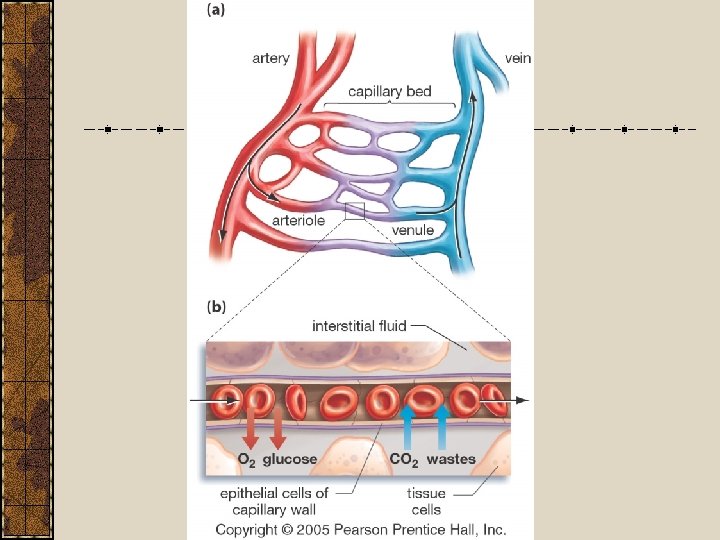
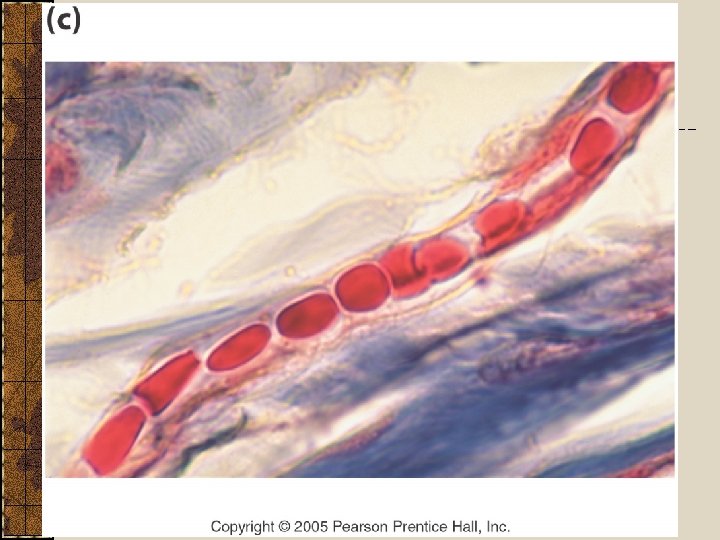
Blood Vessels Arteries Away from heart Veins Toward heart. Capillaries Single cell layer Interconnected networks called capillary beds.
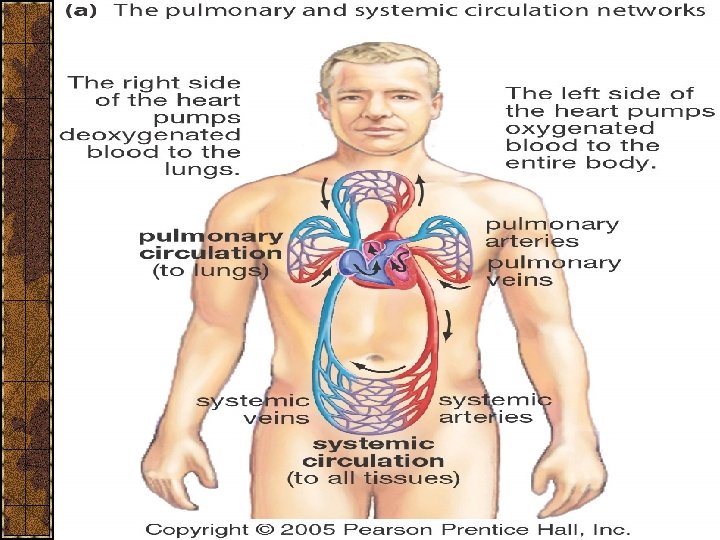
Circulation of Blood Pulmonary circulation Blood flow between heart and lungs Systemic circulation Blood flow between heart and body
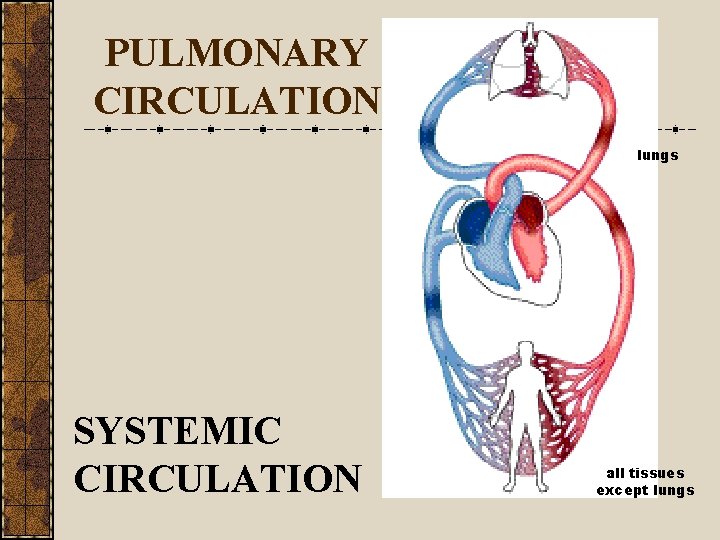
PULMONARY CIRCULATION lungs SYSTEMIC CIRCULATION all tissues except lungs
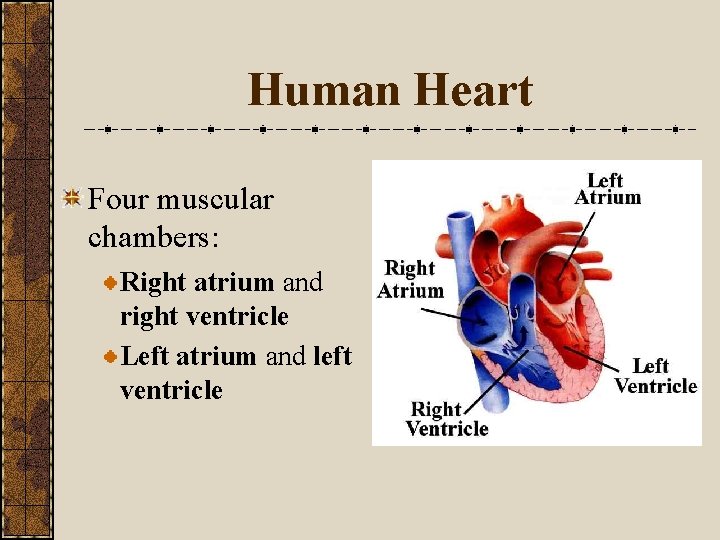
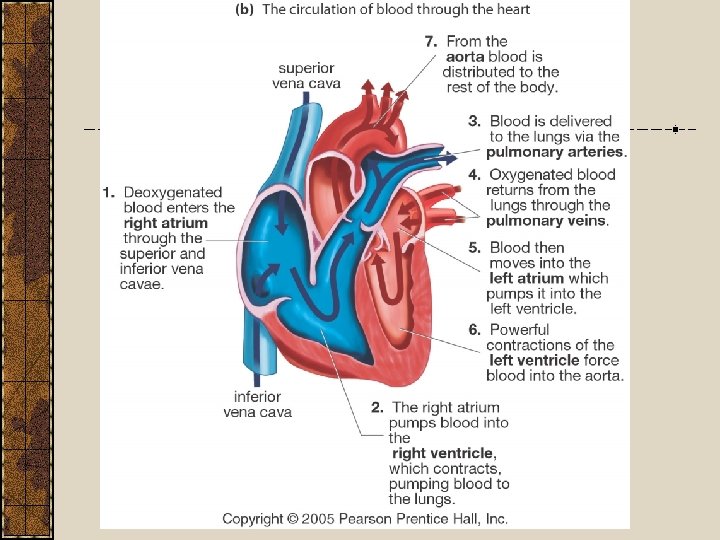
Human Heart Four muscular chambers: Right atrium and right ventricle Left atrium and left ventricle
Blood Flow Deoxygenated Blood R. Atrium Tricuspid Valve R. Ventricle Pulmonary Artery Lungs Oxygenated Blood Pulmonary Vein L. Atrium Bicuspid Valve Left Ventricle Aorta Systemic Circulation (body) Capillaries veins Vena Cava
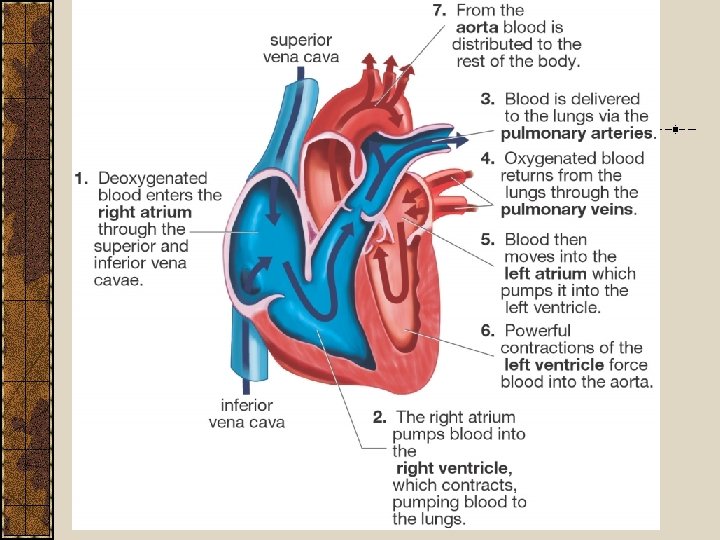
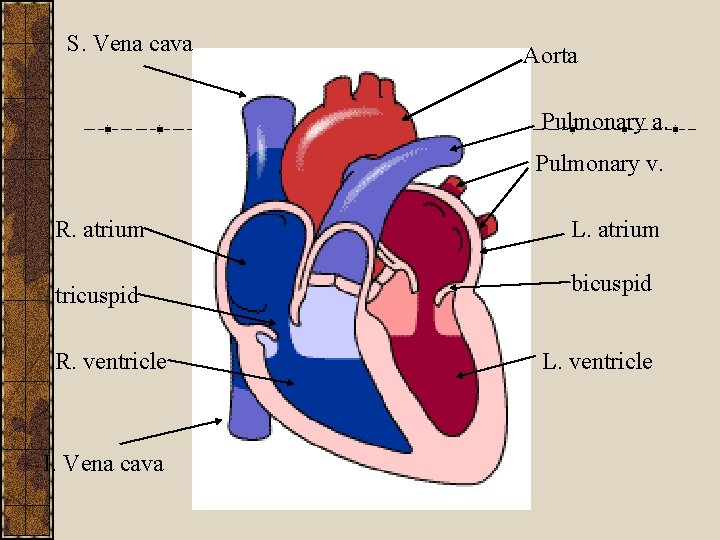
S. Vena cava Aorta Pulmonary a. Pulmonary v. R. atrium L. atrium tricuspid bicuspid R. ventricle I. Vena cava L. ventricle
http: //wwwmedlib. med. utah. edu/kw/pharm/h yper_heart 1. html
http: //wwwmedlib. med. utah. edu/Web. Path/CVH TML/CV 001. html
Heart Sounds Lub dub Lub sound of valves between the atria and ventricles closing Dub sound of valves between ventricles and arteries
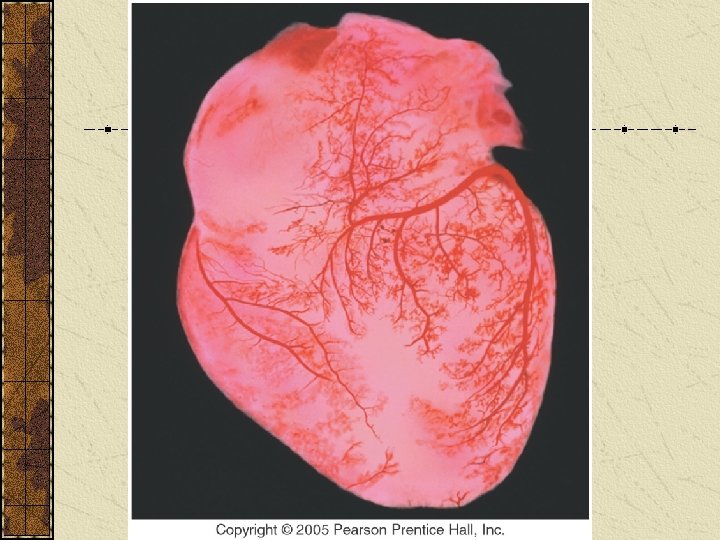
The Heart’s Own Blood Supply Heart attack • Supply to muscle reduced s Coronary arteries • Plaques • Myocardial infarction s Cells start to die Fibrillation muscle, unable to contract strongly, produces irregular rhythm
Getting the Goods to and from the Cells O 2 binds to the hemoglobin on the RBC The RBC is transported through the body (via arteries) to the capillary beds and the hemoglobin releases the oxygen (which moves to the cells that need it) and binds with CO 2 is taken back to the lungs (via the veins) where it is released and exhaled and the RBC picks up O 2 again.
Wrap up What are the structures of the cardiovascular system? What is the pathway of blood through the body? What are the components of blood? Functions? What are examples of blood vessels? Functions? What are the 2 types of circulation? What are the 4 major chambers of the heart? What is the pathway of blood through the heart? What causes the “lub” and “dub” of the heart sounds? How does blood get to the body with it’s oxygen?
Nervous System MACC Biology 101 Bill Palmer
Two Main Branches of the Nervous System 1) Central Nervous system (CNS) 2) Peripheral Nervous System (PNS)
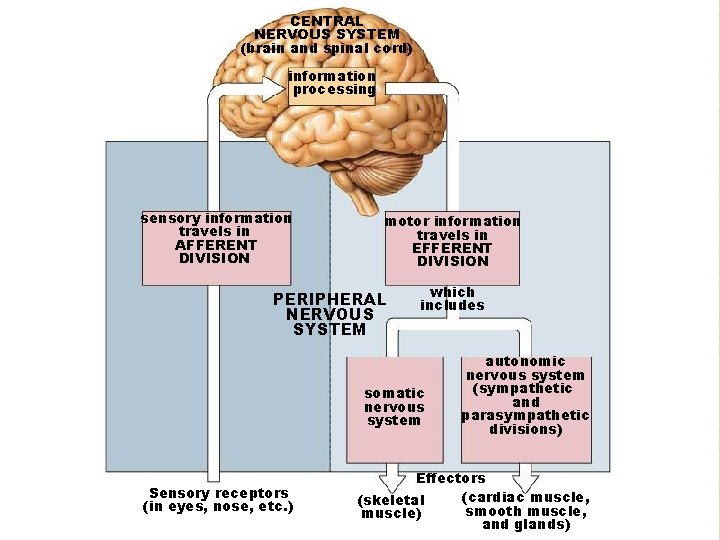
CENTRAL NERVOUS SYSTEM (brain and spinal cord) information processing sensory information travels in AFFERENT DIVISION motor information travels in EFFERENT DIVISION PERIPHERAL NERVOUS SYSTEM which includes somatic nervous system Sensory receptors (in eyes, nose, etc. ) autonomic nervous system (sympathetic and parasympathetic divisions) Effectors (cardiac muscle, (skeletal smooth muscle, muscle) and glands)
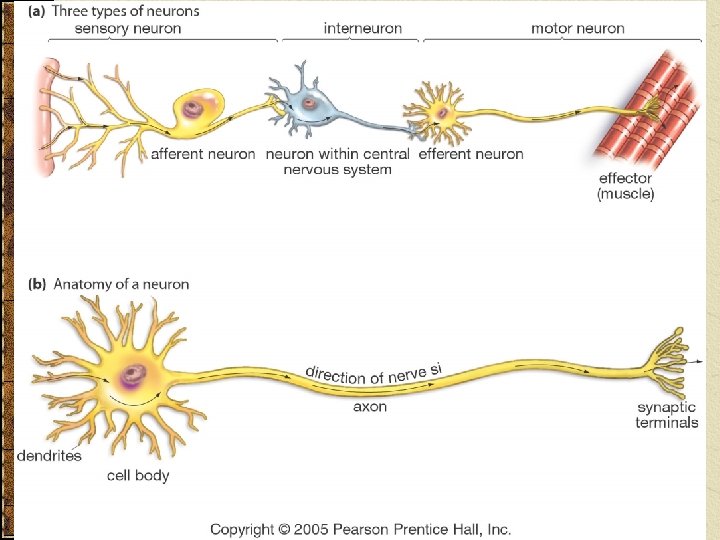
Cells Sensory Neurons Relay touch, temperature, pressure, senses. Perceive state of involuntary systems.
Cells Motor Neurons Commands from CNS Interneurons brain, spinal cord. Interconnect other neurons.
Anatomy of Neuron Cell body Dendrites • Receive signal Axon • Carry signal Synaptic terminals
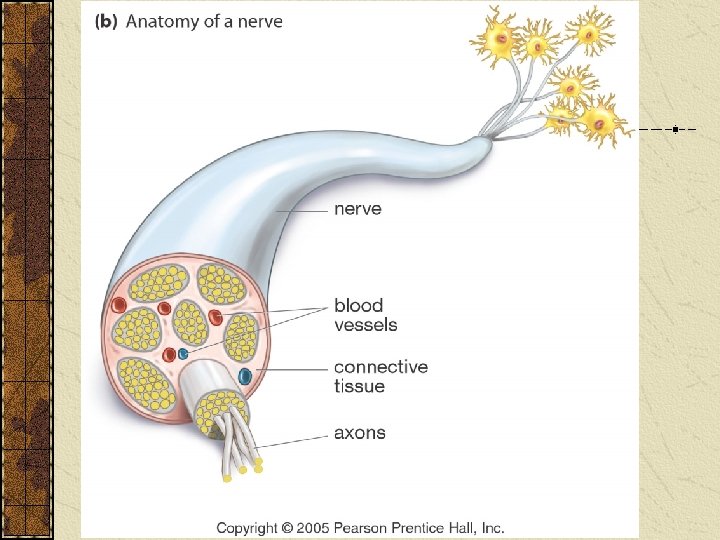
Nerves: Bundles of Axons Sensory Motor Mixed Connective tissue and vascular cover
Cells of the Nervous System Neurons Glial
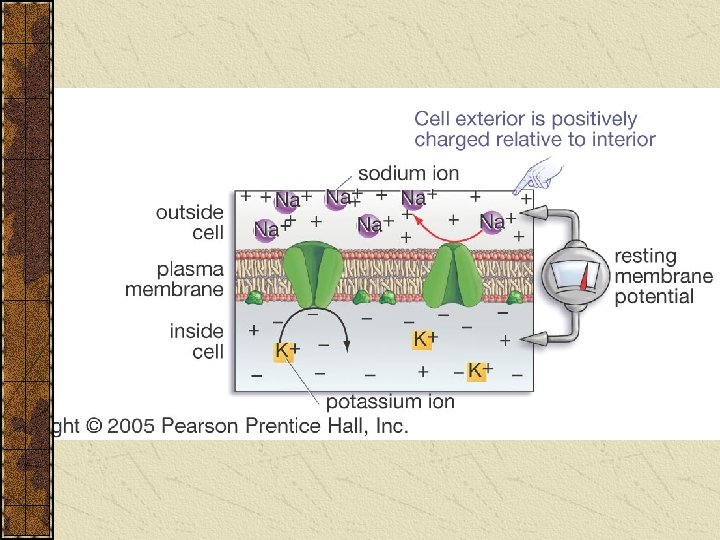
Transmission of Nerve Signals Electrical signal Membrane protein channels. In resting state: positive outside negatively inside.
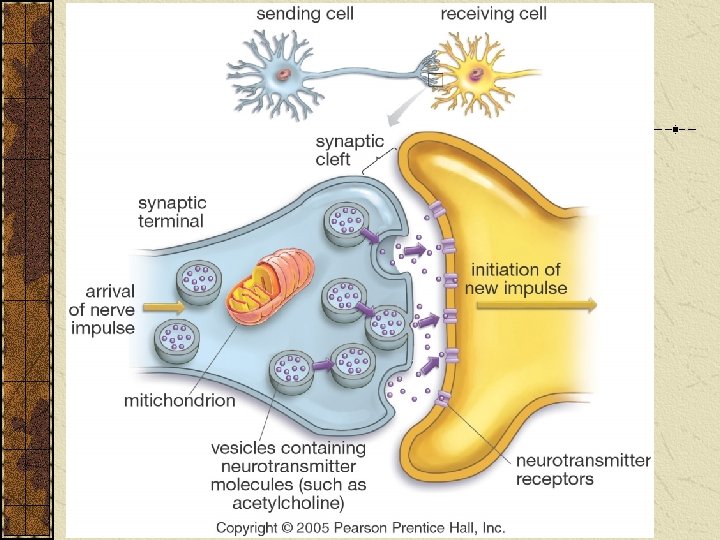
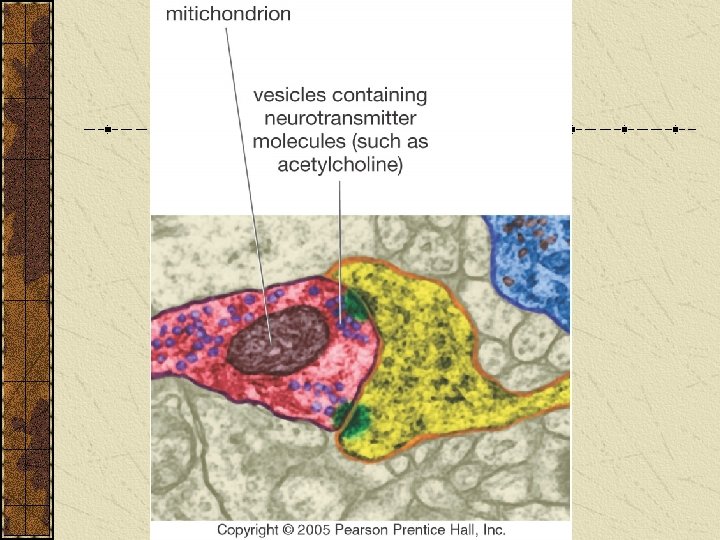
Neurotransmitters Acetylcholine, serotonin, dopamine, and others. Involved in brain activities Emotions
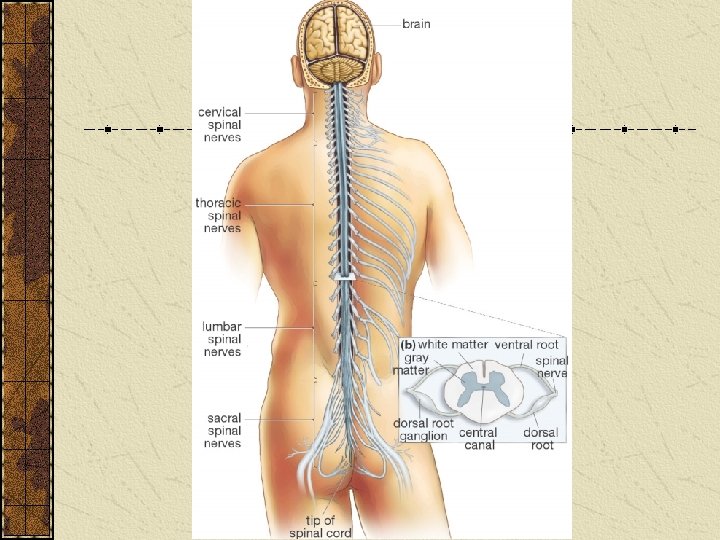
The Spinal Cord Communication center Reflex center Sensory impulse path
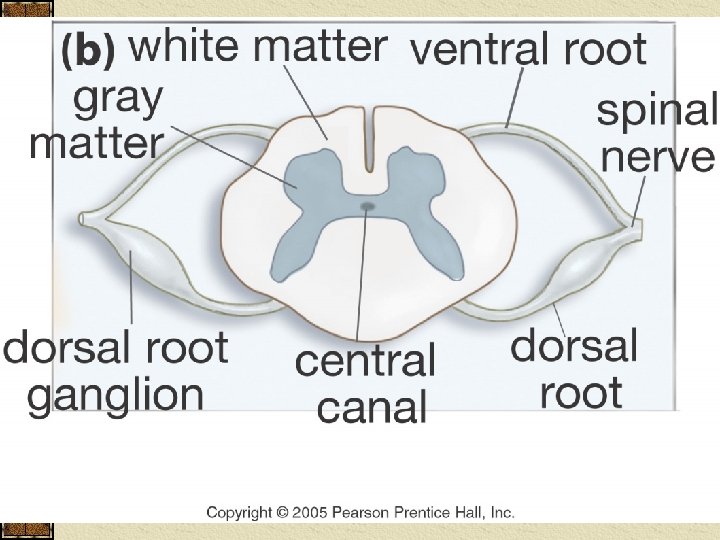
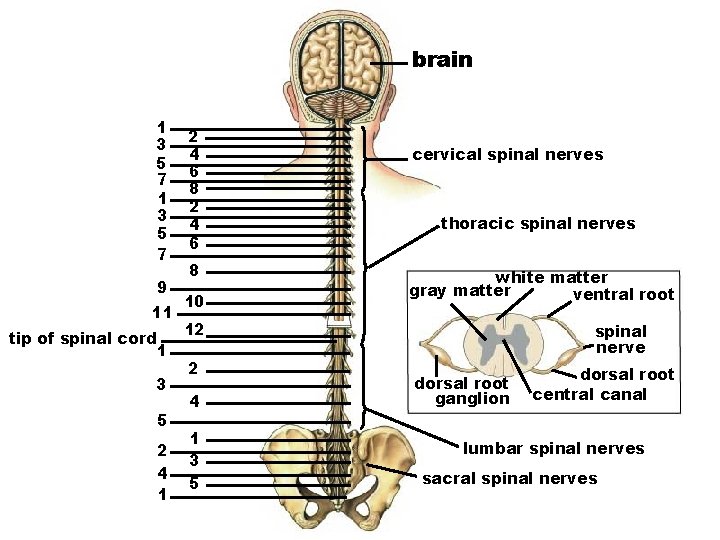
brain 1 3 5 7 9 11 tip of spinal cord 1 3 5 2 4 1 2 4 6 8 10 cervical spinal nerves thoracic spinal nerves white matter gray matter ventral root 12 2 4 1 3 5 spinal nerve dorsal root ganglion dorsal root central canal lumbar spinal nerves sacral spinal nerves
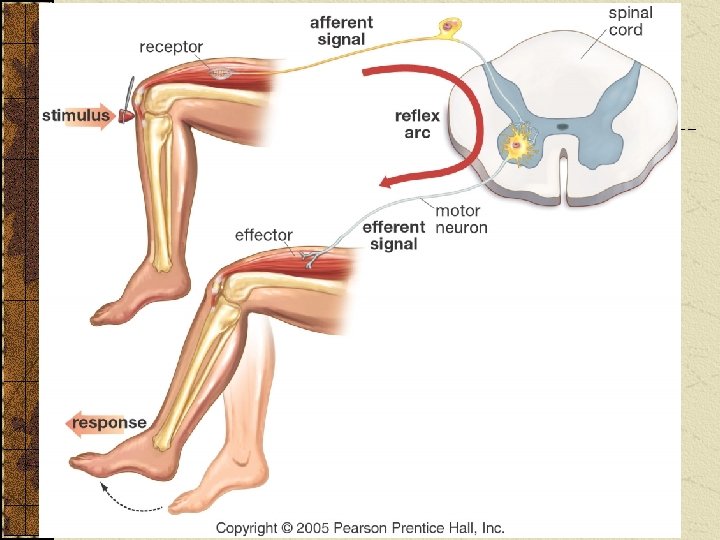
Reflexes triggered by specific stimuli protection
Reflex arc Sensory receptor. Motor neuron
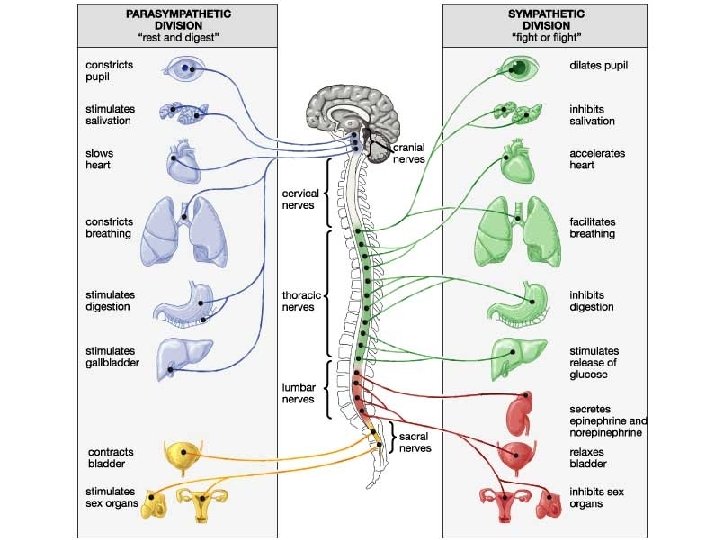
The Autonomic Nervous System Control of Organs Involuntary control Two divisions: Sympathetic division Parasympathetic division Dual innervation
The Command Center: The Human Brain Weight ~3 pounds Males brains slightly larger
No correlation between brain size and intelligence
Brain 98% of neural tissue of body Cerebral cortex Outer Grey Bathed in cerebrospinal fluid
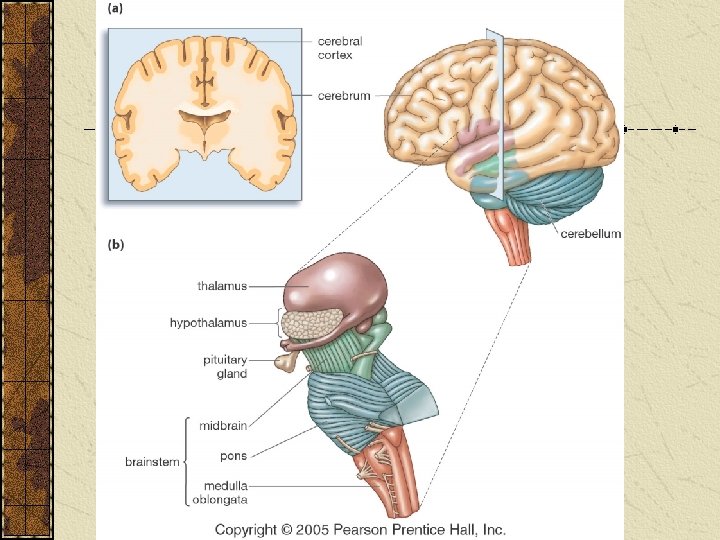
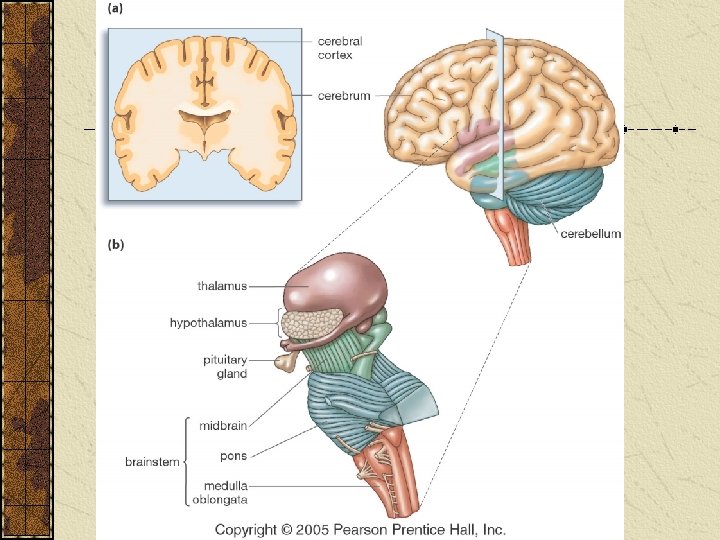
Regions in the Adult Brain Cerebrum 2 hemispheres Conscious thought/intellect Memory storage
Regions in the Adult Brain Cerebellum Motor coordination Posture muscles Balance and equilibrium
Brain Stem Thalamus Relays and processes sensory Hypothalamus Emotions Autonomic functions Hormone production Pituitary gland Endocrine system
Still in the Brain Stem Midbrain Processes sight and hearing Consciousness Pons Involuntary control of breathing Medulla Oblongata Autonomic functions
The Sense Organs
The Sense Organs Five Senses Touch Smell Taste Sound Sight
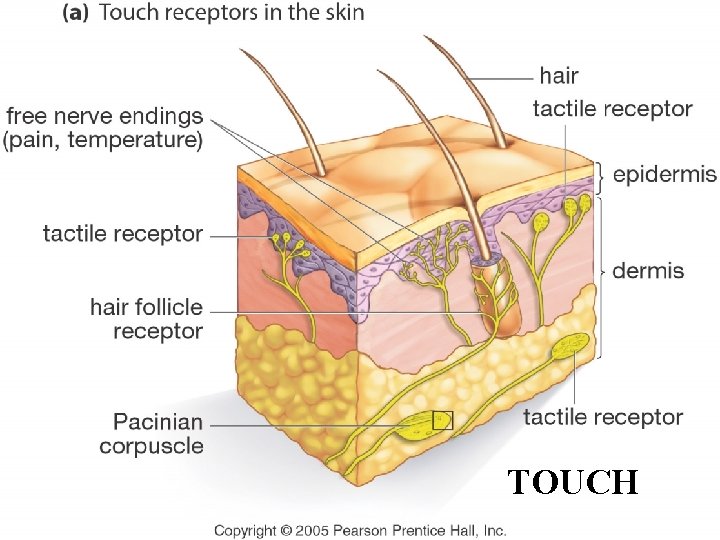
TOUCH
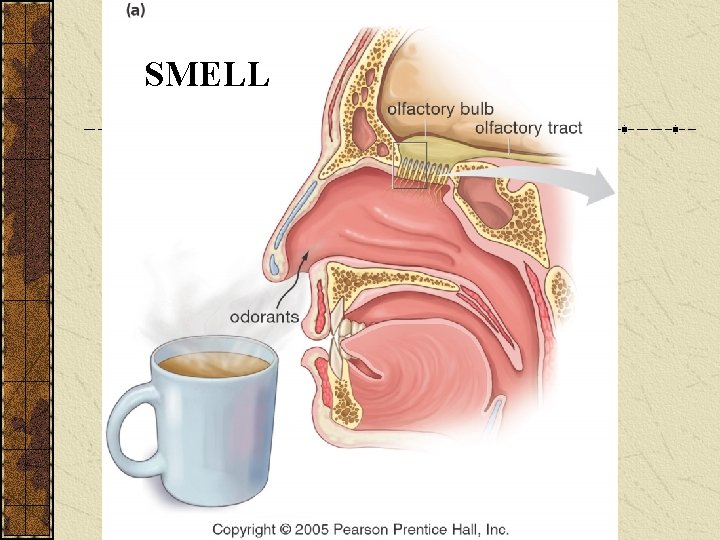
SMELL
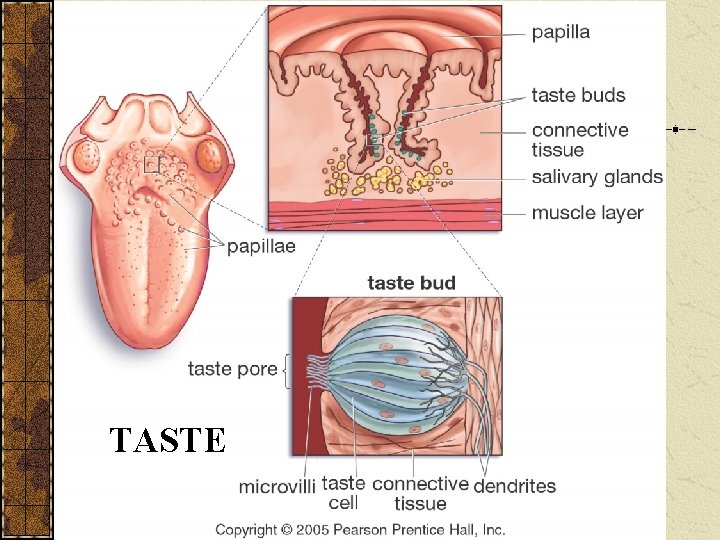
TASTE
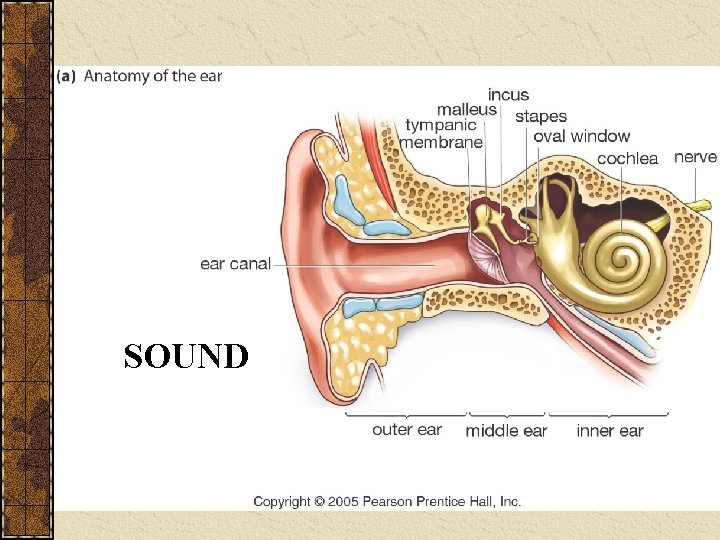
SOUND
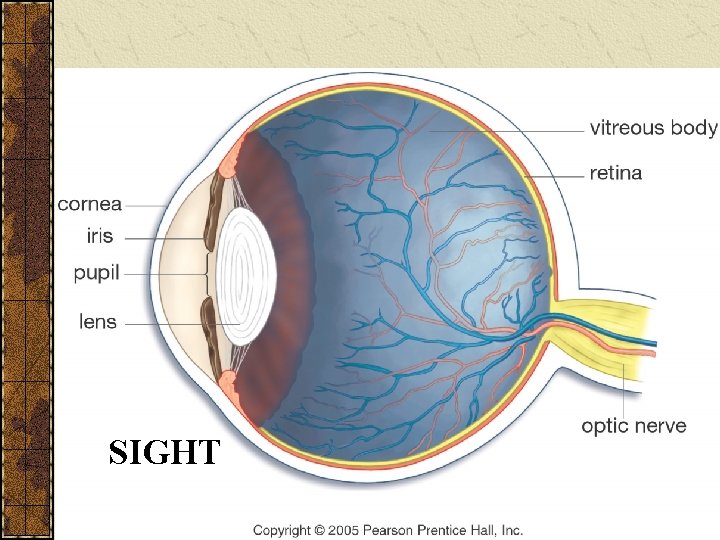
SIGHT
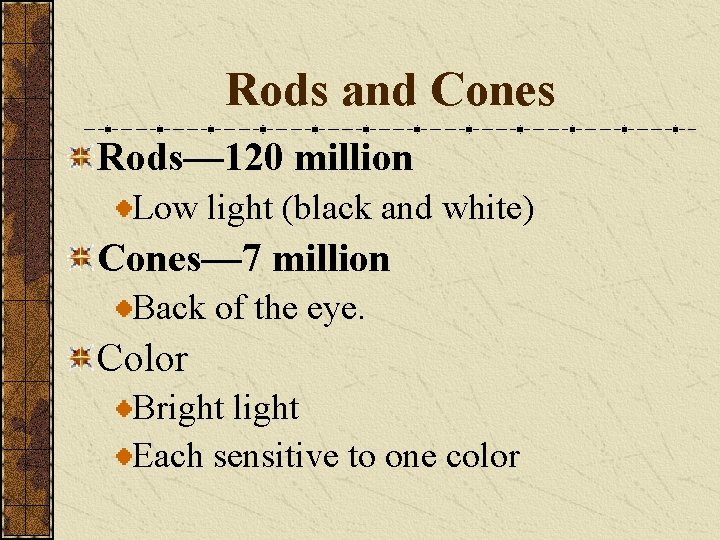
Rods and Cones Rods— 120 million Low light (black and white) Cones— 7 million Back of the eye. Color Bright light Each sensitive to one color
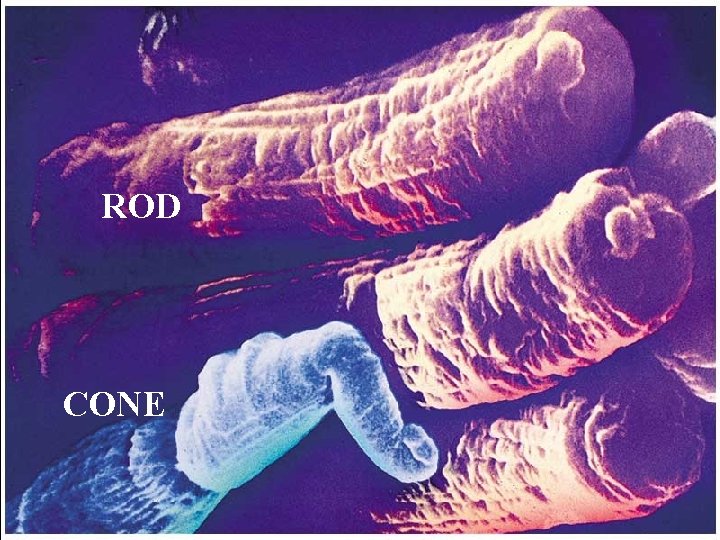
ROD CONE
- Slides: 75