
Cardiovascular System Functions Circulate blood Blood vessels carry
Cardiovascular System
Functions • Circulate blood • Blood vessels carry oxygen and nutrients to the body cells • Carbon dioxide and waste are carried away from cells and delivered to your lungs
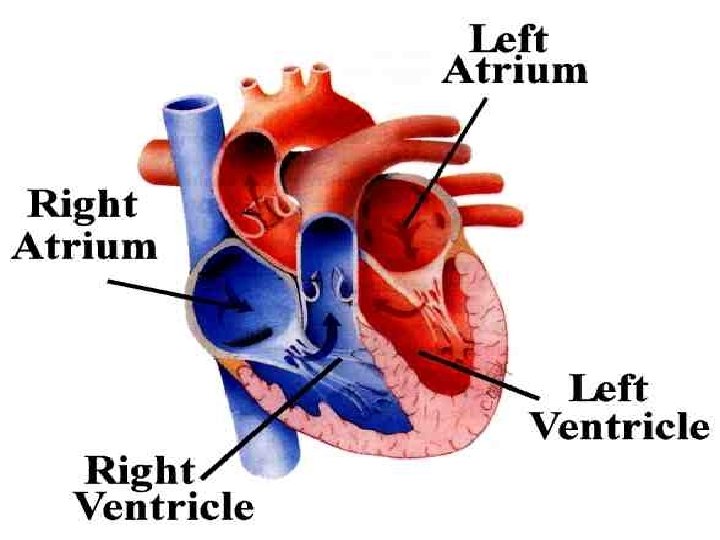
Structures Heart • Made up of muscle tissues called myocardium • Constantly working and never rests • 4 chambers inside the heart (two atriums, and two ventricles)
Blood • Delivers oxygen, hormones, and nutrients to the cells and carries waste away • Consists of: – Plasma- fluid which contains mostly water – Red blood cells- transport oxygen to cells – White blood cells- protect body against infection – Platelets- prevent loss of blood, help blood to clot
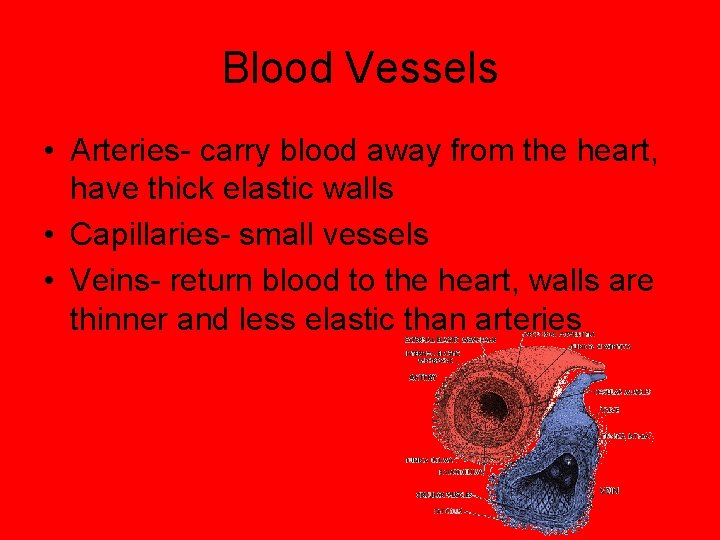
Blood Vessels • Arteries- carry blood away from the heart, have thick elastic walls • Capillaries- small vessels • Veins- return blood to the heart, walls are thinner and less elastic than arteries
Blood Pressure • Measures the amount of force the blood puts on the walls of blood vessels • Measured with a sphygmomanometer and a stethoscope • Systolic- heart is contracting and is the upper number • Diastolic- ventricles relax to refill, lower number
Care • Well-balanced diet low in saturated fats, cholesterol, and salt • Reduce stress • Exercise • Avoid alcohol, tobacco, and drugs
Problems • Congenital Heart Defects- present at birth, hole in the septum, valves not functioning • CVD • Heart murmur- abnormal sounds made as the blood flows through the heart • Varicose veins- commonly occur in legs, weakened valves • Anemia- blood can not carry enough oxygen, iron deficiency
- Slides: 9