
Cardiovascular System Arteries and arterioles Move Blood away
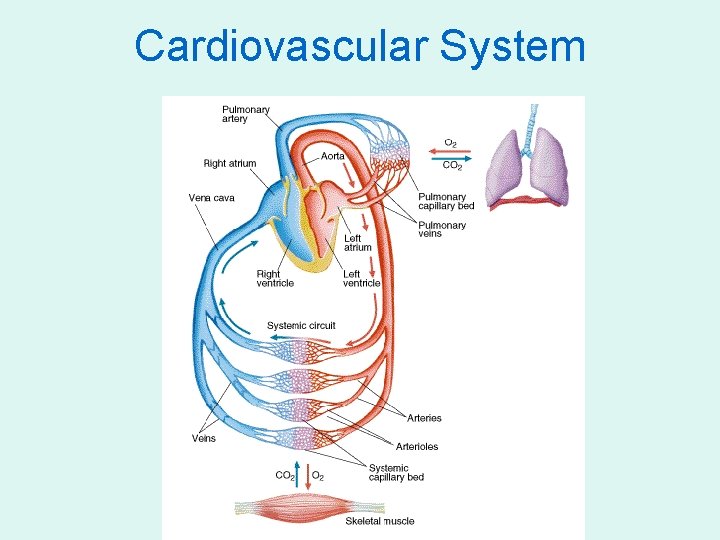
Cardiovascular System
Arteries and arterioles. Move Blood away from the Heart. Arteries are thick walled and are designed to carry high pressure blood away from the heart. Arterioles- (small arteries) branch from larger arteries
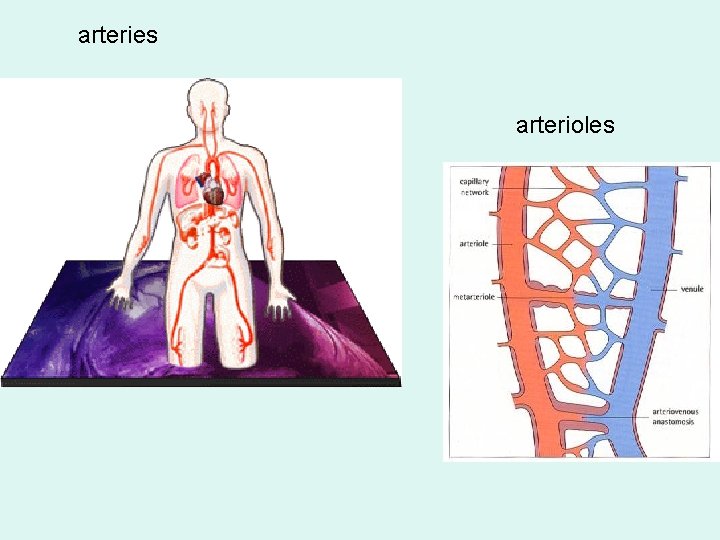
arteries arterioles
Capillaries : where gas exchange takes place Arterioles branch into capillaries, which have one-cell thick walls. At the arteriole end of a capillary, fluids and nutrients are forced out of arterioles into tissues. At the venule end, fluids with wastes reenter the bloodstream. Lymphatic capillaries drain excess tissue fluid.
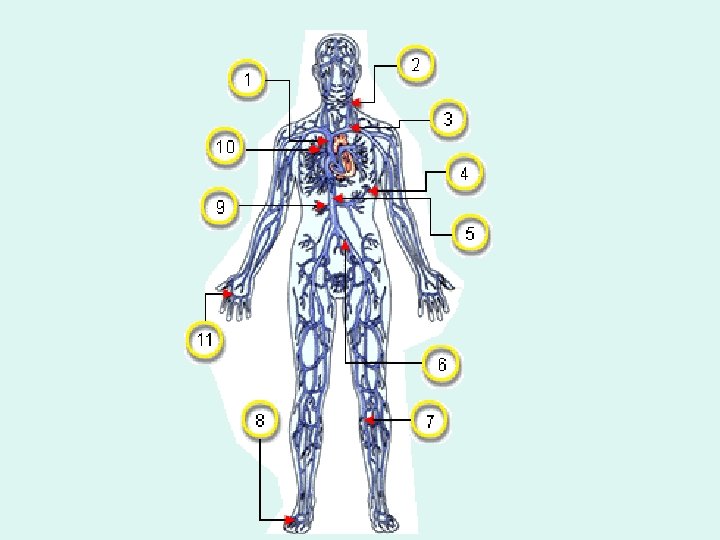
Veins and Venules to the heart Veins and venules return blood to the heart, these vessels have the same layers as arteries but have less muscle.
The Heart
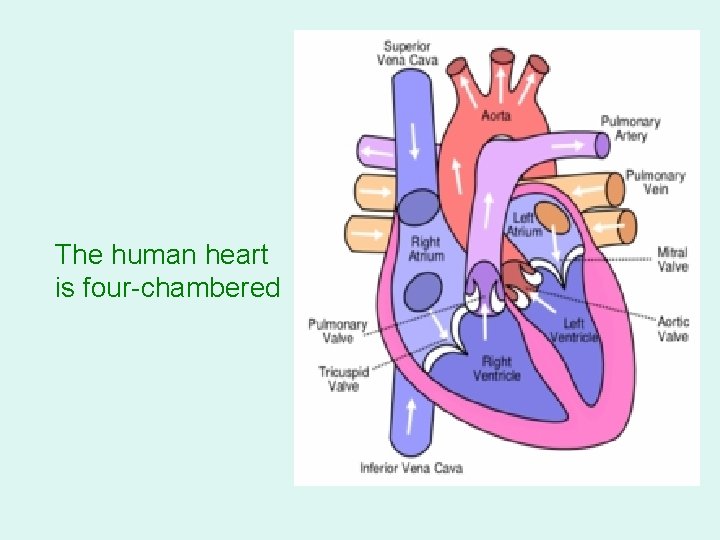
The human heart is four-chambered
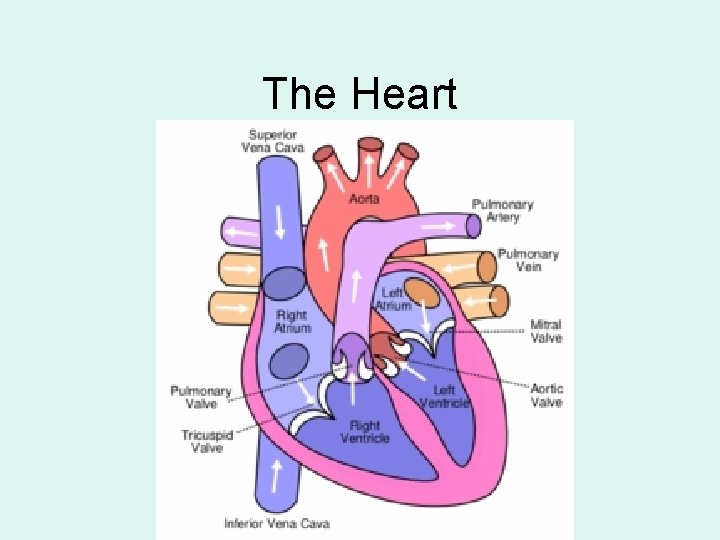
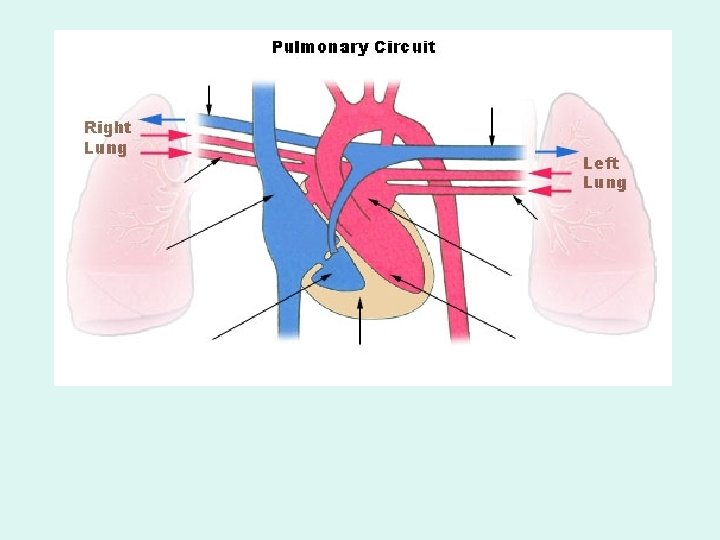
The vena cavae carry deoxygenated blood from the body to the right atrium >through the right atrioventricular (av or tricuspid ) valve, to the right ventricle, >to the lungs (through the pulmonary semilunar valve and pulmonary arteries) pulmonary veins> left atrium> left av valve (bicuspid) > left ventricle > aortic semilunar valve to the aorta, which begins the distribution of blood throughout the body.
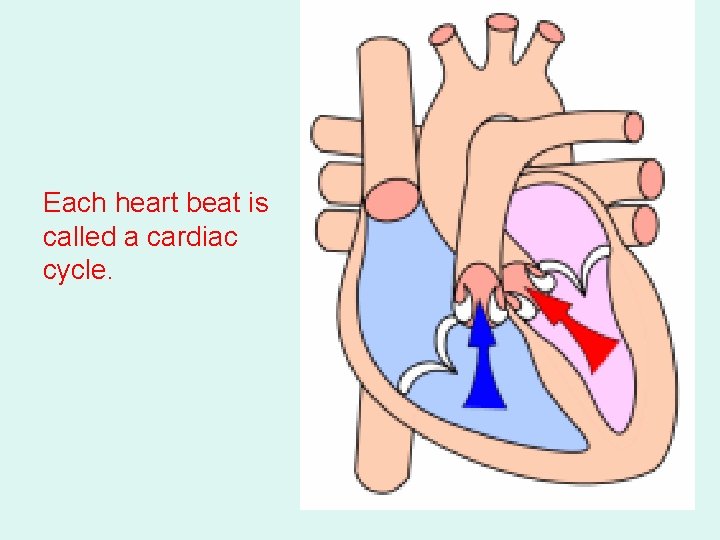
Each heart beat is called a cardiac cycle.
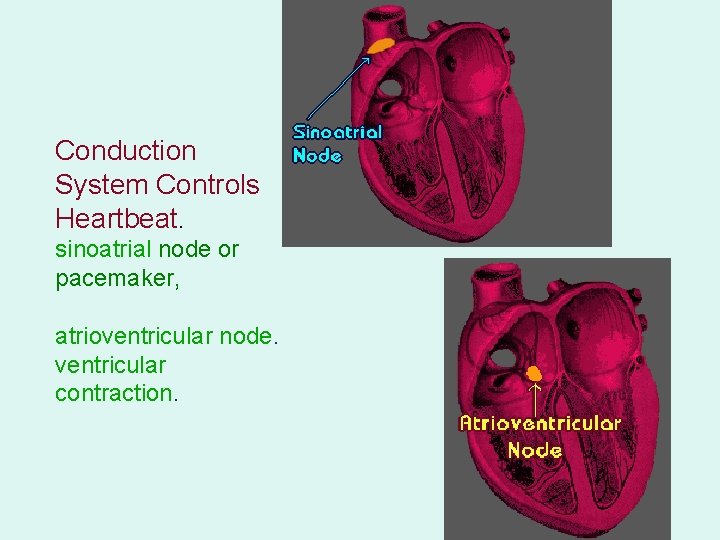
Conduction System Controls Heartbeat. sinoatrial node or pacemaker, atrioventricular node. ventricular contraction.
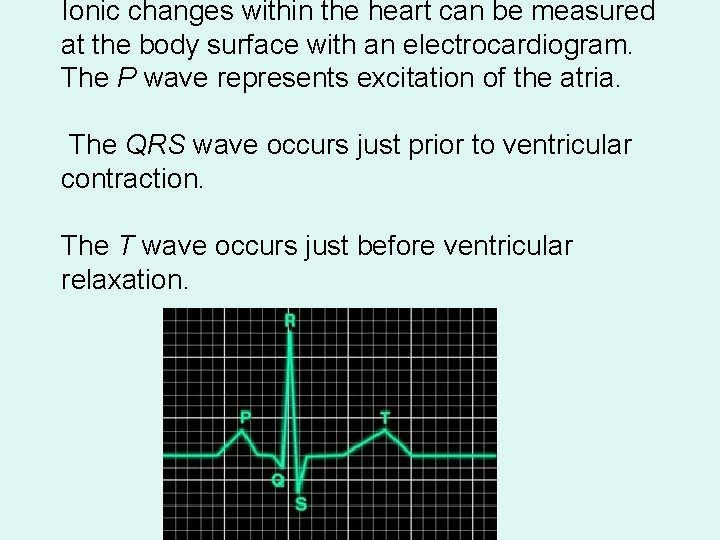
Ionic changes within the heart can be measured at the body surface with an electrocardiogram. The P wave represents excitation of the atria. The QRS wave occurs just prior to ventricular contraction. The T wave occurs just before ventricular relaxation.
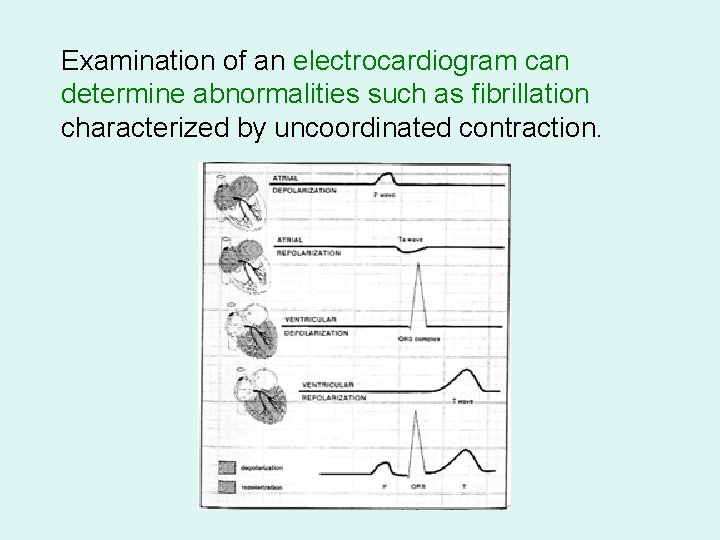
Examination of an electrocardiogram can determine abnormalities such as fibrillation characterized by uncoordinated contraction.
Nervous System and Hormones Modify Heartbeat The parasympathetic branch of the autonomic nervous system slows the actions of the heart; the sympathetic branch speeds them. Epinephrine from the adrenal medulla is a cardiostimulator. Thyroxin from the thyroid gland causes sustained increase in heart rate, leading to damage from hyperthroidism.
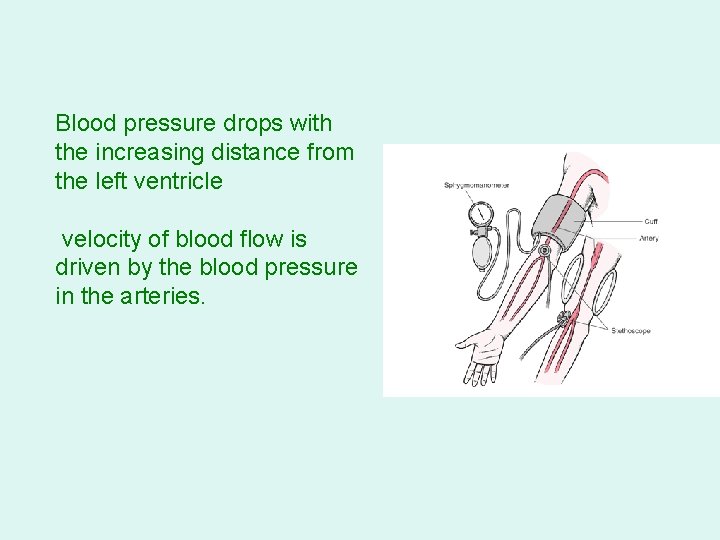
Blood pressure drops with the increasing distance from the left ventricle velocity of blood flow is driven by the blood pressure in the arteries.
Vascular Pathways Pulmonary Circuit : through the lungs pulmonary arteries leave the heart and carry deoxygenated blood to the lungs. The pulmonary veins return oxygenated blood to the heart. The systemic circuit includes blood vessels that leave the left ventricle, distribute blood throughout the body, and return blood to the right atrium
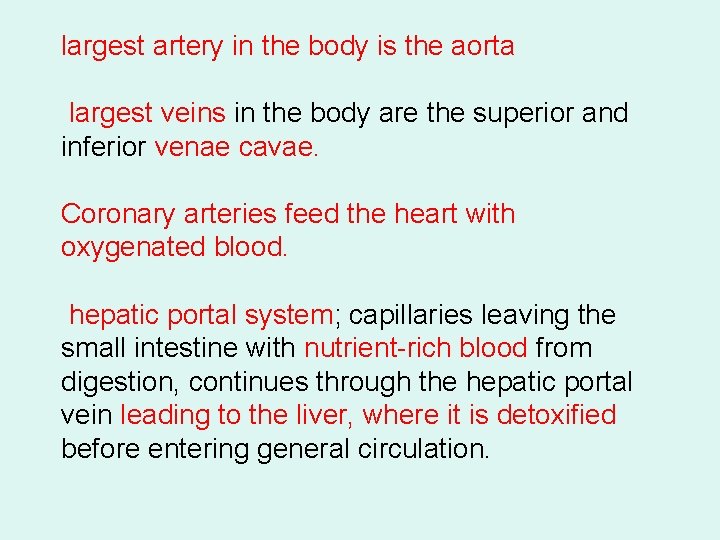
largest artery in the body is the aorta largest veins in the body are the superior and inferior venae cavae. Coronary arteries feed the heart with oxygenated blood. hepatic portal system; capillaries leaving the small intestine with nutrient-rich blood from digestion, continues through the hepatic portal vein leading to the liver, where it is detoxified before entering general circulation.
Hypertension is Deadly • Approximately 20% of all Americans are hypertensive. • blood pressure of 120/80 (brachial artery) is considered normal. • 160/95 or above is hypertensive for women; • men under age 45, 130/90 is too high • men over 45, 145/95 is considered hypertensive. Diastolic pressure is the guideline for medical treatment. Hypertension can lead to stroke or heart attack, kidney disease and in some people has a genetic basis.
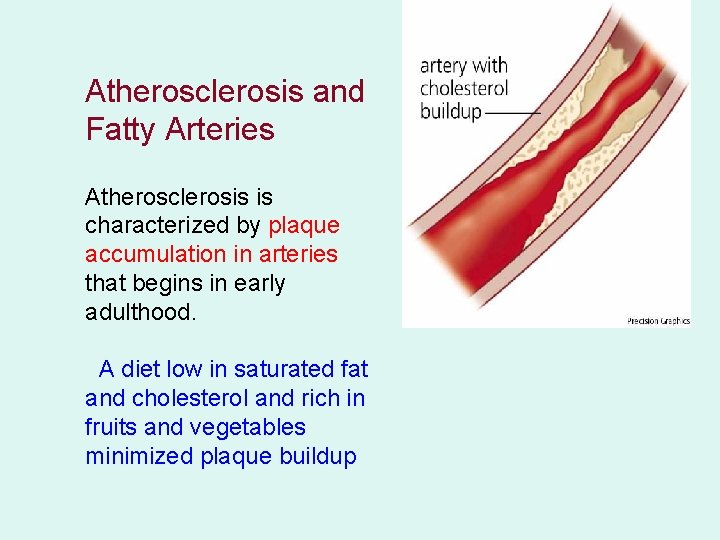
Atherosclerosis and Fatty Arteries Atherosclerosis is characterized by plaque accumulation in arteries that begins in early adulthood. A diet low in saturated fat and cholesterol and rich in fruits and vegetables minimized plaque buildup
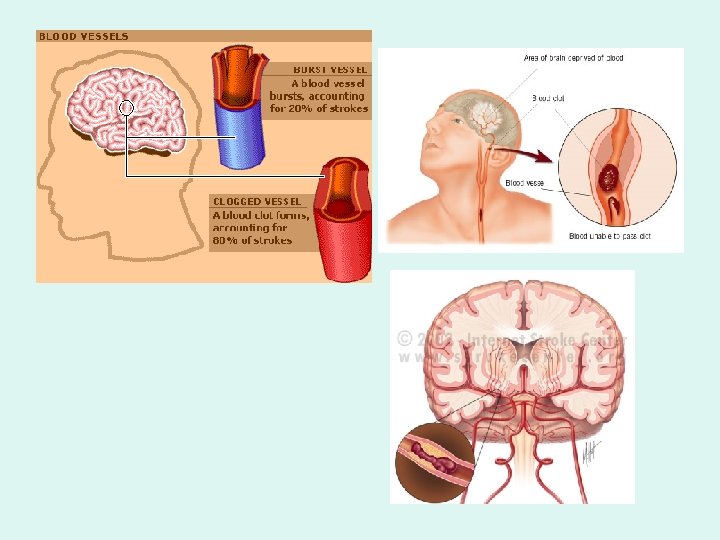
Stroke, Heart Attack and Aneurysm cardiovascular accident (CVA) or stroke blocks oxygen delivery to a portion of the brain. Myocardial infarction (MI) or heart attack occurs when a portion of heart muscle dies due to lack of oxygen. Angina pectoris, or pain in the chest and left arm indicates a partial blockage of one of the coronary arteries. aneurysm is a ballooning of an artery usually in the abdominal cavity. If a major vessel bursts, death is likely.
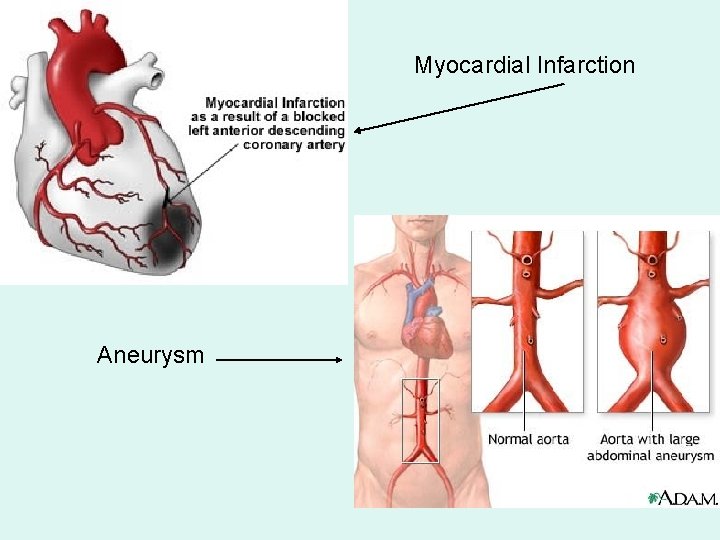
Myocardial Infarction Aneurysm
Dissolving blood Clots Tissue plasminogen activator (t. PA) a genetically engineered treatment that dissolves blood clots, is used for heart attack victims. Blood thinners, such as aspirin, are used when the patient has symptoms of angina or stroke.
Cleaning clogged arteries Balloon angioplasty involves the catherization of the clogged artery and insertion of a balloon to force the vessel open. Coronary bypass involves the removal of a segment of blood vessel from the leg or other area that is inserted into the heart to bypass an obstructed coronary artery. Other treatments include laser surgery to allow the ventricles to be nourished from the blood they carry. gene therapy for veg. F, a growth factor that encourages new blood vessels to grow past clogged arteries.

B a l l o o n A n g i o p l a s t y Coronary bypass
Heart Transplant and Other Treatments Heart transplant is last resort surgery for congestive heart failure usually due to cardio myopathy. Experimental cardiac cell transplants, using specialized stem cells, may one day be used to help the heart repair itself. Mechanical heart pumps can be placed inside the body keep patient alive while awaiting a heart transplant. LVADs.
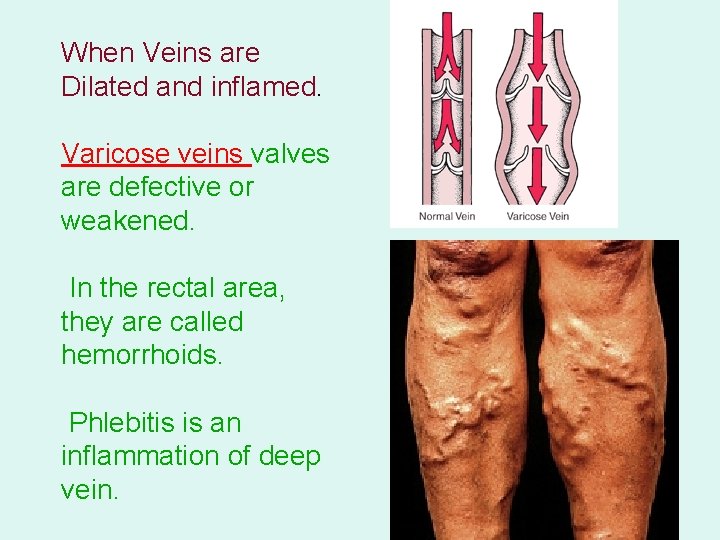
When Veins are Dilated and inflamed. Varicose veins valves are defective or weakened. In the rectal area, they are called hemorrhoids. Phlebitis is an inflammation of deep vein.
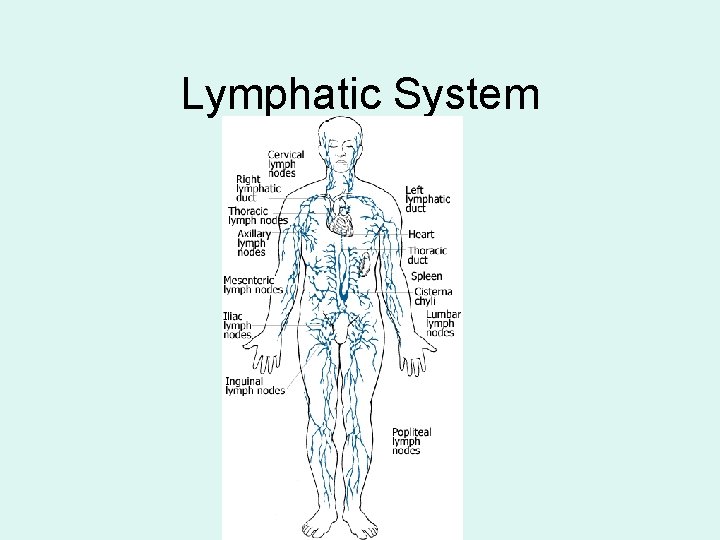
Lymphatic System
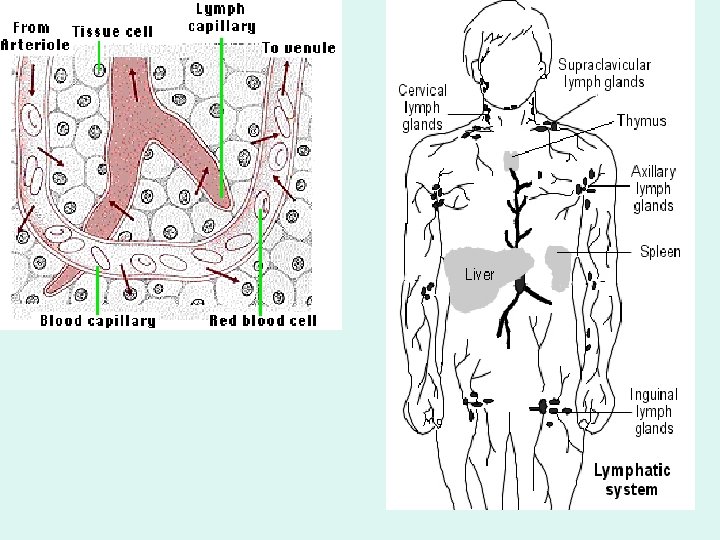
The Lymphatic system is a network of vessels that collects fluid lost by the blood and returns it to the circulatory system. Lymph vessels return fluid that slowly move through lymph vessels and lymph nodes (which filter the lymph) to the right subclavian vein and then to the superior vena cavae which empties into the right atrium of the heart.
Lymphatic Circulation: open vessels that collect excess tissue fluid. There are probably as many lymph vessels as there are blood vessels. Lymphatic capillaries: are located in the blood capillary beds and collect excess fluid that is forced out of the arterial ends of the blood capillaries. Lymph nodes: small bean-shaped enlargements found along the length of lymph vessels that act as filters and producers of special white blood cells that prevent harmful material from invading the body cells.
- Slides: 32