
Cardiovascular pathology blood vessels degenerative changes vasculitis Markta
Cardiovascular pathology: blood vessels (degenerative changes, vasculitis) Markéta Hermanová
n - Normal arterial structure: Intima (endothelium+connective tissue) Media (elastic tissue; in medium sized arteries – smooth muscles) Adventitia (fibrous connective tissue) Age related vascular changes: Progressive fibrous thickening of the intima Fibrosis ans scarring of the muscular or elastic media Accumulation of mucopolysaccharide-rich ground substance Fragmentation of the elastic laminae
n Arteriosclerosis: „hardening of the arteries“, arterial wall thickening and loss of elasticity - Arteriolosclerosis (hyaline and hyperplastic; related to hypertension) - Monckenberg medial sclerosis-mediocalcinosis (calcified deposits in muscular arteries in extremitites, older people) - Atherosclerosis
Atherosclerosis n Large and medium-sized arteris n Elevated lesions: fatty streaks, atherosclerotic (fibrous+atheromatous) plaques and complicated lesions (ulceration, thrombosis, calcification and bleeding) n Major cause of organ ischaemia (e. g. Myocardial infarction) n Risk factors: age, male gender, genetics, hypertension, smoking and diabetes, some infections (CMV, chlamydia pn. , influenza, …), metabolic syndrome. n ↑LDL, cholesterol, fibrinogen and f. VII; ↓HDL
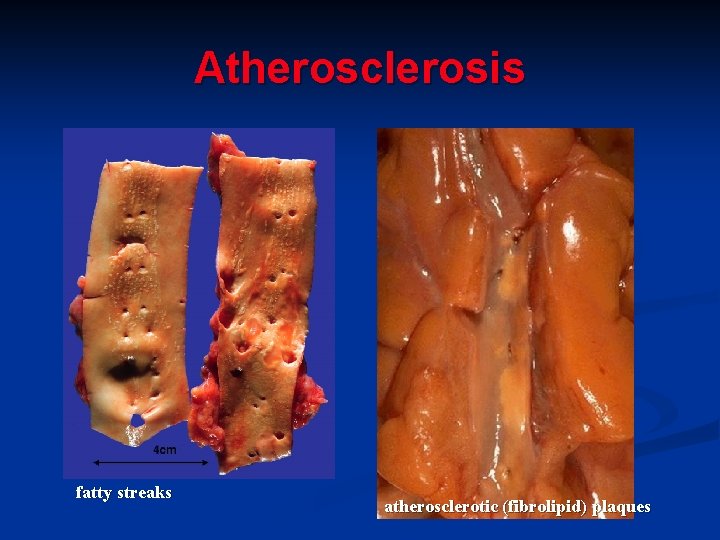
Atherosclerosis fatty streaks atherosclerotic (fibrolipid) plaques
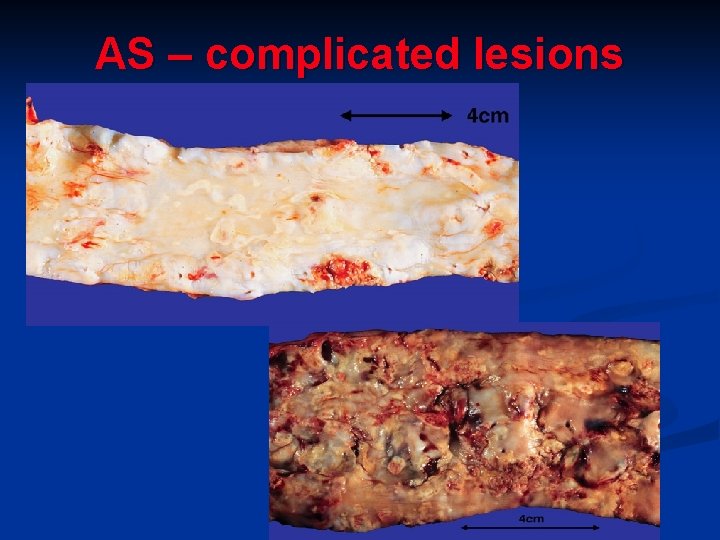
AS – complicated lesions
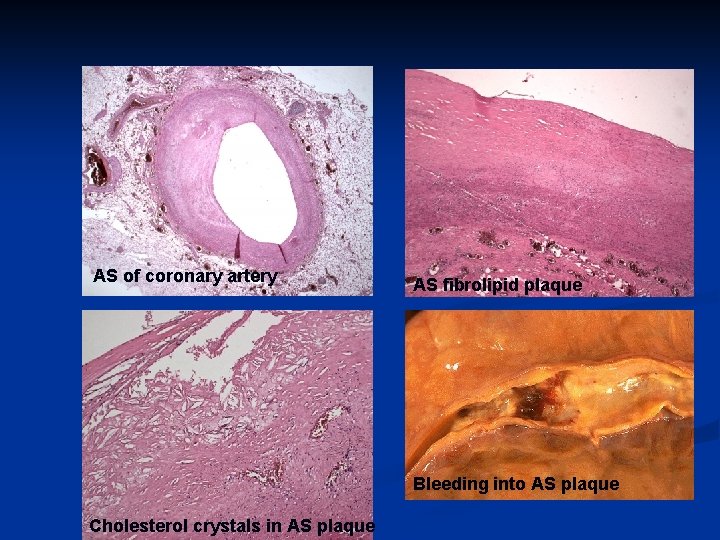
AS of coronary artery AS fibrolipid plaque Bleeding into AS plaque Cholesterol crystals in AS plaque
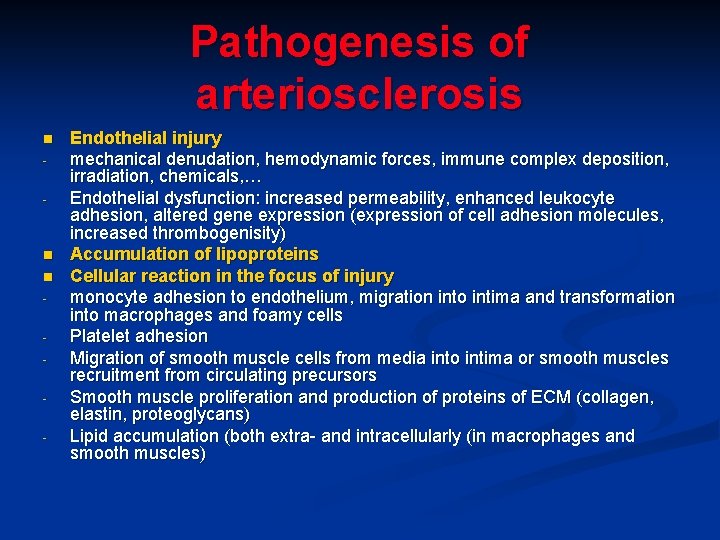
Pathogenesis of arteriosclerosis n - n n - Endothelial injury mechanical denudation, hemodynamic forces, immune complex deposition, irradiation, chemicals, … Endothelial dysfunction: increased permeability, enhanced leukocyte adhesion, altered gene expression (expression of cell adhesion molecules, increased thrombogenisity) Accumulation of lipoproteins Cellular reaction in the focus of injury monocyte adhesion to endothelium, migration into intima and transformation into macrophages and foamy cells Platelet adhesion Migration of smooth muscle cells from media into intima or smooth muscles recruitment from circulating precursors Smooth muscle proliferation and production of proteins of ECM (collagen, elastin, proteoglycans) Lipid accumulation (both extra- and intracellularly (in macrophages and smooth muscles)
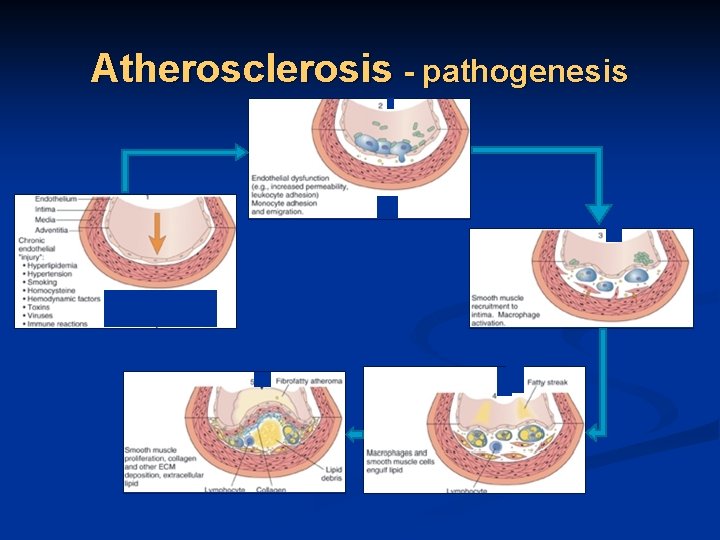
Atherosclerosis - pathogenesis
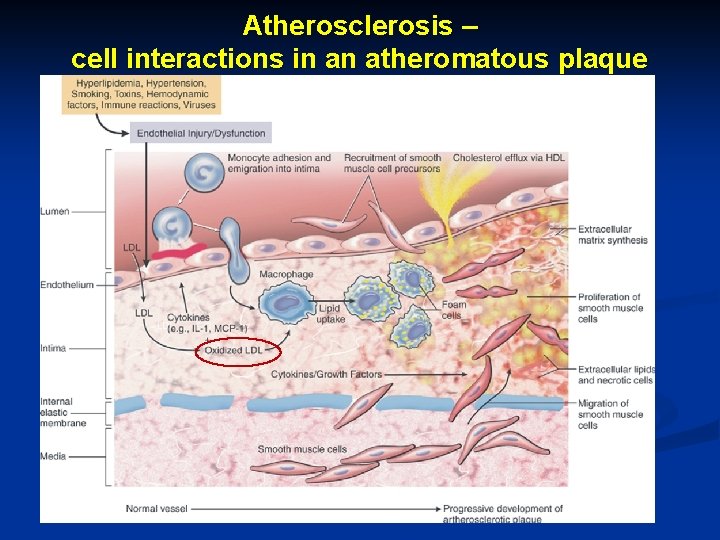
Atherosclerosis – cell interactions in an atheromatous plaque
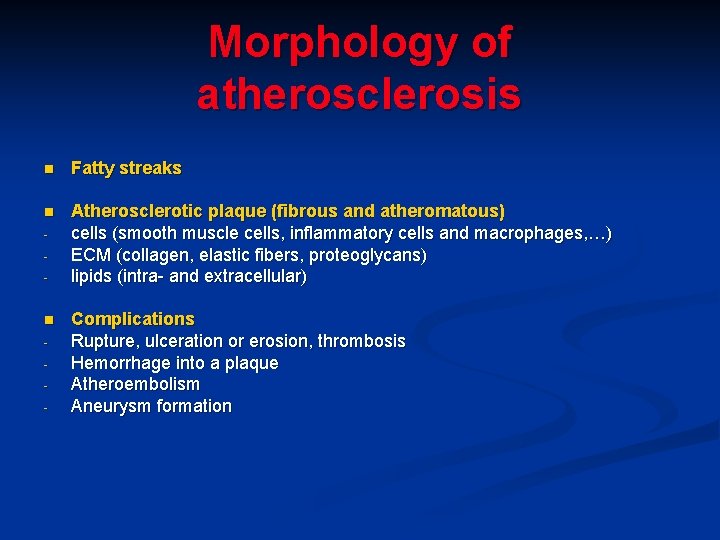
Morphology of atherosclerosis n Fatty streaks n Atherosclerotic plaque (fibrous and atheromatous) cells (smooth muscle cells, inflammatory cells and macrophages, …) ECM (collagen, elastic fibers, proteoglycans) lipids (intra- and extracellular) n - Complications Rupture, ulceration or erosion, thrombosis Hemorrhage into a plaque Atheroembolism Aneurysm formation
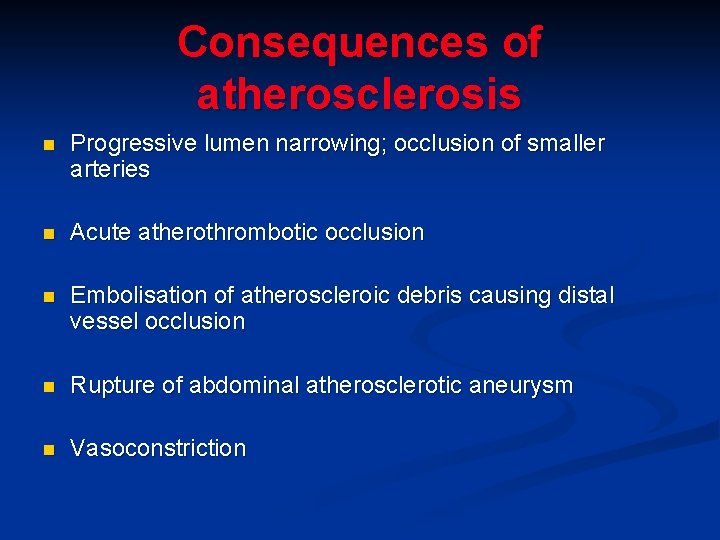
Consequences of atherosclerosis n Progressive lumen narrowing; occlusion of smaller arteries n Acute atherothrombotic occlusion n Embolisation of atheroscleroic debris causing distal vessel occlusion n Rupture of abdominal atherosclerotic aneurysm n Vasoconstriction
Clinical consequences Cerebral infarction n Myocardial infarction n Peripheral vascular disease with intermitent claudication n Gangrene n Aortic atherosclerotic aneurysm n Carotid atheroma embolisation n
Hypertension: increased systemic and local tissue blood pressure n Essential (primary) n n n n Essential (primary) Secondary hypertension Borderline hypertension: 140/90 -160/95 mm. Hg Mild hypertension: diastolic pressure 95 -104 mm. Hg Moderate hypertension: diastolic pressure 105114 mm. Hg Severe hypertension: above 115 mm. Hg Benign (gradual organ damage) Malignant (severe renal, retinal and cerebral damage)
n n - Primary (essential) hypertension (etiology unknown, multifactorial) Genetic susceptibility Excessive sympathetic nervous system activity High salt intake Abnormalities in renin-angiotensin-aldosteron system Secondary hypertension Renal diseases Endocrine causes (adrenocortical hyperfunctions, pregnancy induced, thyreopathies, acromegaly, …) Coarctation of aorta, PAN, increased intravascular volume, increased cardiac output, rigidity of aorta Drugs (e. g. Contraceptives, corticosteroids, …) Hormones producing tumors: renin producing tumors, pheochromocytoma, …… Psychogenic causes, acute stress, increased intracranial volume, …
Pathological classification n - Benign hypertension Left ventricular hypertrophy – congestive heart failure – ventricular dilatation Acceleration of atherosclerosis Intimal proliferation and hyalinisation of the muscularis media in medium sized renal arteries and arterioles – benign nephrosclerosis Malignant hypertension Diastolic blood pressure usually above 130 mm. Hg Progressive renal disease – renal failure (necrotising arteriolitisfibrionoid necrosis of arterioles); accelerated hypertension Cardiac failure Papilloedemea and retinal haemorrhages Severe headache and cerebral haemorrhage + pulmonary hypertension
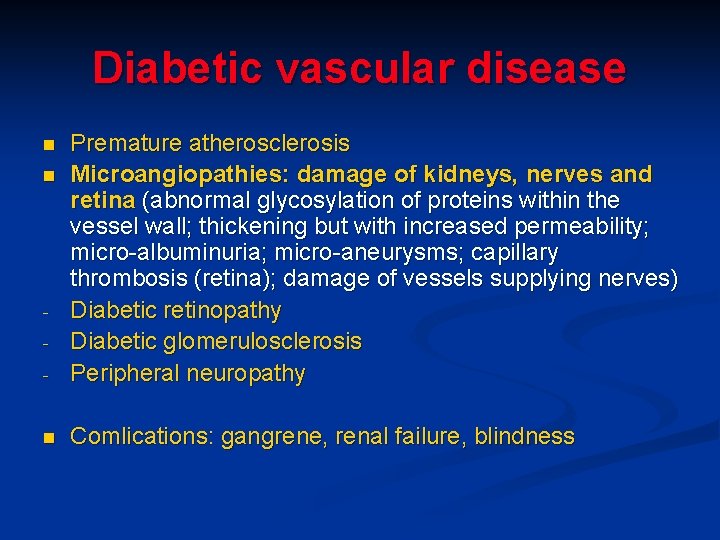
Diabetic vascular disease - Premature atherosclerosis Microangiopathies: damage of kidneys, nerves and retina (abnormal glycosylation of proteins within the vessel wall; thickening but with increased permeability; micro-albuminuria; micro-aneurysms; capillary thrombosis (retina); damage of vessels supplying nerves) Diabetic retinopathy Diabetic glomerulosclerosis Peripheral neuropathy n Comlications: gangrene, renal failure, blindness n n -
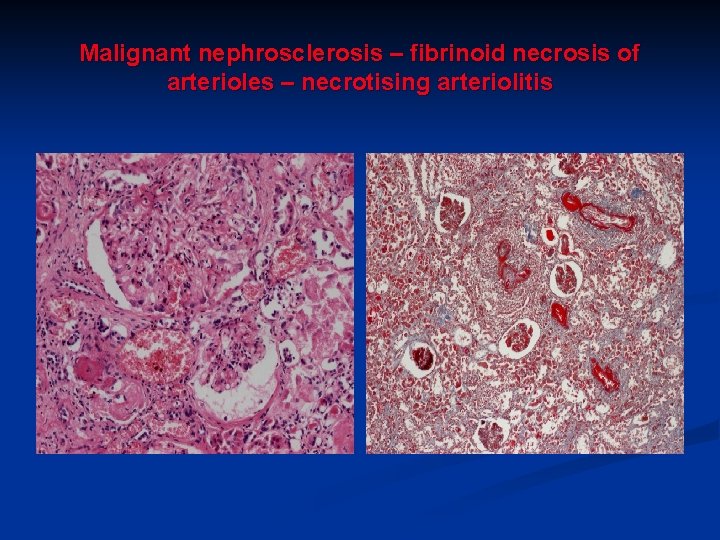
Malignant nephrosclerosis – fibrinoid necrosis of arterioles – necrotising arteriolitis
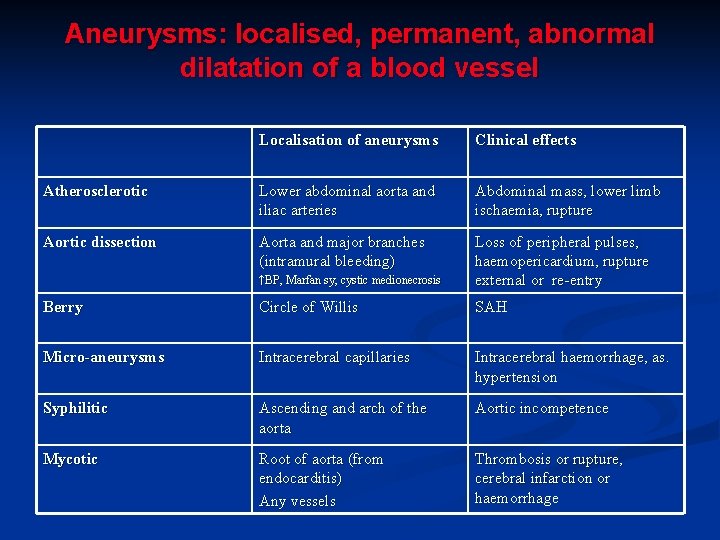
Aneurysms: localised, permanent, abnormal dilatation of a blood vessel Localisation of aneurysms Clinical effects Atherosclerotic Lower abdominal aorta and iliac arteries Abdominal mass, lower limb ischaemia, rupture Aortic dissection Aorta and major branches (intramural bleeding) ↑BP, Marfan sy, cystic medionecrosis Loss of peripheral pulses, haemopericardium, rupture external or re-entry Berry Circle of Willis SAH Micro-aneurysms Intracerebral capillaries Intracerebral haemorrhage, as. hypertension Syphilitic Ascending and arch of the aorta Aortic incompetence Mycotic Root of aorta (from endocarditis) Any vessels Thrombosis or rupture, cerebral infarction or haemorrhage
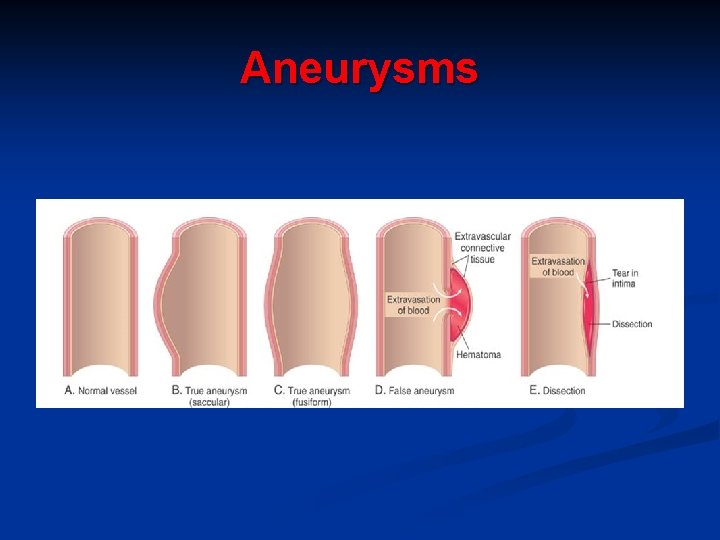
Aneurysms
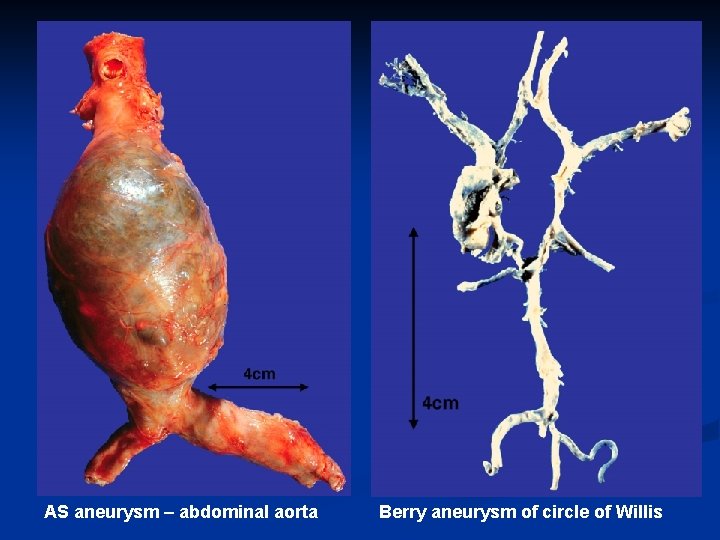
AS aneurysm – abdominal aorta Berry aneurysm of circle of Willis
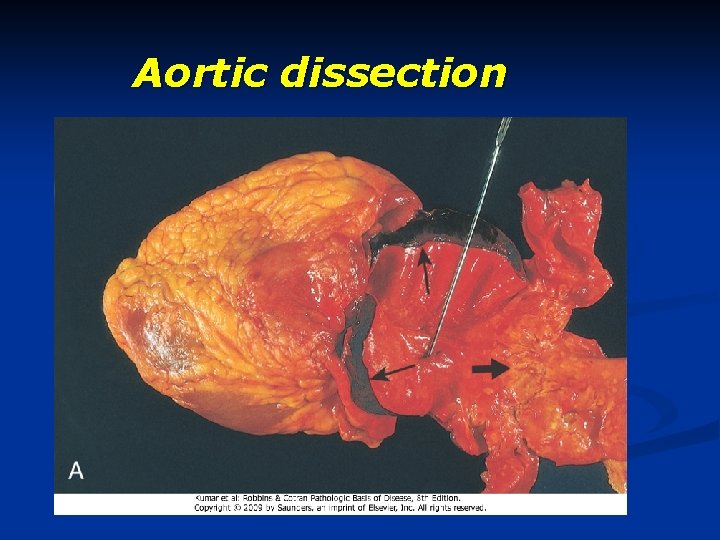
Aortic dissection
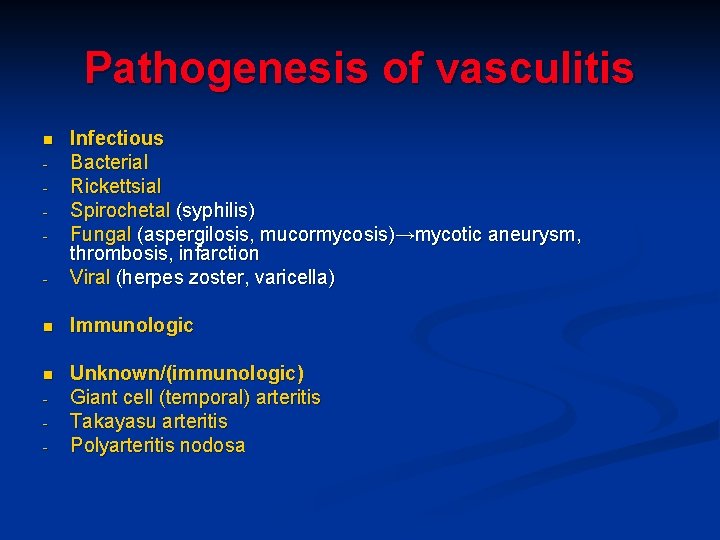
Pathogenesis of vasculitis - Infectious Bacterial Rickettsial Spirochetal (syphilis) Fungal (aspergilosis, mucormycosis)→mycotic aneurysm, thrombosis, infarction Viral (herpes zoster, varicella) n Immunologic n Unknown/(immunologic) Giant cell (temporal) arteritis Takayasu arteritis Polyarteritis nodosa n - -
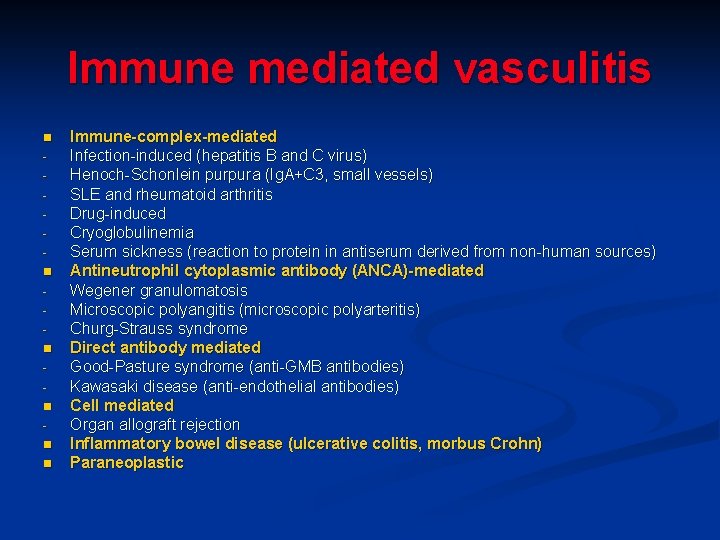
Immune mediated vasculitis n n n Immune-complex-mediated Infection-induced (hepatitis B and C virus) Henoch-Schonlein purpura (Ig. A+C 3, small vessels) SLE and rheumatoid arthritis Drug-induced Cryoglobulinemia Serum sickness (reaction to protein in antiserum derived from non-human sources) Antineutrophil cytoplasmic antibody (ANCA)-mediated Wegener granulomatosis Microscopic polyangitis (microscopic polyarteritis) Churg-Strauss syndrome Direct antibody mediated Good-Pasture syndrome (anti-GMB antibodies) Kawasaki disease (anti-endothelial antibodies) Cell mediated Organ allograft rejection Inflammatory bowel disease (ulcerative colitis, morbus Crohn) Paraneoplastic
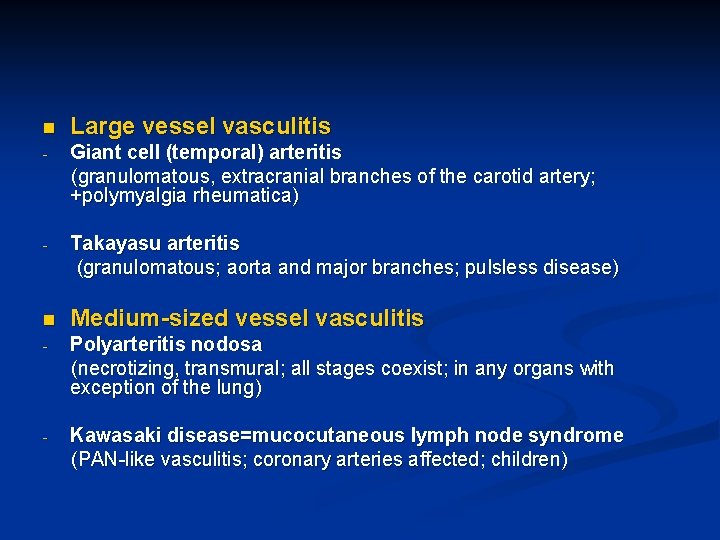
n Large vessel vasculitis - Giant cell (temporal) arteritis (granulomatous, extracranial branches of the carotid artery; +polymyalgia rheumatica) - Takayasu arteritis (granulomatous; aorta and major branches; pulsless disease) n Medium-sized vessel vasculitis - Polyarteritis nodosa (necrotizing, transmural; all stages coexist; in any organs with exception of the lung) - Kawasaki disease=mucocutaneous lymph node syndrome (PAN-like vasculitis; coronary arteries affected; children)
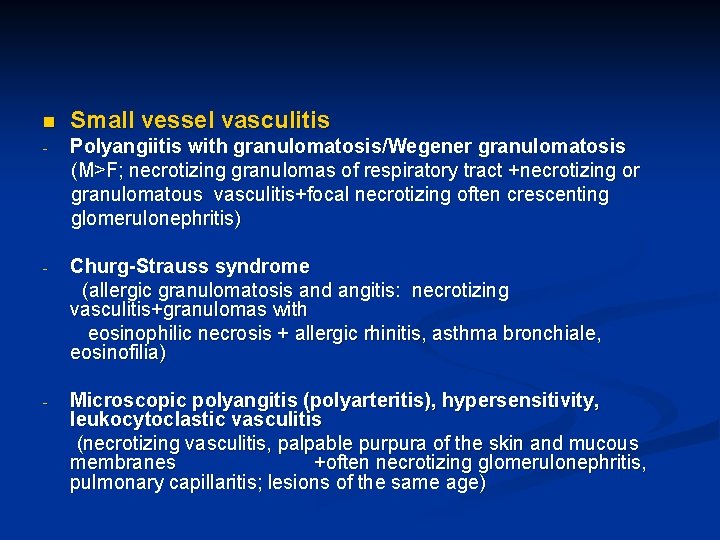
n Small vessel vasculitis - Polyangiitis with granulomatosis/Wegener granulomatosis (M>F; necrotizing granulomas of respiratory tract +necrotizing or granulomatous vasculitis+focal necrotizing often crescenting glomerulonephritis) - Churg-Strauss syndrome (allergic granulomatosis and angitis: necrotizing vasculitis+granulomas with eosinophilic necrosis + allergic rhinitis, asthma bronchiale, eosinofilia) - Microscopic polyangitis (polyarteritis), hypersensitivity, leukocytoclastic vasculitis (necrotizing vasculitis, palpable purpura of the skin and mucous membranes +often necrotizing glomerulonephritis, pulmonary capillaritis; lesions of the same age)
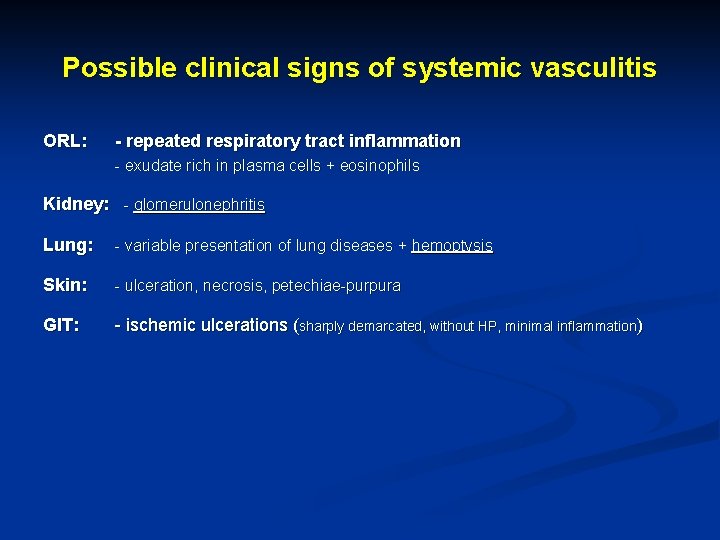
Possible clinical signs of systemic vasculitis ORL: - repeated respiratory tract inflammation - exudate rich in plasma cells + eosinophils Kidney: - glomerulonephritis Lung: - variable presentation of lung diseases + hemoptysis Skin: - ulceration, necrosis, petechiae-purpura GIT: - ischemic ulcerations (sharply demarcated, without HP, minimal inflammation)
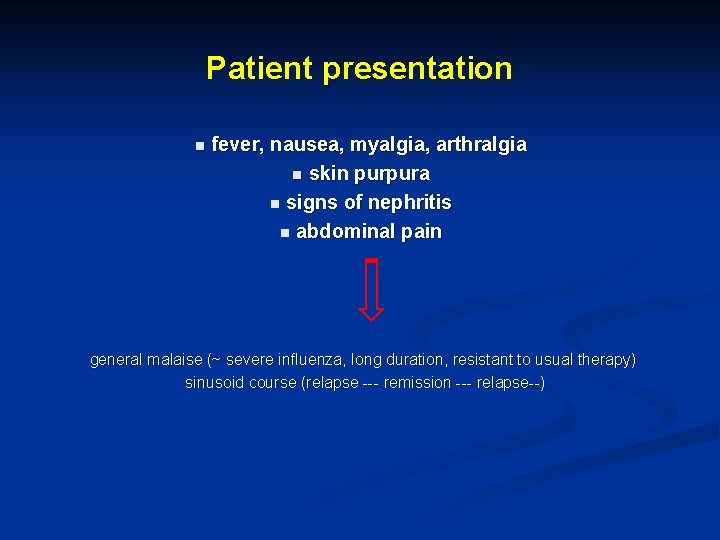
Patient presentation n fever, nausea, myalgia, arthralgia n skin purpura n signs of nephritis n abdominal pain general malaise (~ severe influenza, long duration, resistant to usual therapy) sinusoid course (relapse --- remission --- relapse--)
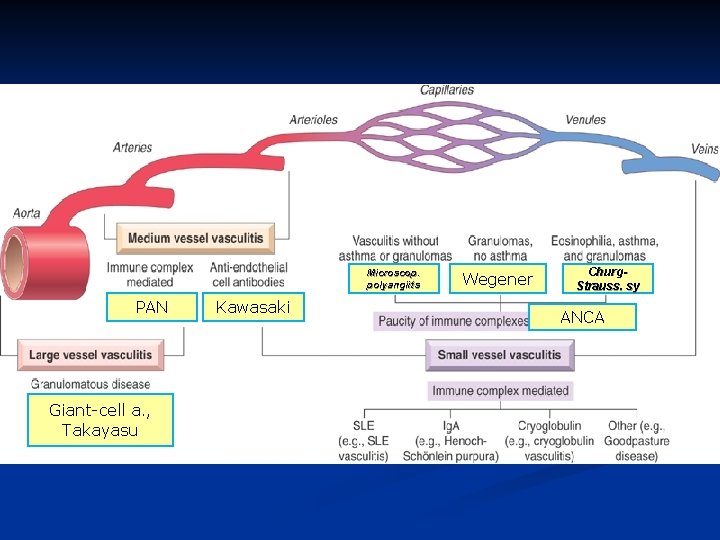
Microscop. polyangiits PAN Giant-cell a. , Takayasu Kawasaki Wegener Churg. Strauss. sy ANCA
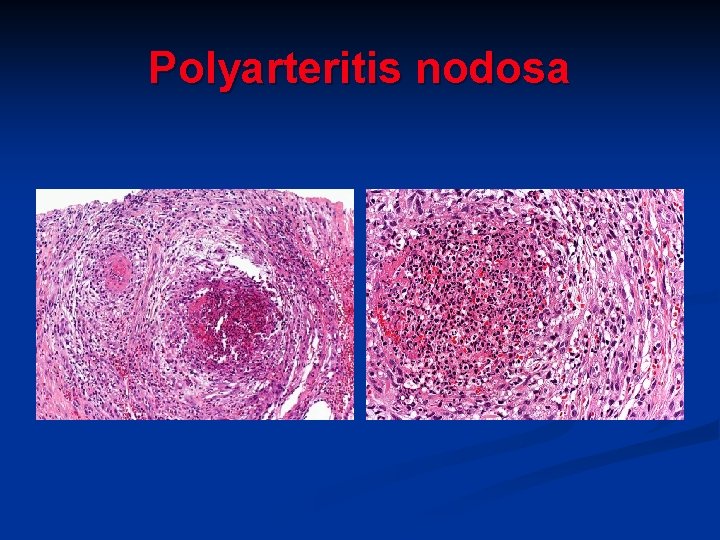
Polyarteritis nodosa

Polyarteritis nodosa
Thrombangiitis obliterans (Buerger disease) n Segmental, thrombosing, acute and chronic inflammation of medium-sized and small arteries n Tibial and radial arteries (extension to veins and nerves of extremities)- all structures encased in fibrous tissue n Cigarette smoking (hypersenzitivity to intradermally injected tabacco extracts) n HLA-A 9 and HLA-B 5
Raynaud Phenomenon n n n Paroxysmal pallor or cyanosis of the digits o the hands and feet; less frequently acral parts (nose, ears) Cold induced vasoconstriction of the digital arteries, precapillary arterioles, cutaneous A-V shunts Structural changes of the arterial wall absent; late in the course intimal thickening Late in the course: atrophy of the skin, subcutaneous tissues and muscles, ulcerations, ischemic gangrene Primary, usually uncomplicated Secondary (in SLE, scleroderma, atherosclerosis, Buerger disease), more severe
Venous thrombosis n Immobility (post-operative phase, cardiac failure, bed rest, fractures, long flights…) n Cancer (thromophlebitis migrans: superficial venous thrombi) n Pregnancy and childbirth n Oestrogen therapy (contraceptives, hormonal treatment of prostatic cancer, …) n Haematological disorders (polycythaemia, factor V Leiden (mutated) and antithrombin III deficiency, …)
Thrombophlebitis and phlebothrombosis n Deep venous thrombosis in deep leg veins: 90 % cases of thrombophlebitis and phlebothrombosis + periprostatic venous plexus, pelvic venous plexus, large veins in skull and the dural sinuses Pulmonary embolism!!!! n In setting of infection and inflammation n n
n - n - Varicose veins of superficial veins of the upper and lower leg Dilated, tortuous veins Increases intraluminal pressure and loss of vessel wall support Superficial veins of the upper and lower leg Familial tendency, pregnancy Dilatation, stasis, congestion, oedema, pain, thrombosis, stasis dermatitis, varicose ulcers Other varicosities Esophageal varices (in liver cirrhosis – in portal vein hypertension; the opening of porto-systemic shunts) Hemorrhoids (primary varicose dilatation of the venous plexus at the anorectal junction) Superior and inferion vena caval syndromes Neoplasms that compress the superior or inferior vena cava
Vascular tumors and tumor-like conditions Benign tumors n Vascular tumors of intermediate malignancy n Malignant vascular tumors n
Benign tumors and tumor-like lesions n n - Hemangioma Capillary Cavernous Pyogenic granuloma (lobular capillary hemangioma) Lymphangioma Capillary Cavernous Vascular ectasias Nevus flammeus Spider teleangiectasia Hereditary hemorrhagic teleangiectasia (Osler-Weber-Rendu disease) Reactive vascular proliferations bacillary angiomatosis (opportunic infection of immunocompromised patients; G- Bartonella henselae, B quintana, …) intravasculary papillary endothelial hyperplasia, …
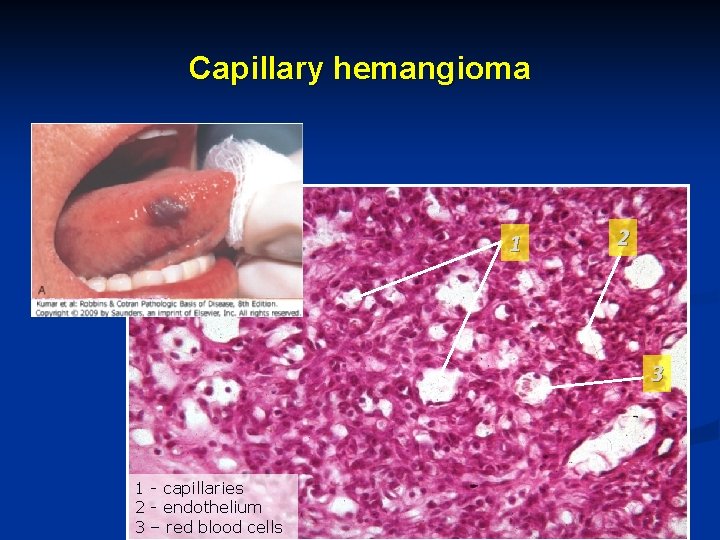
Capillary hemangioma 1 2 3 1 - capillaries 2 - endothelium 3 – red blood cells
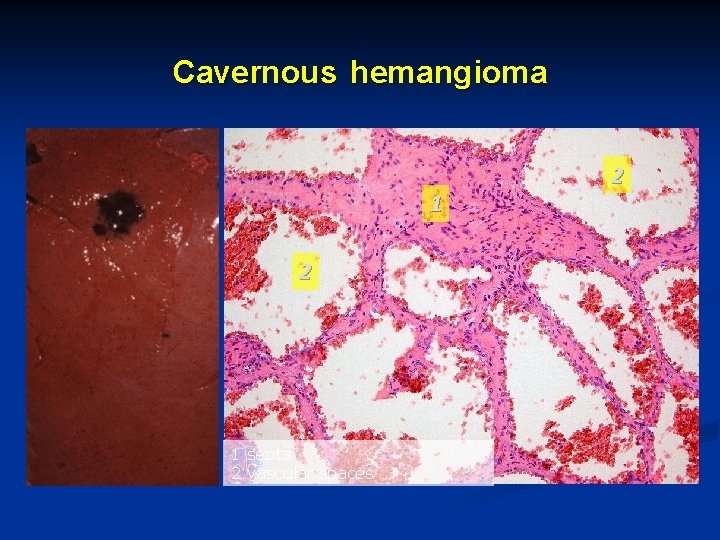
Cavernous hemangioma 1 2 1 septa 2 vascular spaces 2
Vascular tumor of intermediate malignancy n n Kaposi sarcoma Hemangioendothelioma Malignant neoplasms n n Angiosarcoma Hemangiopericytoma
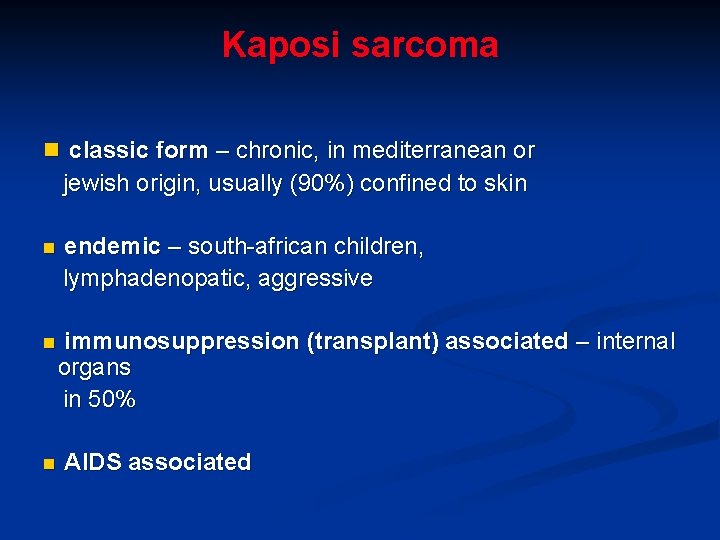
Kaposi sarcoma n classic form – chronic, in mediterranean or jewish origin, usually (90%) confined to skin n endemic – south-african children, lymphadenopatic, aggressive immunosuppression (transplant) associated – internal organs in 50% AIDS associated
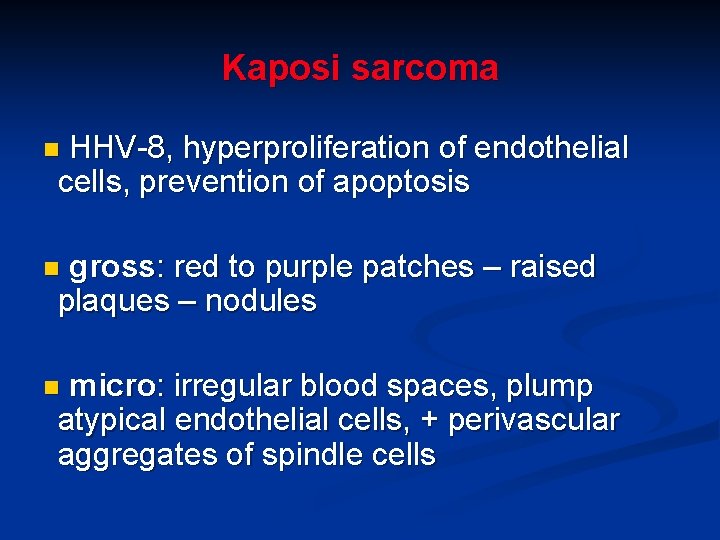
Kaposi sarcoma HHV-8, hyperproliferation of endothelial cells, prevention of apoptosis n gross: red to purple patches – raised plaques – nodules n micro: irregular blood spaces, plump atypical endothelial cells, + perivascular aggregates of spindle cells n
Kaposi sarcoma
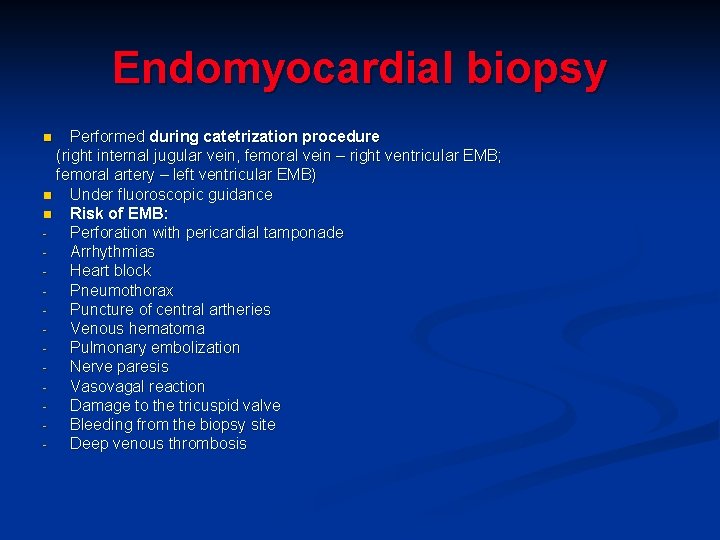
Endomyocardial biopsy Performed during catetrization procedure (right internal jugular vein, femoral vein – right ventricular EMB; femoral artery – left ventricular EMB) n Under fluoroscopic guidance n Risk of EMB: Perforation with pericardial tamponade Arrhythmias Heart block Pneumothorax Puncture of central artheries Venous hematoma Pulmonary embolization Nerve paresis Vasovagal reaction Damage to the tricuspid valve Bleeding from the biopsy site Deep venous thrombosis n
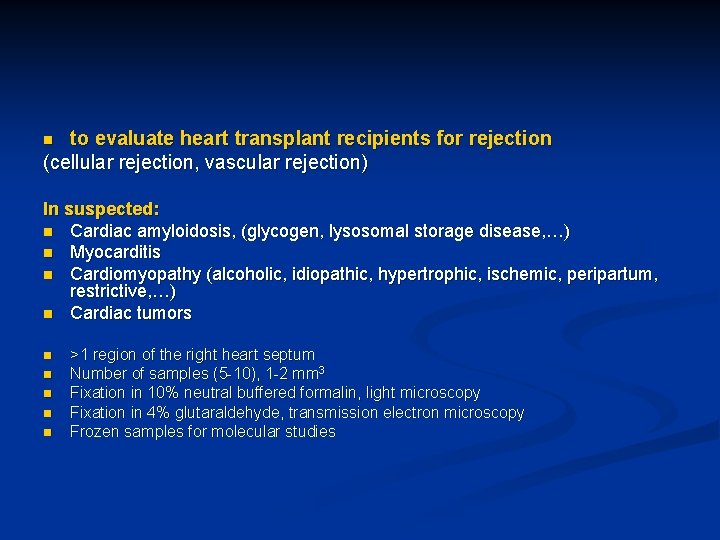
to evaluate heart transplant recipients for rejection (cellular rejection, vascular rejection) n In suspected: n Cardiac amyloidosis, (glycogen, lysosomal storage disease, …) n Myocarditis n Cardiomyopathy (alcoholic, idiopathic, hypertrophic, ischemic, peripartum, restrictive, …) n Cardiac tumors n n n >1 region of the right heart septum Number of samples (5 -10), 1 -2 mm 3 Fixation in 10% neutral buffered formalin, light microscopy Fixation in 4% glutaraldehyde, transmission electron microscopy Frozen samples for molecular studies
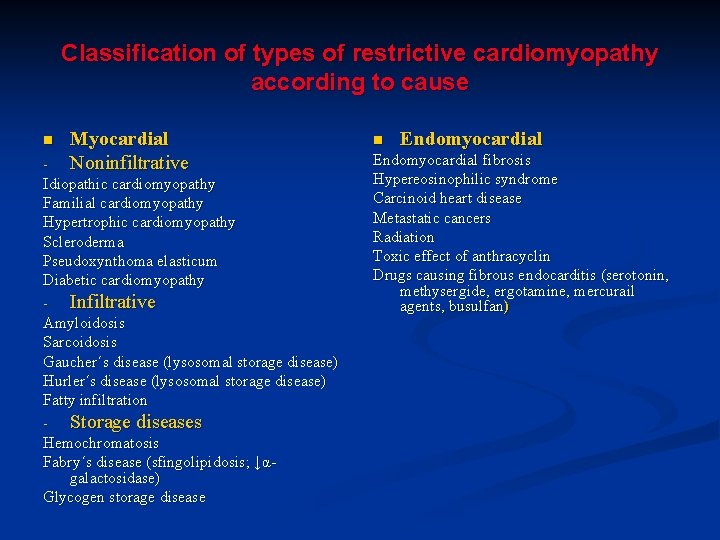
Classification of types of restrictive cardiomyopathy according to cause n - Myocardial Noninfiltrative Idiopathic cardiomyopathy Familial cardiomyopathy Hypertrophic cardiomyopathy Scleroderma Pseudoxynthoma elasticum Diabetic cardiomyopathy - Infiltrative Amyloidosis Sarcoidosis Gaucher´s disease (lysosomal storage disease) Hurler´s disease (lysosomal storage disease) Fatty infiltration - Storage diseases Hemochromatosis Fabry´s disease (sfingolipidosis; ↓αgalactosidase) Glycogen storage disease n Endomyocardial fibrosis Hypereosinophilic syndrome Carcinoid heart disease Metastatic cancers Radiation Toxic effect of anthracyclin Drugs causing fibrous endocarditis (serotonin, methysergide, ergotamine, mercurail agents, busulfan)

Thank you for your attention …
- Slides: 48