
Cardiovascular Diseases Cardiovascular Diseases is a general term
- Slides: 46
Cardiovascular Diseases
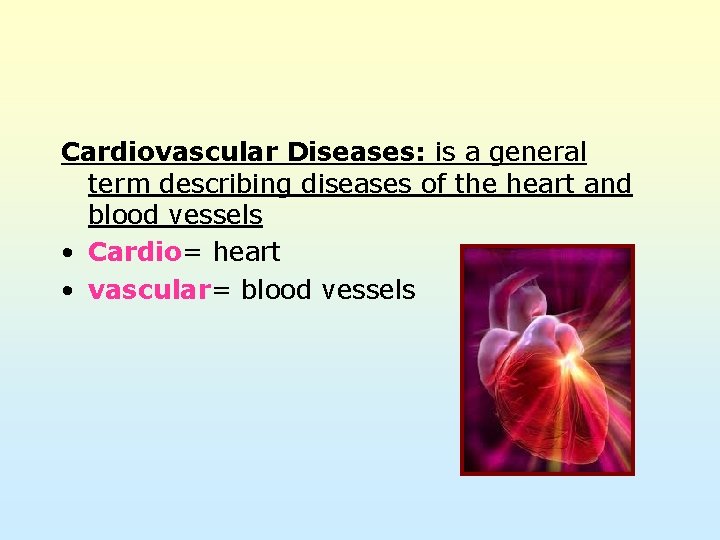
Cardiovascular Diseases: is a general term describing diseases of the heart and blood vessels • Cardio= heart • vascular= blood vessels
Atherosclerosis
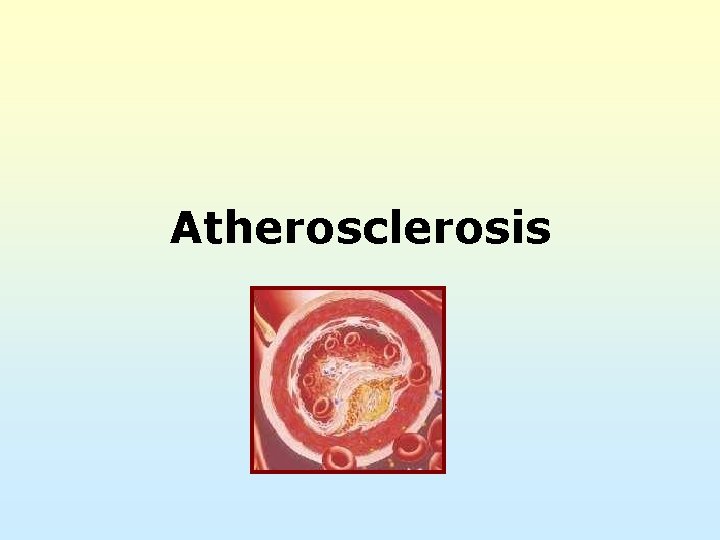
Atherosclerosis • Atherosclerosis is hardening of the arteries” Artery walls become progressively thickened due to accumulation of fatty deposits, smooth muscle cells, and fibrous known as”plaque’’
Atherosclerosis üThe presence of plaque narrowing the lumen of an artery and in turn restricts blood flow. ü It can affect any organ or tissue in the body. Coronary arteries , Brain , Kidneys.
Development of Atherosclerosis
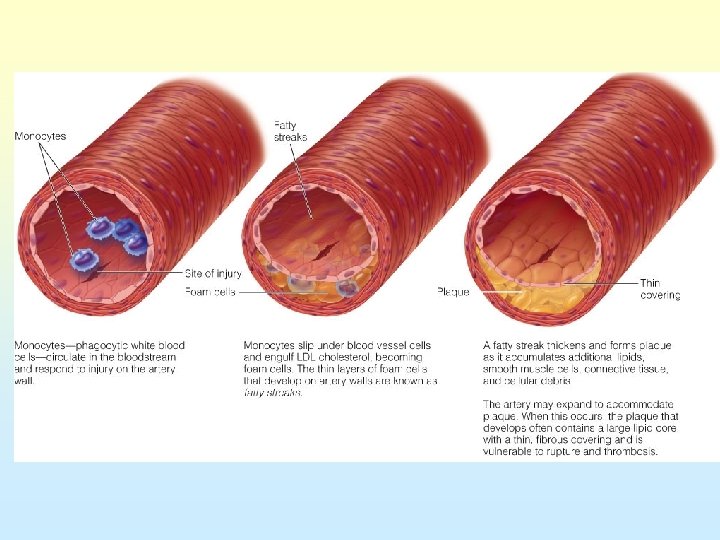
• Atherosclerosis begins to develop as early as childhood or adolescence. Usually progresses over several decades before symptoms develop. • it initially arises in response to minimal but chronic injuries that damage the inner arterial wall. • Damage to the artery causes the immune system to respond attracts monocytes, T cells and platelets. • Monocytes attached to LDL and results in fatty deposits along artery walls ( fatty streaks)
Atherosclerosis • As the plaque thickens – accumulates calcium and cholesterol within the lipid core can crystallize and harden • The lipid accumulation eventually narrows the diameter of the arterial lumen
Atherosclerosis • Plaque progression may cause narrowing or expansion of an artery • Arteries that expand are less likely to interfere with blood blow but more likely to have: üRupture üInduce clotting üIncrease risk of heart attack or stroke
Causes of Atherosclerosis • Reasons for atherosclerosis development are complex. • Factors that initiate atherosclerosis either cause: 1. direct damage to the artery wall 2. allow lipid materials to penetrate its surface.
Causes of Atherosclerosis 1. Inflammation and infection ü Plaque development is an inflammatory response to an injury on the artery wall so the body’s immune system is directly involved in its development. ü Persistent infection within the body may contribute to plaque formation
2 - Shear stress The stress of blood flow along the artery walls is called shear stress. ü Shear stress can cause damage within the arteries and cause inflammatory response ü High blood pressure intensifies the stress of blood flow on arterial walls ü
Causes of Atherosclerosis 3. Cigarette smoking ü Chemicals in smoke (nicotine) are toxic to endothelial cells, and the resulting damage can initiate plaque development ü Impairs normal functions of artery cells and induces vasoconstriction ü Promotes blood clotting, raises LDL and lowers HDL cholesterol levels ü Passive smoking can cause these effects as well
Causes of Atherosclerosis. Elevated (LDL) and (VLDL): ü Elevated (LDL) and (VLDL) can promote atherosclerosis especially if they are oxidized from free radical ü Oxidized LDL and VLDL taken up and retained in the artery wall üStimulate blood clotting
• Inhibit some of the normal protective functions of high-density lipoproteins (HDL) • Low levels of HDL may contribute to the development of atherosclerosis because it prevent oxidation of LDL and remove cholesterol from circulation
Causes of Atherosclerosis 5. Diabetes Mellitus (DM) üChronic hyperglycemia leads to the production of advanced glycation end products(AGEs) which : • Damage blood vessels • Worsen atherosclerosis üPromotes blood clot formation that contributes to plaque progression
Causes of Atherosclerosis 6. Age and gender: • Advancing age is strongly associated with atherosclerosis due to accumulative exposure to risk factors. ü Aging is significant risk factor for men at age 45 or older and women at age 55 or older
ü Women’s risk increases as they reach menopause is attributed to loss of estrogen’s protective effect on arterial function in women ü Levels of amino acid homocysteine may damage artery walls and promote blood clotting, rise with age and are generally higher in men
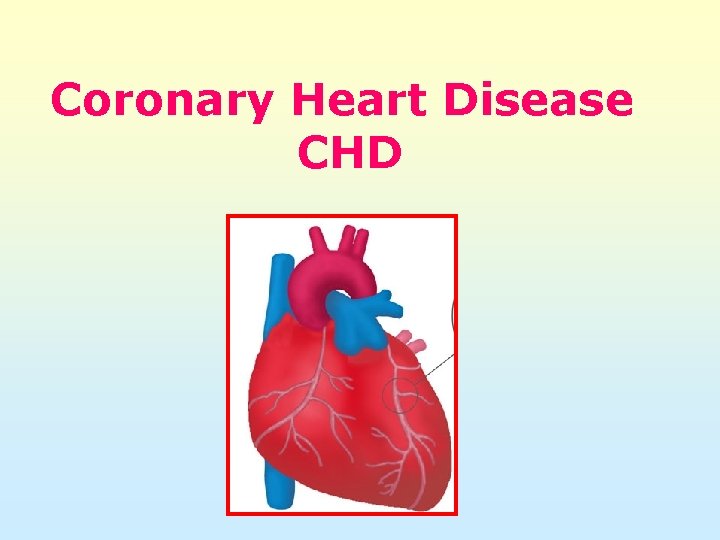
Coronary Heart Disease CHD
Coronary Heart Disease • Caused by : 1. atherosclerosis in the large and medium-sized arteries 2. Coronary spasms or inflammatory diseases that cause narrowing of the coronary arteries
Symptoms of CHD • Pain or discomfort in chest region • Perceived as feeling of heaviness, pressure or a squeezing sensation • Pain radiating to left arm, shoulders, back throat, jaws or teeth • Pain is persistent for several minutes, subsides with rest
CHD Risk Assessment CHD is often linked with multiple risk factors of the metabolic syndrome • LDL (> 100 mg/d. L) and total blood cholesterol (> 200 mg/d. L) levels • High-density lipoprotein levels (HDL) ≤ 60 mg/d. L • Triglycerides, fasting >150 mg/d. L
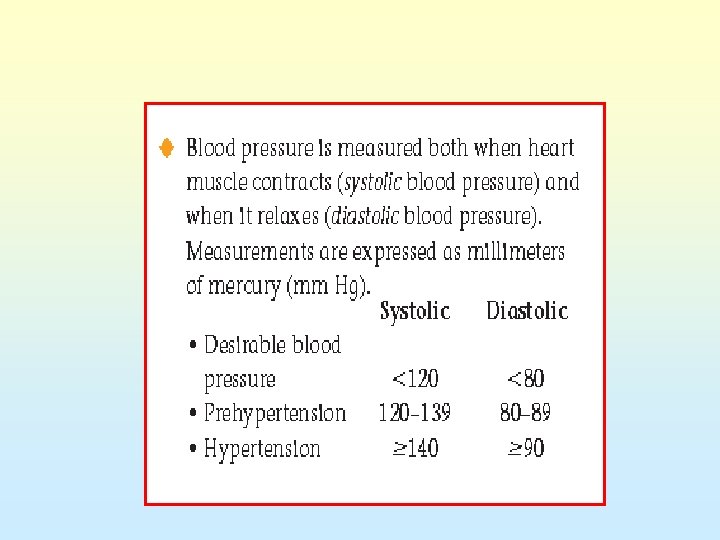
CHD Risk Assessment • Body mass index (BMI) >24. 9 • Abdominal obesity üMale > 40 inches üFemale > 35 inches • Blood pressure (systolic and/or diastolic pressure) >120/>80 • Physical inactivity • Smoking • Presence of diabetes
Therapeutic Lifestyle Changes for Lowering CHD Risk
People who have CHD are often advised to make dietary and lifestyle chances. An approach to risk reduction called Therapeutic Lifestyle Changes The main features include: 1. Cholesterol lowering diet 2. Weight reduction 3. Regular physical activitty
1 - Polyunsaturated & Monounsaturated Fat ü Replace saturated fats with monounsaturated or polyunsaturated fats ü Polyunsaturated fats promote slight reduction of HDL & may contribute to oxidative stress or increase inflammation within the body ü So limit the consumption of polyunsaturated to 10% kcalories ü Monounsaturated fat to 20% of kcalories
2 -Dietary cholesterol ü high cholesterol intake can raise LDL levels. üTherapeutic lifestyle changes (TLC) recommendation is to reduce cholesterol intake to < 200 mg/day
3 -Trans fats when Trans fatty acids replace saturated fats in the diet as when margarine replaces butter can : ü Raise LDL levels ü May cause decline in HDL levels TLC recommendation – keep trans fat intake as low as possible Reduce consumption of doughnuts, potato chips, crackers, fast foods and French fries.
4 -Soluble fibers ü diet rich in soluble fibers can reduce LDL-c by inhabiting cholesterol absorption in small intestine. Reduce the absorption of cholesterol and bile by binding them in the intestinal tract ü Adding an extra 5 – 10 grams of soluble fiber daily is associated with approximately 5% reduction in LDL cholesterol. ü Dietary sources include oats, barley, legumes and fruits
5 -Sodium/potassium intake: some people are sensitive to sodium than others • Sodium may raise blood pressure whereas potassium can has blood lower blood pressure ü Low sodium diet that contain generous amounts of fruits and vegetables, low fat milk products , nuts and whole grains has been found to substantially reduce blood pressure
6 -Fish and omega-3 fatty acids may benefit people with heart proplems by: • Suppressing the inflammatory response • Reducing blood-clotting time • Stabilizing heart rhythm • Lowering triglyceride levels • Two servings of fish per week or 1 gram of EPA and DHA daily
7 -Regular physical activity reverses a number of risk factors for CHD üLowers triglycerides, raises HDL, lowers blood pressure, promotes weight loss, improves insulin sensitivity, strengthens heart muscle and increases coronary artery size and tone. üAt least 30 minutes of moderate-intensity exercise most days of the week
7 -Regular physical activity ü 60 minutes of physical activity is recommended for weight loss üVigorous activity increases risk of MI and sudden death in individuals with diagnosed heart disease – increase activity gradually
8 -Smoking • Compounds in smoke : Damages blood vessel cells üDecreases the oxygen-carrying capacity of the blood (contributing to ischemia) üPromotes vasoconstriction & blood coagulation üRaises heart rate and blood pressure üquitting smoking improves CHD risk quickly.
9 -Weight reductions üMay improve CHD risk factors such as blood pressure, insulin resistance, triglyceride levels and HDL levels üInitial weight-loss goal – no more than 10% of original body weight
10 -Vitamin supplementation & CHD risk • Homocysteine is known risk factor for CHD. Increased intakes of folate, B 6 & B 12 can lower homocysteine levels. No recommendation for antioxidant vitamins – C & E
Lifestyle Changes for Hypertriglyceridemia • For mild hypertriglyceridemia üControlling body weight üBecoming physically active üQuitting smoking üAvoiding a high carbohydrate intake üRestricting alcohol
Lifestyle Changes for Hypertriglyceridemia • For severe hypertriglyceridemia üMedications üVery-low-fat diet, < 15% kcal from fat üIf fat restriction severe – MCT replace fats and oils
Hypertension
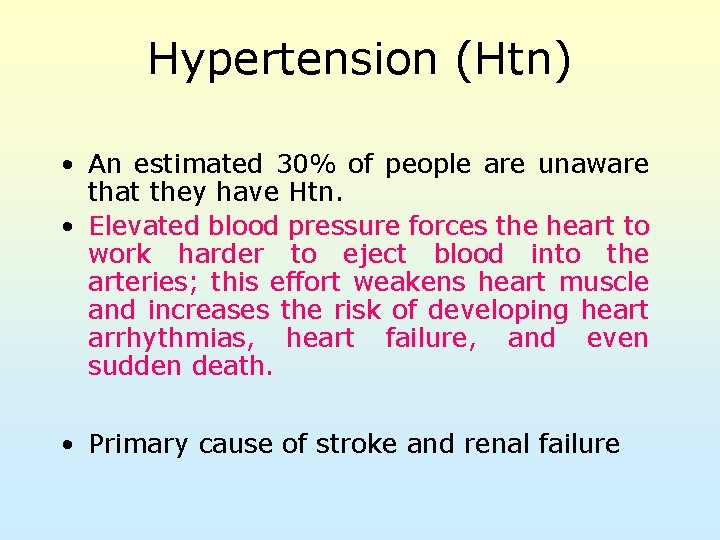
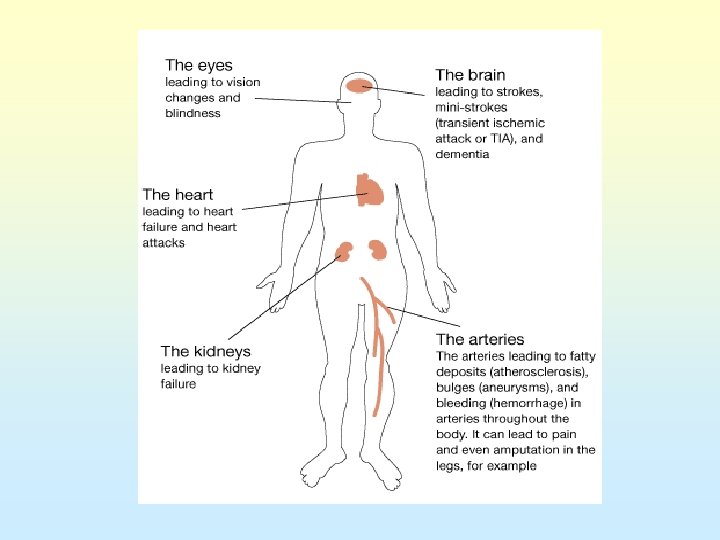
Hypertension (Htn) • An estimated 30% of people are unaware that they have Htn. • Elevated blood pressure forces the heart to work harder to eject blood into the arteries; this effort weakens heart muscle and increases the risk of developing heart arrhythmias, heart failure, and even sudden death. • Primary cause of stroke and renal failure
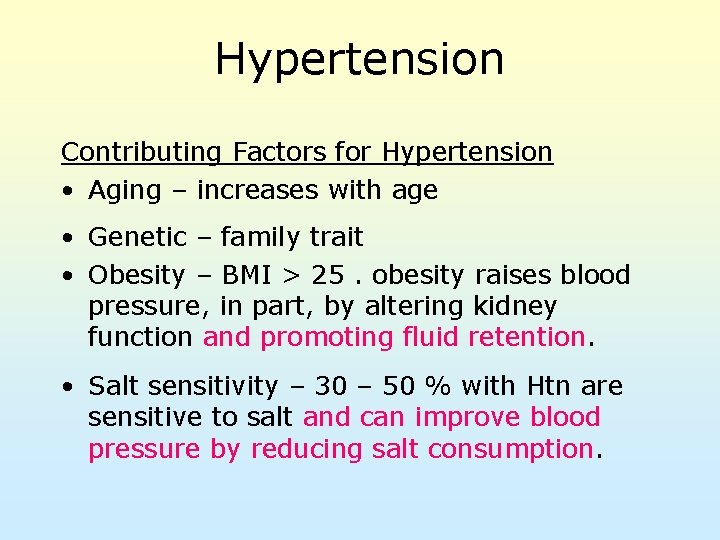
Hypertension Contributing Factors for Hypertension • Aging – increases with age • Genetic – family trait • Obesity – BMI > 25. obesity raises blood pressure, in part, by altering kidney function and promoting fluid retention. • Salt sensitivity – 30 – 50 % with Htn are sensitive to salt and can improve blood pressure by reducing salt consumption.
Hypertension Contributing Factors for Hypertension • Alcohol : heavy consumption (3 or more drinks/day) is strongly associated with hypertension. Alcohol’s specific role in blood pressure is unclear. • Diet – low in potassium, calcium and magnesium have been shown to reduce blood pressure
Hypertension Treatment for Hypertension • Lifestyle modifications – see next table • Weight reduction • DASH eating plan Provides fiber, K+, Mg, Ca ü Limits red meat, sweets, sugar-containing beverages, ü ≤ 7% saturated fat, ≤ 150 mg Cholesterol/day ü Na restriction : less than 2400 mg/ day best if ≤ 1500 mg/day medications