
Cardiovascular disease is the leading cause of death
- Slides: 34
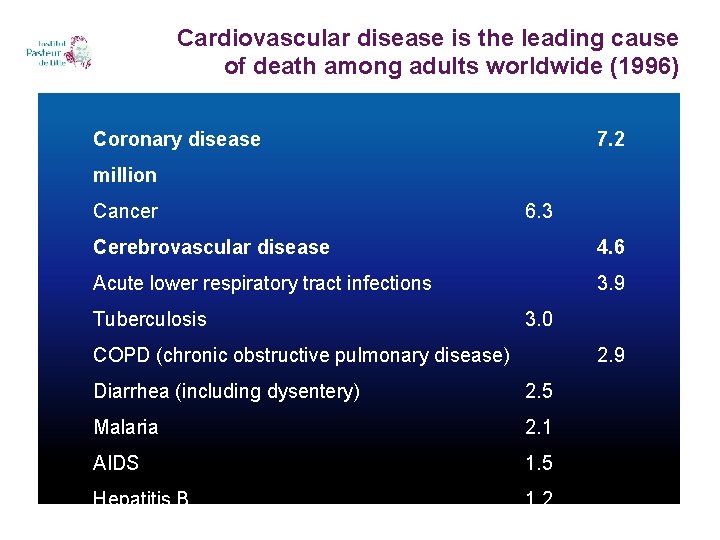
Cardiovascular disease is the leading cause of death among adults worldwide (1996) Coronary disease 7. 2 million Cancer 6. 3 Cerebrovascular disease 4. 6 Acute lower respiratory tract infections 3. 9 Tuberculosis 3. 0 COPD (chronic obstructive pulmonary disease) 2. 9 Diarrhea (including dysentery) 2. 5 Malaria 2. 1 AIDS 1. 5 Hepatitis B 1. 2
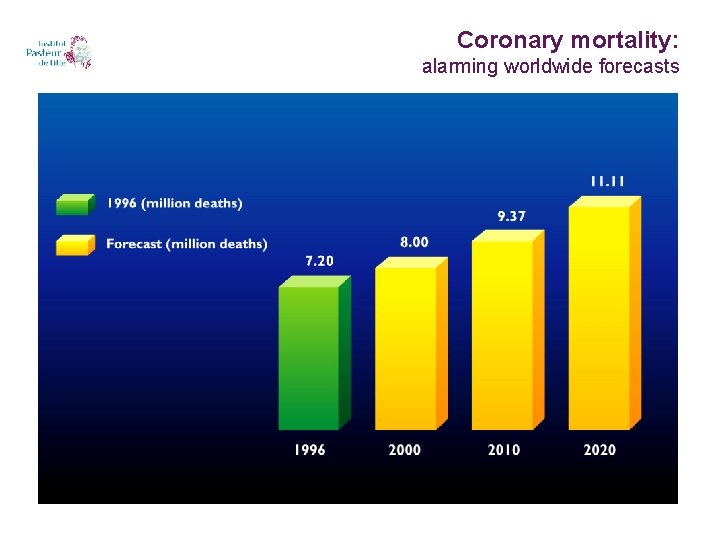
Coronary mortality: alarming worldwide forecasts
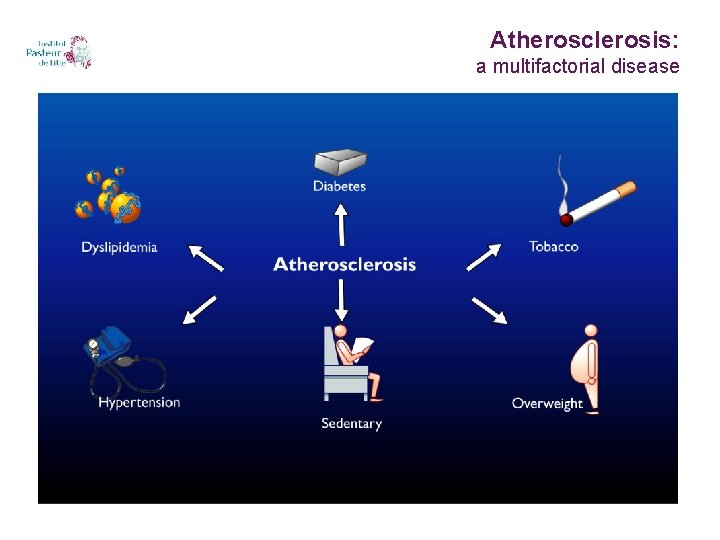
Atherosclerosis: a multifactorial disease
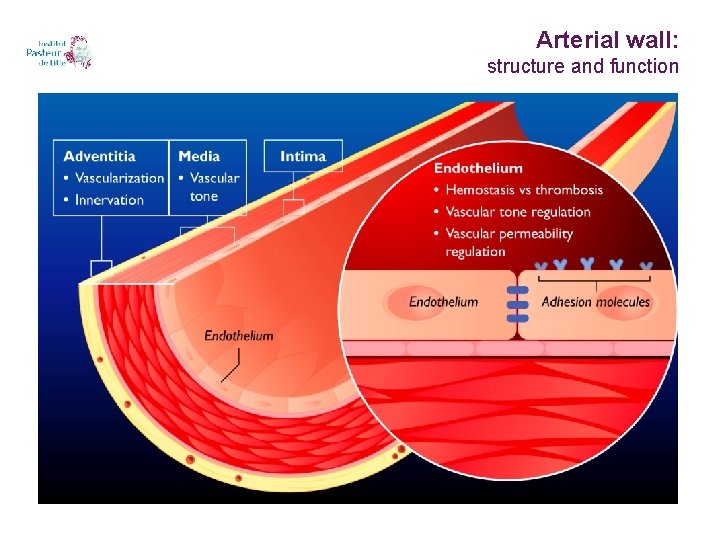
Arterial wall: structure and function
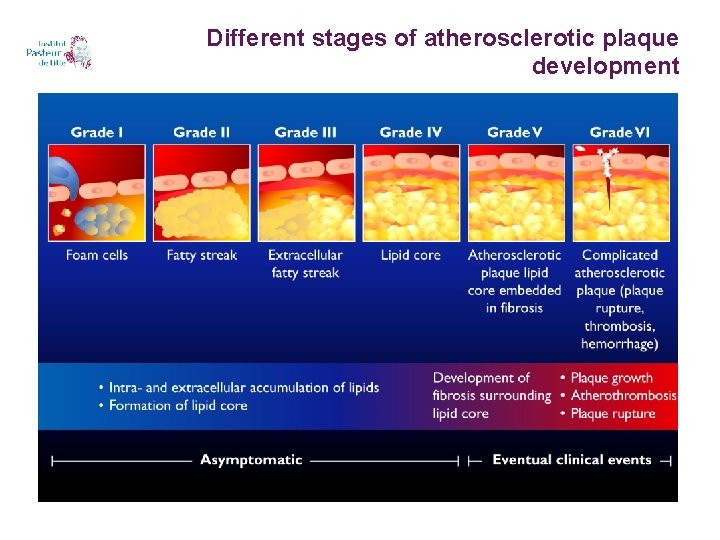
Different stages of atherosclerotic plaque development
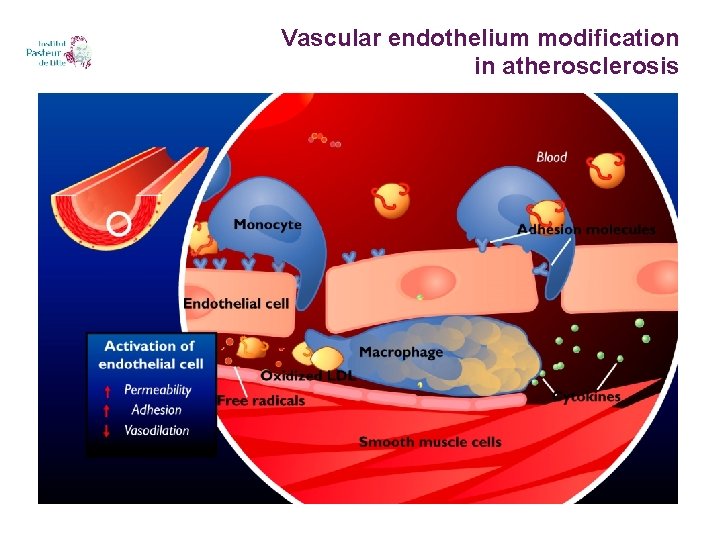
Vascular endothelium modification in atherosclerosis
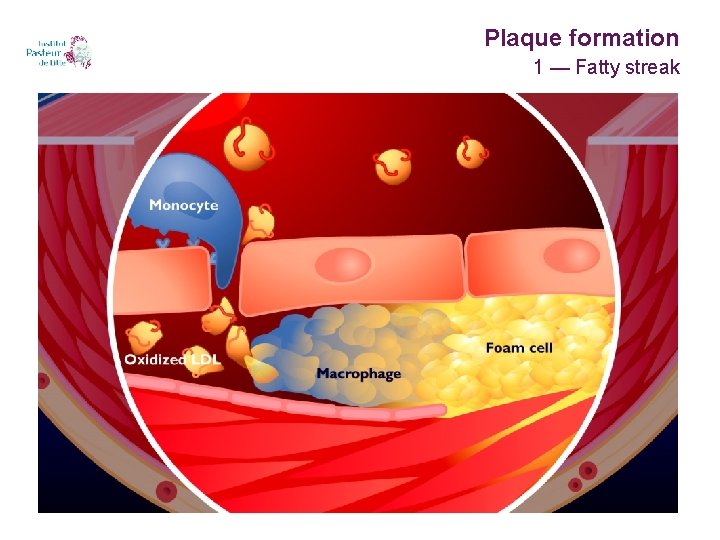
Plaque formation 1 — Fatty streak
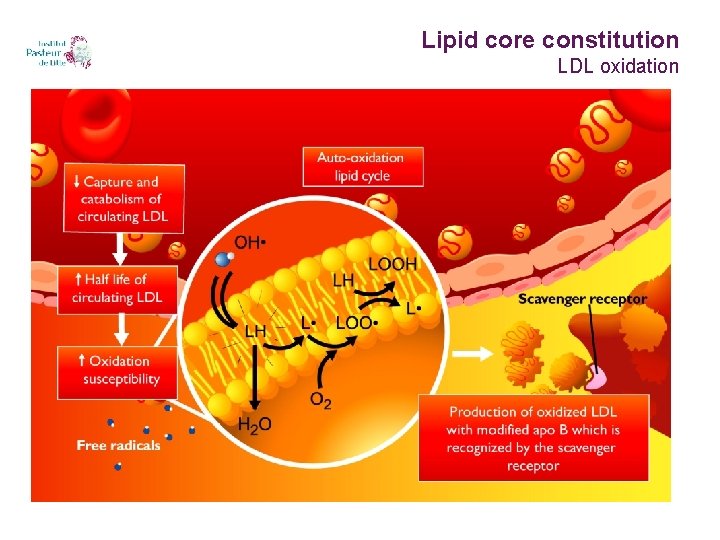
Lipid core constitution LDL oxidation
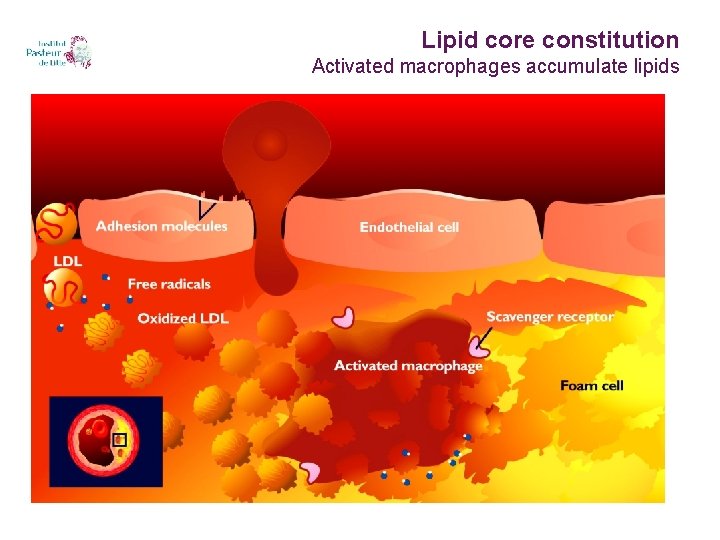
Lipid core constitution Activated macrophages accumulate lipids
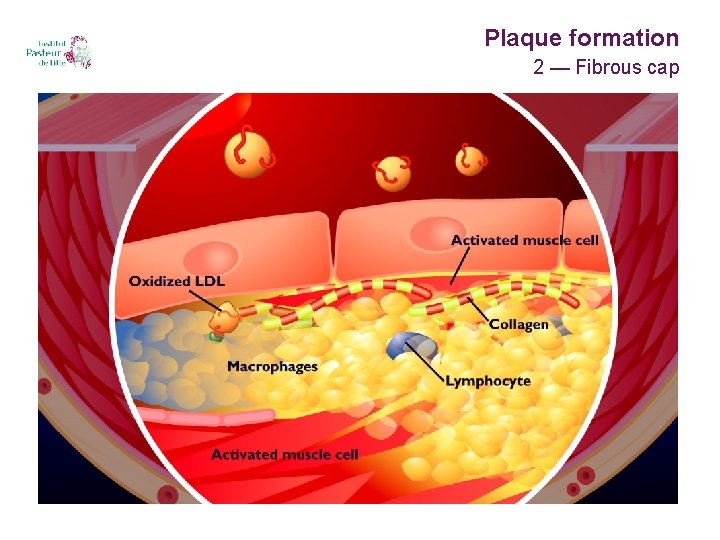
Plaque formation 2 — Fibrous cap
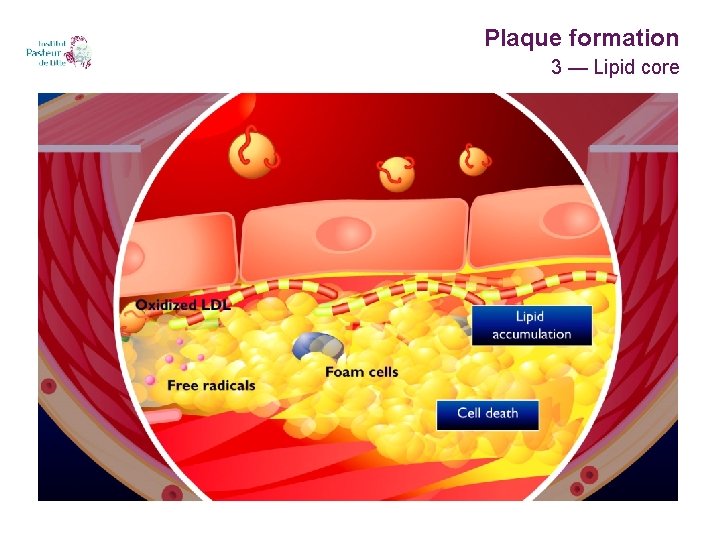
Plaque formation 3 — Lipid core
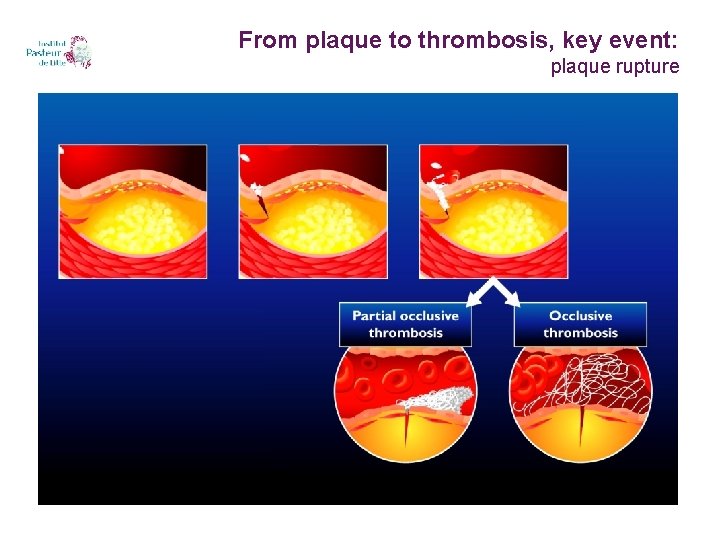
From plaque to thrombosis, key event: plaque rupture
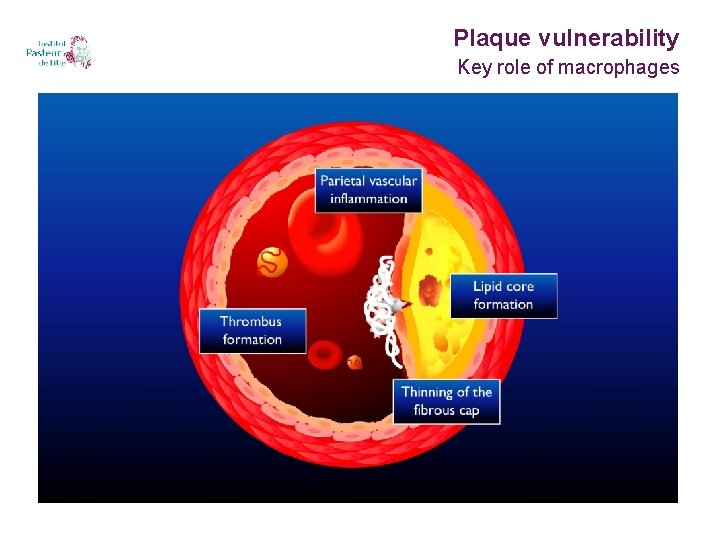
Plaque vulnerability Key role of macrophages
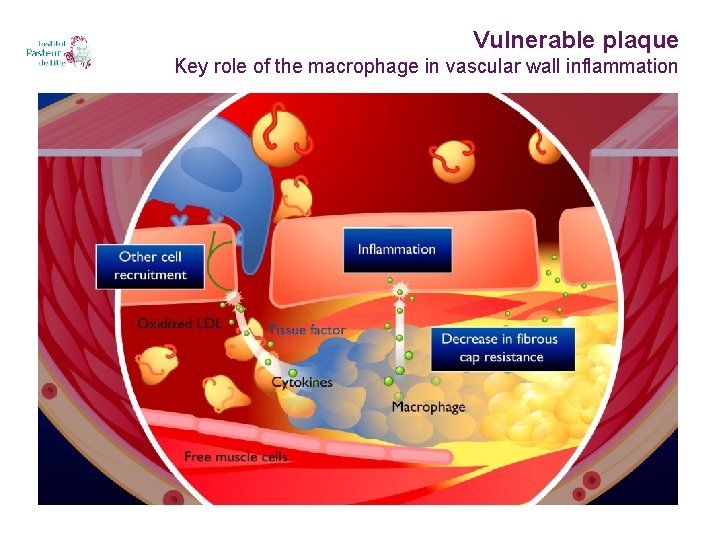
Vulnerable plaque Key role of the macrophage in vascular wall inflammation
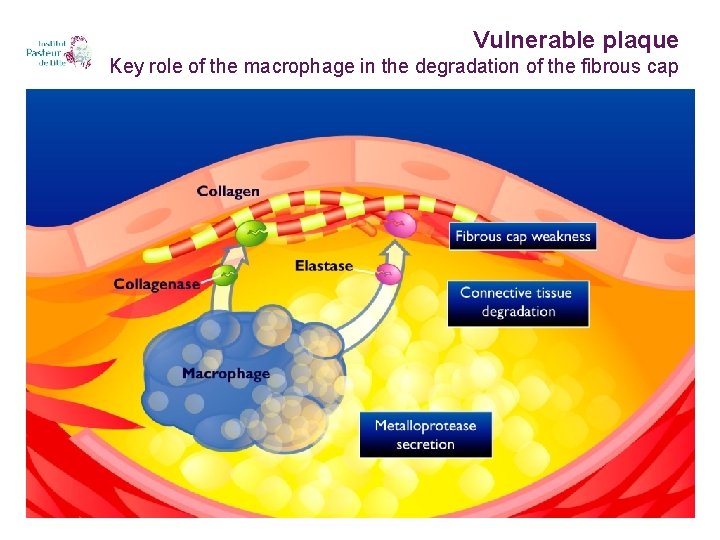
Vulnerable plaque Key role of the macrophage in the degradation of the fibrous cap
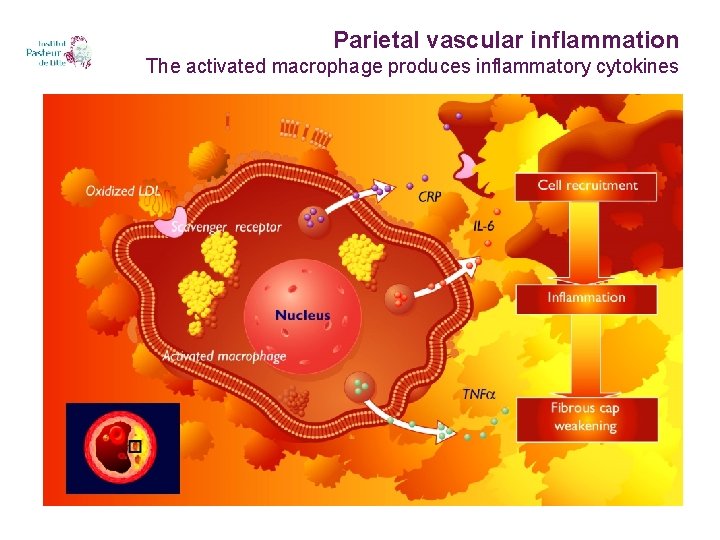
Parietal vascular inflammation The activated macrophage produces inflammatory cytokines
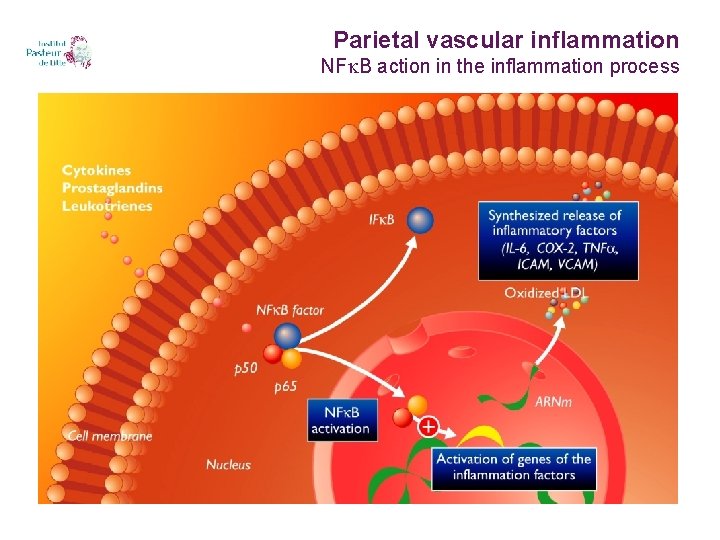
Parietal vascular inflammation NFk. B action in the inflammation process
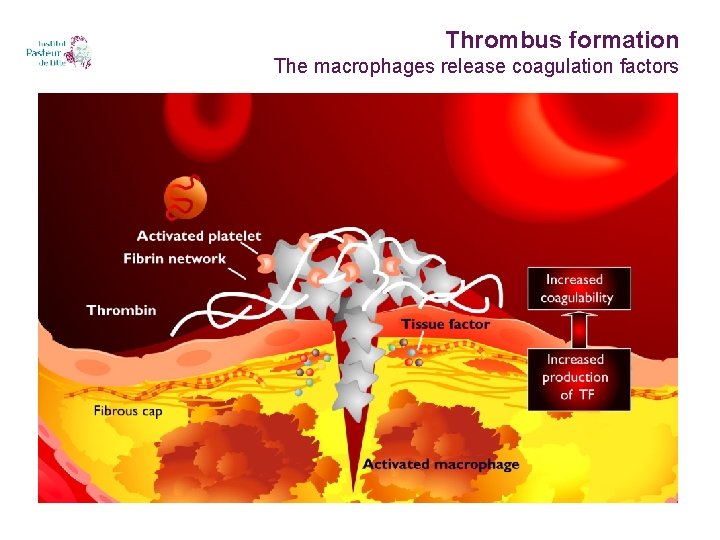
Thrombus formation The macrophages release coagulation factors
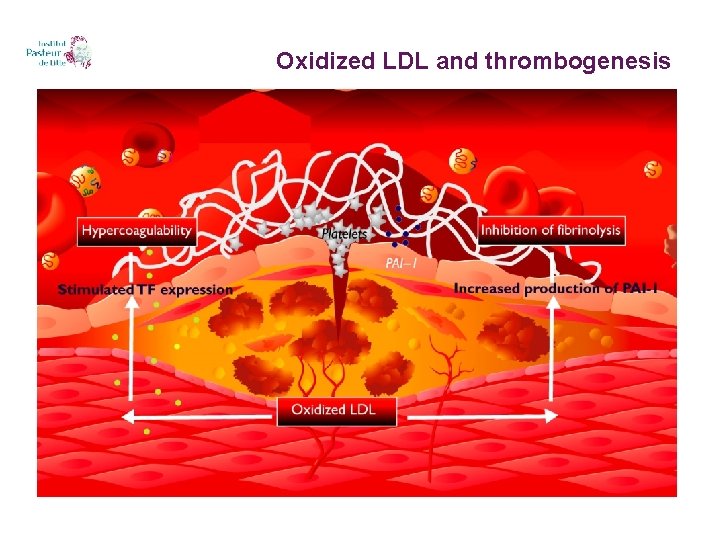
Oxidized LDL and thrombogenesis
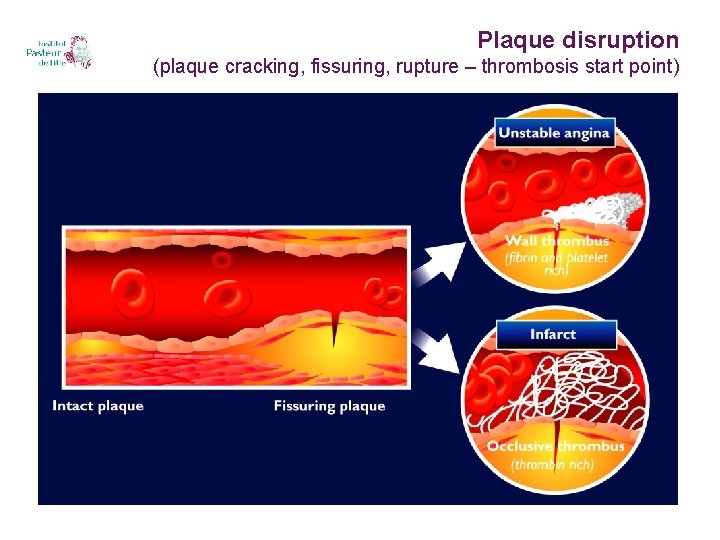
Plaque disruption (plaque cracking, fissuring, rupture – thrombosis start point)
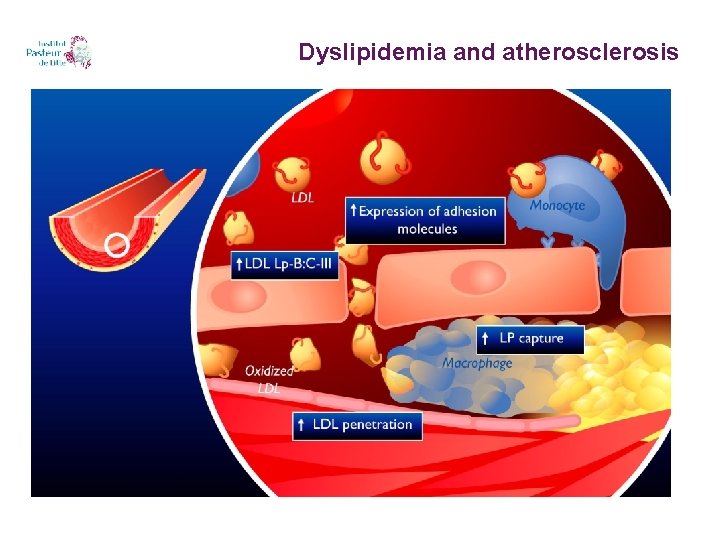
Dyslipidemia and atherosclerosis
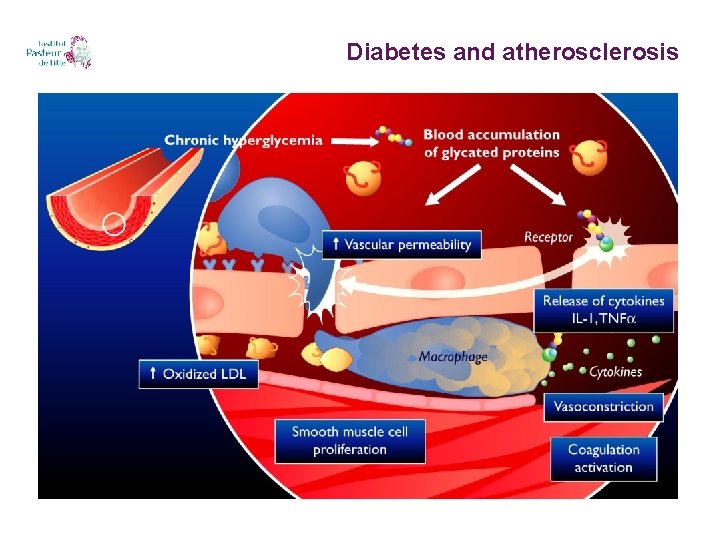
Diabetes and atherosclerosis
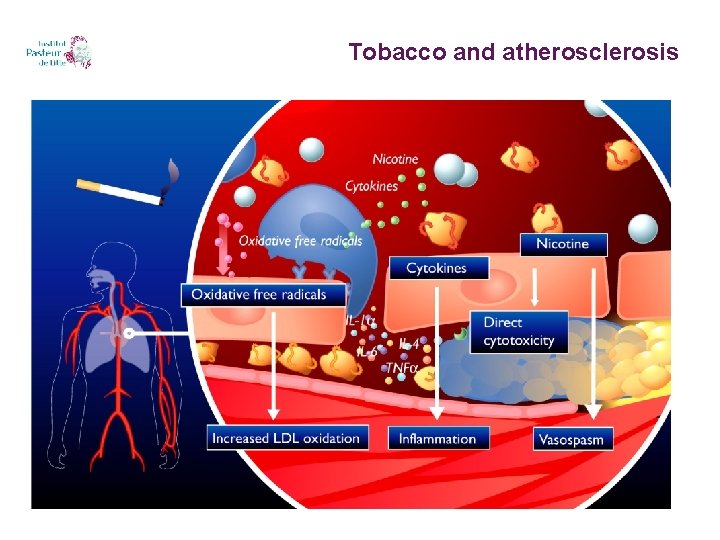
Tobacco and atherosclerosis
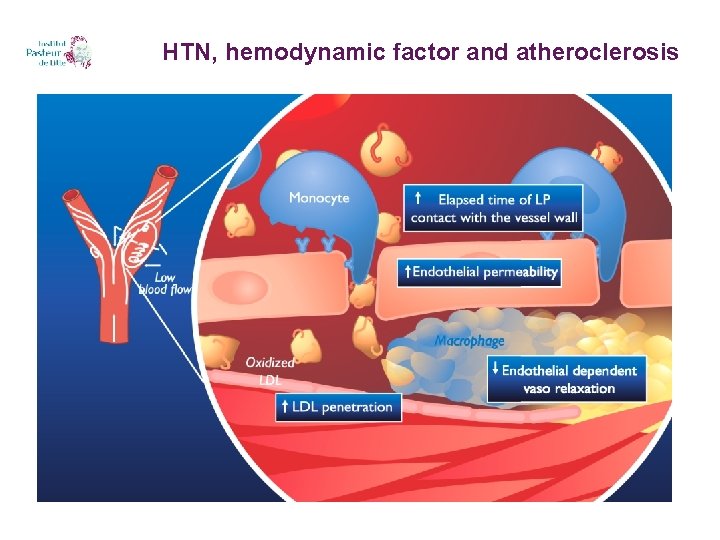
HTN, hemodynamic factor and atheroclerosis
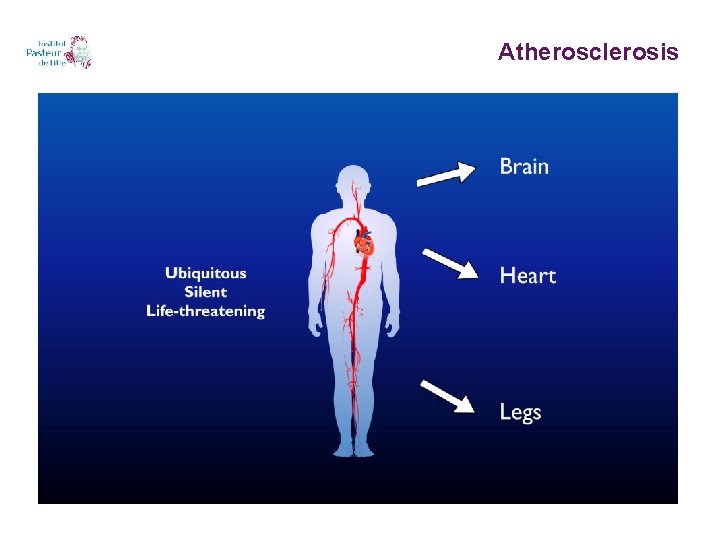
Atherosclerosis
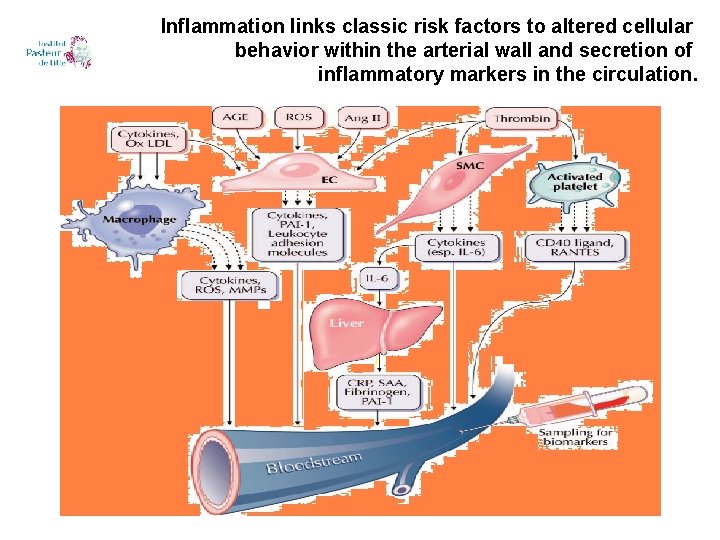
Inflammation links classic risk factors to altered cellular behavior within the arterial wall and secretion of inflammatory markers in the circulation.
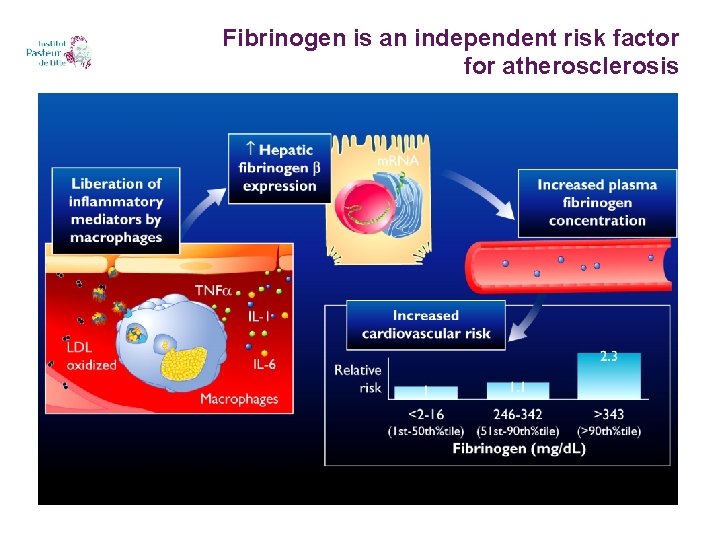
Fibrinogen is an independent risk factor for atherosclerosis
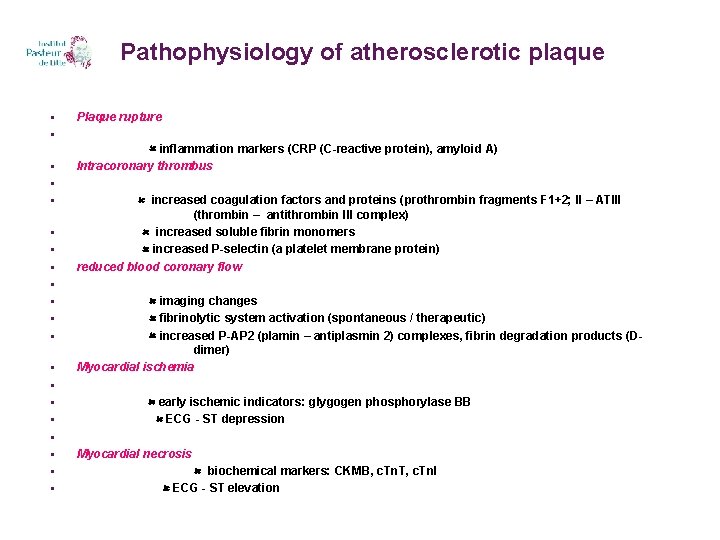
Pathophysiology of atherosclerotic plaque § Plaque rupture § § inflammation markers (CRP (C-reactive protein), amyloid A) Intracoronary thrombus § § § increased coagulation factors and proteins (prothrombin fragments F 1+2; II – ATIII (thrombin – antithrombin III complex) increased soluble fibrin monomers increased P-selectin (a platelet membrane protein) reduced blood coronary flow § § § imaging changes fibrinolytic system activation (spontaneous / therapeutic) increased P-AP 2 (plamin – antiplasmin 2) complexes, fibrin degradation products (Ddimer) Myocardial ischemia § § § early ischemic indicators: glygogen phosphorylase BB ECG - ST depression § § Myocardial necrosis biochemical markers: CKMB, c. Tn. T, c. Tn. I ECG - ST elevation
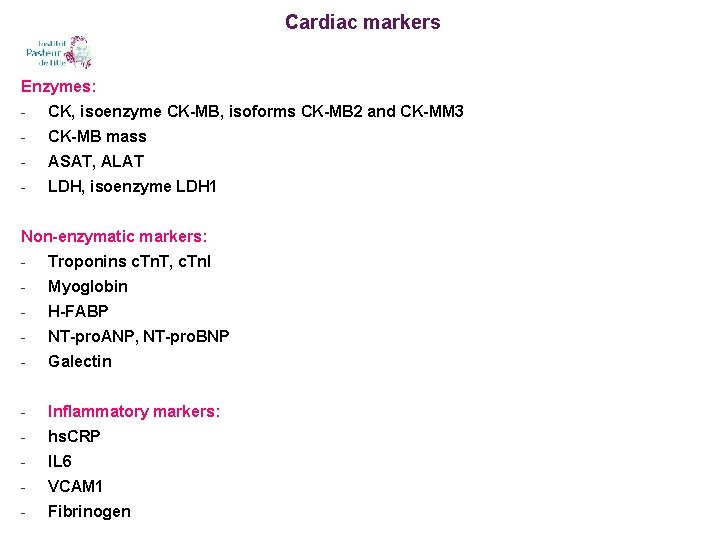
Cardiac markers Enzymes: - CK, isoenzyme CK-MB, isoforms CK-MB 2 and CK-MM 3 - CK-MB mass - ASAT, ALAT - LDH, isoenzyme LDH 1 Non-enzymatic markers: - Troponins c. Tn. T, c. Tn. I - Myoglobin - H-FABP - NT-pro. ANP, NT-pro. BNP - Galectin - Inflammatory markers: - hs. CRP - IL 6 - VCAM 1 - Fibrinogen
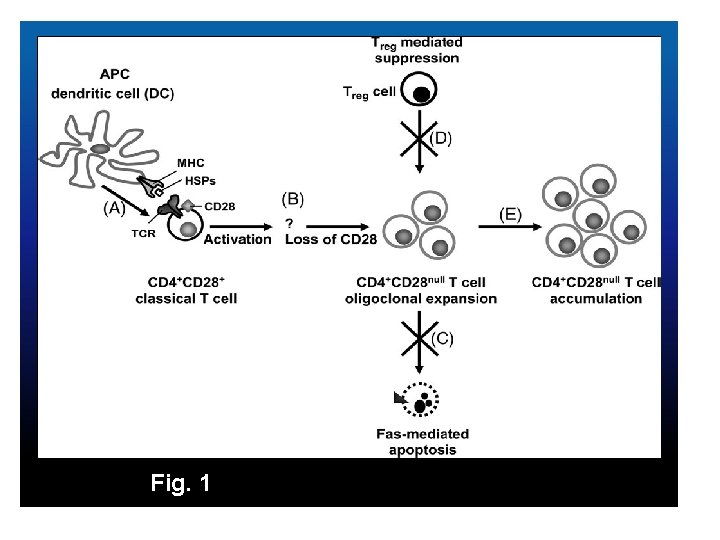
Fig. 1
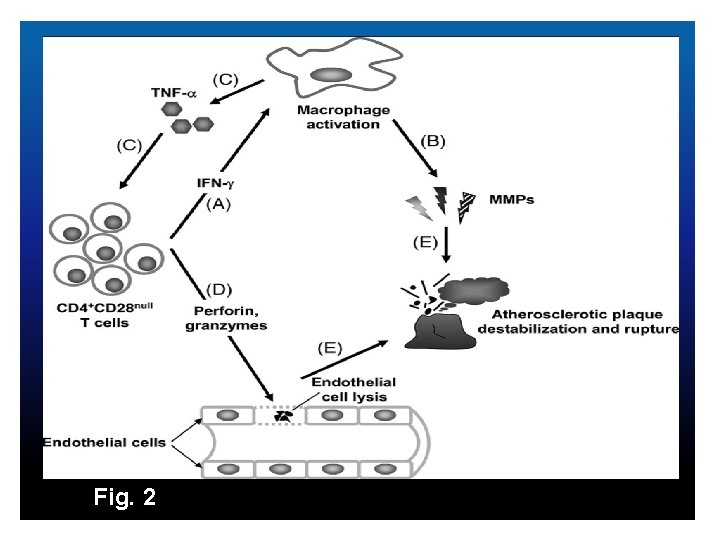
Fig. 2