
CARDIOVASC ULAR GIL Fiona Guo HEART STRUCTURE CELLULAR

- Slides: 18
CARDIOVASC ULAR GIL Fiona Guo
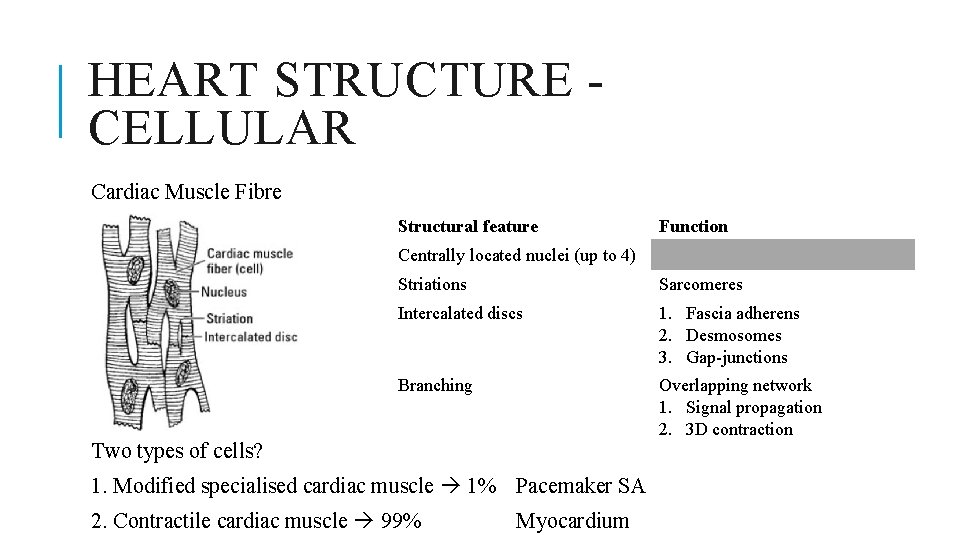
HEART STRUCTURE CELLULAR Cardiac Muscle Fibre Structural feature Function Centrally located nuclei (up to 4) Striations Sarcomeres Intercalated discs 1. Fascia adherens 2. Desmosomes 3. Gap-junctions Branching Overlapping network 1. Signal propagation 2. 3 D contraction Two types of cells? 1. Modified specialised cardiac muscle 1% Pacemaker SA 2. Contractile cardiac muscle 99% Myocardium
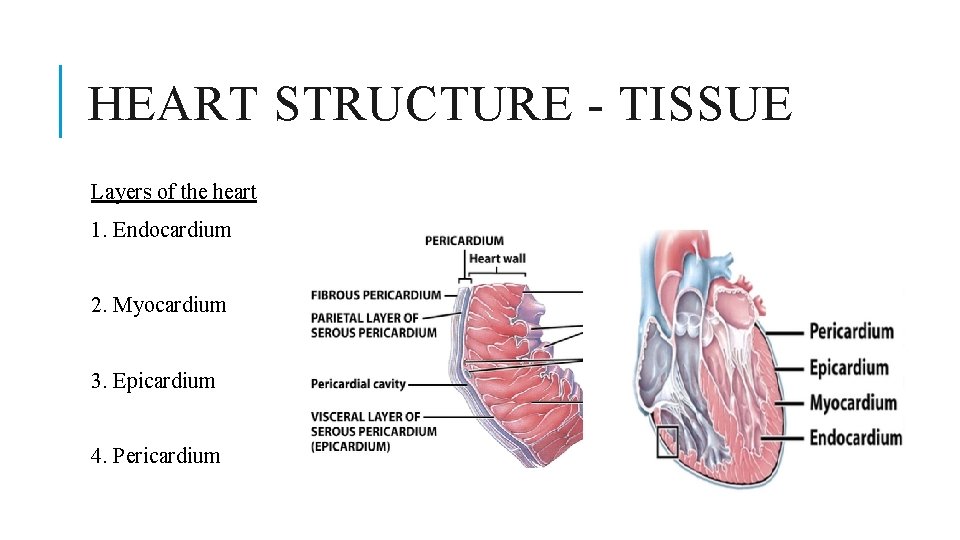
HEART STRUCTURE - TISSUE Layers of the heart 1. Endocardium 2. Myocardium 3. Epicardium 4. Pericardium
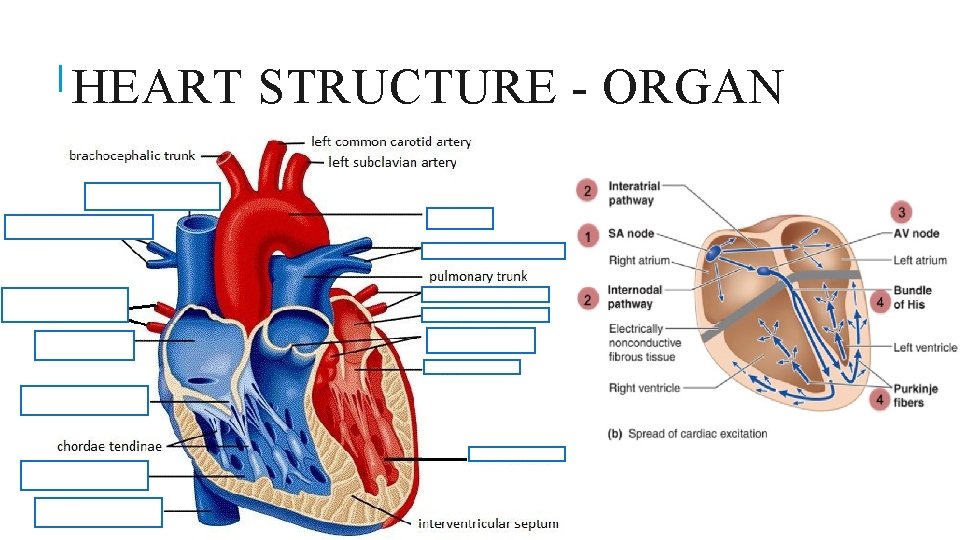
HEART STRUCTURE - ORGAN
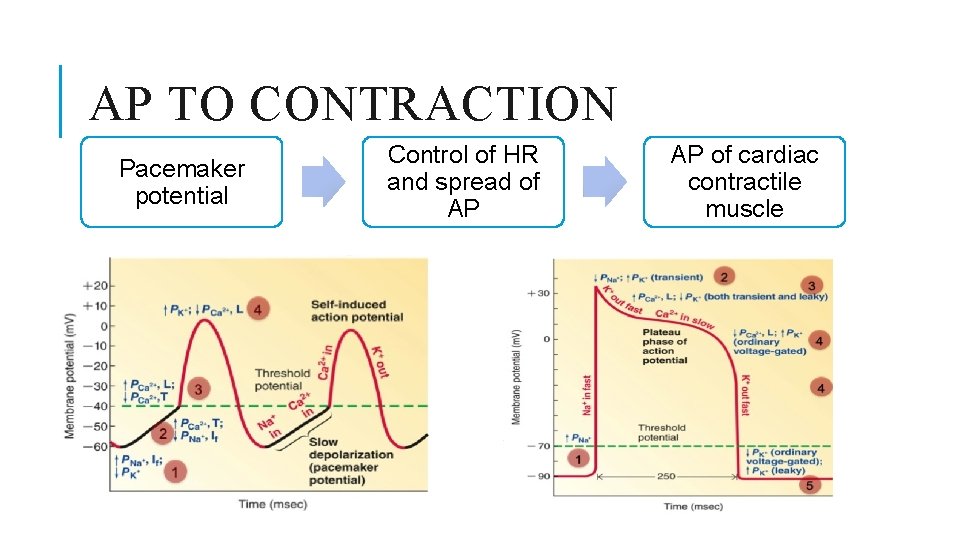
AP TO CONTRACTION Pacemaker potential Control of HR and spread of AP AP of cardiac contractile muscle
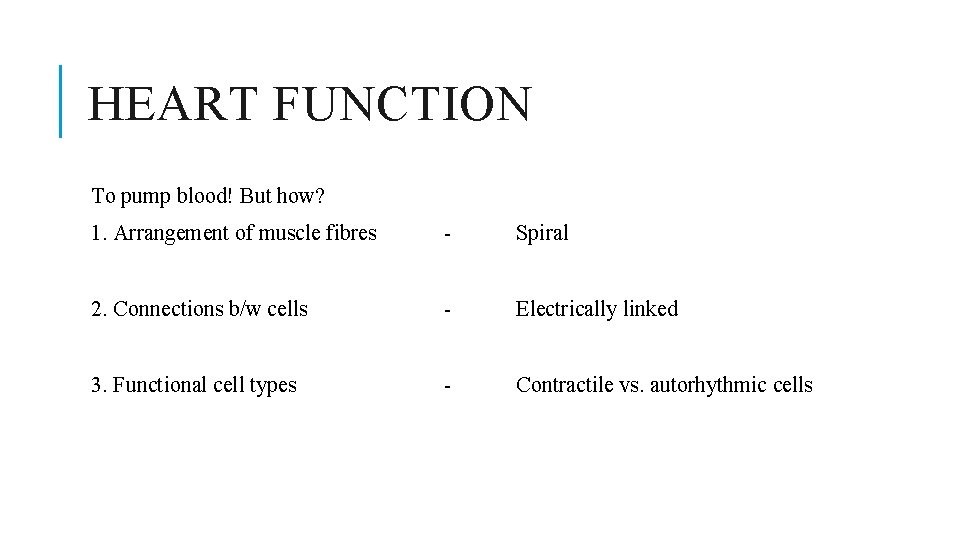
HEART FUNCTION To pump blood! But how? 1. Arrangement of muscle fibres - Spiral 2. Connections b/w cells - Electrically linked 3. Functional cell types - Contractile vs. autorhythmic cells
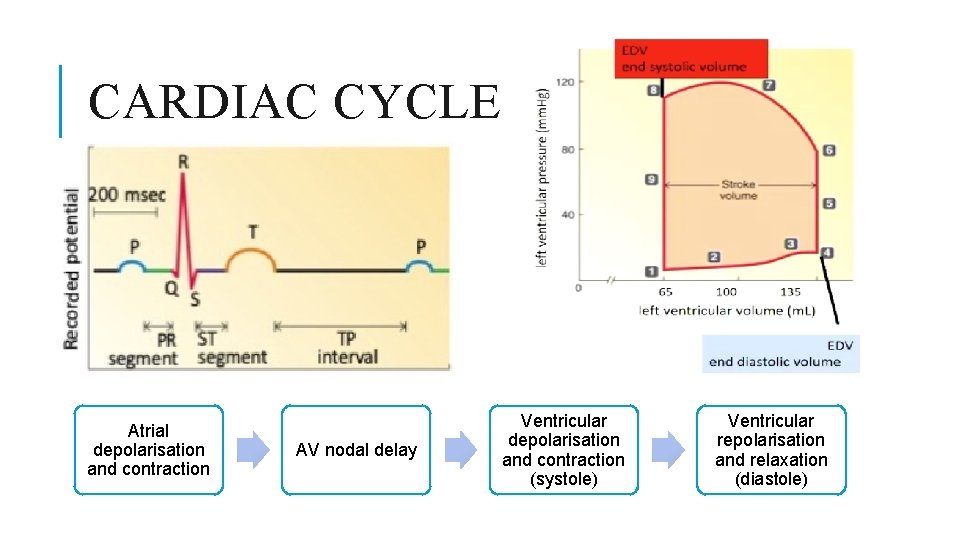
CARDIAC CYCLE Atrial depolarisation and contraction AV nodal delay Ventricular depolarisation and contraction (systole) Ventricular repolarisation and relaxation (diastole)
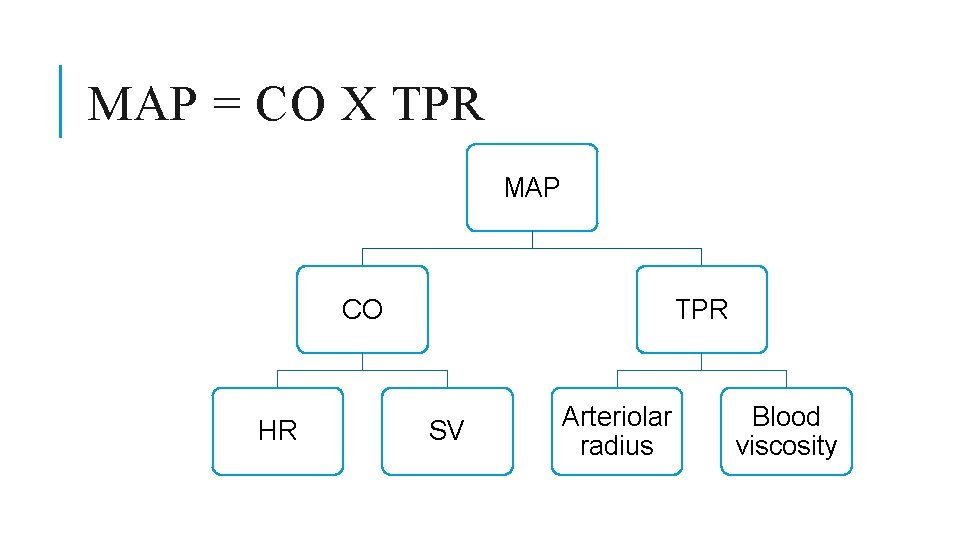
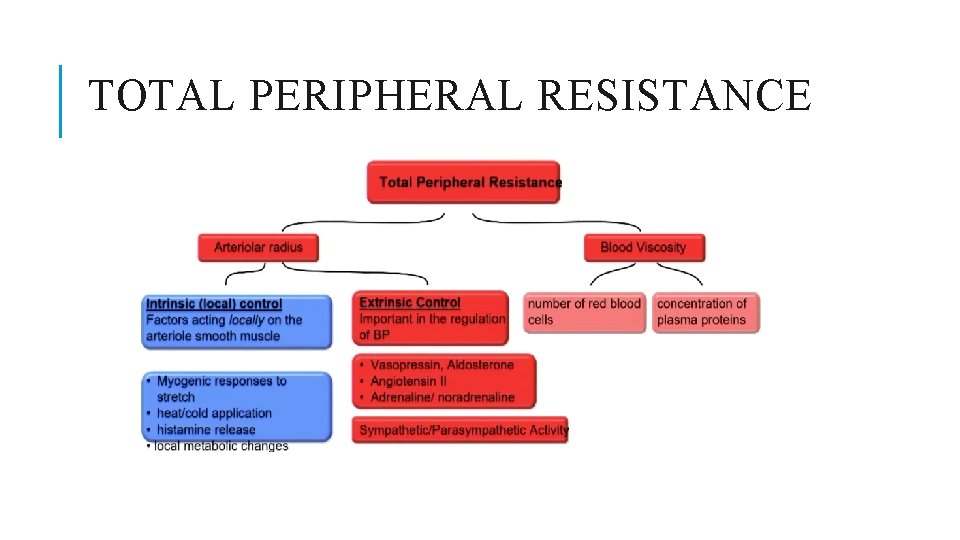
MAP = CO X TPR MAP CO HR TPR SV Arteriolar radius Blood viscosity
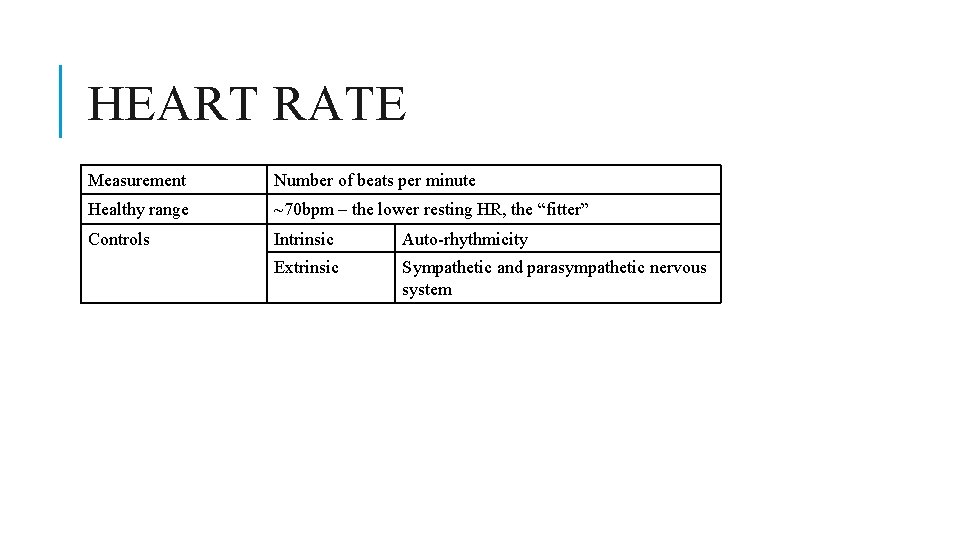
HEART RATE Measurement Number of beats per minute Healthy range ~70 bpm – the lower resting HR, the “fitter” Controls Intrinsic Auto-rhythmicity Extrinsic Sympathetic and parasympathetic nervous system
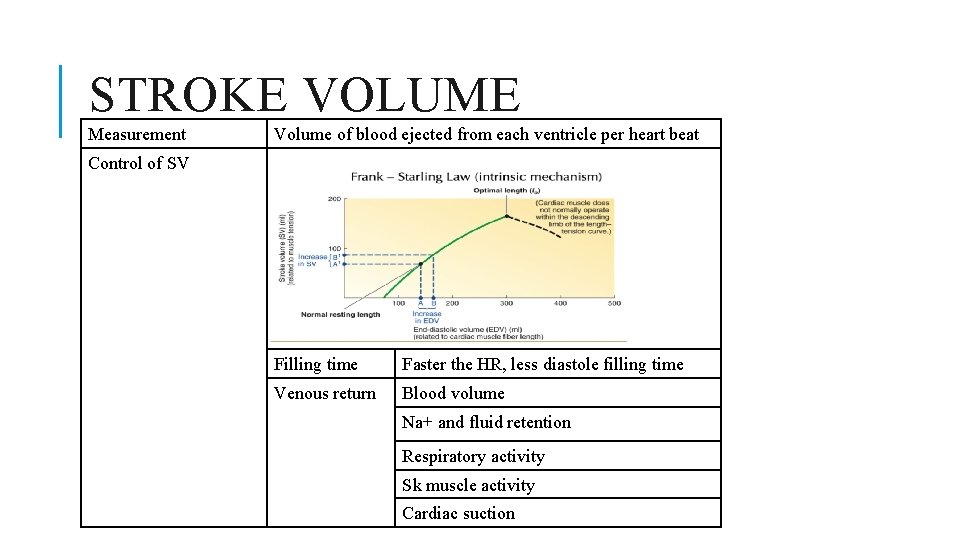
STROKE VOLUME Measurement Volume of blood ejected from each ventricle per heart beat Control of SV Filling time Faster the HR, less diastole filling time Venous return Blood volume Na+ and fluid retention Respiratory activity Sk muscle activity Cardiac suction
TOTAL PERIPHERAL RESISTANCE
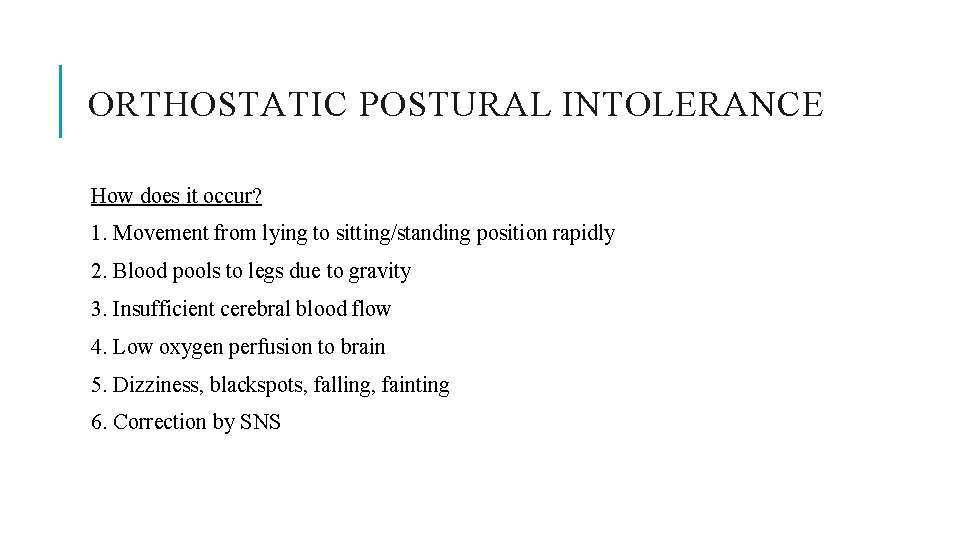
ORTHOSTATIC POSTURAL INTOLERANCE How does it occur? 1. Movement from lying to sitting/standing position rapidly 2. Blood pools to legs due to gravity 3. Insufficient cerebral blood flow 4. Low oxygen perfusion to brain 5. Dizziness, blackspots, falling, fainting 6. Correction by SNS
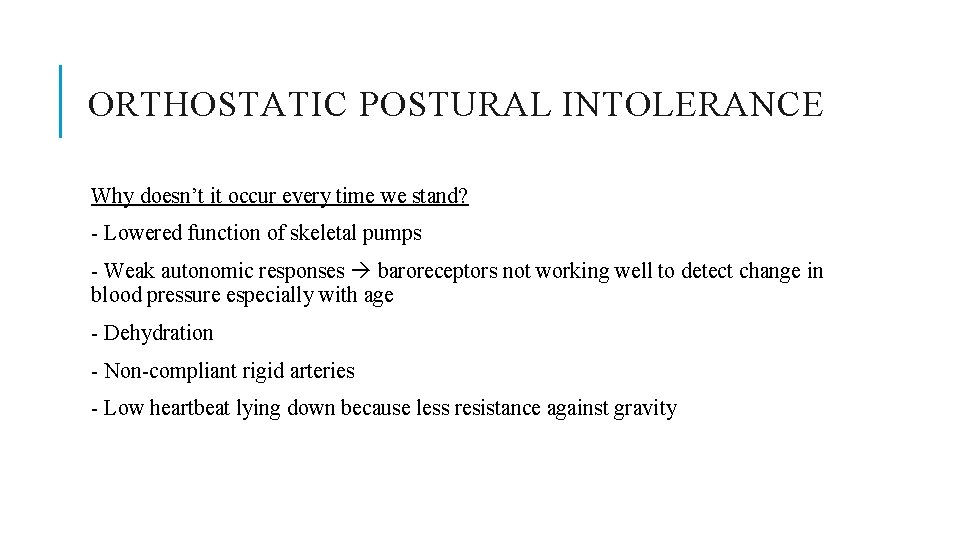
ORTHOSTATIC POSTURAL INTOLERANCE Why doesn’t it occur every time we stand? - Lowered function of skeletal pumps - Weak autonomic responses baroreceptors not working well to detect change in blood pressure especially with age - Dehydration - Non-compliant rigid arteries - Low heartbeat lying down because less resistance against gravity
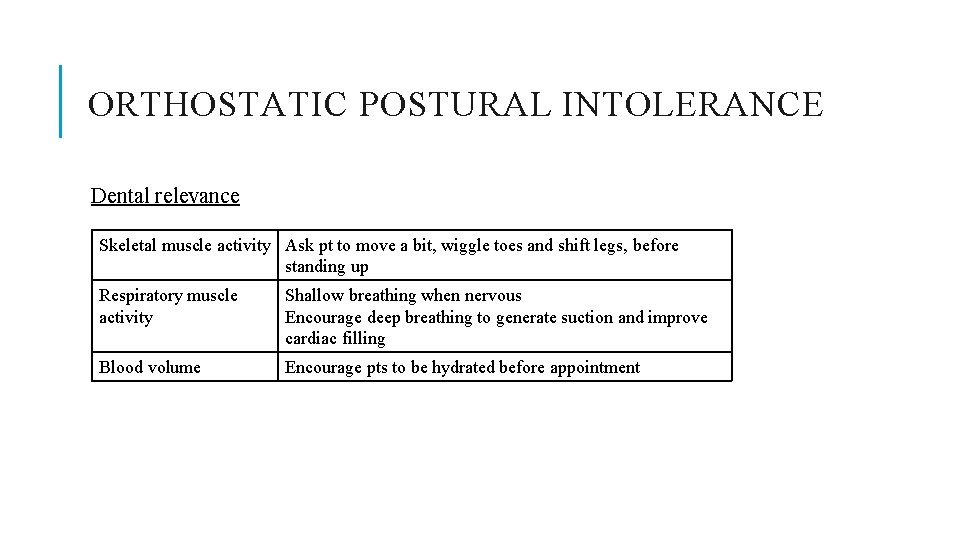
ORTHOSTATIC POSTURAL INTOLERANCE Dental relevance Skeletal muscle activity Ask pt to move a bit, wiggle toes and shift legs, before standing up Respiratory muscle activity Shallow breathing when nervous Encourage deep breathing to generate suction and improve cardiac filling Blood volume Encourage pts to be hydrated before appointment
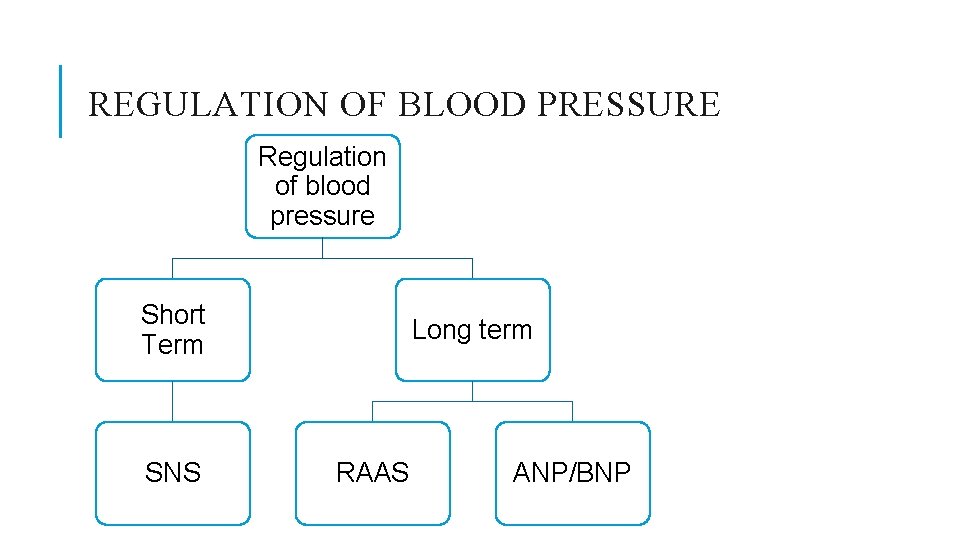
REGULATION OF BLOOD PRESSURE Regulation of blood pressure Short Term SNS Long term RAAS ANP/BNP
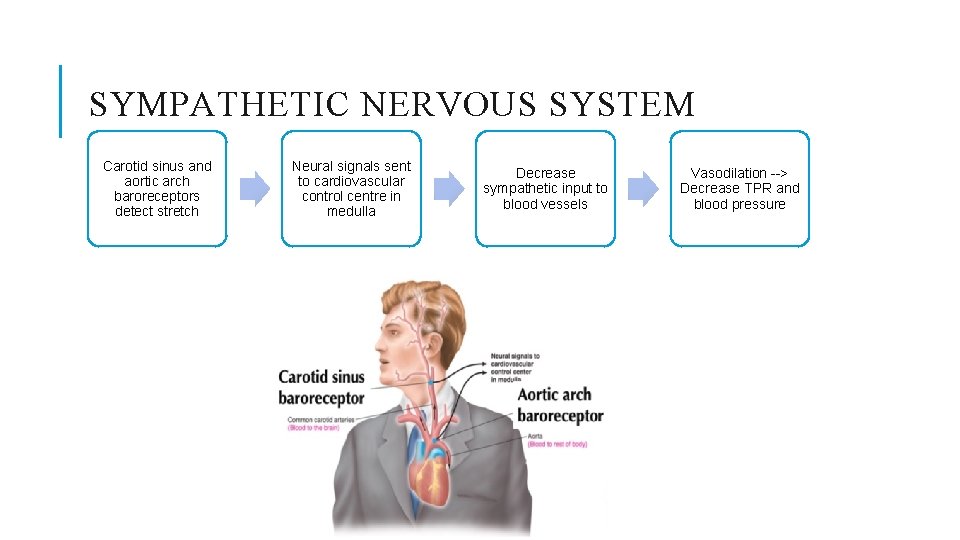
SYMPATHETIC NERVOUS SYSTEM Carotid sinus and aortic arch baroreceptors detect stretch Neural signals sent to cardiovascular control centre in medulla Decrease sympathetic input to blood vessels Vasodilation --> Decrease TPR and blood pressure
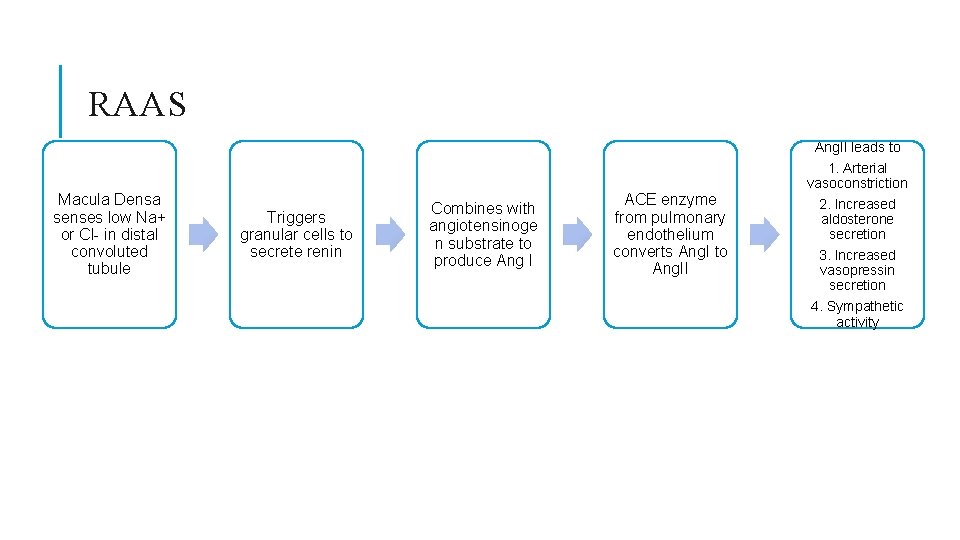
RAAS Ang. II leads to Macula Densa senses low Na+ or Cl- in distal convoluted tubule Triggers granular cells to secrete renin Combines with angiotensinoge n substrate to produce Ang I ACE enzyme from pulmonary endothelium converts Ang. I to Ang. II 1. Arterial vasoconstriction 2. Increased aldosterone secretion 3. Increased vasopressin secretion 4. Sympathetic activity
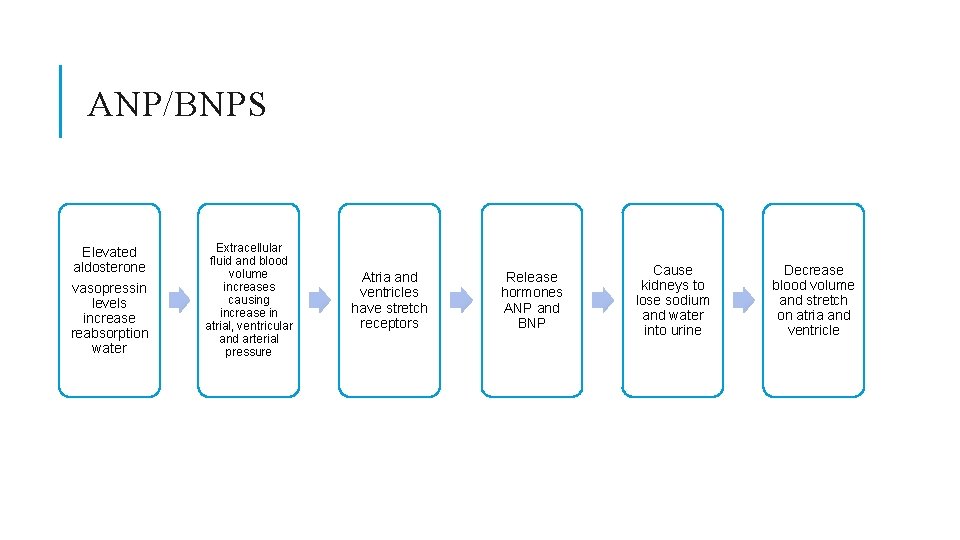
ANP/BNPS Elevated aldosterone vasopressin levels increase reabsorption water Extracellular fluid and blood volume increases causing increase in atrial, ventricular and arterial pressure Atria and ventricles have stretch receptors Release hormones ANP and BNP Cause kidneys to lose sodium and water into urine Decrease blood volume and stretch on atria and ventricle