
Cardiac Rehab Riya Pulicharam MD National Medical Director
Cardiac Rehab Riya Pulicharam, MD National Medical Director, Population Health & Clinical Outcomes © 2018 Health. Care Partners All Rights Reserved. Confidential and proprietary.
Agenda • Background • Cost of Care • Million Hearts Initiative • Focus Group Discussion • Benefits of Participation • Barriers that Patients Face • Technology in Cardiac Rehab • HCP Pilot for Cardiac Rehab • Conclusion
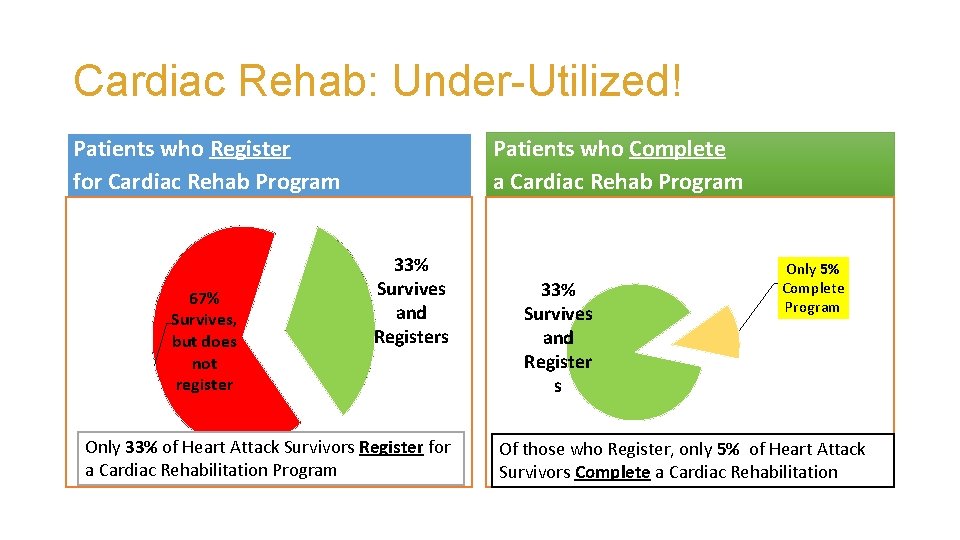
Cardiac Rehab: Under-Utilized! Patients who Register for Cardiac Rehab Program 67% Survives, but does not register Patients who Complete a Cardiac Rehab Program 33% Survives and Registers Only 33% of Heart Attack Survivors Register for a Cardiac Rehabilitation Program 33% Survives and Register s Only 5% Complete Program Of those who Register, only 5% of Heart Attack Survivors Complete a Cardiac Rehabilitation
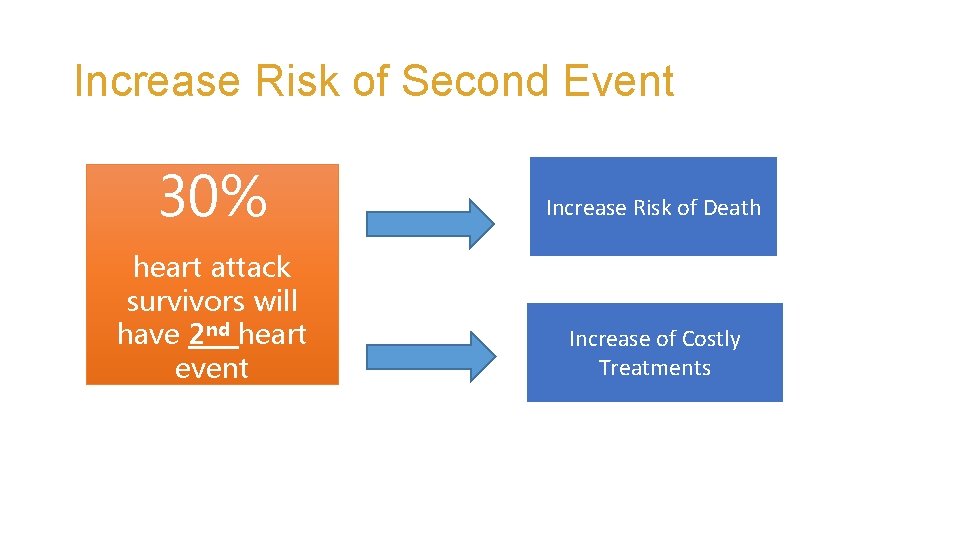
Increase Risk of Second Event 30% Increase Risk of Death heart attack survivors will have 2 nd heart event Increase of Costly Treatments
Healthcare Cost: Cardiovascular Disease About $1 out of every $6 spent on healthcare in the U. S. , is spent on cardiovascular disease Equates to $320 million a year in direct medical costs and lost productivity Medicare spends about $14, 000 per patient on hospital bills over the course of year following an attack. In the first 90 days following a heart attack costs an average of more than $38, 000 Both Medicare and private health insurers amounts rise about 4% a year.
Million Hearts Initiative • The aim of the Million Hearts Initiative is to prevent 1 million CV events over 5 years. • The focus of the initiative is to achieve more than 70% performance in the ABCs (aspirin for those at risk, BP reduction, cholesterol lowering and tobacco cessation) • Increasing cardiac rehabilitation participation from 20% to 70% would save 25, 000 lives and prevent 180, 000 hospitalizations annually in the US.
Cardiac Rehab: ABCs and More • Aspirin (medication) • Graded physical Activity • Blood Pressure reduction • Cholesterol and diabetes control • Tobacco Cessation • Counseling (nutrition) • Screening (depression) • Immunizations • Stress management
"So , then do you have any artery softeners? "
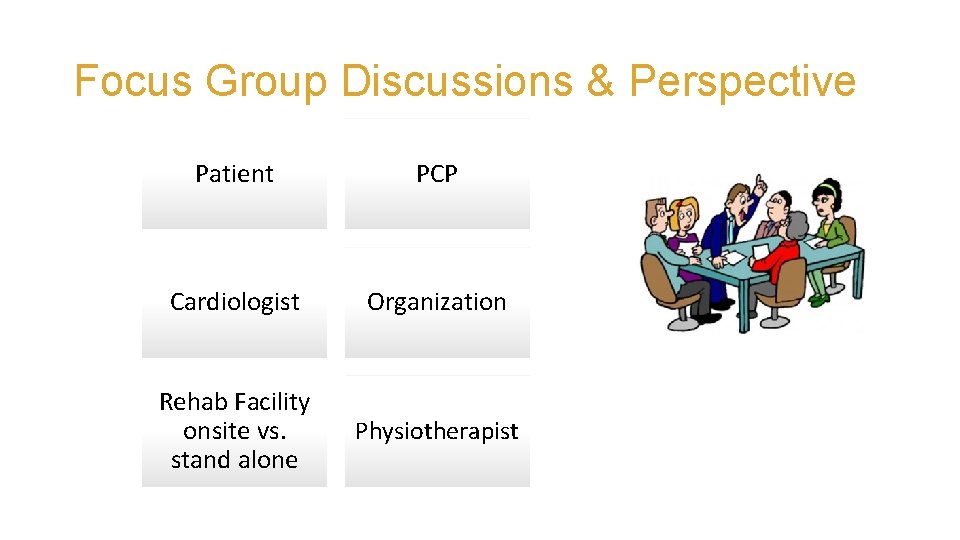
Focus Group Discussions & Perspective Patient PCP Cardiologist Organization Rehab Facility onsite vs. stand alone Physiotherapist
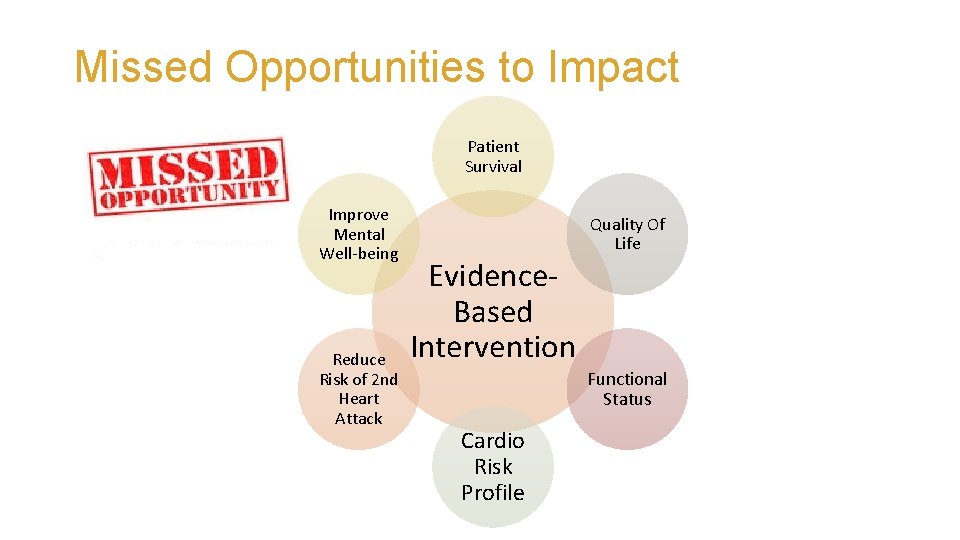
Missed Opportunities to Impact Patient Survival Improve Mental Well-being Reduce Risk of 2 nd Heart Attack Quality Of Life Evidence. Based Intervention Functional Status Cardio Risk Profile
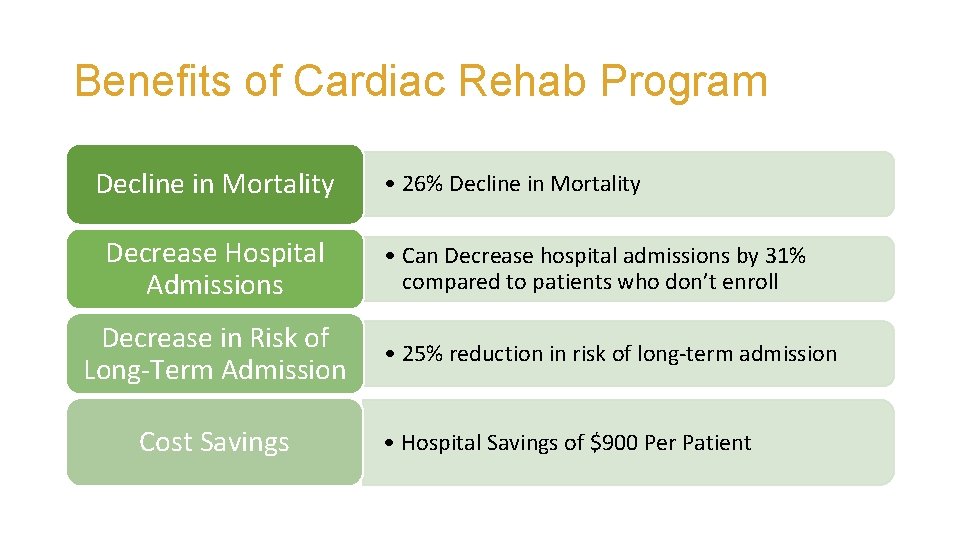
Benefits of Cardiac Rehab Program Decline in Mortality Decrease Hospital Admissions Decrease in Risk of Long-Term Admission Cost Savings • 26% Decline in Mortality • Can Decrease hospital admissions by 31% compared to patients who don’t enroll • 25% reduction in risk of long-term admission • Hospital Savings of $900 Per Patient
Myths Keeping Patients from Pursuing Rehab • Not sure if Rehab is safe for them • Doesn’t have the time to work out • Not sure if they can afford rehabilitation • Feels like they know everything about their health
Factors that Impact Participation Cost Illness Transportation Difficulties Distance Work Embarrassment Motivation Interest Time
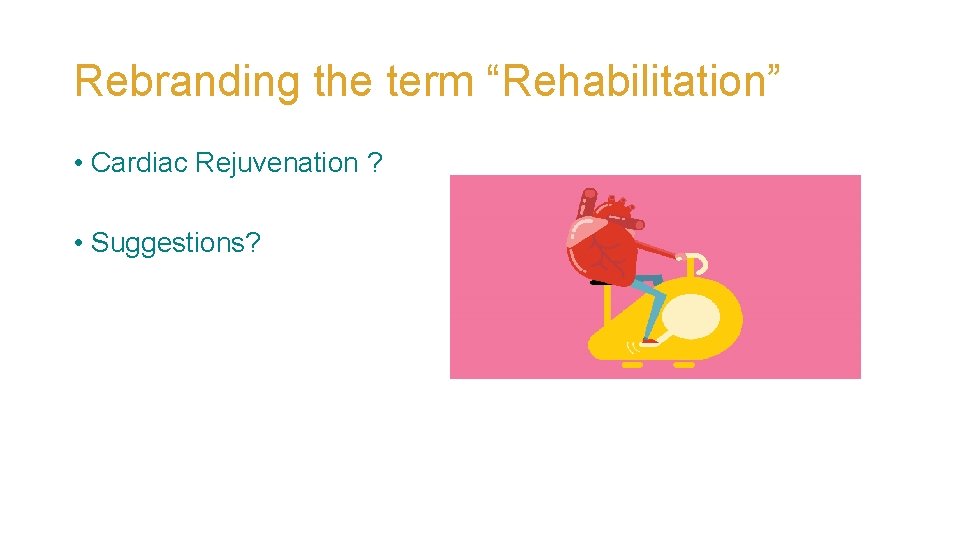
Rebranding the term “Rehabilitation” • Cardiac Rejuvenation ? • Suggestions?
Ways to Increase Participation Rate q. Home-Based Cardiac Rehab q. Primary Care Physician Involvement q. Use of Modern Technology
Home-Based versus Hospital-Based Alternative to hospitalbased cardiac rehabilitation as method to improve participation rate A meta-analysis showed the effect of home-based cardiac rehabilitation is similar to hospital-based cardiac rehabilitation. The (BRUM) Study found no difference in risk factor control, self-reported physical activity and the distance walked on the incremental shuttle walk test when home-based compared to hospital-based
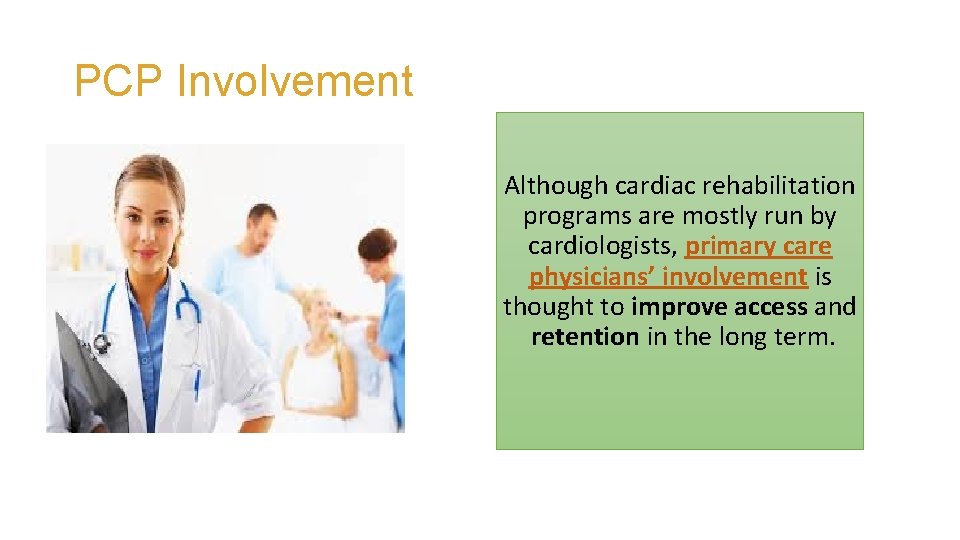
PCP Involvement Although cardiac rehabilitation programs are mostly run by cardiologists, primary care physicians’ involvement is thought to improve access and retention in the long term.
Use of Technology in Rehabilitation Can help increase enrollment Reduce risk factors Improve benefitcost ratio
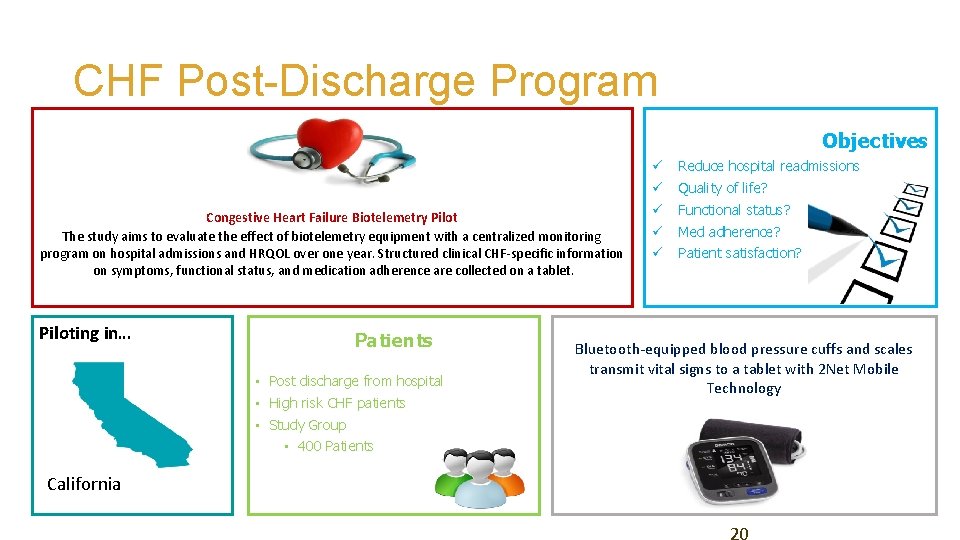
CHF Post-Discharge Program Objectives Congestive Heart Failure Biotelemetry Pilot The study aims to evaluate the effect of biotelemetry equipment with a centralized monitoring program on hospital admissions and HRQOL over one year. Structured clinical CHF-specific information on symptoms, functional status, and medication adherence are collected on a tablet. Piloting in… Patients • Post discharge from hospital • High risk CHF patients • Study Group • 400 Patients California ü Reduce hospital readmissions ü Quality of life? ü Functional status? ü Med adherence? ü Patient satisfaction? Bluetooth-equipped blood pressure cuffs and scales transmit vital signs to a tablet with 2 Net Mobile Technology
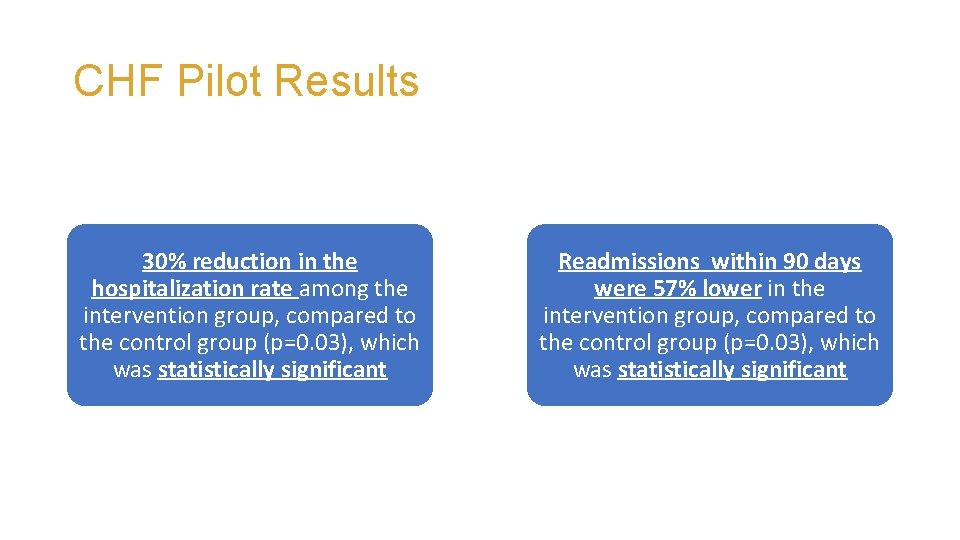
CHF Pilot Results 30% reduction in the hospitalization rate among the intervention group, compared to the control group (p=0. 03), which was statistically significant Readmissions within 90 days were 57% lower in the intervention group, compared to the control group (p=0. 03), which was statistically significant
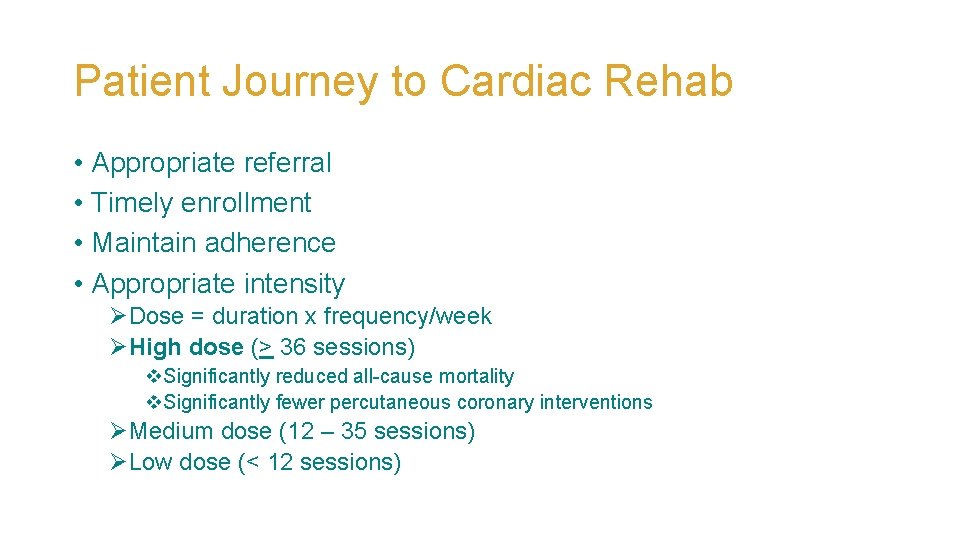
Patient Journey to Cardiac Rehab • Appropriate referral • Timely enrollment • Maintain adherence • Appropriate intensity ØDose = duration x frequency/week ØHigh dose (> 36 sessions) v. Significantly reduced all-cause mortality v. Significantly fewer percutaneous coronary interventions ØMedium dose (12 – 35 sessions) ØLow dose (< 12 sessions)
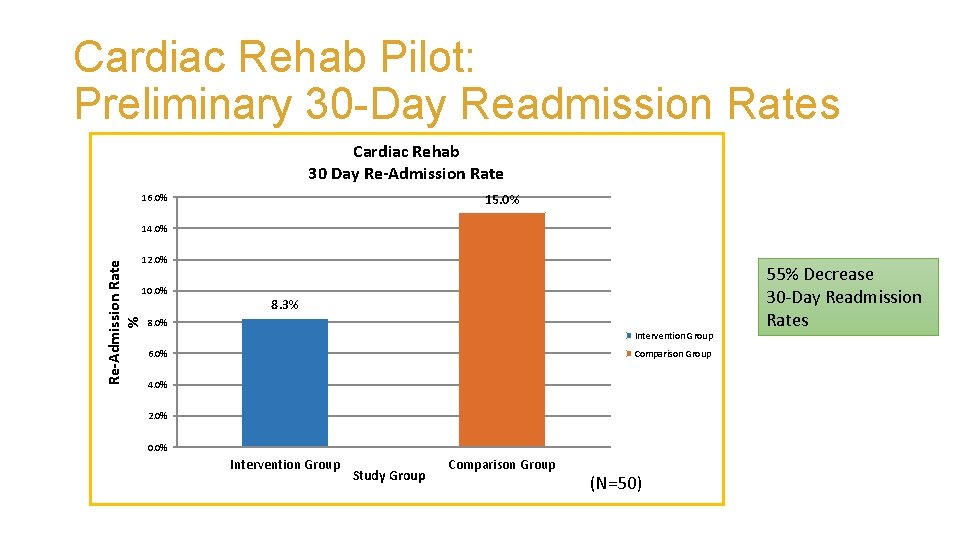
Cardiac Rehab Pilot: Preliminary 30 -Day Readmission Rates Cardiac Rehab 30 Day Re-Admission Rate 15. 0% 16. 0% Re-Admission Rate % 14. 0% 12. 0% 10. 0% 8. 3% 8. 0% Intervention Group 6. 0% Comparison Group 4. 0% 2. 0% 0. 0% Intervention Group Study Group Comparison Group (N=50) 55% Decrease 30 -Day Readmission Rates
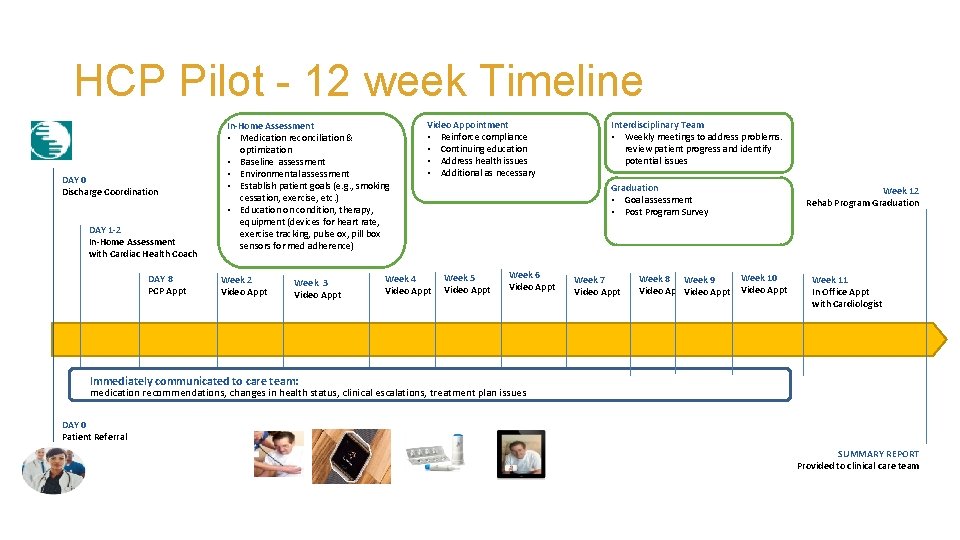
30 -Day Program Timeline HCP Pilot - 12 week Timeline DAY 0 Discharge Coordination DAY 1 -2 In-Home Assessment with Cardiac Health Coach DAY 8 PCP Appt In-Home Assessment • Medication reconciliation & optimization • Baseline assessment • Environmental assessment • Establish patient goals (e. g. , smoking cessation, exercise, etc. ) • Education on condition, therapy, equipment (devices for heart rate, exercise tracking, pulse ox, pill box sensors for med adherence) Week 2 Video Appt Week 3 Video Appt Video Appointment • Reinforce compliance • Continuing education • Address health issues • Additional as necessary Week 4 Video Appt Interdisciplinary Team • Weekly meetings to address problems. review patient progress and identify potential issues Graduation • Goal assessment • Post Program Survey Week 5 Video Appt Week 6 Video Appt Week 7 Video Appt Week 8 Week 9 Video Appt Week 12 Rehab Program Graduation Week 10 Video Appt Week 11 In Office Appt with Cardiologist Immediately communicated to care team: medication recommendations, changes in health status, clinical escalations, treatment plan issues DAY 0 Patient Referral SUMMARY REPORT Provided to clinical care team – 24 –
Conclusion 1. Cardiac Rehab is Under-Used 2. Can Improve Quality of Life 3. Can Reduce Morbidity and Mortality 4. Improve Referral Process 5. Use of Technology to Enhance Program

Questions?
- Slides: 27